Support

Sanliurfa

About

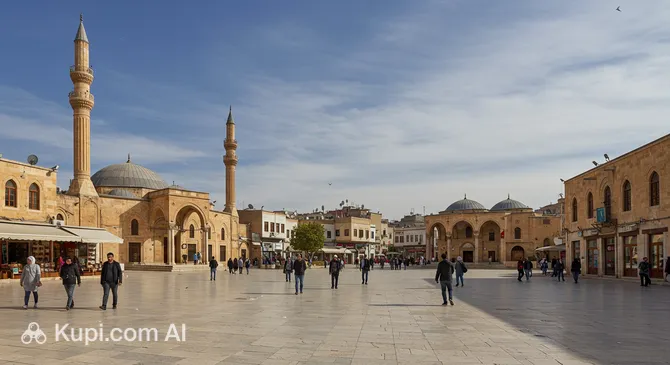
Welcome to Sanliurfa, a city that resonates with the echoes of ancient civilizations and spiritual legends. Often referred to simply as Urfa, this captivating destination in southeastern Turkey is frequently called the "City of Prophets" due to its rich biblical and Islamic heritage. With a population of nearly 2 million people, it is a bustling regional hub that seamlessly blends its deep historical roots with the vibrancy of modern daily life. The city experiences a semi-arid climate, characterized by hot, dry summers and cool, wet winters, making spring and autumn ideal times for exploration.
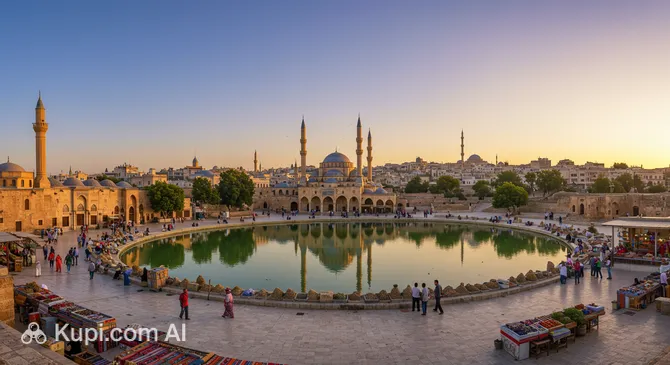
Sanliurfa. Source: Kupi.Binoculars

The history of Sanliurfa stretches back thousands of years, offering a fascinating timeline that captivates archaeologists and travelers alike. It is widely believed to be the birthplace of the Prophet Abraham, a connection that imbues the streets and landmarks with a profound sense of sanctity. Walking through the old town, visitors are transported to an era where diverse cultures and religions have coexisted for centuries, leaving behind a unique architectural and cultural mosaic.

Among the city's most significant attractions is the world-renowned Göbekli Tepe. Located just outside the city center, this archaeological marvel is considered the world's oldest temple, dating back 12,000 years, and has fundamentally changed our understanding of early human history. Within the city itself, the Pool of Abraham (Balıklıgöl) is a must-visit site. This serene pool, filled with sacred carp and surrounded by elegant madrasas and mosques, offers a peaceful retreat and a glimpse into local mythology.

Sanliurfa is also famous for its vibrant covered bazaars, where the air is filled with the scent of spices and the sound of copper being hammered by skilled artisans. Whether you are drawn by the allure of ancient mysteries, the warmth of traditional Turkish hospitality, or the city's celebrated spicy cuisine, Sanliurfa promises a travel experience unlike any other. It is a place where every corner tells a story, inviting you to become a part of its enduring legacy.
Weather Overview

Sanliurfa experiences a semi-arid climate that brings distinct seasonal changes, significantly influencing the best times to explore the city. Generally, you can expect hot, arid summers with virtually no rain and cool winters that see the majority of the year's precipitation. To help you pack appropriately for your trip, it is useful to consult the detailed guide on the weather in Sanliurfa.

The summer months are intense, particularly July and August, when average temperatures hover around 31.8°C and daily highs can reach nearly 39°C, with zero wet days recorded. In contrast, the winter season is much cooler and damper; January is typically the coldest month, averaging 6.1°C with about 14 days of rain. Spring and autumn offer a pleasant middle ground, with average temperatures ranging comfortably between 16°C and 27°C.

Interesting Facts

Beyond the main attractions, Sanliurfa holds many fascinating secrets that peel back the layers of its millennia-old history to reveal surprising stories. From ancient culinary traditions to accidental archaeological discoveries, here are some intriguing facts about this legendary city:

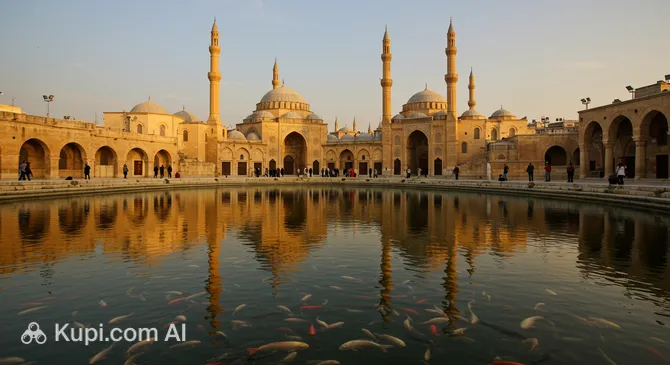
Pool of Sacred Fish. Source: Kupi.Binoculars
  • The Legend of the Sacred Fish: According to local belief, the Pool of Sacred Fish was created when the Prophet Abraham was thrown into a fire by King Nimrod. Miraculously, the fire turned into water and the burning logs transformed into the carp that inhabit the pool today, which are considered sacred and strictly forbidden to catch.

  • The Amazon Queens: While digging the foundation for a theme park, workers accidentally discovered incredible Roman-era mosaics. These rare artworks, now displayed in the Haleplibahçe Mosaic Museum, are among the few in the world to vividly depict the legendary Amazon warrior queens hunting lions.

  • The Oldest Human Statue: The Şanlıurfa Archaeology Museum is home to the "Urfa Man" (Balıklıgöl Statue), which is widely considered the oldest life-sized human sculpture ever found. Dating back to the Pre-Pottery Neolithic period (around 9000 BC), this limestone figure with obsidian eyes predates many famous ancient civilizations.

  • The Secret of Isot: Sanliurfa is the culinary capital of "isot," a unique dark red, almost black, pepper. Unlike regular chili flakes, isot peppers go through a special process where they are sun-dried during the day and tightly wrapped at night to "sweat," creating a distinct smoky, raisin-like sweetness alongside the heat.

How to Get There

Reaching this historic city is relatively straightforward, with air travel being the most convenient option for international and domestic visitors alike. While the region is well-connected by road, flying saves considerable time. For a comprehensive overview of all transport methods, including detailed routes and tips, you can read more about how to get to Sanliurfa.

The primary gateway for travelers is the Sanliurfa GAP Airport (IATA: GNY). Located in the town of Karaköprü, it is approximately 32 km from the city center. This modern facility handles a significant volume of domestic flights, connecting the region with major hubs like Istanbul and Ankara. The journey from the airport to downtown Sanliurfa typically takes about 70 minutes by taxi or shuttle bus services, offering a quick transition from arrival to exploration.

Alternatively, visitors may choose to fly into Gaziantep Airport (IATA: GZT), which is a larger regional hub located in the city of Gaziantep. Although it is situated about 120 km away from Sanliurfa, it often offers a wider range of flight schedules and international connections. Travelers landing here should plan for a longer transfer; the drive to Sanliurfa by taxi or bus takes approximately 3 hours and 20 minutes. This option is particularly useful if direct flights to Sanliurfa are fully booked or if you plan to explore the wider Southeastern Anatolia region.

For clarity, here is a summary of the main airports serving the area:

Airport Name City Passenger Traffic Km from City
Gaziantep Airport Gaziantep High 119.6
Diyarbakir Airport Diyarbakir High 148.1
Sanliurfa GAP Airport Karaköprü Medium 32.3
Malatya Airport Malatya Medium 153.8
Adiyaman Airport Adiyaman Low 68.9

In addition to air travel, Sanliurfa is well-integrated into Turkey's extensive intercity bus network. The city's main bus terminal (Otogar) receives frequent services from major cities across the country. While travel times by bus are significantly longer than flying, the buses are generally modern and comfortable, providing a scenic way to witness the changing landscapes of Anatolia.

Main Attractions

Sanliurfa is a treasure trove of history and spirituality, offering visitors a chance to walk through layers of civilization that span millennia. The city's attractions are deeply rooted in legends of prophets and ancient cultures, making every sightseeing stop a journey into the past. From sacred pools to monumental museums, here are the essential places to experience in this fascinating city.

One of the most iconic and spiritual spots in the city is the Pool of Sacred Fish (Balıklıgöl). Set within the courtyard of the Halil-ur-Rahman Mosque, this rectangular pool is filled with hundreds of carp that are considered holy. Legend says these fish were the burning logs of the fire intended for the Prophet Abraham, miraculously transformed by God. Surrounded by graceful arches and manicured gardens, it is a serene place where visitors can feed the fish and soak in the tranquil, spiritual atmosphere that defines the city.

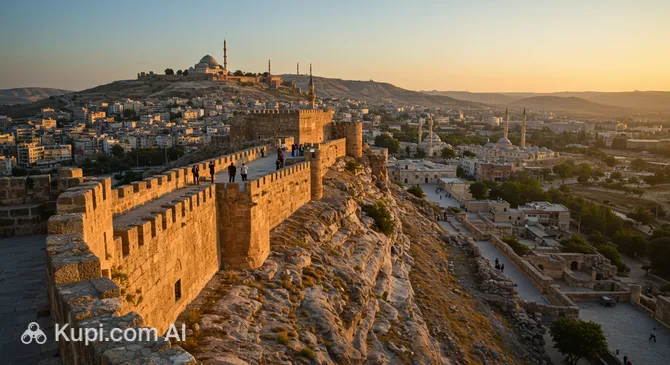
Urfa Castle. Source: Kupi.Binoculars

Watching over the city center is the imposing Urfa Castle. Perched on a steep hill, the fortress dates back to antiquity, with current walls constructed during the Abbasid period. The most striking feature is the pair of ancient Corinthian columns, often referred to as the "Throne of Nimrod," which stand tall against the skyline. A climb to the castle rewards tourists with a breathtaking panoramic view of Sanliurfa, offering a perfect vantage point to see the contrast between the historic old town and the modern city expansion.

Just a short walk from the sacred pool lies the Cave of Abraham (Mevlid-i Halil Cave), a site of immense religious significance. Believed to be the birthplace of the Prophet Abraham, this cave attracts pilgrims from all over the world. The complex includes a mosque and a courtyard, but the cave itself is the focal point, where visitors come to offer prayers and pay their respects. It provides a profound insight into the local culture and the city's identity as the "City of Prophets."

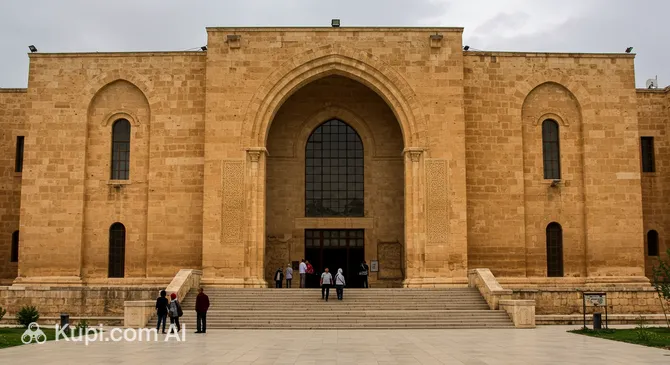
Şanlıurfa Archaeology Museum. Source: Kupi.Binoculars

For history enthusiasts, the Şanlıurfa Archaeology Museum is an absolute must-visit. This world-class facility is one of the largest museums in Turkey and houses an incredible collection of artifacts, including the famous "Urfa Man" and detailed exhibits from Göbekli Tepe. Walking through its halls takes you on a chronological journey from the Paleolithic era to the Ottoman period, showcasing the region's pivotal role in human history with stunningly preserved statues, mosaics, and tools.

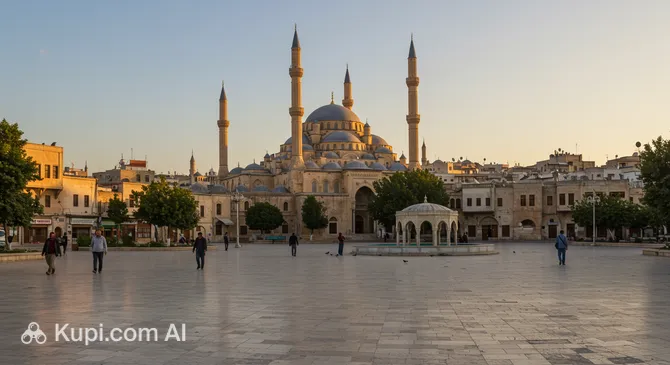
To experience the vibrant daily life of the city, head to Hasimiye Square. Located at the entrance to the historic covered bazaars, this bustling square is the beating heart of traditional commerce in Sanliurfa. It is the perfect starting point for exploring the labyrinthine market streets, where you can buy local spices, copperware, and textiles. The square is always alive with energy, offering a sensory overload of sights, sounds, and smells that captures the authentic spirit of Southeastern Anatolia.

Local Cuisine

Sanliurfa is widely regarded as one of the culinary capitals of Turkey, offering a gastronomic journey that is as rich and layered as its history. The local cuisine is famous for its bold flavors, extensive use of meat, and the ubiquitous presence of "isot," a dark, sun-dried red pepper that imparts a unique smoky heat to almost every dish. Food here is not just sustenance; it is a way of life, with traditions that have been passed down for centuries.

At the heart of the city's dining scene is the legendary Urfa Kebab. Unlike its spicy cousin from Adana, the classic Urfa kebab is typically mild, allowing the natural flavor of the high-quality lamb and tail fat to shine through, though it is often served with roasted peppers and onions on the side. Another defining dish is Çiğ Köfte (raw meatball). Legend holds that this spicy appetizer originated in Sanliurfa during the time of Prophet Abraham. It is traditionally made by kneading raw meat with bulgur, isot, and spices for hours until "cooked" by the heat of the spices and friction, although meatless versions are also common today.

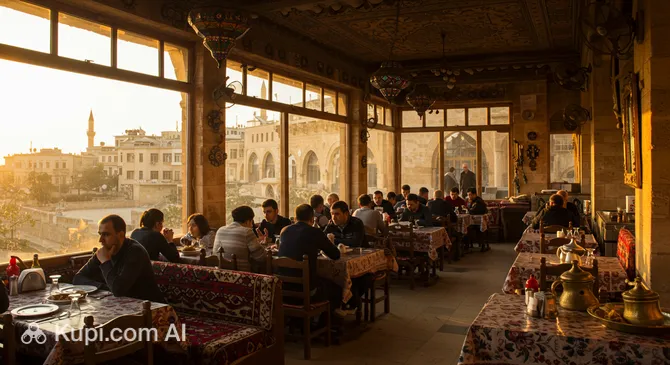
Şehr-i Urfa. Source: Kupi.Binoculars

One of the most surprising local customs is eating liver for breakfast. In the early hours of the morning, smoke rises from small stalls where locals gather to eat Ciğer Kebabı—skewers of grilled liver served with fresh mint, parsley, onions, and thin flatbread. It is a must-try experience for adventurous foodies. For dessert, visitors should look for Şıllık, a sweet treat made of crepe-like dough filled with walnuts and drenched in pistachio syrup.

To truly understand the depth of this culinary heritage, you can visit the Kitchen Museum. Housed in a traditional historical mansion, this unique museum showcases old cooking utensils, traditional kitchen setups, and the history of the region's food culture. It provides a fascinating context to the meals you will enjoy in the city.

Beverages in Sanliurfa are also distinctive. Meals are often accompanied by frothy, homemade Ayran served in copper cups to cool the palate. After a heavy meal, locals sip on Mırra, a very bitter, concentrated coffee brewed several times and served in tiny cups without sugar. It is a symbol of hospitality and prestige. Another popular drink is Menengiç coffee, made from the roasted fruits of the turpentine tree, which has a softer, nutty flavor.

For a complete cultural immersion, attending a traditional "Sıra Night" is essential. These gatherings combine folk music, storytelling, and a feast of local dishes. Venues like the Hanımaga Mansion Boutique Hotel and Sira Night offer tourists the chance to participate in this lively tradition. If you are looking for a classic restaurant setting to sample authentic regional recipes, places like Şehr-i Urfa provide a welcoming atmosphere to enjoy the best of Southeastern Anatolian hospitality.

Travel Tips

Visiting Sanliurfa is a dive into deep history and tradition, but its unique climate and conservative social fabric require a bit of thoughtful preparation. To ensure your journey through the "City of Prophets" is as smooth and respectful as possible, here are some essential practical tips to guide you.

  1. Dress Modestly and Seasonally. Sanliurfa is more socially conservative than western Turkish cities. Both men and women should opt for clothing that covers shoulders and knees, especially when exploring the holy Balıklıgöl area. Women should carry a scarf to cover their heads when entering mosques. In summer, loose, breathable fabrics are essential to combat the intense heat, while winters can be surprisingly cold, requiring warm layers.

  2. Transportation Options. The city center is walkable, but for longer distances, public buses (using the rechargeable "Urfa Kart") and yellow taxis are readily available. However, to visit outlying landmarks like Göbekli Tepe or the beehive houses of Harran at your own pace, renting a car is often the most convenient choice.

  3. Cash is Essential. While major hotels and modern restaurants accept international credit cards, the historic covered bazaars and traditional tea gardens operate almost exclusively on cash. Be sure to carry plenty of Turkish Lira in small denominations for shopping and tipping. ATMs are widely available throughout the city center.

  4. Health and Hydration. The summer sun in this region can be unforgiving. Always carry bottled water, wear high-SPF sunscreen, and try to avoid strenuous outdoor activities during the midday peak heat. Pharmacies, marked with a red "E" (Eczane), are easy to find for minor health needs, and there is usually a duty pharmacy open 24/7 on a rotational basis.

  5. Overcoming the Language Barrier. English is not widely spoken outside of tourism offices and high-end hotels. Locals are incredibly friendly and helpful, but communication can be tricky. Downloading a translation app for offline use and learning a few basic Turkish phrases like merhaba (hello) and teşekkürler (thanks) will go a long way.

  6. Respect Local Etiquette. Hospitality is a core part of the culture here. If a shopkeeper offers you tea, it is polite to accept at least one glass as a gesture of friendship. When greeting people, a handshake is standard, but be observant; in this conservative region, some locals may prefer not to shake hands with members of the opposite sex.

  7. Behaviors to Avoid. Public displays of affection (PDA), such as kissing or prolonged hugging, are frowned upon and should be avoided. Additionally, alcohol is not widely available or consumed in the city center due to its religious significance; asking for it in traditional restaurants may be considered disrespectful.

  8. Market Timing. To experience the bazaars at their best, visit in the morning or late afternoon. Not only will you avoid the midday heat, but you will also see the market at its liveliest. Keep in mind that some smaller shops may close briefly during prayer times.

By keeping these simple guidelines in mind, you will find it easy to connect with the warm-hearted locals and navigate the city with confidence. Sanliurfa rewards the respectful and prepared traveler with a profound cultural experience and memories that will last a lifetime.

Entertainment & Nightlife

Nightlife in Sanliurfa is a unique cultural experience that differs significantly from the western concept of clubs and bars. Instead of loud discos, the city comes alive with the enchanting sounds of traditional folk music and the aroma of late-night feasts. The heart of the evening entertainment scene is the famous Sıra Gecesi (Sira Nights). These traditional gatherings are the social highlight of the city, bringing people together for hours of live music, storytelling, and the communal preparation of raw meatballs (çiğ köfte). It is an atmospheric dive into the local heritage that no visitor should miss.

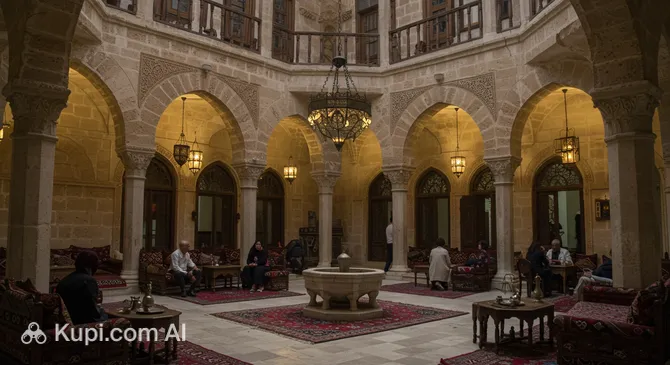
To experience an authentic Sira Night, you can visit the Hanımaga Mansion Boutique Hotel and Sira Night. Venues like this, often set in restored historical homes with stone courtyards, offer a nostalgic ambiance where guests sit on floor cushions or low benches. The evenings usually begin around 8:00 PM and can last until midnight. The dress code is generally smart-casual but modest; while there is no strict requirement, dressing respectfully fits the traditional setting. Reservations are highly recommended, especially on weekends, as these events are popular with both locals and tourists.

Hanımaga Mansion Boutique Hotel and Sira Night. Source: Kupi.Binoculars

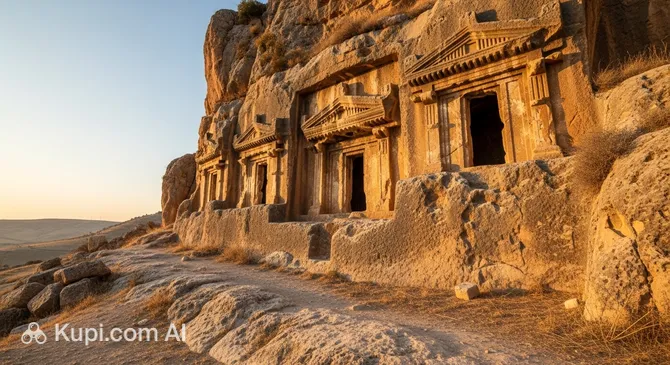
For those who prefer a scenic evening stroll, the area around the historic city center transforms beautifully after sunset. The Kızılkoyun Roman Tombs are spectacularly illuminated at night, creating a mystical backdrop against the dark sky. Nearby, the parks surrounding the sacred pools are bustling with families and friends enjoying tea and roasted corn. If you are feeling hungry late at night, head to Hasimiye Square. This area is famous for its vibrant night market atmosphere and small eateries serving grilled liver (ciğer) well into the early hours, a beloved local tradition.

Kızılkoyun Roman Tombs. Source: Kupi.Binoculars

If you are looking for more modern entertainment options, the Piazza Sanliurfa shopping mall offers a different vibe. It serves as a contemporary hub with a cinema complex, bowling alley, and numerous cafes where young locals gather. It is a good place to relax if you want a break from the historical intensity of the old town. Regarding alcohol, it is important to note that Sanliurfa is a conservative city. Bars are scarce, and most restaurants, including those hosting Sira Nights, do not serve alcohol. Travelers seeking a drink are usually limited to the bars within large 5-star hotels.

Sanliurfa is generally very safe for night walks, particularly in the well-lit tourist areas around Balıklıgöl and the main boulevards. However, the narrow alleyways of the old bazaar can get quite dark and deserted, so it is best to stick to the main squares or take a taxi. Taxis are plentiful and affordable; you can easily flag one down or ask your hotel/restaurant to call one for you. Prices are metered, and night tariffs are standard.

During the day, the city offers a different kind of entertainment focused on history and leisure. Visitors can explore the vast collections at the archaeological museums or enjoy outdoor activities at the Gap Sukay Water Sports Center, which provides a refreshing escape from the heat with cable wakeboarding and green spaces. Whether day or night, the city’s pace is dictated by socialization and history, ensuring a memorable stay.

Parks & Museums

While Sanliurfa is predominantly known for its arid landscapes and ancient stone architecture, the city offers several refreshing green spaces and specialized museums that provide a deeper understanding of its local culture. Beyond the sacred sites, these venues allow visitors to unwind in nature or dive into the specific artistic and social traditions that shape daily life in this historic region.

For those seeking a break from the bustling city center, Karaköprü Municipal Park serves as a modern urban sanctuary. Located in one of the city's rapidly developing districts, this park features well-maintained walking paths, shaded seating areas, and playgrounds for children. It is a popular spot for locals to enjoy evening picnics and escape the summer heat, offering a glimpse into the relaxed side of modern Sanliurfa life.

Karaköprü Municipal Park. Source: Kupi.Binoculars

Another significant green area is Turgut Özal Park. This expansive recreational space is designed to accommodate families and sports enthusiasts alike. With its wide lawns and social facilities, it provides a pleasant contrast to the dense, narrow streets of the old town. For a more active experience near the water, the Gap Sukay Water Sports Center offers a unique opportunity to engage in cable wakeboarding and other water activities, surrounded by landscaped greenery that feels like an oasis in the semi-arid climate.

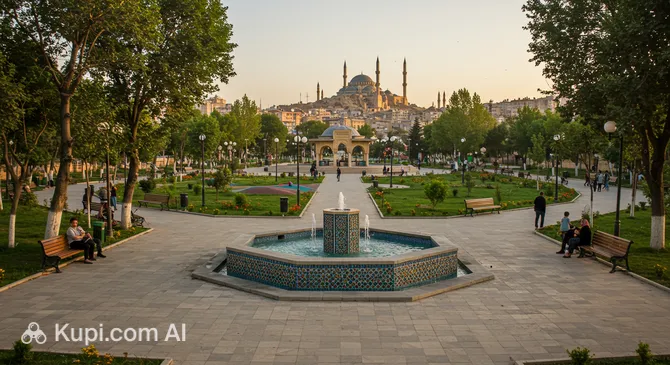
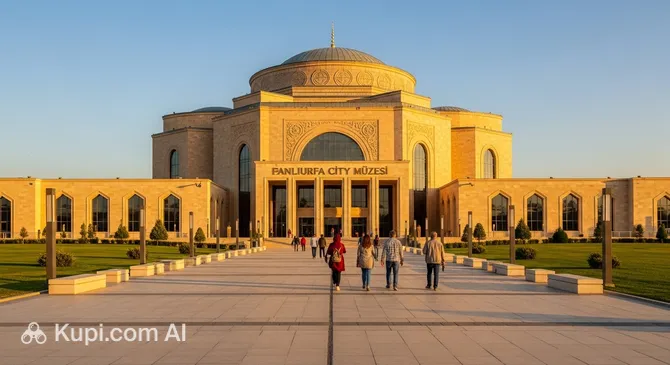
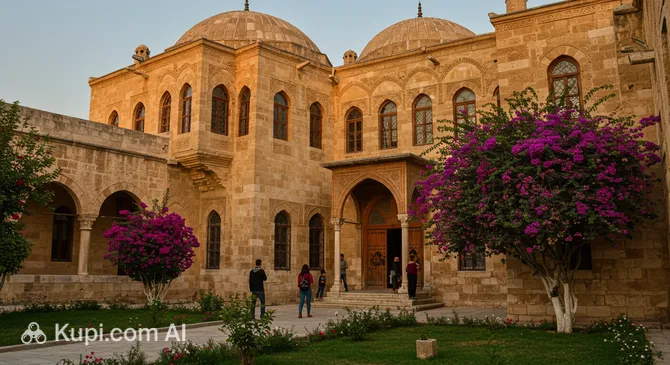
Sanliurfa's museums are equally captivating, moving beyond ancient archaeology to explore the city's living heritage. The Şanlıurfa City Museum (Şanlıurfa Kent Müzesi) is a must-visit for those interested in the ethnographic history of the region. Housed in a beautifully restored historic building, the museum vividly displays scenes of traditional daily life, forgotten crafts, and social customs, effectively bridging the gap between the city's past and present.

Şanlıurfa City Museum. Source: Kupi.Binoculars

Art and history lovers should not miss the Haleplibahçe Mosaic Museum. Located adjacent to the main archaeology complex, this museum protects an incredible collection of Roman-era mosaics found in situ. Its most famous exhibit depicts the Amazon warrior queens, a rare subject in ancient art, rendered with exquisite detail and vibrant colors that have survived for centuries.

For a truly unique cultural experience, visit the İbrahim Tatlıses Music Museum. Sanliurfa is famous for its musical heritage and is the hometown of one of Turkey's most iconic singers, İbrahim Tatlıses. This museum, set in a traditional stone house near the castle, celebrates the city's deep connection to folk music and the "Sıra Gecesi" tradition, showcasing instruments, records, and memorabilia that define the soulful sound of the region.

Getting Around

Navigating Sanliurfa is relatively easy and affordable, thanks to a well-organized network of public transportation that connects the historic city center with modern districts and key landmarks. The backbone of the city's transport system is its fleet of municipal buses, which are color-coded and numbered for easy identification. In recent years, the city has also introduced a modern Trolleybus (Trambus) system. These electric, extended buses run on dedicated lanes, primarily connecting the city center to the university campus and the research hospital, offering a fast and comfortable alternative to regular traffic.

To use public buses and the trolleybus, you will need an Urfa Kart (Urfa Card). This is a contactless smart card that you must purchase and load with credit before boarding. You can buy these cards at designated kiosks, small markets, or "Dolum Merkezi" (Refill Centers) scattered throughout the city, particularly near major bus stops and the main gathering point, the "Toplanma Merkezi" (Gathering Center). Cash is generally not accepted directly on municipal buses, so having a card is essential. The fare is very reasonable, and transfers within a certain time window are often discounted.

For shorter distances or routes not fully covered by the municipal lines, Dolmuş (minibuses) are a popular alternative. These smaller vehicles follow specific fixed routes and can be flagged down from the roadside. While some are integrating into the electronic card system, many still operate on a cash basis, so it is wise to keep some small change handy if you plan to use them. They are often faster than large buses but can get quite crowded.

Yellow taxis are widely available 24/7 and are a convenient option, especially late at night or when carrying luggage. You can easily find them at designated taxi stands (taksi durağı) or hail one on the street. All legal taxis are equipped with meters, and drivers are generally required to use them. It is always a good idea to check that the meter is running when you start your journey. Taxis are particularly useful for reaching destinations like the airport or specific restaurants that might be off the main bus routes.

If you plan to visit attractions outside the city limits, such as the ancient site of Göbekli Tepe or the beehive houses of Harran, renting a car is highly recommended. While public transport exists for some of these locations, schedules can be infrequent. Having your own vehicle gives you the freedom to explore the surrounding province at your own pace. Car rental agencies are available at the airport and in the city center.

Public transport generally operates from early morning, around 06:00, until approximately 23:00 or midnight, depending on the line. During religious holidays, services are often free or run on special schedules. Tourists should also note that bus stops usually display route maps, and digital displays on the front of the buses indicate the destination. If you are unsure, simply say the name of your destination to the driver, and they will usually nod if it is the correct bus.

Accommodation

Accommodation in Sanliurfa offers a delightful contrast between the ancient and the modern, allowing travelers to choose between immersing themselves in history or enjoying contemporary comforts. The city provides a wide spectrum of lodging options, ranging from budget-friendly guesthouses and authentic boutique hotels to large, modern 5-star establishments. Prices are generally very reasonable compared to Turkey's major tourist hubs like Istanbul or Cappadocia, making it accessible for all types of travelers.

For the most authentic experience, staying in a traditional Konak (mansion) is highly recommended. These historic stone houses, often centuries old, have been beautifully restored and converted into boutique hotels. Concentrated primarily in the Eyyübiye district, near the Balıklıgöl and the Grand Bazaar, these lodgings feature central courtyards, ornate stonework, and small ornamental pools. Staying here places you within walking distance of the city's main spiritual and historical sites, allowing you to soak up the atmosphere of the Old City right from your doorstep.

Şehrazat Mansion. Source: Kupi.Binoculars

If you prefer standard modern amenities, the districts of Haliliye and Karaköprü offer a different experience. These newer parts of the city are home to familiar chain hotels and larger local establishments that provide spacious rooms, on-site parking, and business facilities. These areas are well-connected by public transport and are often quieter at night than the bustling historic center. They are ideal for families or travelers who prioritize predictability and modern luxury over historical charm.

When planning your trip, keep in mind that Sanliurfa is a popular destination for domestic tourism, especially during religious holidays and the mild seasons of spring and autumn. During these peak times, the best boutique hotels in the Old City can fill up quickly. It is advisable to book your accommodation in advance to secure your preferred location. While major booking platforms work well for the larger hotels, some smaller traditional guesthouses may also accept direct reservations.

Nearby Cities

For those looking to explore the surroundings, Sanliurfa serves as an excellent base for day trips to several interesting nearby locations:

One of the most popular excursions is to Gaziantep, located approximately two hours to the west. Renowned as a UNESCO Creative City of Gastronomy, it is famous for its world-class pistachios, baklava, and rich culinary traditions. Beyond its food scene, the city is home to the Zeugma Mosaic Museum, which houses one of the most important collections of Roman mosaics in the world.

To the north lies Adiyaman, a city that serves as the primary gateway to one of Turkey's most iconic landmarks: Mount Nemrut. While the city itself offers local charm, it is the starting point for travelers wishing to see the colossal ancient statues and the royal tomb sanctuary at the mountain's summit, particularly famous for its breathtaking sunrise and sunset views.

For a shorter trip, Karaköprü acts almost as a modern extension of Sanliurfa, offering green spaces and recreational areas just a short drive away. Meanwhile, towns like Siverek and Viransehir provide a deeper look into the rural heritage and daily life of the province, featuring their own local historical sites and markets.

City Population Distance (km)
Gaziantep 2,028,563 126
Adiyaman 304,615 81
Siverek 258,265 80
Viransehir 195,910 86
Karaköprü 195,552 17

These nearby destinations offer a glimpse into the diverse culture and landscapes of the region.

Shopping & Souvenirs

Shopping:

Shopping in Sanliurfa is a captivating journey that bridges two distinct worlds: the ancient, aromatic atmosphere of traditional Silk Road bazaars and the convenience of modern retail centers. For travelers, the city offers a unique opportunity to purchase authentic regional handicrafts and culinary specialties that are difficult to find elsewhere. Whether you are navigating the labyrinthine alleyways of the old market or browsing international brands in air-conditioned malls, the experience is an integral part of understanding the local culture.

The heart of the city's traditional commerce beats around Hasimiye Square. This bustling hub serves as the gateway to the historic covered bazaars (Kapalı Çarşı), where trade has flourished for centuries. As you wander through the narrow, stone-paved streets, you will find specialized sections dedicated to different crafts. The Coppersmiths' Bazaar (Bakırcılar Çarşısı) is particularly famous, where the rhythmic sound of hammers striking metal fills the air as artisans create intricate trays, coffee pots, and decorative plates by hand.

Hasimiye Square. Source: Kupi.Binoculars

For those preferring a contemporary shopping experience, Piazza Sanliurfa is the city's premier destination. Located centrally, this large shopping mall houses a wide array of domestic and international fashion brands, electronics stores, and a food court. It provides a comfortable escape from the summer heat and is a popular meeting point for locals. Another option is the Urfa City Shopping Mall, which offers a similar range of modern conveniences and retail outlets.

Piazza Sanliurfa. Source: Kupi.Binoculars

The traditional markets are the best place to hunt for unique souvenirs. The most iconic item to buy is Isot, the city's famous sun-dried purple-black pepper, which comes in various grades of heat and sweetness. You will see it displayed in large sacks alongside other spices, dried fruits, and local pistachio nuts. Textile lovers should look for the Puşi, a traditional checkered scarf worn by locals, which makes for a lightweight and authentic gift. Additionally, hand-beaten copperware and menengiç coffee (made from wild pistachios) are excellent keepsakes that reflect the region's heritage.

When it comes to practicalities, opening hours vary by location. The modern shopping malls typically operate from 10:00 AM to 10:00 PM, seven days a week, and accept all major credit cards. In contrast, the historic bazaars usually open around 8:00 AM and close by sunset (around 7:00 PM). While some larger shops in the bazaar may take cards, cash is essential for smaller stalls and bargaining. Sunday is generally a quiet day in the traditional markets, with many shops closed, whereas malls remain fully operational.

Tourists visiting Sanliurfa can also take advantage of the Tax-Free shopping system available in Turkey. Look for the "Tax Free" signage in the windows of larger modern stores, particularly in the shopping malls. If you make a purchase above a certain threshold, you can request the necessary paperwork to claim a Value Added Tax (VAT) refund at the airport upon your departure from the country.

Reached the end of the page?

That means the route is fully explored