Support

Siirt

About

Siirt is a captivating city located in southeastern Turkey, offering a unique blend of cultural richness and natural splendor. Often serving as a bridge between diverse cultures due to its strategic location, the city welcomes visitors with its warm hospitality and authentic atmosphere. It serves as the capital of the Siirt Province and acts as an important regional hub for trade and culture.

Situated at a high elevation, the city overlooks the stunning landscapes carved by the tributaries of the Tigris River. With a population of approximately 166,000 residents, Siirt maintains a lively yet community-focused vibe. The region is known for its distinct climate, featuring hot, dry summers and cold, wet winters, which significantly influences the local lifestyle and agricultural practices.
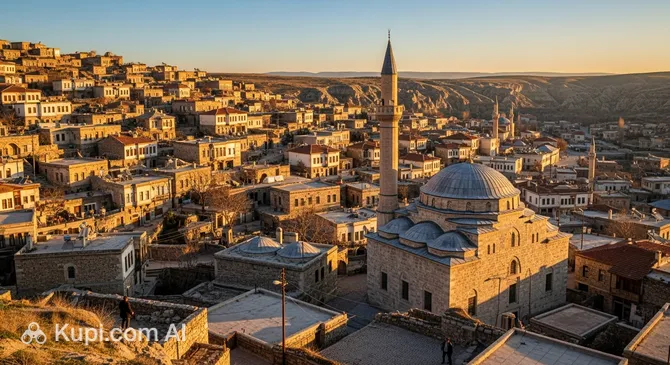
Siirt. Source: Kupi.Binoculars

The deep-rooted history of Siirt is reflected in its architectural landmarks and enduring traditions. One of the city's most iconic symbols is the Great Mosque of Siirt (Ulu Cami), famous for its distinctive leaning minaret, often compared to the Tower of Pisa. Beyond architecture, the city is renowned for its culinary delights, particularly the delicious Büryan kebab and the large, flavorful Siirt pistachios that are a staple of the region.

Nature lovers will appreciate the proximity to the breathtaking Botan Canyon, a perfect spot for enjoying dramatic vistas and outdoor activities. Visitors can also explore local craftsmanship by admiring the famous handmade Siirt blankets, woven from pure angora wool. Whether you are interested in ancient heritage, gastronomy, or natural beauty, Siirt provides a memorable travel experience off the beaten path.
Weather Overview

The climate in this region is defined by distinct seasonal changes, offering travelers significantly different experiences depending on when they visit. Generally, you can expect sweltering, dry summers and cold, damp winters. The transition seasons of spring and autumn provide milder temperatures, though precipitation becomes more frequent as the year progresses.

Summer is the hottest time of the year, particularly in July and August, when average temperatures hover around 28.6°C and daily highs can soar up to 36.7°C. These months are exceptionally dry, with almost zero days of rainfall, making them ideal for outdoor exploration if you can handle the heat. June and September also remain quite warm, maintaining average temperatures in the mid-20s°C range.

Winter brings a stark contrast, with January being the coldest month, featuring average temperatures of just 2.9°C and lows dipping to -1.5°C. Precipitation is much more common during this period; for instance, March sees about 17 wet days. To plan your activities and packing list effectively, it is helpful to consult the detailed weather in Siirt before your journey, especially if you are traveling during the rainy spring months.

Interesting Facts

Beyond the well-known landmarks, Siirt hides a treasure trove of cultural nuances and historical marvels waiting to be discovered. From architectural ingenuity to sweet local traditions, the city offers fascinating insights into its rich heritage.

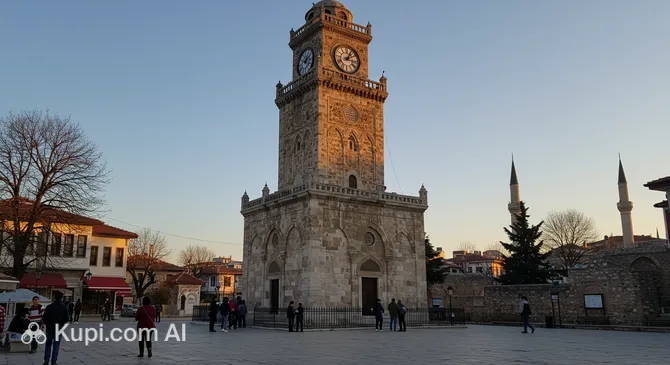
Siirt Clock Tower. Source: Kupi.Binoculars
  • The nearby district of Tillo is home to an incredible 18th-century astronomical marvel known as the "Light Event" (Işık Hadisesi). Designed by the scholar Ibrahim Hakki, a complex mechanism ensures that on the equinoxes, the first rays of the rising sun pass through a tower and a specific window to illuminate the head of his teacher's tomb, a feat of engineering that continues to amaze visitors.

  • Traditional residential architecture in the city is defined by the unique "Cas" houses, built using a special gypsum-based mortar that hardens like stone. This local material is not only durable but provides excellent insulation, keeping the homes naturally cool during the scorching summers and warm during the freezing winters.

  • Standing as a sentinel over the city center is the Siirt Clock Tower, a structure that dates back to the early 20th century. Originally constructed in 1905, this elegant tower serves as a prominent symbol of the city's late Ottoman heritage and remains a favorite meeting point for locals.

  • While the region is famous for its pistachios, it also produces the legendary Pervari Honey, which is harvested from traditional woven hives called "Karakovan." This honey is highly prized across the country for its rich quality and is often sought after for its reputed health benefits, derived from the diverse flora of the high-altitude plateaus.

How to Get There

Reaching Siirt is relatively straightforward, with air travel being the most convenient option for most visitors. While the city has its own airport, travelers can also utilize larger regional hubs nearby to find the best flight schedules. For a detailed breakdown of routes and transport advice, you can read more about how to get to Siirt.

The most direct entry point is Siirt Airport (SXZ), which is conveniently located just 10.7 km from the city center. A taxi or shuttle from here typically takes about 35 minutes. However, as a smaller facility, flight options may be limited. A popular alternative is Batman Airport (BAL), situated in the neighboring city of Batman, approximately 72.6 km away. The journey from Batman to Siirt takes around 2 hours by road. For those seeking more frequent connections, Van Ferit Melen Airport (VAN) in Van is a larger regional hub. Although it is about 135.8 km away, requiring a transfer time of roughly 3.5 to 4 hours, it handles a significantly higher volume of passenger traffic.

For clarity, here is a summary of the main airports:

Airport Name City Passenger Traffic Km from City
Van Ferit Melen Airport Van Large 135.8
Batman Airport Batman Medium 72.6
Mus Airport Mus Medium 94.3
Şırnak Airport Cizre Medium 63.4
Siirt Airport Siirt Small 10.7

If flight schedules do not align with your plans, Siirt is also well-connected by Turkey's extensive intercity bus network. Buses from major cities like Istanbul, Ankara, and Diyarbakır arrive regularly at the main bus terminal, offering a scenic and budget-friendly alternative for reaching the city.

Main Attractions

Siirt offers a fascinating mix of historical architecture, natural beauty, and unique culinary traditions. The city's attractions reflect its position as a cultural crossroads, featuring ancient religious sites, dramatic canyons, and lively gathering spots that showcase the region's heritage.

Standing as a prominent symbol in the heart of the city is the Siirt Clock Tower. Constructed in 1905 during the reign of Sultan Abdulhamid II, this elegant structure was built using cut stone and features a hexagonal base. It has served as a timekeeper and a meeting point for locals for over a century, representing the late Ottoman architectural style that still influences the city's character today.

Another architectural marvel is the Great Mosque of Siirt (Ulu Cami), which dates back to the Seljuk period. It is renowned for its distinctive minaret, which leans noticeably to one side, drawing comparisons to the Leaning Tower of Pisa. The mosque's intricate brickwork and turquoise glazed tiles are beautiful examples of early Anatolian Turkish art, making it a must-visit for history enthusiasts.

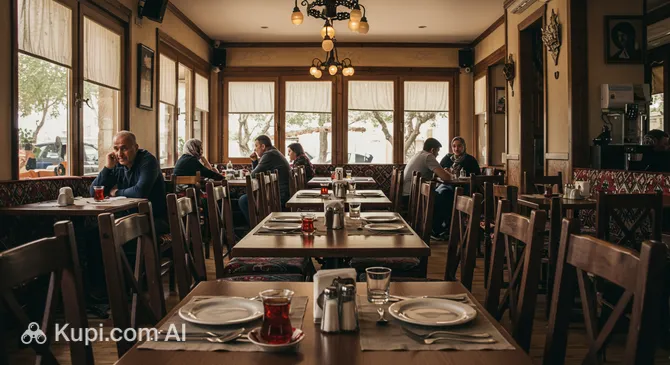
No visit to the city is complete without experiencing its famous culinary culture, particularly the Büryan kebab, a pit-roasted meat dish that is a local specialty. Ornek Buryan Restaurant is a well-regarded establishment where visitors can taste this traditional delicacy. Prepared by slow-cooking meat in deep wells, the dish offers a unique flavor that attracts food lovers from all over the country.

Ornek Buryan Restaurant. Source: Kupi.Binoculars

For nature lovers, Rasıl Hacar (Deliklitaş) offers some of the most breathtaking views in the region. Located just a short distance from the city center, this natural canyon features steep cliffs and a stunning vantage point overlooking the Botan River. It is an ideal spot for photography and picnicking, providing a serene escape into the dramatic landscapes of southeastern Turkey.

Local Cuisine

The culinary scene in Siirt is a gastronomic journey defined by rich flavors, unique cooking techniques, and a heavy emphasis on high-quality meats. As a cultural crossroads in southeastern Turkey, the city's kitchen blends Arab and Anatolian influences to create dishes that are hearty and memorable. For food enthusiasts, the local cuisine is not just about sustenance but a celebration of tradition, often centered around communal dining and special preparation methods that have been passed down for generations.

The undisputed star of the local table is Büryan Kebabı. Unlike other kebabs grilled on skewers, Büryan is prepared by lowering a whole lamb carcass into a deep, sealed pit oven lined with clay bricks. The meat is slow-cooked in its own steam for hours until it is incredibly tender and flavorful. It is typically served on flatbread (pide) and is traditionally consumed for breakfast or lunch; in fact, many specialized restaurants sell out by the early afternoon.

Another culinary masterpiece you must try is Perde Pilavı (Curtain Pilaf). Often reserved for special guests and weddings, this festive dish consists of rice, chicken, almonds, currants, and pine nuts, all encased in a thin layer of dough and baked until golden brown. The shape resembles a fez, and the "curtain" of dough keeps the pilaf inside moist and aromatic. Alongside these heavy dishes, locals snack on Siirt Pistachios, which are distinct from other varieties due to their larger size and naturally open shells.

To wash down these rich meals, the most typical beverage is Ayran, a salty yogurt drink often served frothy in copper cups. It provides a refreshing contrast to the fatty, savory nature of the kebabs. While tea (çay) is the standard conclusion to every meal and social interaction, visitors looking for sweet local flavors might also encounter sherbets made from local fruits or herbs. Alcohol is not a prominent part of the traditional food culture here, but it can be found in certain hotel restaurants or licensed venues.

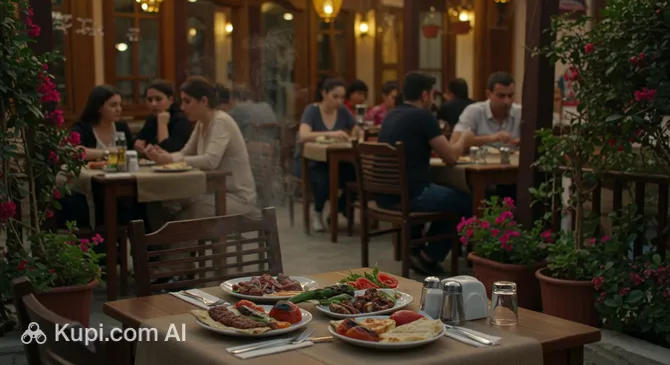
Dining in Siirt is generally a casual and authentic affair. You won't find many high-end fine dining establishments; instead, the best food is found in modest "salons" specializing in specific dishes like Büryan or grilled meats. For a reliable taste of local hospitality and a varied menu, you can visit Osman Restaurant, a popular spot where travelers can sample a range of regional specialties in a comfortable setting.

Osman Restaurant. Source: Kupi.Binoculars

The food culture here revolves around freshness and seasonality. Markets are great places to find local ingredients, such as the famous Pervari honey or dried fruits. Whether you are sitting on a low stool in a busy kebab shop or enjoying a family-style meal, the food in Siirt offers a genuine taste of the region's warm and generous spirit.

Travel Tips

Visiting Siirt offers a chance to experience the authentic culture and rugged beauty of southeastern Turkey, but a little preparation goes a long way in this traditional region. To help you navigate the city with ease and respect local customs, we have compiled a list of essential practical advice for your journey.

  1. Clothing and Gear: Since the climate varies drastically, pack according to the season: breathable, light fabrics for the scorching dry summers and warm, insulated layers for the cold, damp winters. As Siirt is a culturally conservative city, it is respectful to dress modestly; both men and women should avoid very short shorts or sleeveless tops. If you plan to visit religious sites like the Great Mosque, women should bring a scarf to cover their heads, and everyone must remove their shoes before entering.
  2. Transportation: The city center is compact enough to explore on foot, but for longer distances, the local minibuses, known as dolmuş, are the most popular and affordable way to get around. Taxis are readily available and reasonably priced, though it is wise to ensure the meter is running. If you wish to visit the Botan Canyon or the district of Tillo at your own pace, renting a car is highly recommended, as public transport schedules to these outlying areas can be infrequent.
  3. Finances: The local currency is the Turkish Lira (TRY). While credit cards are accepted in hotels and larger restaurants, cash is king in traditional eateries, tea houses, and local markets. It is advisable to carry small denominations for taxi fares and small purchases. ATMs are widely available in the city center, and currency exchange offices can be found near the main commercial streets.
  4. Health and Safety: Siirt is generally a safe city for tourists, but standard travel precautions should be taken, such as keeping an eye on your belongings in crowded areas. Pharmacies, marked by the sign "Eczane," are easy to find; they usually operate during business hours, with a designated guard pharmacy (nöbetçi eczane) open overnight for emergencies. Tap water is generally not recommended for drinking; stick to bottled water which is cheap and widely available.
  5. Communication: The primary language is Turkish, and English is not widely spoken outside of major hotels or tourism offices. It is highly beneficial to download a translation app for offline use. Learning a few basic Turkish phrases like "Merhaba" (Hello) and "Teşekkür ederim" (Thank you) will be warmly received by the locals and can open doors to friendly interactions.
  6. Local Etiquette: Hospitality is a cornerstone of life here. If you are invited for tea, it is polite to accept, as refusing can be seen as cold. When greeting people, a handshake is common, sometimes accompanied by placing the right hand over the heart as a sign of sincerity. In public spaces, maintaining a polite and low-key demeanor is appreciated, as the local culture values modesty and community harmony.
  7. What to Avoid: Be very cautious about photography; always ask for permission before taking photos of local people, especially women, as this is a sensitive matter. Additionally, avoid public displays of affection, as they are considered inappropriate in this conservative region.
  8. Local Insight: When shopping for souvenirs, look for the famous Siirt blankets (Siirt Battaniyesi) made from mohair, or buy a bag of local pistachios. Unlike other varieties, Siirt pistachios are larger and naturally split open, making them a favorite snack that you can easily find in local bazaars.

By keeping these tips in mind, you will be well-equipped to enjoy the warm hospitality and unique heritage that Siirt has to offer. Embrace the slower pace of life, enjoy the local flavors, and you are sure to have a memorable and hassle-free trip.

Entertainment & Nightlife

Entertainment and nightlife in Siirt differ significantly from the energetic club scenes found in western Turkey or coastal resorts. Here, the evening culture is defined by a relaxed, family-oriented atmosphere where socializing revolves around food, tea, and conversation rather than loud music or dancing. The city comes alive after sunset, but in a way that reflects its traditional and conservative character, offering visitors a chance to experience authentic local hospitality.

The heart of the city's evening activity is undoubtedly Güres Avenue (Güres Caddesi). This bustling thoroughfare is where locals come to stroll, shop, and meet friends. The street is lined with modern cafes, pastry shops, and tea gardens that stay open late, often until midnight during the warmer months. The vibe here is lively yet laid-back; you will see groups of friends playing Okey (a popular tile game) or backgammon while sipping endless glasses of tea. Alcohol is not widely available in standard cafes or restaurants; it is typically found only in specific hotel bars or a few licensed establishments.

Dining out is the primary form of night entertainment. While some specialty spots close early, general restaurants remain popular venues for long, social dinners. For a reliable evening meal in a comfortable setting, Osman Restaurant is a great choice to sample local kebabs and grilled dishes. The area surrounding the historic Siirt Clock Tower also serves as a central gathering point. In the evenings, the square around this landmark often fills with people enjoying the cooler air, making it a perfect spot for a post-dinner walk to soak in the local ambiance.

For those looking for practical advice, the best time to head out is between 8:00 PM and 10:00 PM, especially in summer when the daytime heat subsides. The dress code is casual but modest; it is respectful to avoid overly revealing clothing. Siirt is very safe for night walks, particularly along the main well-lit avenues like Güres. Taxis are plentiful and can be easily hailed from the street or taxi stands if you wish to return to your hotel late at night. Prices in cafes and restaurants are generally very affordable compared to larger Turkish cities.

During the daylight hours, entertainment shifts towards cultural and historical exploration. Visitors can explore the Siirt Museum to see artifacts from the region's ancient past or visit the shrines in the nearby Tillo district. For families or those seeking relaxation, the city's parks offer a green escape, while the adventurous can plan day trips to the stunning Botan Canyon for hiking and photography before returning to the city for a quiet evening of tea and local sweets.

Parks & Museums

Siirt offers a compelling mix of dramatic natural landscapes and preserved cultural heritage, making it a rewarding destination for travelers who enjoy exploring off the beaten path. While the city is not packed with large museum complexes, its deep historical roots are showcased through specific institutions and the open-air history found in its surrounding districts and valleys.

For those seeking fresh air and stunning vistas, the Botan Valley National Park (Botan Vadisi Milli Parkı) is the region's crown jewel. This expansive natural area is defined by the winding Botan River and steep, rugged canyons that offer breathtaking scenery. It is a hotspot for outdoor enthusiasts interested in hiking, photography, and even paragliding. Closer to the city center, Kızlar Tepesi serves as a popular urban park and social hub. Perched on a high point, it provides panoramic views of the city and is a favorite spot for locals to enjoy evening walks, tea, and picnics in a family-friendly environment.

To understand the region's rich past, a visit to the Siirt Museum is essential. This modern facility houses a significant collection of artifacts unearthed during excavations in the area, particularly from the Başur Höyük mound. The exhibits range from the Bronze Age to the Ottoman period, featuring pottery, tools, and unique gaming pieces that offer a glimpse into the daily lives of ancient Anatolian civilizations. Another cultural focal point is the district of Tillo (Aydınlar), which functions almost like an open-air museum of Islamic science and spirituality. Here, visitors can explore the legacy of scholars like Ibrahim Hakki and see the famous light-refraction mechanism he designed, blending astronomy with architecture.

The area is also dotted with profound historical and architectural landmarks. The Veysel Karani Mausoleum in the Baykan district is one of the most visited religious sites in the region, attracting pilgrims from across Turkey who come to pay their respects to this revered figure. Within the city, the historical texture is best experienced by observing the traditional "Cas" houses and the iconic Siirt Clock Tower. While the tower stands as a marker of late Ottoman elegance, the ruins of Finik Castle, located in the Botan Valley, offer a more rugged historical experience, with rock-carved dwellings and remnants dating back to the Assyrian period.

For a truly authentic experience, consider visiting the Billoris (Sağlarca) Thermal Springs located on the banks of the Botan River. These natural hot springs are less commercialized than major spa resorts but are highly valued by locals for their relaxing and therapeutic properties. It is a perfect way to unwind after a day of trekking through the canyons, offering a simple yet genuine slice of local life.

Getting Around

The public transport system in Siirt is compact, straightforward, and relies primarily on road-based vehicles, making it relatively easy for visitors to navigate. Unlike larger metropolises with complex rail networks, Siirt's public transportation consists mainly of municipal buses and privately operated minibuses known as dolmuş. These two modes of transport cover the city center, residential neighborhoods, and key locations such as the university campus and hospitals, providing a reliable way to get around without the need for a private car.

For payment on municipal buses, the city utilizes an electronic smart card system known as SiirtKart. This rechargeable card is the most economical option for frequent travel and can be purchased and topped up at designated kiosks and sales points throughout the city. A significant convenience for tourists is that the municipality has also introduced contactless payment options; you can often use your personal contactless credit or debit card directly on the bus validators, eliminating the need to hunt for a ticket vendor immediately upon arrival.

The dolmuş minibuses offer a flexible alternative to the official bus lines. These vehicles typically follow fixed routes but can stop anywhere along the way to pick up or drop off passengers, which is particularly useful if your destination is between standard bus stops. Payment for the dolmuş is traditionally made in cash directly to the driver upon boarding. It is advisable to carry small denominations of the local currency, as drivers may not always have change for large banknotes.

Operating hours for public transport generally run from early morning, around 06:00 or 06:30, until late evening, typically winding down between 22:00 and 23:00 depending on the route and day of the week. Service frequencies are higher during peak morning and evening commute times. If you are traveling very late at night or carrying heavy luggage, yellow taxis are readily available at designated stands or can be hailed from the street. Taxis in the city operate on a metered system and provide a reasonably priced and comfortable alternative for direct door-to-door transport.

Since Siirt's city center is relatively compact, many of the main attractions, markets, and restaurants are within walking distance of each other. However, for trips to outlying districts or the bus terminal, public transport is efficient. Visitors should look for the "Siirt Belediyesi" logo on buses for official municipal services. While there are no trams or metros, the existing bus and minibus network is more than sufficient for the city's size, offering a genuine and practical experience of local daily life.

Accommodation

Where to Stay:

Accommodation options in Siirt are generally modest and practical, catering primarily to business travelers and cultural tourists. The city does not feature sprawling luxury resorts or international five-star chains. Instead, visitors will find a selection of reliable mid-range hotels, comfortable guesthouses, and budget-friendly lodgings that offer clean and convenient bases for exploring the region. The focus here is on Turkish hospitality, with many establishments providing breakfast and essential amenities to ensure a pleasant stay.

The most convenient area for tourists to stay is the city center. Choosing a hotel near Güres Avenue or the government administrative district places you within walking distance of key attractions like the Siirt Clock Tower and the bustling local markets. Staying centrally also ensures easy access to the city's best restaurants and cafes, allowing you to enjoy the lively evening atmosphere without worrying about transportation. Since the city is compact, almost all central hotels offer good proximity to public transport hubs for day trips to surrounding canyons or districts.

While specific luxury hotels are limited, the existing three- and four-star establishments in the city center typically offer modern comforts such as air conditioning, Wi-Fi, and on-site dining. These hotels are well-suited for travelers seeking a balance between comfort and affordability. For those on a stricter budget, there are smaller local hotels and "Teacher's Houses" (Öğretmenevi) — public guesthouses often open to the public — which provide basic but well-maintained rooms at very reasonable rates.

Booking Tip: Although Siirt is not a mass tourism destination, accommodation capacity is relatively limited. It is highly recommended to book your room in advance, especially if you plan to visit during official holidays or the summer months when local weddings and events can fill up the available hotels quickly.

In terms of pricing, Siirt is generally very affordable compared to Turkey's western coastal cities. Most accommodations fall into the budget to mid-range price bracket. While the larger hotels can be booked through major international online travel platforms, some smaller, family-run establishments may not have a strong online presence. In such cases, calling ahead or asking a local guide for assistance can be helpful, though the main city hotels are usually accessible via standard booking sites.

Nearby Cities

For those looking to explore the surroundings, Siirt serves as an excellent base for day trips to several interesting nearby locations:

City Population Distance (km)
Batman 447,106 72
Cizre 143,124 69
Sirnak 93,431 64
Tatvan 92,695 70
Idil 76,523 69

Among these neighboring destinations, Tatvan stands out as a scenic retreat. Located on the western shores of Lake Van, it is a gateway to the stunning Nemrut Crater Lake, one of the largest volcanic crater lakes in the world. Visitors can enjoy the fresh air, lush greenery, and the mesmerizing blue waters of Lake Van, making it an ideal spot for nature lovers and photographers.

Another significant destination is Batman, a major regional hub that offers access to the ancient cultural heritage of the area. While the city itself is modern, it is the primary jumping-off point for visiting the historic site of Hasankeyf, known for its thousands of years of history along the Tigris River. Additionally, Cizre offers a deep dive into history with landmarks such as the Red Madrasa (Kırmızı Medrese) and the Great Mosque of Cizre, reflecting the rich architectural legacy of the region.

These nearby destinations offer a glimpse into the diverse culture and landscapes of the region.

Shopping & Souvenirs

Shopping in Siirt is a delightful experience that focuses less on high-end international fashion and more on authentic regional craftsmanship and local produce. The city offers a blend of modern retail conveniences and traditional bazaars where visitors can discover unique items that are deeply rooted in the area's culture. From handwoven textiles to world-renowned culinary treats, the shopping scene here provides a genuine taste of southeastern Turkey.

The heartbeat of the city's commercial life is Güres Avenue (Güres Caddesi). This bustling pedestrian-friendly street is lined with a variety of shops selling clothing, shoes, and electronics, interspersed with lively cafes. It is the perfect place to take a leisurely stroll, browse for everyday items, and soak in the local atmosphere. In the evenings, the avenue becomes a social hub where families and friends gather, making it a vibrant spot to experience the modern side of the city.

For those preferring a contemporary shopping environment, Siirt is home to modern shopping centers such as Andera Park and Siirt Park AVM. These malls provide a comfortable, climate-controlled setting where you can find well-known Turkish clothing brands, home goods, and food courts. They are particularly convenient for travelers looking for standard necessities or a familiar retail experience away from the heat of the summer.

However, the true charm of shopping here lies in the traditional markets and specialty stores found in the historic city center. The local bazaars are filled with the aroma of spices and fresh produce. Here, you can purchase the famous Siirt Pistachios, which are distinct from other varieties due to their large size and naturally open shells. Another highly prized edible souvenir is Pervari Honey, a premium product harvested from the high plateaus of the region, known for its rich flavor and quality.

When it comes to non-edible souvenirs, the iconic Siirt Blanket (Siirt Battaniyesi) is a must-buy. These handwoven blankets are made from pure mohair (angora goat hair) and are celebrated for their warmth, durability, and intricate geometric patterns. Additionally, visitors should look for Bıttım Soap, a natural artisanal soap made from wild pistachio oil. It is widely used by locals for its reputed benefits for skin and hair health and makes for a lightweight, practical gift to take home.

Store hours in Siirt are generally from 9:00 AM to 8:00 PM or 9:00 PM for street-side shops, while shopping malls typically stay open until 10:00 PM. Sunday is a quiet day, with some smaller businesses remaining closed, although malls and larger supermarkets operate as usual. Cash is the preferred method of payment in traditional bazaars and smaller souvenir shops, so it is wise to carry Turkish Lira. Credit cards are widely accepted in shopping malls, supermarkets, and larger retail stores.

While Siirt is not a major hub for tax-free shopping compared to Istanbul or Antalya, tourists may still find the "Tax Free" signage in some branded stores within the shopping malls. If eligible, ensure you keep your receipts and ask for the necessary paperwork to claim a VAT refund upon your departure from Turkey.

Reached the end of the page?

That means the route is fully explored