Support

Yuksekova

About

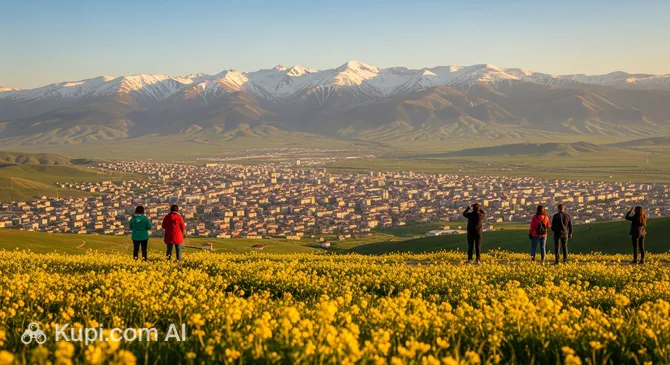
Welcome to Yüksekova, a destination defined by its stunning high-altitude geography and rugged natural beauty. Located in the southeastern corner of Turkey, within the Hakkari Province, this city offers a unique atmosphere far removed from the typical coastal tourist paths. Its name, which translates to "High Plain," perfectly describes its setting on a vast plateau surrounded by towering mountain ranges, creating a dramatic and picturesque backdrop for any traveler.

Yuksekova. Source: Kupi.Binoculars

The city is home to a population of approximately 120,000 residents and serves as a significant regional hub. Due to its elevation, the area experiences distinct seasons, with snowy winters that transform the landscape into a white wonderland and cool, refreshing summers that are ideal for outdoor activities. Those interested in the history of Yüksekova will find that its location has made it a crossroads of cultures for centuries, influencing the local traditions and way of life.

For nature enthusiasts, Yüksekova is a gateway to some of the most impressive landscapes in the region. The nearby Cilo Mountains are renowned for their glacial lakes and jagged peaks, offering breathtaking views for trekkers and photographers. Visitors can also explore the vibrant local culture through bustling markets and experience the renowned hospitality of the locals. A trip to Yüksekova promises an authentic and unforgettable journey into the heart of the mountains.

Weather Overview

The weather in Yüksekova is heavily influenced by the city's high altitude, resulting in significant contrasts between the seasons. Winters are typically cold and frosty, with average temperatures in January dropping to around -6.6°C and minimums frequently reaching -11.3°C. Travelers visiting during this time should expect chilly conditions and regular precipitation, as the winter months often see between 9 and 12 wet days.

In contrast, the summer season brings pleasant warmth and clear skies, making it a popular time for outdoor activities. July and August are the warmest months, with average temperatures hovering around 19.6°C and daily highs reaching a comfortable 26°C. While summers are notably dry with almost no rainfall, spring is the wettest period in terms of frequency, particularly in March and May, which can experience up to 16 wet days.

Interesting Facts

Beyond the main attractions, Yüksekova holds many fascinating secrets that reveal its deep connection to unique ecosystems and ancient geology. This high-altitude city is not just a transit point but a gateway to some of the most surprising natural phenomena in the region.

  • The region is celebrated as the homeland of the Inverted Tulip (Fritillaria imperialis), locally known as the "Weeping Bride." This rare and striking flower, which hangs its head downwards, is endemic to these high mountains and holds a special place in local folklore as a symbol of sorrow and beauty.

  • Just outside the city lies the Nehil Wetlands, a vital ecological sanctuary that comes as a surprise in such a rugged, mountainous area. This lush basin serves as a crucial stopover for migratory birds, creating a vibrant bird-watching paradise surrounded by snow-capped peaks.

  • While many know of the mountains, few realize that the nearby Cilo range is home to Turkey's largest active glaciers. These ancient ice formations have survived for thousands of years, offering a landscape of permanent ice and crevasses that is incredibly rare for this latitude.

How to Get There

Reaching this mountainous destination has become significantly easier in recent years, thanks to the development of local infrastructure. While the journey often involves navigating through the rugged terrain of the Hakkari Province, the views along the way are spectacular. For a comprehensive guide on all available routes and transport modes, you can read more about how to get to Yuksekova.

The most convenient way to arrive is by flying directly into the local air hub, Yuksekova (IATA: YKO). Located just 4.6 km from the city center, this airport has greatly improved accessibility to the region. A taxi or shuttle from the terminal to the city center takes only about 10 minutes. Alternatively, many travelers choose to fly into Van Ferit Melen Airport (IATA: VAN) in the city of Van, which is approximately 130 km away. Van is a larger regional hub with more frequent connections; from there, you can take a bus or rent a car for a scenic 2.5 to 3-hour drive through the mountains to reach Yüksekova.

For those considering international routes, Urmia Airport (IATA: OMH) in Orumiyeh is geographically close, situated about 70 km away. However, this option requires crossing the border from Iran. Similarly, Erbil International Airport (IATA: EBL) in Erbil is roughly 151 km to the south. Travelers should check visa requirements and border crossing regulations before choosing these international entry points.

For clarity, here is a summary of the main airports serving the wider region:

Airport Name City Passenger Traffic Km from City
Erbil International Airport Erbil Large 150.8
Tabriz Airport Tabriz Large 182.7
Van Ferit Melen Airport Van Medium 129.8
Urmia Airport Orumiyeh Medium 70.2
Yuksekova Hakkari Small 4.6

Yüksekova does not have a direct railway connection, as the mountainous topography of the Hakkari region makes rail infrastructure difficult to establish. The nearest major railway heads are typically found in cities further west or north, such as Van. Consequently, most visitors arriving by land rely on intercity buses or private vehicles. The road network connects Yüksekova to neighboring cities, offering a reliable, albeit winding, route for those who prefer ground transport.

Main Attractions

Yüksekova is a destination where the primary allure lies not in man-made monuments, but in the spectacular, untouched wilderness that surrounds it. For travelers, the city serves as the perfect base camp for exploring the Hakkari region's dramatic high-altitude landscapes, which are often compared to the Alps or the Himalayas due to their rugged beauty. Here are the top natural attractions that define the area.

Undoubtedly the most famous site in the region is the Cilo Sat Lakes National Park. Situated at an altitude of over 3,000 meters, this area features a cluster of glacial lakes known for their mesmerizing turquoise and deep blue waters. The lakes are nestled in a crater-like formation surrounded by jagged, snow-capped peaks, creating a surreal and photogenic landscape. It is a favorite spot for trekking enthusiasts, campers, and nature photographers looking to capture the reflection of the mountains in the pristine water.

Another breathtaking location is the Cennet and Cehennem Valley (Heaven and Hell Valley), located at the foot of the Cilo Mountains. The valley gets its intriguing name from the stark contrast in its geography: one side is often covered in ancient glaciers and ice caves ("Hell"), while the other bursts with vibrant wildflowers, lush greenery, and rushing streams ("Heaven"). This unique microclimate allows visitors to experience the chill of winter and the warmth of spring simultaneously, often within just a few meters of each other.

For those interested in experiencing the traditional highland culture of southeastern Turkey, the Mergan Plateau is a must-visit. This vast, verdant plateau is used by local herders during the summer months and offers a glimpse into the semi-nomadic lifestyle of the region. Visitors can enjoy fresh mountain air, observe flocks of sheep grazing on the endless green slopes, and witness the blooming of the famous inverted tulips if visiting during the spring season. It is an ideal spot for picnics and peaceful walks away from the noise of modern life.

Local Cuisine

The local cuisine of Yüksekova is a reflection of its rugged, high-altitude geography, characterized by hearty, energy-rich dishes designed to sustain locals through long, snowy winters. The region's food culture is deeply rooted in agriculture and animal husbandry, resulting in a diet heavy on organic meats, dairy products, and grains. For travelers, dining here offers a chance to taste authentic flavors that are distinct from the Mediterranean cuisine found in western Turkey, with a strong emphasis on natural ingredients foraged from the surrounding mountains.

One of the most iconic dishes you must try is Keledoş. This regional specialty is a labor-intensive stew made from chickpea, wheat, meat, and a variety of mountain herbs. Its defining ingredient is kurut, a form of dried fermented yogurt that gives the dish a unique, tangy flavor and creamy texture. Another staple is Doğaba, a savory soup consisting of meatballs, wheat, and yogurt, often seasoned with local spices. These dishes are typically served in traditional "lokantas" (local eateries) and are best enjoyed with fresh, hot flatbread baked in clay ovens.

No culinary journey in Yüksekova is complete without tasting the famous Otlu Peynir (Herbed Cheese). The Hakkari province is renowned for this delicacy, which is packed with up to 25 different types of wild herbs, such as wild garlic (sirmo) and thyme, gathered from the high plateaus during spring. The cheese is often preserved in brine or buried in the ground to mature, resulting in a sharp, aromatic flavor that is the star of any breakfast table.

When it comes to beverages, Turkish tea (çay) is the absolute center of social life. It is consumed in large quantities throughout the day, served in small tulip-shaped glasses, and is the standard gesture of hospitality offered to guests in homes and shops. For a refreshing accompaniment to meat dishes, locals prefer Ayran, a salty yogurt drink that is often served frothy and cold. While alcohol is not a prominent part of the traditional street food culture here, you may find it in specific hotels, but the local experience is overwhelmingly centered around tea and water.

The dining scene in Yüksekova is humble yet welcoming. You won't find many upscale fine-dining chains; instead, the city is dotted with family-run restaurants and grill houses that specialize in kebabs and home-cooked stews. The atmosphere is casual and communal, with a focus on sharing food. Visitors should also explore the local markets, where they can buy jars of local honey, blocks of herbed cheese, and walnuts, which are excellent souvenirs of the region's gastronomic heritage.

Travel Tips

Preparing for a trip to Yüksekova requires a bit of specific planning due to its high-altitude location and distinct cultural setting. To help you navigate this mountainous region with ease and respect for local customs, here are some essential practical tips for your journey.

  1. Clothing and Gear: Due to the high elevation, the weather can change rapidly. Even in summer, evenings can be cool, so layering is essential. Bring sturdy walking shoes or hiking boots if you plan to explore the Cilo Mountains. Since the region is culturally conservative, it is respectful to dress modestly; both men and women should opt for long trousers and cover their shoulders, especially when visiting markets or rural areas.

  2. Transportation: Yüksekova is a relatively compact city, and the center is easily navigable by walking. For longer distances, taxis are the most convenient and affordable option; simply look for the yellow cars or a designated taxi stand. Local minibuses, known as dolmuş, run along main routes and connect the city to surrounding villages, offering a cheap and authentic way to travel.

  3. Finances: The local currency is the Turkish Lira (TRY). While some larger hotels and supermarkets may accept credit cards, cash is king in Yüksekova. Small eateries, tea houses, and bazaar stalls often do not have card machines, so always carry enough cash for daily expenses. ATMs are readily available in the city center for withdrawals.

  4. Health and Safety: Pharmacies, marked by an "E" sign (Eczane), are widely available for basic medical needs. As Yüksekova is located near international borders, security checkpoints on the roads entering and leaving the city are standard. Always keep your passport and ID accessible to show to officials if requested; this is a routine procedure in the region and nothing to worry about.

  5. Communication: The primary language is Turkish, though Kurdish is also widely spoken by the local population. English proficiency is generally low outside of major hotels, so downloading an offline translation app or learning a few basic phrases like Merhaba (Hello) and Teşekkürler (Thank you) will be incredibly helpful. You can easily purchase a prepaid SIM card from major providers in the city center.

  6. Local Etiquette: Hospitality is the cornerstone of social life here. If you are invited for tea, it is polite to accept at least one glass; refusing can be seen as unfriendly. When entering a private home or a mosque, you must remove your shoes. A polite greeting, such as a handshake or a hand over the heart, goes a long way in establishing a good connection with locals.

  7. What to Avoid: Avoid taking photographs of military installations, police checkpoints, or government buildings, as this is strictly prohibited and can lead to serious misunderstandings. Additionally, always ask for permission before taking photos of local people, particularly women, to respect their privacy.

  8. Market Tip: Do not leave without visiting the local bazaar to buy vacuum-packed herbed cheese (Otlu Peynir). It is the region's most famous product and makes for a unique, travel-friendly souvenir. Ask the shopkeepers to pack it securely for your flight home.

By keeping these tips in mind, you will be well-prepared to embrace the rugged charm and warm hospitality of Yüksekova. Enjoy the breathtaking mountain views and the unique cultural experiences that await you in this fascinating corner of Turkey.

Entertainment & Nightlife

Entertainment and nightlife in Yüksekova offer a distinct experience that reflects the city’s unique cultural blend and high-altitude setting. Unlike the bustling club scenes found in Turkey’s western metropolises, the evening atmosphere here is centered around socialization, community, and warm hospitality. The nightlife is more about lively conversations over endless glasses of tea, late-night dining, and enjoying the company of friends in vibrant cafes rather than loud dance floors. However, the city is modernizing, and a growing number of bistros and lounges are beginning to offer a more contemporary vibe for visitors.

The heart of the city's social life beats along Cengiz Topel Street (Cengiz Topel Caddesi) and the connecting İpekyolu Avenue. As the sun sets, these main arteries light up and become the primary gathering spots for locals. In the summer months, the streets are bustling with families and groups of friends enjoying the cool mountain air. The atmosphere is generally relaxed and friendly, with venues staying open late, often until midnight or 1:00 AM, especially during the warmer season. The dress code is casual but tends to be conservative; it is advisable to dress modestly to blend in comfortably with the local crowd.

For those looking to experience the local scene, People's Coffee is a popular venue that exemplifies the modern face of Yüksekova. Located on İpekyolu Avenue, it offers a stylish environment where you can enjoy high-quality coffee, desserts, and a variety of snacks in a setting that feels very much like a western coffee house. It is a favorite among the younger generation and a great place to observe local life.

Another bustling spot is The Best Cafe & Restaurant, situated near the center. This venue is well-known not just for its food but for its social environment, often featuring areas for playing "Okey" (a popular Turkish tile game) and watching football matches. It captures the essence of traditional entertainment in the region, where games and tea fuel the evening's energy. For a slightly different ambiance, Motto Coffee offers a cozy retreat with a good selection of beverages, perfect for a quieter evening of relaxation after a day of trekking.

Practical advice for enjoying your night out includes carrying cash, as smaller venues may not always accept cards, though larger cafes usually do. Prices in Yüksekova are generally very affordable compared to larger Turkish cities. Getting around at night is straightforward; the city center is compact enough to walk, but if your accommodation is further out, yellow taxis are readily available and safe. While the city center is safe for evening strolls, it is always wise to stay on well-lit main streets and avoid unlit back alleys late at night.

During the daytime, entertainment options shift towards exploring the local culture and the outdoors. While Yüksekova does not have large museums or amusement parks, the city center bazaars offer a colorful and engaging experience where you can browse for local handicrafts and observe the daily trade. For nature lovers, the surrounding areas serve as a massive open-air playground for picnicking and photography, acting as the primary form of daytime leisure for locals and visitors alike.

Parks & Museums

While Yüksekova may not boast the manicured botanical gardens or grand museum complexes found in metropolitan hubs, its offerings are far more raw and majestic. The city’s "parks" are vast, untamed alpine plateaus, and its "museums" are often open-air historical sites that whisper tales of ancient civilizations. For travelers, the appeal lies in exploring these authentic, natural spaces where the landscape itself serves as a gallery of geology and history.

The crown jewel of the region's natural spaces is undoubtedly the Cilo Sat Lakes National Park (Hakkari Cilo ve Sat Dağları Milli Parkı). Although it requires a journey from the city center, it functions as the area's primary recreational reserve. This protected area is a wonderland of glacial geography, featuring jagged peaks that soar over 4,000 meters and deep, turquoise crater lakes. It is a paradise for trekkers and nature lovers, offering a pristine environment that rivals the most famous mountain ranges in the world. Visitors come here not just for fresh air, but to witness a landscape that has remained largely unchanged for millennia.

Closer to the city lies the Nehil Wetlands (Nehil Sazlığı), a crucial ecological hotspot that offers a different kind of natural beauty. Unlike the rocky peaks, this area is a lush, water-rich basin that serves as a vital stopover for migratory birds. It provides a serene setting for birdwatching and photography, particularly in the spring when the water levels are high and the reeds are teeming with life. It is a gentle, green counterpoint to the rugged mountains and a perfect spot for a quiet afternoon immersed in nature.

In terms of cultural institutions, Yüksekova is still developing its tourism infrastructure. There is currently no dedicated archaeological or ethnographic museum within the city limits. However, the history of the region is well-preserved at the Hakkari Museum (Hakkari Museum Directorate), located in the provincial capital approximately an hour's drive away. This facility houses significant artifacts uncovered during excavations in the Yüksekova plain, including Urartian steles and pottery that offer insight into the ancient "Gever" civilization. For history buffs, a visit to the provincial capital is highly recommended to contextualize the ruins seen in the countryside.

Within the immediate vicinity of Yüksekova, history is best experienced at the Dilimli Archaeological Site. Excavations near the Dilimli Dam have revealed layers of settlement dating back to the Urartian period. While many portable artifacts have been moved to museums for safekeeping, the site itself stands as a testament to the region's strategic importance throughout history. Additionally, the Gever Mound (Yüksekova Höyük) in the city center marks the location of the ancient settlement, serving as a silent witness to the city's long and layered past.

For a truly unique experience, look beyond the map and visit the highland plateaus (yaylas) during the spring migration. These areas function as living cultural museums where you can observe the traditional semi-nomadic lifestyle of the locals. You might encounter families weaving traditional rugs or producing dairy products using centuries-old methods, offering a glimpse into a way of life that is rapidly disappearing elsewhere.

Getting Around

The public transport system in Yüksekova is straightforward and relies entirely on road-based vehicles, making it easy for visitors to understand and navigate. Unlike larger metropolises, the city does not have a metro, tram, or trolleybus network. Instead, the local transportation infrastructure is built around a combination of municipal buses and privately operated minibuses, which effectively connect the city center with residential neighborhoods and outlying districts.

The most popular and efficient way to get around is by using the dolmuş (minibus). These vehicles operate on fixed routes but do not have strict timetables; they depart from the terminal once they are full or at frequent intervals. You can easily recognize them by the route names displayed in the front window. To catch a dolmuş, you don't need to find a designated stop; simply wave your hand from the side of the road, and the driver will pull over to let you board. They are an authentic and interactive way to experience local life.

When it comes to payment, cash is the standard method for most transport options in the city. For the dolmuş, you pay the driver directly upon boarding or shortly after sitting down. It is advisable to carry small change and banknotes, as drivers may not always have change for large denominations. While some municipal buses in the region are transitioning to electronic card systems, the infrastructure in Yüksekova is less rigid, and cash is often accepted or tickets can be purchased from the driver or nearby kiosks.

Yellow taxis are widely available and serve as a primary alternative to public transit, offering a comfortable and relatively affordable way to travel. They are particularly useful for reaching destinations not covered by the main bus routes or for traveling late at night when public transport frequency decreases. Taxis are equipped with taximeters, and it is standard practice to ensure the driver switches it on at the start of your journey. You can find them at designated taxi stands in the city center or hail one on the street.

For tourists planning to explore the surrounding mountains and natural attractions, relying solely on public transport may be limiting. Car rentals are available and are highly recommended for accessing the Cilo Sat Lakes or other remote scenic spots at your own pace. However, within the city center itself, the compact layout makes walking a viable and pleasant option. Most shops, restaurants, and hotels are located along the main thoroughfares, allowing you to easily explore the heart of the city on foot.

Public transport typically operates from the early morning, around 06:30 or 07:00, until the evening, with services winding down around 20:00 or 21:00. On weekends and holidays, the frequency of buses and minibuses may be slightly reduced. Since there are no night buses, it is important to plan your return journey in advance or keep the number of a local taxi station handy if you intend to stay out late.

Accommodation

Accommodation in Yüksekova is characterized by functionality and warm local hospitality rather than opulence. As a developing regional hub located in a rugged mountainous area, the city does not feature the sprawling luxury resorts or international 5-star hotel chains found in Turkey's coastal tourist destinations. Instead, visitors will find a selection of modest, comfortable hotels that cater primarily to business travelers, mountaineers, and those passing through the region. The options generally range from budget-friendly guesthouses to mid-range hotels that offer modern amenities and clean, safe environments.

The most convenient area for tourists to stay is undoubtedly the city center, particularly along and around İpekyolu Avenue and Cengiz Topel Street. Staying in this central district places you within walking distance of the main bazaars, restaurants, and tea houses, allowing you to easily immerse yourself in local life. Additionally, being in the center provides quick access to taxi stands and minibus routes, which is essential for those planning to explore the surrounding natural attractions like the Cilo Mountains.

Most hotels in Yüksekova are independently owned and operated, providing a more personal experience where staff often go out of their way to assist guests. While amenities are typically standard—including Wi-Fi, breakfast, and hot water—the genuine friendliness of the hosts often makes up for the lack of luxury facilities like spas or swimming pools. It is worth noting that English may not be widely spoken at the front desks of smaller establishments, so having a translation app handy is a good idea.

In terms of cost, accommodation in Yüksekova is generally very affordable compared to western Turkish cities. Prices typically fall into the budget to lower-mid-range category. While some of the larger hotels can be booked via major online travel platforms, many smaller local lodgings still rely on direct phone bookings or walk-ins. However, if you are visiting during the summer trekking season or around major holidays, it is a smart booking tip to secure your room in advance, as the limited number of quality rooms can fill up quickly with domestic tourists and hiking groups.

Nearby Cities

For those looking to explore the surroundings, Yuksekova serves as an excellent base for day trips to several interesting nearby locations.

One of the most rewarding destinations for a day trip is Van. Located on the eastern shore of the vast Lake Van, the largest lake in Turkey, this city offers a mix of natural beauty and deep history. Visitors can explore the imposing Fortress of Van, which dates back to the Urartian Kingdom, or take a boat trip to Akdamar Island to see its famous medieval church. It is also legendary for its elaborate breakfast culture, making it a perfect spot for culinary exploration.

Another fascinating option is Cizre, situated to the south along the banks of the Tigris River. Steeped in folklore and history, the city is culturally significant and is often associated with the legends of Noah and the classic love story of Mem and Zin. It is home to historical landmarks such as the Great Mosque and the Red Madrasa, offering a glimpse into the region's rich architectural heritage.

For those interested in provincial capitals, Şırnak (Sirnak) offers a journey through the rugged mountain landscapes of southeastern Anatolia. It is known for its dramatic setting at the foot of Mount Judi (Cudi Dağı), which is another site traditionally linked to the story of Noah's Ark. The drive itself provides spectacular views of the distinctive geography that defines this part of the country.

City Population Distance (km)
Van 353,419 130
Cizre 143,124 187
Silopi 134,754 162
Sirnak 93,431 162
Ercis 92,945 181

These nearby destinations offer a glimpse into the diverse culture and landscapes of the region, allowing travelers to experience the broader heritage of southeastern Anatolia beyond the high plains of Yüksekova.

Shopping & Souvenirs

Shopping in Yüksekova offers a genuinely local experience that stands in stark contrast to the polished, commercialized retail scenes of major tourist hubs. As a border city located near both Iran and Iraq, it serves as a bustling trade center where goods from neighboring countries mix with local produce. For visitors, the appeal lies not in luxury fashion brands or sprawling mall complexes, but in exploring the vibrant street life, discovering authentic regional products, and browsing through items that reflect the area's unique position as a crossroads of commerce.

The heart of the city's retail activity beats along Cengiz Topel Street (Cengiz Topel Caddesi) and the intersecting İpekyolu Avenue. These main thoroughfares are lined with a dense array of shops selling everything from clothing and shoes to electronics and household goods. Walking down these streets provides a window into the daily life of the residents. You will find numerous "passages" (pasajlar)—small, covered shopping arcades typical of eastern Turkey—where dozens of small independent vendors operate side-by-side, offering competitive prices on imported tea, sugar, and textiles.

Travelers accustomed to the mega-malls of Istanbul or Ankara should adjust their expectations, as Yüksekova does not host large-scale modern shopping centers. Instead, the "mall" experience is replaced by multi-story business centers and department stores scattered around the city center. These venues offer a more traditional indoor shopping environment where you can find apparel, cosmetics, and children's goods. The atmosphere is intimate and personal, with shopkeepers often taking the time to chat with customers.

The most colorful and aromatic part of the shopping scene is undoubtedly the local market. Here, the region's agricultural richness is on full display. Stalls are piled high with fresh, organic vegetables and fruits grown in the surrounding villages. This is the best place to engage with locals and see the raw ingredients that define the Hakkari cuisine. The market is also a hub for dry goods, where you can find high-quality walnuts, dried mulberries, and almonds, which make for excellent, healthy snacks during your travels.

When it comes to souvenirs, the undisputed king of Yüksekova's products is Otlu Peynir (Herbed Cheese). This cheese, infused with wild mountain herbs like sirmo (wild garlic), is a delicacy unique to the Van and Hakkari region. You can buy it vacuum-packed from local delis to take home safely. Another prized local product is Karakovan Honey, a dark, intense honey produced in traditional hives in the high-altitude flora of the Hakkari mountains. For non-edible gifts, look for traditional kilims (rugs) and saddlebags woven with geometric patterns and vivid colors that represent the Kurdish heritage of the province.

Stores in Yüksekova generally open around 08:30 or 09:00 AM and close by 19:00 or 20:00 PM. However, during the summer months, shops along the main lively streets may stay open later into the evening to accommodate the social crowds. Sunday hours can be reduced, with some smaller businesses remaining closed.

Regarding payment, cash is essential. While supermarkets and larger retail stores accept credit cards, many smaller boutiques, market stalls, and passage vendors deal exclusively in Turkish Lira. ATMs are widely available in the city center for withdrawing cash. As for tax-free shopping, while the system exists in Turkey, it is rarely applicable in the small, local family-run businesses of Yüksekova, so visitors should not expect to find "Tax Free" signage or refund services in this region.
Reached the end of the page?

That means the route is fully explored