Support

Kirkuk

About

Kirkuk is a city of immense historical depth and cultural richness, standing as a testament to the diverse heritage of the region. Located in the northeastern part of Iraq, roughly 236 kilometers north of Baghdad, it serves as a vital urban center in the Kirkuk Governorate. With a population of approximately 975,000 residents, the city buzzes with a unique energy, blending the traditions of various ethnic communities into a vibrant daily life.

The city is built upon the site of the ancient Assyrian capital of Arrapha, making it one of the oldest continuously inhabited places in the world. Visitors fascinated by the history of Kirkuk will find themselves walking through layers of time, particularly when exploring the historic center. The climate here is generally semi-arid, characterized by hot, dry summers and cool, rainy winters, which influences the local lifestyle and architecture.
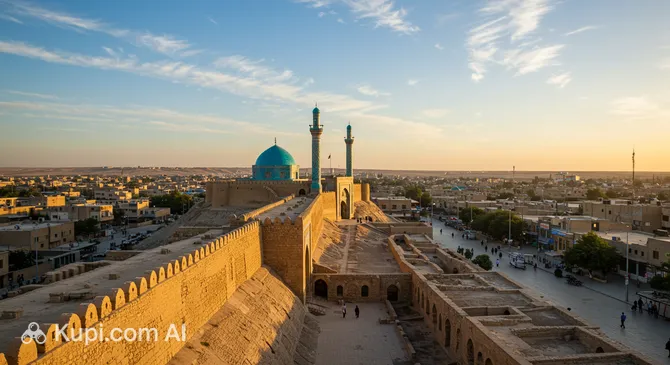
Kirkuk. Source: Kupi.Binoculars

Among the city's most prominent landmarks is the Kirkuk Citadel, an ancient mound located in the center of the city that is said to contain the tomb of the Prophet Daniel. Another remarkable site is Baba Gurgur, located just outside the city. It is famous for its "Eternal Fire," a natural gas vent that has been burning for thousands of years and is often linked to biblical narratives. Additionally, the Qishla of Kirkuk, an Ottoman-era military garrison, stands as an impressive architectural reminder of the city's strategic importance over the centuries.

Kirkuk offers a distinct atmosphere where history and modernity coexist. Whether you are interested in exploring ancient archaeological sites or experiencing the warm hospitality of its diverse people, a visit to this historic city promises a memorable and educational journey.
Weather Overview

Understanding the local climate is essential for planning a comfortable visit, as the city experiences distinct seasonal extremes. Expect scorching summers with clear, dry skies and cool winters that bring the region's annual precipitation. For more specific details on what to pack for your specific travel dates, you can consult the guide to the weather in Kirkuk.

The summer months, particularly July and August, are intensely hot, with average temperatures around 35.7°C and maximum highs frequently climbing to 43.4°C. During this period, rainfall is non-existent. In contrast, the winter season from December to February is much cooler; January is typically the coldest month with average lows of 4.8°C and about 11 wet days. Spring and autumn serve as pleasant transitional periods, with April and October offering moderate average temperatures between 20°C and 25°C.

Interesting Facts

While Kirkuk is widely recognized for its pivotal role in the oil industry, the city possesses a rich narrative filled with unique historical and geological details that often surprise visitors.

  • The Kirkuk Citadel does not rest on a natural hill but stands atop a 40-meter high artificial mound, known as a "tell." This impressive elevation was created by accumulated layers of ruins from continuous human habitation and rebuilding on the same spot for nearly 5,000 years.
  • The "Eternal Fire" at Baba Gurgur is a natural phenomenon that has burned for centuries. Long before the site became a center for modern energy production, local folklore recounts how shepherds would gather their flocks around the natural gas vents to stay warm during the freezing winter months.
  • The discovery of the city's massive oil reserves in 1927 began with a chaotic event known as a "gusher." The pressure was so intense that oil erupted into the sky and flowed uncontrollably for over a week, flooding the surrounding area before engineers could successfully cap the well.
Kirkuk Citadel. Source: Kupi.Binoculars

How to Get There

Planning a trip to this historic region requires considering a few different travel routes, as the city is served by both local and regional transport hubs. While direct access is possible, many visitors find it convenient to fly into larger neighboring cities and complete their journey by road. For a detailed overview of all transportation options and routes, you can read more about how to get to Kirkuk.

The most direct entry point is the local Kirkuk (KIK) airport, located just 2.8 km from the city center. Due to its proximity, the transfer by taxi or bus is very quick, taking approximately 25 minutes. However, this facility handles a small volume of passenger traffic compared to other major hubs in the country.

For international travelers, a common alternative is Erbil International Airport (EBL), situated in the city of Erbil. This is a large facility with extensive connections, located about 93.5 km from Kirkuk. The journey from Erbil to Kirkuk by road takes approximately 160 minutes. Another significant option is Sulaimaniyah International Airport (ISU) in the city of Sulaymaniyah. It is located roughly 85.6 km away, and the drive typically takes around 148 minutes.

For clarity, here is a summary of the main airports:

Airport Name City Passenger Traffic Km from City
Erbil International Airport Erbil Large 93.5
Sulaimaniyah International Airport Sulaymaniyah Medium 85.6
Sanandaj Airport Sanandaj Medium 240.2
Yuksekova Hakkari Small 231.5
Kirkuk Kirkuk Small 2.8

Main Attractions

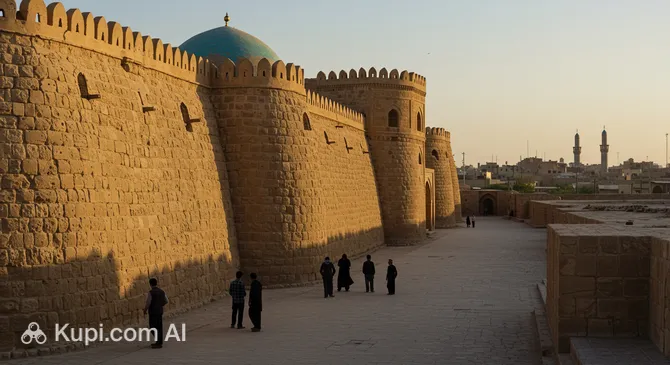
Kirkuk is a city where history is etched into the landscape, offering visitors a chance to step back in time. The most prominent landmark is undoubtedly the Kirkuk Citadel. Situated in the heart of the city, this ancient mound rises approximately 40 meters above the surrounding riverbed. It is the oldest part of Kirkuk, housing a maze of narrow alleyways, traditional houses, and significant religious sites, including what is believed to be the Tomb of the Prophet Daniel. Walking through its ruins offers a poignant glimpse into the city's millennia-old past, making it an essential stop for anyone interested in archaeology and history.

Kirkuk Citadel. Source: Kupi.Binoculars

Another must-see site, though located just outside the urban center, is Baba Gurgur. Famous for its "Eternal Fire," this natural gas vent has been burning for thousands of years and is steeped in local legend and history. It is situated within one of the oldest and largest oil fields in the region. The sight of the flames dancing against the barren landscape is particularly striking at dusk, serving as a powerful symbol of the region's geological and mythological significance.

For those interested in architectural heritage, the Qishla of Kirkuk is a captivating destination. This historic military garrison dates back to the Ottoman era and stands as a testament to the city's strategic importance. The structure features a spacious courtyard and traditional design elements that have been preserved to showcase the administrative style of the 19th century. It provides a quiet yet impressive atmosphere for travelers appreciating historical architecture and local culture.

Local Cuisine

The culinary landscape of Kirkuk is a flavorful reflection of its diverse population, blending Kurdish, Turkmen, and Arab traditions into a unique gastronomic experience. Food here is hearty, generous, and deeply rooted in the region's agricultural abundance. The local cuisine relies heavily on fresh ingredients, aromatic spices, and high-quality meats, making every meal a celebration of the city's rich cultural heritage.

One dish you absolutely must try is the famous Kirkuk Kebab. While kebabs are popular throughout the country, the local variation is renowned for its distinct texture and seasoning, typically made from minced lamb with a specific fat content that keeps it incredibly juicy when grilled over charcoal. Another staple is Dolma, a variety of vegetables such as onions, peppers, eggplants, and vine leaves stuffed with a savory mixture of rice, minced meat, and herbs. For a heavier meal, look for Quzi, which consists of slow-cooked lamb served over a bed of spiced rice, often garnished with roasted nuts and raisins.

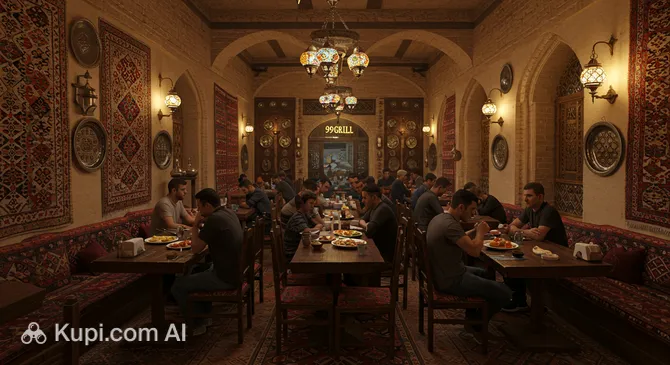
The dining scene in Kirkuk ranges from bustling street food stalls to comfortable sit-down establishments. Locals enjoy dining out with family and friends, sharing large platters in a communal style. If you are looking for a place to enjoy traditional grilled meats and local flavors, 99 Grill is a well-regarded spot among residents.

99 Grill. Source: Kupi.Binoculars

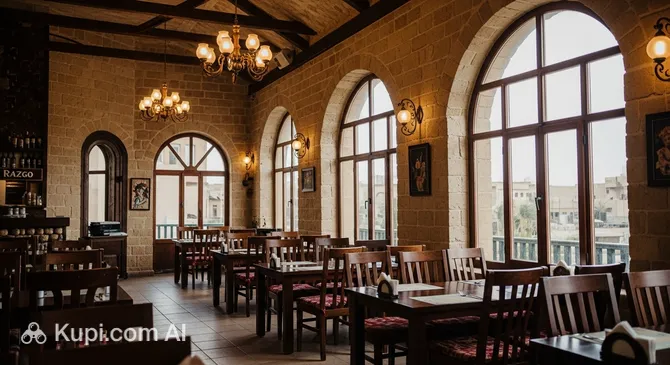
Another excellent option for visitors is Razgo, where you can experience the warm hospitality that defines the city's food culture. Whether you choose a quick bite at a market or a full dinner at a restaurant, the atmosphere is almost always lively and welcoming.

To accompany your meal, the most common beverage is Ayran (or Shinina), a chilled, salted yogurt drink that pairs perfectly with spicy meat dishes. After eating, it is customary to drink sweet black tea (chai), usually served in small glass cups. Strong Arabic or Turkish coffee is also widely available and often enjoyed during social gatherings or as a mid-afternoon pick-me-up.

Travel Tips

Visiting Kirkuk offers a unique glimpse into Iraq's diverse heritage, but a little preparation goes a long way to ensure a smooth journey. Here are some practical tips to help you navigate the city comfortably and respectfully.

  1. Clothing and Gear: The climate varies significantly, so pack lightweight, breathable fabrics for the scorching summers and warm layers for the cool, rainy winters. Modest dress is essential to respect local norms; men should generally wear long trousers, while women should opt for loose-fitting clothing and keep a scarf handy for visiting religious sites.
  2. Transportation: Public transport mainly consists of shared minibuses, which can be challenging for visitors to navigate. The most convenient way to get around is by taxi; as meters are rarely used, it is standard practice to negotiate and agree on the fare with the driver before stepping into the car.
  3. Finances: The official currency is the Iraqi Dinar (IQD). Kirkuk is primarily a cash-based economy, and international credit cards are rarely accepted outside of top-tier hotels. It is best to exchange money at official exchange shops and carry sufficient cash for daily expenses, including small bills for tips.
  4. Health and Safety: Pharmacies are widely available throughout the city and can assist with minor ailments, but you should bring any specific prescription medications you need. To stay healthy, stick to sealed bottled water for drinking. As a general precaution, avoid photographing government buildings, military checkpoints, or security personnel.
  5. Communication: Kirkuk is linguistically diverse, with Arabic, Kurdish, and Turkmen spoken by the locals. English is not widely spoken on the streets, so having a translation app or learning a few basic phrases like "Salam Alaykum" (Peace be upon you) will go a long way. You can easily purchase a local SIM card with your passport to stay connected.
  6. Local Etiquette: Hospitality is deeply rooted in the culture here. If a shopkeeper or local invites you for tea, it is polite to accept, as refusing can be seen as a rejection of their friendship. When entering a home or a mosque, always remember to remove your shoes at the door.
  7. What to Avoid: Public displays of affection are considered culturally inappropriate and should be avoided. Additionally, be very cautious about photography; never take photos of people, especially women, without explicitly asking for their permission first.
  8. Local Insight: Keep in mind that the weekend in Iraq falls on Friday and Saturday. Many businesses and markets in Kirkuk may be closed or have reduced hours on Fridays, particularly during the noon prayer time, so plan your shopping and errands accordingly.

By keeping these practical tips in mind, you can focus on the rich history and warm hospitality that Kirkuk has to offer. Enjoy your journey through this fascinating cultural crossroads!

Entertainment & Nightlife

Nightlife in Kirkuk offers a window into the city's rich social traditions, distinct from the club-centric scenes found in many western capitals. Instead of loud discos, the evening hours here are defined by a vibrant dining culture and relaxed gatherings. As the temperature drops after sunset, the streets come alive with families and friends enjoying the cooler air, creating a welcoming and communal atmosphere. The focus is firmly on hospitality, conversation, and sharing abundant meals.

To experience the heart of the city's evening activity, you should visit one of the popular local restaurants. Razgo is a prime example of a venue that bustles with energy at night. It serves as a gathering point where you can enjoy traditional flavors while observing the local lifestyle. The crowd is typically a mix of families and groups of young people, maintaining a respectful and friendly demeanor.

Razgo. Source: Kupi.Binoculars

Another excellent destination for a night out is 99 Grill, which is celebrated for its grilled specialties. Dining here often extends late into the evening, with patrons lingering over food and tea. While bars and nightclubs are not a prominent feature of the city due to cultural and religious norms, the social scene in these restaurants and the ubiquitous tea houses—where locals smoke shisha and play backgammon—provides plenty of entertainment.

For practical advice, the best time to head out is around 8:00 PM when the city is most active. The dress code is generally modest; smart-casual attire is appropriate, and it is polite to dress conservatively. Prices for dining are generally reasonable. In terms of safety, it is recommended to stay in well-lit, busy districts and avoid walking alone in quiet areas late at night. The most reliable way to get around is by taxi; asking your hotel or the restaurant to call one for you is the safest option.

During the day, entertainment shifts towards cultural and historical exploration. Before the evening sets in, visitors can explore landmarks like the Kirkuk Citadel, visit local museums, or spend time in the city's amusement parks and shopping centers, which are popular with families on weekends.

Parks & Museums

Beyond its industrial reputation, the city offers residents and visitors distinct areas for relaxation and cultural exploration. While Kirkuk is not primarily known for vast botanical gardens, it maintains several public spaces and historical sites where the community gathers to unwind and connect with the region's storied past.

For a breath of fresh air, the city's central parks serve as popular "green lungs" amidst the urban landscape. These areas are particularly lively in the late afternoons when families gather for picnics and evening strolls. Travelers with children can also visit local amusement parks, which typically combine recreational facilities and rides with green spaces, providing a fun and dynamic atmosphere for younger visitors. Additionally, the areas near the Khasa River often attract locals looking for a simple outdoor respite during the cooler months.

The city's cultural history is best appreciated through its architectural landmarks rather than traditional museum collections. The Qishla of Kirkuk is a standout heritage site, originally constructed as an Ottoman military garrison. Today, it is valued for its historical significance and impressive design. Visitors can admire the structure's traditional masonry, arches, and expansive courtyard, which offer a tangible connection to the administrative and military history of the region in the 19th century.

The most significant "open-air museum" is undoubtedly the Kirkuk Citadel. Rising above the city on an ancient tell, this site preserves layers of civilizations spanning millennia. Walking through its narrow alleys is akin to visiting a living gallery of history. Within its walls, you can find important religious and architectural landmarks, including the Prophet Daniel's Tomb and the Great Mosque, making it the absolute centerpiece of Kirkuk's heritage.

Exploring these sites gives visitors a profound sense of the city's antiquity. Whether wandering through the ancient quarters of the Citadel or admiring the enduring walls of the Qishla, one is constantly reminded of the diverse cultures and civilizations that have shaped this unique city over thousands of years.

Getting Around

Navigating Kirkuk requires a bit of adaptability, as the city does not currently possess a formal metro, tram, or large-scale municipal bus network found in many international capitals. Instead, the public transport system is primarily road-based and informal, relying heavily on a network of private taxis, shared taxis, and minibuses. For visitors, this means that getting around is less about checking schedules and more about understanding local customs and routes.

The most common form of mass transit used by locals is the minibus. These vehicles ply specific routes connecting the city center with outlying neighborhoods and residential districts. They are an incredibly affordable way to travel, but they lack fixed timetables and designated stops in the Western sense; passengers typically flag them down along the main roads and ask the driver to stop when they reach their destination. While authentic, this system can be challenging for a tourist who does not speak the local languages or know the city's geography well.

For most travelers, taxis are the most practical and comfortable alternative. You will see them everywhere, typically painted in distinct colors like orange and white. There are two main types: private taxis (where you hire the whole car) and shared taxis. Shared taxis wait at designated garages or major intersections until they are full before departing for a specific destination. This is a faster option than a minibus and cheaper than a private taxi, offering a balance between cost and convenience.

The payment system across all modes of transport in Kirkuk is exclusively cash-based. There are no travel cards, electronic passes, or ticket validation machines. You simply pay the driver directly, usually at the end of the trip for taxis or upon exiting for minibuses. It is essential to carry small denominations of the local currency, as drivers may not always have change for large bills. Prices for minibuses and shared taxis are generally fixed and very low, while private taxi fares should be negotiated and agreed upon before you get into the vehicle.

Ride-hailing apps are not as widely established or reliable here as they are in larger global hubs, so you should not rely on them as your primary means of transport. If you prefer a pre-arranged ride, it is best to ask your hotel reception or a reputable restaurant to call a taxi for you. This ensures a higher level of safety and helps avoid language barriers regarding your destination.

Transport generally operates from early morning until the evening. Public options like minibuses become scarce after sunset, and by late night, they virtually disappear. If you plan to be out late, ensure you have a reliable way to return to your accommodation, such as a private taxi arrangement. Additionally, since few drivers speak fluent English, having your destination written down in Arabic or Kurdish—or having a photo of the landmark on your phone—is a highly practical tip that will make your journey much smoother.

Accommodation

Accommodation options in Kirkuk primarily cater to business travelers and local visitors, reflecting the city's status as a commercial and industrial hub rather than a mainstream tourist destination. The selection is somewhat limited compared to major tourist centers like Erbil or Baghdad. Visitors will not typically find sprawling luxury resorts or global hotel chains here. Instead, the hospitality scene is dominated by locally run hotels, ranging from modest budget lodgings to comfortable mid-range establishments that offer essential amenities such as Wi-Fi, air conditioning, and on-site dining.

For the most convenient stay, it is advisable to look for hotels located in the city center. Staying in the central districts places you within easy reach of local markets, restaurants, and key historical landmarks. A central location minimizes travel time and allows for easier access to transport connections. Being near the heart of the city also means you are close to major sites like the Kirkuk Citadel, making it a practical base for exploration.

When it comes to booking, travelers should be aware that the online presence of hotels in Kirkuk can be limited. While some larger local establishments may appear on major international booking platforms, many rely on direct phone reservations or walk-ins. It is highly recommended to book your accommodation in advance, especially if you are traveling for business, to ensure availability. Additionally, it is prudent to confirm whether your chosen hotel accepts credit cards, as many places in the city still operate primarily on a cash-only basis.

Price ranges are generally affordable by international standards. Budget travelers can find simple rooms at very reasonable rates, while mid-range hotels offer a higher standard of comfort and service for a moderate price. Regardless of where you choose to stay, you can generally expect warm Iraqi hospitality and a helpful attitude from the staff, who are often eager to assist guests with local information and transport arrangements.

Nearby Cities

For those looking to explore the surroundings, Kirkuk serves as an excellent base for day trips to several interesting nearby locations: The region is dotted with cities that offer a mix of ancient history, vibrant culture, and stunning landscapes, all within a reasonable driving distance.

One of the most popular destinations is Erbil, located less than two hours away. Known as one of the oldest continuously inhabited cities in the world, it is famous for its magnificent Citadel, a UNESCO World Heritage site that sits atop a tell in the city center. Visitors can wander through the traditional Qaysari Bazaar to shop for local crafts and spices or enjoy the modern amenities and parks that surround the historic core.

Another fascinating option is Sulaymaniyah, often regarded as the cultural capital of the region. Nestled among mountains, it offers a slightly cooler climate and scenic views that are perfect for nature lovers. The city is home to the extensive Slemani Museum, which houses immense archaeological treasures, and boasts a lively arts scene and bustling markets that reflect the area's creative spirit.

City Population Distance (km)
Sulaymaniyah 878146 96
Erbil 846000 87
Rania 257577 97
Kalar 250000 127
Tuz Khurmatu 119000 69

These nearby destinations offer a glimpse into the diverse culture and landscapes of the region.

Shopping & Souvenirs

Shopping in Kirkuk offers a fascinating mix of traditional heritage and modern convenience, providing visitors with a genuine slice of local life. The city is not primarily known as a high-end fashion destination, but it excels in offering authentic goods, local craftsmanship, and a vibrant market atmosphere. Visitors can expect to find everything from everyday necessities to unique cultural artifacts, all while navigating a retail environment that is far more personal and interactive than in many western cities.

The main commercial pulse of the city beats along Republic Street and the surrounding avenues in the city center. This area is a hive of activity where small shops line the streets, selling electronics, clothing, and household goods. Walking through these districts allows you to experience the energetic hustle of the city, where shopkeepers display their wares on the sidewalks and locals bargain for the best prices.

For a more contemporary shopping experience, the city has seen the development of modern retail centers such as Kirkuk Mall and the Time Center. These establishments offer a sharp contrast to the street markets, providing air-conditioned comfort, international brands, food courts, and entertainment facilities. They are popular gathering spots for families and young people, especially during the hot summer months.

The true highlight of the shopping scene, however, is the historic Qaysari Bazaar. Located in the shadow of the ancient Kirkuk Citadel, this Ottoman-era market is a maze of covered alleyways that transports you back in time. It is the perfect place to explore traditional shops selling colorful textiles, aromatic spices, and handmade crafts. The architecture of the bazaar itself, with its vaulted ceilings and old brickwork, is an attraction worth seeing.

When looking for souvenirs, the best items to bring back are those that reflect the region's rich culture. Gold and silver jewelry are widely available and often sold by weight, with designs that feature intricate local artistry. Other excellent choices include high-quality dates, exotic spices like saffron and cardamom, and traditional Kurdish fabrics or rugs, which are renowned for their durability and beautiful patterns.

Most shops typically open around 9:00 AM or 10:00 AM and stay open late into the evening, often until 10:00 PM or later, particularly in the summer. It is important to note that business hours may be reduced on Fridays, which is the main day of prayer and rest. In terms of payment, cash is king in Kirkuk. While major malls might accept credit cards, the vast majority of smaller shops, market stalls, and independent vendors deal exclusively in Iraqi Dinars, so ensure you have sufficient local currency on hand.

Tourists should be aware that a formal tax-free shopping or VAT refund system is not currently available in the city. The price you see or negotiate is the final price you pay, so there is no need to collect receipts for customs refunds at the airport.

Reached the end of the page?

That means the route is fully explored