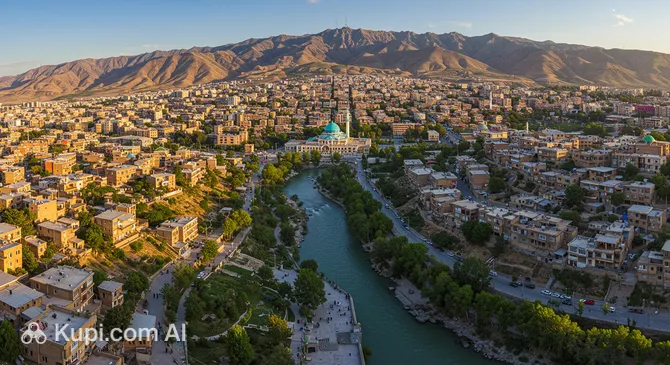
Shopping in Sanandaj offers a delightful mix of authentic cultural experiences and modern retail therapy. The city is less about sprawling mega-malls and more about bustling streets, traditional arcades, and a historic bazaar that serves as the commercial heart of the region. Visitors will find that shopping here is an excellent way to connect with local artisans, as the city is famous throughout Iran for its exceptional handicrafts, particularly woodwork and textiles.
The primary hub for shopping is the area surrounding Ferdowsi Street and Enghelab Square. This central district is always alive with activity, lined with a variety of shops selling clothing, electronics, and household goods. It is the perfect place to take a walk and soak in the urban atmosphere. Another key commercial artery is Pasdaran Avenue, which features more modern boutiques and stores offering fashionable apparel and accessories.
While Sanandaj does not have massive international-style shopping malls, it features several modern shopping complexes and arcades, locally known as "passages." These multi-story buildings, such as the Kordestan Shopping Center, offer a more concentrated selection of goods in a comfortable, indoor environment. These centers are popular with the local youth and are great places to find modern clothing, shoes, and cosmetics.
The highlight of any shopping trip to the city is undoubtedly the Sanandaj Bazaar. Dating back to the Safavid era, this historic market retains its traditional architecture and layout. Walking through its covered lanes, you will find sections dedicated to different trades. It is the best place to buy fresh produce, aromatic spices, and colorful Kurdish fabrics. The atmosphere is vibrant, filled with the scents of local herbs and the sounds of merchants negotiating, making it a feast for the senses as well as a shopping destination.
When it comes to souvenirs, Sanandaj is renowned for its Nazok-kari, or fine woodworking. The city's artisans are masters at creating intricate backgammon boards, chess sets, and jewelry boxes from high-quality wood, which make for treasured keepsakes. Another popular item is Giveh, traditional handmade footwear that is lightweight and durable, perfect for summer. Music lovers should look for authentic Kurdish instruments like the Daf (frame drum). For a sweet treat to bring home, pick up some Konjed (sesame brittle) or local almond sweets.
Stores in Sanandaj typically operate on a split schedule. Shops generally open around 9:00 AM and stay open until 1:00 PM or 2:00 PM. They then close for a midday break and reopen in the late afternoon, around 4:00 PM, staying open until 9:00 PM or 10:00 PM. The bazaar and grocery stores may have slightly longer hours.
Regarding payment, cash is the primary method of transaction for tourists. International credit and debit cards (Visa, Mastercard) are not accepted in Iran due to disconnected banking networks. You will need to use Iranian Rials or a local debit card (Tourist Card) issued by Iranian banks. Prices are often quoted in Tomans (1 Toman = 10 Rials), so always double-check the currency unit with the seller to avoid confusion.
Tourists should note that Iran does not currently operate a tax-free shopping refund system (VAT refund) for international visitors. The price you see on the tag is the final price you pay, although bargaining is common and expected in the bazaar for items like handicrafts and souvenirs.