Support

Kermanshah

About

Nestled in the rugged Zagros Mountains, Kermanshah is a vibrant metropolis and the capital of the province bearing the same name. As a significant cultural hub in the western part of Iran, the city boasts a unique atmosphere that blends ancient traditions with modern dynamism. With a population of approximately 950,000 residents, it stands as one of the largest cities in the region and serves as an important agricultural and industrial center. Its location in a mountainous zone provides a generally temperate climate, offering a pleasant escape from the heat found in other parts of the country.

The city's strategic position on the ancient trade routes has endowed it with a fascinating heritage. Travelers interested in the deep roots of this area can explore the history of Kermanshah, which reveals a timeline stretching back to prehistoric settlements and flourishing remarkably during the Sassanid Empire. This rich past is evident in the archaeological treasures scattered throughout the landscape, making the city a paradise for history enthusiasts.
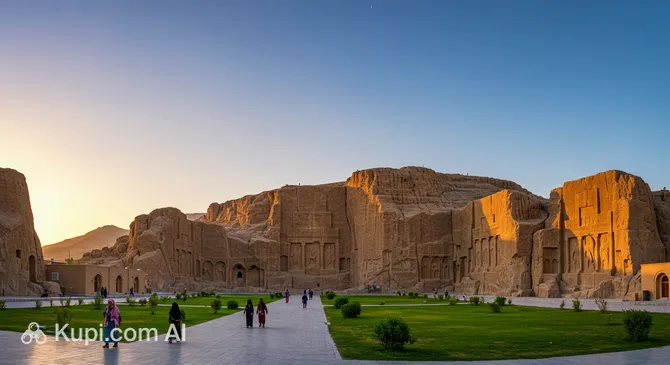
Kermanshah. Source: Kupi.Binoculars

Kermanshah is renowned for its spectacular historical sites that draw visitors from around the world. The most iconic attraction is Taq-e Bostan, a collection of majestic Sassanid rock reliefs carved into the face of a mountain, depicting royal hunting scenes and investiture ceremonies. Just a short distance away lies the UNESCO-listed Bisotun, famous for its multilingual inscription ordered by Darius the Great, which is considered one of the most important historical documents of antiquity. Beyond the monuments, the bustling traditional bazaar offers a taste of local life, where you can find colorful handicrafts and delicious local sweets like Nan-e Berenji.

Whether you are a history buff or a lover of nature, Kermanshah offers a memorable journey into the heart of the region's culture. Its warm hospitality, combined with breathtaking mountain backdrops and significant architectural wonders, makes it a compelling destination for anyone planning a trip to this part of the world.
Weather Overview

Travelers planning a visit should consider the distinct seasonal variations that define the weather in Kermanshah. Due to its mountainous location, the city experiences a climate characterized by hot, dry summers and cold winters with frequent precipitation.

The winter months, particularly January and February, are the coldest, with average temperatures hovering between 2.4°C and 4.0°C. Nights can be freezing, with minimums dropping to around -2.5°C, and this season sees the highest frequency of precipitation, with up to 12 wet days in January. As spring arrives, the weather gradually warms; March remains cool, but by May, the average temperature rises to a pleasant 17.6°C, making it a comfortable time for exploration.

Summer, spanning from June to August, brings significant heat and clear skies. During this period, rainfall is virtually non-existent, and maximum temperatures can climb to approximately 36°C in July and August. The heat begins to subside in autumn, with October offering mild averages of around 16.8°C, before the cooler temperatures and rain return in November.

Interesting Facts

Beyond its well-known historical monuments, Kermanshah holds a treasure trove of cultural nuances and local legends that often escape the casual observer. Digging a bit deeper reveals a city rich in artistic anomalies, culinary distinctiveness, and romantic folklore.
Tekyeh Moaven al-Molk. Source: Kupi.Binoculars
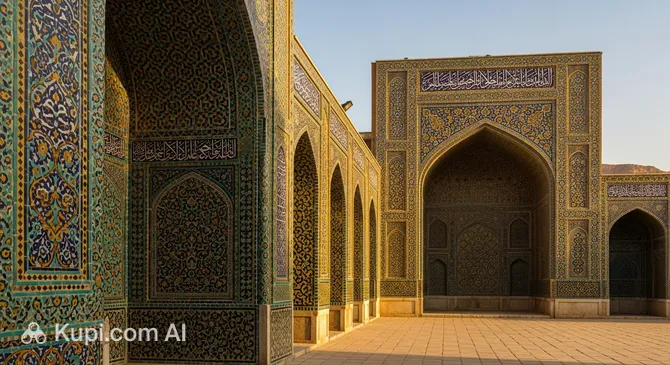
  • The city is home to Tekyeh Moaven al-Molk, a religious site that defies architectural conventions. Unlike typical structures that rely heavily on geometric patterns, this building is adorned with vibrant tiles depicting human figures, ancient Persian kings, and even scenes from European villages, serving as a rare "picture book" of history in ceramic form.

  • Kermanshah has earned the title of a UNESCO Creative City of Gastronomy, celebrating a culinary heritage that goes far beyond standard fare. While its rice cookies are famous, the city is the exclusive home of Dande Kebab, a specialized dish of grilled ribs that is synonymous with the region and is prepared using a distinct local method.

  • Local folklore is deeply intertwined with the landscape, particularly through the tragic romance of Shirin and Farhad. Legend says that the steep cliffs of Mount Bisotun were not merely carved by royal decree, but by Farhad, a sculptor who chiseled away the mountain in a desperate and impossible bid to win the hand of the princess Shirin.

  • The region is a primary hub for the production of Givah, a traditional type of handmade footwear. These durable, breathable shoes are woven from cotton and leather, specifically designed to withstand the rugged terrain of the Zagros Mountains, and the craft remains a significant source of local pride.

How to Get There

Reaching this western metropolis in Iran is relatively straightforward, with options ranging from air travel to road networks. For a complete overview of routes and transportation modes, you can read more about how to get to Kermanshah in our detailed guide.

The most convenient entry point is Kermanshah Airport (IATA: KSH), located just 7.7 km from the city center. As a major regional hub serving millions of passengers annually, it offers frequent connections to Tehran and other cities. The short journey from the terminal to downtown typically takes about 20-30 minutes by taxi or bus.

If flights to Kermanshah are unavailable, you might consider arriving at Sanandaj Airport (IATA: SDG) in the neighboring city of Sanandaj. It is approximately 102 km away from Kermanshah. Travelers landing here can expect a road trip of approximately 2-3 hours to reach their final destination. Another alternative is Ilam Airport (IATA: IIL) in Ilam, located roughly 103 km away, which requires a similar travel time of around 3 hours by taxi.

For clarity, here is a summary of the main airports:

Airport Name City Passenger Traffic Km from City
Kermanshah Airport Kermanshah High 7.7
Sulaimaniyah International Airport Sulaymaniyah Medium 211.2
Sanandaj Airport Sanandaj Medium 102.1
Ilam Airport Ilam Medium 103.1
Hamadan Airport Hamadan Small 148.0

Regarding rail travel, Kermanshah is connected to the national railway network, offering a scenic and comfortable alternative to flying or driving. Trains typically run from the capital, Tehran, winding through the picturesque Zagros Mountains before arriving in the city. While specific station statistics are not detailed here, the railway station serves as a key link for domestic travelers. Visitors are advised to check the latest schedules and ticket availability locally when planning their trip.

Main Attractions

Kermanshah is a city where history is etched into the very mountains that surround it. For travelers, the main draw lies in its spectacular ancient monuments and unique cultural sites that offer a glimpse into the grandeur of Persian empires and the region's artistic heritage.

One of the most visually stunning locations in the city is Tekyeh Moaven al-Molk. This historical place of mourning is distinct from typical religious structures due to its extraordinary tilework. The walls are covered in colorful tiles that depict not only religious events but also scenes from ancient history and local folklore, creating a vibrant gallery that captivates visitors with its artistic detail and storytelling.

Tekyeh Moaven al-Molk. Source: Kupi.Binoculars

A visit to the city would be incomplete without seeing Taq-e Bostan. Located at the foot of a mountain, this site features a series of magnificent rock reliefs from the Sassanid era. The carvings, which date back to the 4th century, illustrate royal hunting scenes and investiture ceremonies with remarkable precision. The site is set within a pleasant park with a spring-fed lake, making it a favorite spot for both history lovers and those seeking a relaxing atmosphere.

Just outside the city lies Bisotun, a UNESCO World Heritage site of immense global significance. It is home to a massive multilingual inscription carved by Darius the Great on a high cliff face. Often referred to as the "Rosetta Stone" of cuneiform, this monument was crucial in deciphering ancient scripts. The complex also includes other historical remains, such as the statue of Hercules, offering a deep dive into antiquity.

For a taste of living history, the Kermanshah Traditional Bazaar is a bustling destination. As one of the oldest and largest roofed markets in the region, it preserves its traditional architecture and lively spirit. Wandering through its winding alleys allows tourists to observe local craftsmanship, smell the aroma of freshly baked sweets, and experience the authentic daily life of the city's residents.

Local Cuisine

Kermanshah is widely celebrated as a paradise for food lovers, having earned the prestigious title of a UNESCO Creative City of Gastronomy. The local cuisine is a reflection of the region's rich history and agricultural abundance, characterized by the use of high-quality ingredients, aromatic spices, and a distinct local clarified butter known as Roghan-e Kermanshahi. This premium animal oil is famous across Iran for its rich aroma and is the secret behind the exceptional flavor of many local recipes.

The undisputed king of the city's culinary scene is Dande Kebab, a dish that every visitor must try at least once. Unlike the standard kebabs found elsewhere, this specialty consists of tender lamb ribs marinated in aromatic spices and grilled to perfection outdoors. It is traditionally served with fresh flatbread, onions, and lemon. The area surrounding the historical site of Taq-e Bostan is particularly famous for its row of restaurants serving this succulent dish, offering a lively atmosphere where the scent of grilling meat fills the air.

Another signature dish that defines the local palate is Khoresh-e Khalal. This sophisticated stew is a festive staple, made with diced lamb, slivered almonds, black barberries, and saffron, all simmered to create a rich and tangy flavor profile. The vibrant colors of the dish—red barberries, golden saffron, and white almonds—make it as visually appealing as it is delicious. It is typically served alongside fluffy saffron rice, providing a hearty meal that perfectly represents the hospitality of the region.

For those with a sweet tooth, the city offers unique treats that double as excellent souvenirs. Nan-e Berenji are delicate rice cookies, often flavored with rose water and poppy seeds, which crumble melt-in-the-mouth. Another popular sweet is Kak, a multi-layered pastry that is light, crispy, and energetic. These sweets are best enjoyed with a hot cup of freshly brewed tea, which is the cornerstone of social gatherings here.

Dining in Kermanshah ranges from bustling street food stalls in the traditional bazaar to relaxed family restaurants. While alcohol is not part of the local diet due to national regulations, meals are often accompanied by Doogh, a refreshing savory yogurt drink sometimes seasoned with mint or rose petals. Whether you are snacking on local sweets in the market or enjoying a feast of ribs near the mountains, the food culture here is warm, inviting, and deeply memorable.

Travel Tips

Visiting Kermanshah offers a fascinating immersion into the culture of the Kurdish region and ancient Persian history, but like any destination in Iran, it comes with its own set of unique practicalities. To help you navigate the city with ease and respect for local customs, here are some essential tips for your journey.

  1. Clothing and Gear: Adhering to the national dress code is mandatory; women must wear a headscarf and loose-fitting clothes that cover the hips, while men should wear long trousers (shorts are not acceptable in public). Since Kermanshah is located in the Zagros Mountains, winters can be quite cold, so bring warm layers and a sturdy jacket. Conversely, summers are hot and dry, requiring light, breathable fabrics. comfortable walking shoes are a must, especially for exploring the rocky terrain around Bisotun.

  2. Transportation: The most convenient way to get around the city is by taxi. Shared taxis (known as savari) follow set routes and are very affordable, but for a private ride, it is highly recommended to download a local ride-hailing app (the Iranian equivalent of Uber), which works reliably in Kermanshah. Public buses are available but can be confusing for non-Farsi speakers.

  3. Finances: International credit and debit cards (Visa, MasterCard) do not work in Iran due to banking restrictions. You must bring enough cash (USD or EUR) for your entire trip and exchange it at official exchange offices called Sarafi. Be aware of the currency confusion: the official currency is the Rial, but locals almost always quote prices in Toman (1 Toman = 10 Rials). Always clarify which unit is being used to avoid paying ten times the price.

  4. Health and Safety: Kermanshah is generally a safe city for tourists. Pharmacies are widespread and usually marked with a green cross; many basic medications are available over the counter. While tap water is treated, the change in mineral content can sometimes upset sensitive stomachs, so sticking to bottled mineral water is a safer choice for short visits.

  5. Communication: The official language is Persian (Farsi), but as this is a Kurdish region, you will hear Kurdish spoken widely. English is not commonly spoken by the older generation or taxi drivers, so having a translation app or a phrasebook is invaluable. Buying a local SIM card (e.g., Irancell or MCI) upon arrival is essential for maps and translation, as international roaming is rarely functional or affordable.

  6. Local Etiquette: You will likely encounter the concept of Taarof, a complex system of politeness. If a shopkeeper or driver refuses payment initially, it is a gesture of respect, not a free offer; you must insist on paying. When greeting members of the opposite sex, wait to see if they extend their hand first; if not, a simple nod and a hand over the heart is the polite and culturally appropriate greeting.

  7. What to Avoid: Public displays of affection, such as kissing or hugging, are frowned upon and should be avoided. Also, never photograph military sites, government buildings, or people (especially women) without their explicit permission, as this can lead to misunderstandings with authorities.

  8. Dining Tip: Do not miss the chance to visit the restaurants around Taq-e Bostan at night. The area comes alive in the evening, and it is the best place to experience the local social culture while enjoying the famous Dande Kebab with a view of the illuminated ancient rock reliefs.

By keeping these practical points in mind, you can focus on the incredible hospitality and breathtaking sights that make Kermanshah special. The locals are known for their warmth and friendliness, so don't hesitate to ask for help if you need it—you will often find that a stranger quickly becomes a helpful friend.

Entertainment & Nightlife

Entertainment and Nightlife:

Nightlife in Kermanshah offers a distinct and culturally rich experience that differs significantly from the Western concept of clubs and bars. In Iran, evening entertainment revolves around socializing, gastronomy, and enjoying the outdoors rather than alcohol-fueled partying. As the sun sets behind the Zagros Mountains, the city comes alive with families, groups of friends, and couples heading out to enjoy the cooler air, making it a vibrant time to explore the local lifestyle.

The epicenter of evening activity is undoubtedly the area surrounding Taq-e Bostan. This district transforms into a bustling hub of gastronomy and leisure after dark. The boulevard leading to the historical site is lined with numerous restaurants and traditional eateries, often referred to as Sofreh Khaneh. Here, the atmosphere is lively and welcoming, with the aroma of grilling meat filling the air. This is the best place to enjoy a late dinner, which typically starts around 9:00 PM and can last well into the night.

For a more modern vibe, travelers should head to Nobahar Street. This avenue serves as the city's main promenade, akin to a local "Champs-Élysées." It is the place to see and be seen, where the crowd is generally younger and fashion-forward. The street is packed with modern coffee shops, juice bars, and ice cream parlors. A popular evening pastime here is simply walking down the street, window shopping, and stopping for a saffron ice cream or a fresh carrot juice topped with traditional ice cream.

While there are no nightclubs, live music is a cherished form of entertainment. Many traditional restaurants, such as the renowned Jamshid Hotel Restaurant or the various garden restaurants near the Taq-e Bostan complex, host live performances of Kurdish and Persian folklore music. These venues offer a cultural immersion where you can dine on local specialties while listening to the soulful sounds of the tanbur and daf. Reservations are recommended for weekends (Thursday and Friday nights).

For those seeking a panoramic view of the city lights, Bam-e Kermanshah (Roof of Kermanshah) located in the Mountain Park is an excellent choice. It is a safe and popular spot for night walks, offering breathtaking vistas of the sprawling metropolis below. It is a favorite haunt for locals to drink tea from flasks and enjoy a picnic under the stars.

Before the evening festivities begin, daytime entertainment in Kermanshah offers its own rewards. History enthusiasts should not miss Tekyeh Moaven al-Molk, a stunning structure famous for its narrative tilework. Additionally, the city has several parks and museums that are perfect for a relaxing afternoon. However, keep in mind that most museums and historical sites close by sunset, so plan your cultural sightseeing for the morning or early afternoon.

Practical Advice: The city is generally safe for night walks, particularly in the busy areas of Nobahar and Taq-e Bostan. The dress code remains in effect during the evening; women should wear a headscarf and manteau, and men should wear long trousers. Taxis and ride-hailing apps are readily available late into the night. Prices for dining out are very reasonable by international standards, with a lavish meal often costing less than 10-15 USD per person.

Parks & Museums

Kermanshah seamlessly blends its rugged natural surroundings with a deep appreciation for history, offering visitors a mix of scenic green spaces and enriching cultural institutions. From parks nestled against the mountains to museums housed in exquisite Qajar-era buildings, the city provides ample opportunities to relax and explore the region's heritage.

For those seeking fresh air and panoramic views, Kuhestan Park (Mountain Park) is the city's premier natural escape. Located in the northern part of the city near the Taq-e Bostan historical site, this park stretches up the slopes of the mountains. It features winding walking paths, artificial waterfalls, and the popular "Bam-e Kermanshah" (Roof of Kermanshah) viewpoint. It is a favorite spot for locals to exercise in the morning or enjoy the city lights in the evening, offering a refreshing break from the urban bustle.

A short drive northwest of the city leads to the serene Sarab-e Niloofar (Lotus Lake), a natural sanctuary that is particularly beautiful in spring and summer. This small, spring-fed lake is famous for the lotus flowers that cover its surface during the blooming season. It serves as a peaceful recreational area where visitors can rent boats, enjoy a picnic by the water, or simply admire the surrounding limestone hills, making it an excellent day trip for nature lovers.

In terms of museums, the Zagros Paleolithic Museum stands out as a unique institution in the Middle East. Dedicated entirely to the Paleolithic era, it houses an impressive collection of stone tools, animal fossils, and skeletal remains discovered in the caves and shelters of the Zagros Mountains. This museum offers a fascinating look into the early human settlements of the region, providing context to the area's incredibly long history of habitation.

Culture enthusiasts should not miss the museums located within the magnificent Tekyeh Moaven al-Molk. While the building itself is a masterpiece of tilework, it also hosts the Anthropology Museum of Kermanshah and a museum dedicated to traditional clothing and jewelry. Wandering through its halls, visitors can see wax figures dressed in colorful Kurdish attire, vintage accessories, and exhibits that depict the local customs, professions, and lifestyle of the people in Kermanshah Province over the last century.

Another significant cultural venue is the Tekyeh Biglarbeygi, which houses the Museum of Calligraphy and Writing. This building is renowned for its dazzling mirror-work hall, which creates a mesmerizing atmosphere. The museum displays precious manuscripts and documents, celebrating the Persian art of calligraphy. The combination of architectural beauty and literary history makes it a compelling stop for anyone interested in the arts.

Insider Tip: If you visit Kuhestan Park, try to go just before sunset. You can watch the sky change colors over the mountains and then see the city light up below you, all while enjoying a cup of tea from one of the small vendors along the path.

Getting Around

Navigating Kermanshah is relatively straightforward, although the public transport options are less extensive than in a capital city. The primary modes of transportation for locals and visitors alike are buses and taxis. While there is a light rail (monorail) project that has been under construction for some time, it is not yet fully operational for daily commuter use. Therefore, tourists should plan to rely mainly on the road-based network to move between the city center and attractions like Taq-e Bostan.

The city's bus system covers most major districts and is an extremely affordable way to travel. Buses typically run from early morning, around 6:00 AM, until approximately 8:30 PM or 9:00 PM. It is important to note that buses in this region observe gender segregation rules; usually, men sit in the front section and women in the back. If you are traveling as a couple, you may need to separate for the duration of the journey.

Regarding payment, the system is in a transition phase. While locals may use rechargeable electronic cards for bus fares, the most practical option for a short-term visitor is cash. Fares are nominal, often costing a fraction of a dollar. It is highly advisable to carry small bills and coins, as drivers may not always have change for large denominations. When paying in cash, you typically hand the money to the driver upon exiting the bus.

For a faster and more comfortable alternative, taxis are the backbone of local transport. You will see yellow or green taxis circulating frequently. There are two main types: "Dar Bast" (private/closed door), where you rent the whole car for a specific destination, and shared taxis (often called "Savari" or "Taxi Khat"), which follow set routes and pick up multiple passengers along the way. Shared taxis are very cheap and efficient if you know your route, while private taxis offer more convenience for a higher price.

Modern ride-hailing apps have also become very popular and are often the best choice for tourists who do not speak the local language. Apps like Snapp (the local equivalent of Uber) operate reliably in the city. They allow you to set your destination on a map, see the fixed price in advance, and avoid negotiation difficulties. This service is generally inexpensive and available late into the night, long after buses have stopped running.

Walking is a pleasant option for exploring the immediate city center or the park areas around historical sites, but due to the city's spread-out nature and hilly terrain, it is not practical for getting from one end of town to the other. If you plan to visit the outskirts or nearby natural sites, hiring a driver for the day or using a ride-hailing service is the most efficient strategy.

Accommodation

Accommodation in Kermanshah is generally practical and comfortable, catering to a mix of business travelers, history enthusiasts, and families. While the city does not host the ultra-luxury international hotel chains found in some global capitals, it offers a solid selection of reliable 4-star and 5-star hotels, mid-range establishments, and budget-friendly guesthouses. Recently, there has also been a growing interest in eco-lodges and traditional houses in the surrounding countryside for those seeking a more authentic experience.

When choosing a location, most tourists prefer one of two main areas. The most scenic and popular district is around Taq-e Bostan in the northern part of the city. Staying here places you close to the major historical sites and the lively evening restaurant scene, all while enjoying a cooler climate and views of the mountains. Alternatively, the city center (near Azadi Square or the Bazaar) is ideal for those who prioritize easy access to public transport, shopping, and the hustle and bustle of daily local life.

Travelers should be aware that the price range for accommodation is quite affordable by international standards. A stay in a top-tier hotel often costs significantly less than a budget room in Europe or North America. However, due to international banking restrictions, major credit cards like Visa and Mastercard are generally not accepted. It is essential to carry sufficient cash (USD or EUR) to pay for your stay upon arrival, or to book through specialized travel agencies that handle payments in advance.

Booking Tip: Kermanshah is a prime destination for domestic tourism, particularly during the Persian New Year (Nowruz) in late March and the pleasant spring months of May and June. During these peak times, the best hotels fill up weeks in advance. It is highly recommended to secure your reservation early to ensure you get your preferred location, especially if you plan to stay in the popular Taq-e Bostan area.

Nearby Cities

For those looking to explore the surroundings, Kermanshah serves as an excellent base for day trips to several interesting nearby locations:

City Population Distance (km)
Sanandaj 412,767 109
Ilam 200,000 98
Eslamabad-e Gharb 90,559 56
Kuhdasht 89,091 101
Qorveh 78,276 114

One of the most rewarding day trips is to Sanandaj, the capital of the neighboring Kurdistan Province. Located about a two-hour drive north, this city is a vibrant center of Kurdish culture. Visitors can explore the bustling traditional bazaar, admire the intricate architecture of the Khosro Abad Mansion, or take a relaxing walk in Abidar Park, which offers sweeping panoramic views of the city and its surrounding hills.

For those interested in unique architecture and dramatic landscapes, the town of Paveh is a must-see destination. Situated in the stunning Hawraman region, Paveh is famous for its terraced village layout, where the roof of one house serves as the courtyard for the house above. The journey there takes travelers through winding mountain roads and lush valleys, offering some of the most spectacular natural scenery in western Iran.

History enthusiasts may also enjoy a visit to Kangavar, located to the east of Kermanshah. The town is best known for the ruins of the Temple of Anahita, an ancient site dedicated to the goddess of water. The massive stone columns and platforms found here provide a fascinating glimpse into the architectural grandeur of the Parthian and Sassanian eras, making it a compelling stop for anyone tracing the region's deep historical roots.

These nearby destinations offer a glimpse into the diverse culture and landscapes of the region.

Shopping & Souvenirs

Shopping in Kermanshah is a delightful experience that bridges the gap between the ancient and the modern. The city offers a diverse retail landscape where centuries-old traditions meet contemporary trends. Visitors can wander through winding alleys filled with the aroma of spices and freshly baked sweets in the morning, and then explore modern boutiques and commercial complexes in the evening. The city is particularly renowned for its unique local handicrafts and mouth-watering edible souvenirs, making it a perfect place to find authentic gifts.

For those seeking a modern shopping atmosphere, Nobahar Street is the city's upscale commercial hub. This vibrant avenue is lined with trendy clothing boutiques, shoe stores, and shops selling branded goods. It is a popular destination for the younger generation and comes alive in the late afternoon and evening, offering a lively promenade experience. Another key commercial artery is Modares Street, located near the city center, which offers a more bustling, everyday shopping environment with a wide variety of stores ranging from electronics to jewelry.

While the city is deeply rooted in tradition, it also features modern shopping centers that provide a comfortable, climate-controlled environment. The Arg Shopping Center, located near Mosadegh Square, is one of the most well-known malls in Kermanshah. It houses several floors of retail outlets, including fashion, cosmetics, and mobile accessories, making it a convenient one-stop destination for travelers needing modern amenities.

The heart and soul of the city's commerce lies in the Kermanshah Traditional Bazaar (also known as Tarikeh Bazar). As one of the longest roofed markets in the region, it is an essential stop for anyone wanting to experience the local culture. The bazaar is divided into various sections, including areas for coppersmiths, goldsmiths, and fabric sellers. It is the best place to find traditional Kurdish clothing and fabrics, as well as to soak in the authentic atmosphere of an Iranian marketplace.

When it comes to souvenirs, Kermanshah is famous for its culinary delights and handicrafts. The most iconic item to buy is Nan-e Berenji, a delicate rice cookie often flavored with rose water and saffron. Other popular sweets include Kak (a light, multi-layered pastry) and Nan-e Khormaei (date-filled cookies). For non-edible gifts, look for Givah, traditional handmade shoes with a cotton upper and leather sole, which are durable, breathable, and a proud symbol of Kurdish craftsmanship. You might also consider buying a bottle of Roghan-e Kermanshahi, the premium local animal oil prized for its rich aroma.

Store hours in Kermanshah generally follow a split schedule. Shops in the bazaar and street-side stores typically open around 9:00 AM, close for a midday break (siesta) from approximately 1:30 PM to 4:00 PM, and then reopen until late in the evening, often around 9:00 PM or 10:00 PM. Modern malls tend to stay open throughout the day or open later in the morning and close later at night. On Fridays, the bazaar and many independent shops may be closed or have limited hours, although malls usually remain open in the afternoon.

Regarding payment, cash is the primary mode of transaction for small purchases and in the traditional bazaar. Prices are almost always quoted in Toman (1 Toman = 10 Rials), so be sure to clarify the currency unit to avoid confusion. International credit cards (Visa, MasterCard) are not accepted in Iran; you will need to use Iranian Rials or a local tourist debit card. Tax-free shopping or VAT refunds for tourists are not currently available in the country, so the price you see is the final price, though bargaining is common and expected in the traditional bazaar.

Reached the end of the page?

That means the route is fully explored