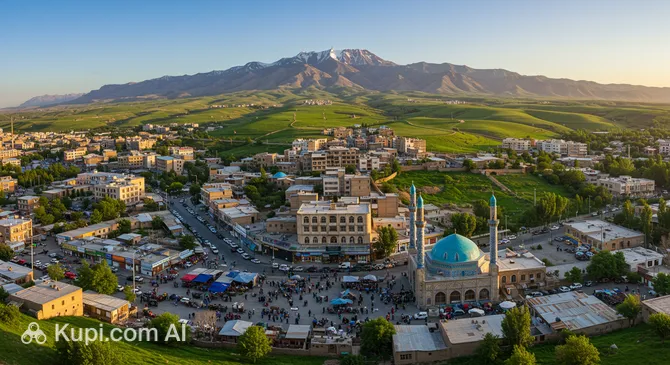
Shopping in Ilam offers a delightful immersion into the traditional culture of western Iran. Unlike the sprawling mega-malls found in larger metropolitan areas, the shopping scene here is intimate, authentic, and deeply rooted in the region's heritage. Visitors will find that the experience is less about high-end international luxury brands and more about discovering unique local handicrafts, organic mountain products, and the warm hospitality of Kurdish shopkeepers.
The city's commercial life is concentrated in the downtown area, particularly along the main avenues such as Taleghani Street and Pasdaran Street. These bustling thoroughfares are lined with a variety of shops selling everything from clothing and jewelry to household goods. Walking down these streets provides a lively atmosphere where locals do their daily shopping, offering tourists a genuine glimpse into everyday life in the province.
While Ilam does not boast massive modern shopping complexes, it features several smaller shopping arcades, known locally as "passages." These multi-story buildings host boutiques that sell modern apparel, bags, and shoes. They are popular among the younger generation and offer a more contemporary shopping environment compared to the street-side stores. These centers are great places to find comfortable seasonal clothing suitable for the mountain climate.
The highlight of any shopping trip to the city is the Traditional Bazaar of Ilam. Although it has undergone modernization over the years, it remains the economic heart of the city. Here, the aroma of spices and fresh bread fills the air. It is the best place to find fresh produce, including high-quality walnuts, dried fruits, and mountain herbs gathered from the surrounding Zagros range. The bazaar is also a hub for fabric shops, where colorful textiles used for traditional Kurdish dresses are displayed in vibrant rows.
When it comes to souvenirs, Ilam is famous for its exceptional handicrafts. The most renowned item is the Embossed Kilim (Gelim-e Naqsh Barjasteh). Ilam is considered the national capital of this specific type of rug, which combines the flat weave of a kilim with the raised pile of a carpet. These beautiful, durable, and artistic pieces are lightweight and make for a perfect, authentic gift to take home.
Foodies should look for Roghan Heyvani (local animal oil or ghee), which is produced by the nomadic tribes of the region and is famous across the country for its quality and aroma. Another sweet treat to look for is Beji, a traditional local cookie made with oil, flour, and sugar, often garnished with sesame seeds. Zagros Honey is another premium product worth buying, known for its purity and the diverse wildflowers the bees feed on in the mountains.
Regarding opening hours, shops in Ilam typically follow a split schedule. They open around 9:00 AM and stay open until 1:00 PM or 2:00 PM. After a mid-day break for lunch and rest, they reopen in the late afternoon, usually around 4:30 PM, and remain open until 9:00 PM or 10:00 PM. The bazaar is liveliest in the mornings and evenings.
Payment is almost exclusively done in cash. International credit and debit cards are not accepted in stores. You will need to carry Iranian Rials or debit cards issued by local Iranian banks. Prices are often quoted in Toman (one Toman equals 10 Rials), so it is always wise to clarify the price with the seller before purchasing. Bargaining is common in the bazaar and smaller shops, so feel free to negotiate politely for a better price.
Tax-free shopping or VAT refund schemes for tourists are generally not available or operational in Ilam. The price you see or negotiate is the final price you pay. Given the reasonable cost of goods, most visitors find the prices to be very attractive even without tax refunds.