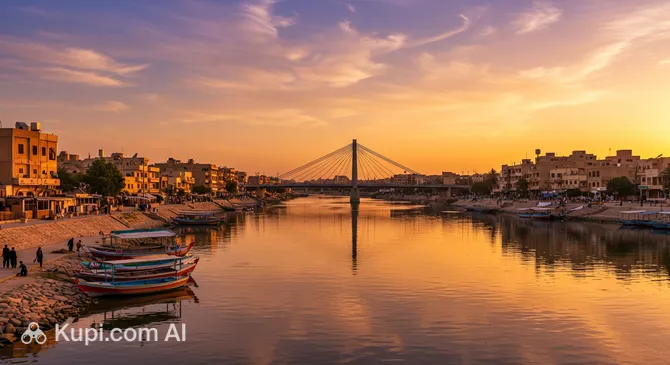
Shopping in Nasiriyah offers a truly authentic experience that stands in stark contrast to the glossy, commercialized retail scenes found in many other parts of the world. Here, commerce is deeply social and traditional, centered around bustling open-air markets and lively streets rather than massive luxury complexes. For visitors, a trip to the local shops is not just about purchasing goods; it is an opportunity to interact with friendly locals, witness the daily rhythm of the city, and discover unique handicrafts that reflect the rich heritage of the Dhi Qar province.
The beating heart of the city's commercial life is undoubtedly Al-Habboubi Street. This iconic avenue is more than just a thoroughfare; it is a vibrant marketplace where the city comes to shop, stroll, and socialize. As you walk along the street, you will find an endless array of small shops selling everything from clothing and shoes to watches and electronics. The atmosphere here is electric, especially in the evenings when the heat subsides and families fill the sidewalks. It is also a cultural hub, known for its small bookstores and stalls that attract the city's intellectuals and poets, reminiscent of Baghdad's famous Mutanabbi Street.
While traditional retail dominates, those looking for a more modern shopping environment can visit the Nasiriyah Mega Mall. As one of the few contemporary shopping centers in the city, it offers a different pace with air-conditioned comfort. Here, you can find a variety of fashion retailers, accessory shops, and cosmetics stores. It is a popular destination for local families on weekends, providing a convenient one-stop location for household needs and leisure.
For a deep dive into local culture, the traditional Souq (market) areas branching off the main streets are a must-visit. These narrow, covered alleyways are filled with the scents of spices, perfumes, and freshly baked bread. You can explore sections dedicated to specific goods, such as the fabric market, where colorful textiles are stacked high, or the gold souq, where intricate jewelry designs glisten in the shop windows. The markets are also the best place to find traditional tailors and craftsmen who have been practicing their trade for generations.
When it comes to souvenirs, Nasiriyah offers several unique items that make for perfect keepsakes. The region is famous for its pottery, a craft that has existed here since Sumerian times; look for handmade clay jugs, bowls, and decorative items. Due to the city's proximity to the marshes, reed crafts are also a specialty. You can find beautifully woven mats, baskets, and small model boats (mashhoof) made from the reeds of the Ahwar. Additionally, no trip to southern Iraq is complete without buying dates. Dhi Qar produces some of the finest varieties, and you can purchase them fresh or as sweet date syrup.
Practicality is key when planning your shopping trip. The currency used is the Iraqi Dinar, and cash is the primary method of payment. Credit cards are rarely accepted outside of major hotels or the largest modern stores, so ensure you have sufficient local currency in small denominations. Bargaining is a common and expected practice in the souqs and with street vendors; do not hesitate to negotiate the price with a smile.
Store hours in Nasiriyah typically follow a split schedule to accommodate the climate. Shops usually open around 9:00 AM and remain active until the early afternoon, closing for a "siesta" break during the hottest part of the day (roughly 1:00 PM to 4:00 PM). They reopen in the late afternoon and stay open well into the night, often until 10:00 PM or later. Friday is the weekly holiday, and while many street stalls may be open, some larger shops might remain closed or open only in the evening.