Support

Mahshahr

About

Welcome to Mahshahr, a dynamic city situated in the Khuzestan Province of Iran. Also known as Bandar Mahshahr, this bustling port city serves as a crucial industrial hub while offering a unique glimpse into the daily life of the southern coastal region. With a population of approximately 160,000 residents, it balances its significant role as a petrochemical center with the enduring traditions of its local community.

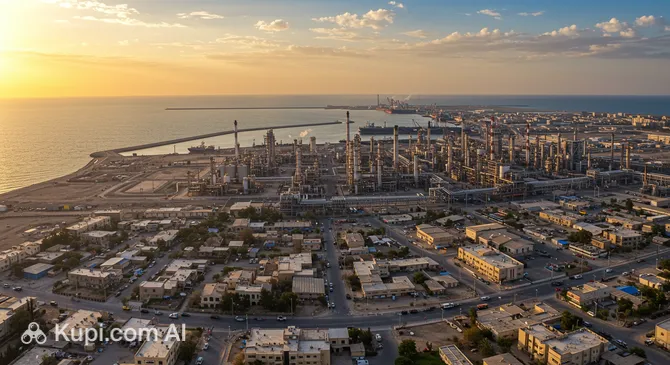
Mahshahr. Source: Kupi.Binoculars

Geographically, the city is positioned near the northern tip of the Persian Gulf, providing it with strategic maritime importance. The climate here is characteristically warm and humid, typical of the coastal lowlands, making it a sun-drenched destination throughout much of the year. Travelers interested in the history of Mahshahr will find that its roots extend back to ancient times, having evolved from a small historical port known as Machuleh into a modern economic powerhouse.

While the city is primarily recognized for its industrial achievements, the surrounding area features unique natural landscapes. The nearby Khor-e Musa is a deep tidal channel that is not only vital for shipping but also creates a fascinating seascape worth observing. Within the city limits, various parks and promenades offer green spaces where families gather, providing a friendly atmosphere for visitors to experience the warm local hospitality.

Whether you are passing through on business or exploring the diverse geography of Khuzestan, Mahshahr offers a distinct perspective on the country's development. Its blend of ancient heritage and modern industry makes it a noteworthy stop for those wishing to understand the full tapestry of the region.

Weather Overview

The climate in Mahshahr is characterized by intense heat during the summer months and mild, comfortable conditions in the winter. Visitors should be prepared for soaring temperatures from June through September, where daily highs frequently exceed 46°C and rainfall is virtually non-existent.

In contrast, the winter season offers significant relief with much cooler weather. January is typically the coldest month, seeing average temperatures around 14.3°C and lows dipping to 9.2°C. Precipitation is generally sparse throughout the year; however, the few wet days that do occur are usually concentrated between November and January. For a more comprehensive breakdown of seasonal trends and forecasts, you can view the detailed weather in Mahshahr page.

Overall, you can expect scorching, dry summers and mild winters with only occasional, light rain.

Interesting Facts

Beyond its main avenues and industrial landscape, Mahshahr holds fascinating secrets that reveal its local culture and modern significance. Here are a few intriguing aspects of the city that travelers rarely hear about.

  • Majidieh Coastal Park: The city boasts one of the largest coastal recreational areas in the region. This expansive park stretches along the waterfront, offering promenades, gazebos, and boating facilities, making it a favorite spot for families to enjoy the sea breeze and sunsets over the Persian Gulf.

  • Spicy Seafood Cuisine: The local diet is distinct from the interior of the country, heavily featuring fresh catches from the sea. Travelers can savor unique dishes known for their bold flavors, where fish and shrimp are prepared with aromatic herbs and fiery spices typical of southern culinary traditions.

  • The City of Lights: The immense Petrochemical Special Economic Zone nearby operates around the clock, creating a stunning visual phenomenon at night. The thousands of lights from the refineries and plants illuminate the dark sky, transforming the horizon into a glowing spectacle that can be seen from miles away.

  • Railway Hub: Mahshahr serves as a critical southern terminus for the railway network of Iran. This historical rail connection has been a lifeline for decades, linking the warm southern coast directly to the country's interior and facilitating trade long before modern highways became dominant.

How to Get There

Reaching this industrial and coastal hub is relatively straightforward, primarily relying on the transport infrastructure of the surrounding Khuzestan Province. While the city itself is focused on port and petrochemical activities, it is well-connected to the rest of the country. For a detailed breakdown of all available routes and travel tips, you can read more about how to get to Mahshahr.

The city of Mahshahr does not have a major international airport for general tourism, so most visitors fly into Ahwaz Airport (AWZ) in the provincial capital of Ahvaz. Located approximately 96 km from Mahshahr, this airport is a significant regional hub with frequent connections to Tehran and other major cities. The journey by taxi or bus from Ahvaz to Mahshahr typically takes about 1.5 to 2 hours. Alternatively, travelers can use Abadan Airport (ABD), which is situated roughly 94 km away in the city of Abadan. Although it handles less traffic than Ahvaz, it serves as a convenient option for those arriving from specific domestic locations.

For clarity, here is a summary of the main airports in the vicinity:

Airport Name City Passenger Traffic Km from City
Kuwait International Airport Kuwait City Very High 188.5
Ahwaz Airport Ahvaz High 95.8
Abadan Airport Abadan Medium 94.4
Basra International Airport Basra Medium 146.2
Bushehr Airport Bushehr Medium 239.2

In addition to air travel, Mahshahr is a key terminus in Iran's national railway network. The city's train station connects the southern coast to the interior, offering a scenic and reliable mode of transport for those traveling from Tehran or other northern cities. The road network is also well-developed, making access by bus or private car from neighboring provinces quite convenient.

Main Attractions

While Mahshahr is primarily celebrated for its industrial significance, the city and its surroundings offer distinct attractions for travelers venturing through the Khuzestan Province. The local tourism scene is deeply connected to the Persian Gulf, providing opportunities to experience the unique coastal environment of southern Iran.

One of the most prominent natural highlights is the Khor-e Musa. This deep, navigable tidal channel is not only a vital artery for shipping but also a fascinating ecological zone. Visitors can arrange boat excursions to explore the calm waters, where they may spot diverse marine bird species and enjoy the tranquil seascape. The channel is dotted with numerous small, uninhabited islands, making it a serene escape from the bustling city center.

For a relaxing afternoon, Majidieh Coastal Park is the city's premier recreational destination. Spanning a vast area along the waterfront, this park is designed for leisure and social gatherings. It features well-maintained walking paths, traditional gazebos, and boating facilities. It is particularly popular in the evenings when locals gather to watch the sunset over the Gulf, offering a perfect setting for experiencing the warm hospitality of the region.

Travelers interested in local culture should visit the bustling traditional bazaars. These markets are the heart of daily life in Mahshahr, where the air is filled with the aroma of southern spices and fresh seafood. Wandering through the stalls offers a genuine glimpse into the culinary and social traditions of the coast, distinct from the central plateau of the country.

Additionally, the industrial skyline itself creates a unique visual attraction at night. The vast petrochemical complexes nearby light up after dark, creating a spectacular panorama known locally as the "City of Lights." While not a traditional tourist site, the glowing horizon is a photographer's delight and a testament to the city's economic role.

Local Cuisine

The culinary landscape of Mahshahr is a vibrant reflection of its coastal location and the rich traditions of the Khuzestan Province. Unlike the milder flavors often found in central Iran, the local cuisine here is known for its bold use of spices, tamarind, and fresh seafood from the Persian Gulf. Visitors will discover a gastronomic culture that is distinct, fiery, and deeply hospitable.

Given its proximity to the water, seafood is the undisputed star of the local diet. The most iconic dish to try is Ghalieh Mahi, a fragrant and spicy fish stew prepared with generous amounts of cilantro, fenugreek, and garlic, all simmered in a tangy tamarind sauce. Another variation, Ghalieh Meygoo, substitutes fish with fresh shrimp but maintains that signature sour and spicy profile that defines southern Iranian cooking. Grilled fish, often marinated in lime and saffron or stuffed with herbs, is also a staple on many menus.

For those looking for a quick bite, the street food scene in Mahshahr is lively and delicious. Sambuseh is a local favorite; these crispy, triangular pastries are typically filled with spicy potatoes, aromatic herbs, and sometimes meat, making them a perfect on-the-go snack. You will also find excellent Falafel, which is incredibly popular in this region, often served in sandwich form with pickled vegetables and mango sauce (Amba), highlighting the area's unique blend of cultural influences.

No meal in the south is complete without a touch of sweetness. Since the province is a major producer of dates, desserts often feature this nutritious fruit. Ranginak is a must-try treat made from soft dates stuffed with walnuts and covered in a toasted flour and butter mixture, topped with cinnamon and pistachios. It is traditionally served with hot Persian tea, which locals drink throughout the day despite the warm climate.

Dining in Mahshahr is generally a casual and social affair. While there are standard restaurants, many locals prefer the relaxed atmosphere of traditional eateries and street stalls, especially in the evenings when the weather cools down. Exploring the city's markets offers the best opportunity to taste authentic flavors and observe the bustling food culture firsthand.

Travel Tips

Visiting Mahshahr offers a distinct experience of southern hospitality mixed with industrial energy, but it requires some specific preparation to navigate the local customs and climate comfortably. To ensure your journey is smooth and enjoyable, here are some essential practicalities to keep in mind before you arrive.

  1. Dress for the Heat and Culture: Due to the intense heat and humidity, especially in summer, wear loose-fitting, breathable fabrics like cotton or linen. Remember to adhere to the dress code of Iran: women must wear a headscarf and a loose tunic (manteau) that covers the hips, while men should wear long trousers. Shorts are not acceptable for men in public spaces.

  2. Getting Around: Mahshahr does not have a metro system, so taxis are the most convenient way to travel. Shared taxis (savari) are common for fixed routes, but for ease of use, download the Snapp app (the local equivalent of Uber). It works reliably, offers clear pricing in advance, and overcomes language barriers with drivers.

  3. Cash is King: International credit and debit cards (Visa, Mastercard) do not work in the country due to banking restrictions. You must bring enough cash (USD or EUR) for your entire trip and exchange it at official exchange offices, known as a Sarafi. Be aware of the currency confusion: while the official currency is the Rial, locals almost always quote prices in Toman (1 Toman = 10 Rials).

  4. Health and Hydration: In the sweltering coastal climate, staying hydrated is crucial; always carry bottled water, as tap water may not agree with visitors' stomachs. Pharmacies are widespread and usually marked with a green cross or the word "Darookhaneh." For any serious medical issues, head to the city's main hospitals, but carry travel insurance documentation with you.

  5. Communication and Connectivity: The primary language is Persian (Farsi). While engineers and professionals in this industrial hub may speak English, taxi drivers and shopkeepers often do not. It is highly recommended to buy a local SIM card (e.g., Irancell or MCI) upon arrival to access maps and translation apps. Learning basic words like Salam (Hello) and Mamnoon (Thank you) goes a long way.

  6. Understanding Taarof: You will likely encounter Taarof, a complex system of politeness. If a shopkeeper refuses payment or a local invites you home immediately, it is polite to refuse initially. If they insist 2 or 3 times, the offer is genuine. Also, when greeting people of the opposite gender, wait to see if they extend their hand; a nod with a hand over the heart is the standard respectful greeting.

  7. Photography Restrictions: Be extremely cautious with your camera. Mahshahr is a major strategic and industrial zone. Never take photos of petrochemical plants, refineries, government buildings, or military installations. If you are unsure whether a building is sensitive, it is best to ask permission or keep the camera away to avoid misunderstandings.

  8. Respect the Siesta: Life in Mahshahr adapts to the climate. Many shops and businesses close in the afternoon, typically between 1:00 PM and 5:00 PM, to avoid the peak heat. The city comes alive again in the evening when the weather is cooler, so plan your shopping and dining for the nighttime hours.

By keeping these practical tips in mind, you can navigate Mahshahr with confidence and respect for local traditions. The people of this southern port city are known for their warmth, and a little preparation will allow you to fully appreciate their hospitality and the unique coastal atmosphere.

Entertainment & Nightlife

In Mahshahr, the concept of nightlife differs significantly from Western standards but is no less vibrant. Due to national regulations, there are no nightclubs, bars, or discos, and the consumption of alcohol is strictly prohibited. Instead, the city's evening entertainment revolves around social gatherings, culinary experiences, and outdoor leisure. As the intense daytime heat fades, the streets fill with energy, and locals head out to enjoy the cooler air, making the hours between 8:00 PM and midnight the most active time of the day.

The epicenter of this social life is often found in the city's extensive parks. **Majidieh Coastal Park** is the premier destination for evening activity. Far more than just a green space, it functions as a bustling night district where families and young people gather to picnic, listen to music, and stroll along the waterfront promenade. The atmosphere is friendly and communal, with the sound of laughter and conversation replacing the beat of a dance floor. Similarly, **Besat Park** attracts a lively crowd, offering a safe and pleasant environment for late-night walks and socializing.

For a more seated experience, travelers should seek out traditional tea houses, known locally as Sofreh Khaneh. These establishments serve as the social anchors of the night, acting as alternatives to bars. Here, you can recline on traditional carpeted platforms, sip endless cups of strong Persian tea accompanied by dates or crystallized sugar, and smoke a hookah (qalyan). These venues are great places to observe local culture and engage in conversation with residents in a relaxed, authentic setting.

The culinary scene also thrives after dark. Restaurants and fast-food eateries along major avenues like **Imam Khomeini Street** remain open late, serving everything from spicy southern seafood to grilled kebabs. The dress code for an evening out remains consistent with daytime rules: modest Islamic dress is required, meaning headscarves and tunics for women and long trousers for men. The city is generally very safe for tourists at night, but for convenience, it is advisable to use the Snapp ride-hailing app or official yellow taxis to move between venues.

Daytime entertainment in Mahshahr is quieter and often focused on escaping the sun. Cultural options are relatively limited, so most visitors spend the hottest hours exploring indoor shopping centers or the covered sections of the local bazaars. While there are no major museums or amusement parks within the city center, the port atmosphere and the rhythm of daily life provide a unique backdrop for those willing to explore the markets before retreating to air-conditioned comfort until the sun goes down.

Parks & Museums

While Mahshahr is primarily known as an industrial powerhouse, the city offers surprising pockets of greenery and cultural depth for those who take the time to look. The contrast between the arid landscapes of the Khuzestan Province and the maintained parks within the city creates a refreshing atmosphere. Although **Majidieh Coastal Park** remains the most famous spot for seaside leisure, the region's true character is best experienced through its terrestrial green spaces and living history sites.

For a significant retreat into nature within the city limits, Kharazmi Park stands out as a vital "green lung" for the area. Covering a vast expanse, this park offers a network of walking paths shaded by resilient trees cultivated to withstand the southern heat. It provides a peaceful escape from the bustling city streets and industrial noise, making it a favorite location for morning joggers and families seeking a quiet afternoon. The park's size and density of vegetation make it a unique oasis in an otherwise dry region.

Since Mahshahr does not boast a wide array of formal indoor museums, the Old Port (Machuleh) acts as a captivating open-air museum of the city's heritage. Before the modern petrochemical boom, this area was a historic trading post known as Machuleh or Mahruyan. Visitors wandering through the older districts can sense the layers of history in the traditional architecture and the winding layout of the streets. These remnants reflect centuries of maritime trade and interaction with neighboring cultures, offering a raw and authentic glimpse into the city's past that no glass display case could replicate.

Just a short distance from the city lies the Shadegan Wetland, which serves as a magnificent "natural museum" of biodiversity and local culture. Designated as an internationally recognized Ramsar Site, this wetland is one of the most important ecological zones in Iran, teeming with migratory birds and unique aquatic life. Beyond its ecological value, the area is home to local Arab communities who live in harmony with the water, often residing in traditional reed houses. Taking a boat tour here offers a profound cultural experience, showcasing a way of life that has remained largely unchanged for generations.

Getting Around

The public transport system in Mahshahr is straightforward and functional, designed primarily to support the daily commute of its residents and the workforce of the industrial zones. Unlike the capital or other major metropolitan areas, the city does not have a metro, tram, or trolleybus network. Instead, the transportation infrastructure relies almost entirely on road-based options, specifically taxis and buses, which connect the residential districts with the commercial centers and the port areas.

For tourists, taxis are the most convenient and efficient way to navigate the city. You will encounter two distinct types of taxi services. Shared taxis, known locally as Savari, run on fixed routes between major squares and landmarks. They are yellow or green and pick up multiple passengers along the way; this is a very economical option, though it offers less privacy. Alternatively, private taxis (Darbast) can be hailed for a direct journey to your destination. While more expensive than shared rides, they provide air-conditioned comfort, which is essential during the hot months.

A highly recommended alternative for visitors is the use of ride-hailing apps. The most popular service is Snapp, which functions similarly to Uber. Using this app is particularly advantageous for travelers who do not speak the local language, as it removes the need to negotiate fares or explain directions. You can simply set your pickup and drop-off points on the map, see the fixed price in advance, and pay the driver in cash upon arrival.

The city also operates a network of public buses. These are generally slower than taxis and can be crowded during peak commuting hours, but they offer an authentic glimpse into local life. Bus routes typically radiate from the central terminals to the outlying neighborhoods and the nearby port city of Bandar-e Imam Khomeini. Buses generally operate from early morning, around 6:00 AM, until late evening, though service frequency may drop during the mid-afternoon heat.

Regarding payment, the system is predominantly cash-based for short-term visitors. While locals may use electronic cards for buses, tourists are advised to carry small denominations of cash. Fares for both buses and shared taxis are incredibly low by international standards. When paying, always remember the local custom of quoting prices in Toman (where 1 Toman equals 10 Rials) to avoid confusion with the currency notes. Drivers usually do not carry large amounts of change, so having exact fare or small bills is very helpful.

Walking or cycling is generally not recommended as a primary mode of transport due to the intense heat and humidity that prevails for much of the year. The city is spread out, and distances between attractions or shopping areas can be significant. Consequently, renting a car or bike is not a common practice for tourists here. Stick to air-conditioned taxis or ride-hailing services to ensure a comfortable and safe journey across the city.

Accommodation

Accommodation in Mahshahr is primarily tailored to meet the needs of business travelers and engineers visiting the region's vast petrochemical and industrial complexes. As a result, the city does not feature the luxury resorts or extensive tourist infrastructure found in Iran's major historical hubs. Instead, visitors will find a selection of functional and comfortable options ranging from budget guesthouses to mid-range hotels that prioritize practicality and proximity to work centers.

The most common type of lodging is the standard 3-star or 4-star hotel. These establishments typically offer essential amenities such as air conditioning—crucial in the southern heat—Wi-Fi, and on-site restaurants serving local cuisine. Apartment hotels are also available and are a popular choice for those planning longer stays, providing kitchenette facilities and more living space. Travelers looking for budget-friendly options may find smaller local inns (Mosaferkhaneh), though these are generally basic and less suited for international tourists seeking standard comforts.

When choosing an area to stay, the city center is the most convenient location for general visitors. Staying near major thoroughfares like Imam Khomeini Street places you within walking distance of local bazaars, shops, and restaurants, allowing for easier access to food and transport in the evenings. Conversely, some accommodations are located closer to the Petrochemical Special Economic Zone or the port areas; while convenient for business, these locations are often far from the city's social life and amenities.

Booking accommodation in Mahshahr requires some specific planning. Major international booking platforms do not operate in the country, so you cannot reserve rooms through standard Western websites. Instead, it is best to book through a local Iranian travel agency or by contacting the hotel directly via phone or WhatsApp. Since the city hosts many industrial conferences and rotating workforces, hotels can fill up quickly during the workweek, so reserving your room well in advance is highly recommended.

Regarding costs and payment, prices generally fall into the budget to mid-range category by international standards. Payment is almost exclusively accepted in cash (Iranian Rials or Tomans) upon arrival, as international credit cards are not accepted. Be sure to carry sufficient local currency to cover your entire stay, including potential deposits.

Nearby Cities

Mahshahr serves as an excellent starting point for exploring the wider Khuzestan Province. The city's strategic location near the head of the Persian Gulf places it within a short driving distance of several historically and economically significant urban centers. Whether you are interested in ancient history, bustling river ports, or vibrant local markets, the surrounding region offers a diverse array of destinations that are easily accessible by car or bus.

Below is a list of the closest major cities, along with their distance from Mahshahr and population estimates, to help you plan your regional travels:

City Name Distance (km) Population
Abadan 90 370,180
Khorramshahr 97 133,097
Ahvaz 98 1,261,042
Behbahan 101 122,604
Bagh-e Malek 127 114,343

Abadan is one of the most famous cities in the region, located on an island formed by the deltas of the Arvand and Bahmanshir rivers. Historically known as a global hub for the oil industry, it retains a cosmopolitan atmosphere with bustling bazaars that are perfect for finding spices, fabrics, and local goods. The city's layout and architecture still reflect its rapid modernization in the 20th century, making it a fascinating place for a day trip.

Just a short distance from Abadan lies Khorramshahr, a vital port city situated at the confluence of the Karun and Arvand rivers. It plays a significant role in Iran's maritime trade and offers visitors scenic views along its riverbanks. The waterfront promenades are ideal for a relaxing evening walk, allowing travelers to observe the movement of ships and traditional dhows that connect the country to international waters.

The provincial capital, Ahvaz, is less than two hours away and serves as the cultural and administrative heart of Khuzestan. Famous for the Karun River that meanders through its center, Ahvaz is known as the "City of Bridges." At night, these bridges are beautifully illuminated, creating a stunning reflection on the water. The city is also a great place to experience the warm hospitality of the diverse local population and sample authentic southern Iranian cuisine.

For those interested in history and nature, Behbahan offers a different experience. Located to the east, it is renowned for its ancient archaeological mounds and the cultivation of narcissus flowers. In the winter months, the flower fields bloom, filling the air with a delightful fragrance and attracting nature lovers from across the country.

Shopping & Souvenirs

Shopping in Mahshahr offers a distinct experience that reflects its identity as a bustling port city in the Khuzestan Province. While it may not feature the high-end luxury boutiques of a capital city, it provides a fascinating mix of traditional commerce and modern retail. The shopping scene here is heavily influenced by the maritime trade, meaning visitors can often find a variety of imported goods alongside fresh local produce and regional handicrafts. For tourists, the appeal lies not just in what they can buy, but in the vibrant atmosphere of the markets where the local culture is most alive.

The commercial heartbeat of the city is centered around Imam Khomeini Street and the surrounding downtown area. This main thoroughfare is lined with a diverse array of shops selling everything from clothing and electronics to household goods. Walking down this street in the evening is a popular activity for locals, as the shop windows light up and the sidewalks become crowded with families. It is the best place to soak in the urban energy and find everyday necessities or casual apparel.

While traditional street-side retail dominates, Mahshahr has seen the development of several modern shopping arcades and commercial complexes, locally known as "Pasaj." These indoor centers offer a respite from the outdoor heat and typically house mobile phone shops, boutiques, and cosmetic stores. Places like the Jam-e Jam Commercial Complex or other central arcades provide a more organized shopping environment, often serving as gathering spots for the city's youth.

The true highlight of shopping in Mahshahr, however, is its markets. The Traditional Bazaar is a sensory delight, filled with the aromas of southern spices and freshly baked bread. Being a coastal city, the Fish Market (Bazar-e Mahi) is also a must-visit, even if you aren't planning to buy. Here, you can see the day's catch from the Persian Gulf, including various species of fish and shrimp that are staples of the local diet. Additionally, look out for "Tah Lenji" markets—shops selling goods imported directly by sailors. These stores often offer international brands of tea, coffee, chocolates, and clothing at very competitive prices, a unique feature of Iran's southern port cities.

When it comes to souvenirs, the region's agricultural produce is the best choice. Dates from Khuzestan are world-renowned for their quality and sweetness; buying a box of fresh dates or date-based cookies (Koloocheh) makes for a delicious gift. Spices are another excellent option, particularly the fiery chili blends and tamarind pastes used in southern cooking. For a more lasting memento, look for Kapu weaving—traditional wicker baskets and trays made from palm leaves, often decorated with colorful yarn, which are a specialty of the province.

Store hours in Mahshahr are strictly dictated by the climate. Most shops open around 9:00 AM and stay open until 1:00 PM. They then close for a long mid-day break (siesta) to avoid the peak heat, reopening around 5:00 PM and staying active until 10:00 PM or 11:00 PM. Regarding payment, cash is the primary method of transaction. International credit cards (Visa, Mastercard) are not accepted anywhere. You will need to use Iranian debit cards or carry sufficient cash in Iranian Rials (or Tomans) to cover your purchases.

Tourists should be aware that Iran does not currently operate a VAT refund or Tax-Free shopping scheme for international visitors. The price you see on the tag is the final price, although bargaining is acceptable and expected in traditional bazaars and smaller independent shops, especially if you are purchasing multiple items.
Reached the end of the page?

That means the route is fully explored