Support

Nakhchivan

About

Welcome to Nakhchivan, a city where ancient legends seamlessly blend with modern life. Often referred to as the land of Noah, this fascinating destination serves as the capital of the Nakhchivan Autonomous Republic, an exclave of Azerbaijan. With a population of around 95,000, the city offers a welcoming atmosphere that feels both intimate and culturally rich.
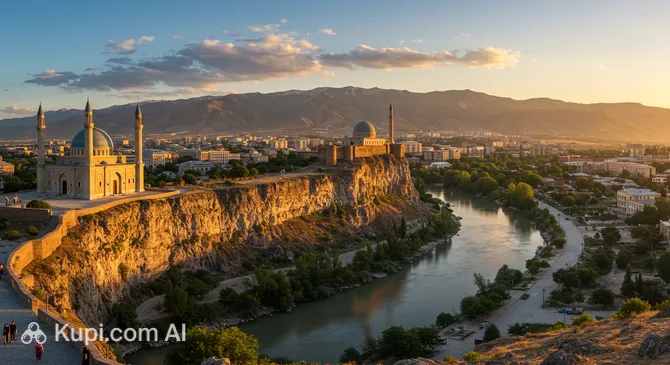
Nakhchivan. Source: Kupi.Binoculars

Geographically, Nakhchivan is nestled in the foothills of the Zangezur Mountains, providing a dramatic backdrop of rugged peaks. The region experiences a dry continental climate, characterized by hot summers and cold winters, which contributes to its unique flora and distinct landscapes.

The city is renowned for its deep historical roots, dating back millennia. Visitors eager to delve into the past can explore the fascinating history of Nakhchivan, which is etched into every stone and monument. According to popular tradition, the city was founded by Noah after the Great Flood, adding a layer of mystical allure to its heritage.

Travelers should not miss the iconic Momine Khatun Mausoleum, a stunning example of medieval Islamic architecture adorned with intricate geometric patterns. Another highlight is the majestic Alinja Castle, often dubbed the "Machu Picchu of the Caucasus" due to its breathtaking location atop a craggy mountain. For a touch of local health culture, the nearby Duzdag Salt Mine offers unique therapy centers inside ancient tunnels.

Nakhchivan is a hidden gem waiting to be discovered. Whether you are drawn by its architectural wonders or its serene natural beauty, a visit to this historic city promises a truly memorable experience.

Weather Overview

The climate in this region is continental, characterized by distinct seasonal changes that shape the travel experience. Summers are typically hot and dry, with July and August seeing average maximum temperatures reach around 34.6°C. During these months, rainfall is almost non-existent, with practically zero precipitation recorded. For travelers planning a trip, checking the current weather in Nakhchivan is recommended to pack appropriately for the heat.

Winters, in contrast, are quite cold, with January seeing average lows drop to -3.2°C. While the precipitation volume remains relatively low throughout the year, spring is the dampest season, particularly March, which experiences about 12 wet days. Expect hot, sunny summers perfect for outdoor exploration and crisp, cold winters that require warm layers.

Interesting Facts

Beyond the main attractions and historical sites, Nakhchivan holds many fascinating secrets that add to its mystical allure. This ancient land is filled with natural wonders and enduring legends that often surprise visitors.

  • One of the most intriguing sites near the city is the Ashabi-Kahf cave sanctuary. Local tradition and many pilgrims believe this natural cave complex is the location described in religious texts as the refuge of the Seven Sleepers, who slept for centuries to escape persecution.

  • The distinctive cleft peak of Ilandag (Snake Mountain), which dominates the horizon, is the subject of a famous legend. It is said that the keel of Noah's Ark grazed the mountain's summit as the Great Flood waters receded, splitting the rock and creating its unique shape.

  • The region is home to the remarkable Batabat Lake, known for a rare natural phenomenon. The lake features a floating peat island that is not anchored to the bottom, allowing it to slowly drift across the water's surface, changing the landscape throughout the day.

How to Get There

Reaching this unique destination requires some specific planning due to its status as an autonomous exclave, geographically separated from the main territory of the country. Air travel is by far the most convenient and popular method for visitors. You can explore all ways to reach the city and find detailed logistical advice on our dedicated transport page.

The primary gateway for travelers is Nakhchivan Airport (NAJ). Conveniently situated just 4.5 km from the city center, it serves as the main hub for the region. The short distance means that a taxi or bus ride to downtown is quick and hassle-free, usually taking only a few minutes. This airport handles the vast majority of passenger traffic entering the republic.

For those traveling through the wider region, Tabriz Airport (TBZ) in neighboring Iran is another potential entry point. Located approximately 138.6 km from Nakhchivan, this option involves an overland journey across the international border. Visitors choosing this route should be prepared for border crossing procedures, which will add to the total travel time.

Below is a summary of the accessible airports serving the region:

Airport Name City Passenger Traffic Km from City
Nakhchivan Airport Nakhchivan Medium 4.5
Tabriz Airport Tabriz Medium 138.6

Main Attractions

The city is a treasure trove of architectural marvels and historical sites that reflect its status as one of the oldest cultural centers in the region. Visitors will find that the attractions here are not just monuments, but chapters in a story that spans thousands of years.

Undoubtedly the most famous landmark is the Momine Khatun Mausoleum. Built in the 12th century by the renowned architect Ajami Nakhchivani, this decagonal tower is a masterpiece of medieval Islamic architecture. Rising over 25 meters high, it is adorned with intricate geometric patterns and Kufic inscriptions in turquoise glazed tiles. It serves as a symbol of the city and offers a profound insight into the sophistication of the Atabegs of Azerbaijan era.

Another site of immense significance is Noah’s Mausoleum. Consistent with the local tradition that names Nakhchivan as the place where Noah descended after the Great Flood, this monument was built on what is believed to be his final resting place. The current structure, restored in 2006, features a temple-like design with a gold-ribbed dome. Tourists visit not only for the spiritual atmosphere but also for the panoramic views of the city and the distant mountains from the site.

For a glimpse into the opulent lifestyle of the 18th and 19th centuries, the Palace of Nakhchivan Khans is a must-visit. This architectural gem, built in an Eastern style, served as the residence of the local rulers. Today, it operates as a history and carpet museum, showcasing beautiful exhibits, traditional costumes, and artifacts. Its location offers a lovely vantage point overlooking the city and the Aras River valley.

Architecture enthusiasts should also seek out the Yusif ibn Kuseyir Mausoleum, often referred to locally as the "Atababa" dome. Constructed in 1162, it is one of the earliest examples of the Nakhchivan architectural school. Unlike the towering Momine Khatun, this octagonal structure is more modest in scale but is celebrated for its perfect brickwork and the preservation of its original form over eight centuries.

Local Cuisine

The local cuisine in Nakhchivan is a delightful journey for the palate, distinct even within the rich tapestry of Azerbaijani food. Due to its unique geography and climate, the region boasts dishes that are prepared with fresh mountain herbs and locally grown produce. The food here is hearty, flavorful, and deeply rooted in tradition, offering a taste of the area's agricultural abundance.

One of the most famous regional specialties you must try is Qovurma. This dish consists of meat, typically veal or lamb, which is fried and then preserved in its own fat or butter. Historically prepared to last through the winter, it has become a year-round delicacy often served in stews or with potatoes. Another culinary staple is the Nakhchivan Kata, a large, round, and slightly sweet flatbread often filled with butter and sugar, known for its decorative patterns and soft texture.

For those with a sweet tooth, the region offers unique dried fruit treats. Look for Alana, a traditional sweet made from dried peaches or apricots that have been pitted and stuffed with walnuts and spices. It is a perfect example of how locals preserve the summer harvest to enjoy throughout the year.

When it comes to beverages, Nakhchivan is celebrated for its natural mineral waters. Brands like Sirab and Badamli originate from local springs and are famous across the country for their health benefits and refreshing taste. Tea culture is also central to social life here; sitting in a Chaykhana (tea house) with a pot of fresh thyme or mountain herb tea is a quintessential local experience. For something stronger, you might encounter Tut araghi, a potent vodka made from mulberries.

The food culture in Nakhchivan revolves around hospitality and fresh ingredients. Tourists and locals alike often dine in restaurants that feature outdoor seating, taking advantage of the fresh air. However, to truly understand the local flavors, a visit to the bustling central bazaar is recommended. Here, you can taste fresh cheeses, organic honey, and the region's renowned apricots and melons directly from the farmers.

Travel Tips

Planning a trip to Nakhchivan requires a bit of specific preparation due to its unique status as an exclave and its distinct climate. To ensure your journey through this ancient land is as smooth and enjoyable as possible, we have compiled a list of essential practical advice.

  1. Clothing and Gear: The climate here is strictly continental, so pack according to the season. In summer, bring light, breathable fabrics and a hat to protect against the intense sun. In winter, heavy coats and thermal layers are necessary. Since you will likely visit religious sites like the Ashabi-Kahf sanctuary, modest clothing is required; women should carry a scarf to cover their heads. Sturdy walking shoes are a must, especially if you plan to hike up to Alinja Castle.

  2. Transportation: While there are buses and minibuses serving the city and surrounding villages, taxis are the most convenient and affordable way to get around. They are widely available and relatively inexpensive. For visiting attractions outside the city center, such as the Duzdag Salt Mine or Batabat Lake, hiring a taxi for the day or negotiating a round-trip fare is often the best option.

  3. Finances: The local currency is the Azerbaijani Manat (AZN). While credit cards are accepted in major hotels, supermarkets, and some restaurants in the city center, cash is king elsewhere. You will definitely need cash for taxis, small shops, and the local bazaar. ATMs are available in the city, but it is wise to carry enough small change for daily expenses.

  4. Health and Safety: Nakhchivan is considered one of the safest cities in the region with a very low crime rate. Pharmacies, marked as Aptek, are easy to find, and some operate 24/7. Tap water is generally safe, but most tourists prefer the excellent local bottled mineral waters, such as Sirab or Badamli, which are famous for their quality.

  5. Communication: The primary language is Azerbaijani. English is spoken by younger people and hotel staff, but it is less widespread in rural areas or among the older generation, who may understand Russian. It is highly recommended to download an offline translation app or learn a few basic phrases like Salam (Hello) and Sagol (Thank you). Local SIM cards are cheap and easy to purchase in the city center for reliable internet access.

  6. Local Etiquette: Hospitality is a cornerstone of the culture here. If you are invited for tea, it is polite to accept, as refusing might be seen as rude. When greeting locals, a handshake is common among men, while a nod and a smile are appropriate for mixed company unless the other person initiates a handshake. Always ask for permission before taking photos of people.

  7. What to Avoid: Be extremely cautious about photography near border areas and military installations. As Nakhchivan borders several countries, security is tight in these zones, and taking photos of checkpoints, soldiers, or military equipment is strictly prohibited and can lead to questioning by authorities.

  8. Additional Tip: If you visit the famous Duzdag Salt Mine for therapy or sightseeing, bring a light jacket even in summer. The temperature inside the tunnels remains cool and constant throughout the year, which can feel quite chilly after the outdoor heat.

By keeping these practical tips in mind, you will be well-equipped to navigate the city's customs and logistics with ease. Nakhchivan is a welcoming destination where a little preparation goes a long way in unlocking the full beauty of its landscapes and the warmth of its people.

Entertainment & Nightlife

Nightlife in Nakhchivan is distinctly different from the bustling, noisy club scenes found in many capital cities. Instead of rowdy nightclubs and thumping bass, the evening atmosphere here is characterized by tranquility, safety, and cultural immersion. The city comes alive after sunset in a more relaxed way, with beautifully illuminated buildings, bustling tea houses, and families enjoying the cool evening air in public parks.

The heart of the city's social life in the evenings beats along Heydar Aliyev Avenue and around Saat Meydani (Clock Square). This central area is perfect for a leisure walk, known locally as a "promenade." Locals gather here to socialize, children play near the fountains, and the vibe is incredibly welcoming. The architecture, including the major monuments and government buildings, is artistically lit at night, creating a picturesque backdrop for evening strolls.

For those looking for a place to dine and unwind, the Tabriz Hotel located in the city center is a key landmark. It houses a restaurant and a lounge area that offers a more upscale setting for an evening meal or a quiet drink, often accompanied by live piano or traditional music. It is a popular spot for both tourists and locals celebrating special occasions.

A quintessential part of the local "nightlife" is the traditional Chaykhana (Tea House). These venues are the social hubs where men gather to play backgammon (nard), drink endless glasses of tea, and discuss the day's events. While some are male-dominated, many modern cafes in the center welcome everyone. Visiting a tea house near the Nakhchivanchay River embankment offers a refreshing experience with the sound of flowing water adding to the serenity.

While the city is quieter than Baku, there are venues for entertainment. The Nakhchivan State Musical Dramatic Theatre is a magnificent building that hosts plays, concerts, and cultural performances. Checking the schedule for an evening show is highly recommended for culture enthusiasts. During the day, visitors can also explore the Open Air Museum, which houses ancient stone rams and tomb chests, offering a quick but fascinating diversion.

Practical advice for enjoying the evening includes timing your outings. The city is most active between 8:00 PM and 11:00 PM, especially in summer. Dress codes are generally casual but modest; "smart casual" is appropriate for restaurants like those in the Tabriz Hotel. Prices are very affordable compared to European destinations, with a pot of tea and sweets costing very little.

Safety is one of Nakhchivan's greatest assets. It is widely considered one of the safest cities in the region. You can feel comfortable walking around the city center late at night without worry. Taxis are plentiful and can be hailed on the street or ordered via phone; they are inexpensive and safe. If you are staying a bit further out, such as at the Duzdag Hotel, hotel shuttles or taxis are the best way to get back after an evening in the city.

Parks & Museums

While Nakhchivan is famous for its ancient monuments, the city also boasts serene green spaces and a surprising density of museums that chronicle its rich heritage. Visitors will find that the city’s layout encourages walking, with parks and cultural institutions often located close to one another, creating a seamless blend of leisure and learning.

For a relaxing break in the heart of the city, Heydar Aliyev Park is the premier destination. This expansive green zone serves as a central gathering place for locals and tourists alike, featuring manicured gardens, fountains, and shaded walkways perfect for escaping the midday sun. Nature enthusiasts willing to venture outside the city limits should explore the Batabat Lake area in the Shahbuz district. Situated high in the mountains, this alpine lake is famous for its floating peat island and pristine air, offering a refreshing contrast to the arid landscapes of the lowlands.

The city's museums are essential for understanding the depth of the region's history. The Nakhchivan State History Museum is a standout institution, housing thousands of artifacts that trace the area's development from the Paleolithic era to modern times. Visitors can view ancient pottery, bronze tools, and numismatic collections that highlight Nakhchivan's strategic role on the Silk Road. Another cultural gem is the Nakhchivan State Carpet Museum, located within the historical Khan's Palace complex. Here, you can admire exquisite examples of Azerbaijani carpet weaving, observing the distinct patterns and colors that characterize the local school of this traditional art form.

Architecture and history converge beautifully at the Open Air Museum, situated near the Momine Khatun Mausoleum. This unique park-museum displays a fascinating collection of stone rams and ancient tomb chests carved with symbolic imagery. These stone figures are iconic to the region and offer a glimpse into medieval beliefs and artistic traditions without the confines of indoor galleries.

Among the significant historical sites not to be missed is the Nakhchivan Fortress (Naryn-Qala). Although much of the original structure has weathered over time, the restored walls and the archaeological site within provide a tangible connection to the city's defensive past. Nearby, the Huseyn Javid Mausoleum stands as a magnificent tribute to the famous Azerbaijani poet and playwright. Its white marble architecture and symbolic design make it a place of quiet reflection and cultural pride.

For a truly authentic experience, look for the small Flag Square located on the higher grounds of the city. It offers not only a sense of civic pride but also one of the best panoramic viewpoints for sunset. From here, you can see the cityscape set against the dramatic backdrop of the Zangezur Mountains and the Aras River, a view that captures the essence of this ancient land.

Getting Around

Navigating Nakhchivan is remarkably straightforward due to its compact size and well-organized, albeit simple, transport network. Unlike larger metropolises, the city does not have a metro, tram, or trolleybus system. Instead, the public transportation infrastructure relies entirely on a network of buses and minibuses, locally known as marshrutkas, which efficiently connect the city center with residential areas and major landmarks.

For most tourists, these minibuses are the most authentic and economical way to get around. They follow specific routes with numbers clearly displayed on the windshield. The payment system is traditional and cash-based; there are no complex electronic travel cards, turnstiles, or mobile apps for bus fares here. Passengers typically pay the driver directly, either upon entering or exiting the vehicle. The fares are incredibly affordable, usually costing just a few coins, so it is essential to carry small change in the local currency.

Taxis serve as a very popular and convenient alternative to public transit. They are widely available throughout the city and can be easily hailed on the street or ordered via hotel reception. Given the short distances within the city, taxi fares are quite low compared to international standards. While some modern taxi services may use meters, it is often common practice to agree on a fare before starting the journey or to pay a standard flat rate for short trips within the downtown area.

For those planning to explore beyond the city limits, such as visiting the salt mines or mountain fortresses, the central bus station acts as the main hub. From here, larger buses and vans depart for regional destinations. Travelers should be aware that public transport generally operates from early morning, around 7:00 AM, until approximately 9:00 PM. Services tend to wind down earlier than in major capitals, so a taxi is the most reliable option for late-evening outings.

Walking is often the best way to experience the heart of the city. The central district is pedestrian-friendly, with wide, clean sidewalks and well-maintained parks. Many of the key museums, administrative buildings, and monuments are located within a comfortable walking distance of each other, allowing visitors to soak in the relaxed atmosphere at their own pace without the need for a vehicle.

Accommodation

Finding the right place to stay in Nakhchivan is relatively straightforward, as the city offers a focused selection of accommodation options rather than an overwhelming variety. The hospitality scene here is dominated by locally managed hotels that range from basic, budget-friendly guesthouses to comfortable, mid-range establishments. While you won't find a saturation of international hostel chains or ultra-luxury global brands, the available options are typically clean, safe, and renowned for their warm hospitality.

For most travelers, the most convenient area to base yourself is the city center. Staying near Heydar Aliyev Avenue or around Clock Square (Saat Meydani) places you within easy walking distance of major historical landmarks, such as the Momine Khatun Mausoleum and the Khan's Palace. This central location also provides immediate access to the city's best restaurants, tea houses, and parks, allowing you to enjoy the pleasant evening atmosphere without needing transportation.

Among the well-known establishments, the Tabriz Hotel stands out as a central landmark. Located in the heart of the city, it is a popular choice for tourists and business travelers alike, offering modern amenities and a high standard of service. For visitors seeking a unique experience or health treatments, the Duzdag Hotel is a key destination situated a few kilometers outside the city limits. This facility serves as both a hotel and a physiotherapy center, catering specifically to guests visiting the famous salt mines for respiratory therapy.

Accommodation prices in Nakhchivan are generally very reasonable, offering great value for money compared to many other tourist destinations. Most options fall into the budget to mid-range price bracket. When it comes to securing a room, it is a helpful booking tip to reserve your accommodation in advance, particularly if you plan to visit during the summer or around the Novruz holiday in March. While the larger hotels are listed on major online booking platforms, some smaller guest houses may require direct contact or booking upon arrival.

Nearby Cities

For those looking to explore the surroundings, Nakhchivan serves as an excellent base for day trips to several interesting nearby locations. Given the unique geography of the Autonomous Republic, the most feasible and rewarding excursions are to the historic towns and natural sites within the enclave itself.

Julfa is a fascinating destination located just a short drive from the capital. Situated along the banks of the Aras River, which forms the border with Iran, this city is steeped in history. Visitors are often drawn to the nearby Gulistan Mausoleum, a medieval architectural gem made of red sandstone, located in a scenic gorge just outside the town. The journey offers rugged mountain views and a glimpse into the region's strategic importance along ancient trade routes.

Another highly recommended spot for a day trip is Ordubad, often referred to as the "Pearl of Nakhchivan." Although it requires a slightly longer drive, this museum-city is famous for its lush gardens, ancient plane trees, and distinct architecture. Ordubad is renowned for its delicious lemons and dried fruits, and walking through its narrow, winding streets feels like stepping back in time. The city's peaceful atmosphere and well-preserved mosques make it a cultural highlight of the region.

City Population Distance (km)
Julfa 12500 33

These nearby destinations offer a glimpse into the diverse culture and landscapes of the region, providing a perfect contrast to the urban experience of Nakhchivan city.

Shopping & Souvenirs

Shopping

Shopping in Nakhchivan offers a distinct experience that prioritizes local authenticity over sprawling luxury complexes. While you will not find an abundance of high-end international fashion boutiques, the city provides a charming mix of modern retail centers and traditional marketplaces. Visitors can expect to find high-quality local produce, unique handicrafts, and a friendly atmosphere where interacting with shopkeepers is part of the charm.

The main commercial activity is concentrated in the city center, particularly along the major thoroughfares like Heydar Aliyev Avenue. This area is perfect for a casual stroll, lined with various small shops selling clothing, electronics, and daily necessities. It is a clean and organized district where tourists can find most of what they need while enjoying the city's orderly architecture.

For a more modern shopping experience, the Jahan Shopping Center (Jahan AVM) is the primary destination. As one of the largest malls in the region, it houses a variety of stores offering apparel, accessories, and household goods. It also features a supermarket and entertainment facilities, making it a popular spot for locals to spend their weekends. Another notable stop is the Ajami Shopping Center, which offers a range of goods in a convenient location.

However, the true heart of shopping in Nakhchivan lies in its markets. The Central Bazaar is an absolute must-visit for anyone wanting to understand the local culture. Here, the air is filled with the aroma of fresh spices, mountain herbs, and seasonal fruits. It is the best place to buy organic produce, including the region's famous apricots, peaches, and walnuts, directly from the farmers who grew them.

When it comes to souvenirs, the city offers several unique items that reflect its heritage. Rock salt products are the most iconic gift from Nakhchivan, sourced from the nearby Duzdag mines. You can find beautiful salt lamps, which are believed to have health benefits, as well as decorative carvings. Foodies should look for Alana (dried peaches stuffed with walnuts) and traditional sweets like Kata. Additionally, the region has a rich tradition of carpet weaving, so looking for small, hand-woven rugs or carpet souvenirs can yield a timeless keepsake.

Store hours in the city are generally from 09:00 AM to 8:00 PM, though the bazaar starts bustling much earlier in the morning and winds down by late afternoon. While modern shopping centers and supermarkets accept credit cards, cash is essential for the bazaar, small souvenir shops, and taxis. It is advisable to carry Azerbaijani Manat (AZN) in smaller denominations for these transactions. Tax-free shopping is not widely available or standardized for tourists in the same way it might be in major global capitals, so visitors should not expect VAT refunds on general purchases.

Reached the end of the page?

That means the route is fully explored