Support

Kesla

About

Kesla is an intriguing destination located in the Ağcabədi District of Azerbaijan. Situated in the central part of the country, this settlement offers visitors a chance to experience the authentic lifestyle and atmosphere of the region, away from the bustling crowds of the capital. It serves as a window into the traditions and daily life of the local community in the heart of the Kura-Aras Lowland.

Geographically, the town is positioned in a predominantly flat agricultural region, characterized by its semi-arid climate with warm summers and mild winters. With a population of approximately 25,626 residents, it is a significant settlement within the district. The surrounding landscapes are defined by the vast plains typical of this part of the country, which have historically played a vital role in the region's agricultural development.
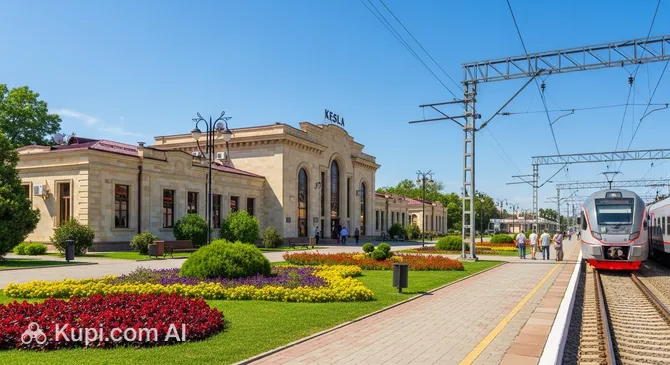
Kesla. Source: Kupi.Binoculars

Those interested in the past will find that delving into the history of Kesla provides insight into the broader heritage of the Ağcabədi region. The area has long been a crossroads for various cultures, and the local traditions reflect a deep connection to the land and its ancestral roots. While modern developments are present, the town retains a sense of historical continuity that charms many visitors.

For tourists, the appeal of Kesla lies in its understated beauty and cultural richness. One of the key features of the region is its strong tradition of Azerbaijani folk music, particularly Mugam, which is deeply cherished in the Ağcabədi district. Visitors can also explore the serene natural surroundings of the lowlands, which offer a peaceful backdrop for walks and photography. Additionally, the local cuisine is a highlight, offering travelers the opportunity to taste fresh, locally sourced dishes prepared with traditional recipes that have been passed down through generations.

Whether you are passing through the central lowlands or looking for a quiet place to understand the local culture, Kesla welcomes you with warm hospitality. It is a destination that invites travelers to slow down and appreciate the simple, yet profound, beauty of daily life in Azerbaijan.

Weather Overview

The climate in this region is marked by significant seasonal contrasts, ranging from sweltering heat in the summer to brisk temperatures in the winter. To help plan your visit effectively, it is recommended to check the current weather in Kesla before your journey.

Summer is the dominant season for heat, particularly in July and August, when average temperatures stay around 29°C and can climb as high as 35.7°C. These months are exceptionally dry, with almost no recorded precipitation. In contrast, winter brings much cooler air; January is typically the coldest month with an average of 5.0°C and lows dipping close to 0.7°C.

Transitional seasons like spring and autumn are generally milder and more comfortable for outdoor activities. May and October offer pleasant averages of 21.0°C and 18.0°C respectively. While rainfall is generally scarce throughout the year, months like March and May tend to see a slightly higher frequency of wet days. Expect hot, dry summers and cool winters with occasional light rain during the transition periods.

Interesting Facts

Beyond its peaceful atmosphere and agricultural landscapes, Kesla holds fascinating secrets that connect it to the deep historical and ecological roots of the region. This settlement is more than just a dot on the map; it is a gateway to ancient traditions and natural wonders that define the heart of the Kura-Aras Lowland.

  • A Name Rooted in History: The name "Kesla" (closely related to "Keshla" or "Qışlaq") historically translates to "wintering place." This etymology reflects the region's centuries-old significance as a prime winter pasture, where nomadic herdsmen and the cavalry of the Karabakh khans would shelter their livestock during the colder months.

  • Gateway to "Flamingo Lake": The settlement is located in close proximity to the Ag-Gol National Park, often referred to as the "Migratory Birds' Paradise." This protected wetland is one of the few places in the country where flocks of pink flamingos and pelicans can be seen nesting, making the area a hidden gem for birdwatchers.

  • The Cradle of Mugam: The surrounding Ağcabədi district is widely renowned for its deep musical heritage and profound contribution to Mugam, Azerbaijan's traditional folk music. The local community deeply cherishes this UNESCO-listed art form, and the region has produced some of the most celebrated Mugam masters in history.

  • Ancient Neighbors: The soil around Kesla is steeped in antiquity, dotted with ancient earth mounds known as "tepes." Notable among them is the nearby Kamiltepe, an Eneolithic settlement dating back millennia, which suggests that this quiet lowland was once a bustling center of early human civilization.

How to Get There

Reaching Kesla offers an opportunity to travel through the scenic landscapes of the Azerbaijani lowlands. While the town itself is a quiet destination, it is accessible via several regional transport hubs. For a detailed overview of routes and tips, you can read more about how to get to Kesla and plan your trip accordingly.

The town of Kesla does not have its own airport, but you can fly into Fuzuli International Airport (FZL) in the city of Fuzuli, which is about 69 km away. The journey from the airport by taxi or bus typically takes around 2 hours. Another convenient option is Gabala International Airport (GBB) in Gabala, located approximately 77 km from the settlement. For those looking for a larger transport hub, Ganja Airport (GNJ) in Ganja is situated 125.6 km from the town, with a transfer time of roughly 3 hours.

For clarity, here is a summary of the main airports:

Airport Name City Passenger Traffic Km from City
Fuzuli International AirportFuzuliMedium69.1
Gabala International AirportGabalaSmall76.8
Ganja AirportGanjaMedium125.6
ZangilanQubadliMedium137.1

If you prefer traveling by rail, the region is also served by the national railway network. Kesla does not have a railway station, but you can arrive at the Agjabedi Station in the city of Aghjabadi, which is just 14.3 km away. From there, you can get a taxi or bus, which takes about 40 minutes. Alternatively, travelers can use the Kurdamir Station in Kurdamir, located 53.6 km away, to reach the area.

Below is a list of the nearest railway stations:

Station City Passenger Traffic Km to Center
Agjabedi StationAghjabadi14.3
Imishli StationImishli51.1
Kurdamir StationKurdamirMedium53.6
Agdash Railway StationAgdash56.3
Goychay Railway StationGoychay57.9

Main Attractions

While Kesla itself is a tranquil settlement offering a glimpse into rural Azerbaijani life, it serves as an excellent starting point for exploring the rich cultural and natural heritage of the surrounding Ağcabədi District. The region is home to significant archaeological sites and ecological wonders that attract travelers interested in history and nature.

One of the most remarkable destinations nearby is Ag-Gol National Park. Often referred to as an "ornithological paradise," this vast semi-desert landscape protects a major wetland ecosystem that is crucial for migratory birds. Visitors can observe diverse species, including glorious flocks of flamingos, pelicans, and swans, especially during the migration seasons. The park’s centerpiece, Lake Ag-Gol, offers a serene backdrop for photography and eco-tourism, allowing you to connect with the unique biodiversity of the Kura-Aras Lowland.

For history enthusiasts, the ancient settlement of Kamiltepe is a must-see. Dating back to the Eneolithic period (5th millennium BC), this archaeological monument provides fascinating insight into the early civilizations of the Caucasus. The site features a massive mud-brick platform that has intrigued archaeologists for years, suggesting that this region was once a thriving hub of early human activity. Standing atop these ancient mounds offers a tangible connection to the distant past of the region.

To deepen your understanding of the local culture, a visit to the Ağcabədi History and Local Lore Museum in the nearby district center is highly recommended. The museum houses a rich collection of exhibits that trace the area's development from ancient times to the present day. You can explore displays of traditional clothing, household items, carpet weaving tools, and archaeological finds that tell the story of the people who have called this land home for centuries.

If you are looking for a place to relax and enjoy the local atmosphere, Heydar Aliyev Park in the city of Aghjabadi offers a pleasant escape. It is a well-maintained green space where families and visitors gather to enjoy leisurely walks and fresh air. The park serves as a modern recreational hub, contrasting with the ancient historical sites and providing a comfortable environment to observe the daily rhythm of local life.

Local Cuisine

The culinary experience in Kesla is deeply rooted in the agricultural traditions of the Ağcabədi District, offering visitors a taste of authentic Azerbaijani hospitality. The local cuisine relies heavily on farm-fresh ingredients, with a particular emphasis on high-quality meat and dairy products sourced from the surrounding pastures. Travelers here can expect hearty, flavorful meals that reflect the generous spirit of the central lowlands.

Meat lovers will find themselves at home, as lamb and mutton are staples of the local diet. One of the must-try dishes is the traditional Kebab, often marinated in local herbs and grilled over charcoal to achieve a smoky, succulent flavor. Another regional favorite is Saj Ichi, a delicious combination of meat, potatoes, eggplant, and peppers cooked on a large, convex metal griddle called a saj. This dish is typically served in the center of the table, making it a perfect communal meal for sharing with friends or family.

No meal in this region is complete without a serving of aromatic Plov (pilaf). While there are many variations across the country, the local preparation often features saffron-infused rice accompanied by tender meat, dried fruits like apricots and plums, and chestnuts. For a refreshing contrast to the rich meat dishes, be sure to try Dovga, a traditional yogurt-based soup filled with fresh greens such as coriander, dill, and mint. It is served either warm or cold and is considered excellent for digestion.

The beverage culture in Kesla revolves around the sacred ritual of tea drinking. Azerbaijani Black Tea (çay) is served in pear-shaped glasses called armudu and is enjoyed throughout the day. It is almost always accompanied by lemon, sugar cubes, or homemade jams made from local fruits like quince, walnut, or white cherry. For a cooling non-alcoholic option, especially during the hot summer months, Ayran—a savory, salted yogurt drink—is the beverage of choice to quench thirst and balance spicy foods.

Dining in Kesla is generally a casual and intimate affair. You won't find high-end fine dining establishments here; instead, the food scene is centered around small, family-run eateries and traditional Chaykhanas (tea houses). These tea houses serve as the social heart of the community, where locals gather to discuss the news, play backgammon, and enjoy endless pots of tea. For tourists, these spots offer the most authentic atmosphere to observe local life while enjoying simple, freshly prepared snacks and sweets.

Travel Tips

Visiting Kesla offers a unique opportunity to immerse yourself in the authentic rhythm of rural Azerbaijani life, but traveling to a smaller settlement requires a bit more preparation than a trip to the capital. To help you navigate your journey smoothly and enjoy the warm hospitality of the Ağcabədi District, here are some practical tips to keep in mind.

  1. Clothing and Gear: Given the semi-arid climate, pack lightweight, breathable fabrics like cotton or linen for the hot summer months, along with a hat and sunglasses to protect against the strong sun. If you visit in winter, bring warm layers and a sturdy jacket, as temperatures can drop significantly. Since the terrain can be uneven and you might explore nearby nature reserves, comfortable walking shoes or boots are essential. While locals are welcoming, rural areas tend to be more conservative; it is respectful to dress modestly, covering shoulders and knees, especially when visiting homes or religious sites.
  2. Transportation: Public transport within the settlement is limited, so the most convenient way to get around is by local taxi or private car. Minibuses, known as marshrutkas, connect Kesla to the district center of Aghjabadi and neighboring villages, offering an affordable but sometimes crowded experience. Ride-hailing apps are generally not available in this specific area, so it is best to agree on a fare with taxi drivers before starting your trip.
  3. Finances: The official currency is the Azerbaijani Manat (AZN). While credit cards may be accepted in larger supermarkets or petrol stations in the district center, Kesla is primarily a cash-based economy. Small shops, local eateries, and taxis will almost certainly require cash. It is highly advisable to withdraw sufficient funds from ATMs in larger cities like Aghjabadi or Ganja before arriving, as ATMs within the settlement may be scarce or occasionally out of service.
  4. Health and Safety: Kesla is a safe and peaceful destination, but standard travel precautions apply. Pharmacies (look for signs saying Aptek) are available but may not operate 24/7, so bring a basic first-aid kit and any prescription medications you need. Tap water is generally not recommended for drinking; stick to bottled water, which is widely available. In case of an emergency, dial 112 for general assistance or 103 for an ambulance.
  5. Communication: The primary language is Azerbaijani. English is not widely spoken in rural settlements, so learning a few basic phrases like Salam (Hello) and Sag ol (Thank you) will go a long way in connecting with locals. Russian is often understood by the older generation. It is recommended to purchase a local SIM card (Azercell or Bakcell) in a major city upon arrival in the country to ensure you have mobile data for maps and translation apps.
  6. Local Etiquette: Hospitality is a cornerstone of local culture. If you are invited for tea, it is polite to accept, as refusing can be seen as rude. When greeting people, a handshake is common among men, while a nod or verbal greeting is appropriate with women unless they extend their hand first. Always show respect to elders, often by giving up your seat or letting them speak first.
  7. What to Avoid: Avoid public displays of affection, such as kissing or prolonged hugging, as this is considered inappropriate in rural society. Additionally, refrain from photographing locals, especially women, without asking for their explicit permission first.
  8. Market Days: If you have the chance, try to find out when the local bazaar or market day is held in the nearby district center. It is the best place to buy fresh seasonal fruits, locally produced cheese, and spices at excellent prices, and it offers a vibrant glimpse into the daily life of the community that you won't find in a supermarket.

By following these simple guidelines, you will find it easy to adapt to the local pace of life and connect with the friendly residents of Kesla. A little preparation and cultural sensitivity will ensure your visit is not only comfortable but also filled with memorable encounters and genuine experiences.

Entertainment & Nightlife

Travelers expecting a bustling scene of nightclubs, thumping bass, and neon-lit bars will find a very different kind of evening entertainment in Kesla. As a traditional settlement in the Ağcabədi District, the concept of nightlife here is defined by tranquility, conversation, and culinary delights rather than parties. The "nightlife" revolves around the centuries-old culture of the Chaykhana (tea house), where local men gather to socialize, play backgammon, and drink endless glasses of tea well into the night. These venues are the social heartbeat of the town, offering a warm and authentic atmosphere that serves as the local alternative to a pub or bar.

For a more active evening, visitors typically make the short 15-minute drive to the nearby district center, Aghjabadi. Here, the evening energy is concentrated around Heydar Aliyev Park. After sunset, this park transforms into a vibrant community hub where families, couples, and friends stroll along illuminated paths, enjoy ice cream, or sit by the fountains. It is the closest experience to a "nightlife district" in the region, offering a safe and lively environment where the dress code is casual but modest. Another spot for evening activity is the area surrounding the Agjabedi Olympic Sports Complex, which often serves as a gathering point for local youth and offers a glimpse into the modern recreational lifestyle of the district.

Dining is the other main form of evening entertainment. Restaurants in and around Kesla and Aghjabadi stay open late, turning dinner into a leisurely, multi-hour affair. Instead of hopping between bars, locals prefer to settle into a private booth at a garden restaurant to enjoy grilled meats and live traditional music. If you are looking for a specific place to experience this, the eateries along the main highway connecting Aghjabadi to other districts often offer outdoor seating that is pleasant in the warm evenings. Prices are generally very affordable, and the vibe is welcoming, though alcohol is not always served at every establishment due to local customs.

When venturing out at night, safety is rarely a concern in terms of crime, as the region is very peaceful. However, street lighting can be sparse in the rural outskirts of Kesla, so it is advisable to stick to main roads or use a taxi. Taxis are the best way to move between Kesla and the dining spots in Aghjabadi; it is recommended to keep the number of a local driver handy or ask your restaurant to call one for you, as ride-hailing apps may not be active. The best time to head out is around 8:00 PM, when the heat of the day has dissipated and the locals come out to enjoy the cool evening air.

Before the sun sets, daytime entertainment in the area offers a mix of culture and nature. History buffs can visit the Ağcabədi History and Local Lore Museum to see artifacts that trace the region's past, while nature lovers might explore the fringes of the nearby national parks. For those interested in local traditions, visiting the Karabakh Horse Breeding Center during the day provides a unique look at the famous horses of the region, a symbol of national pride that complements the authentic rural experience of your trip.

Parks & Museums

While Kesla itself is a modest settlement defined by its agricultural roots, it serves as a gateway to some of the most impressive natural landscapes and cultural institutions in the central Azerbaijani lowlands. Visitors here can seamlessly transition from the tranquility of protected nature reserves to the educational halls of museums that safeguard the region's rich heritage.

For nature enthusiasts, the crown jewel of the area is undoubtedly Ag-Gol National Park. Located just a short distance away, this vast semi-desert landscape transforms into a stunning oasis of wetlands. It is widely recognized as an "ornithological paradise," particularly famous for its shallow lakes that reflect the expansive sky. The park offers designated eco-trails where you can observe the stark beauty of the terrain, characterized by unique salt-tolerant vegetation and the mesmerizing sight of migratory birds resting on the water. It is a place of profound silence and natural beauty, perfect for those seeking a connection with the unblemished environment of the Kura-Aras Lowland.

If you are looking for a more manicured green space for relaxation, the Heydar Aliyev Park in the neighboring district center of Aghjabadi is the primary recreational hub for the local community. This sprawling urban park is meticulously landscaped with wide, tree-lined avenues, blooming flower beds, and refreshing fountains that offer respite from the summer heat. It is a favorite spot for evening promenades, where families gather to enjoy the cool air and children play in designated areas. The park's well-maintained atmosphere makes it an ideal location for a leisurely walk or a quiet break with a book.

To understand the depth of the region's history, a visit to the Ağcabədi History and Local Lore Museum is essential. This cultural venue serves as the memory bank of the district, housing thousands of exhibits that narrate the story of the land from ancient times to the modern era. Inside, you can explore collections of medieval copperware, delicate pottery, and traditional Azerbaijani carpets woven with patterns unique to the Karabakh school. The museum also displays archaeological finds from nearby ancient settlements, providing context to the mounds and earthworks you might see in the surrounding fields.

Another unique cultural venue that functions much like a living museum is the Karabakh Horse Breeding Center. This facility is dedicated to the preservation of the Karabakh horse, a breed renowned for its golden-sheen coat and agility. While not a traditional museum with glass cases, the center allows visitors to observe these magnificent animals up close and learn about the equestrian traditions that are central to the identity of the region. Watching the horses in their paddocks offers a glimpse into a heritage that has been cherished for centuries.

For a truly authentic experience, take a moment to explore the smaller, unnamed tea gardens scattered throughout Kesla and its outskirts. These humble, open-air spots often feature simple wooden benches under the shade of mulberry or plane trees. They are not formally listed on tourist maps, but sitting there with a pot of fresh tea provides an intimate look at the local way of life that no grand museum can replicate.

Getting Around

The public transport system in Kesla is simple, functional, and tailored to the needs of a smaller settlement rather than a bustling metropolis. Unlike large urban centers, there is no complex network of subways, trams, or trolleybuses here. The primary mode of shared transportation is the marshrutka (minibus), which serves as the lifeline connecting the local residents to the nearby district center of Aghjabadi and surrounding villages. These minibuses are typically white or yellow vans, often displaying a placard in the front window indicating their destination.

For tourists, the payment system is straightforward but requires carrying cash. There are no electronic travel cards, mobile apps, or ticket vending machines for local transport in this area. Fares are paid directly to the driver, usually upon exiting the vehicle. The cost is very affordable, typically ranging from 0.30 to 0.50 AZN for short local trips, though prices may be slightly higher for longer inter-district journeys. It is highly recommended to carry small change, such as 10, 20, or 50 qepik coins or 1 manat notes, as drivers may not always have change for larger bills.

Using a marshrutka requires a bit of local know-how. There are often no designated bus stops with timetables within the settlement. Instead, the system works on a "hail-and-ride" basis; you simply stand by the side of the main road and wave your hand to signal the driver to stop. To get off, you must verbally notify the driver by saying "saxlayın" (stop) as you approach your destination. Operating hours are generally limited to daylight hours, starting early in the morning around 7:00 AM and tapering off significantly after sunset. Do not expect to find scheduled public transport late at night.

Given the limited schedule of public transport, taxis are the most popular and reliable alternative for visitors. You can find taxis waiting at central gathering points, such as near markets or main intersections. Unlike in the capital, ride-hailing apps are generally not operational in this specific area, so you will need to negotiate the fare with the driver before starting your journey. Prices are reasonable, but agreeing on a fixed sum in advance prevents misunderstandings. Taxis are also the only viable option for travel during the evening or night.

Visitors should be aware that Kesla does not have its own railway station or metro system. The transport infrastructure is purely road-based. For those wishing to explore the wider region or travel to major cities, the local transport acts as a feeder service to the central bus terminal in the city of Aghjabadi, where larger buses and intercity transport options are available.

Accommodation

Finding accommodation in Kesla requires a bit of planning, as this settlement in the Ağcabədi District is not a typical tourist hub with a wide array of commercial hotels. The options here are primarily functional and modest, catering to local travelers and those visiting family. Visitors looking for luxury resorts or international hotel chains will not find them within the settlement itself; instead, the accommodation landscape is characterized by small, locally-run guesthouses and simple lodgings that offer a genuine, if basic, experience.

For most tourists, the most convenient strategy is to look for accommodation in the nearby district center of Aghjabadi, which is only a short drive away. While staying directly in Kesla allows for total immersion in rural life, the district center offers a broader selection of amenities, including mid-range hotels and facilities often associated with regional Olympic sports complexes. If you prefer to stay within Kesla, the central area near the main road is the most practical location, offering easier access to transport and local shops.

Travelers should be aware that "homestays" or renting a room in a private house is a common informal arrangement in this region. These options are rarely listed on major international booking platforms. They offer a unique opportunity to experience Azerbaijani hospitality firsthand, often including home-cooked breakfasts, but they require a sense of adventure and usually some local contacts to arrange.

Booking Tip: Since online presence for local lodging is minimal, booking in advance through digital channels can be difficult. It is highly recommended to secure your accommodation before you arrive, perhaps by contacting a hotel in the district center or asking a local guide for assistance. If you plan to visit during summer or national holidays, availability can drop quickly due to local weddings and events.

Prices in the region are generally very affordable, falling squarely into the budget to lower-mid-range category. You can expect to pay significantly less here than in Baku or major tourist cities. Be prepared to pay in cash (Azerbaijani Manat), as credit card terminals are rare in smaller establishments. Direct booking via phone or in person is the standard method for securing a room in these parts.

Nearby Cities

Kesla is situated in a region that serves as a connector between the agricultural heartlands of the Kura-Aras Lowland and the historical centers of central Azerbaijan. Its location in the Ağcabədi District places it within a convenient driving distance of several significant cities, making it possible for visitors to plan day trips to explore the diverse culture, history, and nature of the surrounding area.

The nearest major urban center is the district capital, Aghjabadi, which is just a short drive away. Beyond that, travelers can easily reach ancient cities like Barda or the transport hub of Yevlakh. Below is a list of the closest cities and towns, along with their distance from the settlement and population data:

City Population Distance (km)
Aghjabadi 136,000 15
Qazyan 42,288 33
Barda 38,500 45
Goychay 36,200 58
Yevlakh 59,036 64

Aghjabadi is the administrative and cultural heart of the district. Located only 15 km from Kesla, it is the most accessible destination for shopping, dining, and entertainment. Visitors here can explore the local history museum, relax in the expansive Heydar Aliyev Park, or visit the bustling central bazaar to buy fresh local produce.

A bit further afield lies Barda, a city of immense historical importance. Known as the ancient capital of Caucasian Albania, it sits approximately 45 km away. History enthusiasts will appreciate the 14th-century Barda Mausoleum and the remains of ancient fortifications. It is a place where the layers of the region's past are visibly preserved in its architecture.

For those interested in the natural beauty of the region's rivers, Yevlakh is situated on the banks of the Kura River, about 64 km away. It is a key transport hub that connects central Azerbaijan with the western regions. Meanwhile, Goychay, roughly 58 km away, is famous across the country as the capital of pomegranates, hosting a vibrant festival every autumn that celebrates this symbolic fruit.

Shopping & Souvenirs

Shopping in Kesla is a modest and authentic experience, reflecting the quiet, agricultural nature of the settlement rather than the commercial bustle of a large city. Visitors will not find high-end boutiques or international fashion chains here. Instead, the local retail scene is centered around small, family-owned convenience stores and roadside stalls that cater to the daily needs of residents. For tourists, this offers a chance to engage with the local community and purchase fresh, regionally sourced products directly from the people who grow or make them.

The main commercial activity is concentrated along the central thoroughfare that runs through the settlement. This primary street serves as the local high street, lined with grocery shops, pharmacies, and general stores selling household goods. A stroll down this road provides a glimpse into the slow-paced life of the district, where shopkeepers often know their customers by name. It is the best place to pick up basic supplies, snacks, or bottled water during your stay.

There are no modern shopping malls or large department stores within Kesla itself. The retail infrastructure is purely traditional. Travelers looking for a more comprehensive shopping experience, including clothing stores, electronics, or branded goods, should head to the nearby district center of Aghjabadi. The short drive to the city opens up more extensive options, including small shopping centers and a wider variety of specialized retailers that are absent in the settlement.

The highlight of shopping in this region is undoubtedly the local markets and bazaars. While Kesla may not have a permanent, large-scale covered market, informal "green markets" and roadside stands are common. Here, farmers sell seasonal fruits and vegetables, often harvested just hours before. The produce is exceptionally fresh, organic, and affordable. If you are lucky enough to visit on a day when a mobile bazaar sets up or if you travel to the central bazaar in Aghjabadi, you will find a vibrant atmosphere filled with the aroma of spices and the chatter of bargaining locals.

When looking for souvenirs, the best items to bring back are edible treats that represent the flavors of the Ağcabədi District. The region is famous for its agricultural bounty, so look for jars of homemade preserves, such as quince, walnut, or white cherry jam. Locally produced honey and traditional Azerbaijani tea blends are also excellent gifts. Additionally, the district is known for its dairy products; if you are traveling a short distance, fresh local cheese (motal pendiri) is a savory delicacy worth trying.

Store hours in Kesla are generally consistent, with most shops opening around 9:00 AM and closing by 7:00 PM or 8:00 PM. Some smaller grocery stores may stay open a bit later, especially in the summer. Cash is the absolute rule here; credit cards and mobile payments are rarely accepted in small local shops or market stalls. Visitors should ensure they have enough Azerbaijani Manat (AZN) in small denominations to cover their purchases.

Tax-free shopping (VAT refund) is not available in the small shops and markets of Kesla. The Tax-Free system in Azerbaijan is typically restricted to specific participating retailers in major cities like Baku and is not applicable to the informal or small-scale commerce found in rural settlements.

Reached the end of the page?

That means the route is fully explored