Support

Yevlakh

About

Welcome to Yevlakh, a significant city located in the heart of Azerbaijan. Often referred to as the "Gateway to Karabakh" due to its strategic geographical position, this city serves as a vital transportation hub connecting various regions of the country. Situated on the right bank of the majestic Kura River, Yevlakh offers a unique blend of urban energy and riverine tranquility.

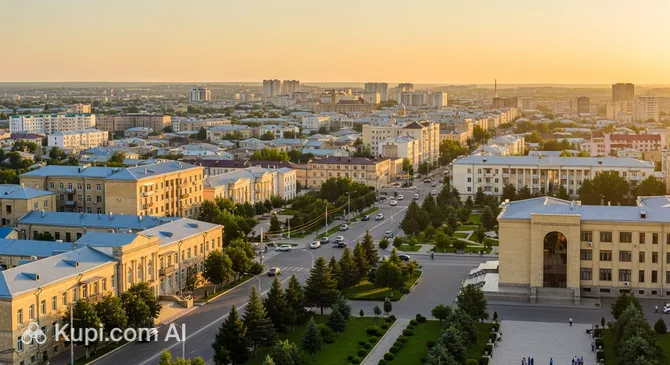
Yevlakh. Source: Kupi.Binoculars

The city is home to approximately 59,000 residents and experiences a dry subtropical climate, making for mild winters and hot summers. While it stands today as a modern administrative center, the history of Yevlakh is deeply rooted in its development as a major railway junction in the late 19th century, which transformed it into a bustling crossroads for trade and travel.

Visitors to the city can enjoy a relaxing atmosphere along the riverbanks or take a stroll through the well-maintained Heydar Aliyev Park, a favorite spot for locals. As a key transit point, Yevlakh provides an authentic glimpse into local life and serves as an excellent base for exploring the central lowlands. Whether you are passing through or planning a short stop, the city's hospitality and convenient location make it a noteworthy destination on your journey.

Weather Overview

Yevlakh typically experiences a dry subtropical climate, characterized by hot summers and mild winters. During the peak summer months of July and August, the city becomes quite warm, with average temperatures hovering around 28°C and daily highs frequently reaching 34°C. Winters are generally cool but not severe; January is usually the coldest month, where temperatures average 4.5°C and nighttime lows can dip close to freezing.

Precipitation is generally low throughout the year, though spring tends to be the dampest season in terms of frequency. March stands out as the wettest month, with rain occurring on approximately 12 days. Travelers should expect hot, dry conditions if visiting in summer, while the transition seasons offer more moderate temperatures. To help plan your trip with the most up-to-date information, you can consult the detailed weather in Yevlakh.

Interesting Facts

Beyond its reputation as a bustling transit hub in Azerbaijan, Yevlakh holds intriguing details that define its unique character and rapid rise in the region. While often viewed as a stopover, the city possesses a distinct history shaped by rails, rivers, and industry.

  • The Station That Became a City: Unlike many ancient settlements in the Caucasus, Yevlakh is a relatively young city. It began its life in the 1880s simply as a railway stop on the Baku-Tiflis line. For decades, locals referred to the settlement merely as "Vagzal" (The Station), and it was only officially granted city status in 1939.

  • A Name Rooted in Nature: The name "Yevlakh" is believed to derive from an Old Turkic term meaning "wetland" or "swampy place." This etymology reflects the original landscape of the area, which was characterized by marshy terrain along the Kura River before modern drainage and dam projects transformed the region.

  • A Legacy of Aviation: Distinct from many other regional towns, Yevlakh boasts a history tied to the skies as well as the rails. The city is home to a local airport that historically played a crucial role in agricultural aviation, supporting the surrounding farmlands, and served as a connecting node for regional flights.

  • Center of "White Gold": During the 20th century, Yevlakh emerged as a powerhouse for the country's cotton industry, often referred to as "white gold." The city developed extensive processing facilities that turned the agricultural bounty of the surrounding Aran lowlands into a major economic driver.

How to Get There

Reaching this central Azerbaijani city is relatively straightforward due to its strategic location near major transport corridors. Whether you are planning to arrive by air or rail, there are several convenient options available in the neighboring regions. For a detailed breakdown of all routes and travel tips, you can read more about how to get to Yevlakh.

Although Yevlakh has a local airport, it currently does not receive scheduled passenger flights. The closest option for air travelers is Gabala International Airport (IATA: GBB) in the city of Gabala, which is approximately 53 km away. It is a convenient entry point for travelers exploring the northern and central parts of the country. The journey from the airport to Yevlakh by taxi or bus takes about 1 hour. Another excellent option is Ganja Airport (IATA: GNJ), located in Ganja, about 72 km away. As a significant regional hub, it handles a larger volume of passengers, and the transfer to Yevlakh typically takes around 1 hour and 15 minutes.

For clarity, here is a summary of the main airports:

Airport Name City Passenger Traffic Km from City
Ganja AirportGanjaHigh71.6
Gabala International AirportGabalaMedium52.8
Fuzuli International AirportFuzuliMedium113.9
ZangilanQubadliMedium173.1

Traveling by train is one of the most popular ways to reach the city, as Yevlakh is a major hub on the national railway network. The city is served directly by the Yevlakh Railway Station, which sits on the main line connecting the capital to the western regions. Regular trains stop here, allowing visitors to arrive right in the city center without the need for transfers. While the local station is the primary choice, travelers in the wider area might also utilize nearby regional stops. For instance, the Agdash Railway Station is located about 27 km away, and the station in Kurdamir serves as another accessible node further east.

Below is a list of railway stations located in the vicinity:

Station City Passenger Traffic Km to Center
Kurdamir StationKurdamirHigh90.0
ShekiShakiMedium64.9
Agdash Railway StationAgdashMedium27.4
Goychay Railway StationGoychayLow50.1
Agjabedi StationAghjabadiLow68.5

Main Attractions

While Yevlakh is primarily known as a bustling transport hub and industrial center, the city offers several interesting spots for travelers who decide to stop and explore. Its location on the banks of the majestic Kura River gives the city a distinct character, blending urban life with the natural beauty of Azerbaijan’s largest waterway. Visitors can expect a relaxed atmosphere, green spaces, and cultural landmarks that reflect the local heritage.

One of the most scenic features of the city is the Kura Riverbank. As the Kura winds its way through Yevlakh, it creates a picturesque setting perfect for leisurely walks or simply enjoying the fresh air. The riverside area is a favorite among locals for fishing and evening strolls, offering a peaceful escape from the noise of the busy highways. Watching the sunset over the water is a simple yet memorable experience for anyone passing through the region.

For a pleasant outdoor experience, Heydar Aliyev Park serves as the city's main recreational heart. This well-maintained green space is ideal for families and travelers looking to stretch their legs. The park features neat walking paths, fountains, and shaded areas where visitors can relax. It is a hub of social life in Yevlakh, often bustling with residents enjoying the outdoors, making it a great place to observe the local rhythm of life.

Those interested in the region's past should visit the Yevlakh History and Ethnography Museum. This cultural institution preserves the memory of the area, showcasing a collection that spans from ancient archaeological finds to the modern industrial era. Exhibits typically include traditional household items, carpets, and artifacts that tell the story of the people who have inhabited this strategic crossroads for centuries.

Another significant landmark is the Yevlakh Juma Mosque (Friday Mosque). With its striking architecture, this religious site stands as a symbol of the city’s spiritual life. The mosque is known for its elegant design and serene atmosphere, welcoming visitors who wish to appreciate its aesthetic value or seek a moment of quiet reflection. It represents the harmonious blend of tradition and modernity that defines the city's evolving skyline.

Local Cuisine

The local cuisine in Yevlakh offers a delightful journey into the heart of traditional Azerbaijani gastronomy, enriched by the city's location in the fertile Aran region. As a central transit hub, the city has developed a food culture that caters to travelers and locals alike, focusing on hearty, fresh meals that provide comfort and sustenance. The proximity to the Kura River also influences the local menu, making river fish a distinct feature compared to the mountain regions.

One of the main dishes worth trying here is the local variety of Kebab. In Yevlakh, roadside restaurants and local eateries pride themselves on serving succulent lamb or chicken kebabs, often grilled fresh over charcoal. Because the region is agricultural, the meat is typically of exceptional quality. Another staple is Plov (pilaf), the king of Azerbaijani cuisine, which is often served at large gatherings or special occasions, featuring saffron-infused rice accompanied by tender meat, dried fruits, and chestnuts.

Given the city's location on the banks of the Kura, fish lovers should look for dishes made from fresh river catch. Fried Kura fish is a simple yet popular delicacy, usually served with a side of tart pomegranate sauce (narsharab) to cut through the richness. To accompany these meals, locals almost always serve hot, crusty Tandir bread, baked in traditional clay ovens and best eaten while still warm.

When it comes to drinks, Black Tea is the undisputed center of social life. Served in pear-shaped "armudu" glasses, it is enjoyed throughout the day, often accompanied by lemon and various fruit jams (murabba) such as white cherry or walnut. For a refreshing non-alcoholic option, especially during the hot Yevlakh summers, visitors should try Ayran, a cold, salted yogurt drink that pairs perfectly with meat dishes. Sherbet, a sweet chilled drink made from fruit juices and infused with aromatic herbs, is another traditional favorite.

The food culture in Yevlakh is characterized by its unpretentious and welcoming atmosphere. You will find that the most authentic experiences are often found in the ubiquitous Chaykhanas (tea houses). These are not just places to drink tea but are vital social hubs where people gather to talk, play dominoes, and relax in the shade. For a substantial meal, the city’s restaurants and roadside cafes offer generous portions and genuine hospitality, reflecting the deep-rooted Azerbaijani tradition of treating guests with the utmost respect and generosity.

Travel Tips

Planning a trip to Yevlakh requires a bit of preparation to ensure a smooth journey through this key transit hub of Azerbaijan. These practical tips will help you navigate the local customs and logistics, allowing you to focus on the unique atmosphere of the city.

  1. Clothing and Gear: Since Yevlakh experiences a dry subtropical climate, summers can be intensely hot; pack lightweight, breathable cotton clothing and a hat for sun protection. Winters are mild but can be chilly, so a warm jacket is necessary. If you plan to visit religious sites like the Juma Mosque, dress modestly—men should wear long trousers, and women should cover their heads and shoulders.

  2. Transportation: The city is compact, and while walking is an option in the center, local taxis are the most convenient way to get around. Agree on the fare before starting your ride, as meters are rarely used. For regional travel, the railway station is your best connection, while "marshrutkas" (minibuses) offer an affordable way to reach nearby villages.

  3. Finances: The local currency is the Azerbaijani Manat (AZN). While some larger supermarkets may accept cards, cash is absolute king here, especially in small shops, bazaars, and tea houses. ATMs are available in the city center, but it is wise to carry enough small bills for daily expenses.

  4. Health and Safety: Yevlakh is generally a safe city for tourists, but standard precautions like avoiding poorly lit areas at night apply. Pharmacies are marked with the sign "Aptek" and are easy to find. It is highly recommended to drink bottled water instead of tap water to avoid any digestive issues during your stay.

  5. Communication: The primary language is Azerbaijani. Russian is widely understood, particularly by the older generation, but English speakers are rare outside of major hotels. downloading an offline translation app or learning a few basic phrases like "Salam" (Hello) and "Sagol" (Thank you) will go a long way with the locals.

  6. Local Etiquette: Hospitality is deeply rooted in the culture; if a local invites you for tea, accepting is considered polite and respectful. When greeting people, a handshake is standard between men, but it is best to wait for a woman to extend her hand first. Always show respect to elders, such as giving up your seat on public transport.

  7. What to Avoid: Avoid public displays of affection, such as kissing, as this is a conservative region where such behavior attracts negative attention. Additionally, do not take photographs of locals, especially women, without asking for their explicit permission first.

  8. Riverside Tip: Because the city is located on the banks of the Kura River, mosquitoes can be quite active, especially during summer evenings. Packing a reliable insect repellent will make your walks along the riverbank or dinners outdoors much more comfortable.

By keeping these simple tips in mind, you will be well-equipped to enjoy the authentic hospitality and daily rhythm of Yevlakh. Whether you are passing through by train or stopping to explore the central lowlands, a little local knowledge ensures a respectful and hassle-free experience.

Entertainment & Nightlife

Entertainment and nightlife in Yevlakh differ significantly from the bustling energy of large metropolises like Baku. Instead of loud nightclubs and neon-lit dance floors, the evening atmosphere here is defined by relaxed social gatherings, riverside dining, and the timeless tradition of tea drinking. The city’s "nightlife" revolves around connection and conversation, offering travelers a chance to experience the authentic, slow-paced lifestyle of central Azerbaijan.

The main hub for evening activity is the area along the Kura Riverbank and the central streets near Heydar Aliyev Park. As the sun sets, these areas come alive with families and groups of friends enjoying the cooler evening air. The riverside promenade is particularly popular for late-night strolls, where the sound of the flowing river provides a soothing backdrop to the city's social scene. Here, the "clubs" are the open-air Chaykhanas (tea houses), where locals linger for hours over pear-shaped glasses of black tea, playing dominoes and discussing the day's events.

For those seeking a place to spend the evening with good food and music, local restaurants serve as the primary venues. Su Sonasi is a well-regarded establishment located in the city center, known for its pleasant atmosphere and reliable service. It is a favorite spot for evening meals that often extend late into the night, accompanied by traditional Azerbaijani music. For dining with a view, Mayak Restoran is the ideal choice, situated directly near the river. It offers a welcoming space where visitors can enjoy hearty local dishes while taking in the serene riverside scenery and observing the local social dynamics in a comfortable setting.

Practical advice for enjoying an evening in Yevlakh centers on adjusting to local customs. The dress code is generally conservative; casual but modest clothing is recommended for both men and women to blend in respectfully. Most venues close by midnight, though some tea houses may stay open a bit longer during the summer. Prices are very affordable compared to the capital, and cash is the preferred method of payment at most night spots. Getting around is easy with local taxis, which can be hailed on the street or ordered via phone; they are safe and inexpensive, but it is always wise to agree on the fare before starting your trip.

While the city is generally safe for night walks, especially in well-lit central areas and parks, it is advisable to stick to main streets after dark. Before the evening sets in, visitors can explore the city's daytime offerings, such as the Yevlakh History and Ethnography Museum, which provides deep insight into the region's past, or take a leisurely boat ride on the Kura River if available during the season. The transition from a day of cultural exploration to an evening of tea and tranquility makes for a perfectly balanced travel experience in Yevlakh.

Parks & Museums

While often recognized for its industrial and transit significance, Yevlakh offers a surprising number of green spaces and cultural venues that provide a respite from the city's busy pace. The city's layout, influenced by the meandering Kura River, incorporates natural beauty into its urban fabric, while its cultural institutions preserve the rich heritage of the central Azerbaijani lowlands.

The crown jewel of the city's green spaces is the Heydar Aliyev Park. Located centrally, this expansive recreational area serves as the primary gathering spot for locals, especially during the warm evenings. The park is meticulously landscaped with wide, tree-lined avenues, blooming flower beds, and refreshing fountains that help cool the air during the hot summer months. It is an ideal location for a leisurely walk, offering a peaceful environment where visitors can observe the daily social life of the city residents.

Another significant natural asset is the Kura Riverbank area. Although not always formalized as a manicured park in every section, the accessible parts of the riverbank act as a natural promenade. Here, the breeze from the water provides a welcome escape from the heat. The area is popular for casual strolls and fishing, offering scenic views of Azerbaijan's longest river as it winds through the plain. It is a raw, more authentic natural experience compared to the structured city parks.

For those interested in the cultural narrative of the region, the Yevlakh History and Ethnography Museum is a must-visit institution. The museum houses thousands of exhibits that chronicle the development of the area from ancient times to the present day. Visitors can explore collections of archaeological finds, traditional clothing, copperware, and agricultural tools that reflect the lifestyle of the Aran region. It provides deep insight into how this transit hub has evolved over centuries.

In addition to the history museum, the Heydar Aliyev Center stands as a modern architectural landmark and a hub for contemporary culture. Like similar centers across the country, it functions as a museum and exhibition hall, dedicated to the political history of Azerbaijan and the life of the national leader. The building itself is often a point of interest due to its imposing design, and it frequently hosts local cultural events, conferences, and temporary art exhibitions.

Architecturally, the city is anchored by the historic Yevlakh Railway Station. Dating back to the late 19th century, the station's design reflects the period's distinct style and highlights the city's origins as a crucial transportation node. While primarily a functional facility, the station building remains a significant monument to the industrial boom that birthed the modern city.

For a truly local experience, try visiting the parks in the late afternoon or early evening. This is when the "tea culture" comes alive; finding a small tea house (chaykhana) near the park or river to enjoy a glass of tea with local jams is the best way to soak in the authentic atmosphere of Yevlakh.

Getting Around

The public transport system in Yevlakh is modest and straightforward, reflecting the city's relatively small size and compact layout. Unlike the capital, there is no metro, tram, or trolleybus network here. Instead, the city relies primarily on a system of buses and minibuses, locally known as "marshrutkas," which serve as the backbone of daily commuting for residents. These vehicles connect the central districts, the railway station, and the main market areas with the outlying residential neighborhoods and nearby settlements.

For tourists, the marshrutkas are an authentic way to experience local life, though they can be a bit chaotic for first-time visitors. These minibuses typically do not follow a strict timetable; they depart when they are full or at rough intervals. The destination is usually displayed on a sign in the front window, often in Azerbaijani. If you are unsure of the route, it is best to ask the driver or a fellow passenger by naming your destination. Stops are generally made at designated bus stops, but in many areas, drivers may stop on demand if you wave your hand or request to get off.

The payment system is entirely cash-based. There are no travel cards, mobile apps, or electronic passes for public transport within the city. Passengers pay the driver directly, usually upon exiting the vehicle. The fares are very affordable, typically costing just a few coins (0.30–0.50 AZN). It is essential to carry small change, as drivers may not always have enough change for large banknotes. Attempting to pay with a credit card or foreign currency is not possible on these local routes.

Given the limited frequency of buses, especially in the evenings, taxis are often the most practical alternative for visitors. They are plentiful, inexpensive, and offer a much higher level of comfort. While some ride-hailing apps may function in the region, they are not as reliable or ubiquitous as in larger metropolitan hubs. It is common to find taxis waiting near the railway station, bus terminal, and major landmarks. Since most local taxis do not use meters, you should always negotiate and agree on the fare with the driver before getting into the car to avoid misunderstandings.

Walking is also a viable and pleasant option for getting around the city center. Yevlakh is flat and compact, meaning many key points of interest, such as the parks and the riverside, are within a reasonable walking distance of each other. There are no bike rental schemes or car-sharing services currently operating in the city, so for those wishing to explore beyond the immediate center without a car, a hired taxi or a local minibus remains the best choice. Public transport generally operates from early morning until around 20:00 or 21:00, after which taxis become the only motorized option.

Accommodation

Accommodation in Yevlakh reflects the city's status as a regional transit hub rather than a primary tourist destination. Visitors will not find an extensive array of luxury resorts or international hotel chains here. Instead, the options are generally practical and modest, catering primarily to business travelers, transit passengers, and those exploring the central lowlands. The selection typically consists of mid-range hotels, small guesthouses, and roadside motels that offer essential amenities for a comfortable overnight stay.

For most travelers, the most convenient area to stay is the city center, particularly near the Yevlakh Railway Station. Staying in this vicinity ensures easy access to transport links, local markets, and administrative buildings. Alternatively, there are a few establishments located closer to the Kura River, which offer a quieter atmosphere and pleasant views of the water. These riverside spots can provide a more relaxing environment away from the noise of the main highways and rail lines.

When planning a stay, it is important to manage expectations regarding booking methods. While some of the larger hotels may be listed on major online booking platforms, many smaller local guesthouses and motels still operate offline. It is often more effective to book by phone or simply inquire upon arrival, especially for shorter stays. During the cotton harvest season or local events, finding a room might be slightly more competitive, so calling ahead is always a good practice.

Price-wise, accommodation in Yevlakh is very affordable compared to the capital, Baku, or major resort towns like Gabala. Most options fall into the budget to mid-range category. Payment is almost exclusively expected in cash (AZN), as credit card terminals may not be available or reliable in smaller establishments. Travelers should ensure they have enough local currency on hand to cover their lodging costs before checking in.

Nearby Cities

For those looking to explore the surroundings, Yevlakh serves as an excellent base for day trips to several interesting nearby locations:

City Population Distance (km)
Ganja335,60066
Aghjabadi136,00069
Mingachevir106,10019
Shaki68,36064
Qazyan42,28849

Located just a short drive away, Mingachevir is a favorite spot for locals and visitors alike. Often called the "City of Lights," it sits on the banks of the Kura River and is famous for the vast Mingachevir Reservoir. The city features a scenic riverside boulevard that is perfect for leisurely walks, while the reservoir itself offers opportunities for swimming, fishing, and enjoying the fresh breeze during the hot summer months.

A bit further west lies Ganja, the second-largest city in the country. This historic hub is renowned for its rich cultural heritage, including the beautiful Khan's Garden and the unique Bottle House. Visitors can also explore the Mausoleum of Nizami Ganjavi, a tribute to the famous poet, making it an ideal destination for those interested in architecture and history.

For a truly atmospheric experience, Shaki is a must-visit destination nestled in the foothills of the Greater Caucasus. Known for the magnificent Palace of Shaki Khans and its ancient caravanserais, the city preserves a charming, old-world feel. Walking through its cobbled streets and tasting the famous local sweet, Shaki halva, provides a delightful contrast to the industrial energy of the lowlands.

These nearby destinations offer a glimpse into the diverse culture and landscapes of the region.

Shopping & Souvenirs

Shopping in Yevlakh offers a distinctively local experience, far removed from the glitzy mega-malls of the capital. As a key transit hub in central Azerbaijan, the city’s commercial life revolves around practical needs and agricultural bounty rather than high-end fashion. For tourists, this is an opportunity to explore authentic daily life, where commerce is conducted in bustling open-air markets and small, family-run shops. The atmosphere is friendly and unpretentious, allowing visitors to engage directly with local vendors and artisans.

The city is not famous for luxury goods, but it excels in fresh produce and regional specialties. Because Yevlakh is situated in the fertile Aran economic region, the connection between the farm and the market is very short. Visitors can expect to find high-quality fruits, vegetables, and locally processed food items that are much fresher and more affordable than in larger cities. The shopping scene here is less about browsing international brands and more about discovering the flavors and textures of the Azerbaijani lowlands.

The primary shopping activity is concentrated in the city center, particularly the streets surrounding the central railway station and the main market. These areas are lined with small boutiques, pharmacies, and general stores selling everything from clothing and shoes to household goods. Walking along these central avenues, you will find a mix of modern convenience stores and traditional shops that have served the community for decades. It is a compact area where you can easily find travel essentials or replace forgotten items without needing to travel far.

Yevlakh does not have large, multi-story shopping malls with entertainment complexes like those found in Baku or Ganja. Instead, the modern retail experience is provided by several supermarkets and smaller trade centers. National chain stores have a presence in the city, offering a standard range of groceries, toiletries, and packaged goods in a comfortable, air-conditioned environment. These are the best places for travelers to stock up on bottled water, snacks, and other supplies at fixed prices.

The true heart of the city's commercial spirit is the Yevlakh Bazaar (Central Market). This vibrant marketplace is where the local culture comes alive. It is a sensory overload of colors and smells, with stalls piled high with seasonal fruits like pomegranates, quinces, and persimmons. The market is also a great place to find local spices, dried fruits, and fresh dairy products like white cheese (motal pendir). For a visitor, a trip to the bazaar is as much a sightseeing activity as it is a shopping trip; it offers a genuine glimpse into the region's agricultural lifestyle.

When looking for souvenirs, the best items to bring back from Yevlakh are edible treats and small handicrafts. The region is known for its pomegranates, so a bottle of Narsharab—a tangy pomegranate sauce used for meat and fish—makes for an excellent and practical gift. You might also find locally produced cotton goods, given the city's history with the "white gold" industry. For more specific gifts, small local shops often stock interesting trinkets, handicrafts, and tea sets that reflect Azerbaijani traditions.

Most shops in Yevlakh open around 09:00 and close by 19:00 or 20:00. The central bazaar starts much earlier, with activity peaking in the morning hours, often winding down by late afternoon. Supermarkets may stay open later, typically until 22:00 or 23:00.

Cash is essential in Yevlakh. While major supermarkets and some larger stores in the center accept credit cards, the bazaar, small boutiques, and tea houses operate almost exclusively with the Azerbaijani Manat (AZN). It is highly recommended to carry small denominations, as vendors in the market may struggle to provide change for large banknotes. Tax-free shopping (VAT refund) is generally not available in Yevlakh, as the system is primarily limited to select luxury retailers in the capital.
Reached the end of the page?

That means the route is fully explored