Support

Baku

About

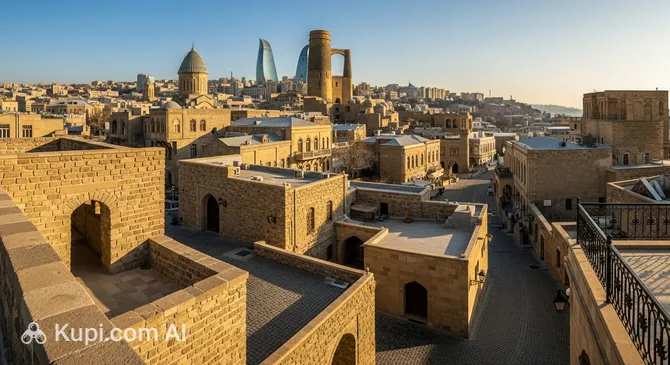
Baku, the vibrant capital of Azerbaijan, is a fascinating metropolis where Eastern tradition meets Western modernity. Located on the southern shore of the Absheron Peninsula, it projects into the Caspian Sea, making it the lowest-lying national capital in the world. Often called the "City of Winds" due to its breezy climate, Baku is the largest city in the Caucasus region, with a bustling population of approximately 2.3 million residents.

The city is a place of striking contrasts, offering visitors a journey through time. You can delve into the deep history of Baku by exploring its ancient core, which stands in stark juxtaposition to the futuristic skyline. This unique blend of the old and the new creates an atmosphere that is both nostalgic and dynamic, attracting travelers from all over the globe.
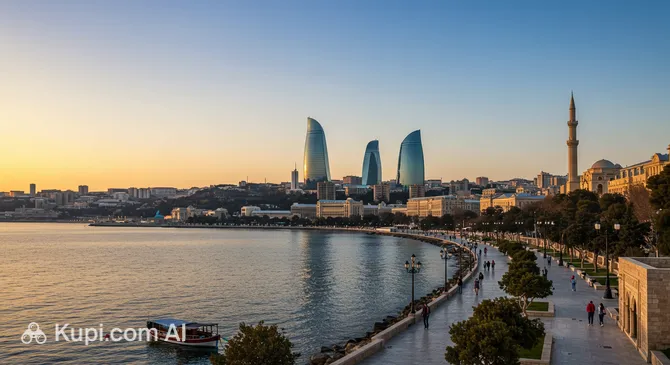
Baku. Source: Kupi.Binoculars

Key attractions include the UNESCO-listed Icherisheher (Old City), home to the iconic Maiden Tower and the Palace of the Shirvanshahs. Rising above these historic treasures are the spectacular Flame Towers, a trio of skyscrapers that illuminate the night sky with LED displays resembling fire. Another must-see is the Heydar Aliyev Center, an architectural masterpiece designed by Zaha Hadid, known for its flowing, curved style that avoids sharp angles.

Whether you are strolling along the elegant Baku Boulevard, enjoying the local tea culture, or marveling at the city's architectural wonders, Baku offers a memorable experience. It is a destination that invites you to discover its rich heritage and embrace its modern spirit.
Weather Overview

The climate in the Azerbaijani capital is generally semi-arid, offering distinct seasonal experiences for travelers. When planning your trip, it is helpful to check the detailed forecast for weather in Baku, as the city typically experiences hot, dry summers and cool, slightly wetter winters.

During the summer months of June through August, the city is warmest, with average temperatures rising to approximately 26.7°C and daily highs reaching nearly 29°C. Rain is extremely rare during this time, with data showing typically only one wet day per month. This makes it a popular time for seaside visits, though the heat is often accompanied by the city's characteristic winds.

Winters are mild compared to many other continental cities. January and February are the coldest months, averaging around 6.5°C, with minimums generally staying above 4.8°C. Precipitation increases in the cooler season; November is notably the dampest month with about 10 wet days. Spring and early autumn are often considered the most comfortable times to visit, with May and September seeing pleasant average temperatures of 17.9°C and 22.8°C respectively.

Interesting Facts

Beyond the futuristic skyline and historic walls, Baku holds many fascinating secrets that often escape the casual observer. From architectural whimsy to industrial milestones, the city is full of surprises that highlight its unique position between East and West.

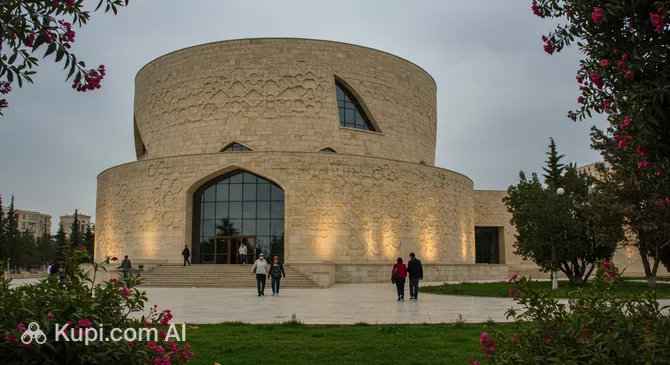
Azerbaijan Carpet Museum. Source: Kupi.Binoculars
  • The Azerbaijan Carpet Museum is not just famous for its extensive collection of traditional weaves; the building itself is an architectural marvel designed to look exactly like a giant rolled-up carpet.

  • You do not need to travel to Italy to enjoy a gondola ride; the city features a charming waterway network known as Mini Venice, complete with bridges and tunnels right on the seaside boulevard.

  • Baku is the true birthplace of the modern oil industry, boasting the world's first industrially drilled oil well from 1846, which was established more than a decade before the famous American discoveries and can be seen near the Bibi-Heybat Mosque.

  • A significant portion of the fortune that funded the Nobel Prizes originated in this city, as the Nobel brothers were key figures in the local oil boom and lived in the opulent Villa Petrolea.

How to Get There

Reaching the Azerbaijani capital is straightforward, with modern infrastructure welcoming visitors from around the globe. For a detailed breakdown of routes and tips, you can read more about how to get to Baku, but the city is primarily accessible by air, serving as the main transportation hub for the region.

The most convenient and popular way to arrive is via Heydar Aliyev International Airport (GYD). Located just 16.7 km from the city center, this award-winning international airport handles millions of passengers annually and offers excellent connectivity. A taxi or shuttle bus from the terminal to downtown Baku typically takes around 45 minutes, making it a quick and comfortable journey.

Travelers exploring other parts of Azerbaijan might also consider Gabala International Airport (GBB). It is important to note that this airport is not in Baku but in the city of Gabala, approximately 188 km away. While it is further afield, taking about 3 hours to reach the capital by road, it serves as a useful gateway for those wishing to visit the scenic mountains of northern Azerbaijan before heading to the coast.

For clarity, here is a summary of the main airports:

Airport Name City Passenger Traffic Km from City
Heydar Aliyev International Airport Baku Large 16.7
Ardabil Airport Ardabil Medium 262.5
Fuzuli International Airport Fuzuli Small 245.4
Gabala International Airport Gabala Small 188.1
Lankaran International Airport Lankaran Small 205.3

While Baku is the central node for the country's rail network, visitors traveling overland from the western districts may encounter regional transport hubs. One such stop is Kurdamir Station. It is located in the city of Kurdamir, roughly 146 km from Baku. From this station, the onward journey to the capital by road takes approximately 2 hours. It primarily serves local traffic and those exploring the central lowlands.

Below is a list of nearby railway stations:

Station City Passenger Traffic Km to Center
Kurdamir Station Kurdamir Medium 146.1
Imishli Station Imishli 165.2
Goychay Railway Station Goychay 182.1
Agdash Railway Station Agdash 204.5
Agjabedi Station Aghjabadi 208.6

Main Attractions

The ancient heart of the capital is the Old City (Icherisheher), a UNESCO World Heritage site that transports visitors back to the medieval era. Enclosed by 12th-century fortress walls, this maze of narrow, cobblestone streets is packed with historic architecture, charming souvenir shops, and traditional restaurants. It is the perfect place to get lost in history and feel the atmosphere of the past while exploring ancient caravanserais.

Old City (Icherisheher). Source: Kupi.Binoculars

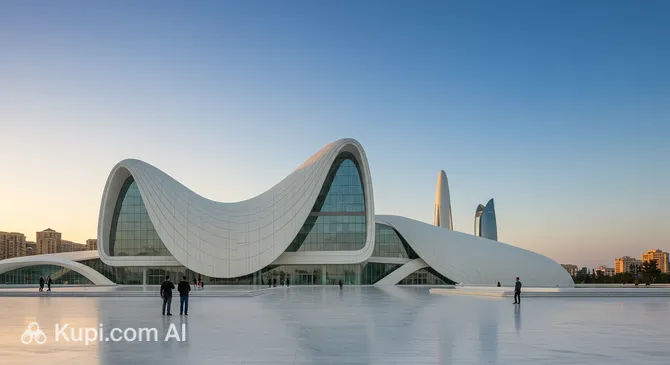
A symbol of modern Azerbaijan, the Heydar Aliyev Center is an architectural masterpiece designed by the renowned Zaha Hadid. Its fluid, wave-like structure stands in sharp contrast to the rigid buildings of the Soviet era, representing the nation's forward-looking spirit. Inside, tourists can explore vast museums and exhibition halls showcasing Azerbaijani culture, classic cars, and contemporary art.

Heydar Aliyev Center. Source: Kupi.Binoculars

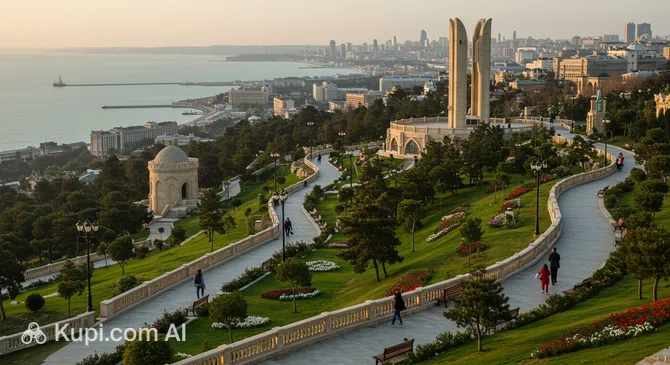
For the most spectacular panoramic views of the bay and the city skyline, a visit to Highland Park is essential. Located at the highest point in Baku, this expansive terrace offers a breathtaking vantage point to see the iconic Flame Towers and the Caspian Sea. It is particularly magical at sunset or at night when the city lights are fully visible.

Highland Park. Source: Kupi.Binoculars

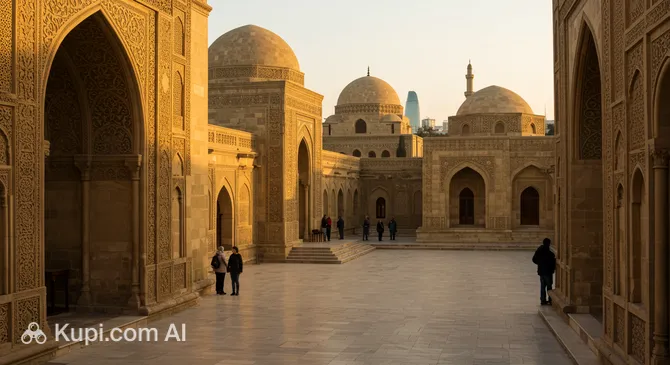
Located within the Old City walls, the Palace of the Shirvanshahs is one of the pearls of Azerbaijan's architecture. Built in the 15th century, this sandstone complex served as the royal residence and includes a mosque, a bathhouse, and a mausoleum. It offers a fascinating glimpse into the lives of the ruling dynasty and stands as a testament to the craftsmanship of the medieval period.

Palace of the Shirvanshahs. Source: Kupi.Binoculars

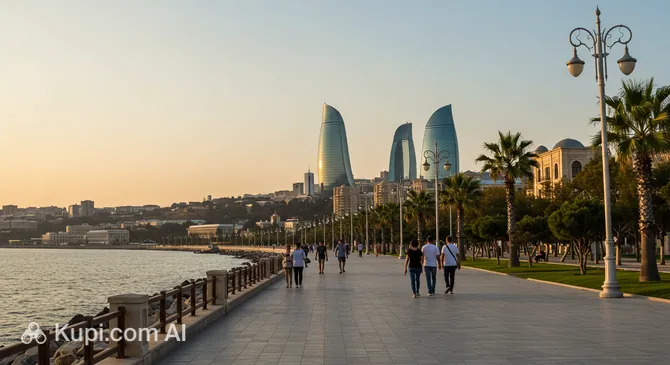
Stretching along the Caspian Sea coast, Baku Boulevard is a favorite promenade for both locals and tourists. This breezy waterfront park is lined with cafes, fountains, and lush gardens, making it an ideal spot for a relaxing evening walk. Visitors can also find the Baku Eye Ferris wheel here, offering another perspective of the city's glittering coastline.

Baku Boulevard. Source: Kupi.Binoculars

Local Cuisine

The culinary scene in Baku is a delightful reflection of Azerbaijan's position at the crossroads of East and West. Local cuisine is renowned for its abundant use of fresh herbs, seasonal vegetables, and, most importantly, saffron. Food here is not just sustenance; it is a ritual of hospitality. A meal often begins with a selection of appetizers, including fresh salads, local cheese, and hot bread straight from the tandoor oven.

One cannot visit the city without trying Plov, the undisputed king of Azerbaijani cuisine. There are dozens of variations, but the classic version features saffron-infused rice served with tender lamb, dried apricots, chestnuts, and raisins. Another staple is Dolma, particularly the version made with grape leaves stuffed with minced lamb, rice, and herbs. For a quick and savory snack, look for Kutab, thin crescent-shaped flatbreads filled with greens, meat, or pumpkin, often sprinkled with tangy sumac.

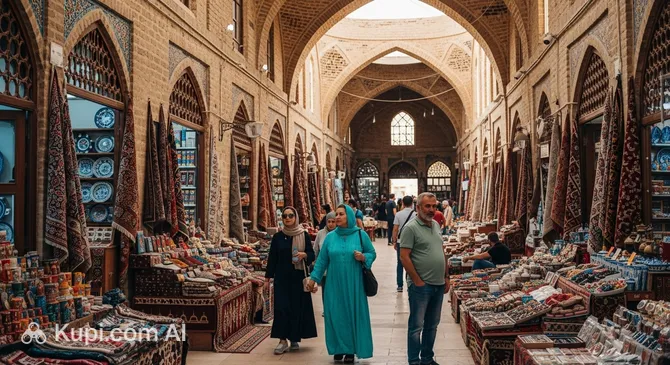
Eastern Market. Source: Kupi.Binoculars

For those who enjoy grilled meats, the aroma of Kebabs wafting through the streets is irresistible. The Lyulya Kebab, made from minced lamb and spices, is a local favorite. To experience the raw ingredients that go into these dishes, a visit to the Eastern Market is highly recommended. Here, travelers can wander through stalls piled high with colorful spices, dried fruits, and local sweets like Shekerbura and Pakhlava.

Beverages play a significant role in the local culture, with tea (Cay) being the national drink. It is traditionally served in pear-shaped glasses called "armudu" to keep it hot, accompanied by various jams or lemon. For a modern twist on this tradition, you might visit the Boho Tea and Wine Room. On warm days, locals cool down with Sherbet, a refreshing non-alcoholic drink made from fruit juices, sugar, and aromatic herbs like mint or basil.

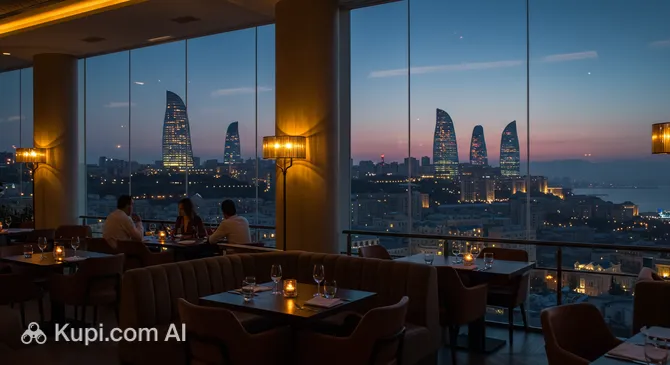
Flame Towers Restaurant. Source: Kupi.Binoculars

The city offers a wide range of dining experiences, from cozy cafes in the historic district to upscale venues with panoramic views. In the heart of the Old City, places like Merci Baku offer a charming atmosphere to enjoy local flavors. For a more elevated dining experience, the Flame Towers Restaurant provides not only exquisite cuisine but also stunning vistas of the Caspian Sea and the glittering city lights below.

Travel Tips

Welcome to the "City of Winds"! To help you navigate the vibrant streets of Baku with ease and confidence, we have compiled a set of essential practical tips. Whether you are exploring the ancient alleyways of the Old City or admiring the modern skyline, these insights will ensure your journey is smooth and enjoyable.

  1. Clothing and Preparation: Baku lives up to its nickname, so bringing a windbreaker or a light scarf is wise regardless of the season. Summers can be hot and humid, requiring breathable fabrics, while winters are mild but breezy. If you plan to visit religious sites like the Bibi-Heybat Mosque, dress modestly; women should carry a headscarf, and men should wear long trousers. Comfortable walking shoes are a must, especially for navigating the cobblestone streets of Icherisheher.

  2. Getting Around: The city has an efficient and affordable public transport system. To use the metro or buses, you will need to purchase a rechargeable BakıKART from terminals at stations. For more direct travel, ride-hailing apps like Bolt and Uber are widely used and very inexpensive compared to European standards. You will also see purple "London Cabs" throughout the city, which are metered and safe, though it is always good to confirm the payment method before starting your ride.

  3. Money Matters: The local currency is the Azerbaijani Manat (AZN). While credit cards are widely accepted in malls, hotels, and major restaurants, cash is king in smaller shops, bazaars, and for taxi fares. It is best to exchange money at bank branches or official exchange offices in the city center rather than at the airport for better rates. ATMs are plentiful. Tipping is not mandatory but is appreciated; leaving 5–10% in restaurants is a common gesture.

  4. Health and Safety: Baku is generally a very safe city for tourists, even at night. However, traffic can be chaotic, and drivers do not always yield to pedestrians, so be extremely cautious when crossing streets, even at crosswalks. Pharmacies, marked as Aptek, are easy to find, and many operate 24/7. It is highly recommended to drink bottled water instead of tap water to avoid any stomach issues.

  5. Staying Connected: The official language is Azerbaijani, which is related to Turkish. English is increasingly spoken by younger people and in the tourism sector, while Russian is widely understood by the older generation. To stay connected, you can buy a local SIM card from providers like Azercell or Bakcell at the airport or city center shops. Free Wi-Fi is available in most parks (Baktelecom) and cafes.

  6. Local Etiquette: Azerbaijanis are famous for their hospitality. If you are offered tea (chay), accept it if possible, as it is a sign of friendship and respect. When greeting people, a handshake is standard for men, while a polite nod is common for women unless they initiate a handshake. Public displays of affection should be kept modest to respect local cultural norms.

  7. What to Avoid: Avoid taking photographs of government buildings, guards, or security checkpoints, as this is strictly prohibited. Additionally, try not to be loud or boisterous in public spaces, as locals generally value composed behavior. When shopping in traditional markets, bargaining is expected, but avoid doing so in modern shopping malls where prices are fixed.

  8. Bonus Tip: Keep in mind that Baku is a late-waking city. Many shops and cafes do not open fully until around 10:00 AM, but they stay open quite late into the evening. Plan your morning activities accordingly—perhaps a stroll along the Boulevard is the best way to start the day before the city buzzes to life.

Armed with these practical tips, you are all set to experience the best of Azerbaijani culture and hospitality. Baku is a city that rewards the curious and respectful traveler, promising memories that will last a lifetime.

Entertainment & Nightlife

As the sun sets over the Caspian Sea, the Azerbaijani capital transforms from a bustling business hub into a glittering metropolis of entertainment. The nightlife in Baku is diverse and vibrant, reflecting the city's unique blend of Eastern traditions and Western trends. From sophisticated rooftop lounges to energetic dance clubs and cozy shisha bars, the city offers something for every nocturnal traveler.

The epicenter of evening activity is undoubtedly the area around Fountain Square and Nizami Street (often referred to as Torgovaya). As darkness falls, these pedestrian-friendly zones fill with locals and tourists alike, enjoying the illuminated fountains and the lively atmosphere. This district is packed with pubs, wine bars, and cafes that stay open late, making it the perfect starting point for a night out.

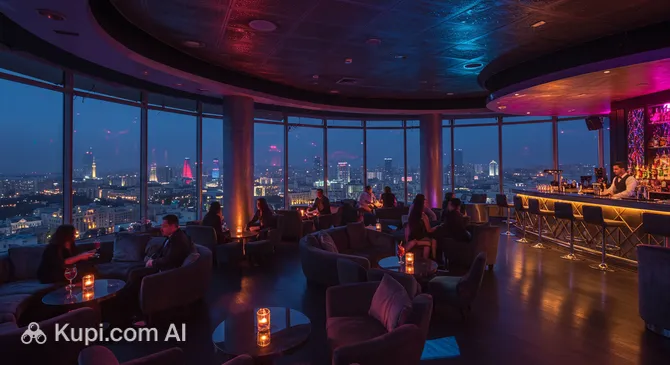
For those seeking a drink with a view, the city is famous for its high-rise venues. A standout option is the 360 Bar, located on the rotating floor of a major hotel. It offers a slowly changing panorama of the illuminated cityscape and the harbor, providing an unforgettable backdrop for cocktails and conversation.

360 Bar. Source: Kupi.Binoculars

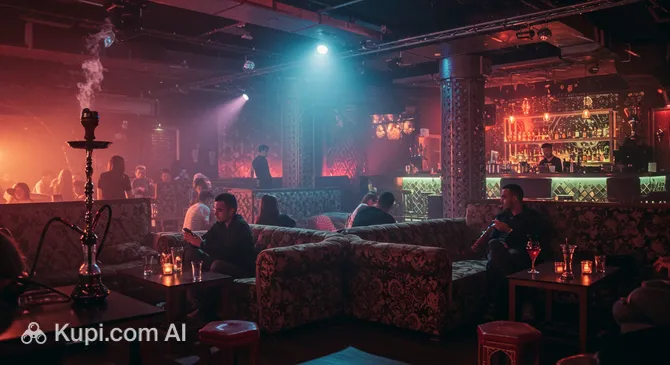
If you prefer a more relaxed and traditional vibe, exploring the local hookah culture is a must. Venues like the Malacannes Shisha Lounge offer a plush, atmospheric setting where you can enjoy aromatic shisha, tea, and snacks. These lounges are social hubs where friends gather to chat for hours, often accompanied by ambient music.

Malacannes Shisha Lounge. Source: Kupi.Binoculars

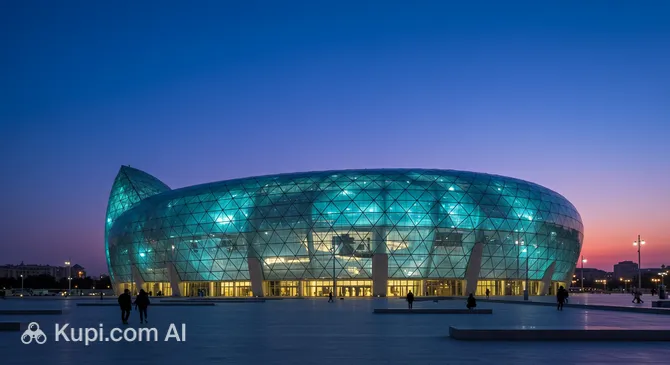
Music lovers should keep an eye on the schedule at the Baku Crystal Hall. Built to host the Eurovision Song Contest, this spectacular arena is located near the Flag Square and frequently hosts major international concerts and large-scale events. Seeing the hall lit up at night is an attraction in itself, even if you are not attending a show.

Baku Crystal Hall. Source: Kupi.Binoculars

Practical Advice for Nightlife:

  • Timing: Baku is a late-night city. Restaurants are busy until midnight, and clubs typically don't fill up until after 11:00 PM or midnight. Pacing yourself is key.
  • Dress Code: Locals take pride in their appearance and tend to dress up for a night out. Smart casual is the minimum standard for most bars, while high-end clubs may enforce a stricter "dress to impress" code. avoiding sportswear is recommended.
  • Prices: Costs can vary significantly. Local pubs are quite affordable, while luxury venues in the city center can be comparable to European prices. Many places accept cards, but carrying some cash is always useful.
  • Getting Around: Taxis are the best way to move between venues at night. Ride-hailing apps like Bolt or Uber are very popular, safe, and inexpensive. Purple "London Cabs" are also readily available on the streets.

Safety: Baku is widely considered one of the safest capitals for night walks. The city center, Boulevard, and main entertainment districts are well-lit and monitored by police. Solo walking is generally safe, but standard travel precautions should always be observed.

While the nights are electric, daytime entertainment in the city is equally engaging. Beyond the historical sites, families and leisure seekers can visit Koala Park for a relaxed afternoon. The city also boasts numerous theaters and museums, such as the Museum of Modern Art, ensuring that your cultural itinerary is full from morning until the early hours of the next day.

Parks & Museums

Beyond its futuristic skyline and ancient walls, Baku offers a refreshing array of green spaces and cultural institutions that provide a deeper understanding of the region's heritage. The city balances its rapid urban development with leafy retreats and world-class museums, inviting visitors to slow down and explore the artistic and natural side of the Azerbaijani capital.

For those interested in the country's rich past, the National Museum of History of Azerbaijan is an essential stop. Housed in the opulent former mansion of oil baron Haji Zeynalabdin Taghiyev, the building itself is an architectural gem. Visitors can wander through restored 19th-century residential rooms before exploring extensive exhibits that trace the history of the region from prehistoric times to the modern era.

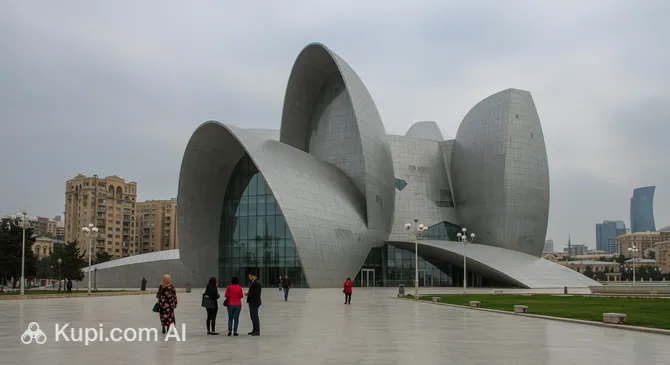
Art enthusiasts will find a unique perspective at the Museum of Modern Art. Unlike traditional galleries, this venue features an open-plan design with no rigid frames or walls, reflecting the freedom of the avant-garde art it houses. The collection focuses primarily on Azerbaijani artists from the second half of the 20th century, showcasing sculptures and paintings that challenge conventional forms.

Museum of Modern Art. Source: Kupi.Binoculars

A truly distinctive cultural venue is the Surakhani Ship Museum. Located inside a docked oil tanker, it is the world's first museum of its kind. This interactive space offers a fascinating look into the history of shipping and the oil industry in the Caspian Sea, allowing visitors to experience the life of a sailor through high-tech simulators and immersive exhibits.

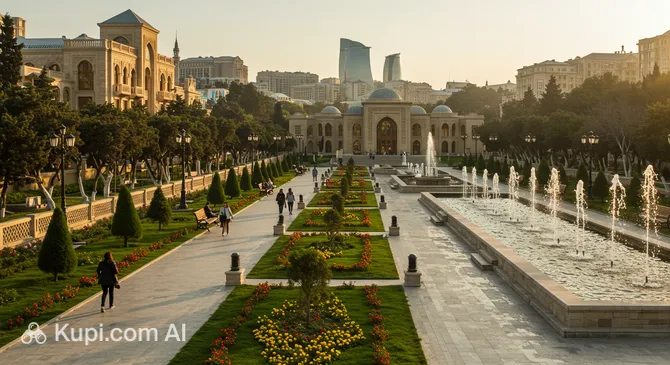
When it comes to outdoor relaxation, the city offers several beautifully landscaped areas. Officers' Park is a favorite among locals for its tranquil atmosphere in the city center. Originally established during the Soviet era, it has been revitalized with charming stone fountains, statues, and plenty of shaded benches, making it a perfect spot to escape the midday sun.

Officers' Park. Source: Kupi.Binoculars

Another significant green space is Dede Gorgud Park, one of the largest parks in Baku. Spanning a vast area, it features a large artificial lake where you can rent boats, as well as wide walking paths and lush lawns. It is an ideal location for a family picnic or a long, leisurely jog away from the traffic noise.

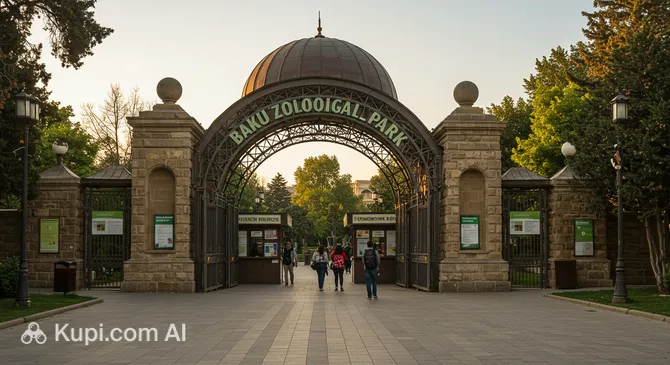
Families traveling with children should not miss the Baku Zoological Park. Recently undergoing a major reconstruction, the zoo has been modernized to provide more spacious and natural habitats for its animals. It focuses on conservation and education, offering a pleasant environment to see both local and exotic wildlife.

Baku Zoological Park. Source: Kupi.Binoculars

For an authentic local experience, try visiting these parks in the late afternoon or early evening. This is when Baku's residents come out to socialize, play chess on park benches, and enjoy the cooling breeze, giving you a genuine glimpse into the everyday life of the city.

Getting Around

Navigating Baku is surprisingly easy and affordable, thanks to a well-developed public transport network that connects the historic center with the suburbs and major attractions. The city primarily relies on a metro system and an extensive bus network, which are modernizing rapidly to meet the needs of locals and visitors alike.

The Baku Metro is the fastest way to travel across the city, especially during peak hours. It is famous not only for its efficiency but also for its architecture; many stations feature Soviet-era designs with marble interiors, chandeliers, and decorative mosaics, somewhat resembling underground palaces. Trains typically run from 6:00 AM until midnight. It is worth noting that photography inside the metro stations is generally restricted, so it is best to keep your camera away while underground.

Complementing the subway is a vast fleet of buses. The modern red buses, operated by BakuBus, are comfortable, air-conditioned, and strictly cashless. They cover routes that the metro does not reach, including the journey to and from the airport. While there are still some older minibuses serving peripheral areas that might accept cash, the central routes used by tourists almost exclusively require a transport card.

To pay for rides on the metro and official buses, you must obtain a BakıKART. There are two main types available at terminals located in metro lobbies and at some bus stops. The plastic card is rechargeable and durable, making it ideal for visitors planning to stay for a few days and take multiple trips. Alternatively, there is a limited-use paper card good for up to four rides, which suits travelers on a very short stopover. The cost of a single journey is incredibly low, usually costing just a fraction of a Manat.

A unique feature of the city's transport is the Baku Funicular. This short cable railway connects the seaside promenade (Neftchilar Avenue) to the upper section of the city near Highland Park and the Flame Towers. While it is more of a tourist attraction than a daily commute option, it saves you a steep uphill hike and offers panoramic views of the bay as you ascend. Be prepared to pay a small fee in cash at the ticket booth, as the standard transport card is often not accepted here.

For those who prefer a more direct route, taxis are plentiful and very inexpensive compared to European standards. Ride-hailing apps like Bolt and Uber operate extensively in the city, offering transparent pricing and overcoming language barriers. You will also see the iconic purple "London Cabs" roaming the streets; these are spacious and metered, providing a safe and regulated alternative to private apps.

Finally, for short distances along the coast, the wide and scenic Baku Boulevard is perfect for walking or renting an electric scooter. Several rental apps allow you to pick up a scooter and ride along the waterfront, enjoying the sea breeze while moving between museums and cafes.

Accommodation

Where to Stay:

Finding the perfect place to rest your head in the Azerbaijani capital is easy, thanks to a wide spectrum of accommodation options that cater to every preference and budget. The city’s hospitality sector has expanded significantly in recent years, offering everything from opulent five-star towers and international luxury chains to charming boutique hotels tucked away in historic alleyways. For budget-conscious travelers, there is also a growing selection of modern hostels and affordable guesthouses.

When choosing a location, the experience varies greatly depending on the neighborhood. Staying within the walls of the Old City (Icherisheher) offers a magical, atmospheric experience, placing you steps away from ancient monuments and traditional restaurants. Alternatively, the city center around Fountain Square and Nizami Street is ideal for those who want to be in the heart of the action, surrounded by shops and nightlife. For visitors who prefer waking up to a sea breeze, the areas along the coastline provide stunning views of the Caspian Sea.

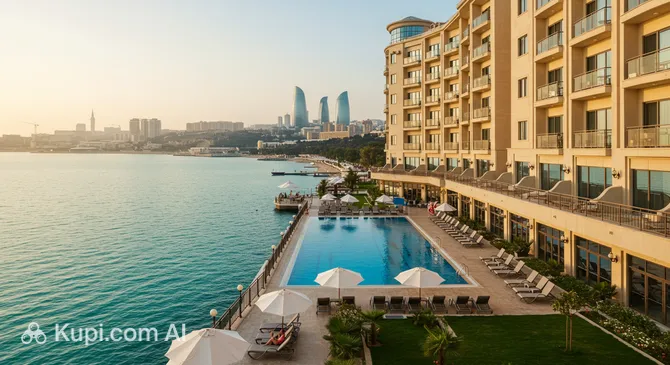
For travelers looking for a relaxing stay near the water, the Baku Seaside Hotel is a well-known option that combines comfort with proximity to the coast. It serves as a great base for those who want to enjoy the maritime atmosphere while remaining accessible to the city's main sights. Another excellent choice for a resort-style experience is the Aysberq Resort, which offers extensive amenities for a more leisurely vacation.

Baku Seaside Hotel. Source: Kupi.Binoculars

Booking Tip: While there is generally plenty of availability, the city gets extremely busy during major international events, such as the Formula 1 Grand Prix or large cultural festivals. During these peak times, and in the height of summer, it is highly recommended to book your accommodation several months in advance to secure the best rates and locations.

Prices in Baku are generally competitive compared to other major European capitals. You can find comfortable mid-range hotels for a very reasonable price, while the ultra-luxury segment offers world-class service at international standard rates. Booking is straightforward, with most hotels and rentals listed on major global online platforms, though contacting smaller guesthouses directly can sometimes yield a better deal or a more personalized experience.

Nearby Cities

For those looking to explore the surroundings, Baku serves as an excellent base for day trips to several interesting nearby locations:

One of the most significant nearby destinations is Gobustan National Park, located southwest of the capital. This UNESCO World Heritage site is famous for its thousands of ancient rock carvings (petroglyphs) that depict prehistoric life, hunting scenes, and dancing rituals. The area is also home to fascinating mud volcanoes, a geological phenomenon that attracts nature enthusiasts from around the world.

For a look at modern urban life outside the capital, travelers can visit Sumqayit, the second-largest city in Azerbaijan. Situated approximately 30 km away on the Caspian coast, it has evolved from its industrial roots into a city with a long, breezy seaside boulevard and numerous parks. It offers a quieter alternative to the bustle of Baku and is easily accessible by train or bus.

Another captivating spot on the Absheron Peninsula is the Temple of Fire (Ateshgah) in the suburb of Surakhani. This historic castle-like complex was built atop a natural gas vent and served as a place of worship for Zoroastrians and Hindus for centuries. A visit here is often combined with a trip to Yanar Dag (Burning Mountain), where a natural gas fire blazes continuously on a hillside, truly embodying the spirit of the "Land of Fire."

City Population Distance (km)
Sumqayit 341,200 28
Khirdalan 100,900 12
Qaracuxur 85,900 9
Hovsan 85,000 19
Bakikhanov 71,600 7

These nearby destinations offer a glimpse into the diverse culture and landscapes of the region.

Shopping & Souvenirs

Shopping in the Azerbaijani capital is a vibrant mix of East and West, offering everything from high-end luxury boutiques to traditional bazaars filled with local crafts. The city has developed into a major regional fashion hub, where ultra-modern shopping centers stand in contrast to historic trading rows. Whether you are looking for the latest international trends or authentic handmade souvenirs, the city provides a diverse retail therapy experience.

The heart of the city's retail scene is Nizami Street, often referred to by locals as "Torgovaya". This pedestrian-friendly promenade is lined with stunning 19th-century architecture and packed with brand-name clothing stores, souvenir shops, and stylish cafes. Walking down this street is not just about buying goods; it is a social experience where the city comes alive, especially in the evenings under the glow of elaborate streetlights.

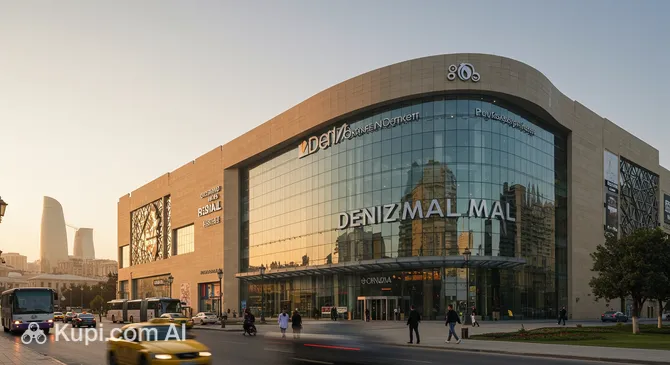
For those who prefer a modern, all-in-one shopping experience, the city boasts several world-class malls. Ganjlik Mall is one of the largest in the region, featuring a vast array of international brands, a cinema, and entertainment zones. Another architectural highlight is Deniz Mall, located right on the seaside boulevard. Designed to resemble a lotus flower, it offers a premium shopping environment with spectacular views of the Caspian Sea.

Deniz Mall. Source: Kupi.Binoculars

To experience the authentic flavor of the region, a visit to a local market is essential. While the Eastern Market (Sharg Bazari) is a great stop for its renovated architecture and local goods, the famous Yashil Bazar (Green Market) is the go-to place for foodies. Here, you can find mounds of colorful spices, fresh caviar, dried fruits, and organic vegetables. It is a sensory overload where tasting before buying is often encouraged, and bargaining is part of the tradition.

When it comes to souvenirs, visitors are spoiled for choice. The most iconic item to bring home is a traditional Azerbaijani carpet or rug, renowned worldwide for its intricate patterns. Other popular keepsakes include Armudu tea glasses (pear-shaped glass cups), copperware from the mountain village of Lahij, and Kelagayi, exquisite silk headscarves with woodblock prints. For edible gifts, jars of white cherry jam or boxes of Pakhlava are always a hit.

Most shops in the city center and malls operate daily from 10:00 AM to 10:00 PM. Supermarkets and some pharmacies are often open 24/7. Credit and debit cards are widely accepted in malls, restaurants, and supermarkets. However, if you plan to shop at small souvenir stalls or traditional bazaars, carrying cash (Manat) is necessary, as card terminals may not be available.

Tourists can also take advantage of the Tax Free system available in many larger stores. Look for the "Tax Free" signage in shop windows. If you spend over a certain amount in a single receipt, you can claim a VAT refund at the airport before departure, provided you have the necessary forms filled out by the merchant.

Reached the end of the page?

That means the route is fully explored