Support

Gabala

About

Welcome to Gabala, a picturesque city nestled in the foothills of the Greater Caucasus. Often celebrated as one of the most beautiful destinations in Azerbaijan, this charming town offers a perfect blend of ancient heritage and modern recreation. With a population of approximately 14,000 residents, Gabala maintains a serene and welcoming atmosphere, serving as a peaceful retreat from the hustle and bustle of larger urban centers.

The region is renowned for its lush chestnut forests, walnut groves, and cool mountain climate, making it a refreshing escape, particularly during the warm summer months. Deeply rooted in the past, the history of Gabala spans roughly 2,000 years, as it was once the majestic capital of Caucasian Albania. Today, visitors can still sense the echoes of this glorious era while exploring the lush landscapes that surround the modern city.

Gabala. Source: Kupi.Binoculars

Travelers are drawn to the Tufandag Mountain Resort, which offers spectacular skiing opportunities in winter and scenic cable car rides that operate year-round. For those seeking tranquility, the mirror-like waters of Nohur Lake provide a stunning backdrop for relaxation and boating, surrounded by dense greenery. Families often flock to Gabaland, a sprawling amusement park that promises entertainment and fun for visitors of all ages.

Whether you are an adventure seeker looking to hike through mountain trails or a culture enthusiast interested in local traditions, Gabala has something unique to offer. It is a must-visit destination that promises unforgettable memories and breathtaking natural beauty.

Weather Overview

The climate in this region varies distinctly across the seasons, offering travelers a mix of fresh, snowy winters and pleasantly mild summers. During the warmest period in July, the average temperature sits around 19.8°C, with daytime highs reaching a comfortable 24.4°C. This makes the summer months ideal for outdoor adventures, although visitors should be prepared for some rainfall, with approximately 11 wet days occurring in mid-summer.

Winters bring a true mountain atmosphere to the district, creating a crisp and chilly environment. In January, the average temperature drops to -2.1°C, and nights can be quite frosty with lows around -5.8°C. If you are planning a trip during this time, checking the current weather in Gabala is essential for packing the right gear. Spring tends to be the wettest season, particularly in May, which sees about 15 wet days, while autumn offers a cooling transition with September highs of 19.5°C.

Overall, expect warm summers with occasional rain and cold winters suitable for seasonal activities. Whether you prefer the snowy slopes or green hiking trails, the local weather provides a dramatic backdrop for the area's natural beauty.

Interesting Facts

Beyond the popular ski slopes and cable cars, Gabala holds fascinating secrets that often surprise visitors. This region is not just a resort hub but a place where unique cultural heritage and unexpected modern industries intertwine.

  • Beltmann Pianos: Surprisingly, this mountain city is home to the only piano factory in the South Caucasus. The renowned Beltmann brand moved its manufacturing here from Europe, and today, these world-class instruments are handcrafted locally before being shipped to concert halls around the globe.

  • The International Jam Festival: Gabala is famous for hosting a sweet annual tradition where participants from dozens of countries gather to showcase thousands of varieties of jam. Visitors can find preserves made not only from fruits like strawberries and apricots but also from unusual ingredients like violets, eggplant, and even rose petals.

  • Two Gabalas: The modern city is actually distinct from the historic capital of Caucasian Albania. The archaeological site of Old Gabala (Chukur Gabala), which dates back over 2,000 years, is located about 20 kilometers southwest of the current city center, serving as a vast open-air museum of ancient ruins.

  • Descendants of Ancients: Just a short drive away lies the village of Nij, one of the very few places in the world where the Udi people still reside. They are considered direct descendants of the ancient Caucasian Albanians and continue to speak their unique endangered language, preserving traditions that have survived for millennia.

How to Get There

Reaching this scenic destination in the foothills of the Caucasus is relatively straightforward, with options ranging from direct flights to road trips from major hubs. For a complete guide on planning your journey, you can read more about how to get to Gabala and choose the route that best suits your itinerary.

The most convenient entry point for air travelers is the local Gabala International Airport (GBB). Located directly in the city, just 23.2 km from the center, this airport allows you to bypass long transfers. A taxi or shuttle from here typically takes around 55 minutes to reach the heart of the city. Although it handles a smaller volume of passengers compared to the capital's hub, it offers a direct link to this mountain resort region.

Alternatively, many international visitors choose to fly into Heydar Aliyev International Airport (GYD) in Baku, which is the country's main aviation gateway. While this airport is located approximately 193.7 km away from Gabala, it serves millions of passengers annually and offers a much wider range of flight connections. The journey from Baku to Gabala by road is scenic but takes time; expect a transfer by taxi or bus to last roughly 5 hours.

For clarity, here is a summary of the main airports:

Airport Name City Passenger Traffic Km from City
Heydar Aliyev International AirportBakuLarge193.7
UytashMakhachkalaLarge202.8
Ganja AirportGanjaMedium134.0
Fuzuli International AirportFuzuliSmall166.1
Gabala International AirportGabalaSmall23.2

If you prefer traveling by train, please note that the city of Gabala does not have a railway station listed in the immediate vicinity. The closest option is the Goychay Railway Station located in the city of Goychay, approximately 40.2 km away. From there, you can catch a taxi or a local bus to Gabala, a trip that generally takes about 1 hour and 20 minutes. Another option is the Agdash Railway Station in Agdash, which is roughly 51.7 km from the city center.

Below is a list of the nearest railway stations to help you plan your transfer:

Station City Passenger Traffic Km to Center
Kurdamir StationKurdamirMedium76.2
ShekiShakiSmall62.3
Goychay Railway StationGoychay40.2
Agdash Railway StationAgdash51.7
Agjabedi StationAghjabadi110.8

Main Attractions

Gabala is a treasure trove of natural wonders and entertainment hubs, offering visitors a diverse range of experiences from adrenaline-pumping rides to serene lakeside retreats. Whether you are traveling with family or seeking solitude in nature, the city's main sights provide the perfect itinerary for an unforgettable trip.

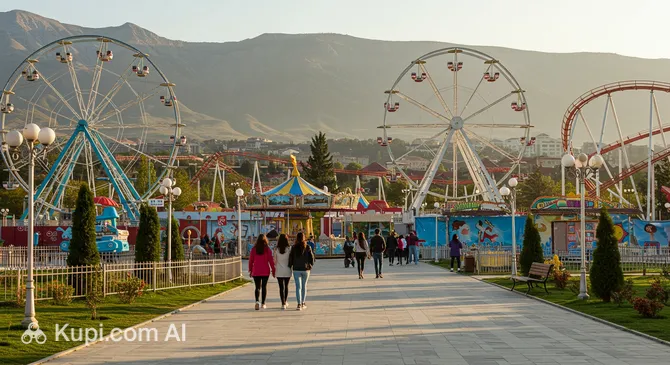
One of the most popular destinations for families and thrill-seekers is the Gabaland Amusement Park. Often referred to as the "Azerbaijani Disneyland," this sprawling complex is nestled amidst green forests and offers entertainment for all ages. Visitors can enjoy a variety of attractions, including roller coasters, a drop tower, and a 6D cinema. The park is beautifully landscaped with flower gardens and fountains, making it a delightful place for a leisurely stroll even if you aren't riding the attractions. It serves as a vibrant hub of activity, especially during the summer months when the cool mountain air makes outdoor fun even more enjoyable.

Gabaland Amusement Park. Source: Kupi.Binoculars

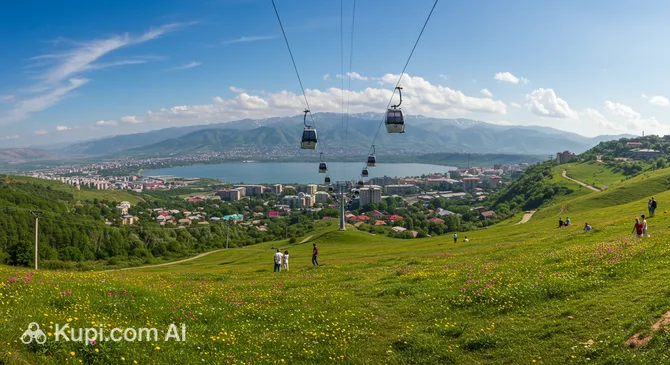
For those looking to experience the region's dramatic alpine scenery, the Tufandag Mountain Resort is an absolute must-visit. While it is famous for its winter ski slopes, the resort is a year-round attraction thanks to its extensive network of cable cars. Riding the gondolas offers breathtaking panoramic views of the Greater Caucasus mountains and the lush valleys below. In the warmer seasons, the area transforms into a haven for hikers and nature lovers, offering trails that showcase the district's rich biodiversity.

Nature enthusiasts will fall in love with the tranquil beauty of Nohur Lake. Located just a short drive from the city center, this man-made reservoir is surrounded by dense forests that reflect perfectly on the water's mirror-like surface. It is an idyllic spot for a picnic or a quiet boat ride. While swimming is generally not permitted to preserve the water's clarity, the peaceful atmosphere and the sound of rustling leaves make it one of the most relaxing spots in the region.

Another gem hidden in the woodlands is the Seven Beauties Waterfall (Yeddi Gozel). Named after its seven cascading stages, this natural wonder requires a bit of a climb to fully appreciate. Visitors can ascend a series of steep stairs that run alongside the waterfall, with small tea houses and viewing platforms located at different levels. Sipping a cup of traditional tea while listening to the roaring water and breathing in the fresh forest air is a quintessential Gabala experience.

Local Cuisine

The local cuisine in Gabala is a delightful reflection of its rich natural surroundings, offering a gastronomic experience that is as fresh as the mountain air. Known for its fertile soil, the region produces exceptional fruits, vegetables, and meats that form the backbone of its culinary identity. A trip here would not be complete without trying the district's signature dish, Dasharasi Kebab. This unique preparation involves cooking marinated meat between two hot stones, a method that locks in the juices and creates a tender, flavorful texture unlike any standard grilled kebab.

Another culinary highlight of the region is its obsession with pickles and preserves. As the host of the famous International Jam Festival, the city takes its sweets seriously. Locals serve tea with an astonishing variety of jams, ranging from classic walnut and white cherry to exotic flavors like violet and rose petal. This tea culture is central to social life; spending an afternoon in a traditional chaykhana (tea house) sipping hot tea with these sweet accompaniments is a quintessential local tradition.

When it comes to beverages, the region is gaining international recognition for its winemaking. The nearby Savalan Valley produces award-winning wines that take advantage of the unique microclimate and terroir of the Caucasus foothills. For non-alcoholic options, fresh fruit compotes and sherbets (sweet chilled drinks) are widely available and provide a refreshing way to cool down during the warm summer months.

Dining in Gabala is often an immersive experience, with many restaurants located outdoors amidst the forests or along riverbanks. This allows guests to enjoy their meals accompanied by the soothing sounds of nature. For those looking to explore a mix of flavors, RaJa Indian & Azerbaijani Cuisine offers a menu that blends local staples with international spices. Meanwhile, Asgard is another popular spot where visitors can enjoy hearty meals in a welcoming atmosphere.

RaJa Indian & Azerbaijani Cuisine. Source: Kupi.Binoculars

Whether you are enjoying a simple meal of fresh bread and cheese in a village home or feasting on a lavish spread of plov (pilaf) and grilled vegetables in a high-end resort, the food here is characterized by its generosity and deep connection to the land.

Travel Tips

Welcome to Gabala, a destination where alpine beauty meets warm Azerbaijani hospitality. To help you make the most of your visit to this charming mountain region, we have compiled a list of practical tips covering everything from packing essentials to local etiquette.

  1. Clothing and Gear: The climate in the mountains can be changeable, so layers are your best friend. Even during the warm summer months, evenings can be cool, so bring a light jacket. If you are visiting for the winter ski season at Tufandag, heavy thermal clothing is essential. Comfortable walking shoes are a must for exploring the waterfalls and hiking trails.
  2. Transportation Options: Unlike the capital, Gabala does not have a metro system. The most convenient way to get around is by taxi or a private car rental, which gives you the freedom to visit remote spots like Nij village. Ride-hailing apps may work but are less consistent than in big cities; always agree on the fare with local taxi drivers before starting your ride.
  3. Managing Finances: The official currency is the Azerbaijani Manat (AZN). While luxury hotels and large restaurants accept credit cards, cash is king in smaller shops, bazaars, and rural tea houses. It is advisable to withdraw or exchange money in the city center, as ATMs may be scarce in outlying nature reserves.
  4. Health and Safety: Gabala is a very safe city for tourists. Pharmacies are widely available and are identified by the sign "Aptek". The emergency number for medical assistance is 103. While the mountain water is pure, sticking to bottled water is recommended for short-term visitors to avoid any digestive adjustments.
  5. Communication: The primary language is Azerbaijani, and Russian is widely understood by the locals. English is commonly spoken by staff in major hotels and tourist attractions, but less so in local markets. We recommend downloading an offline map and perhaps learning a few basic phrases like "Salam" (Hello) and "Sagol" (Thank you).
  6. Local Etiquette: Hospitality is a core part of the culture here. If you are invited for tea, it is considered polite to accept, as tea drinking is a significant social ritual. When entering a mosque or a private home, always remove your shoes. Men typically greet each other with a handshake, while interactions with women are often more reserved.
  7. What to Avoid: Public displays of affection are generally frowned upon in this conservative region. Additionally, avoid taking photographs of local residents, especially women, without asking for their permission first, as this can be seen as intrusive.
  8. A Sweet Insider Tip: Do not miss the chance to try the local jams. Gabala is famous for its unique preserves made from walnuts, white cherries, and even violet flowers. The best jars are often found at roadside stalls near Nohur Lake, sold directly by local families.

By keeping these simple tips in mind, you can ensure a smooth and enjoyable journey through the breathtaking landscapes of Gabala. Relax, explore the culture, and let the fresh mountain air revitalize your spirit!

Entertainment & Nightlife

Entertainment and Nightlife:

Unlike the energetic pulse of the capital, the nightlife scene in Gabala is defined by a more relaxed and sophisticated atmosphere. You will not find a district packed with thumping techno clubs or rowdy discos here. Instead, the evening entertainment revolves around high-end resort hotels, cozy lounge bars, and vibrant restaurant complexes where live music and good food take center stage. The city transforms into a peaceful retreat after dark, making it perfect for travelers seeking leisure rather than wild partying.

The epicenter of evening activity is undoubtedly the Gabaland Amusement Park. While it is a family-friendly destination during the day, the park takes on a magical quality at night when the attractions are illuminated by thousands of colorful lights. It is a popular spot for both locals and tourists to enjoy a late evening stroll, ride the attractions, or simply soak in the lively atmosphere until late hours. The park often hosts open-air concerts and events during the summer season, serving as the town's main entertainment hub.

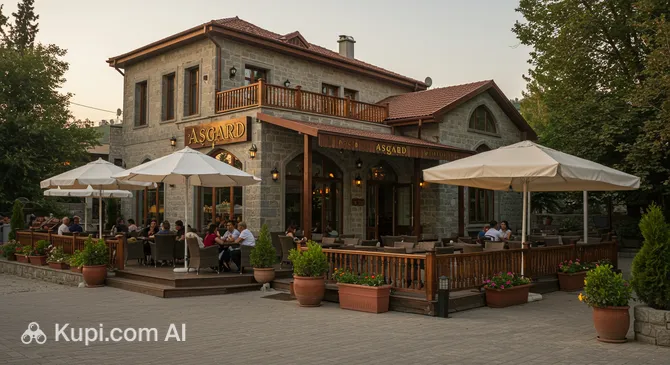
For those looking to combine dining with entertainment, the city offers several excellent venues. Asgard is a prominent complex that is well-regarded not just for its food but for its inviting ambiance. It is a great place to gather with friends for a long evening of conversation and local hospitality.

Asgard. Source: Kupi.Binoculars

Another fantastic option for a memorable night out is RaJa Indian & Azerbaijani Cuisine. This venue offers a unique twist by blending local flavors with exotic spices, providing a warm and welcoming setting for dinner. Many of these larger restaurant venues in Gabala feature live music performances, particularly on weekends, ranging from traditional Azerbaijani mugham to pop ballads.

If you are seeking a place to enjoy a cocktail or a glass of local wine, look towards the major resort hotels in the district. The bars and lobby lounges within five-star properties like the Qafqaz resorts offer a refined setting with extensive drink menus. The dress code in these establishments is generally smart casual; while formal wear is not required, beachwear or overly sloppy attire might look out of place.

Beyond the nightlife, Gabala offers engaging daytime entertainment. The Gabala Shooting Club is a world-class facility where visitors can try their hand at clay pigeon shooting or archery. For culture buffs, the Gabala Historical Ethnography Museum provides a deep dive into the region's ancient past. Meanwhile, nature lovers can spend their days exploring the trails around the waterfalls before settling down for a calm evening.

Safety is rarely a concern in Gabala, even at night. The streets are well-lit and safe for walking, although the town center can become quiet quite early. Getting around after dark is best done via taxi. You can ask your hotel or restaurant to call a reliable car for you, or use local taxi services. Prices are generally affordable, with a short ride within the city costing just a few Manats.

Parks & Museums

Gabala is widely recognized as one of the greenest cities in the country, offering a refreshing mix of manicured gardens and dense woodlands that seamlessly blend with its cultural institutions. Visitors will find that the city's layout encourages exploration, with ample spaces designed for leisure walks and venues that preserve the region's deep historical roots.

For a relaxing afternoon in the heart of the city, the Heydar Aliyev Park is the premier destination. This expansive green space serves as a central gathering point for locals and tourists alike, featuring grand fountains, blooming flower beds, and shaded alleys lined with majestic trees. It is an ideal spot for a quiet stroll or for families to let children play in a safe, clean environment. The park is meticulously maintained and often hosts local festivals, making it a vibrant hub of social life against the backdrop of the mountains.

Another significant area that combines nature with entertainment is the Gabaland Amusement Park. While primarily known for its rides, the complex is set within a beautifully landscaped territory filled with native trees and ornamental plants. It functions as a massive recreational park where visitors can enjoy the fresh mountain air while wandering through scenic pathways. The integration of the natural forest into the park's design makes it a unique ecological escape, distinct from typical concrete-heavy theme parks.

When it comes to history, the Gabala Historical Ethnography Museum is the city's cultural crown jewel. Housing over 13,000 exhibits, this museum offers a comprehensive journey through the region's timeline, from the Bronze Age to the modern era. Visitors can examine ancient ceramics, numismatics, and traditional folk costumes that reveal the lifestyle of the Caucasian Albanian period. It is a fascinating stop for anyone wanting to understand the layers of civilization that have flourished in this valley.

Just a short drive from the modern city center lies the Gabala Archaeological Center, located near the ruins of Old Gabala (Chukur Gabala). This site acts as both a research facility and a museum, displaying artifacts discovered during ongoing excavations of the ancient capital. Seeing the remnants of the majestic city walls and the unearthed household items in situ provides a powerful connection to the past, making it an essential visit for history buffs.

For a truly authentic cultural experience, consider visiting the local Carpet Weaving Center. While not a traditional museum, it functions as a living gallery where the ancient art of Azerbaijani carpet making is preserved. You can watch local artisans at work and see intricate designs that carry the symbolic language of the region, offering a deeper insight into the local artistic heritage than a static display ever could.

Getting Around

Given the relatively small size and mountainous terrain of Gabala, the public transport system here is quite different from the complex networks found in large metropolises. There is no metro, tram, or trolleybus system in the city. Instead, the local transportation infrastructure relies entirely on road-based vehicles, primarily buses and minibuses, which provide essential connections between the city center, residential districts, and nearby villages.

The most common form of public transport is the minibus (often referred to locally as a marshrutka) and standard urban buses. These vehicles operate on fixed routes and are the lifeline for local residents. They are generally white or yellow and display their destination or route number on the windshield. While they are efficient for moving between major neighborhoods, they may not always run on a strict minute-by-minute schedule, so a bit of patience is often required.

Regarding payment, the system in Gabala is traditional and straightforward. Unlike in the capital where smart cards are common, fares here are almost exclusively paid in cash directly to the driver. The cost of a single trip is very affordable, typically ranging from 0.30 to 0.50 AZN depending on the distance. It is highly recommended to carry small coins or low-denomination banknotes, as drivers may not always have change for large bills. You usually pay when you exit the vehicle.

For most tourists, the most convenient alternative to buses is taking a taxi. Taxis are abundant, affordable, and offer the flexibility needed to reach specific attractions like Nohur Lake or the waterfalls, which might be difficult to access via public routes. While ride-hailing apps are gaining popularity in the region, many local drivers still operate from designated taxi stands. It is advisable to agree on the fare before starting your journey if the car does not have a meter, or ask your hotel reception to book a reliable car for you.

A unique feature of Gabala's transport landscape is its extensive cable car network (teleferik) at the Tufandag Mountain Resort. While primarily a tourist attraction and ski lift, it effectively functions as a transport system connecting the lower valley stations to the upper mountain peaks. Riding the gondolas offers not just transit between resort levels but also some of the most spectacular aerial views of the city and the surrounding forests.

For those staying within the city center, walking is a pleasant option, especially along the main avenues and parks. Additionally, many resorts and hotels offer bicycle rentals, allowing visitors to explore the scenic foothills at their own pace. Renting a car is also a popular choice for travelers who wish to have total freedom to explore the wider district without relying on taxi schedules.

Accommodation

Finding the perfect place to stay in Gabala is relatively easy, as the city has developed a robust tourism infrastructure catering to diverse preferences and budgets. The accommodation landscape ranges from luxury mountain resorts offering world-class amenities to modest, family-run guest houses that provide a more authentic local experience. Whether you are visiting for a winter ski trip or a summer nature retreat, there is a suitable option for every traveler.

For those seeking comfort and extensive facilities, the area is famous for its high-end hotels and wellness centers. These properties are often located just outside the busy city center, nestled near the foothills or along the riverbanks to maximize the scenic views. Staying in these resort areas places you conveniently close to major attractions like the ski slopes and cable cars, making them ideal for visitors who want relaxation and entertainment in one place.

Travelers on a tighter budget or those preferring a self-catering option will find a wide selection of private villas and cottages. Renting a standalone house with a garden is a particularly popular choice for families and large groups, especially during the warm summer months. These rentals are scattered throughout the district, with many concentrated in quiet neighborhoods that offer privacy while remaining a short drive from the main road. The city center is another strategic area to consider if you want easy access to supermarkets, banks, and local transport.

Booking Tip: Gabala is a year-round destination with two distinct peak seasons: the snowy winter for skiing and the cool summer for escaping the heat. During these periods, demand is high, so it is highly recommended to book your accommodation well in advance to secure the best rates and availability.

The price range varies significantly depending on the season and the type of lodging. Luxury resorts command higher prices, comparable to international standards, while daily rental houses and hostels offer very affordable rates. While major hotels can be booked easily via global online platforms, many private guest houses and cottages rely on local listings or direct contact, so checking multiple sources can help you find the best deal.

Nearby Cities

For those looking to explore the surroundings, Gabala serves as an excellent base for day trips to several interesting nearby locations. The region is dotted with historic towns and scenic river cities that provide a deeper insight into the local culture and geography.

One of the most highly recommended excursions is to the historic city of Shaki. Located just a short drive away, this UNESCO World Heritage destination is famous for the exquisite Palace of Shaki Khans, which features stunning shebeke (stained glass) windows crafted without a single nail. Visitors can wander through ancient caravanserais, explore cobblestone streets, and taste the city's signature sweet, Shaki halva.

Another intriguing option is Mingachevir, often referred to as the "City of Lights" due to its hydroelectric significance. Situated on the banks of the majestic Kura River, it is home to a vast reservoir that locals often call a sea. The city offers a pleasant riverside boulevard perfect for a relaxing stroll, and its calm atmosphere contrasts beautifully with the mountainous terrain of Gabala.

City Population Distance (km)
Mingachevir106,10074
Shaki68,36064
Yevlakh59,03674
M.A. Rasulzade51,80092
Qazyan42,28865

These nearby destinations offer a glimpse into the diverse culture and landscapes of the region, making them well worth a visit for curious travelers.

Shopping & Souvenirs

Shopping in Gabala offers a distinct experience that differs significantly from the high-end fashion boulevards of large metropolises. Instead of sprawling luxury complexes, the city specializes in authentic local products that reflect the region's rich agricultural heritage and cultural traditions. Visitors here are more likely to fill their suitcases with organic treats, handcrafted souvenirs, and unique regional specialties than with designer clothing. The atmosphere is relaxed and friendly, allowing for a pleasant exploration of local goods amidst the mountain scenery.

The main commercial activity is concentrated in the city center, particularly along Heydar Aliyev Avenue. This central artery is lined with a variety of small boutiques, grocery stores, and pharmacies. It is the best place to find everyday essentials, clothing, and electronics. Walking down this street gives tourists a glimpse into the daily life of the residents, with plenty of opportunities to stop for a tea break or browse through smaller, independent shops.

For a more modern shopping experience, the Gabala Mall stands out as the primary retail hub in the district. While it is modest in size compared to the mega-malls of Baku, it provides a convenient one-stop destination for visitors. Inside, you can find branded clothing stores, a supermarket, electronics shops, and a food court. It serves as a comfortable, climate-controlled environment where travelers can pick up necessary supplies or enjoy a bit of window shopping.

However, the true heart of Gabala's shopping scene lies in its vibrant markets. The central bazaar is a feast for the senses, bustling with locals trading fresh produce from the surrounding villages. Here, the air is filled with the aroma of spices and fresh herbs. It is the perfect place to buy seasonal fruits, vegetables, and homemade dairy products. Bargaining is a common practice here, so do not hesitate to negotiate the price with a smile.

When it comes to souvenirs, Gabala is famous for its edible treasures. The absolute must-buy item is the local jam (murabba). As the host of the International Jam Festival, the region produces exotic varieties made from walnuts, white cherries, rose petals, and even violets. Other popular take-home gifts include locally produced honey, dried fruits, and bottles of Savalan wine, which is produced in the nearby vineyards. For non-food items, traditional Azerbaijani carpets and small handicrafts sold near tourist attractions make for beautiful keepsakes.

Most shops in Gabala operate from around 09:00 or 10:00 AM until 08:00 or 09:00 PM. The local bazaar tends to start much earlier, with the freshest goods available in the morning. While the mall, supermarkets, and larger hotels readily accept credit cards, cash is still the preferred method of payment in smaller shops, taxis, and especially at the market. Carrying some Azerbaijani Manat (AZN) in smaller denominations is highly recommended.

Regarding Tax-Free shopping, Azerbaijan does have a VAT refund system for foreign tourists, typically applicable to purchases over 300 AZN in a single transaction at participating stores. Look for the "Tax Free" signage in shop windows. However, this service is most commonly found in major international brands and luxury stores in Baku. In Gabala, opportunities to use this service may be limited, so it is best to ask the shop assistants beforehand.
Reached the end of the page?

That means the route is fully explored