Support

Fuzuli

About

Welcome to Fuzuli, a city that holds a special place in the cultural landscape of Azerbaijan. Named after the renowned 16th-century poet Muhammad Fuzuli, this destination is deeply intertwined with the artistic and literary heritage of the region. Situated on the banks of the Guruchay River, the city serves as a gateway to the picturesque landscapes of the Lower Karabakh region, offering visitors a unique blend of historical significance and modern transformation.
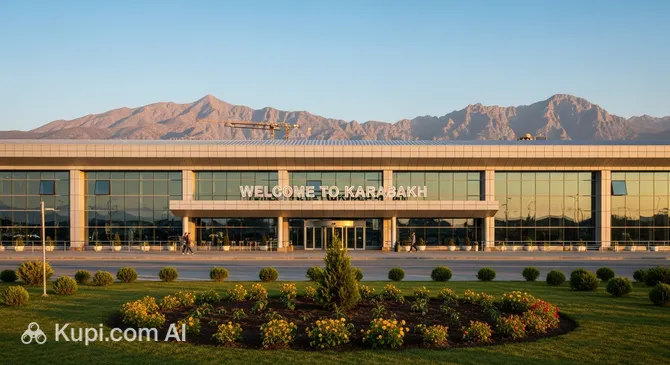
Fuzuli. Source: Kupi.Binoculars

Geographically, the city is located in the foothills of the southeastern Lesser Caucasus mountains, characterized by a semi-arid climate with hot summers and mild winters. With a population of approximately 17,500, Fuzuli is currently the focus of extensive reconstruction efforts aimed at revitalizing its urban structure. Travelers interested in the deep roots of this settlement can explore the history of Fuzuli to understand its evolution from a trading hub to a symbol of resilience and cultural pride.

One of the most prominent modern features is the Fuzuli International Airport, often described as the "Air Gate" to the region. This impressive infrastructure project has made the area more accessible, allowing visitors to easily reach the heart of the district. Beyond the modern developments, the region is known for its serene natural beauty, offering sweeping views of the plains and mountains that appeal to those seeking a quiet and scenic atmosphere.

Whether you are drawn by the legacy of the great poet or the curiosity to see a city in the midst of a new chapter, Fuzuli offers a poignant and memorable experience. It stands as a testament to endurance and culture, inviting travelers to witness its ongoing journey of renewal.

Weather Overview

The climate in Fuzuli is characterized by distinct seasonal changes, offering travelers a mix of hot summers and brisk winters. To help pack appropriately for your visit, it is advisable to consult the current weather in Fuzuli before departure. Generally, the summer months of June through August are the warmest, with average temperatures ranging from 22.4°C to 24.7°C. July is typically the hottest month, where daily maximums can reach around 30.3°C, accompanied by dry conditions and only about 4 wet days.

In contrast, the winter season requires warm layers, as temperatures drop significantly. January is the coldest month, with an average temperature of 1.8°C and lows that can dip to -3.0°C. Spring brings milder temperatures but also the highest frequency of rainfall; March and May are the wettest months, each experiencing approximately 15 wet days. Overall, visitors can expect warm, dry summers and cold winters with moderate precipitation frequency.

Interesting Facts

Beyond its main attractions, Fuzuli holds many fascinating secrets that highlight its unique place in history and its rapid modernization. Here are some intriguing facts about this resilient city:

  • A Tribute to Poetry: The city was not always known by its current name. Until 1959, it was called Qaryagin, but was renamed to honor the 400th anniversary of the birth of Muhammad Fuzuli, a literary giant in Azerbaijan whose works are celebrated across the Middle East.

  • An Engineering Marvel: The Fuzuli International Airport is celebrated for its incredible construction speed. The entire facility was built in just eight months, setting a record for modern infrastructure projects in the region and earning it the title of the "Air Gate" to Karabakh.

  • Historic Hospitality: The district is home to the Garghabazar Caravanserai, a 17th-century architectural monument located in the village of Garghabazar. This oval-shaped stone structure once served as a vital resting place for merchants and travelers, reflecting the area's long-standing importance on trade routes.

  • Architectural Heritage: The region features the Mirali Mausoleum, a medieval tower that showcases the intricate stonework of the era. It stands as a testament to the area's historical importance connecting the mountains to the plains.

How to Get There

Reaching this destination has become significantly easier in recent years due to major infrastructure developments. Whether you prefer flying directly into the region or taking a scenic route via ground transport, there are several options available. For a detailed overview of routes and travel tips, you can read more about how to get to Fuzuli on our dedicated page.

The most convenient entry point is the Fuzuli International Airport (FZL). Located just 3.8 km from the city center, this modern facility serves as the primary air gateway to the region. A taxi or shuttle from the airport to the city center takes approximately 25 minutes. For travelers arriving from other directions, the Zangilan airport (ZZE) in the city of Qubadli is another viable option, situated about 66.9 km away. The journey from Zangilan by road typically takes around 2 hours.

Alternatively, you can fly into Ganja Airport (GNJ), located in Ganja, approximately 144.7 km from Fuzuli. As a larger regional hub, it may offer different flight connections. The drive from Ganja to Fuzuli involves a longer trip of about 4 hours by taxi or bus, allowing you to see more of the country's diverse landscapes along the way.

For clarity, here is a summary of the main airports:

Airport Name City Passenger Traffic Km from City
Fuzuli International Airport Fuzuli Medium 3.8
Zangilan Qubadli Medium 66.9
Ganja Airport Ganja Large 144.7
Gabala International Airport Gabala Small 144.1

For those interested in rail travel, it is important to note that the city of Fuzuli does not have its own railway station. The closest facility is Agjabedi Station, located in the city of Aghjabadi, roughly 56.3 km away. From there, you can catch a taxi or a local bus to Fuzuli, a journey that takes approximately 1 hour and 45 minutes. Another significant hub is Kurdamir Station in Kurdamir, situated about 118.5 km from the city. This station handles a larger volume of passengers and might offer more frequent connections from the capital, though the subsequent transfer to Fuzuli will take around 3 hours and 20 minutes by road.

Below is a list of the nearest railway stations to help you plan your route:

Station City Passenger Traffic Km to Center
Agjabedi Station Aghjabadi 56.3
Imishli Station Imishli 83.3
Kurdamir Station Kurdamir Large 118.5
Agdash Railway Station Agdash 118.8
Goychay Railway Station Goychay 126.6

Main Attractions

Fuzuli and its surrounding region offer a fascinating journey through time, featuring a collection of medieval monuments that reflect the area's deep historical roots. While the city is undergoing modern transformation, the enduring stone structures scattered across the district remain the primary draw for visitors. These sites provide a unique window into the architectural styles and cultural life of the past centuries.

One of the most significant historical landmarks is the Sheikh Babi Yagub Mausoleum, located in the nearby village of Babi. Dating back to the 13th century, this octagonal tomb is a masterpiece of the Nakhchivan-Maragha architectural school. Visitors are often struck by the precision of its white stone masonry and the fragments of Kufic inscriptions that adorn the facade. It stands as a serene tribute to a prominent Sufi leader and offers a captivating subject for photography and historical study.

For those interested in the legacy of the Silk Road, the Garghabazar Caravanserai is an essential stop. Built in the late 17th century, this structure was once a bustling hub for merchants and travelers crossing the Caucasus. Unlike many caravanserais built on flat terrain, this one is uniquely constructed into a hillside, giving it a distinctive layout. Exploring its arched cells and central courtyard allows tourists to imagine the vibrant trade atmosphere that once defined the region.

Another architectural gem is the Haji Alakbar Mosque, a 19th-century monument designed by the renowned architect Kerbalayi Safikhan Karabakhi. This mosque is celebrated for its elegant simplicity and the use of local stone, characteristic of the Karabakh architectural style. It serves as a testament to the religious and community life of the city before the modern era, attracting those keen on observing the evolution of local design.

Nature lovers will appreciate a visit to the Kendalan Reservoir (Köndələnçay), situated in a picturesque part of the district. The reservoir is framed by the rolling foothills of the Lesser Caucasus, creating a peaceful landscape that contrasts with the arid plains. It is an excellent location for a quiet break, offering sweeping views of the water and the surrounding mountains, making it a refreshing addition to a tour of the area's historical sites.

Local Cuisine

The cuisine of Fuzuli reflects the rich culinary traditions of the Karabakh region, known for its emphasis on fresh ingredients, aromatic herbs, and hearty meat dishes. As you explore this recovering city, you will discover that food here is more than just sustenance; it is a symbol of hospitality and cultural identity. The local gastronomy is deeply rooted in the agricultural abundance of the surrounding plains and mountains, offering flavors that are both rustic and refined.

A must-try dish is the traditional Karabakh Plov, a savory pilaf that distinguishes itself with a generous use of chestnuts, dried apricots, and tender chunks of lamb. Unlike other variations, the rice and garnish are often served together, creating a harmonious blend of sweet and savory flavors. Another staple is the Lyulya Kebab, made from minced lamb mixed with spices and grilled on skewers over an open flame, typically served with fresh onions and sumac wrapped in thin lavash bread.

No meal in Fuzuli is complete without the region's favorite beverages. Tea culture is paramount here; black tea is served in pear-shaped armudu glasses, often brewed with local herbs like thyme or mint to add a refreshing aroma. For a cold refreshment, look for Sherbet, a sweet, non-alcoholic drink infused with fruit juices, rose water, or saffron, which provides a perfect balance to the rich, savory meals.

Dining in the region is traditionally a communal affair. While the city is in a phase of active reconstruction, the spirit of the Chaykhana (Tea House) remains a cornerstone of social life. These venues are not just for drinking tea but serve as gathering spots where locals discuss news and relax. As new infrastructure develops, visitors can expect to find an increasing number of eateries serving authentic Azerbaijani home-style cooking, where the warmth of the welcome is as memorable as the food itself.

Travel Tips

Planning a visit to Fuzuli requires a bit of extra preparation, as the city is currently in a unique phase of active reconstruction and development. To ensure your journey is smooth and enjoyable, here are some practical tips to help you navigate the local environment and make the most of your stay.

  1. Clothing and Gear: The climate varies significantly, so pack accordingly. For the hot, dry summers, bring lightweight, breathable fabrics and sun protection like hats and sunglasses. Winters can be quite cold, so a warm coat and layers are essential. Since you will likely be exploring historical sites or areas under development, comfortable, sturdy walking shoes are a must. If you plan to visit religious sites like the Haji Alakbar Mosque, dress modestly—covering shoulders and knees is respectful.
  2. Transportation: Public transport options within the city are still developing. The most reliable way to get around is by hiring a private taxi or arranging a transfer through your hotel or tour operator. While ride-hailing apps are popular in Baku, they may not be fully operational here yet, so it is wise to agree on the fare before starting your journey. If you rent a car, ensure it is suitable for varying road conditions.
  3. Finances: The official currency is the Azerbaijani Manat (AZN). While credit cards are accepted at the airport and major hotels, smaller shops and local eateries typically operate on cash. It is highly recommended to exchange money or withdraw cash at the airport or in larger cities before arriving in Fuzuli, as ATMs may be scarce in the city center due to ongoing construction.
  4. Health and Safety: As Fuzuli is undergoing extensive rebuilding, it is crucial to stick strictly to paved roads and designated tourist paths. Avoid wandering into open fields or fenced-off construction zones for your own safety. Pharmacies may have limited operating hours, so it is advisable to bring a personal first-aid kit and any necessary prescription medications with you.
  5. Communication: The primary language is Azerbaijani. English is spoken by staff at the airport and some younger people, but it is less common among the general population. Learning a few basic phrases like "Salam" (Hello) and "Sagol" (Thank you) will be greatly appreciated. It is best to purchase a local SIM card with data at the airport upon arrival to ensure you have reliable navigation and translation tools.
  6. Local Etiquette: Azerbaijanis are known for their hospitality. If you are offered tea, accept it graciously, as sharing tea is a sign of friendship and respect. When greeting locals, a handshake is common for men, while a polite nod is appropriate for women unless they initiate a handshake. Always ask for permission before taking photos of people.
  7. What to Avoid: Refrain from taking photographs of military personnel, checkpoints, or government infrastructure, as this is strictly prohibited. Additionally, avoid public displays of affection, which are generally considered inappropriate in more conservative regional areas.
  8. Additional Tip: Keep your electronic devices charged and consider carrying a portable power bank. As the region's infrastructure is being modernized, access to charging points might be limited during day trips to remote historical monuments or nature spots.

By keeping these practicalities in mind, you can focus on the incredible history and resilience of Fuzuli. The region is eager to welcome visitors, and a little foresight will ensure your adventure is both safe and culturally rewarding.

Entertainment & Nightlife

Nightlife in Fuzuli offers a distinct departure from the high-energy club scenes found in larger metropolitan hubs. As a city in the midst of active reconstruction and modernization, the evening atmosphere here is defined by tranquility, community, and hospitality rather than bustling dance floors or neon-lit strips. Visitors will find that entertainment after dark revolves around relaxed social gatherings, savoring local flavors, and enjoying the serene ambiance of a developing urban landscape.

Currently, the nightlife scene is centered primarily within the city center and the major hospitality venues that have recently opened. Instead of rowdy nightclubs or loud bars, the social heartbeat of the evening is the traditional Chaykhana (Tea House). These establishments are where the locals gather to unwind, play backgammon, and discuss the day's events over endless glasses of tea. For tourists, this provides an authentic cultural immersion, offering a warm and welcoming environment to observe local life up close.

For those seeking a more conventional evening out, the restaurants and lounges within the city's new hotels serve as the main venues for dining and drinks. These spots offer a comfortable setting to enjoy Azerbaijani wine or international spirits, often accompanied by soft background music. The dress code is generally casual but neat; smart-casual attire is appreciated if you are dining in a hotel restaurant. Opening hours can be somewhat conservative compared to the capital, with most kitchens closing by 10:00 PM or 11:00 PM, though tea houses may stay open a bit longer depending on the crowd.

If you prefer a quiet evening stroll, the newly developed parks and pedestrian areas in the city center are illuminated and safe for walking. The clear night skies, free from the heavy light pollution of mega-cities, make for excellent stargazing. However, safety is paramount in this recovering region. It is strictly advised to stay on paved, well-lit paths and avoid wandering into unlit areas or construction zones. Taxis are the best way to get around at night; since ride-hailing apps may not be fully established, asking your hotel reception to book a car is the most reliable method.

While the nightlife is low-key, daytime entertainment in Fuzuli complements the experience with a focus on culture and history. Before the sun sets, visitors can explore local cultural centers or visit the expanding green spaces that are part of the "Smart City" initiative. As the city continues to grow, more leisure facilities, including theaters and museums, are planned to enrich the cultural tapestry, promising a more vibrant entertainment landscape in the near future.

Parks & Museums

As Fuzuli undergoes a remarkable transformation, the city is emerging as a destination where modern urban planning meets ancient heritage. The reconstruction efforts are designed to create a "city in a garden," integrating extensive green spaces with the region's historical landmarks. While the traditional museum infrastructure is currently being revitalized along with the rest of the city, the area itself serves as a profound open-air gallery, showcasing centuries of architecture and the resilience of nature.

The vision for the new Fuzuli centers on the concept of a "Smart City," where nature plays a pivotal role. The Central City Park is the heart of this new master plan, designed to offer residents and visitors a lush, modern sanctuary amidst the urban landscape. Planned as a sprawling recreational zone, it features native trees, walking paths, and landscaped gardens that provide a stark, refreshing contrast to the arid plains. It represents the new lungs of the city, symbolizing growth and renewal.

For a more rugged natural experience, the Kendalan Reservoir (Köndələnçay) and its surrounding areas offer a peaceful escape. Located just outside the urban center, this water body is framed by the foothills of the Lesser Caucasus. It is an ideal spot for those who appreciate raw, untouched landscapes. The banks of the reservoir are perfect for quiet contemplation, offering panoramic views of the water reflecting the changing colors of the sky and the distant mountains.

In terms of cultural institutions, the city's historical monuments currently fulfill the role of museums, preserving the memory of the region. The Sheikh Babi Yagub Mausoleum functions as a significant cultural site. More than just a tomb, this 13th-century structure offers a glimpse into the medieval Sufi traditions of the region. Visitors can admire the intricate Kufic inscriptions and the masterful stone masonry, which serve as exhibits of the sophisticated craftsmanship that flourished here centuries ago.

Another key site that reflects the commercial and social history of the city is the Garghabazar Caravanserai. Although it stands as a historical monument, it effectively acts as a museum of the Silk Road trade. Exploring its stone alcoves and vaulted halls allows travelers to step back in time and visualize the bustling exchange of goods and culture that once defined this transit hub. It stands as a silent witness to the area's economic past.

For a truly authentic experience, take the time to explore the Guruchay River valley. While not a formal park, the river's path carves through the landscape, creating pockets of greenery and unique geological formations. It is a favorite among locals for its cooling breeze during the hot summer months and offers a unique perspective on the geography that has sustained settlements here for millennia.

Getting Around

As Fuzuli is currently in a phase of active reconstruction and transformation into a "Smart City," the public transport system is evolving rapidly to meet the needs of returning residents and visitors. Unlike established metropolitan areas with dense networks, the transport infrastructure here is brand new, designed with modern efficiency and eco-friendliness in mind. While you will not find a complex web of subways or trams, the available options are comfortable and integrated into the city's developing urban plan.

The primary mode of public transportation within the city and its immediate surroundings is the bus service. As part of the region's modernization, the buses operating here are typically new, comfortable, and often environmentally friendly. These routes primarily connect key locations such as the city center, the residential districts, and the Fuzuli International Airport. There is no metro, tram, or trolleybus system in Fuzuli, and given the compact nature of the city's master plan, such heavy rail infrastructure is not currently anticipated.

For intercity travel, specifically for those arriving from Baku, the "Great Return" bus lines are the standard method of entry. These comfortable coaches operate on a strict schedule. However, for getting around Fuzuli itself, the local bus network is smaller. Payment for local transport is often a mix of modern and traditional methods. While the strategic goal is a fully cashless, card-based system similar to the cards used in the capital, it is highly advisable to carry small denominations of cash (Azerbaijani Manat). Drivers on smaller local routes or shuttles may not yet be equipped with card readers.

Taxis serve as the most flexible and popular alternative to buses. Since the city is still growing, hailing a taxi on the street might be less common than in larger cities; instead, it is recommended to arrange rides through your hotel or the airport information desk. Ride-hailing apps are not as ubiquitous here as in Baku, so securing a reliable contact number for a local driver or service upon arrival is a practical move. Fares are generally affordable, but it is wise to agree on the price before starting your journey if the vehicle does not have a meter.

A unique feature of Fuzuli's transport concept is its focus on pedestrian and bicycle mobility. The city's master plan prioritizes green corridors and bike lanes, making non-motorized transport a viable and pleasant option for exploring the central areas. If you prefer to drive yourself, car rentals are available, typically arranged from the airport. This gives you the freedom to visit nearby historical sites like the Caravanserai or the mausoleums at your own pace.

Here are a few practical tips for navigating the city:

Operating Hours: Public transport typically operates during daylight hours. If you plan to travel late in the evening, pre-booking a taxi is essential.

Tickets: For intercity buses, tickets must often be purchased online in advance via official portals. For local travel, keep cash handy.

Planning: Since routes and schedules can change as construction progresses, always check with local information centers or your accommodation provider for the most up-to-date travel advice.

Accommodation

Finding accommodation in Fuzuli requires an understanding of the city's unique status as a destination in the midst of active reconstruction. As the urban fabric is being rebuilt from the ground up, the hospitality sector is still in its early stages of development. Currently, the range of available lodging is quite limited compared to established tourist centers. Visitors should expect to find primarily modern facilities that have been recently constructed to support the region's revitalization, rather than a broad spectrum of budget hostels or traditional guesthouses.

The most convenient area to stay is within the newly planned city center. This district is the focal point of the "Smart City" master plan and offers the closest proximity to the Fuzuli International Airport and the main cultural landmarks. Staying in this central zone ensures easy access to transport links and allows travelers to witness the rapid transformation of the cityscape firsthand.

Booking Tip: Due to the scarcity of operational hotels and the high volume of business travelers and official delegations, securing a room can be challenging. It is highly recommended to book your accommodation well in advance of your trip. Spontaneous arrivals may find no vacancies, so planning ahead is essential for a smooth visit.

Regarding costs, the available options generally fall into the mid-range to premium category, reflecting the newness and modern standards of the infrastructure. Budget travelers may find options scarce. Booking is often best done through direct contact with the establishments or via regional travel agencies, as some new venues may not yet be fully integrated into global online booking platforms.

Nearby Cities

For those looking to explore the surroundings, Fuzuli serves as an excellent base for day trips to several interesting nearby locations:

One of the most historically rich destinations in the vicinity is Barda, located approximately 85 km away. Often referred to in medieval texts as a major trading hub on the Silk Road, Barda is home to significant architectural monuments. The standout attraction is the 14th-century Barda Mausoleum, a cylindrical tower famous for its intricate brickwork and turquoise tiles, making the city a fascinating stop for history enthusiasts.

Closer to Fuzuli, about 56 km away, lies the city of Aghjabadi. This area provides a window into the agricultural traditions and rural lifestyle of the Lowland Karabakh region. It is culturally significant as a center for traditional Mugham music and offers a peaceful atmosphere for travelers wishing to experience the local hospitality and the vast, scenic plains that define the landscape.

City Population Distance (km)
Aghjabadi 136000 56
Khankendi 49848 41
Qazyan 42288 102
Barda 38500 85
Imishli 31310 84

These nearby destinations offer a glimpse into the diverse culture and landscapes of the region.

Shopping & Souvenirs

Shopping in Fuzuli offers a unique perspective that differs significantly from the commercialized experience of large metropolitan centers. As the city is currently in a phase of active reconstruction and modernization, you will not yet find sprawling shopping malls or high-end fashion boutiques here. Instead, the retail scene is evolving alongside the city, focusing on authentic local products, cultural craftsmanship, and the daily needs of the growing community.

For visitors, the most compelling purchases are deeply rooted in the artistic heritage of the region. The Karabakh region is world-renowned for its carpet weaving traditions. While specific carpet shops are still being established as part of the new urban plan, the area is the spiritual home of the "Karabakh" school of carpet making. These carpets are famous for their vivid colors and intricate floral or geometric patterns. Travelers may find opportunities to purchase smaller woven items, rugs, or tapestries that reflect this ancient craft, often sold near cultural sites or at designated visitor centers.

Another highlight for shoppers is the local produce. The fertile soils of the surrounding plains yield high-quality agricultural products that make for excellent edible souvenirs. Look for:

  • Pomegranates and Narsharab: The region is known for its pomegranates. You can find fresh fruit in season or bottles of Narsharab, a tangy pomegranate sauce that pairs perfectly with meat dishes.
  • Local Herbs and Tea: Given the strong tea culture in Azerbaijan, packets of locally dried herbs like thyme (keklikotu) or mint are popular and easy to pack.
  • Wine: The Karabakh region has a history of viticulture. As the industry revives, bottles of local wine are becoming a sought-after item for connoisseurs.

Currently, the most convenient place for purchasing travel essentials and souvenirs is the Fuzuli International Airport. The terminal features duty-free and retail areas where you can buy traditional Azerbaijani handicrafts, sweets like pakhlava, and branded memorabilia. In the city itself, smaller local markets and grocery stores are the primary venues for trade, offering a glimpse into the everyday life of the residents.

When shopping in Fuzuli, it is important to keep practicalities in mind. While the airport and major designated facilities accept credit cards, smaller vendors and local markets typically operate on cash. Carrying Azerbaijani Manat (AZN) in smaller denominations is highly recommended. As the "Smart City" infrastructure continues to develop, more modern retail spaces are planned, promising to blend contemporary shopping convenience with the rich traditional atmosphere of the district.

Reached the end of the page?

That means the route is fully explored