Support

Makhachkala

About

Makhachkala is the dynamic capital of the Republic of Dagestan and a major port city situated on the western shore of the Caspian Sea. As a unique cultural crossroads within the Russian Federation, this city offers a fascinating blend of modern urban life and deep-rooted traditions. With a population of nearly 600,000 people, it serves as the primary gateway to the stunning landscapes and diverse heritage of the North Caucasus.
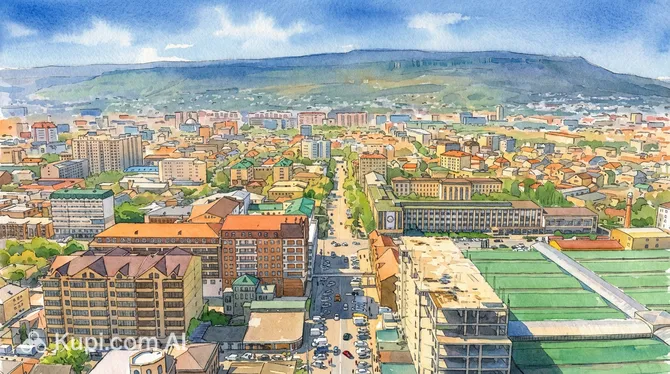
Makhachkala. Source: Kupi.Binoculars

The city enjoys a temperate continental climate, with warm summers that attract visitors to its coast. Those who wish to understand how this settlement evolved from a 19th-century fortress into a bustling metropolis can explore the history of Makhachkala to appreciate its rich past. The atmosphere here is vibrant and welcoming, characterized by the legendary hospitality of the local residents and a lively street life.

Travelers are often drawn to the magnificent Grand Mosque, one of the largest in Europe, which features stunning architecture inspired by the Blue Mosque in Istanbul. For breathtaking panoramic views, a visit to the observation deck on Mount Tarki-Tau is a must, offering a sweeping perspective of the city meeting the sea. The Caspian promenade is another highlight, providing a perfect setting for a relaxing stroll while enjoying the fresh sea breeze.

Whether you are planning to venture further into the mountains or simply want to experience the unique culture of the Caspian coast, Makhachkala is a destination that promises memorable discoveries. It is an inviting place to experience the authentic spirit and warmth of the region.
Weather Overview

The climate in this Caspian port city is generally mild, characterized by distinct seasons that offer different experiences for travelers. To help you pack efficiently, it is worth looking at the detailed weather in Makhachkala before your trip. Summers are typically warm and inviting, with average temperatures in July reaching 25.1°C and daily highs often climbing to 28.5°C, creating ideal conditions for seaside activities.

Winters are cool but not excessively harsh compared to other Russian regions, with average temperatures in January hovering around 3.0°C and lows rarely dropping significantly below freezing. Spring and autumn serve as pleasant transition periods, where temperatures gradually rise from an average of 6.0°C in March to a comfortable 16.9°C by May. Expect warm summers with occasional light rain and cool winters with frequent but generally light precipitation throughout the colder months.

Interesting Facts

Beyond the main attractions, Makhachkala holds many fascinating secrets that reveal its deep historical layers and cultural vibrancy. Here are some intriguing insights into this unique Caspian city:
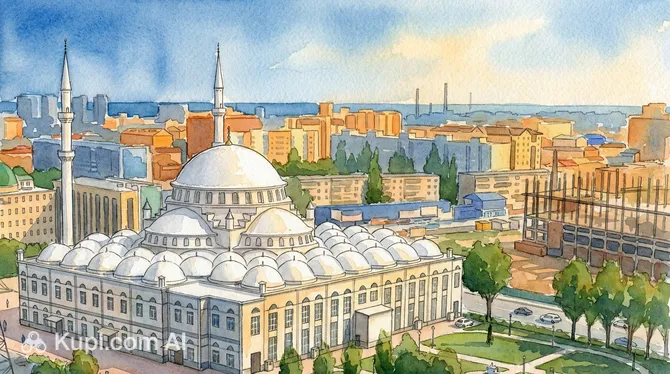
Central Juma Mosque. Source: Kupi.Binoculars
  • Imperial Origins: Before receiving its current name in 1921, the city was known as Petrovsk-Port. This name was given in honor of Peter the Great, who is said to have set up camp on this site during his Persian campaign in 1722, laying the foundation for the city's historical significance.

  • Linguistic Mosaic: Makhachkala is considered one of the most ethnically diverse cities in the entire country. It is home to over 60 different nationalities and ethnic groups, creating a vibrant atmosphere where dozens of distinct languages are spoken daily on the streets.

  • A People's Project: The breathtaking Central Juma Mosque is not only an architectural marvel modeled after the Blue Mosque in Istanbul but also a symbol of community unity. Its major expansion was largely funded by charitable donations from ordinary citizens, allowing it to become one of the largest mosques in Europe.

  • Treasury of the Caucasus: The city hosts the National Museum of the Republic of Dagestan named after A. Takho-Godi, which is the largest museum in the North Caucasus. It preserves a massive collection of over 170,000 artifacts, ranging from ancient weaponry to exquisite jewelry, showcasing the region's rich heritage.

How to Get There

Reaching the capital of Dagestan is relatively straightforward, with air travel being the most popular method for visitors from afar. The region is well-connected to major Russian hubs, and the local transport network continues to develop. For a comprehensive guide on all travel options, routes, and tips, you can read more about how to get to Makhachkala.

The primary air gateway to the city is Uytash (IATA: MCX), located approximately 21 km from the city center. It is a busy international airport serving a large number of passengers annually. The journey from the airport to downtown Makhachkala typically takes about 50 minutes by taxi or bus. As the main hub for the republic, it offers regular connections to Moscow, St. Petersburg, and other major cities.

If tickets to Uytash are unavailable, travelers can consider flying into Grozny Airport (IATA: GRV), situated in the city of Grozny. However, please note that this airport is located about 154 km from Makhachkala. The transfer from Grozny to Makhachkala is quite long, taking approximately 4 hours and 10 minutes by road. Another alternative is Beslan (IATA: OGZ) in Vladikavkaz, though it is even further away, at a distance of around 238 km.

For clarity, here is a summary of the main airports serving the region:

Airport Name City Passenger Traffic Km from City
UytashMakhachkalaLarge21.1
Grozny AirportGroznyMedium154.4
BeslanVladikavkazMedium238.1
Magas AirportMagasSmall207.0
Gabala International AirportGabalaSmall239.5

For those preferring rail travel, the city is served by the Makhachkala Railway Station, which is conveniently located just 4.8 km from the city center. It is the main terminus for trains arriving from central Russia and neighboring regions. A taxi or bus ride from the station to the heart of the city takes approximately 30 minutes. Another nearby option is the Manas Station in Kaspiysk, located about 31 km away, offering an alternative point of arrival for certain routes.

Below is a list of the closest railway stations:

Station City Passenger Traffic Km to Center
Makhachkala Railway StationMakhachkalaMedium4.8
Kizilyurt Railway StationKizilyurt-58.4
Izberbash Railway StationIzberbash-56.7
Khasavyurt Railway StationKhasavyurt-81.9
Manas StationKaspiysk-31.2

Main Attractions

Makhachkala is a city where history, culture, and nature converge, offering visitors a diverse range of experiences. From grand religious sites to relaxing seaside spots, the local landmarks provide a deep insight into the soul of Dagestan.

One of the most striking architectural landmarks in the city is the Central Juma Mosque. Modeled after the famous Blue Mosque in Istanbul, this magnificent white-marble structure is a center of spiritual life and a symbol of peace. Tourists are welcome to admire its intricate interior decoration, soaring minarets, and the serene atmosphere that pervades the courtyard, making it a perfect place for quiet reflection and photography.

Central Juma Mosque. Source: Kupi.Binoculars

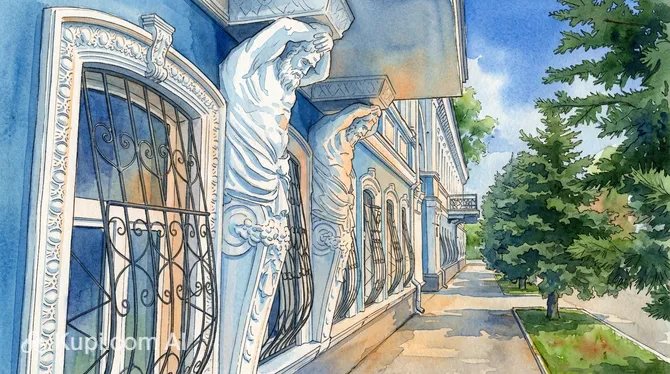
For those interested in the region's rich heritage, the National Museum of the Republic of Dagestan named after A. Takho-Godi is an essential stop. Housed in a historic building with distinctive architecture, the museum holds a vast treasury of artifacts. Visitors can explore exhibits featuring ancient weaponry, traditional costumes, fine jewelry, and decorative arts that showcase the craftsmanship and diverse cultures of the North Caucasus peoples.

National Museum of the Republic of Dagestan named after A. Takho-Godi. Source: Kupi.Binoculars

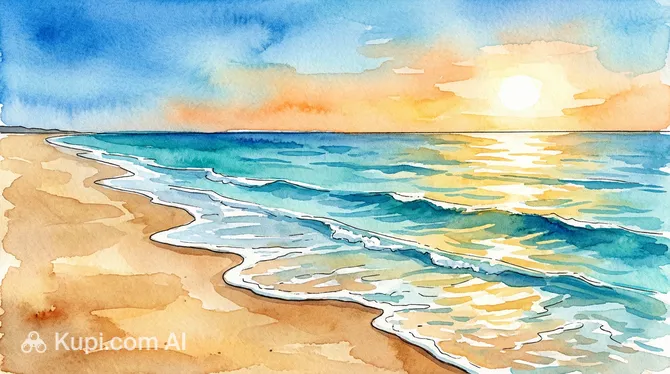
No visit to this port city would be complete without spending time at the City Beach. Located conveniently within the urban area, it offers a chance to experience the Caspian Sea firsthand. It is a popular spot for both locals and tourists to enjoy a leisurely stroll along the shore, breathe in the fresh sea air, and watch the sunrise. The surrounding area is often lively, providing a glimpse into the everyday recreational life of the city's residents.

City Beach. Source: Kupi.Binoculars

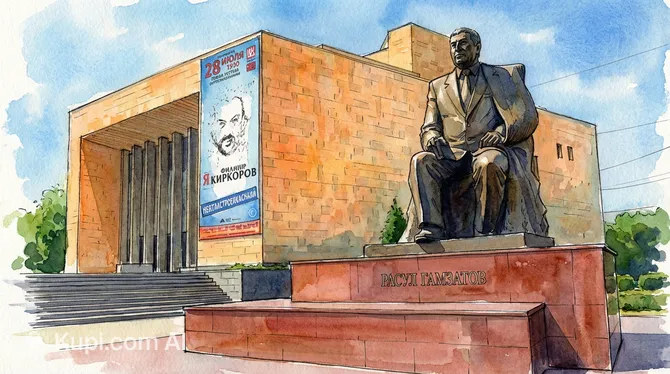
Literature lovers and those appreciating cultural monuments should visit the Monument to Rasul Gamzatov. Dedicated to Dagestan's most celebrated poet, whose works have been translated into many languages, this statue stands as a tribute to his legacy. It is not just a sculpture but a point of pride for the locals, situated in a pleasant area where visitors can learn more about the literary history of the republic.

Monument to Rasul Gamzatov. Source: Kupi.Binoculars

Local Cuisine

The culinary scene in Makhachkala is as diverse and spirited as the region itself. Dagestani cuisine is a hearty blend of traditions from the dozens of ethnic groups living in the republic, focusing heavily on locally sourced meat, dairy, and dough. For tourists, every meal here is an opportunity to experience the legendary hospitality of the Caucasus, where guests are always treated to the best the house has to offer.

The absolute staple of the local table is Khinkal. It is crucial not to confuse this with the Georgian khinkali. In Dagestan, Khinkal consists of boiled pieces of dough served on a platter with large chunks of boiled beef or lamb, a cup of rich broth, and spicy garlic or tomato sauces. Interestingly, the shape and thickness of the dough vary significantly depending on the ethnicity of the cook—Avar khinkal is thick and fluffy, while Kumyk khinkal is rolled into thin, delicate diamonds.

Another must-try dish is Chudu, savory pies that can be found everywhere from street stalls to high-end restaurants. These come in two main varieties: thin, crepe-like pies filled with greens, cottage cheese, or pumpkin, and thicker, yeast-dough pies stuffed with meat and potatoes. For dumpling lovers, Kurze is a local favorite. These are intricately braided dumplings that hold fillings ranging from spiced meat to egg and onions, often served with sour cream.

No description of the local flavors would be complete without mentioning Urbech. This is a traditional thick paste made from ground raw seeds or nuts, such as flax, apricot kernels, or almonds. It is considered a local superfood and is typically mixed with honey and butter, then eaten with bread or pancakes for breakfast.

When it comes to beverages, tea culture reigns supreme. Locals drink tea at all times of the day, often brewed with mountain herbs like thyme and served with lump sugar or sweets. While Dagestan is a predominantly Muslim region, it is also famous for its viticulture. The area produces renowned cognacs and brandies, which are popular souvenirs for visitors who enjoy spirits.

For dining out, the city offers a mix of traditional teahouses and modern establishments. To sample authentic flavors in a comfortable setting, you might visit the MURAD Restaurant, which is well-regarded for its traditional menu and atmosphere. Alternatively, for a more casual bite or a quick meal, Gambit Restaurant is a popular spot among locals.

MURAD Restaurant. Source: Kupi.Binoculars

Food lovers should also explore the local markets, particularly the famous "Second Market." It is a vibrant sensory experience where you can taste dried meats, sheep's milk cheese, and fresh seasonal fruits while chatting with friendly vendors who are eager to share the stories behind their products.

Travel Tips

To ensure your journey to the Caspian capital is as smooth and enjoyable as possible, a few practical preparations can go a long way. Makhachkala is a welcoming city with a distinct cultural rhythm, and knowing these local nuances will help you navigate the streets with confidence and respect.

  1. Clothing and Gear: While summers are warm and winters are mild, the most important factor here is cultural norms. Dagestan is a conservative region, so modest dress is highly recommended. Men should avoid wearing shorts above the knee, and women should opt for clothing that covers shoulders and knees. A headscarf is essential for women visiting religious sites like the Central Juma Mosque. Comfortable walking shoes are a must for exploring the hilly terrain and promenades.

  2. Transportation: The most common form of public transport is the marshrutka (minibus). They are inexpensive and run frequently, though they can be crowded and routes may be confusing for newcomers. For a more comfortable experience, ride-hailing apps (like Yandex Go) are widely available, affordable, and reliable. Renting a car is an option, but be aware that local driving styles can be quite aggressive and fast-paced.

  3. Finances: The local currency is the Russian Ruble (RUB). While supermarkets and modern restaurants accept cards, cash is king in Makhachkala, especially at markets, small cafes, and souvenir shops. If you are traveling with foreign bank cards, be aware that they may not work due to international banking restrictions, so bringing sufficient cash (US Dollars or Euros to exchange) is crucial. Tipping is not mandatory but is appreciated in restaurants, usually around 5–10%.

  4. Health and Safety: Pharmacies (marked as Apteka) are plentiful, with many open 24 hours a day. The city is generally safe for tourists, but it is wise to stick to well-lit central areas at night. Tap water is not recommended for drinking; always buy bottled water. When crossing streets, be extra vigilant, as drivers do not always yield to pedestrians even at crosswalks.

  5. Communication: The primary language is Russian. English is not widely spoken outside of major hotels or by younger people, so having a translation app (like Google or Yandex Translate) is indispensable. Learning a few basic phrases like "Spasibo" (Thank you) will be helpful. Local mobile networks offer good 4G coverage, and SIM cards can be easily purchased at official stores in the city center with your passport.

  6. Local Etiquette: Hospitality is a core value in Dagestan, and locals are incredibly friendly. When greeting, a handshake is common between men, but men should generally wait for a woman to extend her hand first; otherwise, a verbal greeting or a nod is appropriate. Respect for elders is paramount—always give up your seat on public transport.

  7. What to Avoid: Public displays of affection (such as kissing or hugging) are frowned upon and can attract negative attention. Additionally, drinking alcohol in public places (streets, parks, or beaches) is strictly culturally inappropriate and should be avoided; consume alcohol only in designated restaurants or private spaces.

  8. Market Wisdom: If you plan to visit the famous Second Market, go early in the morning (before 11:00 AM) for the freshest produce and best selection of local cheeses and dried meats. Don't be afraid to bargain politely—it's part of the trade culture and can lead to friendly interactions with vendors.

By keeping these tips in mind, you will be well-equipped to immerse yourself in the vibrant life of Makhachkala without any hassles. The city's unique blend of Caspian breeze and mountain traditions is best enjoyed with an open heart and a respectful approach to local customs.

Entertainment & Nightlife

Nightlife in Makhachkala has a distinct character that sets it apart from typical Western destinations. Instead of rowdy nightclubs and loud discos, the evening scene here revolves around vibrant social interaction, late-night dining, and leisurely promenades. The atmosphere is warm and welcoming, with the city coming alive after sunset as families, friends, and young people gather to enjoy the cool Caspian breeze and lively conversations.

The heart of the city's evening activity is often found along the central avenues and the seaside boulevards. Yaragskogo Street is particularly bustling, often referred to as the city's main artery for evening strolls, lined with an endless array of trendy coffee shops and boutiques. For a more scenic experience, the City Garden is a favorite spot for locals. It offers a beautifully illuminated setting for night walks, where you can soak in the peaceful ambiance right in the city center.

City Garden. Source: Kupi.Binoculars

Coffee culture is a significant part of the local lifestyle, and you will find mobile coffee stations and stylish cafes open late on almost every corner. Hookah lounges are also extremely popular, serving as the primary venues for relaxation and socializing late into the night. While alcohol is available in specific licensed bars and restaurants, it is not as ubiquitous as in other Russian cities, and public drinking is culturally unacceptable. The dress code remains modest even at night; smart casual is the norm, and overly revealing outfits should be avoided.

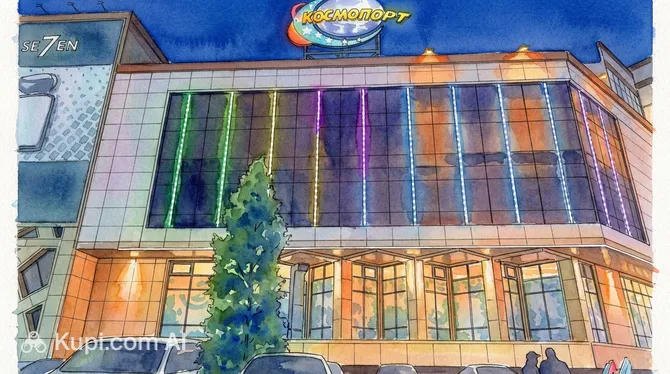
For those looking for modern entertainment, shopping malls serve as major leisure hubs. Complexes like Mirkato or 7 Continent are not just for shopping; they often house cinemas, bowling alleys, and food courts that remain active throughout the evening. They provide a comfortable environment for entertainment, making them popular meeting points for the local youth.

Mirkato. Source: Kupi.Binoculars

Daytime Entertainment: Before the evening sets in, the city offers a rich cultural program. Theater lovers can visit the Gorky Russian Drama Theater or the Avar Music and Drama Theater, which stage productions reflecting both local folklore and classical works. Families can enjoy various amusement parks scattered around the city or visit the museums mentioned earlier to delve deeper into the region's history.

Practical Tips: Most cafes and restaurants stay open until midnight or 1:00 AM, with some fast-food spots operating 24/7. Prices are generally very affordable. For getting around at night, it is highly recommended to use ride-hailing apps like Yandex Go, as they are safe, reliable, and eliminate the need to negotiate fares. While the central districts are safe for walking, it is advisable to stick to well-lit main streets and avoid unlit outskirts.

Parks & Museums

While Makhachkala is known for its bustling port and vibrant streets, the city also offers serene green spaces and deep cultural insights for those who take the time to explore. From modern multimedia exhibitions to peaceful memorial gardens, the capital of Dagestan provides plenty of opportunities to relax and connect with its heritage.

One of the most popular green havens in the city is the 50th Anniversary of October Park. This expansive recreational area is a favorite among locals, especially families, due to its wide walking paths, amusement rides, and lively atmosphere. It serves as a "green lung" for the city, offering a perfect escape from the urban noise where visitors can enjoy a leisurely stroll or simply sit on a bench and watch the world go by.

50th Anniversary of October Park. Source: Kupi.Binoculars

For a more reflective experience, the Park of Internationalist Soldiers stands as a poignant landmark. Dedicated to the memory of those who served in conflicts beyond the country's borders, particularly in Afghanistan, this park combines natural beauty with solemn history. It is a quiet place suitable for contemplation, featuring monuments that honor the bravery of local veterans.

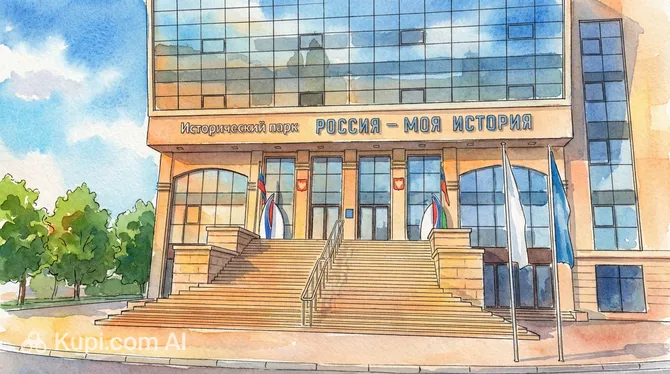
When it comes to museums, Makhachkala blends the traditional with the ultra-modern. A standout venue is the Historical Park 'Russia – My History'. Unlike classic museums with glass cases, this facility utilizes advanced multimedia technology, touch screens, and interactive installations to tell the story of the country and the specific history of Dagestan. It is an engaging educational experience that captivates both adults and children, bringing centuries of events to life in vivid color.

Historical Park 'Russia – My History'. Source: Kupi.Binoculars

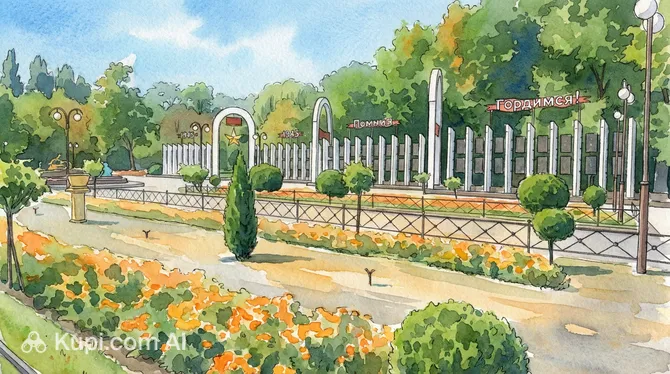
History enthusiasts should also visit the Monument and Eternal Flame to Participants of the Great Patriotic War. Located within the lush Park of Leninsky Komsomol, this memorial complex is a sacred spot for the residents. It honors the immense sacrifices made during World War II and offers a solemn, dignified atmosphere surrounded by greenery, making it a meaningful stop on any cultural itinerary.

Monument and Eternal Flame to Participants of the Great Patriotic War. Source: Kupi.Binoculars

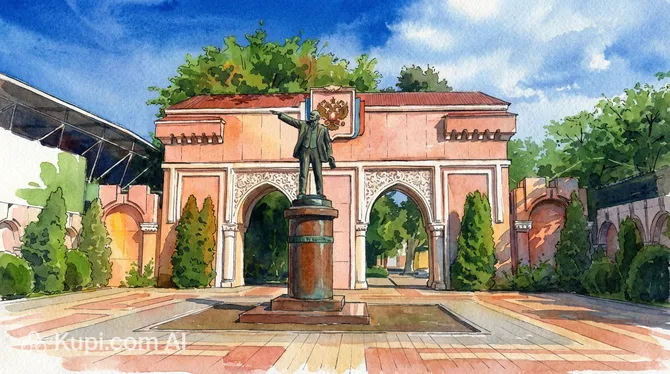
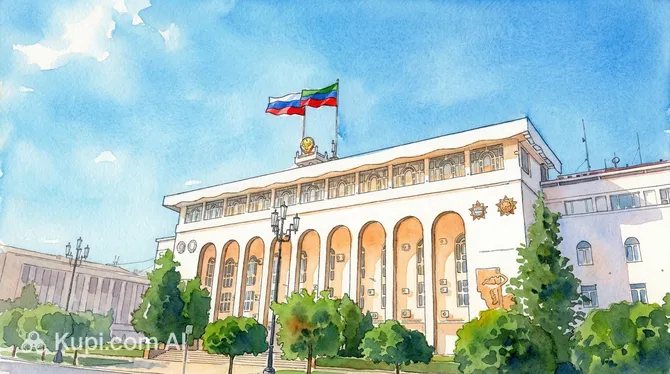
In the heart of the city lies Lenin Square, the administrative and ceremonial center of Makhachkala. While more of a grand plaza than a park, it is an architectural landmark where major events take place. Flanked by government buildings and adorned with flower beds, it is a spacious area perfect for an evening promenade, allowing tourists to observe the pulse of the city's public life.

Insider Tip: Many of Makhachkala's parks come alive in the late afternoon and evening. To experience the true local vibe, visit these green spaces after 6:00 PM, when the heat of the day subsides and families come out to socialize, drink tea from nearby kiosks, and enjoy the cool Caspian breeze.

Getting Around

The public transport system in Makhachkala is primarily road-based, serving as the lifeline for daily commuting in this bustling city. The network consists of trolleybuses, large municipal buses, and, most notably, an extensive fleet of minibuses known as marshrutkas. There is no underground metro or tram system in the city, so getting around relies entirely on surface traffic.

The marshrutka is the dominant and most frequent mode of transport, connecting virtually every corner of the city. These vans are fast and efficient, though they can often be crowded during peak hours. Trolleybuses and standard buses operate on major avenues and are generally more spacious, offering a steadier, albeit sometimes slower, ride compared to the agile minibuses.

Payment for public transport is straightforward but largely traditional. While some modern municipal buses and trolleybuses are equipped to accept contactless bank cards, cash remains the absolute standard, especially in marshrutkas. Passengers typically pay the driver directly, either upon entering or exiting, depending on the specific route's custom. It is highly recommended to carry small change, as drivers may not always have change for large banknotes. Fares are generally fixed and very affordable.

For tourists, navigating the system requires a bit of local know-how. Marshrutkas follow fixed routes with numbered signs displayed in the window, but they do not always stop at designated shelters unless hailed. To catch one, you may need to wave your hand from the roadside. To exit, it is customary to loudly inform the driver of your desired stop in advance. Transport generally operates from early morning until around 10:00 PM or 11:00 PM, though the frequency of service drops significantly after 9:00 PM.

Given the somewhat chaotic nature of the bus network, many visitors find taxis to be the most convenient and stress-free alternative. Ride-hailing apps are widely available, reliable, and offer transparent pricing, eliminating the need to negotiate fares with private drivers. This is often the preferred choice for reaching specific attractions or traveling late at night.

While the city lacks a metro, the suburban train system (elektrichka) serves as a useful rail link for those looking to travel along the coast. These trains connect the main railway station with nearby towns and popular destinations like Derbent, offering a scenic and comfortable alternative to the road network for longer regional trips.

Accommodation

Finding the right place to stay in Makhachkala is becoming easier as the city's tourism infrastructure develops. The accommodation landscape offers a mix of options ranging from renovated Soviet-era hotels to modern boutique establishments and a rapidly growing market of private vacation rentals. Whether you are looking for a budget-friendly hostel, a comfortable mid-range hotel, or a spacious apartment for a family trip, the city has something to suit most travelers' needs.

For those who prioritize convenience and easy access to main attractions, the city center is the best area to base yourself. Staying near the Central Square of Makhachkala or Lenin Square places you within walking distance of government buildings, museums, and the bustling seaside promenade. This area is vibrant, safe, and filled with cafes and restaurants, making it an ideal starting point for daily exploration.

Central Square of Makhachkala. Source: Kupi.Binoculars

If your visit is focused on relaxation and enjoying the Caspian Sea, consider looking for accommodation along the coastline. There are numerous guest houses and mini-hotels located near the beaches on the outskirts of the city. While these options offer quick access to the water and a quieter atmosphere, keep in mind that they may be further from cultural landmarks and shopping centers, so you might need to rely on taxis to reach the downtown area.

A distinctive feature of the local accommodation market is the high popularity and quality of short-term apartment rentals. Many tourists find that renting a private flat offers better value for money and more modern amenities compared to traditional hotels. These apartments are widely available throughout the city and often provide a more authentic experience of local life.

Booking Tips: Demand for accommodation in Makhachkala peaks during the summer months (May to September). It is highly advisable to book your stay well in advance if you plan to travel during this season. While major hotels accept credit cards, smaller guest houses and private apartment owners often prefer cash payments or local bank transfers, so it is wise to have some cash on hand upon arrival.

Price Range: Generally, accommodation prices in Makhachkala are quite affordable compared to other major Russian tourist destinations. You can find budget-friendly hostels and economy rooms for a modest fee, while mid-range hotels offer comfortable amenities at reasonable rates. Luxury options are present but limited, so expectations should be managed regarding high-end 5-star services.

Nearby Cities

For those looking to explore the surroundings, Makhachkala serves as an excellent base for day trips to several interesting nearby locations. The region offers a mix of ancient history, seaside relaxation, and mountain gateways, all reachable within a few hours.

One of the most significant destinations is Derbent, located about 119 km south of the capital. It is one of the oldest living cities in Russia and a UNESCO World Heritage site. Visitors flock here to see the ancient Naryn-Kala Citadel, walk through the winding streets of the old town (magals), and visit the Juma Mosque, which is among the oldest in the world. It provides a deep dive into the history of the Silk Road and the strategic importance of the Caspian Gates.

Much closer to Makhachkala is Kaspiysk, a satellite city situated just 15 km away. It is known for its relaxed atmosphere and a beautiful, well-maintained seaside promenade that is perfect for evening walks. Kaspiysk offers a quieter alternative to the bustling capital and is an easy short trip for those wanting to enjoy the sea views without traveling far.

Another popular spot for a day trip is Izberbash, located approximately 54 km down the coast. This town is favored by locals and tourists alike for its clean sandy beaches and thermal sulfur springs, which are believed to have therapeutic properties. It is a great destination for a relaxing day of swimming and sunbathing.

City Population Distance (km)
Khasavyurt14125981
Kaspiysk12398815
Derbent123720119
Buynaksk6508037
Izberbash5869054

These nearby destinations offer a glimpse into the diverse culture and landscapes of the region, ranging from ancient fortifications to soothing thermal waters.

Shopping & Souvenirs

Shopping:

Shopping in Makhachkala is a vibrant experience that perfectly reflects the city's character, blending modern retail trends with the rich traditions of the Caucasus. While you will find contemporary clothing and electronics, the true highlight for any visitor is the abundance of local handicrafts and artisanal products. The city is not necessarily a destination for high-end global luxury brands, but it is a paradise for those seeking unique, high-quality items with a story behind them, from intricate silver jewelry to hand-woven carpets.

For a stroll past boutiques and brand-name stores, Yaragskogo Street is the place to be. Often referred to as the main shopping artery of the city, it is lined with a variety of shops selling fashion, shoes, and accessories. Walking along this lively avenue allows tourists to combine window shopping with observing the local fashion scene. Another key area is Rasul Gamzatov Avenue, which offers a mix of bookstores, souvenir shops, and cafes, making it a pleasant route for a relaxed shopping afternoon.

If you prefer the comfort of modern shopping centers, the city has several large complexes. 7 Continent is a popular mall where you can find a wide range of goods, from clothing and cosmetics to household items. It offers a convenient one-stop shopping experience with a variety of departments. Another major destination is Mirkato, a modern mall that houses numerous international and Russian brands, a supermarket, and a food court, providing a familiar retail environment for travelers.

7 Continent. Source: Kupi.Binoculars

However, the soul of shopping in Dagestan lies in its markets. The most famous and atmospheric spot is the Second Market (rynok No. 2). This bustling bazaar is a sensory overload in the best possible way. Here, you can buy fresh local produce, including the famous Dagestani dried meat, sheep cheese, and seasonal fruits. It is also a great place to find spices and traditional sweets. The market is not just a place to trade but a social hub where bargaining is expected and friendly interactions with vendors are part of the process.

When it comes to souvenirs, Makhachkala offers treasures you won't find anywhere else. The region is world-renowned for Kubachi silver; look for exquisitely engraved jewelry, tableware, and daggers produced by masters from the village of Kubachi. Another iconic item is the Tabasaran carpet, known for its durability and intricate geometric patterns. For smaller gifts, consider buying Kizlyar knives, colorful ceramics from Balkhar, or a traditional wool hat known as a papakha. Edible souvenirs like urbech (a nutritious nut or seed paste) and mountain herbal teas are also excellent choices.

Most shops in the city operate daily, typically opening around 10:00 AM and closing by 9:00 PM or 10:00 PM. Markets start much earlier, with the best activity occurring between 8:00 AM and 2:00 PM. regarding payment, while major malls and supermarkets accept credit cards, cash is essential for markets, souvenir stalls, and smaller boutiques. It is highly recommended to carry smaller denominations of Rubles when visiting bazaars to make transactions smoother. Tax-free shopping is not widely available or standardized for tourists in this region, so the price you see (or negotiate) is the final price.

Reached the end of the page?

That means the route is fully explored