Support

Artvin

About

Nestled in the lush, mountainous landscape of the eastern Black Sea region, Artvin is one of the most visually striking cities in Turkey. Often described as a city rising towards the sky, it is famous for its remarkably steep streets and breathtaking views of the surrounding valleys. This provincial capital offers a serene escape for nature lovers, distinct from the bustling coastal resorts, providing a peaceful atmosphere amidst verdant greenery.

Geographically, Artvin is situated on the slopes overlooking the majestic Çoruh River, known as one of the fastest-flowing rivers in the world. The city's unique location creates a dramatic backdrop where buildings seem to cling to the mountainside. With a population of approximately 35,000 residents, it retains a charming, small-town feel while serving as a gateway to the wider province's natural wonders, including alpine meadows and dense forests.
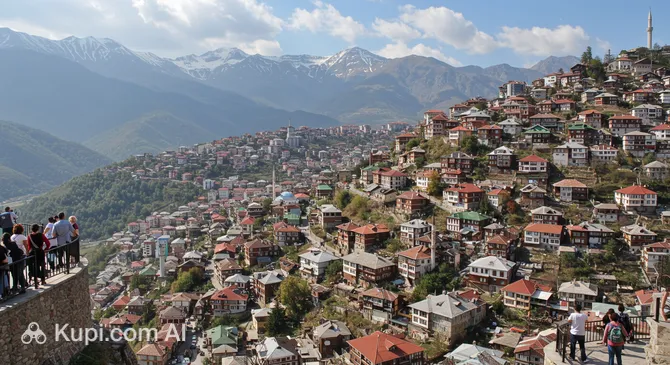
Artvin. Source: Kupi.Binoculars

The region has been a crossroads of cultures for centuries, resulting in a rich heritage visible in its architecture and traditions. Visitors interested in the past can explore the fascinating history of Artvin, which includes ancient castles, historic stone bridges, and a blend of cultural influences that define the area's identity. The local culture is celebrated through vibrant music, folk dance, and seasonal festivals.

Travelers are drawn to Artvin for its incredible outdoor opportunities and unique attractions. The Kafkasör Plateau is a major highlight, renowned for its traditional bull wrestling festivals held in natural arenas surrounded by spruce forests. Additionally, the province is home to stunning natural sites like Borçka Karagöl, a lake offering mirror-like reflections of the surrounding pines, and the exhilarating Hatila Valley National Park, which features a glass observation terrace offering dizzying views of the canyon below.

Whether you are seeking adrenaline-filled rafting adventures on the Çoruh River or a quiet retreat in nature, Artvin promises an unforgettable experience. Its combination of raw natural beauty, warm hospitality, and cultural depth makes it a hidden gem waiting to be discovered by intrepid explorers.
Weather Overview

The climate in this region is characterized by distinct seasons, offering a refreshing atmosphere that differs significantly from the coastal heat. To help you pack appropriately for your trip, it is helpful to review the detailed weather in Artvin before your departure. Generally, the area enjoys mild summers and experiences cold winters, with a noticeable coolness due to its elevation and mountainous geography.

During the summer months, particularly in August, the weather is most favorable for outdoor exploration. Average temperatures hover around 19.2°C, with daytime highs reaching a comfortable 23.4°C. This season is ideal for visiting the plateaus, although it is worth noting that nature remains active; July and August can see up to 23 wet days per month, ensuring the landscape stays lush and green.

Winter brings a distinct chill to the city, transforming the scenery. January is typically the coldest month, with average temperatures dropping to -1.9°C and minimums falling as low as -5.6°C. Travelers visiting during this time should come prepared for freezing conditions. Throughout the year, precipitation events are frequent, so expect mild to warm summers with regular damp days and cold, crisp winters.

Interesting Facts

Beyond the main attractions, Artvin holds many fascinating secrets that highlight its unique character and engineering marvels. Here are some intriguing facts about this high-altitude city that often go unnoticed by the average visitor:

  • The City Without Traffic Lights: Due to its extremely steep geography and winding one-way street system, the city center of Artvin is famous for having virtually no traffic lights. The layout naturally regulates the flow of vehicles, making it a unique urban curiosity in Turkey.

  • Home to the Largest Atatürk Statue: The city is watched over by Atatepe, which hosts the world's largest statue of Mustafa Kemal Atatürk. Weighing 60 tons and standing 22 meters high, this colossal monument offers a panoramic view of the city and the dam below.

  • A Sanctuary for Pure Bees: The Camili (Macahel) Basin in Artvin is Turkey's first and only UNESCO Biosphere Reserve. It is renowned for being the only region where the Caucasian Honey Bee exists in its genetically pure form, unaffected by other colonies due to the area's isolation.

  • An Engineering Giant: The province is home to the Deriner Dam on the Çoruh River, which stands as one of the tallest double-curvature arch dams in the world. This massive structure has significantly altered the local microclimate and landscape, creating a stunning contrast between modern engineering and wild nature.

How to Get There

Reaching this mountainous city requires a bit of planning due to its rugged terrain and location in the far northeast of the country. While the journey offers spectacular views, there are no direct flights or trains into the city center itself. For a complete overview of all transport options and detailed routes, you can read more about how to get to Artvin.

The most convenient air hub for many travelers is actually located across the border in Georgia. Batumi Airport (IATA: BUS) is situated in the city of Batumi, approximately 51 km from Artvin. Since this route involves crossing the Sarp border gate, ensure you have the necessary travel documents. The drive from the airport, including border procedures, typically takes around 1.5 to 2 hours by taxi or bus.

For those preferring to stay within Turkey, the Rize-Artvin Airport (IATA: RZV) is an excellent modern option. Located on the coast about 82 km from Artvin, it serves as a primary domestic gateway. The transfer from here involves a scenic drive up the valley, usually taking about 2 hours by shuttle or taxi. Another alternative is Kutaisi International Airport (IATA: KUT) in Kutaisi, Georgia, which is often used by budget travelers, though it is further away at roughly 124 km.

For clarity, here is a summary of the main airports:

Airport Name City Passenger Traffic Km from City
Kutaisi International Airport Kutaisi High 123.8
Batumi Airport Batumi High 51.1
Rize-Artvin Airport High 81.9
Erzurum Airport Erzurum High 146.7
Kars Airport Kars Medium 128.9

Artvin does not have its own railway station due to the steep topography of the region. The rail network in this part of the world is sparse, and the closest stations listed in available data are located in neighboring countries, making them impractical for most direct itineraries. For instance, the Zugdidi station is located in the city of Zugdidi, Georgia, about 147 km away. Travelers relying on trains would typically need to combine rail travel with a long bus or taxi transfer across the border.

Below is the data for the nearest railway stations, though they are generally quite distant from the city center:

Station City Passenger Traffic Km to Center
Imeretinsky Kurort Railway Station Sochi High 290.8
Sukhumi Railway Station Sokhumi Low 214.0
Gudauta Station Sokhumi Very Low 235.2
Nalchik Railway Station Nalchik 296.2
Zugdidi Zugdidi 147.3

Main Attractions

While the city center offers its own unique charm, many of Artvin's most spectacular sights are spread across its lush districts, rewarding those willing to explore. One of the most impressive natural landmarks is the Mençuna Waterfall in the Arhavi district. Hidden deep within the Kamilet Valley, this majestic double-stage waterfall cascades from a height of nearly 90 meters. Reaching it involves a scenic hike through dense, subtropical forests and over historic stone bridges, making it a favorite spot for nature photographers and trekking enthusiasts seeking a refreshing escape.

For those interested in dramatic geological formations, the Cehennem Deresi Canyon (Hell Creek Canyon) in Ardanuç is a must-see. Often noted for its steep, rugged walls that rise almost vertically, it presents a striking landscape that rivals some of the world's most famous canyons. The narrow passage between the towering cliffs creates a breathtaking and slightly intimidating atmosphere, offering a unique perspective on the region's raw, untouched geography.

Although the region is famous for its lakes, Şavşat Karagöl offers a distinct experience from its counterpart in Borçka. Located within the Sahara National Park in the "Cittaslow" (slow city) district of Şavşat, this lake is surrounded by gentle pine forests and traditional wooden architecture. It is renowned for its absolute tranquility and the mirror-like reflection of the sky on the water, providing a perfect setting for picnicking, camping, or simply enjoying the silence of nature away from the crowds.

History buffs should visit Artvin Castle (Livane Castle), which stands guard on a steep rock overlooking the Çoruh River directly opposite the city center. Dating back to the medieval period and later utilized by the Ottomans, the castle offers a glimpse into the strategic military history of the area. The site provides a rewarding vantage point, offering panoramic views of the winding river valley and the city clinging to the mountainside.

Local Cuisine

Local Cuisine:

The culinary landscape of Artvin is a rich tapestry woven from Black Sea traditions and strong Caucasian influences, particularly from Georgian and Laz cultures. Due to the city's rugged terrain and cool climate, the local diet is hearty and natural, relying heavily on corn flour, dairy products, kale, and meat. Food here is not just sustenance; it is a warm embrace against the mountain chill, characterized by organic ingredients often sourced directly from the surrounding villages and plateaus.

One of the absolute must-try dishes in Artvin is Cağ Kebabı. While neighboring provinces are also famous for it, Artvin locals claim a unique mastery over this horizontally rotating lamb kebab. Marinated with onions, basil, and black pepper, the meat is cooked over a wood fire and served on skewers, offering a succulent and smoky flavor that defines the region's meat culture. Another staple, especially at breakfast, is Kuymak (or Muhlama), a rich fondue-like dish made from cornmeal, local butter, and melting cheese that is best eaten hot with fresh bread.

Vegetable dishes also play a significant role, with black cabbage (kara lahana) being a versatile star ingredient used in soups and stuffed wraps. A distinct local specialty is Puçuko, a flavorful soup made from sun-dried green beans, often cooked with bulgur and walnuts. For pastry lovers, Silor consists of rolled phyllo dough cut into small pieces, baked, and then softened with yogurt and garlic, creating a comforting texture that is unique to this area.

When it comes to sweets, the region offers the deceptive Laz Böreği. Despite its name suggesting a savory pastry, it is actually a delicious dessert featuring layers of thin dough filled with a creamy custard and soaked in sherbet. Additionally, Artvin is famous for its high-quality honey, particularly from the Macahel region. Produced by the pure Caucasian honey bee, this honey is prized for its medicinal properties and floral complexity.

The drinking culture in Artvin revolves deeply around tea. Like much of the eastern Black Sea, tea is consumed in large quantities throughout the day, serving as a gesture of hospitality and a social lubricant. For a refreshing non-alcoholic option, fresh Ayran (yogurt drink) is widely available and pairs perfectly with meat dishes.

Dining in Artvin is often a rustic and scenic experience. While you will find standard restaurants in the city center, the best culinary moments are frequently found in the countryside. Trout farms (alabalık tesisleri) located near waterfalls or riverbanks offer fresh fish grilled or fried in butter. Locals and tourists alike enjoy eating in these open-air settings, where the sound of rushing water complements the fresh, honest flavors of the food.

Travel Tips

Visiting Artvin, often affectionately called the "city in the clouds," offers a unique travel experience that differs significantly from a typical beach holiday in Turkey. To help you navigate the steep terrain and immerse yourself fully in the local culture, here are some practical tips to keep in mind before you pack your bags.

  1. Clothing and Gear: Due to the region's variable Black Sea climate, the weather can change rapidly from sunny to misty or rainy. It is essential to pack layers, including a waterproof jacket and a warm fleece, even in summer if you plan to visit the higher plateaus. Most importantly, bring sturdy, comfortable walking shoes with good grip; the city's streets are famously steep, and exploring the natural parks requires reliable footwear. If visiting mosques, remember to dress modestly, covering shoulders and knees.

  2. Transportation: The city center is built on a mountainside, making walking tiring for some. Public transport relies heavily on minibuses (dolmuş) and taxis, which are affordable and adept at navigating the winding roads. There are no metros or trams here. While you can explore the city center without a vehicle, renting a car is highly recommended if you wish to visit the surrounding lakes, waterfalls, and canyons at your own pace, though you should be comfortable driving on narrow, mountain roads.

  3. Finances: The local currency is the Turkish Lira (TRY). While credit cards are widely accepted in hotels, supermarkets, and larger restaurants in the city center, cash is king in rural areas, village guesthouses, and small souvenir shops. ATMs are plentiful in Artvin center, so it is wise to withdraw enough cash before heading out to remote locations like Macahel or the yaylas (highlands).

  4. Health and Safety: Artvin is a very safe city with low crime rates. However, the primary safety concern is the terrain; always stay on marked paths when hiking and be cautious near cliff edges. Pharmacies are known as "Eczane" and are generally open during business hours, with a rotating guard pharmacy (nöbetçi eczane) available 24/7 for emergencies. Medical facilities are good, but for serious conditions, you may be transferred to larger hospitals in nearby Rize or Erzurum.

  5. Communication: The main language is Turkish. English is not widely spoken outside of major tourism establishments, so knowing a few basic phrases like "Merhaba" (Hello) and "Teşekkürler" (Thank you) will go a long way. It is highly advisable to download an offline map and a translation app before your trip. You can easily purchase a SIM card from major providers in the city center to stay connected.

  6. Local Etiquette: The people of Artvin are renowned for their hospitality. If you are invited for tea (çay), accept it if you can; it is a significant part of social bonding. When entering a local home or a mosque, always remove your shoes. It is also polite to greet shopkeepers when entering a store; a simple nod or greeting creates a friendly atmosphere.

  7. What to Avoid: Avoid refusing hospitality bluntly, as it can be taken personally; a polite decline with a hand over your heart is better. Additionally, strictly avoid littering in the nature parks and forests. The locals are very proud of their pristine environment, and disrespecting nature is frowned upon.

  8. Additional Tip: Be prepared for the "siesta" of the fog. In the afternoons, especially in the highlands, a thick fog often rolls in, obscuring views and dropping temperatures. Plan your scenic drives and photography for the morning hours to ensure clear vistas of the stunning valleys and peaks.

By keeping these practicalities in mind, you will be well-equipped to enjoy the rugged beauty and warm spirit of Artvin. Embrace the slower pace of life, breathe in the fresh mountain air, and let the winding roads lead you to some of the most breathtaking landscapes in the region.

Entertainment & Nightlife

Entertainment and nightlife in Artvin reflect the city's calm, mountain-town character. Unlike the bustling coastal resorts or major metropolises of Turkey, Artvin does not have a wild clubbing scene with loud discos or all-night dance venues. Instead, the evening atmosphere is defined by a relaxed, social vibe where locals gather in tea gardens, terrace cafes, and restaurants to enjoy conversation, live folk music, and the spectacular views of the city lights shimmering against the dark silhouettes of the mountains.

The heart of social life in the evenings beats in the Çarşı neighborhood (City Center), particularly along İnönü Avenue and Cumhuriyet Avenue. These streets are lined with various cafes and eateries that stay open late, serving as the primary meeting points for students from Artvin Çoruh University and local residents. The dress code is casual and modest, and the environment is family-friendly and welcoming to visitors.

For a pleasant evening out, you can visit Pizza City 08, which is a popular spot among locals for its food and vibrant atmosphere. It offers a great vantage point to look out over the city while enjoying a meal. Another favorite haunt is No1 Kahve Evi (No1 Coffee House), known for its cozy interior and wide selection of coffees, making it a perfect place to unwind after a day of trekking. If you are looking for a place that serves alcohol, options are more limited, but venues like 2. Cadde Cafe Bar offer a space where you can enjoy a drink in a laid-back setting.

Travelers seeking high-energy nightlife, casinos, or large nightclubs often take advantage of Artvin's proximity to the Georgian border. The city of Batumi is just a short drive away (about 1.5 to 2 hours), and it serves as the region's hub for intense nightlife and entertainment. Many tourists base themselves in Artvin for nature and tranquility while making a quick excursion across the border for a night of partying.

In terms of daytime and cultural entertainment, options in the city center are modest. There is a local cinema that screens current Turkish and international films, providing a classic evening activity. For a more cultural experience, the Ahmet Hamdi Tanpınar Cultural Center occasionally hosts theater performances, concerts, and exhibitions. However, the true "entertainment" in Artvin is found outdoors; spending the day exploring the Atatepe recreation area, which offers cafes and walking paths around the massive Atatürk statue, is a favorite pastime.

Practical Advice and Safety: Artvin is an extremely safe city for night walks. You can comfortably stroll through the main streets of the city center late into the evening without concern. Taxis are readily available at designated stands in the center and are the best way to get back to your hotel if you are staying on the outskirts, as the steep streets can be challenging to climb at night. Prices are generally very affordable compared to western Turkey. Since the city is small, most places are within walking distance if your accommodation is central.

Parks & Museums

While Artvin is often celebrated as an open-air museum of nature itself, the city and its surrounding province offer specific green spaces and cultural venues that allow visitors to deepen their understanding of the region's heritage. The area's parks are less about manicured lawns and more about protecting the wild, rugged beauty of the landscape, while its cultural sites preserve the traditions of the Caucasian and Black Sea peoples.

Hatila Valley National Park is one of the most significant natural reserves in the region, located just a short drive from the city center. It is famous for its rich biodiversity, hosting hundreds of plant species and diverse wildlife including bears and mountain goats. The park's standout feature is Turkey's highest glass observation terrace, which extends over the canyon, offering visitors a heart-pounding view of the Hatila Creek 220 meters below. It is an exceptional spot for photography and witnessing the raw geological power of the province.

Another major protected area is the Karagöl-Sahara National Park in the Şavşat district. This park is divided into two distinct zones: the Karagöl side, which features a pristine lake surrounded by dense spruce and fir forests, and the Sahara Plateau side, which is known for its vast alpine meadows. The Sahara section is particularly interesting for tourists as it hosts the traditional Pancarcı Festival, where locals gather to celebrate their culture with folk dances and music in the open highlands.

For those interested in local ethnography, the Dikyamaç Village Life Museum (Dikyamaç Köyü Yaşam Müzesi) in the Arhavi district is a hidden cultural gem. Established to preserve the disappearing way of life of the region, this museum displays a fascinating collection of traditional agricultural tools, household items, and handmade crafts used by villagers over the last century. It offers an intimate look at the resourcefulness and artistry of the local people in adapting to the challenging mountain environment.

History enthusiasts should explore the Artvin Castle (Livane Castle), which sits on a steep cliff overlooking the Çoruh River. Built in the mid-10th century by the Bagratid Kingdom and later expanded by the Ottomans, the castle serves as a testament to the city's strategic military importance throughout the ages. Although the interior is often undergoing restoration or study, the structure itself is a dominant landmark that connects the modern city with its medieval past.

The region is also dotted with impressive religious architecture, such as the Tibeti Church in Şavşat. Dating back to the 10th century, this ruined Georgian cathedral is a significant historical site that showcases the intricate stone carving skills of the era. Visiting these ruins provides a quiet, contemplative experience amidst the greenery, offering a glimpse into the diverse religious history of the Tao-Klarjeti region.

For a truly authentic experience, look for the historic wooden mosques found in the Camili (Macahel) basin. These active places of worship are often built without a single nail using the "çantı" technique and feature stunningly intricate wood carvings and colorful interior paintings. They are not just architectural marvels but living centers of community life that have survived for centuries.

Getting Around

Navigating the public transport system in Artvin is a unique experience largely defined by the city's dramatic geography. Built on the steep slopes of the Çoruh River valley, the city does not have a metro, tram, or extensive large bus network. Instead, the local transport infrastructure is designed to handle the sharp inclines and winding roads, relying primarily on agile minibuses and a vital cable car connection.

The backbone of urban mobility in Artvin is the minibus, locally known as the dolmuş. These small buses are ubiquitous and serve as the most practical way to move between neighborhoods, the university campus, and the city center. They follow specific routes which are usually displayed on signs in the front window. Due to the city's vertical layout, these minibuses are essential for saving your energy, as walking even short distances can involve strenuous uphill climbs.

A standout feature of Artvin's transport system is the Teleferik (Cable Car). Unlike in many other cities where cable cars are purely for tourism, here it serves a crucial public transport function. It connects the main intercity bus terminal (Otogar), located down by the riverbank, directly to the city center at the top of the hill. The ride takes only a few minutes and offers spectacular views of the dam and the valley, saving travelers a long and winding drive up the mountain.

regarding payment, the system in Artvin is generally traditional. For the dolmuş and the cable car, cash (Turkish Lira) is the standard method of payment. It is highly advisable to carry small denominations of notes and coins, as drivers may not always have change for large bills. Fares are very affordable. While some larger Turkish cities have moved entirely to electronic cards, in smaller provincial centers like Artvin, handing cash directly to the driver upon boarding or exiting is still common practice.

Taxis are another popular and convenient alternative, especially if you are traveling with luggage or late at night when minibus services reduce their frequency. Yellow taxis can be found at designated stands throughout the city center or called via buttons located on street poles. They operate on a meter system, and given the compact nature of the city, fares are generally reasonable. Taxis are particularly useful for reaching specific viewpoints or hotels that might be off the main minibus routes.

For those considering alternatives, walking is possible but requires a good level of fitness due to the constant stairs and steep gradients. Car rental is available and is excellent for exploring the wider Artvin province, but it can be a burden within the city center due to narrow one-way streets and very limited parking space. Therefore, for travel strictly within the city limits, utilizing the dolmuş, taxis, and the cable car is the most stress-free approach.

Accommodation

Accommodation in Artvin is as unique as its geography, offering travelers a choice between convenient city stays perched on the mountainside and rustic retreats hidden deep within the forests. Unlike the all-inclusive resort culture found on Turkey's southern coast, the hospitality scene here is intimate, small-scale, and deeply connected to nature. Whether you are looking for a comfortable base in the city center or a wooden bungalow in the clouds, Artvin provides options that cater to nature lovers and adventurers alike.

If you prefer to stay in the city center, you will find a selection of standard hotels that offer modern amenities and easy access to local restaurants and transport. These hotels are often situated on the steep slopes of the city, providing rooms with spectacular panoramic views of the Çoruh River and the massive dams below. Staying in the center is practical for those who want to explore the urban culture, visit the Atatepe statue, or need a stopover point before heading further into the mountains. Keep in mind that parking can be limited due to the narrow streets, so it is wise to check if your chosen hotel offers a garage or designated parking space.

For many visitors, the real highlight of Artvin is its nature tourism accommodation. In districts like Borçka and Şavşat, the trend is towards wooden bungalows, boutique mountain lodges, and "yayla" (highland) houses. These facilities are designed to blend seamlessly with the environment, often located near major attractions like the Karagöl lakes. Waking up to the sound of birds and the smell of pine trees in a cozy wooden cabin is the quintessential Artvin experience. These spots are perfect for travelers seeking tranquility and a digital detox.

The region is also famous for its family-run guesthouses (pansiyon), particularly in the Macahel (Camili) biosphere reserve and the historic villages of Şavşat. These guesthouses offer a warm, authentic atmosphere where you are treated more like a guest of the family than a customer. A major perk of staying here is the food; breakfast usually features organic local products, including the famous Artvin honey, homemade butter, and cheese. It is an excellent way to support the local economy and immerse yourself in the culture of the Caucasus and Black Sea peoples.

Regarding pricing and availability, accommodation in Artvin is generally more affordable than in Turkey's major tourist hubs. However, capacity can be limited, especially in the popular bungalow facilities and during the peak summer months (July and August) when festivals take place. It is highly recommended to book your stay in advance if you plan to visit during the high season. During winter, options in the highlands may be closed or difficult to reach due to snow, so city center hotels become the primary choice for off-season travelers.

Nearby Cities

Exploring beyond Artvin opens up a diverse range of experiences, from the verdant tea gardens of the Black Sea coast to the rugged, snowy peaks of Eastern Anatolia. The city serves as a bridge between these two distinct worlds, allowing travelers to easily reach neighboring provinces and towns that offer their own unique history, cuisine, and natural beauty.

One of the most popular nearby destinations is Rize, the heart of Turkey's tea production. Located to the west, it offers lush green plateaus and a vibrant coastal atmosphere. A bit closer to Artvin is Cayeli, famous nationwide for its delicious dry bean dishes and scenic coastline. For those heading further west along the Black Sea, the town of Of provides a glimpse into the deep-rooted traditions of the Trabzon region.

Heading inland towards the east, the landscape transforms dramatically. Kars is a city of immense historical significance, known for its distinctive stone architecture and broad avenues. In the same direction, Sarikamis is a top destination for winter sports enthusiasts, boasting acclaimed ski resorts and crystal-snow pine forests.

City Population Distance (km)
Cayeli 44,304 92
Rize 141,143 111
Sarikamis 42,683 114
Kars 115,891 125
Of 43,499 134

Shopping & Souvenirs

Shopping in Artvin offers a distinctly authentic experience that stands in contrast to the commercialized retail scenes of Turkey's larger metropolises. Instead of sprawling luxury complexes and international fashion chains, the city presents a modest yet charming selection of local shops that cater to daily needs and regional traditions. Visitors here will find that the best purchases are often edible treasures or handcrafted items that reflect the rich natural resources and cultural heritage of the Black Sea and Caucasian regions.

The commercial heart of the city beats along its main thoroughfares, particularly İnönü Avenue and Cumhuriyet Avenue. These steep, winding streets in the city center are lined with a variety of small businesses, ranging from clothing boutiques and shoe stores to pharmacies and electronic shops. Walking down these avenues provides a glimpse into local life, where shopkeepers often know their customers by name. It is here that you can find everything from hiking gear suitable for the surrounding mountains to everyday essentials.

Travelers looking for large, modern shopping malls will find options limited in this mountainous province. Artvin does not host the massive "AVM" (shopping centers) found in cities like Istanbul or Ankara. Instead, the retail environment is characterized by smaller business centers (known as "işhanı") and arcades. For a more extensive modern shopping experience, locals and tourists often travel to the neighboring city of Rize or cross the border into Batumi, Georgia.

The true joy of shopping in Artvin lies in its local markets and food stores. The region is an agricultural haven, and this is best reflected in the local bazaars where villagers sell their fresh produce. You can find organic fruits, vegetables, and dairy products brought directly from the high plateaus. These markets are vibrant, colorful, and the perfect place to interact with the friendly local community while sampling the freshest ingredients the season has to offer.

When it comes to souvenirs, Artvin is famous for its high-quality natural products. The most prized item to bring home is honey, specifically from the Macahel (Camili) region, which is renowned for its purity and medicinal properties. Woodworking is another local specialty; the abundance of forests has led to a tradition of crafting beautiful wooden baskets, walking sticks, and kitchen utensils. Additionally, you might find locally woven textiles or packages of regional tea, which make for excellent, lightweight gifts.

Store opening hours in Artvin generally follow standard Turkish customs. Most shops open around 09:00 and close by 19:00 or 20:00. Supermarkets may stay open later. Regarding payment, while credit and debit cards are widely accepted in established stores and supermarkets, cash is still the preferred method of payment in small souvenir shops, local markets, and rural villages. It is advisable to carry some Turkish Lira (TRY) with you for smaller purchases.

Turkey operates a Tax-Free shopping system for tourists, allowing for a refund of the Value Added Tax (VAT) on certain goods. However, since Artvin is a smaller city with fewer international brand retailers, finding shops that display the "Tax-Free" logo may be more difficult than in major tourist hubs. If you do make a significant purchase at a larger store, it is worth asking the staff if they provide the necessary paperwork for a tax refund at the airport or border gate.

Reached the end of the page?

That means the route is fully explored