Support

Trabzon

About

Trabzon is a captivating city located on the lush northeastern coast of Turkey. Nestled between the majestic Pontic Mountains and the deep blue waters of the Black Sea, this historic port city offers a unique blend of natural beauty and cultural depth that sets it apart from the country's southern resorts. With a population of over 426,000 residents, it serves as a bustling regional hub that maintains a welcoming and authentic atmosphere.
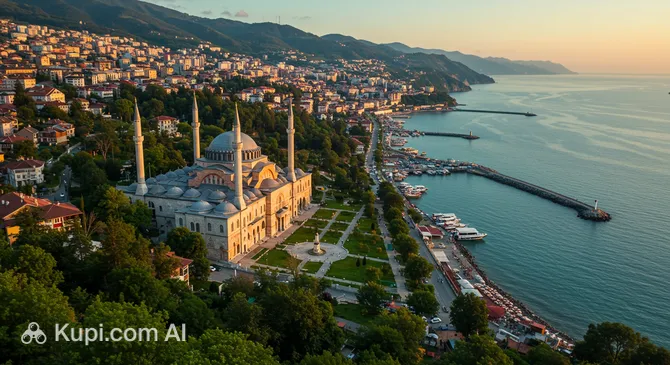
Trabzon. Source: Kupi.Binoculars

The city enjoys a humid subtropical climate, which contributes to the emerald-green forests and misty landscapes that define the region. The history of Trabzon is incredibly rich, as it served for centuries as a vital gateway on the ancient Silk Road. This legacy is reflected in its diverse architecture and traditions, making it a fascinating destination for cultural exploration.

Visitors are often struck by the area's iconic landmarks. The breathtaking Sumela Monastery, which clings dramatically to a sheer cliff face within the Altındere National Park, is a sight to behold. Within the city, the Hagia Sophia of Trabzon offers a glimpse into the past with its stunning frescoes and intricate design. For those seeking natural serenity, the picturesque lake of Uzungöl, surrounded by towering mountains, provides a perfect escape.

Whether you are a history buff, a nature enthusiast, or simply looking for a new adventure, Trabzon promises an unforgettable experience. Come and discover the distinct charm, delicious cuisine, and warm hospitality of the Black Sea region.
Weather Overview

The climate in this Black Sea city is generally mild and humid, distinct from the arid conditions often found in other parts of the region. Travelers checking the weather in Trabzon will notice that the area stays relatively temperate year-round, avoiding extreme heat in the summer and severe freezing in the winter.

Summers are comfortable and warm, with August being the hottest month, averaging around 22.2°C and reaching highs of 24.1°C. However, visitors should pack a raincoat regardless of the season, as precipitation is frequent; even in summer, there are typically 17 to 18 wet days per month. Winters are cool and damp, with January and February seeing average temperatures of 6.0°C and lows around 3.5°C. March is particularly noted for its frequency of precipitation, recording up to 19 wet days. Overall, expect warm summers with occasional rain and cool, wet winters.

Interesting Facts

Beyond its famous tea gardens and historic port, Trabzon holds a collection of fascinating stories that reveal its depth as a cultural heavyweight. From ancient imperial history to unique modern engineering, the city offers plenty of surprises for the curious traveler.
  • The city's name is actually descriptive of its geography. It derives from the Greek word "Trapezus," meaning "table," which refers to the flat-topped hill situated between the Zagnos and Kuzgun valleys where the original ancient citadel was established.

  • This region is the unsung hero of the global confectionery industry. Trabzon and the surrounding Black Sea coast are responsible for producing a vast majority of the world's hazelnuts, supplying key ingredients for famous chocolate brands across the globe.

  • The city boasts a remarkable aquatic facility built in an unexpected location. The Trabzon Aquarium is constructed entirely within a tunnel connecting two valleys, making it a rare example of a public aquarium integrated directly into the city's subterranean infrastructure.

  • Trabzon was once the heart of its own empire. As the capital of the Empire of Trebizond, it served as the last bastion of Byzantine culture and actually outlasted Constantinople by eight years, falling to the Ottomans only in 1461.

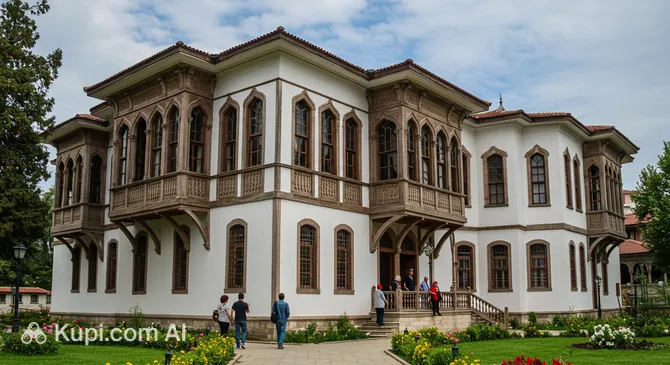
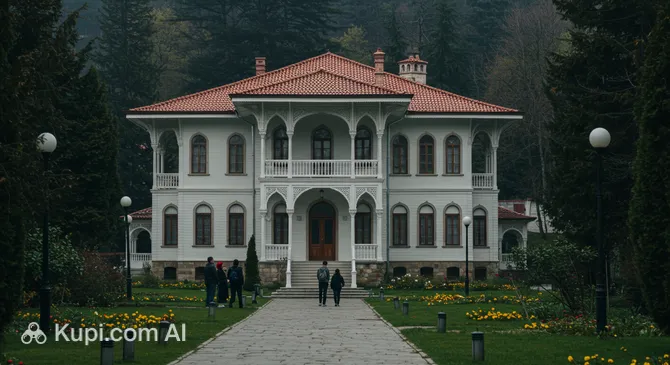
  • A pivotal moment in modern Turkish history took place at the Atatürk Pavilion. During his stay in this elegant mansion in 1937, Mustafa Kemal Atatürk wrote his will and made the historic decision to donate all his personal assets to the Turkish nation.

Atatürk Pavilion. Source: Kupi.Binoculars

How to Get There

Reaching this historic port city on the Black Sea coast is relatively straightforward, with air travel being the most convenient option for international and domestic visitors. For a detailed breakdown of all transport methods, you can read more about how to get to Trabzon on our dedicated page. While the region's mountainous terrain limits rail connectivity, the road and air networks are well-developed.

The primary gateway is Trabzon Airport (TZX), located directly in the city. It is a busy international hub handling millions of passengers annually. Since the airport is situated just 6.2 km from the city center, the transfer is quick and easy. A taxi or shuttle bus ride typically takes around 30 minutes, making it the most efficient way to arrive.

If direct flights are unavailable, you can fly into Rize-Artvin Airport (RZV). This modern airport is located approximately 96.7 km from Trabzon. The journey by road from here involves a scenic drive along the coast, taking about 2 hours and 45 minutes by taxi or bus. Another alternative is the Ordu Giresun Airport (OGU) in the city of Ordu. Situated about 137.8 km away, the transfer time to Trabzon is roughly 3 hours and 45 minutes.

For clarity, here is a summary of the main airports serving the region:

Airport Name City Passenger Traffic Km from City
Trabzon Airport Trabzon Large 6.2
Rize-Artvin Airport Medium 96.7
Erzurum Airport Erzurum Medium 169.4
Ordu Giresun Airport Ordu Medium 137.8
Erzincan Airport Erzincan Small 144.4

Trabzon does not have a direct connection to the Turkish railway network, and there is no train station within the city or its immediate province. The closest railway hubs are located significantly far away in neighboring countries, making rail travel an impractical choice for reaching the city directly. The Adler Station in Sochi is one of the nearest major hubs, but it is located 272 km away across the border. Similarly, the Zugdidi station is about 245 km away in the city of Zugdidi. Travelers arriving at these points would need to arrange cross-border bus or car transport to continue to Trabzon.

Below is a list of the nearest railway stations, though they are quite distant from the city center:

Station City Passenger Traffic Km to Center
Adler Station Sochi Large 272.0
Imeretinsky Kurort Railway Station Sochi Medium 268.5
Sukhumi Railway Station Sokhumi Small 246.5
Gudauta Station Sokhumi Small 245.0
Zugdidi Zugdidi 245.0

Main Attractions

Attractions:

Trabzon is a city where history and nature seamlessly intertwine, offering visitors a variety of captivating sights within the city center. From bustling public squares to serene viewpoints, the local landmarks provide a deep dive into the culture and daily life of the Black Sea region.

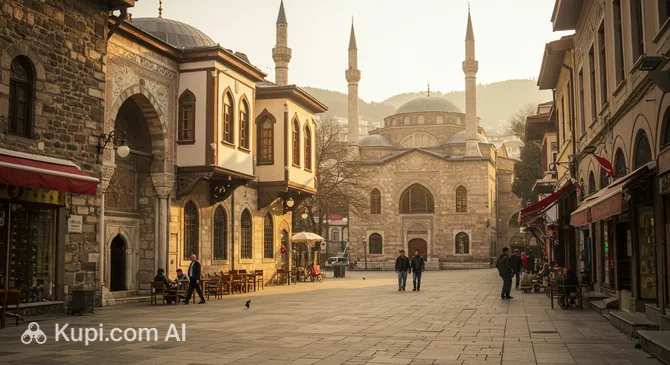
The vibrant heart of the city is Meydan Square. This lively plaza is the central hub for social life in Trabzon, surrounded by a mix of restaurants, cafes, and shops. It is an excellent starting point for any tour, offering a chance to observe the local rhythm, enjoy a traditional Turkish tea, and admire the statue of Atatürk that stands at its center. The square is particularly atmospheric in the evening when it lights up and fills with people.

Meydan Square. Source: Kupi.Binoculars

For a stunning architectural experience, the Trabzon Museum (Kostaki Mansion) is an unmissable gem. Housed in a magnificent early 20th-century mansion, the building is renowned for its ornate Art Nouveau style and intricate hand-carved interiors. Inside, visitors can explore a rich collection of archaeological and ethnographic artifacts that showcase the diverse history and traditions of the area.

Trabzon Museum (Kostaki Mansion). Source: Kupi.Binoculars

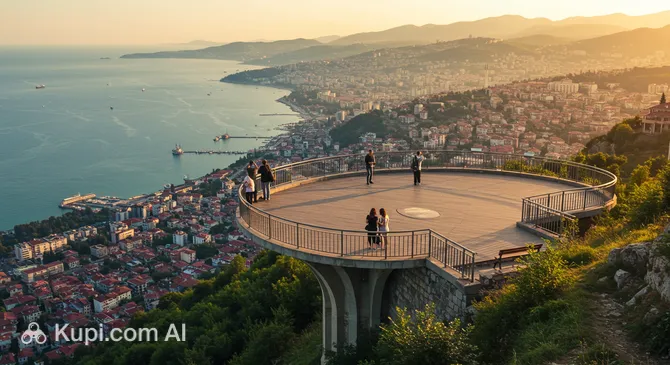
No visit to the city is complete without a trip to the Boztepe Observation Deck. Perched high on a hill overlooking the harbor, this spot offers the most spectacular panoramic views of the city and the endless Black Sea. It is a favorite local pastime to sit in the tea gardens here, sipping a hot beverage while watching the sunset paint the sky and the city lights begin to twinkle below.

Boztepe Observation Deck. Source: Kupi.Binoculars

Those looking for a peaceful retreat amidst greenery should visit Zagnos Valley Park. This beautifully landscaped urban park stretches beneath the imposing historical city walls, creating a unique blend of nature and ancient heritage. It provides a perfect setting for a relaxing walk, with wooden bridges and ponds that offer a quiet escape from the urban bustle.

Local Cuisine

The culinary scene in Trabzon is a distinct and flavorful chapter in Turkish gastronomy, heavily influenced by the Black Sea region's climate and geography. Unlike the kebab-centric cuisine of the south, the local food culture here is defined by an abundance of fresh seafood, corn, kale, and dairy products. The result is a hearty, rustic, and incredibly satisfying menu that reflects the character of the region.

The undisputed king of the local kitchen is the Hamsi (Black Sea anchovy). During the fishing season, this small silver fish appears in countless preparations, from simple frying to being baked in rice (Hamsili Pilav) or even used in bread. Another iconic dish that every visitor must try is Kuymak (also known as Muhlama). This rich, fondue-like delicacy is made from cornmeal, butter, and local string cheese, cooked until the butter rises to the top. It is a staple of the famous Black Sea breakfast and is best eaten by dipping chunks of fresh bread into the stretchy mixture.

Meat lovers are not left out, thanks to the famous Akçaabat Meatballs (Akçaabat Köftesi). Originating from a nearby district, these meatballs are renowned for their high garlic content and unique texture, typically served with grilled peppers and tomatoes. For dessert, the region offers Laz Böreği, which, despite its name suggesting a savory pastry, is actually a sweet custard-filled dessert layered with flaky phyllo dough and syrup.

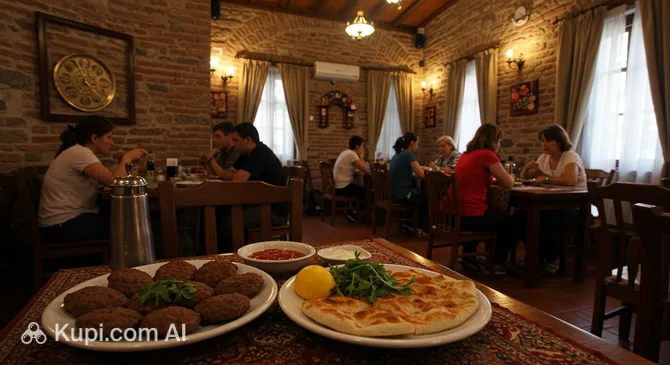
Dining in Trabzon is often an experience accompanied by stunning views. Locals and tourists alike flock to seaside establishments to enjoy the fresh sea breeze while eating. One popular spot to soak in the atmosphere is Ganita Restaurant, a historic tea garden and eatery located right on the coastline. It is a perfect place to experience the city's tea culture, as tea is grown in the neighboring provinces and consumed passionately throughout the day.

Ganita Restaurant. Source: Kupi.Binoculars

For those looking for a more formal dining experience or a variety of local tastes, Panagia Restaurant offers a menu that highlights regional specialties in a comfortable setting. Meanwhile, if you prefer a rustic barbecue experience, Çamlık Mangalbaşı allows guests to enjoy grilled meats in a relaxed environment. Whether you are grabbing a quick pide (flatbread) topped with local cheese and butter or sitting down for a full seafood feast, the flavors of Trabzon are sure to leave a lasting impression.

Travel Tips

Welcome to Trabzon, the emerald crown of the Black Sea coast! To help you navigate this historic city with ease and make the most of your journey between the mountains and the sea, we have compiled a list of essential practical advice. These tips will ensure your adventure is as smooth as it is memorable.

  1. Clothing and Gear: The weather in Trabzon can be quite unpredictable, often shifting from sunny to rainy within hours. It is highly recommended to bring a waterproof jacket or a sturdy umbrella, regardless of the season. Since the terrain is hilly and many streets are cobbled, pack comfortable, non-slip walking shoes. Trabzon is somewhat more conservative than Turkey's southern resort towns, so modest clothing is appreciated in the city center. If you plan to visit religious sites like the active mosques, women should have a scarf to cover their hair, and both men and women should wear clothing that covers their knees and shoulders.

  2. Transportation: The most popular and authentic way to get around the city is by using the dolmuş (shared minibuses). They are affordable, run frequently along specific routes, and can be flagged down from the roadside. Taxis are also readily available; always check that the meter is running. However, if you plan to explore the surrounding wonders like Uzungöl or the Sumela Monastery, renting a car is often the most convenient option, giving you the freedom to stop at scenic viewpoints along the mountain roads.

  3. Finances: The local currency is the Turkish Lira (TRY). While credit cards are widely accepted in hotels, restaurants, and shopping malls, it is essential to carry cash for small purchases, tea gardens, and public transport (dolmuş). ATMs are plentiful throughout the city. Tipping is customary in restaurants; leaving around 5-10% of the bill is a polite gesture if you are satisfied with the service.

  4. Health and Safety: Trabzon is generally a very safe city for tourists. Pharmacies, known as Eczane, are easily recognizable by their "E" sign; they operate during standard business hours, with a designated "duty pharmacy" (nöbetçi eczane) open 24/7 on a rotating basis. Tap water is generally chlorinated, but locals and tourists usually prefer drinking bottled water to avoid any stomach discomfort.

  5. Communication: The primary language is Turkish. While staff in major hotels and tourist attractions may speak English, it is less common in local shops and rural areas. Learning a few basic phrases like "Merhaba" (Hello) and "Teşekkür ederim" (Thank you) will go a long way. It is advisable to download an offline map and a translation app before you arrive. SIM cards with data packages can be purchased easily at the airport or phone shops in the city center.

  6. Local Etiquette: Hospitality is central to the culture here. If a shopkeeper or local offers you tea (çay), it is a gesture of friendship; accepting it is polite and often leads to great conversations. When entering a private home or a mosque, remember to remove your shoes. In public, greetings often involve a handshake, but close friends may greet each other with a kiss on both cheeks.

  7. What to Avoid: Avoid wearing overly revealing beachwear (like swimwear or very short shorts) in the city center, as it may attract unwanted attention in this traditional region. Also, refrain from taking photographs of local people, especially women, without asking for permission first.

  8. Shopping Tip: Do not leave without trying or buying the local harvest. Trabzon is the hazelnut capital of the world, and you will find high-quality hazelnuts and hazelnut paste everywhere. Buying them from local markets (bazaars) often guarantees the freshest products at better prices than at the airport.

By keeping these tips in mind, you will be well-prepared to embrace the unique rhythm of life in Trabzon. Enjoy the misty mountains, the endless cups of tea, and the warm hospitality that defines this beautiful corner of Turkey!

Entertainment & Nightlife

Entertainment:

While Trabzon is deeply rooted in history, it also offers a variety of modern entertainment options, shopping experiences, and family-friendly activities. The city's leisure scene is more about relaxation and social connection than high-energy partying, reflecting the laid-back culture of the Black Sea coast.

For those who enjoy modern retail therapy, the Forum Trabzon Shopping Center is the premier destination in the region. Located close to the city center and the airport, this large complex features international brands, a cinema, and a wide food court. It serves not just as a place to buy clothes but as a social gathering spot for locals, especially on weekends.

Travelers looking for authentic souvenirs should venture into the historical bazaars near the city square. Trabzon is famous for its exquisite Kazaziye and Trabzon Hasırı (traditional wicker or mesh jewelry)—intricate silver and gold wire-weaving techniques that have been passed down for generations. The copper market (Bakırcılar Çarşısı) is another fascinating stop where you can find hand-forged kitchenware and traditional tea sets. Don't forget to pick up some local tea or vacuum-packed hazelnuts, which are considered the best in the world.

Families traveling with children will find plenty of green spaces to unwind. The Trabzon Botanical Garden is a serene escape featuring themed gardens, walking paths, and traditional wooden architecture. It is a perfect location for a quiet afternoon picnic away from the urban noise. Another excellent spot for families is EYOF Park, which was developed for the European Youth Olympic Festival. It offers well-maintained playgrounds and open spaces for kids to run freely.

For a unique underwater experience, the city boasts the Trabzon Aquarium. Built inside a tunnel connecting the Zagnos and Tabakhane valleys, it is one of the few aquariums in the world integrated into such a structure, showcasing a diverse range of marine life from the Black Sea and beyond.

Nightlife in Trabzon is distinctively conservative and revolves around conversation, food, and tea rather than nightclubs or loud bars. The evenings are best spent at the city's numerous tea gardens, where locals play backgammon and chat until late hours. For a memorable evening walk, the Boztepe Walking Path and Viewing Terrace provides a beautifully lit route with breathtaking views of the glittering city and the dark expanse of the sea below.

Parks & Museums

Parks & Museums:

Trabzon offers a refreshing balance of urban energy and serene green spaces, complemented by a rich tapestry of museums that chronicle its millennia-old history. Visitors can easily transition from exploring ancient artifacts to relaxing under the shade of century-old trees within the same afternoon, making the city a delight for culture and nature lovers alike.

One of the most impressive urban transformation projects in the region is Zagnos Valley Park. Serving as the city's green lung, this expansive park runs uninterrupted from the upper parts of the city down towards the coast. It is flanked by the historic Byzantine city walls and the majestic aqueduct, offering a scenic backdrop for joggers and families enjoying picnics by the artificial ponds. The park successfully blends historical grandeur with modern landscape design.

Another central haven is Fatih Park, located in the heart of the bustling Ortahisar district. It provides a quick and peaceful escape from the city noise, featuring tall trees and plenty of seating areas where locals gather to chat and drink tea. It is an excellent spot to rest your feet after a day of sightseeing while observing the daily life of Trabzon's residents.

To understand the soul of the city, a visit to the Trabzon City Museum is essential. Unlike the archaeological focus of other institutions, this museum is dedicated to the ethnography and social history of Trabzon. Through interactive exhibits and detailed dioramas, it tells the story of the city's trade, crafts, and maritime traditions, making it particularly engaging for those interested in local culture.

Perched on the slopes of Boztepe, the Girls' Monastery (Kızlar Manastırı) is a striking historical and cultural site. Built during the height of the Empire of Trebizond, this complex has been beautifully restored and converted into a museum and cultural center. Visitors can explore the rock-cut church, the courtyard, and the student cells, all while enjoying a magnificent view of the city and the harbor from a different perspective than the usual observation decks.

The city's Islamic heritage is best exemplified by the Gulbahar Hatun Mosque. Commissioned by Sultan Selim I in honor of his mother, this mosque is a masterpiece of early Ottoman architecture in the region, known for its harmonious proportions and peaceful courtyard. Nearby, the Iskender Pasha Mosque stands as another 16th-century landmark near the main square, featuring fine stone masonry that has withstood the test of time.

For a truly authentic experience, visit the courtyard of the Gulbahar Hatun Mosque in the late afternoon. The light filtering through the trees creates a serene atmosphere that feels worlds away from the modern city, perfect for quiet reflection or photography.

Getting Around

Navigating Trabzon is a straightforward experience, primarily relying on a road-based network since the city does not have a metro, tram, or rail system. The public transport infrastructure is designed to handle the city's hilly terrain and linear layout along the coastline. For tourists, the system is efficient and affordable, offering a genuine glimpse into local daily life.

The most popular and ubiquitous form of transport in Trabzon is the dolmuş. These shared minibuses operate on fixed routes throughout the city and to neighboring districts. They are distinctively color-coded or marked with their destination signs in the front window. The dolmuş system is unique because it offers the flexibility of a taxi with the affordability of a bus. Passengers can flag one down from anywhere along the route and simply say "inecek var" (someone wants to get off) when they reach their destination. Payment for these minibuses is almost exclusively cash, which is handed directly to the driver upon boarding.

For those preferring standard municipal transport, the city operates a fleet of modern buses. unlike the dolmuş, these buses require a prepaid electronic card known as the Trabzon Kart (Trabzon Card). You cannot pay with cash on board. These cards can be purchased and topped up at kiosks, vending machines, and authorized dealers located near major bus stops and the city center. The fares are very economical, making this an excellent option for reaching specific landmarks or suburbs that might be further afield.

Taxis are another convenient alternative, easily recognized by their bright yellow color. They are plentiful and can be found at designated stands or hailed on the street. All legal taxis operate with a taximeter, and it is advisable to ensure the driver switches it on at the start of your journey. For travelers planning to explore the surrounding mountains, monasteries, or plateaus independently, renting a car is a popular choice, though driving in the city center can be congested during rush hours.

A special highlight of the city's transport network is the Boztepe Cable Car (Teleferik). While it serves primarily as a tourist attraction, it functions as a transport link connecting the lower city near the coast to the scenic Boztepe hill. The ride offers spectacular aerial views of the harbor and the city rooftops, saving visitors from a steep climb or a winding drive.

Public transport generally operates from early morning, around 6:00 AM, until late evening, typically winding down by 11:00 PM or midnight, depending on the route. During the peak summer season, services may run slightly later. Visitors should keep small denominations of Turkish Lira handy for dolmuş rides and be prepared for standing room only during the morning and evening rush hours.

Accommodation

Finding the perfect place to stay in Trabzon is relatively easy, as the city has rapidly expanded its accommodation infrastructure to meet growing international demand. The options range from modern luxury hotels with extensive amenities to budget-friendly guesthouses and boutique hotels housed in restored historical buildings. A significant trend in the region is the abundance of apart-hotels and furnished apartment rentals, catering specifically to large families and groups who prefer a more home-like environment with kitchen facilities.

For those who want to be in the heart of the action, the city center, particularly the area around Meydan Square, is the most convenient choice. Staying here puts you within walking distance of major historical sites, bustling bazaars, and a wide array of dining options. It is the ideal base for travelers who rely on public transport or want to experience the city's vibrant evening atmosphere.

Travelers seeking a more tranquil experience with scenic vistas often opt for accommodations in the Boztepe area or along the coastal road. Hotels here frequently offer balconies with sweeping views of the Black Sea, providing a relaxing backdrop after a day of exploration. There are also several resorts located slightly outside the city center, offering easier access to the airport and the main highway for day trips to the mountains.

Booking Tips: Trabzon is an extremely popular summer destination, attracting a high volume of visitors from June to September. During this peak season, occupancy rates soar, and prices can increase significantly. It is highly advisable to book your accommodation well in advance—ideally several months ahead—to secure the best rates and availability. While online booking platforms are widely used and reliable, prices are generally reasonable compared to Turkey's southern Mediterranean resorts, offering good value for money across both budget and mid-range categories.

Nearby Cities

For those looking to explore the surroundings, Trabzon serves as an excellent base for day trips to several interesting nearby locations:

City Population Distance (km)
Akcaabat 1215351 12
Rize 141143 67
Gumushane 57269 63
Arakli 49496 29
Of 43499 46

Just a short drive west of the city center lies Akcaabat, a district famous for its vibrant seaside promenade and distinct culinary heritage. It is the birthplace of the renowned Akcaabat meatballs, making it a favorite stop for food lovers who want to enjoy a delicious meal by the sea.

Traveling east along the coast, you will reach Rize, known as the tea capital of Turkey. The city and its surroundings are blanketed in lush green tea plantations that climb up the steep mountain slopes. It offers a refreshing change of scenery with its botanical gardens and the historic Rize Castle, which provides a panoramic view of the city.

For those willing to head inland, Gumushane offers a journey into the mountains away from the humid coast. This historic city is a gateway to impressive natural wonders, including the spectacular Karaca Cave, known for its intricate stalactites and stalagmites.

These nearby destinations offer a glimpse into the diverse culture and landscapes of the region.

Shopping & Souvenirs

Shopping in Trabzon is a vibrant experience that reflects its historical role as a major trading port on the Silk Road. The city offers a fascinating mix of ancient bazaars, bustling high streets, and modern retail hubs, allowing visitors to find everything from traditional handicrafts to contemporary fashion.

The most prestigious local products are undoubtedly the intricate jewelry pieces known as Trabzon Hasırı (Trabzon Mesh) and Kazaziye. These unique techniques involve hand-weaving thin gold or silver wires into delicate bracelets, necklaces, and prayer beads. To explore the best of this craftsmanship, head to Kunduracılar Street. Located just a short walk from Meydan Square, this pedestrian avenue is lined with jewelry shops showcasing these sparkling local treasures.

For a more traditional atmosphere, the Kemeraltı district and the historic Bedesten offer a glimpse into the city's past. Here, you can find the famous Bakırcılar Çarşısı (Coppersmiths' Bazaar), where artisans still hammer copper into pots, pans, and coffee sets. This area is also excellent for finding Peştemal, a traditional woven cloth featuring colorful stripes, which is widely used as a towel or shawl in the region.

Those who prefer a modern shopping environment will enjoy strolling down Uzun Sokak (Long Street). This lively pedestrian boulevard is the heartbeat of the city's retail scene, packed with clothing boutiques, patisseries, and technology stores. For a comprehensive mall experience, the Forum Trabzon Shopping Center stands out as the largest in the region, featuring international brands, a cinema, and extensive dining options.

Finally, no shopping trip is complete without picking up some edible souvenirs. The region is the world's leading producer of hazelnuts, which can be bought fresh, roasted, or as a paste from local markets. Tea lovers should also stock up on packages of the local Black Sea tea, a staple of Turkish hospitality that makes for a perfect gift to take home.

Reached the end of the page?

That means the route is fully explored