Support

Ordu

About

Nestled along the lush coastline of the Black Sea, Ordu is often celebrated as one of the most picturesque cities in the region. With its harmonious blend of deep blue waters and verdant green mountains, it offers a tranquil escape for travelers seeking both natural beauty and a relaxed urban rhythm. Known for its clean air and scenic landscapes, the city is a refreshing destination that perfectly captures the unique spirit of the coast.
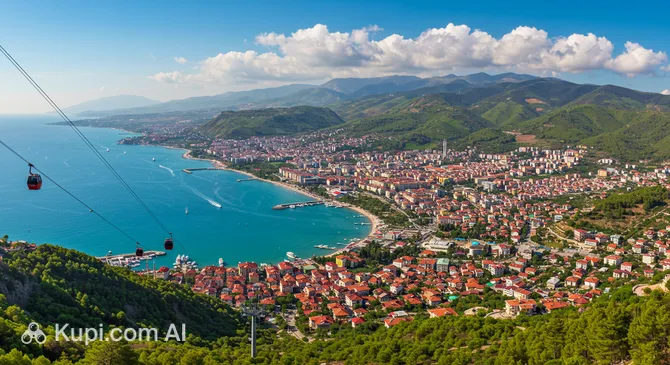
Ordu. Source: Kupi.Binoculars

Located in the northern part of Turkey, Ordu serves as a vital gateway to the eastern Black Sea region. The city is characterized by a mild, humid climate that sustains the emerald forests covering the surrounding hillsides. With a population of approximately 230,000 people, it strikes a balance between a lively provincial center and a peaceful retreat, allowing visitors to enjoy modern amenities without the overwhelming crowds of larger metropolises.

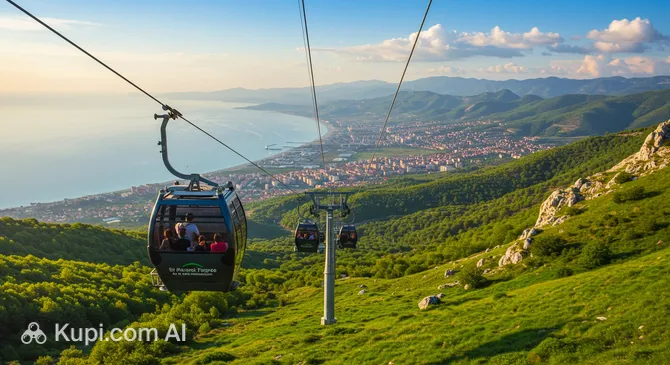
Cultural enthusiasts will find the history of Ordu deeply engaging, with roots that stretch back to antiquity when the settlement was known as Cotyora. Today, the city seamlessly blends this heritage with modern attractions. A "must-do" for any visitor is the cable car ride to Boztepe, a hill rising steeply behind the city. From the top, you can enjoy breathtaking panoramic views of the coastline and the city sprawl, especially enchanting at sunset.

Ordu is also globally renowned as a "hazelnut capital," producing a significant portion of the world's supply, which shapes much of the local economy and cuisine. Whether you are strolling along the lengthy, beautifully landscaped seaside promenade or visiting the historic Paşaoğlu Mansion and Ethnography Museum, the city offers a warm welcome. It is an ideal stop for those wishing to experience the authentic hospitality and stunning nature of the Black Sea.
Weather Overview

The climate in this region is generally mild and humid, typical of the Black Sea coast, ensuring the surrounding landscapes remain lush and green throughout the year. Travelers can expect a temperate atmosphere without the scorching heat often found in southern Turkey or the biting frost of the eastern highlands. For a more comprehensive breakdown of seasonal trends and forecasts, you can check the weather in Ordu to help plan your daily activities.

Summers are comfortably warm and pleasant, making them an ideal time for exploration. August is typically the warmest month, with average temperatures around 21.5°C and daily highs reaching approximately 24.4°C. Winters are cool but rarely freezing; January and February see average temperatures drop to roughly 6°C, with nighttime lows hovering around 2.6°C.

One distinct feature of the local weather is the consistency of rainfall. Expect warm summers with occasional rain and cool, damp winters. The city experiences a significant number of wet days year-round, ranging from 12 to 18 days per month depending on the season. It is always a wise idea to pack a raincoat or an umbrella, as showers can occur frequently, contributing to the region's famous emerald scenery.

Interesting Facts

Beyond the scenic coastline and lush plateaus, Ordu holds several fascinating secrets and historical depths that often surprise visitors. From engineering marvels on the water to ancient legends that shaped Greek mythology, the city offers much more than meets the eye.

  • Ordu is home to a remarkable feat of modern engineering: the Ordu-Giresun Airport. It is the first airport in Europe, and only the second in the world, to be built entirely on a man-made island reclaimed from the sea.

  • The city's history is intertwined with one of the most famous tales in mythology. Cape Jason (Yason Burnu) is believed to be the site where Jason and the Argonauts landed during their legendary quest for the Golden Fleece, and an old church still stands on the cape today.

  • The Boztepe Cable Car is not just a mode of transport but a gateway to extreme sports; the summit is a renowned launch site for paragliders who glide over the city and land directly on the beach in the city center.

  • The historic Taşbaşı Church has a varied past that reflects the region's changes. Built in the 19th century by Greek Orthodox Christians, the building served as a prison for a period in the 20th century before being transformed into a cultural center.

Boztepe Cable Car. Source: Kupi.Binoculars

How to Get There

Reaching this charming Black Sea city has become significantly easier in recent years, thanks to modern infrastructure developments. While the region is famous for its winding coastal roads, air travel is now the most convenient option for most visitors. For a complete overview of transportation schedules and routes, you can read more about how to get to Ordu on our detailed page.

The primary gateway is the Ordu Giresun Airport (OGU), a unique engineering marvel built on an artificial island off the coast. Located just 17 km from the city center, it serves as the main hub for travelers. The journey from the airport to downtown Ordu takes approximately 30 minutes by taxi or shuttle bus. This airport handles a significant volume of domestic flights and seasonal international connections, making it the most direct and scenic entry point.

Alternatively, travelers can fly into neighboring cities if direct flights to Ordu are unavailable. The Samsun-Çarşamba Airport (SZF) is located in the city of Samsun, about 115 km west of Ordu. The transfer from there typically takes around 2 hours by road. Another option is the Trabzon Airport (TZX) in Trabzon, situated roughly 160 km to the east. As a major regional hub with high passenger traffic, it offers frequent connections, though the drive to Ordu will take approximately 2.5 to 3 hours.

For clarity, here is a summary of the main airports serving the region:

Airport Name City Passenger Traffic Km from City
Trabzon Airport Trabzon Large 160.7
Samsun-Çarşamba Airport Samsun Medium 115.2
Ordu Giresun Airport Ordu Medium 17.0
Sivas Airport Sivas Small 154.3
Tokat Tokat Small 148.3

Since the rugged terrain of the Black Sea coast has historically limited railway expansion, there are no direct train services to Ordu. However, the city is extremely well-connected by road. Turkey's extensive network of intercity buses provides comfortable and affordable access from major cities like Istanbul and Ankara, offering a scenic drive along the coast that many travelers find to be a highlight of their trip.

Main Attractions

Visitors to the city will find a captivating mix of historical depth and modern charm, ranging from elegant Ottoman architecture to quirky contemporary sites. Whether you are interested in exploring the region's cultural heritage or simply looking for a fun photo opportunity, Ordu has several highlights to offer.

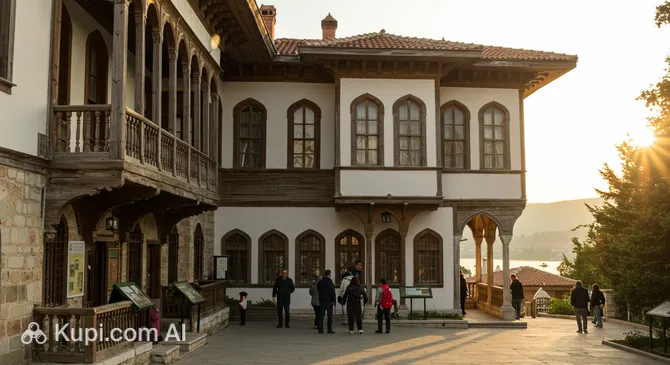
One of the finest examples of local history is the Pasaoglu Mansion and Ethnography Museum. Housed in a splendid 19th-century building that showcases classic Ottoman architectural styles, the museum transports guests back in time. Inside, you can wander through rooms adorned with period furniture, traditional clothing, and household items, providing a vivid window into the daily life and customs of the region's past inhabitants.

Pasaoglu Mansion and Ethnography Museum. Source: Kupi.Binoculars

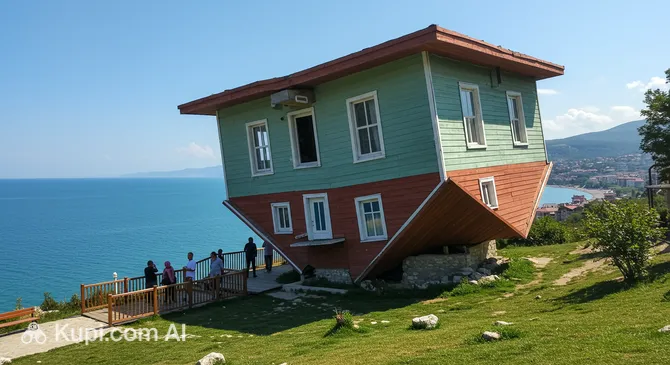
For a completely different experience, the Ordu Upside Down House attracts travelers looking for a bit of whimsy. This unique structure is built entirely inverted, with furniture hanging from the ceiling and the floor above your head. It is an entertaining stop, particularly popular with families and social media enthusiasts who enjoy capturing the gravity-defying optical illusions inside.

Ordu Upside Down House. Source: Kupi.Binoculars

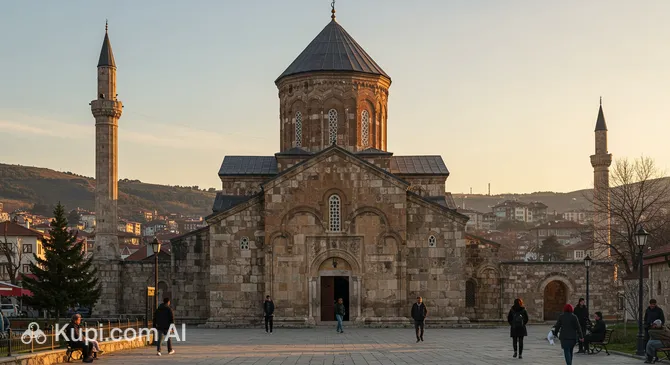
A significant landmark standing near the coast is the Taşbaşı Church. Originally built by the Greek Orthodox community in the 1800s, this historic stone building has weathered the centuries and served various roles, including a period as a prison. Today, it stands as a cultural center and a symbol of the city's diverse heritage, offering visitors impressive architecture and sweeping views of the sea from its grounds.

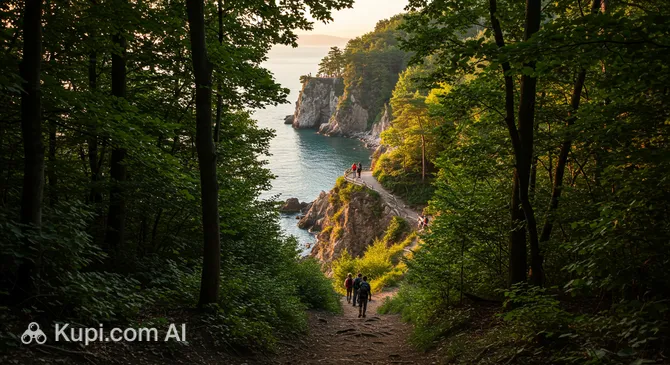
Those seeking a quiet retreat into nature should visit the Memorial Woods National Park. This lush, green area highlights the rich flora of the Black Sea region and offers a serene atmosphere for walking and reflection. It is an excellent spot to escape the urban bustle and breathe in the fresh, oxygen-rich air that the province is famous for.

Local Cuisine

The culinary scene in Ordu is a delightful reflection of its geography, blending the bounty of the Black Sea with the agricultural richness of the surrounding mountains. Unlike the spicy, meat-heavy cuisines found in southern Turkey, the local diet here heavily favors fresh vegetables, corn flour, and seafood. As the "hazelnut capital" of the world, you will also find this nut integrated into various sweets and snacks, defining the region's distinct flavor profile.

When exploring local menus, you cannot miss dishes made from black cabbage, locally known as pancar or kara lahana. It is the star ingredient in the famous black cabbage soup and stuffed cabbage rolls, which are staples in nearly every household. Another regional favorite is turşu kavurması, a unique dish where pickled green beans or other vegetables are roasted with onions, offering a tangy and savory flavor that pairs perfectly with warm corn bread.

For seafood lovers, the anchovy, or hamsi, is practically a way of life during the winter season. It is prepared in countless ways, from simple frying to being baked in rice pilaf. If you are looking for a quick and iconic street food bite, try the Ordu Toast. Unlike standard toasted sandwiches, this local version uses a special large bread and a generous filling of spicy sujuk (Turkish sausage), pressed until perfectly crisp.

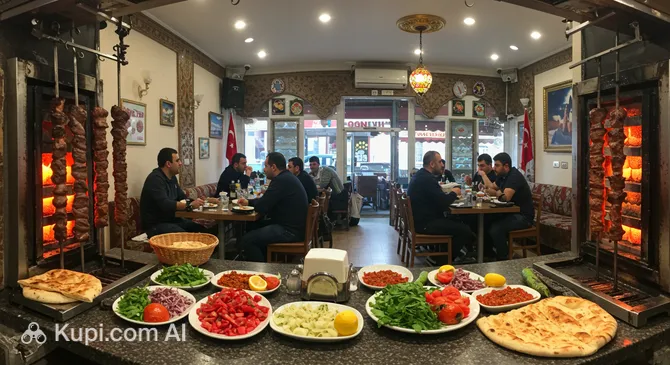
While the region is famous for its vegetation and fish, meat enthusiasts also have excellent options. For a hearty meal, you might visit Kok Cag Kebab Ordu, a popular spot to enjoy rich, flavorful kebabs. Dining here offers a savory break from the seafood-centric diet and showcases the diversity of Turkish culinary traditions available in the city.

Kok Cag Kebab Ordu. Source: Kupi.Binoculars

No meal in Ordu is complete without tea. The tea culture here is vibrant, with locals spending hours sipping hot glasses of fresh brew in tea gardens along the coast or up on the hills. For a stronger drink, the traditional anise-flavored spirit rakı is the standard accompaniment to a fish dinner, usually enjoyed at the lively restaurants overlooking the sea, where the sound of waves complements the meal.

Travel Tips

Welcome to Ordu! To make the most of your visit to this emerald city on the Black Sea coast, we have compiled some essential practical advice. These tips will help you navigate the local culture and logistics with ease, ensuring a stress-free and memorable experience.

  1. Clothing and Gear: Given the region's humid and changeable climate, it is wise to pack layers and a sturdy umbrella or waterproof jacket, as rain showers can occur frequently throughout the year. Comfortable walking shoes are essential for strolling along the seaside promenade or hiking in the nearby plateaus, and if you plan to visit religious sites, remember to dress modestly by covering your shoulders and knees.
  2. Transportation: The city center is quite walkable, but for longer distances, the local dolmuş (shared minibuses) offer a convenient and budget-friendly way to get around. Taxis are widely available at designated stands, though ride-hailing apps are not as prevalent here as in larger Turkish cities; if you wish to explore the scenic mountains and waterfalls outside the city, renting a car is highly recommended.
  3. Finances: The local currency is the Turkish Lira (TRY), and while credit cards are accepted in most hotels and larger restaurants, carrying cash is necessary for small shops, street food vendors, and public transport. ATMs are plentiful in the city center, and it is customary to leave a small tip (around 5-10%) in restaurants if you are happy with the service.
  4. Health and Safety: Ordu is generally a very safe and peaceful destination for tourists, but it is always good practice to keep an eye on your belongings in crowded areas. Pharmacies are known as Eczane; if you require medication after hours or on Sundays, look for a "Nöbetçi Eczane" (on-duty pharmacy), the location of which is usually posted in the window of any closed pharmacy.
  5. Communication: While hospitality is universal here, English is not widely spoken outside of major hotels and tourist attractions. Downloading an offline translation app can be very helpful, and locals will appreciate it if you use basic Turkish greetings like Merhaba (Hello) or Kolay gelsin (May it be easy for you); local SIM cards are easily purchasable at the airport or mobile shops downtown.
  6. Local Etiquette: The people of the Black Sea region are renowned for their warmth, so do not be surprised if a shopkeeper offers you a glass of tea. It is polite to accept this gesture of friendship, and remember to always remove your shoes before entering a private home or a mosque as a sign of respect.
  7. What to Avoid: Avoid wearing beachwear or overly revealing clothing when walking around the city center, as the local culture tends to be somewhat conservative. It is also best to avoid refusing hospitality too bluntly, as offering food or tea is a significant part of the local social fabric and refusal can sometimes be seen as impolite.
  8. Hazelnut Shopping: Since you are in the "hazelnut capital" of the world, take advantage of the opportunity to buy high-quality local products. Visit local markets or specialty shops to purchase fresh roasted hazelnuts, hazelnut paste, or chocolate-covered treats, which are fresher and more affordable here than almost anywhere else.

With these practical tips in hand, you are fully prepared to immerse yourself in the unique charm of Ordu. Enjoy the stunning views from Boztepe, savor the fresh flavors of the Black Sea, and embrace the genuine hospitality that makes this city a true highlight of northern Turkey.

Entertainment & Nightlife

Entertainment in Ordu is defined by a relaxed, social atmosphere rather than a high-energy clubbing scene. As the sun sets, the city shifts its focus to the waterfront, where the rhythm of the waves sets the tempo for the evening. The nightlife here is centered around socializing, dining, and enjoying the fresh sea breeze, making it perfect for travelers who appreciate a laid-back yet lively environment.

The heartbeat of the city's evening activity is the long seaside promenade, locally known as the Sahil. This area is bustling until late at night, filled with families, couples, and groups of friends strolling along the coast. Here, you will find numerous tea gardens, cafes, and restaurants offering live traditional music. Another key district is Fidangör Street (Sırrı Paşa Street), a vibrant pedestrian zone lined with shops and cafes that stays active well into the evening, offering a perfect setting for a night walk and people-watching.

For a truly memorable evening experience, take a ride on the Boztepe Cable Car. While popular during the day, the journey becomes magical at sunset and into the night. The facilities at the top often remain open late, allowing visitors to sip tea or enjoy dinner while gazing down at the glittering city lights reflecting off the Black Sea. It offers a serene alternative to noisy bars and provides the best vantage point in the province.

Dining is a major part of the night entertainment here. While there are specific bars and pubs, particularly near the harbor and in major hotels, the local culture heavily favors long, leisurely dinners. "Meyhanes" (traditional taverns) are popular for enjoying fresh fish and rakı accompanied by conversation and music. For those seeking a hearty meat feast before starting their night out, Kok Cag Kebab Ordu is a local favorite that promises a satisfying culinary foundation for the evening.

During the daylight hours, the city offers a variety of cultural and recreational activities. History enthusiasts can explore the Taşbaşı Church, a historic venue that occasionally hosts art exhibitions and cultural events. Museums and nature parks provide ample entertainment for families, while the city's theaters offer a glimpse into the local performing arts scene.

Taşbaşı Church. Source: Kupi.Binoculars

Practical Nightlife Tips: Ordu is a very safe city for night walks, even for solo travelers. The dress code is generally smart-casual; while it is a modern city, it is respectful to avoid overly revealing beachwear in the city center during the evening. Most venues close around midnight or 1:00 AM, though some hotel bars may stay open later. Taxis are readily available at designated stands or can be called by restaurants, ensuring a safe and easy return to your accommodation.

Parks & Museums

Ordu is a city where history breathes through 19th-century architecture and nature thrives in lush, protected areas. For travelers who enjoy exploring cultural heritage or escaping into the tranquility of the forest, the city offers a diverse selection of museums and parks that reflect the unique character of the Black Sea region.

The crown jewel of the city's cultural scene is the Pasaoglu Mansion and Ethnography Museum. Housed in a beautifully preserved three-story stone building, this museum offers a vivid window into the opulent lifestyle of the late Ottoman era. Visitors can walk through rooms adorned with original period furniture, examine traditional costumes, and view a collection of weapons and jewelry that tell the story of the region's social history.

Another significant cultural venue is the Taşbaşı Church. While it stands as a historical monument in its own right, this former Greek Orthodox church now functions as a dynamic cultural center. Its high ceilings and stone architecture provide an atmospheric backdrop for art exhibitions and local events, making it a key stop for those interested in the intersection of history and modern art.

For a more whimsical museum experience, the Ordu Upside Down House offers a fun diversion. This playful attraction challenges your perception of gravity with its inverted interior, providing a lighthearted break from traditional sightseeing and a perfect opportunity for unique vacation photos.

Nature enthusiasts will find their haven at the Memorial Woods National Park. This expansive green space is dedicated to preserving the rich flora of the region. It serves as a peaceful retreat where visitors can enjoy walking trails surrounded by dense trees, offering a breath of fresh air just a short distance from the urban center.

Memorial Woods National Park. Source: Kupi.Binoculars

Finally, no tour of the city's green spaces is complete without mentioning the summit reached by the Boztepe Cable Car. While the ride itself is an attraction, the hilltop area functions as a scenic park in the sky. It features pine-shaded walkways and picnic spots where you can relax while taking in the sweeping panoramic views of the coastline and the city below.

Getting Around

The public transport system in Ordu is straightforward and reliable, relying primarily on a network of municipal buses and privately operated minibuses known as dolmuş. Since the city does not have a metro or tram system, these road-based vehicles are the main way to get around. The dolmuş is a local favorite for short distances; these minibuses follow specific fixed routes and are easily identifiable by the destination signs displayed in their front windows. They offer a flexible and frequent service, often stopping anywhere along the route to pick up or drop off passengers.

A unique and scenic component of the city's transport network is the aerial cable car, or teleferik. While it is a major attraction for its panoramic views, it also serves a practical purpose by connecting the waterfront city center directly to the Boztepe district on the hill. This allows travelers and locals to bypass the winding mountain roads and reach the upper neighborhoods in just a few minutes, making it both a fun experience and an efficient mode of travel.

For fare payment on municipal buses, the city utilizes an electronic smart card system called the Ordum Kart. Visitors can purchase and top up these cards at designated kiosks, authorized dealers, and card filling centers located near major bus stops and the city center. While the smart card is essential for municipal lines, many private dolmuş drivers still accept cash. It is highly recommended to carry some small change (coins and small notes) if you plan to use the minibuses frequently.

If you prefer a more private or direct option, yellow taxis are plentiful and operate 24 hours a day. You can easily find them at designated taxi stands near the pier, bus terminal, and main squares, or hail one from the street. Taxis run on a taximeter system, which is reliable and generally affordable for short trips within the urban area. Additionally, the city center is quite compact and flat, especially along the coastline, making walking a pleasant and viable alternative for exploring the main sights.

Public transportation typically operates from early morning, around 06:00, until midnight, though frequencies may decrease later in the evening. When boarding a municipal bus, you simply tap your Ordum Kart on the reader next to the driver. For cash-based dolmuş rides, it is customary to hand the fare to the driver immediately after boarding. If you are seated far back, you can pass your money forward through other passengers, a common and polite local practice.

Accommodation

Accommodation in Ordu caters to a variety of preferences, ranging from modern city hotels to charming boutique guesthouses. Unlike the massive all-inclusive resort complexes found on Turkey's Mediterranean coast, the lodging scene here is more intimate and integrated into the local urban fabric. Visitors can expect a good selection of mid-range hotels, comfortable apartments for rent, and budget-friendly pensions, most of which offer warm hospitality and easy access to nature.

For most travelers, the most convenient area to stay is the city center, particularly near the seaside promenade (Sahil). Staying here places you within walking distance of the main museums, the cable car station, and a wide array of restaurants and cafes. This location allows for a relaxing evening stroll by the sea after a day of sightseeing. Alternatively, those seeking panoramic views and a quieter atmosphere might look for accommodation on the slopes leading up to Boztepe, where some facilities offer breathtaking vistas of the city and the Black Sea below.

Beyond the immediate city limits, the province is famous for its lush highlands, known as "yaylas." For nature lovers willing to travel a bit further, there are increasing options for staying in wooden bungalows or eco-lodges nestled in the mountains. These spots provide a serene escape surrounded by pine forests and fresh air, perfect for those looking to disconnect from urban life.

In terms of pricing, Ordu is generally more affordable than major tourist hubs like Istanbul or Antalya. The majority of accommodation falls into the budget to mid-range category. However, during the peak summer months—especially July and August—demand increases significantly due to both domestic and international tourism. It is highly recommended to book your stay in advance during this season to secure the best rates and availability. While major booking platforms work well for city hotels, some smaller, family-run guesthouses may also be bookable upon arrival or via direct contact.

Nearby Cities

For those looking to explore the surroundings, Ordu serves as an excellent base for day trips to several interesting nearby locations:

One of the most prominent neighbors is Giresun, located just a short drive to the east. Famous for its hazelnuts and cherries, the city features a historic castle with panoramic views and is the gateway to the only inhabited island in the Black Sea region. Heading west, travelers will find Fatsa, a coastal town known for the picturesque Bolaman Castle and its scenic seaside road. Further along the coast lies Unye, a popular summer destination celebrated for its long sandy beaches and an ancient fortress carved into a sheer rock face.

City Population Distance (km)
Çarşamba 138840 100
Giresun 135920 44
Unye 126702 52
Fatsa 116154 32
Bulancak 66736 30

These nearby destinations offer a glimpse into the diverse culture and landscapes of the region.

Shopping & Souvenirs

Shopping in Ordu offers a delightful mix of traditional Black Sea charm and modern retail convenience. While it may not boast the massive commercial scale of Turkey's largest metropolises, the city provides a genuine experience where visitors can explore lively pedestrian streets, browse local markets, and visit contemporary shopping centers. The shopping scene here is intimately tied to the region's agricultural identity, making it one of the best places in the world to purchase high-quality hazelnut products directly from the source.

The heart of the city's retail life beats along Sırrı Paşa Street, affectionately known by locals as Fidangör. This vibrant pedestrian avenue is the social and commercial hub of Ordu, lined with a variety of clothing boutiques, shoe stores, and technology shops interspersed with inviting cafes. Strolling down Fidangör is a favorite pastime for residents, and in the evenings, the street becomes a lively promenade where shopping blends seamlessly with socializing. It is the perfect place to find both international brands and local fashion retailers.

For those who prefer a more structured shopping environment, Novada Ordu serves as the city's primary shopping mall. Conveniently located and easily accessible, this modern complex houses a wide selection of well-known Turkish and international brands, a food court, and entertainment facilities. It provides a comfortable, climate-controlled space for families to shop for apparel, electronics, and home goods, offering a familiar retail experience for international travelers.

To truly understand the local culture, a visit to the traditional open-air markets is essential. The city hosts weekly bazaars where farmers from the surrounding villages bring their fresh produce. Here, you can find organic fruits, vegetables, and regional cheeses. These markets are not just places to buy food; they are colorful, sensory experiences where you can see the abundance of the Black Sea's fertile soil, from vibrant corn flour to bundles of fresh kale.

When it comes to souvenirs, the undisputed king of Ordu is the hazelnut. As the global capital of hazelnut production, the city offers this nut in every conceivable form. Visitors should look for roasted hazelnuts, rich hazelnut paste, and chocolate-covered varieties, which are significantly fresher and more affordable here than elsewhere. Other popular edible souvenirs include pestil (dried fruit pulp) and köme (walnut sausage), as well as natural honey produced in the high plateaus.

Store hours in Ordu generally follow standard Turkish practices. Shopping malls typically operate from 10:00 AM to 10:00 PM, seven days a week. Street shops and boutiques usually open around 9:00 AM and close by 8:00 PM or 9:00 PM, though in the summer months, many stay open later to accommodate the evening crowds. Credit and debit cards are widely accepted in malls and established stores, but it is advisable to carry cash (Turkish Lira) when shopping at local markets or smaller souvenir stands.

Tourists residing outside of Turkey may be eligible for tax-free shopping on certain purchases. Look for the "Tax Free" signage in store windows, particularly in larger brand-name shops within the shopping mall or on the main high street. If you make a qualifying purchase, be sure to ask for the necessary paperwork to claim your VAT refund at the customs office upon your departure from the country.

Reached the end of the page?

That means the route is fully explored