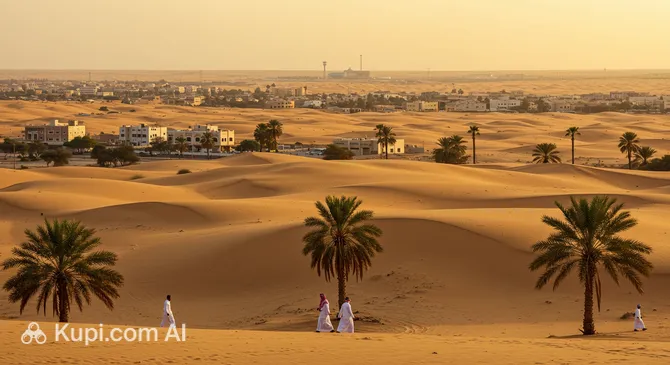
Shopping in Qaisumah offers a distinct departure from the glitzy, high-end retail experiences found in Saudi Arabia's major metropolitan hubs. Instead of sprawling luxury complexes, the city provides a functional and authentic shopping environment that caters primarily to the needs of the local community and the Bedouin population. Visitors will find that the retail scene here is deeply connected to the desert lifestyle, making it an excellent place to find practical outdoor gear, traditional goods, and local produce rather than international fashion brands.
The main commercial activity is concentrated along King Abdulaziz Road. This arterial street serves as the city's open-air shopping district, lined with a variety of small independent shops, grocery stores, pharmacies, and local boutiques. It is the most convenient place to pick up daily necessities, snacks for the road, or simple clothing. In the evenings, the street becomes lively as locals visit the shops and cafes, offering a pleasant atmosphere for a casual walk and window shopping.
For those seeking a modern shopping mall experience with international franchises, food courts, and entertainment zones, the best option is to take the short 15-minute drive to the neighboring city of Hafar al-Batin. While Qaisumah has smaller commercial centers for basic needs, Hafar al-Batin hosts larger complexes like Al Makan Mall and Hafr Al Batin Mall, where tourists can find familiar global brands and a wider selection of fashion and electronics.
The true highlight of shopping in Qaisumah is the Traditional Souq (Market). This area is a treasure trove for those interested in local culture. Unlike polished tourist markets, this is a working souq where Bedouins from the surrounding plains come to trade. It is particularly famous for its high-quality camping and desert equipment (known as Kashta gear). Here, you can find heavy-duty tents, traditional rugs, firewood, and specialized cooking utensils designed for open-fire meals, all of which are authentic and durable.
When it comes to souvenirs, the best items to bring back are those that reflect the region's heritage. Dates and aromatic Arabic coffee blends are popular and widely available. If you are visiting during the spring season, look for desert truffles (fagaa), a highly enticing local delicacy harvested from the wild. Additionally, traditional Sadou textiles—hand-woven fabrics featuring geometric patterns used in Bedouin tents—make for beautiful and culturally significant keepsakes.
Store opening hours generally follow the traditional split shift common across the Kingdom. Shops typically open from around 9:00 AM to 12:00 PM, close for the afternoon rest, and reopen from 4:00 PM until 11:00 PM or midnight. It is important to remember that all businesses close briefly for prayer times (Salah), so visitors should plan their shopping trips around these intervals. regarding payment, while supermarkets and larger stores on the main road accept credit cards and digital payments, cash is still the preferred method in the traditional souqs and smaller independent shops.
Regarding Tax-Free shopping, Saudi Arabia implements a 15% VAT on goods. While there is a tourist VAT refund scheme available for purchases made at participating retailers (often identified by "Tax Free" signage), these are mostly found in major international malls in larger cities. It is unlikely that the traditional markets and small shops in Qaisumah participate in this digital refund system, so tourists should not expect to claim tax back on local market purchases.