Support

Baia Mare

About

Welcome to Baia Mare, a vibrant urban center serving as the gateway to the historic region of Maramureș in northwestern Romania. Nestled at the foot of the majestic Gutâi Mountains, this city combines modern energy with picturesque natural surroundings. With a population of approximately 124,000 inhabitants, it offers a lively atmosphere while remaining close to the serene landscapes of the Carpathians, making it a strategic starting point for exploring the northern part of the country.

The city has a rich past deeply rooted in the mining industry, which shaped its development and wealth for centuries. You can delve deeper into the fascinating history of Baia Mare to understand how gold and silver extraction influenced its culture, architecture, and local identity. Today, the city has transformed into a cultural hub, celebrated for its unique traditions and the famous Chestnut Festival held every autumn.
Baia Mare. Source: Kupi.Binoculars

Visitors are often drawn to the iconic Stephen's Tower (Turnul Ștefan), a medieval landmark standing over 40 meters tall that offers panoramic views of the old town square. Another must-see is the Museum of Mineralogy, which houses an impressive collection of rare "mine flowers" unique to this region. For those interested in traditional folk architecture, the open-air Village Museum showcases the charm of wooden Maramureș homesteads right within the city limits.

Whether you are planning to explore the legendary wooden churches of the surrounding county or simply want to enjoy a city with a distinct character and welcoming locals, Baia Mare is an excellent destination. Its blend of history, nature, and hospitality makes it a perfect stop on your travel itinerary.
Weather Overview

The climate in Baia Mare is characterized by distinct seasonal changes, offering travelers a mix of cold winters and pleasantly warm summers. January is typically the coldest month with an average temperature of -1.1°C, while the weather heats up significantly by mid-year, peaking in August with average daily highs of 26.1°C.

Precipitation is a regular occurrence throughout the year, with late spring and early summer being particularly damp; May and June both average around 17 wet days. To help you pack the right gear for your trip, it is useful to consult the current weather in Baia Mare. Expect warm summers with occasional rain and cold winters where temperatures often drop below freezing, making layers essential for cooler months.

Interesting Facts

Beyond the main attractions, Baia Mare holds many fascinating secrets that reveal its deep connection to nature, art, and history. Here are a few intriguing details about this historic capital of Maramureș that might surprise you.
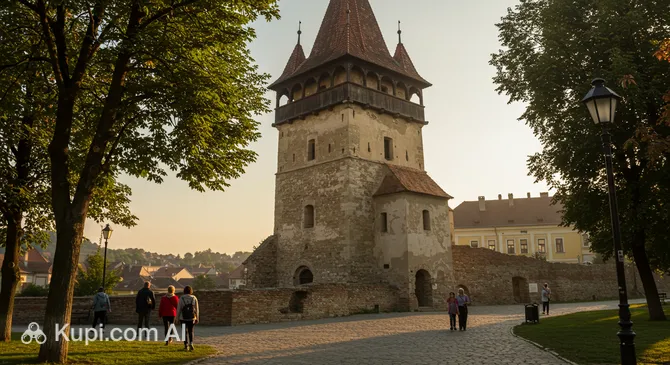
Stephen's Tower. Source: Kupi.Binoculars
  • The city's name literally translates to "The Big Mine" ("Baia" means mine, and "Mare" means big). This moniker reflects its medieval status as a major center for gold and silver extraction, an industry that shaped the region's economy for centuries.

  • Baia Mare was once home to a prestigious artistic movement known as the Baia Mare School of Painting. Established in 1896, this artist colony became one of the most important in Central Europe, drawing painters from across the continent to capture the unique landscapes and light of the area.

  • The city is surrounded by extensive forests of sweet chestnut trees, which are celebrated annually during the Chestnut Festival. Interestingly, this reserve is considered the northernmost compact area for edible chestnuts in Europe, thriving here due to a specific Mediterranean-like microclimate.

  • Stephen's Tower is the only surviving structure of the former Saint Stephen Church. While the main church building was destroyed by lightning and fires centuries ago, the tower has resiliently withstood repeated strikes and remains the city's most iconic symbol.

  • The Museum of Mineralogy houses a collection of what locals call "mine flowers." These are rare and aesthetically stunning mineral formations found underground, and the museum holds the largest regional collection of such specimens in Europe.

How to Get There

Reaching this northern Romanian destination is relatively straightforward, with options ranging from direct flights to road connections from major regional hubs. Whether you prefer landing right at the city's doorstep or enjoying a scenic drive through Transylvania, you can find more about how to get to Baia Mare and choose the route that best suits your itinerary.

The most convenient entry point is the local Baia Mare International Airport (IATA: BAY), located just 8.6 km from the city center. While it is a smaller regional hub, it offers direct access to the area, saving you significant travel time. A taxi or bus ride from the terminal to the downtown area typically takes about 15 to 20 minutes. For a wider range of international flight connections, many visitors opt for Avram Iancu Cluj International Airport (IATA: CLJ) in Cluj-Napoca. Situated approximately 97 km away, this is a much larger airport with extensive traffic. The journey from Cluj-Napoca to Baia Mare by road usually takes around 2 to 2.5 hours, offering a beautiful introduction to the region's landscapes.

For clarity, here is a summary of the main airports:

Airport Name City Passenger Traffic Km from City
Avram Iancu Cluj International AirportCluj-NapocaLarge97.2
TransilvaniaTargu MuresMedium146.4
Oradea AirportOradeaMedium145.2
Baia MareBaia MareSmall8.6
Satu Mare International AirportSatu MareSmall52.8

Regarding rail travel, the city is connected to the national network, though travelers often look at major stations in the wider geographical region for connections. According to available data, one of the closest significant rail hubs outside the immediate vicinity is Drohobych Railway Station in the city of Drohobych, located approximately 188.5 km from Baia Mare. Another option further afield is Roman Railway Station in Roman, situated about 264.7 km away. Due to these distances, transferring to a bus or renting a car would be necessary to complete the journey to Baia Mare.

Below is a list of railway stations in the broader region:

Station City Passenger Traffic Km to Center
Roman Railway StationRomanMedium264.7
Târgu Frumos Railway StationTargu FrumosMedium264.1
Bacău Railway StationBacau278.9
Drohobych Railway StationDrohobych188.5

Main Attractions

Attractions:

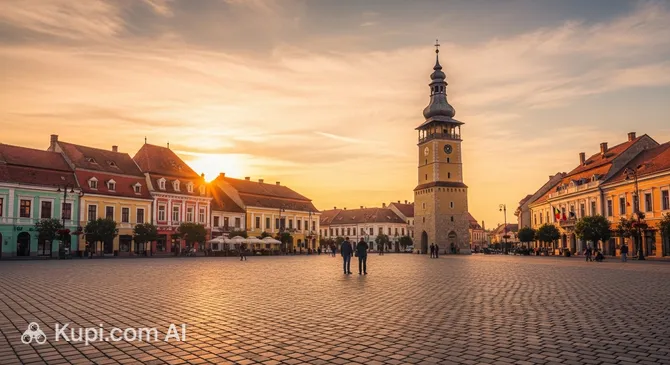
Exploring this captivating city reveals a blend of medieval history and rich cultural traditions. The center of life here is the Old Town (Centrul Vechi) Baia Mare, a beautifully restored square that dates back to the city's medieval origins. Surrounded by historic buildings with charming architecture, this area is the perfect spot for a leisurely stroll. It hosts numerous cafes and restaurants where visitors can soak in the atmosphere, and it serves as the main venue for public events and the city's vibrant festivals.

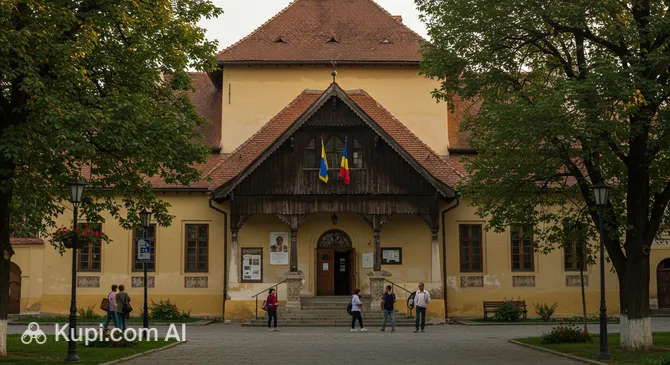
Old Town (Centrul Vechi) Baia Mare. Source: Kupi.Binoculars

For those eager to understand the deep roots of the Maramureș region, the County Museum of Ethnography and Folk Art is an essential stop. This institution offers a fascinating window into the rural life of the area, displaying traditional costumes, wooden tools, and ceramics. The museum complex also includes an open-air section known as the Village Museum, where you can walk among authentic wooden houses and churches transported from various parts of the county, preserving the architectural heritage of the region.

County Museum of Ethnography and Folk Art. Source: Kupi.Binoculars

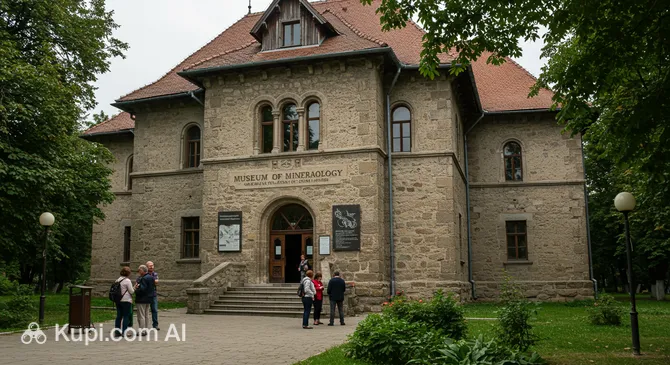
A truly unique highlight is the Museum of Mineralogy, often cited as one of the most important of its kind in Europe. The collection is renowned for its "mine flowers"—spectacular mineral formations that were extracted from the local mines. With over 1,000 exhibits on display, the museum showcases the geological wealth that drove the city's economy for centuries, presenting dazzling crystals and rare ores that fascinate visitors of all ages.

If you are looking for a peaceful escape within the city, Queen Marie Municipal Park offers a lush, green sanctuary. It is a favorite among locals for jogging, walking, or simply relaxing by the trees. The park features well-maintained paths and monuments, making it a lovely place to unwind after a day of sightseeing and to enjoy the fresh air at the foot of the mountains.

Local Cuisine

The culinary landscape of Baia Mare is a delightful reflection of the broader Maramureș region, known for its hearty, rustic flavors and generous portions. Traditional cooking here relies heavily on locally sourced, organic ingredients, with a strong emphasis on meat, dairy, and seasonal vegetables. A staple at any table is mămăligă (polenta), often served hot with salty fermented cheese and sour cream, or paired with a rich stew known as tochitură.

Visitors should not miss the chance to try sarmale, cabbage rolls stuffed with minced meat and rice, which are slow-cooked to perfection. Due to the city's diverse cultural history, you will also find influences from Hungarian cuisine, such as savory goulash. For those with a sweet tooth, the region is famous for cozonac (sweet bread with walnut or poppy seed filling) and various fruit-filled pastries that are perfect for breakfast or a midday treat.

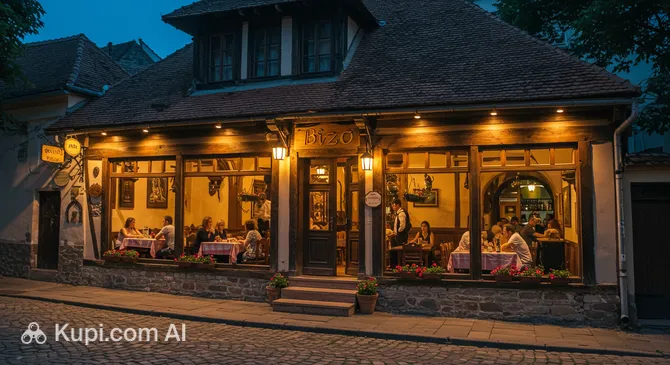
Bizo. Source: Kupi.Binoculars

For a quick and authentic local experience, Bizo is a household name in the city. This popular spot serves a wide variety of fresh sandwiches, pastries, and daily menus, making it a favorite among residents for a satisfying and affordable meal. It is an excellent place to grab a snack on the go while exploring the city streets.

No culinary journey in Baia Mare is complete without tasting the local spirit, horincă. This double-distilled plum brandy is the pride of Maramureș and is traditionally offered to guests as a gesture of hospitality. It is quite strong and is usually consumed in small quantities before a meal to stimulate the appetite. If you prefer non-alcoholic options, the locally produced elderflower juice (socată) is a refreshing choice during the warmer months.

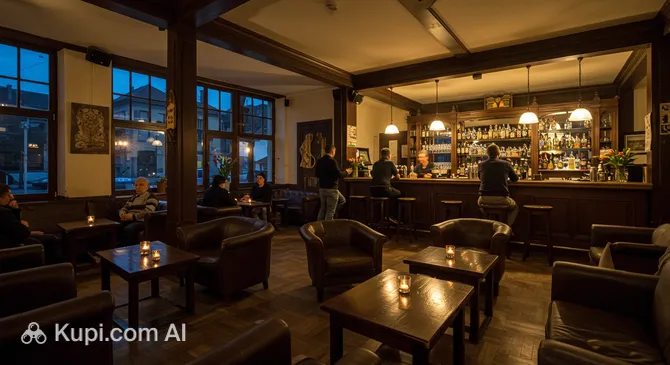
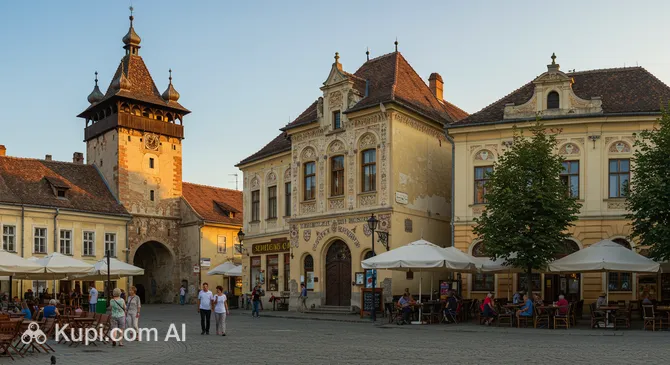
La Tour Baia Mare. Source: Kupi.Binoculars

The social hub for dining and drinking is undoubtedly the historic center. Here, you can find establishments like La Tour Baia Mare, a stylish venue located near Stephen's Tower. It offers a relaxed atmosphere where tourists and locals alike gather to enjoy coffee, cocktails, or a light meal while soaking in the medieval charm of the Old Town square.

Travel Tips

Preparing for a trip to Baia Mare is exciting, and a few practical insights can make your journey through this gateway to Maramureș in northwestern Romania even more enjoyable. Here is a curated list of essential tips to help you navigate local customs, logistics, and daily life with ease.

  1. Clothing and Gear: The climate varies significantly by season, so packing layers is essential if you visit between late autumn and early spring. Comfortable walking shoes are a must, especially for navigating the cobblestone streets of the Old Town or if you plan to hike in the nearby Gutâi Mountains. When visiting religious sites like the historic wooden churches, remember to dress modestly by covering your shoulders and knees.

  2. Transportation: Baia Mare has a reliable public transport network operated by URBIS, consisting of buses and trolleybuses that connect most neighborhoods. For greater flexibility, especially if you wish to explore the surrounding villages of Maramureș, renting a car is highly recommended. Taxis are also affordable and readily available; look for reputable companies or use ride-hailing apps if available locally.

  3. Finances: The local currency is the Romanian Leu (RON). While credit and debit cards are widely accepted in hotels, supermarkets, and restaurants in the city center, it is wise to carry cash for small purchases, local markets, or trips to the countryside. ATMs are plentiful, and tipping around 10% for good service in restaurants is customary.

  4. Health and Safety: Baia Mare is generally a safe and peaceful city for tourists. Pharmacies (marked as Farmacia) are easy to find, and some operate 24/7 for emergencies. The universal emergency number is 112. As with any travel destination, keep an eye on your belongings in crowded places, though violent crime is rare.

  5. Communication: The official language is Romanian. English is commonly spoken by the younger generation and in the hospitality sector, but learning a few basic phrases like Bună ziua (Good day) and Mulțumesc (Thank you) is greatly appreciated by locals. Pre-paid SIM cards with good data plans can be purchased easily at newsstands or mobile provider shops.

  6. Local Etiquette: Romanians are hospitable and value politeness. A handshake is a standard greeting, and it is polite to say "hello" when entering a small shop or elevator. If invited to a local's home, removing your shoes at the entrance is often expected unless your host insists otherwise.

  7. What to Avoid: Avoid exchanging money on the street; always use official exchange offices or banks to ensure a fair rate and safety. Also, try not to photograph locals, especially in rural markets or traditional villages, without asking for their permission first, as some may find it intrusive.

  8. Seasonal Insight: If you are visiting in late September or early October, you might coincide with the Chestnut Festival (Sărbătoarea Castanelor). This is the city's most significant event, celebrating the harvest of sweet chestnuts with concerts, street food, and exhibitions—a perfect time to experience local culture at its peak.

With these practical tips in hand, you are well-prepared to embrace the charm and hospitality of Baia Mare. Enjoy your adventure in this beautiful region where tradition and nature meet, ensuring a memorable and hassle-free experience.

Entertainment & Nightlife

While Baia Mare is not a sprawling metropolis, its nightlife scene is surprisingly vibrant and concentrated, offering a mix of chic cafes, lively pubs, and energetic clubs. The heart of the action beats in the Old Town (Centrul Vechi). As the sun sets, this historic square transforms from a relaxed sightseeing spot into a bustling hub where locals and visitors gather to unwind. The pedestrian-friendly area makes it easy to bar-hop and soak in the energetic atmosphere without the need for transportation between venues.

For those looking to dance the night away, the city offers several options that cater to different musical tastes. One of the most well-known spots is Tom & Jerry, a popular nightclub that draws a younger crowd with its modern beats, themed parties, and lively ambiance. It is the go-to place for experiencing the local clubbing culture, often staying open until the early hours of the morning. If you prefer a more sophisticated evening with cocktails and conversation, La Tour Baia Mare remains a top choice, transitioning seamlessly from a daytime cafe to a stylish evening bar right in the center of the old square.

Tom & Jerry. Source: Kupi.Binoculars

The atmosphere in Baia Mare's nightlife is generally casual and welcoming. There is no strict dress code for most bars, though "smart casual" is the norm for nightclubs and upscale lounges. Fridays and Saturdays are naturally the busiest nights, with venues filling up around 10:00 PM or 11:00 PM. Prices are quite reasonable compared to Western Europe or even the capital, Bucharest, allowing for an enjoyable night out without breaking the bank.

Safety is rarely a concern in Baia Mare, and the city center is well-lit and secure for night walks. However, when it is time to head back to your accommodation, it is best to take a taxi. You can find taxi ranks near the main squares, or ask a bartender to call one for you. Ride-sharing services and local taxi apps are also convenient ways to get around safely and avoid language barriers with drivers.

During the day, entertainment shifts towards leisure and relaxation. Visitors can enjoy modern amenities at the Baia Mare Shopping Mall, which offers not only a variety of international brands but also a cinema complex and food court, making it a perfect rainy-day option. For a breath of fresh air, Mara Park provides a green escape with walking paths and playgrounds, ideal for a slower-paced afternoon before the evening festivities begin.

Baia Mare Shopping Mall. Source: Kupi.Binoculars

Parks & Museums

Baia Mare is a city that seamlessly blends its industrial heritage with a deep appreciation for nature and the arts. Beyond its historic center, the city offers refreshing green spaces and cultural institutions that preserve the unique identity of the Maramureș region. Whether you are looking to relax under ancient trees or delve into the geological and artistic treasures of the area, the local parks and museums provide a perfect itinerary for a day of exploration.

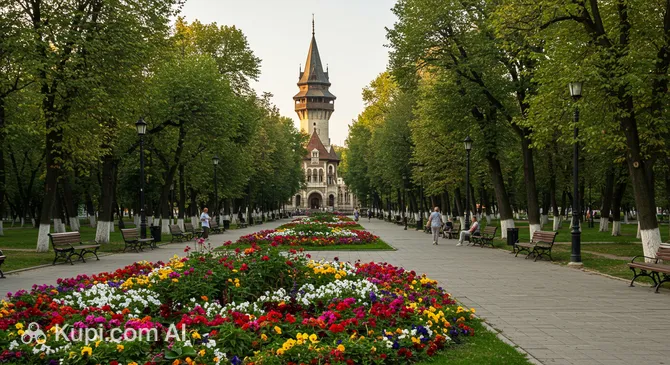
For a peaceful escape into nature without leaving the city, Queen Marie Municipal Park is the premier destination. Often referred to simply as the Municipal Park, this expansive green area is located near the edge of the city, transitioning into the forested foothills. It features wide alleys lined with century-old trees, making it a favorite spot for joggers and families. The park is also home to the Monument of the Romanian Soldier and offers a serene atmosphere for a leisurely afternoon walk.

Queen Marie Municipal Park. Source: Kupi.Binoculars

Another popular recreational area is Mara Park, situated closer to the bustling parts of the city. This park is designed with modern relaxation in mind, featuring well-maintained walking paths, playgrounds for children, and beautiful water fountains that cool the air during hot summer days. It serves as a vibrant community hub where locals gather to socialize, offering visitors a glimpse into the everyday life of the city's residents.

Culturally, the city is renowned for its connection to the earth's riches. The Museum of Mineralogy is a must-visit attraction, housing a spectacular collection of over 1,000 mineral exhibits. Known locally as the museum of "mine flowers," it displays rare and colorful geological formations extracted from the mines around Baia Mare. It is considered one of the largest regional mineralogical museums in Europe and offers a fascinating look at the natural history that drove the city's economic development.

Museum of Mineralogy. Source: Kupi.Binoculars

To understand the human side of the region's history, the County Museum of Ethnography and Folk Art provides a comprehensive overview of Maramureș traditions. The complex includes an indoor pavilion with textiles, ceramics, and tools, as well as an impressive open-air section. Here, you can wander among authentic wooden houses, barns, and technical installations transferred from various villages, preserving the architectural genius of the local woodcarvers.

While exploring these cultural landmarks, you will likely spot the imposing Stephen's Tower nearby. As the city's historical watchtower, it stands as a sentinel over the arts and culture district, linking the medieval past with the present-day creative spirit of Baia Mare.

For an authentic insider experience, try to visit the Village Museum section of the Ethnography Museum on a sunny morning. The light filtering through the wooden gates creates a magical atmosphere perfect for photography. Additionally, keep an eye out for temporary exhibitions at the local art galleries, as Baia Mare has a prestigious history as the home of a famous artist colony, and the legacy of painting continues to thrive here.

Getting Around

The public transport system in Baia Mare is operated by the local company, URBIS, and consists primarily of an extensive network of buses and trolleybuses. There is no metro or tram system in the city, but the existing surface routes cover all major neighborhoods, the historic center, and the railway station efficiently. The fleet has been modernized in recent years, offering a comfortable and reliable way to navigate the city and even reach some of the surrounding suburban areas.

For tourists, the most convenient way to pay for travel is often via SMS or mobile applications. You can purchase tickets by sending a specific code to a short number displayed inside the bus, or by using the 24pay app, which allows you to pay securely with your bank card. If you prefer physical tickets, they can be purchased at yellow kiosks or ticket counters located near major bus stops. Prices are very affordable, with a single trip costing a small amount, and day passes are available for those planning multiple journeys.

If you opt for a paper ticket, it is essential to validate it immediately upon boarding using the machines provided inside the vehicle to avoid fines. The public transport schedule typically runs from early morning, around 5:00 AM, until approximately 10:30 PM or 11:00 PM. On weekends and public holidays, the frequency of buses may be slightly reduced, so it is advisable to check the timetable at the stop or online if you are traveling during these times.

For alternatives to public transit, taxis are widely available and relatively inexpensive compared to Western standards. Official taxis are yellow and should always have a working meter; ensure the driver turns it on at the start of the ride. Ride-sharing apps like Bolt are also active in Baia Mare, offering a transparent and convenient way to book a ride without worrying about language barriers or cash payments.

Given the compact nature of the city, especially around the Old Town and Stephen's Tower, walking is often the best option for sightseeing. However, for reaching the Museum of Mineralogy or the Village Museum, which are slightly further afield, hopping on a bus or catching a cab is a practical choice.

Accommodation

Finding the perfect place to stay in Baia Mare is relatively easy, as the city offers a welcoming mix of accommodation options to suit various budgets and travel styles. Visitors can choose from modern hotels that cater to business and leisure travelers, charming guesthouses known locally as pensiuni, and an increasing number of private apartment rentals. Whether you are looking for a full-service experience or a cozy "home away from home," the local hospitality sector is well-equipped to meet your needs.

For those who want to be in the heart of the action, the most popular area to stay is near the Old Town (Centrul Vechi) Baia Mare. Booking accommodation in this district places you within walking distance of the main medieval landmarks, lively cafes, and the city's best restaurants. It is an ideal choice for first-time visitors who want to soak up the historic atmosphere right from their doorstep.

If you prefer a quieter environment, consider looking for lodging near the expansive Queen Marie Municipal Park or towards the edge of the city near the foothills. These areas offer a more tranquil setting and often feature guesthouses with gardens, providing a peaceful retreat after a day of exploring, while still being just a short taxi or bus ride away from the city center.

Prices in Baia Mare are generally very reasonable compared to Western European destinations. You can find comfortable mid-range hotels and well-equipped apartments at affordable rates. Budget travelers will find excellent value in local hostels and smaller guesthouses. Reservations can easily be made through major online booking platforms, which is the most convenient method for securing your stay.

Booking Tip: While availability is usually good throughout the year, the city gets particularly busy during the Chestnut Festival in late September or early October. If you plan to visit during this vibrant celebration, it is highly recommended to book your accommodation at least a few weeks in advance to ensure you find a place that suits your preferences.

Nearby Cities

For those looking to explore the surroundings, Baia Mare serves as an excellent base for day trips to several interesting nearby locations:

City Population Distance (km)
Satu Mare10241157
Bistrita7887789
Zalau5620266
Sighetu Marmației3764038
Dej3349761

Sighetu Marmației is one of the most culturally significant stops in the region, located just a scenic drive over the mountains. It is widely known for the Memorial to the Victims of Communism and of the Resistance, located in a former political prison, which offers a moving history lesson. Additionally, the town serves as the gateway to the famous Merry Cemetery in Săpânța, renowned for its colorful wooden crosses and humorous epitaphs.

For admirers of architecture, Satu Mare offers a delightful change of scenery. This city near the Hungarian border is celebrated for its Secessionist buildings, most notably the impressive Administrative Palace that dominates the skyline. Visitors can also climb the Firemen's Tower for a panoramic view of the city or explore the historic center, which reflects a rich blend of cultural influences.

Bistrita invites travelers to step back in time into a medieval Saxon citadel. The city center is anchored by the 14th-century Evangelical Church with its towering steeple, surrounded by well-preserved merchant houses and narrow streets. It is also a favorite destination for literature fans, as it features prominently in Bram Stoker's novel Dracula as the gateway to the Borgo Pass.

These nearby destinations offer a glimpse into the diverse culture and landscapes of the region.

Shopping & Souvenirs

Shopping in Baia Mare offers a convenient balance between modern retail experiences and the chance to discover authentic local crafts. For those looking for international fashion brands, electronics, and entertainment under one roof, the Baia Mare Shopping Mall (locally known as Vivo!) is the primary destination. Located on the outskirts of the city, it features a wide range of stores, a cinema, and a food court, making it a popular spot for both locals and visitors to spend an afternoon.

Another major commercial hub is the Baia Mare Shopping Park, which complements the city's retail offerings with large-format stores specializing in clothing, home goods, and groceries. It is an excellent place to stock up on essentials or browse for sportswear and casual fashion. These modern centers ensure that travelers have access to all the conveniences and amenities they might need during their stay.

However, the true treasure of shopping in this region lies in its traditional handicrafts. As the gateway to Maramureș, the city is the perfect place to purchase souvenirs that reflect the area's rich artistic heritage. Visitors should look for hand-carved wooden items, ranging from small decorative plates to intricate miniature gates, which are a symbol of the region. Traditional ceramics and hand-woven textiles, such as rugs and embroidered blouses (ie), are also highly sought after for their craftsmanship and beauty.

For a more atmospheric shopping experience, a stroll through the Old Town (Centrul Vechi) Baia Mare can reveal small boutiques and souvenir shops tucked away in historic buildings. Don't forget to explore the local flavors as well; a bottle of horincă (the traditional double-distilled plum brandy) or a jar of locally produced honey makes for a distinct and delicious gift to take home.

Reached the end of the page?

That means the route is fully explored