Support

Suceava

About

Welcome to Suceava, a city that effortlessly blends medieval charm with modern vibrancy. As the historical capital of the Principality of Moldavia and the current gateway to the painted monasteries of Bukovina, this city holds a special place in the heart of Romania. Visitors are often drawn to its rich cultural heritage and the welcoming atmosphere that permeates its streets.
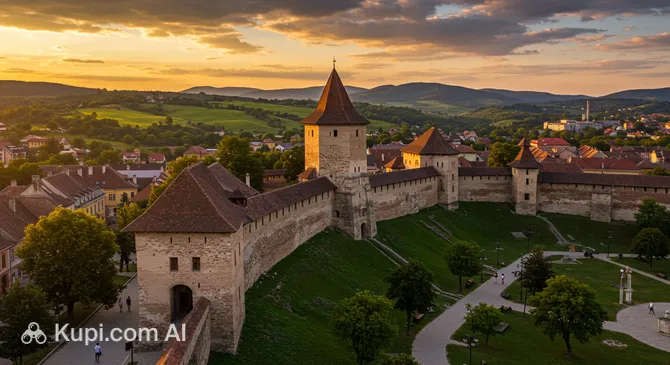
Suceava. Source: Kupi.Binoculars

Located in the northeastern part of the country, Suceava serves as the administrative center of the county with the same name. Home to a population of approximately 92,000 residents, the city sits on the Suceava Plateau, offering a picturesque setting with a temperate continental climate. Its geographical position makes it an ideal starting point for exploring the legendary region of Bukovina.

The history of Suceava is deeply intertwined with the legacy of Stephen the Great, one of the most celebrated rulers in the region. For nearly two centuries, this city served as the princely seat, a period that bequeathed it with impressive fortifications and religious monuments. Today, traces of this glorious past can be seen at every turn, inviting travelers to step back in time.

Among the city's top attractions, the Seat Fortress of Suceava (Cetatea de Scaun) stands out as a formidable medieval structure that has been beautifully restored. Another highlight is the Saint John the New Monastery, a UNESCO World Heritage site renowned for its stunning painted exterior. For those interested in traditional rural life, the Bukovina Village Museum offers a fascinating open-air experience showcasing authentic folk architecture.

Whether you are a history buff, a culture enthusiast, or simply looking for a scenic getaway, Suceava promises a memorable experience. We invite you to wander through its historic center, taste the local cuisine, and discover the unique spirit of this remarkable Romanian city.
Weather Overview

Travelers planning a visit should expect distinct seasons with a temperate climate. The weather in Suceava is generally characterized by warm, pleasant summers and cold winters. During the peak summer season, particularly in August, the city enjoys its warmest days with average temperatures around 21.1°C and highs reaching up to 26.5°C, making it an ideal time for sightseeing.

In contrast, winters bring a crisp chill to the region. January is typically the coldest month, with average temperatures hovering around -0.6°C and minimums dropping to -3.8°C. While precipitation is generally low throughout the year, June tends to be the wettest month with approximately 14 rainy days, whereas October is often drier with just 7 wet days. Spring and autumn offer mild transitional weather, with May seeing averages rise to 14.4°C and September retaining some summer warmth at 16.0°C.

Interesting Facts

Beyond the main attractions, Suceava holds many fascinating secrets and historical footnotes that often escape the casual visitor. This city, once the beating heart of Moldavia, preserves legends of invincibility and ancient traditions that define the region's identity.

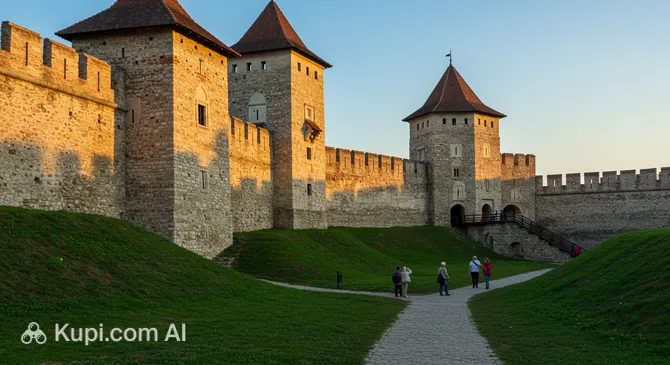
Suceava Fortress. Source: Kupi.Binoculars
  • The Suceava Fortress holds a legendary status in military history for its remarkable defensive capability; it was never conquered by force of arms during the reign of Stephen the Great, famously repelling a siege by the Ottoman Sultan Mehmed II, the very ruler who conquered Constantinople.

  • Suceava is home to the oldest civil building still standing in the city, the Princely Inn (Hanul Domnesc). Dating back to the late 16th century, this structure offers a rare glimpse into secular medieval architecture and is now administered by the National Museum of Bucovina.

  • The Monastery of Saint John the New of Suceava houses relics that were brought to the city in 1402 by Prince Alexander the Good; these relics are revered as the spiritual protectors of the entire region and have remained in the city for over six centuries.

  • While many open-air museums are static displays, the Bucovina Village Museum is designed to be a "living" settlement where traditional installations, such as water mills and oil presses, are often functional, demonstrating the ingenious engineering of the local ancestors.

How to Get There

Reaching Suceava is quite convenient, as the city serves as a major gateway to the Bukovina region. Whether you prefer flying or taking the train, there are several options available to suit your travel plans. For a comprehensive overview of routes and transport tips, you can read more about how to get to Suceava on our detailed page.

The most direct way to arrive is by flying into Suceava Airport (IATA: SCV), also known as Ștefan cel Mare International Airport. It is conveniently located just outside the city, approximately 6.6 km from the center. This modern facility handles a significant number of passengers annually and offers excellent connections. A taxi or bus ride from here to the heart of the city typically takes around 30 minutes.

Alternatively, travelers often choose Iasi Airport (IATA: IAS), which is the most significant air hub in the broader region. Although it is located in the city of Iasi, about 115.1 km from Suceava, it offers a wider range of international flights. If you land here, expect a transfer time of approximately 3 hours and 15 minutes by road to reach Suceava.

For clarity, here is a summary of the main airports serving the area:

Airport Name City Passenger Traffic Km from City
Iasi AirportIasiLarge115.1
Suceava AirportSuceavaMedium6.6
Bacau AirportBacauMedium135.8
Chernivtsi International AirportChernivtsiSmall69.8
Ivano-Frankivsk AirportIvano-FrankivskSmall179.7

If you are exploring the wider region by train, you might encounter several key railway hubs that serve the area. The Roman Railway Station is a notable stop located in the city of Roman. It is situated about 94.7 km from Suceava. From this station, a transfer by road to Suceava would take approximately 2 hours and 40 minutes.

Another relevant connection point is the Târgu Frumos Railway Station. This station is located in Targu Frumos, roughly 75.9 km away from Suceava. It serves as a regional transit point, and the journey to Suceava from here takes about 2 hours and 15 minutes by car or bus.

Below is a list of nearby railway stations for your reference:

Station City Passenger Traffic Km to Center
Roman Railway StationRomanMedium94.7
Târgu Frumos Railway StationTargu FrumosMedium75.9
Drochia Railway StationDrochiaSmall122.0
Iași Railway StationIasiUnknown116.3
Nicolina StationIasiUnknown113.8

Main Attractions

Suceava is a city where history feels tangible, offering visitors a chance to walk through the legacy of Moldavian princes and explore spiritual sanctuaries. The city's landmarks range from imposing fortifications to serene religious sites, providing a comprehensive look into the region's rich past and cultural depth.

Dominating the city's skyline, the Suceava Fortress is undoubtedly the most iconic landmark in the area. Built in the 14th century and famously strengthened by Stephen the Great, this citadel was a defensive masterpiece that withstood numerous Ottoman sieges. Today, it serves as a fascinating destination for history enthusiasts who can explore its restored walls, inner courtyards, and interactive exhibitions that vividly recount the medieval history of Moldavia. The fortress offers not only a history lesson but also panoramic views of the city below.

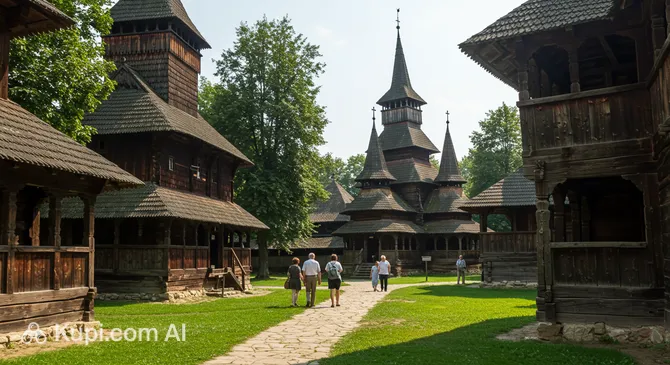
Bucovina Village Museum. Source: Kupi.Binoculars

Just a short walk from the fortress lies the Bucovina Village Museum, an open-air ethnographic park that transports visitors to the rural heart of the region. This attraction features a collection of authentic wooden households, workshops, and technical installations like water mills, all relocated from various parts of Bukovina. It is particularly interesting for tourists seeking to understand the traditional way of life, as the museum showcases the intricate woodcraft and architectural styles that define the local villages.

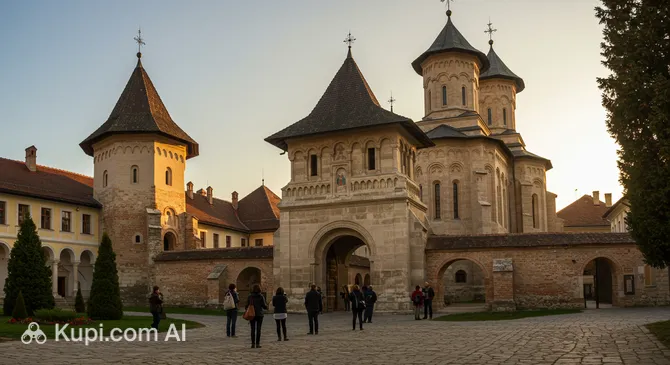
For those interested in religious art and spirituality, the Monastery of Saint John the New of Suceava is a must-visit site. Started in 1514, this church is part of the UNESCO World Heritage sites known for the Painted Churches of Moldavia. It is renowned for its stunning exterior frescoes and for housing the relics of Saint John the New, a patron saint of the region. The monastery attracts pilgrims and art lovers alike, drawn by its peaceful atmosphere and the remarkable preservation of its 16th-century murals.

Monastery of Saint John the New of Suceava. Source: Kupi.Binoculars

To gain a broader context of the region's development, a visit to the National Museum of Bucovina is highly recommended. Located in the city center, this institution houses extensive collections ranging from archaeology and medieval history to natural sciences. It is an excellent stop for educational tourism, offering detailed exhibits that piece together the story of Suceava from ancient times to the modern era.

Local Cuisine

The culinary scene in Suceava is a delightful reflection of the broader Bucovina region, known for its hearty, home-cooked flavors and generous use of organic local ingredients. The cuisine here is deeply rooted in tradition, characterized by rich soups, savory meat stews, and an abundance of dairy products like sour cream and fresh cheese. Visitors will find that meals are not just about sustenance but are a warm expression of Moldavian hospitality.

One dish that you simply cannot leave without trying is Ciorbă Rădăuțeană. Although it originated in the nearby town of Rădăuți, it has become a signature staple in Suceava’s restaurants. This sour soup is made with chicken breast, plenty of garlic, sour cream, and vinegar, offering a velvety texture and a tangy kick that is unforgettable. Another local favorite is Tochitură Moldovenească, a robust stew featuring pork, sausages, and sometimes liver, traditionally served alongside steaming polenta (mămăligă), topped with a fried egg and salty fermented cheese.

For dessert, the region is famous for Poale-n brâu, fluffy pies stuffed with sweet cheese and raisins, baked to golden perfection. When it comes to drinks, the locals take great pride in their fruit-based spirits. A meal often begins with a shot of Țuică (plum brandy) or, more specific to this forested region, Afinată, a sweet and potent blueberry liqueur that captures the essence of the Carpathian mountains.

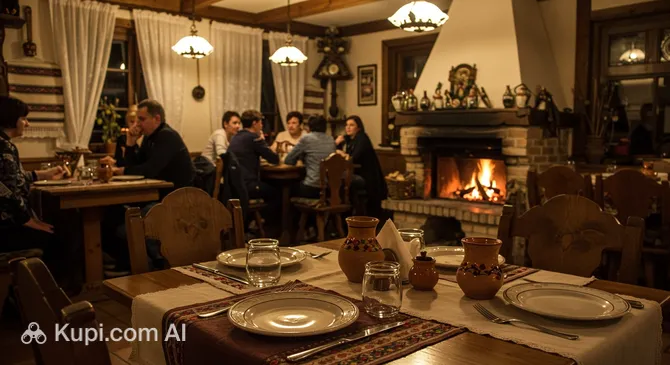
Eker. Source: Kupi.Binoculars

Dining in Suceava ranges from rustic inns serving traditional fare to modern establishments offering international menus. For a refined dining experience where you can enjoy a mix of great food and ambiance, Eker is a popular choice among both locals and tourists. The city center is vibrant and filled with options for every palate, ensuring that you are never far from a delicious meal.

If you are looking to unwind after dinner, the city offers several cozy spots to enjoy a drink and the local social scene. You might visit the Old Town Bar, a friendly venue perfect for sampling local beers or cocktails while soaking in the energetic atmosphere of Suceava by night.

Travel Tips

To ensure your visit to Suceava is as smooth and enjoyable as possible, we have compiled a set of essential guidelines to help you navigate the city and its surroundings. Whether you are here to explore the medieval fortress or use the city as a base for the painted monasteries, these practical tips will help you travel with confidence and ease.

  1. Clothing and Gear: The climate varies significantly by season, so pack accordingly. Summers can be warm, requiring light, breathable fabrics, while winters are often snowy and cold, necessitating heavy coats, gloves, and boots. Since Suceava is a gateway to many religious sites, modest dress is essential; women should bring a scarf to cover their heads, and both men and women must cover their shoulders and knees when entering monasteries. Comfortable walking shoes are a must for exploring the cobblestone paths of the Suceava Fortress.

  2. Transportation: Getting around the city is convenient using the local public transport system, which features modern electric buses operated by TPL Suceava; tickets can be purchased at kiosks or via contactless payment on board. Ride-hailing apps like Bolt are also available and offer a reliable alternative to traditional taxis. However, if you plan to visit the famous painted monasteries scattered across the county, renting a car is highly recommended for the flexibility it provides.

  3. Finances: The official currency is the Romanian Leu (RON). While credit and debit cards are widely accepted in hotels, supermarkets, and restaurants within the city, carrying cash is crucial for small souvenir shops, local markets, or entrance fees at some rural attractions. ATMs are plentiful in Suceava. Tipping is customary in Romania; leaving about 10% of the bill in restaurants is standard practice if the service was good.

  4. Health and Safety: Suceava is generally a safe city for tourists. Pharmacies (marked as Farmacie) are easy to find throughout the city, and some operate 24/7 for emergencies. The general emergency number for police, ambulance, or fire services is 112. While tap water is generally treated, most tourists prefer drinking bottled water to avoid any minor stomach upsets due to different mineral content.

  5. Communication: The official language is Romanian. In Suceava, younger generations and people working in the tourism industry typically speak English well. It is helpful to learn a few basic phrases like "Mulțumesc" (Thank you) or "Bună ziua" (Good day). For internet access, purchasing a local SIM card from major providers like Orange, Vodafone, or Digi is affordable and offers excellent 4G/5G coverage, even in many rural areas.

  6. Local Etiquette: Romanians are known for their hospitality. A handshake is a common greeting, and polite forms of address are appreciated. When visiting religious sites, silence and respect are paramount; always turn your phone to silent and follow instructions regarding where you can stand or walk. If you are invited into a local's home, it is polite to bring a small gift, such as flowers or chocolates.

  7. What to Avoid: Avoid exchanging money on the street or with unauthorized individuals; always use official exchange offices or banks. Additionally, refrain from taking photographs inside monasteries or churches without checking for permission first, as flash photography is often strictly prohibited to preserve the ancient frescoes.

  8. Additional Tip: Start your days early, especially if you plan to visit the Suceava Fortress or the nearby UNESCO monasteries. These sites can get crowded with tour groups by midday. Visiting in the morning not only offers a more peaceful atmosphere for contemplation but also provides the best natural lighting for photography.

Armed with these practical insights, you are well-prepared to discover the rich history and vibrant culture of Suceava. We hope these tips help you create wonderful memories as you explore the heart of Bukovina and experience its unique charm.

Entertainment & Nightlife

While Suceava is widely recognized for its medieval fortifications and painted monasteries, the city also offers a welcoming and lively atmosphere after dark. The nightlife scene here is driven largely by the local student population and a community that enjoys socializing, creating a vibe that is friendly, unpretentious, and energetic. Most of the action is concentrated in the city center, where proximity allows visitors to easily hop from a quiet dinner spot to a buzzing pub.

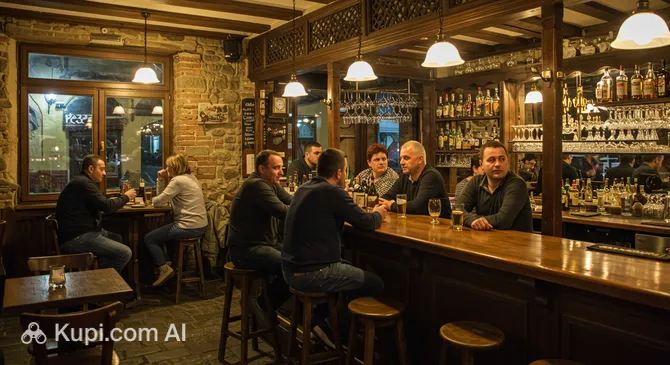
For those looking to experience the local pub culture, the Old Town Bar is a fantastic starting point. Situated in the heart of the city, this venue is known for its relaxed ambiance, making it an ideal place to enjoy a wide selection of beers and cocktails while mingling with locals. The music is usually a mix of rock, pop, and retro hits, kept at a volume that encourages conversation. It represents the quintessential casual night out in Suceava, where the dress code is informal and the mood is always cheerful.

Old Town Bar. Source: Kupi.Binoculars

If you prefer an evening that combines excellent dining with a sophisticated late-night atmosphere, Eker is a popular choice. While primarily a restaurant, its stylish setting makes it a great spot for a long dinner that transitions into drinks. The venue often attracts a slightly more mature crowd looking for quality service and a refined environment. It is common for locals to gather here for special occasions or simply to unwind with a glass of wine after a busy week.

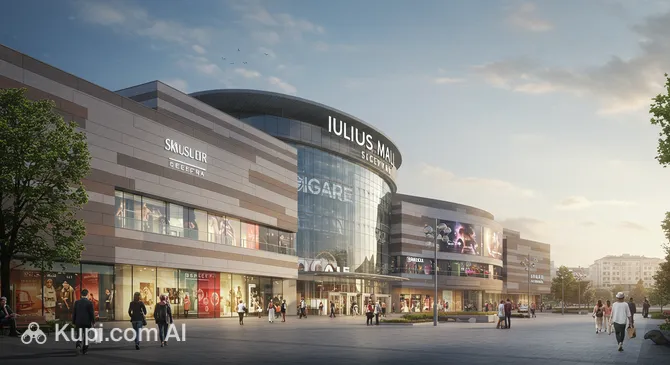
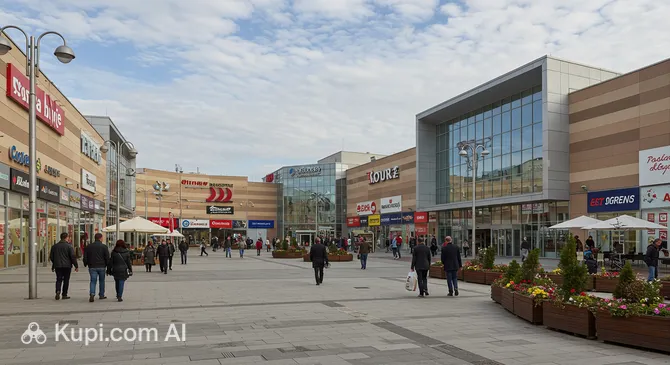
For entertainment that extends beyond bars and clubs, the city's modern shopping centers offer a variety of leisure activities. Iulius Mall is a major hub for evening entertainment, housing a multiplex cinema where you can catch the latest international blockbusters. The mall area often remains active late into the evening, with food courts, coffee shops, and bowling alleys providing fun options for families or groups of friends who aren't into the clubbing scene.

Iulius Mall. Source: Kupi.Binoculars

Practicalities for a night out in Suceava are straightforward. The city is generally very safe for evening walks, especially in the well-lit central districts and around the malls. However, for getting back to your accommodation late at night, it is advisable to use a taxi or a ride-sharing app like Bolt, which is widely available and affordable. Prices for drinks and entry fees are reasonable compared to larger Romanian cities, with a beer typically costing between 10 to 15 RON.

During the day, the entertainment landscape shifts towards cultural and family-friendly activities. Besides the historical sites, visitors can enjoy performances at the Matei Vișniec Municipal Theater or spend a relaxing afternoon at Shopping City Suceava. Whether you are exploring museums under the sun or enjoying a cocktail under the stars, Suceava offers a balanced mix of leisure options to suit every traveler.

Parks & Museums

Beyond its famous citadel and painted monasteries, Suceava offers a refreshing balance of green spaces and intellectual heritage. The city provides visitors with peaceful retreats in its parks and a deeper understanding of the region's identity through its diverse museums, making it a well-rounded destination for culture and nature lovers alike.

The most significant natural area in the city is the Șipote-Cetate Dendrological Park. Wrapping around the plateau of the medieval fortress, this sprawling park acts as a green buffer between the citadel and the modern city. It is home to a wide variety of tree species and features a network of alleys that are perfect for hiking and leisure walks. As you traverse the paths, you can enjoy scenic views of the fortress walls rising above the canopy, offering a unique perspective that blends nature with history.

For a relaxing break in the heart of the town, the Central Park (Parcul Central) is the go-to spot for locals and tourists. Situated near the administrative center, this park is beautifully landscaped with flower beds, old trees, and monuments dedicated to local personalities. It serves as a quiet oasis where you can sit on a bench, watch the daily life of the city unfold, and recharge before continuing your exploration of the nearby landmarks.

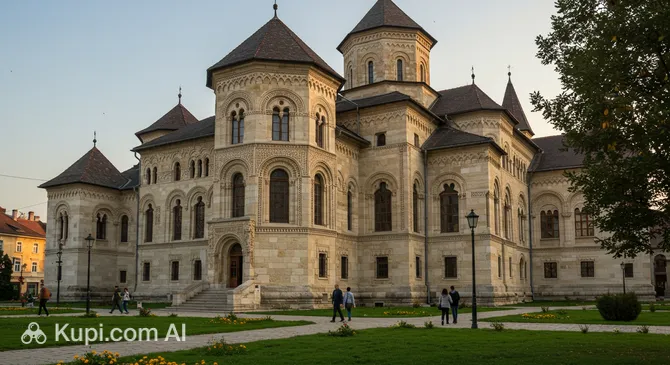
When it comes to museums, the National Museum of Bucovina is the cornerstone of the city's cultural life. The History Museum, part of this larger complex, is housed in an impressive historical building and offers a comprehensive journey through time. One of its most captivating exhibits is the reconstruction of the Throne Hall, featuring life-sized figures of Stephen the Great and his court, which vividly brings the atmosphere of the 15th century to life. The museum also boasts extensive collections of medieval weaponry, coins, and archaeological artifacts found in the region.

National Museum of Bucovina. Source: Kupi.Binoculars

Another fascinating cultural venue is the Simion Florea Marian Memorial House. This museum is dedicated to the renowned priest and folklorist who documented the traditions of the Romanian people. Located in his former residence, the museum preserves his vast personal library, manuscripts, and ethnographic collections in an intimate setting. It offers a rare glimpse into the intellectual life of 19th-century Suceava and is a hidden gem for anyone interested in folklore and literature.

For those traveling with family or interested in science, the Suceava Planetarium provides an educational diversion. As part of the local museum network, it hosts astronomical shows and exhibitions about the solar system. It is a great place to spend an afternoon, offering a modern contrast to the city's predominantly medieval focus.

If you are looking for a quieter experience away from the main tourist trail, consider a walk up Zamca Hill. The area surrounding the fortified Zamca Monastery offers open green spaces and a serene atmosphere. It is an excellent spot for a sunset walk, providing panoramic views over the city that are often missed by day-trippers.

Getting Around

Navigating Suceava is straightforward and increasingly eco-friendly, thanks to a public transport system that has undergone significant modernization. The city's network is operated by TPL Suceava and relies primarily on a fleet of buses. Unlike larger capitals, Suceava does not have a metro, tram, or trolleybus system. Instead, the backbone of urban mobility consists of state-of-the-art electric buses and smaller minibuses that connect the city center with residential neighborhoods, the railway station, and the airport.

The payment system is designed to be flexible for visitors. You can purchase paper tickets from automated vending machines located at most major bus stops; these machines usually accept both cash and cards. For a more convenient option, the buses are equipped with onboard contactless validators, allowing you to pay for your trip directly using a contactless credit card, debit card, or smartphone. Additionally, the mobile app 24pay is widely available, enabling passengers to purchase tickets or day passes digitally by scanning QR codes found inside the vehicles. A standard trip is very affordable, typically costing a nominal fee in the local currency.

If you choose to use paper tickets, it is essential to validate them immediately upon boarding to avoid fines. Look for the stamping machines inside the bus. The public transport schedule generally runs from early morning, around 05:00, until late evening, approximately 22:00 or 23:00. While buses run frequently during the day, intervals may increase in the evenings and on weekends, so checking the timetable at the stop or via the operator's website is recommended for late-night travel.

For those seeking alternatives to public transit, taxis are plentiful and offer a reasonably priced way to get around. Official taxis are typically yellow and should always use a meter; you can find them at designated stands or order them by phone. Ride-sharing apps like Bolt are also active in the city, providing a transparent and cash-free alternative that many tourists find convenient. While the city does not have a massive public bike-sharing scheme, the compact size of the central area makes walking a pleasant and viable option for visiting the main attractions.

A special feature of Suceava’s transport network is its strong focus on sustainability. The city takes pride in operating a large fleet of fully electric buses, distinguishing it as a leader in green urban transport within the region. This commitment ensures that your journey through the city is not only smooth and quiet but also contributes to a cleaner environment, enhancing the overall experience of exploring the historic streets.

Accommodation

Finding the perfect place to stay in Suceava is relatively easy, as the city offers a diverse range of accommodation options to suit various budgets and travel styles. As a major tourist hub in the Bukovina region, the hospitality infrastructure is well-developed, featuring everything from modern hotels and business centers to charming, family-run guesthouses known locally as pensiuni. Whether you are looking for luxury amenities or a cozy backpacker vibe, you will find a welcoming atmosphere that reflects the region's tradition of hospitality.

For those who prioritize convenience, the city center is the most strategic location. Staying in this area places you within walking distance of key attractions like the National Museum of Bucovina and a variety of restaurants and cafes. It is also the best spot for accessing public transport if you plan to explore the surrounding painted monasteries without a car. Alternatively, if you prefer a quieter environment with scenic views, look for accommodations near the Suceava Fortress or on the outskirts of the city, where many guesthouses offer spacious gardens and a more rustic, traditional setting.

In terms of pricing, Suceava is generally affordable compared to Western European destinations. Budget travelers can find excellent value in hostels and smaller pensions, while mid-range options typically offer comfortable, modern rooms with breakfast included. There are also a few upscale establishments for those seeking a touch of luxury. Regardless of your choice, it is highly recommended to book in advance, especially if you are visiting during the summer months (June to August) or around major religious holidays like Easter and Christmas, when the city attracts a large number of pilgrims and tourists.

Most accommodations in Suceava can be easily booked through major online travel platforms, which offer transparent reviews and competitive rates. However, for smaller, family-owned guesthouses, contacting the owners directly can sometimes secure a better deal or a more personalized experience. This approach often leads to warm interactions with locals who are eager to share tips about the hidden gems of their city.

Nearby Cities

For those looking to explore the surroundings, Suceava serves as an excellent base for day trips to several interesting nearby locations:

City Population Distance (km)
Botosani 106,847 31
Pașcani 33,745 58
Falticeni 25,723 23
Dorohoi 24,309 34
Radauti 24,292 33

One of the most historically significant towns in the vicinity is Rădăuți. Located just a short drive away, it was one of the early capitals of Moldavia and is home to the Bogdana Monastery, the oldest stone church in the region. Visitors often combine a trip here with a stop at the nearby village of Marginea, which is world-renowned for its traditional black pottery workshops.

For a more urban cultural experience, Botoșani is a fantastic choice. As a larger city, it boasts a beautifully restored old town center featuring 19th-century architecture. It is deeply connected to Romanian culture as the birthplace of the national poet Mihai Eminescu, offering numerous museums and parks that celebrate the region's artistic heritage.

Another charming destination is Fălticeni, often referred to as a city of writers and artists. It is an ideal spot for museum lovers, hosting the Ion Irimescu Art Museum, which contains the largest collection of works by a single artist in Romania. The town's quiet atmosphere and rich literary history make it a pleasant location for a relaxing afternoon walk.

These nearby destinations offer a glimpse into the diverse culture and landscapes of the region.

Shopping & Souvenirs

Shopping:

Shopping in Suceava offers a convenient mix of modern retail experiences and traditional discoveries. As a regional hub for Bukovina, the city caters to both locals and visitors with well-stocked commercial centers and authentic outlets showcasing local craftsmanship. While it may not be a massive fashion capital, tourists will find everything they need, from international clothing brands to unique handmade souvenirs that reflect the area's rich cultural heritage.

For those who prefer a contemporary shopping experience, the city is home to several large complexes. Iulius Mall is the most prominent destination, located relatively close to the city center. It features a wide array of international fashion chains, a cinema, and a food court, making it a popular spot for spending an afternoon. Another key location is Shopping City Suceava, a retail park situated on the outskirts that offers hypermarkets, electronics stores, and fashion retailers.

Shopping City Suceava. Source: Kupi.Binoculars

If you prefer walking and browsing smaller boutiques, the city center and the pedestrian areas near the administrative palace are worth exploring. Here, you can find independent shops selling shoes, clothing, and books. The George Enescu Boulevard is another artery where various local businesses and pharmacies are concentrated, offering a more neighborhood-focused shopping vibe compared to the large malls.

To experience the local flavor, a visit to the city's markets is essential. The Central Market (Piața Centrală) is the place to go for fresh, organic produce. Here, you can buy seasonal fruits, vegetables, and local delicacies such as "caș" (fresh cheese) directly from producers. For a different experience, the Suceava Bazaar is a sprawling area known for affordable clothing, household items, and a bustling, slightly chaotic atmosphere that is typical of traditional Eastern European markets.

When it comes to souvenirs, Suceava is an excellent place to purchase items specific to Bukovina. The region is world-famous for its painted eggs, which are intricate works of art rather than just holiday decorations. You should also look for black ceramics from the nearby village of Marginea, as well as hand-embroidered blouses (known as "ie") and woven rugs. These items can often be found in specialized souvenir shops in the center or at the gift shops of the local museums.

Opening hours in Suceava are tourist-friendly. The major shopping malls typically operate daily from 10:00 AM to 10:00 PM. Street shops and boutiques usually open around 9:00 AM or 10:00 AM and close by 6:00 PM or 7:00 PM, with shorter hours on Saturdays and often closing on Sundays. Payment by credit or debit card is widely accepted in malls, supermarkets, and most restaurants. However, if you plan to shop at the open-air markets or buy small souvenirs from street vendors, it is necessary to carry cash in Romanian Lei (RON).

Regarding taxes, Romania is part of the European Union, so VAT is included in the display price of goods. Non-EU residents may be eligible for a VAT refund on purchases exceeding a certain amount in a single store, provided the shop participates in the tax-free scheme. Look for the "Tax Free Shopping" signage in windows or ask the staff at the counter for the necessary forms before making a large purchase.

Reached the end of the page?

That means the route is fully explored