Support

Chisinau

About

Welcome to Chisinau, the vibrant capital and largest city of Moldova. Often referred to as the "White Stone City" due to the prevalence of light-colored limestone in its architecture, this destination offers a fascinating blend of history, culture, and nature. It serves as the country's main industrial and commercial center while maintaining a relaxed and welcoming atmosphere that surprises many first-time visitors.

Geographically situated in the center of the country on the banks of the Bîc River, Chisinau is home to approximately 702,300 residents. It is widely considered one of the greenest cities in Europe, characterized by broad, tree-lined boulevards and an abundance of spacious parks. The climate here is continental, offering warm summers and snowy winters, making it a distinct experience depending on the season of your visit.
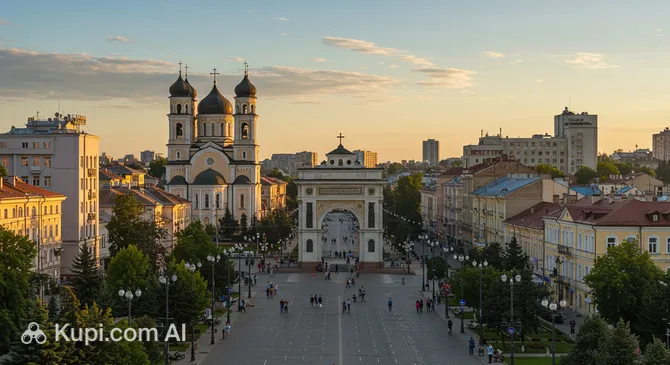
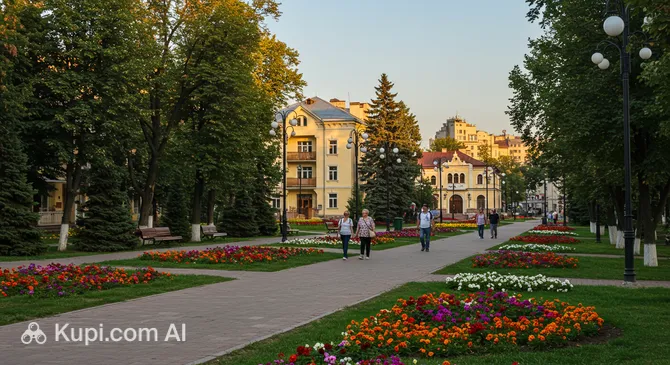
Chisinau. Source: Kupi.Binoculars

Delving into the history of Chisinau reveals a rich tapestry of influences that have shaped its current identity. The city's streets display a unique mix of Soviet-style classicism and modern developments, telling the story of its transformation over the centuries. Visitors can admire landmarks that stand as testaments to the city's resilience and evolution.

Among the top attractions is the Nativity Cathedral, located in the heart of the city near the iconic Triumphal Arch. A stroll through Stephen the Great Central Park, often called the "Park of Lovers," is essential for soaking up the local vibe. Furthermore, as the capital of a nation with a renowned winemaking tradition, Chisinau is the perfect place to enjoy exceptional local wines in its many cozy cafes and cellars.

Whether you are a history buff, a nature lover, or a gastronomy enthusiast, Chisinau promises a memorable stay. We invite you to explore its leafy avenues, taste its culinary delights, and experience the genuine hospitality of this charming European capital.
Weather Overview

The climate in Chisinau is continental, defined by four distinct seasons that offer a variety of experiences for travelers. Summers are typically warm and sunny, perfect for outdoor exploration, while winters bring a crisp chill to the air. To help you pack the right clothing for your trip, we recommend checking the detailed weather in Chisinau guide before you depart.

During the peak summer month of August, the city warms up significantly, with average temperatures reaching 23.4°C and daytime highs often climbing to 29.0°C. In contrast, January is the coldest month, where the average temperature drops to -0.4°C and nights can freeze at -3.5°C. The transitional months of May and September are particularly pleasant, offering mild averages between 15.7°C and 18.0°C.

Rainfall is fairly consistent but manageable throughout the year, with the number of wet days ranging from 6 to 10 per month. Expect warm summers with occasional rain and cold, dry winters. Whether you prefer the heat of July or the cool, fresh air of October, the city's weather is generally welcoming for visitors.

Interesting Facts

Beyond the main attractions, Chisinau holds many fascinating secrets that reveal its unique character and resilience. From architectural oddities to ancient origins, these little-known facts offer a deeper look into the soul of the "White Stone City."
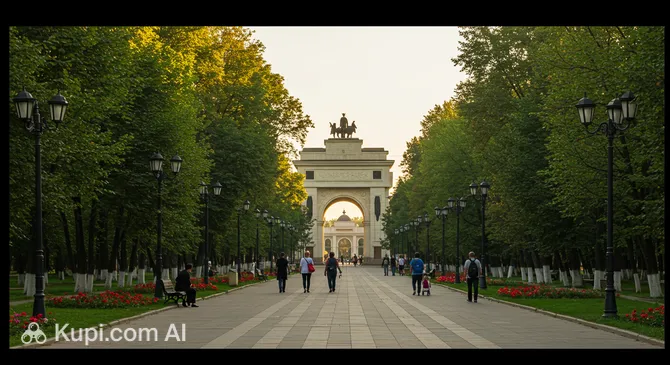
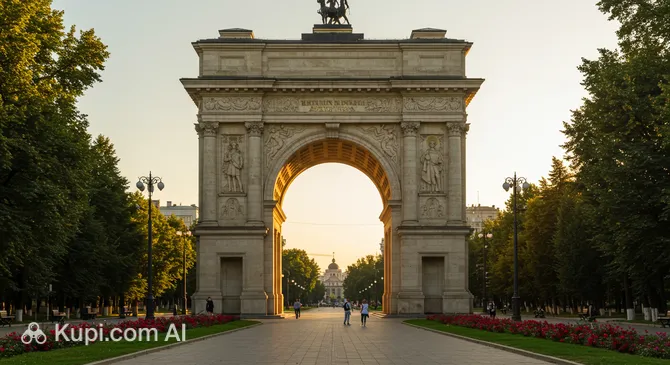
Triumphal Arch. Source: Kupi.Binoculars
  • The "Accidental" Arch: The iconic Triumphal Arch was not originally planned solely as a victory monument. It was constructed specifically to house a massive 6.4-ton bell cast from captured cannons, which proved to be too heavy for the belfry of the nearby Nativity Cathedral.

  • A Name Born from Water: The name "Chisinau" is widely believed to originate from the archaic Romanian words "chișla nouă," meaning "new spring." The site of this original water source is marked by a stone near the Măzărache Church, which dates back to 1752 and stands as the city's oldest surviving building.

  • The Gates of Hospitality: Travelers arriving from the airport are greeted by two massive, stepped residential towers known as the "Gates of the City." These imposing structures were designed to resemble an open gate, symbolizing the traditional hospitality awaiting visitors entering the capital.

  • A City on Wine: While Moldova is globally renowned for its vineyards, few realize that Chisinau sits atop a vast network of limestone mines. Some of these underground tunnels have been converted into the world-famous Cricova and Milestii Mici wine cellars, the latter holding the Guinness World Record for the largest wine collection.

How to Get There

Reaching the Moldovan capital is relatively straightforward, with air travel being the most popular method for international visitors. For a comprehensive overview of all transport options, including buses and driving routes, you can read more about how to get to Chisinau on our detailed page. The city is well-connected to major European hubs, and its compact size ensures that transfers from arrival points to the city center are quick and convenient.

The primary gateway for most travelers is Chișinău International Airport (IATA: RMO). Located just 10.5 km from the city center, it is the main hub for the country. A trip from the airport to downtown by taxi or public transport usually takes approximately 35 minutes. For those who may find better connections or fares through Romania, Iasi Airport (IATA: IAS) is a common alternative. Situated in the city of Iasi, about 96 km away, the transfer to Chisinau typically takes around 2 hours and 45 minutes by road.

For clarity, here is a summary of the main airports:

Airport Name City Passenger Traffic Km from City
Chișinău International AirportChisinauLarge10.5
Iasi AirportIasiLarge96.2
Odessa International AirportOdesaMedium153.0
Suceava AirportSuceavaMedium204.0
Bacau AirportBacauMedium158.8

If you prefer traveling by train, the city is served by the Chisinau Railway Station. This historic station is conveniently located just 0.4 km from the city center, making it an excellent arrival point. You can easily walk or take a short taxi ride to most central hotels and attractions immediately after disembarking.

Below is a list of the nearest railway stations:

Station City Passenger Traffic Km to Center
Chisinau Railway StationChisinauMedium0.4
Tiraspol Railway StationTiraspolSmall60.1
Bender-3 StationBenderSmall49.6
Straseni Railway StationStraseniSmall24.2
Călărași Railway StationCalarasi47.8

Main Attractions

Chisinau offers a delightful array of sights that cater to nature lovers, history buffs, and culture seekers alike. While the city center is compact and walkable, venturing slightly further reveals some of the capital's most treasured spots. From expansive green spaces to museums housing national treasures, here are some key places to add to your itinerary.

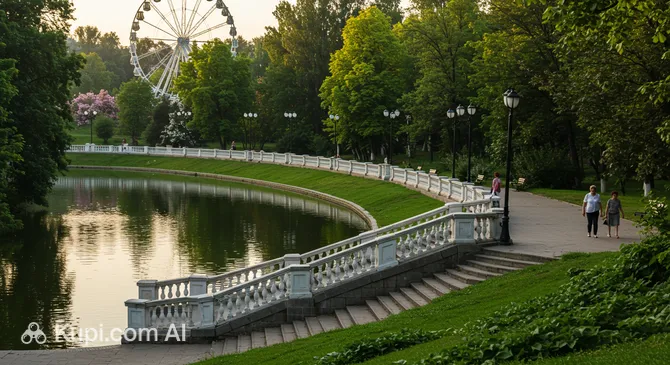
One of the most beloved recreational areas in the city is Valea Morilor Park. Translating to "Valley of the Mills," this scenic park is centered around a large lake and is famous for its stunning Cascade Stairs, which have been beautifully restored. It is the perfect place for a relaxing afternoon walk, a boat ride, or simply watching the sunset reflect off the water while locals jog and cycle along the promenade.

Valea Morilor Park. Source: Kupi.Binoculars

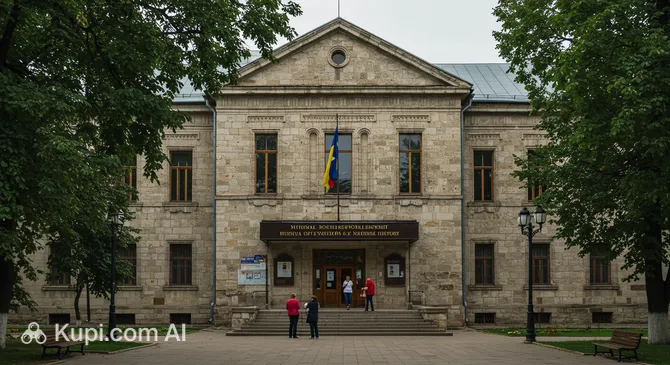
For those interested in architecture and local culture, the National Museum of Ethnography and Natural History is a must-visit. It is the oldest museum in Moldova, housed in a magnificent building designed in a pseudo-Moorish style that is an attraction in itself. Inside, visitors can explore exhibits detailing traditional Moldovan rural life, costumes, and customs, as well as a famous life-sized reconstruction of a Deinotherium skeleton.

To dive deeper into the country's past, head to the National Museum of History of Moldova. Located in the city center, it is easily recognizable by the statue of the She-Wolf with Romulus and Remus in front of its entrance. The museum boasts a vast collection of artifacts ranging from ancient times to the modern era, providing a comprehensive overview of the region's complex and fascinating history.

National Museum of Ethnography and Natural History. Source: Kupi.Binoculars

A unique historical gem tucked away in the city is the Pushkin House Museum. This humble cottage served as the residence of the renowned Russian poet Alexander Pushkin during his exile in the early 19th century. It is one of the few surviving buildings from that era and offers an intimate glimpse into the poet's life and the inspiration he found in Bessarabia.

Finally, if you seek tranquility among blooming flowers, Dendrarium Park offers a vast botanical garden experience. Unlike the more central parks, this enclosed space focuses on diverse plant species, rose gardens, and meticulously landscaped paths, making it an ideal escape from the city noise.

Local Cuisine

The culinary landscape of Chisinau is a delightful reflection of Moldova’s rich agricultural heritage and its position at the crossroads of cultures. Local cuisine is characterized by hearty, flavorful dishes made from fresh, organic ingredients. The food scene here is unpretentious yet deeply satisfying, with a focus on generous portions and genuine hospitality that makes every meal feel like a feast at a friend's home.

No visit to Chisinau is complete without trying Mămăligă, a dense cornmeal porridge that serves as a national staple, much like bread or pasta in other cultures. It is traditionally served on a wooden board, accompanied by grated sheep cheese (brânză), sour cream, and a garlic sauce known as mujdei. Often, it is paired with a savory pork stew called tocană. Another iconic dish to look for is Plăcinte, delicious pastries that can be fried or baked. They come stuffed with a variety of fillings, such as salty cheese and dill, cabbage, potatoes, or sweet cherries, making them a perfect snack for any time of day.

For a comforting lunch, locals often turn to Zeamă, a light but flavorful chicken soup prepared with homemade egg noodles and plenty of herbs. It is widely considered a cure-all and is a staple on almost every traditional menu. If you are looking for a place to experience these authentic flavors with a modern twist, you might visit Fuior. This restaurant is known for its elegant interpretation of traditional recipes and its stylish atmosphere.

Fuior. Source: Kupi.Binoculars

When it comes to drinks, Chisinau lives up to Moldova's reputation as a major wine-producing nation. Wine is an integral part of the culture, and you will find excellent local varieties like Fetească Neagră or Rara Neagră in almost every establishment. For something stronger, try Divin, the local high-quality brandy. Non-alcoholic options are also popular, particularly Compot, a refreshing homemade beverage made from boiled fruits, which is often served cold in the summer.

The city's dining culture offers a mix of experiences, from buying fresh produce and hot pastries at the bustling Central Market to relaxing in sophisticated venues. The nightlife and bar scene are also vibrant. You can enjoy expertly crafted cocktails at Marlène, a popular spot for evening relaxation, or sample local craft beers at the Lake House BrewPub. Whether you prefer a casual street food bite or a fine dining experience, Chisinau's gastronomic offerings are sure to leave a lasting impression.

Travel Tips

Planning a trip to Chisinau is an exciting prospect, and a few insider tips can make your journey even smoother and more enjoyable. While the city is welcoming and relatively easy to navigate, knowing a bit about local customs, logistics, and practicalities will help you relax and experience the capital like a true local.

  1. Clothing and Gear: Your wardrobe should depend heavily on the season. Summers can be hot, requiring light, breathable fabrics and a hat, while winters are often snowy and cold, making warm coats and waterproof boots essential. Regardless of when you visit, bring comfortable walking shoes, as exploring the city's uneven sidewalks and beautiful parks is best done on foot. If you plan to enter religious sites like the Nativity Cathedral, dress modestly; women are often expected to cover their heads, and men should wear long trousers.

  2. Transportation: The most authentic and affordable way to get around is the extensive trolleybus network; tickets are very cheap and purchased from a conductor on board. For convenience, use ride-hailing apps like iTaxi or Yandex Go rather than hailing cabs off the street, as this ensures a fixed, fair price and avoids language barriers. Car rental is generally not necessary for staying within the city limits.

  3. Finances: The currency of Moldova is the Moldovan Leu (MDL). While credit cards are widely accepted in supermarkets, hotels, and central restaurants, cash is king in small shops, at the market, and for public transport. Exchange offices (casa de schimb) are plentiful and usually offer decent rates. Tipping is customary; leaving around 10% of the bill at cafes and restaurants is polite practice.

  4. Health and Safety: Chisinau is a safe capital for travelers, but standard precautions apply. Pharmacies (Farmacie) are common, often marked with a green cross, and many operate 24/7. It is highly recommended to drink bottled water rather than tap water to avoid any potential stomach upset. Also, watch your step on sidewalks, as pavement conditions can vary.

  5. Communication: The official language is Romanian, though Russian is also widely spoken and understood. English is increasingly common among the younger generation and in the hospitality sector, but it is not guaranteed everywhere. Learning a simple "Mulțumesc" (Thank you) or "Noroc" (Cheers/Hello) will be warmly received. Buying a local SIM card is quick and cheap, ensuring you have data for maps and translation apps.

  6. Local Etiquette: Moldovans are incredibly hospitable people. A firm handshake is a standard greeting. If you are invited to a local's home, it is polite to bring a small gift, such as flowers (always in an odd number for happy occasions), chocolates, or wine. Always ask if you should remove your shoes upon entering a house, as this is the norm.

  7. What to Avoid: refrain from discussing sensitive political topics or geopolitical tensions, as these can be polarizing subjects. Additionally, try not to refuse food or drink aggressively if offered by a host; hospitality is a matter of pride here, and declining can sometimes be seen as rude.

  8. Market Insight: For a genuine slice of local life, visit the Central Market (Piața Centrală) in the morning. It is the best place to find fresh seasonal fruit, local walnuts, and homemade sheep cheese (brânză). However, be prepared for a loud, crowded, and chaotic atmosphere—keep your valuables close and enjoy the sensory overload.

With these practical tips in hand, you are fully prepared to embrace the charm and warmth of Chisinau. Enjoy the delicious local cuisine, the leafy boulevards, and the genuine hospitality that makes a visit to this city such a memorable experience.

Entertainment & Nightlife

As the sun sets over the "White Stone City," Chisinau transforms into a lively hub of entertainment that caters to a variety of tastes. While it may not have the frenetic pace of some larger European capitals, the nightlife here is vibrant, accessible, and surprisingly diverse. The city's evening scene is characterized by a mix of sophisticated wine bars, energetic pubs, and nightclubs, with prices that are generally very affordable for international visitors.

The epicenter of nightlife is undoubtedly the Centru (City Center) sector. The area around Stefan cel Mare Boulevard and the pedestrian street, Eugen Doga, is teeming with activity. Here, you can easily bar-hop between venues without needing transport. The atmosphere is typically relaxed and friendly, with a "smart casual" dress code being the norm for most bars and lounges. However, if you plan to visit high-end nightclubs, dressing up a bit more is recommended, as some venues enforce face control.

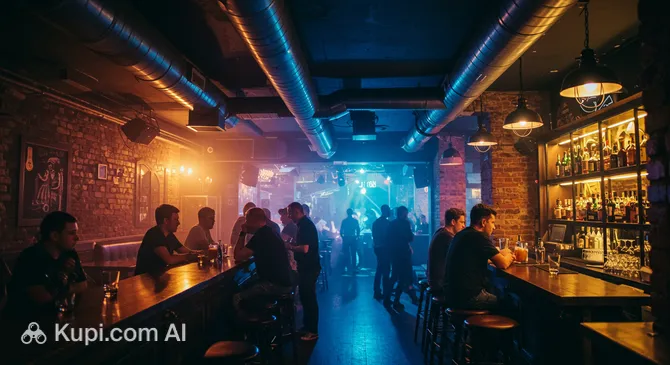
For those looking to dive into the local party scene, Vdrova Pub is a popular destination. It combines the hearty vibe of a wood-fired grill house with the energy of a night spot, making it a great place to start the evening with food and drinks before the music turns up. The crowd here is usually a mix of locals and expats, creating a welcoming environment for newcomers.

Vdrova Pub. Source: Kupi.Binoculars

If you prefer a venue with a view and a modern pulse, Midpoint is another excellent choice. Often featuring a terrace setting, it offers a stylish backdrop for enjoying cocktails and socialising late into the night. Clubs in Chisinau typically start filling up around 11:00 PM or midnight, and the party can go on until the early hours of the morning, especially on weekends.

Navigating the city at night is straightforward. While the center is walkable and generally safe for evening strolls, it is best to use a taxi for longer distances or when returning to your hotel very late. Ride-hailing apps are the most reliable way to get around safely and avoid overpaying; they are widely used and operate 24/7. Always stick to well-lit main streets and keep your belongings secure, as you would in any capital city.

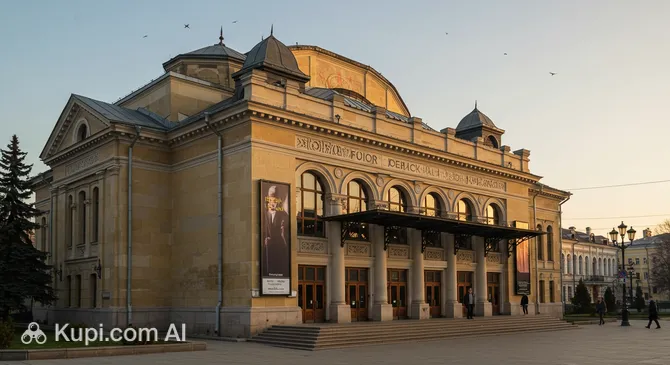
Beyond the late-night clubbing scene, Chisinau offers plenty of early evening entertainment. Culture enthusiasts can enjoy performances at the national theaters or the opera house. For a more casual evening of shopping and leisure, MallDova provides a comprehensive entertainment complex. This modern shopping mall includes a cinema, bowling alley, and a food court, making it a perfect spot for families or those looking for a relaxed night out before heading to the bars.

Parks & Museums

Chisinau stands out among European capitals for its impressive canopy of trees and a deep respect for cultural heritage, offering visitors a balanced mix of leisure and learning. The city's layout is punctuated by expansive green spaces that serve as community hubs, while its museums provide a fascinating window into the artistic and historical identity of the region.

The beating heart of the city's social life is Stephen the Great Central Park. As the oldest park in Chisinau, it is a cherished landmark often referred to as the "Park of Lovers" due to its romantic atmosphere and popularity as a meeting spot. Visitors are greeted at the main entrance by the iconic Stephen the Great Monument, a symbol of national pride. Inside, the park features the Alley of Classics, lined with busts of Romanian literature's most significant figures, making it a perfect place for a cultural stroll.

Stephen the Great Central Park. Source: Kupi.Binoculars

For a more expansive natural retreat, Rose Valley Park offers a scenic escape in the Botanica sector. This vast urban park is famous for its three lakes and the extensive rose plantations that give it its name. It is an ideal destination for outdoor enthusiasts, featuring paved paths for jogging and cycling, as well as quiet corners for picnics. In the warmer months, the park comes alive with families enjoying boat rides and the amusement areas scattered throughout the grounds.

Rose Valley Park. Source: Kupi.Binoculars

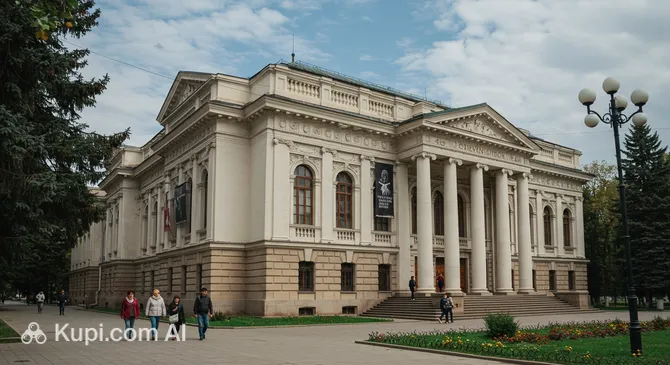
Art enthusiasts should not miss the National Museum of Fine Arts of Moldova. Housed in the beautifully restored Dadiani Mansion, the building itself is an architectural masterpiece. The museum holds a comprehensive collection of Moldovan, Western European, and Russian art, showcasing paintings, sculptures, and decorative arts that span several centuries. The elegant interior and rotating contemporary exhibitions make it a sophisticated stop for any culture lover.

National Museum of Fine Arts of Moldova. Source: Kupi.Binoculars

Another significant institution is the Military History Museum, located near the central area. This museum offers a somber yet informative look at the military past of the region, from ancient times to modern conflicts. Tourists are often drawn to the open-air exhibition in the courtyard, which displays a collection of heavy military equipment, including tanks, artillery, and aircraft from the Soviet era.

Chisinau is also home to solemn historical landmarks such as the Eternity Memorial Complex. Dominated by five stylized red rifles forming a pyramid over an eternal flame, this monument is dedicated to the soldiers who fell in World War II and the conflict for Moldova's independence. It is a striking architectural site that commands respect and offers a quiet space for reflection.

For a unique and family-friendly experience, consider visiting Befly Garden. This indoor butterfly house is a hidden gem where visitors can walk among dozens of colorful exotic butterflies flying freely in a tropical environment. It provides a magical contrast to the city's urban landscape and is a delightful spot for photography and relaxation.

Getting Around

Public Transport:

Navigating Chisinau is straightforward and affordable, thanks to an extensive public transport network that covers the entire city and its suburbs. Unlike many other European capitals, Chisinau does not have a metro or tram system. Instead, the city relies heavily on surface transport, with trolleybuses serving as the backbone of local mobility. They are complemented by buses and the distinct yellow minibuses known locally as rutieras.

The trolleybus network is one of the most developed in Europe and is the most popular choice for visitors. These electric vehicles run frequently on major boulevards and connect the city center to all main districts. You will see a mix of modern, air-conditioned units and older models that add a touch of character to the ride. Buses generally serve routes that extend further into the suburbs or areas not covered by electric lines, including the convenient connection to the airport.

For destinations off the main arterial roads, minibuses (rutieras) are a common alternative. These vans are faster and can navigate narrower streets, but they are often crowded and can be a bit chaotic for a first-time visitor. They stop on demand rather than at fixed stations in some areas, though in the city center, they are required to use designated bus stops. While they are gradually being phased out of the central district to reduce congestion, they remain essential for reaching peripheral neighborhoods.

The payment system is simple and uniform. A single trip on both trolleybuses and buses costs a flat rate of roughly 6 MDL. Tickets are typically purchased directly on board from a conductor who walks through the cabin. You should pay in cash, so it is advisable to carry small change or low-denomination banknotes. After paying, you will receive a paper ticket, which you must keep until the end of your journey as proof of payment for ticket inspectors.

Public transport generally operates from 6:00 AM to 11:00 PM. For route planning, apps like EasyWay or Google Maps are highly reliable, offering real-time tracking and optimal route suggestions. If you are arriving by plane, Trolleybus No. 30 is a traveler-favorite, providing a direct and cheap link between the airport and the city center.

If you prefer more comfort or are traveling late at night, taxis are a widely available and inexpensive alternative. It is strongly recommended to use mobile apps like iTaxi or Yandex Go rather than hailing a car from the street. This ensures a fixed price and avoids potential overcharging. Additionally, electric scooters have become very popular for short distances; you can easily rent them via the Bolt app found on many street corners.

While the city lacks a subway, the sheer density of the trolleybus network makes getting around efficient and environmentally friendly. Walking is also a viable option for the city center, which is compact and leafy, allowing you to move between major museums and parks with ease.

Accommodation

Finding the perfect place to stay in Chisinau is relatively easy, as the city offers a diverse range of accommodation options to suit every budget and preference. Visitors can choose from modern international hotel chains, charming boutique hotels, and budget-friendly hostels. Additionally, the rental market for private apartments is well-developed, offering a "home away from home" experience that is particularly popular among families and long-term travelers.

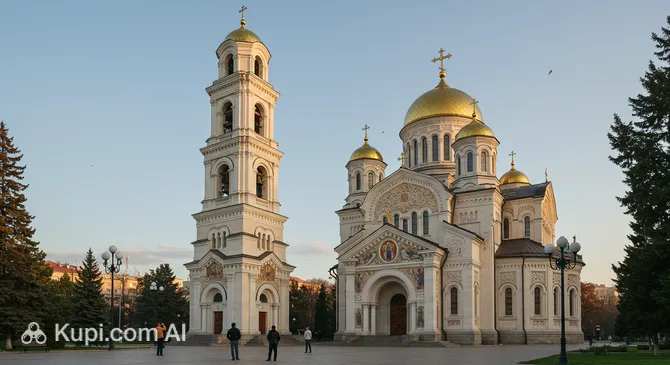
For the most convenient experience, staying in the Centru (City Center) sector is highly recommended. This area places you within walking distance of the capital's main cultural and administrative sights, as well as the best dining and nightlife spots. A hotel near the central boulevard allows for easy access to major landmarks such as the Nativity Cathedral and the government buildings. The central location also ensures you are well-connected to the rest of the city via the trolleybus network.

Nativity Cathedral. Source: Kupi.Binoculars

Another appealing area is the district bordering Valea Morilor Park. While slightly removed from the bustle of the main street, this neighborhood offers a quieter, greener atmosphere and is ideal for those who enjoy morning walks by the lake. It remains close enough to the center to be practical for sightseeing while providing a more relaxed retreat at the end of the day.

Booking Tip: While accommodation is generally available year-round, it is wise to book well in advance if you plan to visit during early October. This is when the National Wine Day festival takes place, drawing thousands of international tourists and causing hotels to fill up quickly.

In terms of pricing, Chisinau is one of the most affordable capitals in Europe. You can find excellent value for money, with luxury services often costing significantly less than in Western Europe. Booking is typically done through major online platforms, which are widely used by local properties, ensuring a secure and hassle-free reservation process.

Nearby Cities

For those looking to explore the surroundings, Chisinau serves as an excellent base for day trips to several interesting nearby locations:

One of the most compelling destinations is Orhei, located roughly an hour's drive to the north. It is widely known as the gateway to the Orheiul Vechi Cultural-Natural Reserve, a breathtaking archaeological complex where visitors can explore ancient cave monasteries carved into limestone cliffs high above the Răut River. The area offers a unique mix of dramatic landscapes and deep historical significance, making it a favorite for both nature lovers and history buffs.

Another noteworthy spot is Bender, situated to the southeast of the capital. The city is famous for its massive medieval fortress, the Tighina Fortress, which dates back to the 16th century. This well-preserved citadel allows visitors to walk along its ramparts and explore its towers, offering a vivid window into the region's turbulent and fascinating past.

City Population Distance (km)
Bender9188250
Dubăsari2850036
Orhei2106542
Straseni1837624
Durlesti172108

These nearby destinations offer a glimpse into the diverse culture and landscapes of the region.

Shopping & Souvenirs

Shopping in Chisinau is a pleasant experience that combines modern convenience with traditional charm. While the city may not be a global fashion capital, it offers a unique selection of local goods, particularly famous for high-quality wines, textiles, and artisanal crafts. Visitors can find everything from international brands in contemporary shopping centers to authentic handmade treasures in bustling open-air markets.

The main commercial artery of the city is Stefan cel Mare Boulevard. Walking along this central avenue, you will find a variety of shops, boutiques, and bookstores interspersed with cafes. It is the perfect place to window shop while admiring the city's architecture. For a more concentrated retail experience, the adjacent streets in the center often host smaller specialist stores selling jewelry, electronics, and fashion.

For a modern retail experience, the city boasts several large shopping centers. MallDova is the premier destination, offering a wide range of European fashion brands, a cinema, and a food court. It is a popular spot for locals and tourists alike to spend an entire afternoon.

MallDova. Source: Kupi.Binoculars

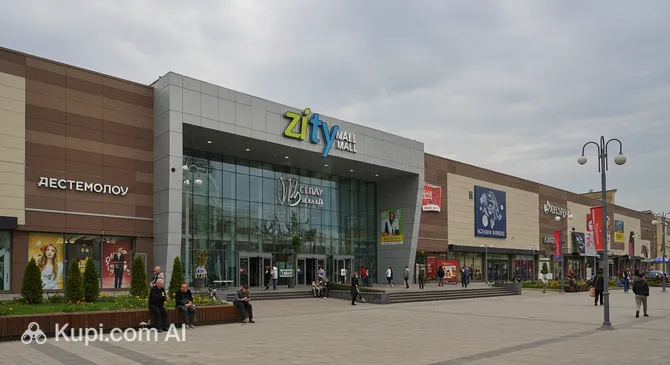
Another notable option is Zity Mall, located closer to the Buiucani sector. It features a contemporary design and a good selection of stores, making it a convenient stop for those exploring that part of the city. These malls provide a comfortable environment with air conditioning, making them a great escape during the hot summer months.

Zity Mall. Source: Kupi.Binoculars

To truly understand the local culture, a visit to the markets is essential. The Central Market (Piața Centrală) is a sensory overload of fresh produce, cheeses, and local delicacies. For unique gifts, head to the Souvenir Market (often called the Art Market) located near the Mihai Eminescu National Theatre. Here, local artisans sell handmade crafts, paintings, and traditional Moldovan items.

When looking for souvenirs to take home, Moldovan wine and divin (cognac) are top choices; specialist wine shops are scattered throughout the city and offer tastings. Sweet lovers should look for Bucuria chocolates, the country's beloved confectionery brand. Traditional items like the ie (embroidered blouse), hand-woven carpets, and ceramics also make for meaningful keepsakes that reflect the nation's heritage.

Most shopping malls and major stores are open daily from 10:00 AM to 10:00 PM. Markets, however, tend to operate from early morning until late afternoon, usually closing around 4:00 PM or 5:00 PM. While credit cards are widely accepted in malls, supermarkets, and brand-name stores, carrying cash (Moldovan Lei) is necessary for street markets and smaller souvenir stalls.

Reached the end of the page?

That means the route is fully explored