Support

Iasi

About

Welcome to Iasi, a city that stands as a testament to the rich cultural and spiritual heritage of Eastern Europe. Often referred to as the "Cultural Capital" of Romania, this vibrant metropolis offers a unique blend of historic architecture, academic prestige, and youthful energy. As the seat of the country's oldest university, the city pulses with intellectual life and artistic expression, making it a fascinating destination for travelers seeking both knowledge and beauty.
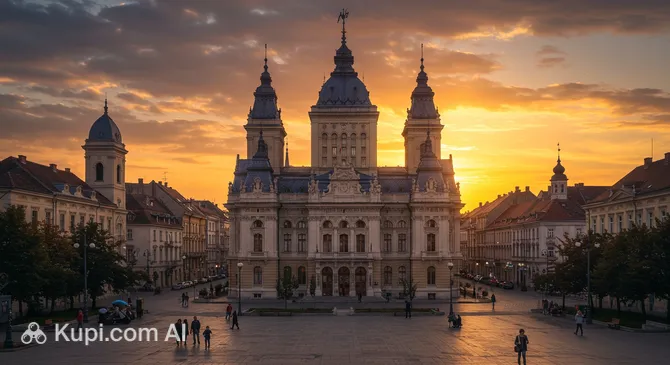
Iasi. Source: Kupi.Binoculars

Geographically, Iasi is situated in the north-eastern part of the country, in the historical region of Moldavia. The city rests on seven hills, offering picturesque views and a distinct atmosphere. With a population of approximately 290,000 inhabitants, it is one of the largest urban centers in the nation, yet it retains a welcoming and accessible charm. The climate here is temperate-continental, featuring warm summers perfect for strolling through parks and cold, snowy winters that turn the city into a festive wonderland.

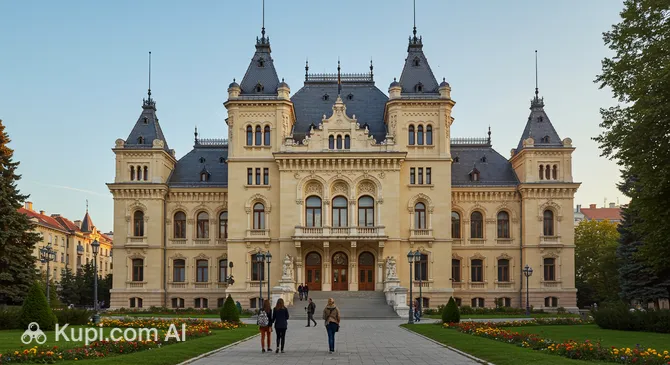
The history of Iasi is deeply woven into the identity of the nation, having served as the capital of the Principality of Moldavia for centuries. This glorious past is visible in its stunning landmarks. The iconic Palace of Culture, a neo-gothic masterpiece, dominates the skyline and houses several museums. Visitors also flock to the serene Copou Park, home to the famous Eminescu's Linden Tree, a symbol of Romanian poetry. Additionally, the city is a major pilgrimage site, renowned for the spectacular Metropolitan Cathedral and the Church of the Three Hierarchs with its intricate stone carvings.

Whether you are exploring its lush botanical gardens, admiring the vast array of religious monuments, or enjoying the lively cafe culture, Iasi promises an unforgettable experience. We invite you to discover the heart of Moldavia and immerse yourself in the stories and traditions of this remarkable city.
Weather Overview

The climate in this region is temperate-continental, offering distinct seasonal experiences for travelers. Summers are generally warm and inviting, with August often being the warmest month, featuring average highs of 28.7°C. However, visitors should be prepared for some rainfall during this season, particularly in June, which typically sees about 11 wet days.

Winters transform the city with crisp, cold air, as January temperatures average around -0.3°C and can drop to lows of -3.6°C. The transitional months of April and October provide milder weather, with averages hovering between 10°C and 12°C, making them comfortable times for walking tours. To help you pack the right gear for your trip, we recommend checking the current weather in Iasi before your departure. In general, you can expect warm summers with occasional rain and cold, drier winters.

Interesting Facts

Beyond the main attractions, Iasi holds many fascinating secrets that reveal its deep historical significance and cultural quirks. From its legendary hills to its artistic milestones, the city offers plenty of surprises for the curious traveler.
Palace of Culture. Source: Kupi.Binoculars
  • Just like Rome, Iasi is famously known as the "City of Seven Hills." The urban area extends over seven specific elevations—Cetățuia, Galata, Copou, Bucium, Șorogari, Repedea, and Breazu—which provide the city with its undulating landscape and numerous panoramic viewpoints.

  • The magnificent clock tower of the Palace of Culture is more than just a timekeeper. It houses a carillon with eight bells that chimes the "Hora Unirii" (Union Dance) every hour, a melody that celebrates the 1859 union of the Romanian Principalities.

  • Iasi is the birthplace of the first professional Yiddish theater in the world. Founded in 1876 by Avram Goldfaden, the performances initially took place in the "Pomul Verde" (Green Tree) summer garden, marking a significant moment in global theatrical history.

  • Nature and poetry intertwine in Copou Park, where you can find Eminescu's Linden Tree. This silver lime tree is estimated to be over half a millennium old and served as a beloved meditation spot for Mihai Eminescu, Romania's national poet.

  • The city hosts a mesmerizing artistic treasure known as the Sabin Bălaşa Frescoes Gallery within the university's "Hall of the Lost Steps." These nineteen large-scale murals depict cosmic themes and Romanian mythology in a distinct shade of blue, creating an immersive visual experience.

How to Get There

Reaching this cultural center of Moldavia is straightforward, with several convenient options available for travelers. Whether you prefer flying or taking the train, the city is well-connected to major domestic and international hubs. For a complete overview of all routes and travel tips, you can read more about how to get to Iasi in our detailed guide.

The most direct way to arrive is by flying into Iasi Airport (IATA: IAS). Located just 2.7 km from the city center, it is a major regional hub serving over 2 million passengers annually. The transfer to the downtown area is very quick, typically taking about 10 minutes by taxi. If direct flights are unavailable, you might consider landing at Bacau Airport (IATA: BCM) in the city of Bacau, which is about 88.2 km away. The journey from Bacau to Iasi generally takes around 1 hour and 30 minutes by road.

Another option for international travelers is Chișinău International Airport (IATA: RMO), located in Chisinau. Although it is situated 104.2 km from Iasi, it is a large airport with extensive connections. Travelers choosing this route should expect a travel time of roughly 3 hours to reach Iasi, taking into account the border crossing between Moldova and Romania.

For clarity, here is a summary of the main airports and their annual passenger traffic:

Airport Name City Passenger Traffic Km from City
Chișinău International Airport Chisinau 4.1M 104.2
Iasi Airport Iasi 2.2M 2.7
Suceava Airport Suceava 746K 111.0
Bacau Airport Bacau 559K 88.2
Chernivtsi International Airport Chernivtsi 73K 172.5

If you prefer traveling by rail, the city is served by its own major hub, Iași Railway Station. Situated conveniently within the city, approximately 2.2 km from the center, it offers easy access to local transport, with a taxi ride taking just 5 to 10 minutes. Another accessible stop within the city limits is Nicolina Station, located about 2.1 km from the main points of interest, offering similarly short transfer times for those arriving in that part of the city.

Below is a list of the nearest railway stations:

Station City Passenger Traffic Km to Center
Ungheni Railway Station Ungheni 150K 15.9
Târgu Frumos Railway Station Targu Frumos 150K 44.2
Iași Railway Station Iasi - 2.2
Nicolina Station Iasi - 2.1
Călărași Railway Station Calarasi - 56.4

Main Attractions

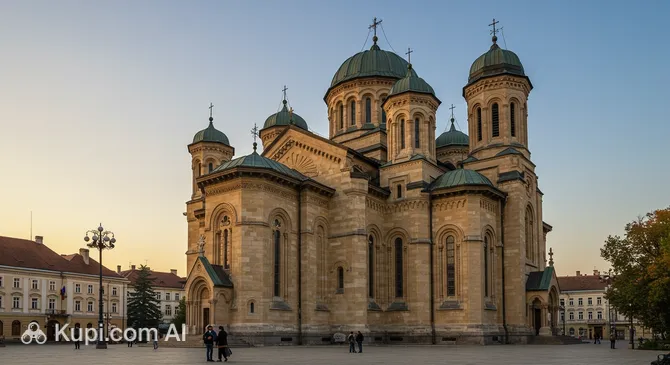
One of the most spiritual and architecturally imposing landmarks in the city is the Iași Metropolitan Cathedral. Dedicated to Saint Parascheva, the Mother of God, and Saint George, this monumental 19th-century edifice is one of the largest Orthodox churches in Romania. Thousands of pilgrims visit annually to pray at the relics of Saint Parascheva, making it a vibrant center of faith. For tourists, the cathedral impresses with its Italian Renaissance style and rich interior decorations, standing as a symbol of the city's religious devotion.

Iași Metropolitan Cathedral. Source: Kupi.Binoculars

For a panoramic perspective of the city, a visit to the Cetățuia Monastery is essential. Perched on one of the city's seven hills, this fortified religious complex was built in the 17th century to serve as a refuge for the princely family during times of siege. Today, it offers a peaceful retreat with its beautiful orchards and vineyards. Visitors are particularly drawn here for the breathtaking view over Iasi, which is especially spectacular at sunset, providing a perfect photo opportunity of the urban landscape below.

Blending history with modern leisure, Palas Iași creates a dynamic heart in the city center. Located right behind the Palace of Culture, this lifestyle center is much more than a shopping destination; it features a splendid public garden inspired by Versailles. It is a favorite spot for both locals and tourists to relax on the grass, enjoy outdoor concerts, or dine at the numerous cafes overlooking the historic monuments. The contrast between the medieval ruins integrated into the park and the contemporary architecture makes it a unique urban space.

Palas Iași. Source: Kupi.Binoculars

Another architectural gem is the Golia Monastery, located in the middle of the city yet protected by thick walls that resemble a fortress. The complex includes the Golia Tower, which stands 30 meters high and offers visitors the chance to climb its 120 steps for another vantage point of the city. The monastery is known for its unique mix of Russian and Byzantine architectural influences and houses a museum dedicated to the writer Ion Creangă, who once lived here as a deacon.

History enthusiasts should not miss the Union Museum (Princely Residence). Housed in an elegant neoclassical palace that once served as the royal residence for Prince Alexandru Ioan Cuza, the museum is a sanctuary of Romanian history. It played a crucial role during the Union of the Principalities in 1859. Inside, visitors can explore exhibits containing original documents, rare furniture, and personal objects belonging to the ruling family, offering a glimpse into 19th-century aristocratic life.

Local Cuisine

The culinary landscape of Iasi is deeply rooted in the traditions of the Moldavia region, known for its hearty and comforting meals that reflect the area's agricultural abundance. A visit here would not be complete without trying the famous Tochitură Moldovenească, a rich stew typically made with pork, sausages, and liver, served alongside creamy polenta (mămăligă), salty fermented cheese, and a fried egg. For a sweet treat, look for Poale-n brâu, traditional soft pies filled with sweet cheese and raisins, which are a beloved staple in local bakeries.

When it comes to beverages, the region's viticulture takes center stage. Iasi is surrounded by renowned vineyards, such as Cotnari and Bucium, making local wines like Fetească Neagră or the aromatic Busuioacă de Bohotin excellent choices to accompany dinner. For a stronger taste of local tradition, meals often begin with a shot of țuică or pălincă, a potent plum brandy. During the warmer months, you can also enjoy refreshing non-alcoholic drinks like socată, a fermented elderflower juice.

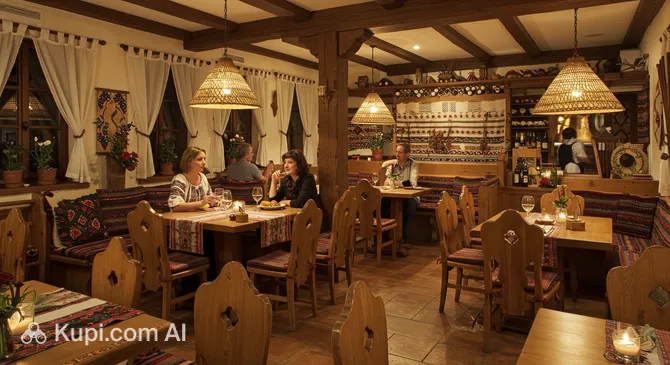
The dining scene in the city is a vibrant mix of historic charm and modern innovation. Visitors can choose from traditional inns (hanuri) that serve authentic peasant dishes or explore contemporary spots that reimagine Romanian classics. For a refined culinary experience, Trai Restaurant Iasi offers a menu that celebrates local ingredients with a creative, modern touch, making it a popular choice for food enthusiasts.

Trai Restaurant Iasi. Source: Kupi.Binoculars

Beyond formal dining, the city pulses with a lively cafe and bar culture, particularly around the city center and the student campuses. Those looking to unwind with a wide selection of brews might visit Beer Zone, which provides a relaxed atmosphere perfect for socializing. Alternatively, Andalu Gastrobar offers a fusion of flavors in a stylish setting, catering to those who enjoy exploring diverse culinary influences. Whether grabbing a hot pretzel (covrig) from a street vendor or sitting down for a multi-course feast, the food culture here is welcoming and diverse.

Travel Tips

Visiting Iasi is a delightful experience, but having a handle on the local logistics will help you navigate the "City of Seven Hills" with ease and confidence. Here are some practical tips to ensure your stay in the cultural capital of Moldavia is comfortable and hassle-free.

  1. Clothing and Gear: Since the city experiences distinct seasons, pack accordingly: light, breathable fabrics for hot summers and heavy coats with sturdy, waterproof boots for snowy winters. Regardless of the season, bring comfortable walking shoes, as exploring the hilly terrain and cobblestone streets of the Old Town is best done on foot. If you plan to visit the monasteries or the Metropolitan Cathedral, dress modestly; covering shoulders and knees is required, and women often cover their heads with a scarf in stricter religious sites.
  2. Transportation: The public transport system, operated by CTP Iași, relies heavily on an extensive network of trams and buses that cover the entire city. The easiest way to pay for tickets is using the 24pay mobile app or contactless card machines inside the vehicles. Ride-hailing apps like Uber and Bolt are widely available, very affordable, and often more convenient than hailing a traditional taxi on the street. Renting a car is generally unnecessary if you are staying in the central area, as traffic can be congested and parking limited.
  3. Finances: The local currency is the Romanian Leu (RON). While credit and debit cards (Visa and Mastercard) are accepted in almost all hotels, restaurants, and supermarkets (including the Palas complex), it is wise to carry some cash for small souvenir shops, local markets, or bus tickets at older kiosks. ATMs are abundant throughout the city. Tipping is customary; leaving about 10% of the bill in restaurants is standard if the service was good.
  4. Health and Safety: Iasi is generally a very safe city for tourists, even for solo travelers. Standard precautions against pickpocketing should be taken in crowded markets or on busy trams. Pharmacies (marked Farmacia) are easy to find, with several open 24/7 in the city center and near hospitals. The universal emergency number for police, ambulance, or fire services is 112.
  5. Communication: The official language is Romanian. However, as a major university center, English is widely spoken, especially by the younger population and in the hospitality industry. Free Wi-Fi is available in many public spaces, including the Palas Garden and Copou Park, as well as in most cafes. For mobile data, you can easily purchase a prepaid SIM card from Orange, Vodafone, or Digi shops located in shopping malls.
  6. Local Etiquette: Romanians are generally hospitable and polite. A handshake is the standard greeting. When entering shops or interacting with locals, a simple "Bună ziua" (Good day) goes a long way. In public transport, it is common courtesy to offer your seat to elderly people, pregnant women, or parents with small children.
  7. What to Avoid: Avoid taking taxis that do not have a company name and price per kilometer clearly displayed on the door; always insist on the meter being turned on or stick to ride-sharing apps to avoid overcharging. Also, refrain from talking loudly or taking flash photography inside active churches during services, as this is considered disrespectful.
  8. Local Insight: Be prepared for the city's topography. Iasi is built on seven hills, which means you will likely encounter some steep inclines, particularly if you walk from the city center towards the University or the Botanical Garden. Pace yourself, and use these walks as an excuse to stop at the many roadside cafes for a break and a view.

With these tips in mind, you are all set to explore the historic streets and vibrant atmosphere of Iasi. Enjoy the blend of academic energy and traditional charm that makes this city truly unique!

Entertainment & Nightlife

As a university city with a large and energetic student population, Iasi boasts a nightlife scene that is both vibrant and diverse. When the sun sets, the city transforms, offering everything from sophisticated cocktail lounges and quiet wine bars to pulsing nightclubs that stay open until dawn. The atmosphere is generally welcoming and safe, with a mix of locals, students, and tourists mingling in the most popular districts.

The nightlife is primarily concentrated in two distinct areas. The City Center, particularly around Union Square (Piața Unirii) and the Palas complex, offers a more upscale and trendy vibe, perfect for those looking for quality drinks and stylish interiors. In contrast, the Tudor Vladimirescu campus area is the heart of student life. Here, the energy is raw and unpretentious, with numerous pubs and clubs offering affordable prices and a lively, sometimes chaotic, party atmosphere that lasts all night.

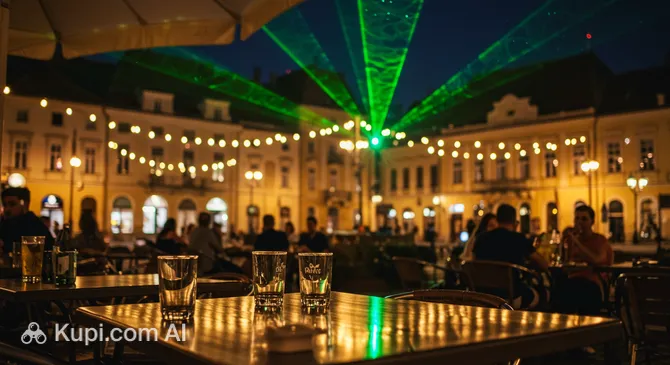
For a taste of the city's central social scene, Piața Unirii Café is a landmark venue. Located right in the historic square, it transitions seamlessly from a relaxed daytime spot to a buzzing evening destination. It attracts a diverse crowd and is an excellent starting point for a night out, offering a view of the illuminated city center.

Piața Unirii Café. Source: Kupi.Binoculars

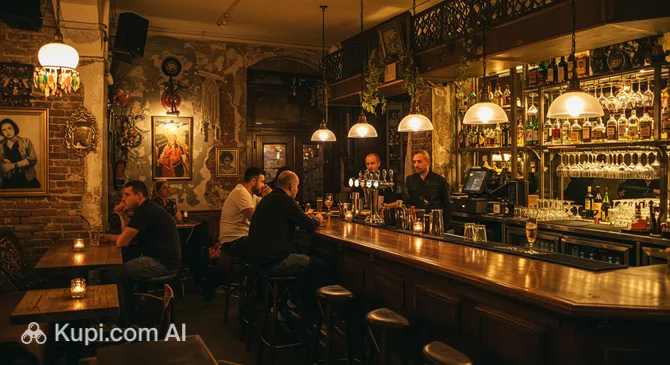
If you prefer a more curated experience with artisanal cocktails and a chic ambiance, Boho by London is a favorite among locals. Known for its distinct decor and extensive drink menu, it represents the modern face of Iasi's entertainment scene. It is the ideal place to dress up slightly—think smart-casual—and enjoy a conversation before heading to louder venues.

For those ready to dance, the city offers several clubs that host local and international DJs. Max Bar is one such venue that has stood the test of time, known for its energetic parties and capacity to draw a crowd looking for fun without inhibitions. Clubs in Iasi typically start filling up after 11:00 PM, and the party often continues well into the early morning hours.

Boho by London. Source: Kupi.Binoculars

Practical Advice for Nightlife:
Prices in Iasi are quite affordable compared to Western European standards. A beer typically costs between 10 to 15 RON, while a cocktail ranges from 25 to 35 RON. Getting around at night is easy; ride-sharing apps like Uber and Bolt are widely used, safe, and reliable. While the city is safe for night walks, especially in the illuminated center and Copou areas, it is always wise to stick to main streets and take a car if you are heading back to accommodation late at night.

During the daytime, entertainment in Iasi takes a more cultural turn. The city is home to the stunning "Vasile Alecsandri" National Theater, which offers world-class performances in a breathtaking architectural setting. For a more relaxed afternoon, you might visit Iulius Mall, which provides not only shopping opportunities but also a cinema complex and bowling alleys, making it a great hub for family-friendly entertainment.

Parks & Museums

Iasi prides itself on being a green city where culture and nature coexist harmoniously. Beyond its bustling boulevards and academic centers, visitors will find tranquil gardens that have inspired generations of poets, alongside museums that safeguard the region's rich intellectual and historical legacy.

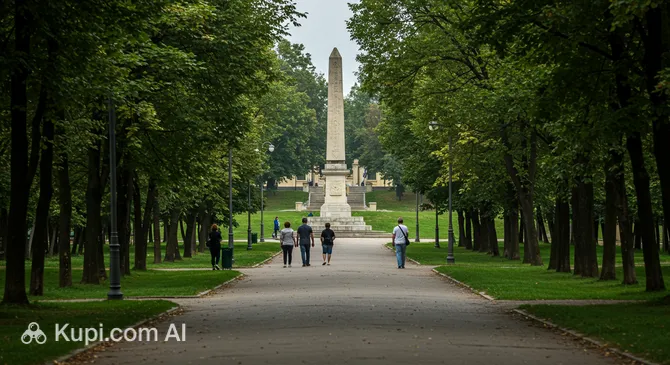
The most iconic green space in the city is undoubtedly Copou Park. Established in 1834, it is the oldest public garden in Iasi and serves as a beloved promenade for locals and students. The park is steeped in romantic history and is famous for sheltering Eminescu's Linden Tree, a centuries-old tree that is said to have been a favorite resting spot for Romania's national poet, Mihai Eminescu. A walk here offers a peaceful escape among statues of great writers and the fragrant "Obelisk of Lions."

Copou Park. Source: Kupi.Binoculars

Another natural treasure is the Anastasie Fătu Botanical Garden, the first and largest of its kind in Romania. While it covers a vast area perfect for long hikes, its beautifully arranged rose gardens and greenhouses are the main highlights. For a more central retreat, the Palas Public Garden offers a modern landscape design with splendid views of the Palace of Culture, making it a perfect spot for a casual afternoon picnic.

When it comes to museums, Iasi is often called the "City of Museums," particularly those dedicated to literature. A must-visit is the Ion Creangă Memorial House, affectionately known as the "Bojdeuca." This humble, clay-walled cottage in the Țicău neighborhood was the first memorial literary museum in Romania. It offers a charming glimpse into the simple, rustic life of the beloved storyteller Ion Creangă and retains the atmosphere of the 19th century.

Ion Creangă Memorial House. Source: Kupi.Binoculars

For history enthusiasts, the Mihail Kogălniceanu Museum provides an immersive experience into the life of one of modern Romania's founding figures. The memorial house displays original furniture, silverware, and documents that reflect the elegance and political significance of the era. Similarly, the House of Museums (Vasile Pogor House) serves as the headquarters for the National Museum of Romanian Literature, hosting exhibits related to the "Junimea" literary society which shaped Romanian culture.

Among the city's historical landmarks, the Galata Monastery stands out not just for its spiritual importance but for its strategic location. Situated on a prominent hill, this 16th-century fortified complex offers a distinct architectural style and panoramic views over the city, differing from the more central religious sites.

Insider Tip: For a quiet experience away from the tourist crowds, visit the Frumoasa Monastery. Its name translates to "The Beautiful One," and it features lovely gardens and unique Rococo-influenced architecture that is rare for Orthodox churches in the region.

Getting Around

Navigating Iasi is both convenient and affordable, thanks to a well-integrated public transport network managed by CTP Iași. The system relies primarily on an extensive web of trams and buses that connect the city center with residential neighborhoods, the university areas, and key tourist attractions. Trams are particularly popular and serve as the backbone of local transit, offering a scenic way to travel through the city's hilly landscape, especially on the route leading up to Copou Park.

For tourists, the payment system is modern and user-friendly. The most convenient method to pay for a ride is using the 24pay mobile app, which allows you to purchase tickets digitally using your bank card. Alternatively, you can pay directly inside the vehicle using a contactless credit or debit card at the yellow POS machines found on board. Traditional paper tickets are also available at ticket kiosks and automatic vending machines located at major stops. A standard ticket is typically valid for 120 minutes, allowing for transfers between different lines within that timeframe.

If you opt for a paper ticket, it is crucial to validate it immediately upon boarding by inserting it into the orange validators to avoid fines. The public transport system generally operates from roughly 5:00 AM to 11:00 PM, with frequencies varying depending on the time of day. During peak hours, trams and buses run frequently, but it is wise to allow extra time in the evenings or on weekends.

Travelers arriving by air will find it easy to reach the city center. A dedicated express bus line (often numbered 50) connects Iasi Airport with the Railway Station and the central area, with departures scheduled to align with flight arrivals and departures. This is a budget-friendly alternative to taxis and provides a direct link to the heart of the city.

For those who prefer more privacy or direct routes, ride-sharing apps like Uber and Bolt are widely available and often preferred over traditional taxis due to their transparency and ease of payment. Classic yellow taxis are also plentiful, but visitors are advised to ensure the meter is running. Additionally, electric scooters are becoming a common sight, with rental apps offering a fun and flexible way to zip between landmarks in the central districts.

A unique feature of the local transport culture is the presence of themed trams. You might spot trams painted with colorful motifs representing literature, history, or local traditions. Riding one of these "mobile museums" adds a charming touch to the daily commute, blending the city's rich cultural identity with everyday life.

Accommodation

Where to Stay:

Finding the perfect place to stay in Iasi is relatively easy, as the city offers a wide spectrum of accommodation options to suit every budget and preference. From modern international chains and charming boutique hotels to budget-friendly hostels and private rental apartments, visitors will find plenty of choices. The hospitality here is warm, and the standards are generally high, often exceeding expectations for the price point compared to Western European destinations.

For most travelers, the best area to stay is the City Center, particularly around Union Square (Piața Unirii) and the Palas Iași complex. Staying here puts you within walking distance of the main landmarks, including the Palace of Culture and the historic churches. This area is vibrant, safe, and filled with restaurants and cafes, making it incredibly convenient for those who want to be in the middle of the action.

If you prefer a quieter, greener environment, the Copou neighborhood is an excellent alternative. Located on the hill leading up to the university, this area is famous for its leafy boulevards and the beautiful Copou Park. It offers a more relaxed, romantic atmosphere and is well-connected to the center by a short tram ride or a pleasant walk. This district is particularly popular among those who appreciate historic architecture and a youthful, academic vibe.

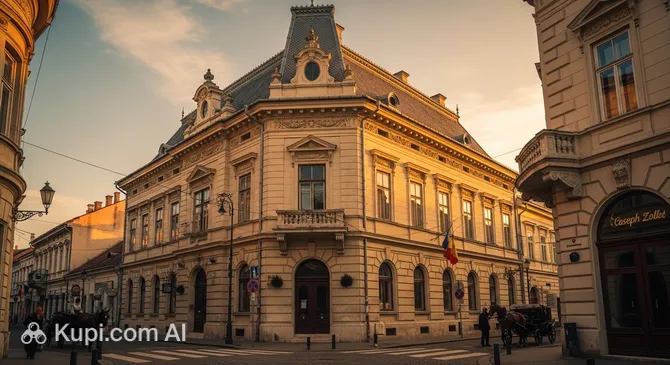
Casa Joseph Zoller. Source: Kupi.Binoculars

In terms of pricing, Iasi is quite affordable. Budget travelers can find hostels and guesthouses for very reasonable rates, while mid-range options often include renovated historic buildings that offer a unique local charm. Luxury seekers will find modern 4-star and 5-star hotels primarily located in the city center, offering premium amenities and panoramic views. Additionally, short-term apartment rentals are extremely popular and widely available, often providing great value for families or longer stays.

Booking Tip: While accommodation is generally easy to find, it is highly recommended to book in advance if you plan to visit during major events like the Saint Parascheva Pilgrimage in October or the FILIT literature festival. During these times, the city fills up quickly with pilgrims and tourists, and prices can rise significantly. For the rest of the year, booking a few weeks ahead via major online platforms is usually sufficient to secure the best deals.

Nearby Cities

For those looking to explore the surroundings, Iasi serves as an excellent base for day trips to several interesting nearby locations:

City Population Distance (km)
Bacau 144,307 84
Botosani 106,847 96
Piatra Neamț 85,055 96
Vaslui 63,035 58
Barlad 55,837 104

Among these destinations, Piatra Neamț is a favorite for nature lovers and history enthusiasts alike. Often called the "Pearl of Moldavia," it is nestled in the Eastern Carpathians and offers a picturesque city center, the historic Stephen the Great Tower, and a telegondola ride that provides breathtaking views of the surrounding mountains.

Another compelling choice is Botosani, known for its rich cultural heritage and beautifully preserved 19th-century architecture. The city's Old Town is perfect for a leisurely walk, and it serves as a gateway to the region's literary history, being close to the childhood home of Romania's national poet, Mihai Eminescu.

These nearby destinations offer a glimpse into the diverse culture and landscapes of the region.

Shopping & Souvenirs

Shopping in Iasi offers a delightful blend of modern convenience and traditional charm, reflecting the city's status as a cultural and economic hub. Visitors can explore everything from expansive, state-of-the-art lifestyle centers to quaint boutiques and open-air fairs. Whether you are looking for high-end international fashion, authentic Romanian handicrafts, or simply a window-shopping stroll through historic districts, the city provides a diverse retail experience that caters to all tastes and budgets.

The heart of the city's retail scene is undoubtedly the pedestrian area of Stefan cel Mare Boulevard. This vibrant promenade is lined with various shops, bookstores, and souvenir stands, often hosting temporary artisanal fairs where local craftsmen display their work. Another significant thoroughfare is Alexandru Lăpușneanu Street, a historic artery known for its elegant architecture, antique shops, and art galleries, making it a perfect destination for those seeking unique items and a touch of old-world atmosphere.

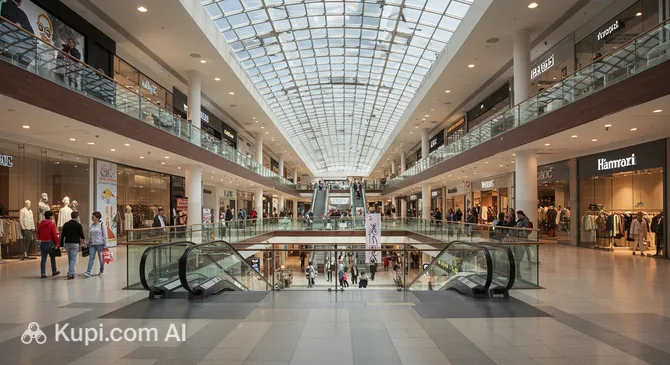
For a comprehensive modern shopping experience, Palas Iași is the premier destination. Uniquely integrated into the city's historic center near the Palace of Culture, this lifestyle hub combines hundreds of brand-name stores with cafes, restaurants, and a beautiful public garden. It is more than just a mall; it is a social gathering place. Another major complex is Iulius Mall, located in the Tudor Vladimirescu student district. It features a wide array of fashion retailers, a cinema, and entertainment facilities, drawing a youthful and energetic crowd.

Iulius Mall. Source: Kupi.Binoculars

Travelers interested in local flavor should visit the city's markets. The Central Market (Piața Centrală) is the place to go for fresh, seasonal fruits and vegetables, local cheeses, and honey directly from producers. On weekends, the Talcioc, a large flea market located on the outskirts of the city, attracts bargain hunters looking for antiques, vintage items, and second-hand goods. Additionally, during religious holidays and city festivals, pop-up markets near the Metropolitan Cathedral offer a variety of traditional products.

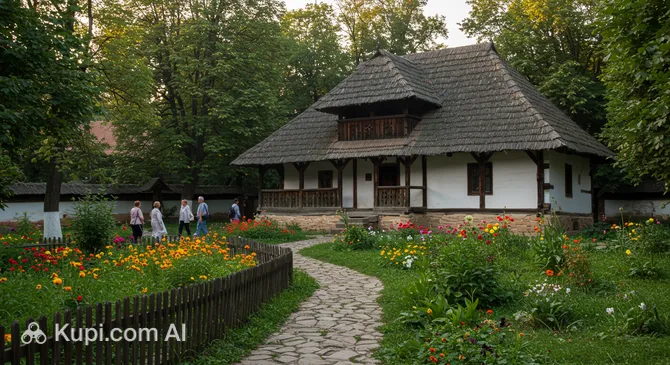
When it comes to souvenirs, Iasi offers plenty of authentic options. The region is famous for its Cucuteni ceramics, distinguished by their unique black and red geometric patterns. Traditional Romanian blouses, known as ie, featuring intricate embroidery, are also highly prized. Other popular gifts include painted eggs, religious icons, and bottles of local wine from the nearby Cotnari or Bucium vineyards, which are renowned for their quality and history.

Store opening hours in Iasi are generally tourist-friendly. The major shopping malls like Palas and Iulius are open daily from 10:00 AM to 10:00 PM. Street shops and boutiques typically operate from 9:00 AM to 8:00 PM during the week, with shorter hours on Saturdays; many smaller shops may be closed on Sundays. Payment is convenient, with credit and debit cards (Visa and Mastercard) widely accepted in malls, supermarkets, and most restaurants. However, it is advisable to carry some cash (Romanian Leu) for small purchases at street stalls, public markets, or for public transport tickets.

For visitors residing outside the European Union, tax-free shopping is available at participating stores. Look for the "Tax Free" signage in shop windows, particularly within the large shopping centers. If your purchase exceeds a certain amount on a single receipt (typically around 175 RON, though this is subject to change), you can ask for a VAT refund form to present at customs upon your departure from the EU.

Reached the end of the page?

That means the route is fully explored