Support

Orzola

About

Orzola is a picturesque fishing village situated at the very northern tip of Lanzarote, offering a tranquil escape from the island's busier resort towns. Known for its authentic atmosphere and stunning coastal views, this destination serves as a vital connection point within the Canary Islands while maintaining its traditional charm. It is a place where the pace of life slows down, allowing visitors to truly appreciate the rugged beauty of the volcanic landscape.

Located in the province of Las Palmas in Spain, Orzola is a small community with a population of approximately 300 residents. Its geographical position exposes it to fresh Atlantic breezes, creating a refreshing climate that complements the warm sunshine. The village is characterized by its classic white architecture, which stands out beautifully against the dark volcanic rock and the deep blue of the ocean.

Orzola. Source: Kupi.Binoculars

The history of Orzola has always been deeply intertwined with the sea, evolving from a humble settlement of fishermen into a welcoming hub for travelers. Today, it is most famous as the gateway to the neighboring island of La Graciosa, with ferries departing regularly from its harbor. Beyond being a transit point, the village is a culinary destination, renowned for its excellent restaurants serving fresh seafood caught daily by local boats.

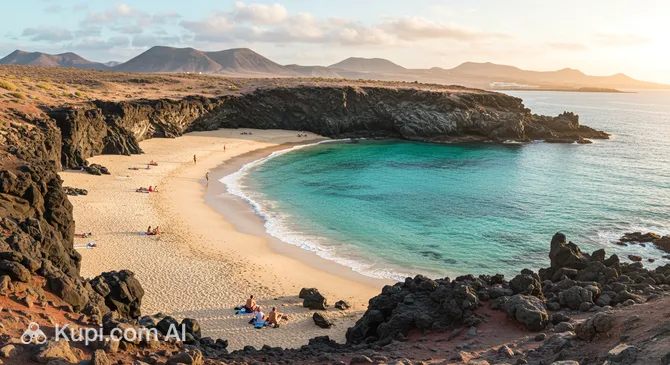
Nature lovers will find plenty to admire nearby, particularly the breathtaking Caletón Blanco. This series of coves features brilliant white sand and crystal-clear turquoise waters that create a dramatic contrast with the surrounding black lava fields. Whether you are planning a day trip to La Graciosa or simply seeking a quiet meal by the sea, Orzola offers a delightful and memorable experience for every traveler.

Weather Overview

Orzola enjoys a consistently mild and pleasant climate, characteristic of the Canary Islands, making it a comfortable destination to visit at almost any time of year. The village rarely experiences extreme temperatures, ensuring conditions are generally perfect for outdoor activities and exploring the coast. For a more detailed breakdown of seasonal conditions and forecasts, you can check the weather in Orzola to help plan your trip.

The warmest period occurs in late summer and early autumn, with August and September seeing average temperatures around 22.3°C. This season is exceptionally dry, with data showing virtually zero wet days from May through September. Even during the cooler winter months like January and February, the climate remains gentle, with average temperatures hovering between 17.3°C and 17.5°C.

Rainfall is very scarce in this region, so you can generally count on clear skies. Expect consistent warmth with dry summers and mild winters where precipitation is rare, typically occurring on only two or three days per month even during the wettest parts of the year.

Interesting Facts

Beyond the ferry terminals and seafood restaurants, Orzola holds several fascinating details that often escape the casual visitor's eye. This northernmost village is more than just a transit point; it is a place of geological marvels and hidden natural sanctuaries.
  • Orzola serves as the headquarters and primary gateway to the Chinijo Archipelago Nature Reserve, which is recognized as the largest marine reserve in Europe. This protected area encompasses the islets north of Lanzarote and provides a crucial sanctuary for numerous species of seabirds and marine life.

  • While most tourists flock to the calm lagoons, the village hides a secret gem for surfers known as Playa de la Cantería. Tucked away behind the cliffs, this wild "back beach" offers powerful waves and a rugged landscape that contrasts sharply with the gentle waters of the nearby Caletón Blanco.

  • High above the village stands the Mirador del Río, a masterpiece designed by César Manrique that is intentionally camouflaged into the rock. The structure was built to be invisible from the island of La Graciosa below, ensuring that the view of the cliffs remains unspoiled by human architecture.

Mirador del Río. Source: Kupi.Binoculars

How to Get There

Reaching this charming fishing village is the first step in your adventure on the island of Lanzarote. For a detailed guide on the best routes and transport options, you can read more about how to get to Orzola to help plan your arrival seamlessly.

The city of Orzola does not have its own airport, but you can fly into Lanzarote Airport (IATA: ACE) in the city of Arrecife, which is about 33.6 km from Orzola. This is the main entry point for visitors and handles a large volume of international and domestic flights. From the airport, the travel time by taxi or bus is approximately 70 minutes, taking you through the island's unique volcanic landscapes.

Travelers exploring the wider archipelago might also consider Fuerteventura Airport (IATA: FUE) in Puerto del Rosario, located roughly 94.3 km away. Another significant hub is Gran Canaria Airport (IATA: LPA) in Las Palmas, situated about 237.1 km from the village. While these airports are on neighboring islands, they connect well with inter-island ferries and flights that can eventually bring you to Lanzarote.

For clarity, here is a summary of the main airports:

Airport Name City Passenger Traffic Km from City
Gran Canaria Airport Las Palmas Large 237.1
Lanzarote Airport Arrecife Large 33.6
Fuerteventura Airport Puerto del Rosario Medium 94.3
Tenerife North Airport Santa Cruz de Tenerife Medium 293.5
Hassan I Airport Laayoune Small 230.7

The city of Orzola does not have a railway station, as there is no train network on the island of Lanzarote. Visitors typically rely on the island's efficient bus system, known locally as "guaguas," or choose to rent a car to explore the region at their own pace. Taxis are also readily available for direct transfers from the airport or major towns.

Main Attractions

One of the most striking natural features near the village is Caletón Blanco. This stunning chain of small coves and beaches is famous for its stark contrasts, where pristine white sand meets jet-black volcanic lava rocks. The water here is incredibly clear and turquoise, forming shallow natural pools at low tide that are perfect for families and those looking to relax in tranquil surroundings.

Caletón Blanco. Source: Kupi.Binoculars

Perched high on the cliffs overlooking the strait between Lanzarote and La Graciosa, the Mirador del Río is a must-visit landmark. Designed by the renowned local artist César Manrique, this architectural marvel is built into the lava rock, making it almost invisible from the outside. Inside, large panoramic windows offer breathtaking views of the Chinijo Archipelago, providing a unique perspective on the island's dramatic geography.

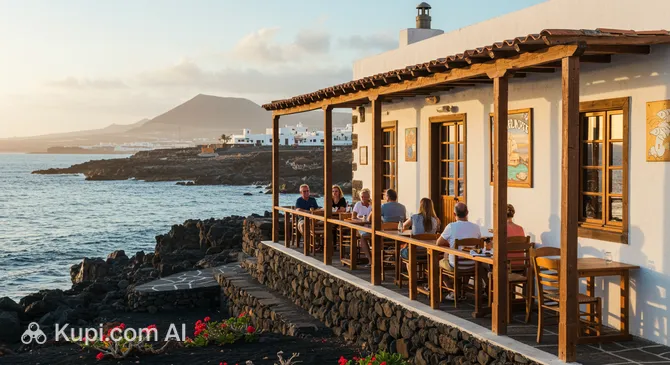
Orzola is also celebrated for its exceptional gastronomy, particularly its fresh seafood, which draws visitors from all over the island. La Nasa El Norte Restaurant is a popular choice among locals and tourists alike, known for serving traditional Canarian dishes and the catch of the day in a welcoming atmosphere. It is an excellent spot to savor the authentic flavors of the Atlantic after a day of exploring.

La Nasa El Norte Restaurant. Source: Kupi.Binoculars

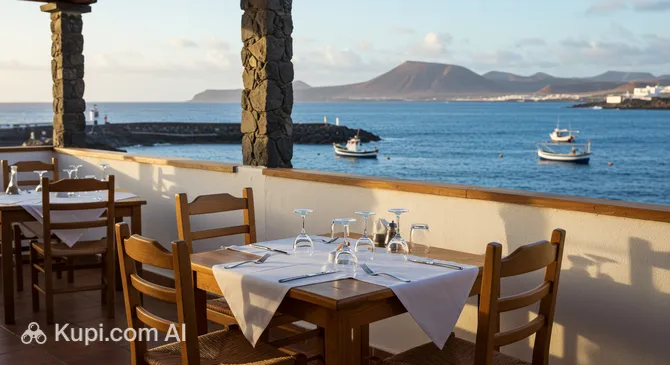
Another highlight for food lovers is La Maresía Restaurant, which offers a delightful dining experience by the sea. Guests can enjoy delicious paella and grilled fish while taking in the soothing sounds of the ocean. These culinary establishments are not just places to eat but are integral parts of the Orzola experience, reflecting the village's deep-rooted fishing heritage.

Local Cuisine

Orzola is widely celebrated as the culinary capital of northern Lanzarote, drawing visitors from across the island specifically for its gastronomy. As a traditional fishing village, the local food scene is entirely centered around the daily catch brought into the harbor. The restaurants here are unpretentious and authentic, lining the waterfront to offer diners relaxed meals accompanied by the sound of crashing waves and the scent of the sea.

No culinary journey here is complete without tasting the quintessential Canarian side dish, papas arrugadas. These small, "wrinkled" potatoes are boiled in salt water and served with the islands' famous sauces: the spicy red mojo picón and the milder, herb-based mojo verde. For a true taste of the Atlantic, adventurous eaters should try lapas (limpets), which are typically grilled with garlic and green mojo, offering a unique and savory flavor profile.

The main event on any table in Orzola is fresh fish. The most iconic local species is the Vieja (parrotfish), known for its delicate, white texture and distinct flavor. It is usually prepared simply—fried or grilled—to preserve its freshness. Other popular catches include Cherne (wreckfish) and sea bream. Seafood platters are also a common sight, often featuring fried calamari, octopus, and prawns, perfect for sharing among friends and family.

La Maresía Restaurant. Source: Kupi.Binoculars

To enjoy these local specialties in a setting that perfectly captures the village's maritime charm, you might visit La Maresía Restaurant. Located right by the water, it is an excellent spot to sample fresh grilled fish while watching the ferry boats navigate the strait between Lanzarote and La Graciosa.

To complement the rich seafood flavors, locals recommend a glass of Malvasia Volcánica, a crisp white wine produced in Lanzarote's unique volcanic vineyards. For a non-alcoholic option, a refreshing tropical fruit juice or the local fizzy drink, Clipper Strawberry, are popular choices. After the meal, a barraquito—a layered coffee drink with condensed milk, liqueur, and cinnamon—serves as the perfect sweet finish to a traditional feast.

Travel Tips

Welcome to Orzola, the northernmost sentinel of Lanzarote! While this charming fishing village is small and easy to navigate, a few practical insights will help you make the most of your visit, whether you are stopping for a seafood lunch or catching a ferry to La Graciosa.

  1. Clothing and Gear: The northern tip of Lanzarote is known for being windier and slightly cooler than the southern resorts due to the trade winds. Bring a light windbreaker or a sweater, even in summer, especially for the evenings. Comfortable, closed-toe shoes are recommended if you plan to walk near the volcanic cliffs or explore the rocky coast, while swimwear is a must for the crystal-clear lagoons nearby.

  2. Transportation: Within the village itself, everything is walkable. However, to reach Orzola or explore the surrounding attractions like the Mirador del Río, renting a car is the most convenient option. Public buses (guaguas) do run from Arrecife (Line 9), but the schedule can be limited, particularly on weekends. Taxis are available near the harbor but can be expensive for long distances.

  3. Finances: The official currency is the Euro (€). While most restaurants and the ferry ticket offices accept credit cards, it is highly advisable to carry cash. Small shops or bars may have minimum spend limits for cards, and ATMs can be scarce or occasionally out of service in this small village. Tipping is not mandatory but is appreciated; leaving around 5-10% for good service is standard.

  4. Health and Safety: Orzola is a very safe destination. The primary concern for tourists is the sun; the cool Atlantic breeze can mask the intensity of the UV rays, so apply sunscreen regularly. Be cautious when swimming on the "back beaches" (like Playa de la Cantería), as the currents can be very strong. For minor health issues, there is a pharmacy in the village, but for emergencies, dial 112.

  5. Communication: The official language is Spanish. Due to the steady stream of tourists heading to La Graciosa, English is widely understood in restaurants and at the ferry port. Learning a few basic phrases like "Hola" (Hello) and "La cuenta, por favor" (The bill, please) is always well-received. Free Wi-Fi is available in most cafes, and mobile coverage is generally good.

  6. Local Etiquette: The atmosphere here is laid-back and traditional. It is polite to greet shopkeepers and waiters when entering an establishment. If you are taking photos of the fishermen working at the port, it is respectful to ask for permission first or keep a polite distance, as this is their daily livelihood.

  7. What to Avoid: Avoid parking your car in the "ferry line" lanes if you are just visiting the village for lunch; there are designated parking areas for visitors. Also, do not underestimate the ocean roughness on the northern coast—stick to the sheltered pools of Caletón Blanco for swimming unless you are an experienced surfer.

  8. Ferry Logistics: If you plan to visit the neighboring island of La Graciosa, arrive at the port at least 30 minutes before departure. Parking can get crowded during peak hours (mid-morning), and you will want enough time to buy tickets and find a spot for your car without stress.

With these tips in hand, you are ready to enjoy the authentic tranquility of Orzola. Whether you are savoring the fresh catch of the day or simply breathing in the salty Atlantic air, this village offers a refreshing pause from the hustle and bustle of modern life.

Entertainment & Nightlife

Travelers seeking a high-energy party scene with thumping nightclubs and all-night discos might find Orzola surprisingly quiet, but for those who appreciate a more relaxed evening, it offers a distinct charm. The nightlife here is defined not by loud music, but by the soothing sound of the Atlantic Ocean and the clinking of glasses in cozy, family-run establishments. The village transforms into a peaceful haven after sunset, where the main form of entertainment is enjoying a long, leisurely dinner followed by a stroll under a star-filled sky.

The social heart of the village in the evening is centered around the harbor and the bustling waterfront. This is where locals and visitors gather to unwind after a day of exploring, watching the fishing boats bob gently in the water. The atmosphere is incredibly laid-back and informal; there is no strict dress code, and casual resort wear is perfectly acceptable everywhere. Most venues here are hybrid spaces—functioning as restaurants that also serve as relaxed bars where you can enjoy a glass of local wine or a cold beer without necessarily ordering a full meal.

For a memorable evening, you can visit La Nasa El Norte Restaurant. It is a favorite spot to experience the authentic local vibe, offering a welcoming terrace that is perfect for soaking up the cool evening breeze. Another excellent option is La Maresía Restaurant, which is particularly renowned for its location. Sitting here with a drink as the sun goes down over the water provides a natural spectacle that rivals any light show.

Practical planning is essential when enjoying a night out in Orzola. Unlike the bustling resorts in the south of Lanzarote, venues here tend to close relatively early, often around 9:00 PM or 10:00 PM, even on weekends. It is best to start your evening early to fully enjoy the experience. Prices are generally very reasonable compared to the larger tourist hubs. Safety is one of the village's strong points; the streets are well-lit and secure for night walks. If you need to return to your accommodation outside the village, it is advisable to ask restaurant staff to call a taxi for you, as hailing one on the street late at night can be difficult.

Before the sun sets, the area offers plenty of daytime entertainment focused on nature and scenic beauty. A short distance away, the Mirador del Río offers spectacular architectural views, while the pristine white sands of Caletón Blanco provide a perfect setting for swimming and sunbathing. These natural attractions make for a wonderful day trip before settling into the village's tranquil evening rhythm.

Parks & Museums

While Orzola is a small fishing village rather than a bustling metropolis, its cultural and natural offerings are defined by the stunning volcanic landscape and the artistic legacy of Lanzarote. Instead of manicured city parks or vast national museums, visitors here will find protected nature reserves and architectural marvels that blend seamlessly with the environment, turning the outdoors into a living gallery.

Parks and Natural Areas

The most significant natural space in the immediate vicinity is the area surrounding Caletón Blanco. Unlike a traditional urban park, this is a pristine coastal zone where the rugged "Malpais" (badlands) of volcanic lava meets the ocean. It serves as a perfect natural playground for walking and exploration. The contrast between the black rock and the fine white sand creates a unique environment that feels like an open-air geological exhibition. It is an ideal spot for nature lovers to observe local flora adapting to the volcanic soil and for families to enjoy the shallow, calm waters protected by natural lava reefs.

Orzola also sits at the foot of the majestic Monte Corona, an extinct volcano that dominates the northern landscape. The natural park area around the volcano offers hiking trails that lead visitors through fields of wild fennel and lichen-covered rocks. Walking here provides a sense of the island's raw power and history. The views from the slopes are spectacular, offering a panoramic perspective of the village and the strait leading to La Graciosa, making it a rewarding destination for trekkers seeking solitude and fresh air.

Museums and Cultural Venues

The premier cultural landmark in the area is undoubtedly the Mirador del Río. Although technically a viewpoint, it functions as a gallery of modern art and architecture. Designed by the visionary César Manrique, the structure is excavated into the cliffside, making it a masterpiece of ecological integration. Inside, the space features sculptures and artistic details that reflect Manrique's philosophy of harmony between nature and humanity. It is fascinating for tourists not just for the view, but for the building itself, which challenges traditional concepts of what a museum or gallery should be.

For a more hands-on cultural experience, Pardelas Park offers a unique blend of a farm, garden, and educational center located just outside the village. It provides a glimpse into the traditional rural life of Lanzarote. Visitors can learn about local agriculture, interact with farm animals, and participate in pottery or craft workshops. It is particularly interesting for families and those wishing to understand the island's agrarian roots beyond the coastal fishing culture.

Historical and Architectural Sites

The village harbor itself stands as a historical testament to Orzola's maritime heritage. While not a formal monument, the old pier and the traditional fishermen's houses, with their white walls and blue or green shutters, represent the authentic architecture of the Canary Islands. Walking through the narrow streets near the port offers an intimate look at a lifestyle that has remained largely unchanged for decades.

Authentic Experiences

For a truly local experience, take a walk along the rugged coastal path north of the village towards the cliffs. Here, you can find small salt pans and makeshift shelters built into the rocks by locals for weekend fishing trips. These hidden corners offer a quiet insight into how the residents of Orzola have historically utilized every inch of this dramatic landscape.

Getting Around

Given the small size of Orzola, the concept of a public transport network differs significantly from larger cities. There is no metro, tram, or trolleybus system within the village itself. Instead, the "network" consists primarily of intercity bus connections that link this northern outpost to the rest of the island, along with the ferry services that operate from its harbor. For movement inside the village, the most effective and common mode of transport is simply walking, as the entire settlement can be crossed on foot in a matter of minutes.

The main public transport link is the bus service, known locally as "guaguas," operated by Intercity Bus Lanzarote. Line 9 is the primary route serving Orzola, connecting it to the capital, Arrecife, with stops at popular tourist sites like Jameos del Agua and Cueva de los Verdes along the way. These buses are modern, comfortable, and air-conditioned, providing a reliable way to reach the village if you are not driving. However, the frequency can be limited, especially on weekends and public holidays, so checking the timetable in advance is essential.

Paying for bus travel is straightforward. You can purchase tickets directly from the driver upon boarding; it is advisable to carry cash in smaller denominations or a contactless bank card, as large bills may not always be accepted. The fares are generally inexpensive, calculated based on the distance traveled. For those planning to use the bus extensively across the island, there are travel cards available that offer discounted rates, though for a short visit to Orzola, paying per ride is usually the most convenient option.

A unique and vital part of Orzola's transport infrastructure is its ferry port, which serves as the exclusive gateway to the neighboring island of La Graciosa. Two main companies operate regular ferry crossings throughout the day: Líneas Romero and Biosfera Express. The journey takes approximately 25 to 30 minutes. Tickets can be purchased at the kiosks in the harbor or booked online in advance. This ferry service essentially functions as a "water bus" for locals and tourists alike, making it a key component of the local transit system.

For alternatives to the bus, taxis are available and can usually be found waiting at the designated rank near the harbor, particularly when ferries arrive. Taxis are metered, and while they offer a comfortable and direct way to travel to the airport or other towns, the cost will be significantly higher than the bus. Ride-sharing apps are not widely used or reliable in this remote part of the island, so relying on official white taxis is the standard practice.

Many visitors choose to rent a car to explore the northern part of the island with greater freedom. Car rental agencies are not abundant within the village itself, so it is best to arrange a vehicle at the airport upon arrival. Parking in Orzola is generally free, with a large designated area near the port intended for those taking the ferry. However, during peak morning hours when day-trippers arrive for La Graciosa, finding a spot can be competitive, so arriving early is a practical tip for drivers.

Accommodation

Accommodation in Orzola offers a refreshing contrast to the sprawling resort complexes found in the southern parts of Lanzarote. The village is characterized by a more intimate and authentic lodging scene, primarily consisting of self-catering apartments, holiday homes, and small, family-run guesthouses. This makes it an ideal destination for independent travelers seeking privacy, space, and a "home away from home" atmosphere while staying close to the rugged northern coastline.

Given the compact size of the village, location is rarely an issue; almost every property is within walking distance of the sea. The most popular areas to stay are clustered around the harbor, providing immediate access to the ferry terminal for trips to La Graciosa, or along the seafront promenade, where visitors can enjoy unobstructed views of the Atlantic Ocean and easy access to the local seafood restaurants. Staying in the village center allows you to immerse yourself in the slow-paced daily life of this traditional fishing community.

Visitors should note that Orzola does not feature large international hotel chains or all-inclusive luxury resorts. Instead, the charm of the accommodation lies in its simplicity and integration with the local architecture—typically white-washed buildings with green or blue shutters. These rentals often come equipped with kitchens and living areas, perfect for those who wish to cook their own meals using fresh ingredients from local markets.

Booking Tip: Due to the limited number of beds available in this small village, accommodation can sell out quickly, particularly during the summer months and local festivals. It is highly recommended to book your stay well in advance to secure your preferred dates and location.

In terms of cost, the price range is generally budget to mid-range, offering excellent value for money compared to the island's main tourist hubs. Most bookings are made through major online travel platforms or holiday rental websites, though some smaller establishments may accept direct inquiries. This accessibility makes Orzola an attractive option for budget-conscious travelers and those looking for a quiet base to explore the northern wonders of Lanzarote.

Nearby Cities

While Orzola offers a peaceful coastal retreat, it is situated within reach of several bustling urban centers. The capital of the island is just a short drive away, making it perfect for a spontaneous visit, whereas other major cities in the archipelago require inter-island travel and are better suited for longer excursions or as next stops on your itinerary.

The most accessible destination is Arrecife, located approximately 30 kilometers south. As the capital of Lanzarote, it provides a lively contrast to the village's quiet charm. Visitors can easily spend a day exploring the picturesque Charco de San Ginés lagoon, shopping in the city center, or visiting historical fortifications like the Castillo de San Gabriel, all without leaving the island.

For those planning to explore the wider region, Las Palmas on the neighboring island of Gran Canaria acts as a major provincial hub. Although reaching it involves a ferry or flight, this vibrant metropolis offers a cosmopolitan atmosphere with its historic Vegueta district and the famous Las Canteras beach. Similarly, La Laguna on Tenerife is a significant cultural landmark. Recognized as a UNESCO World Heritage site, it is renowned for its preserved colonial architecture, though its distance makes it a separate destination rather than a day trip from Orzola.

City Population Distance (km)
Las Palmas 378,797 229
Santa Cruz de Tenerife 208,688 286
La Laguna 158,010 291
Telde 102,769 235
Arrecife 64,497 30

These locations highlight the diversity of the Canary Islands, ranging from immediate local attractions to significant regional capitals that require further travel.

Shopping & Souvenirs

Shopping:

Shopping in Orzola reflects the village's laid-back, traditional character. As a small fishing community and a transit port, it does not offer extensive commercial districts or high-end fashion boutiques. Instead, the shopping experience here is intimate and focused on essentials, local craftsmanship, and souvenirs. Visitors typically find that the retail options are convenient for picking up last-minute items before taking the ferry to La Graciosa or for buying unique gifts that represent the island's culture.

Main Shopping Areas

The primary commercial activity is concentrated along the waterfront, particularly on Avenida de la Marina. This is the heartbeat of the village, where the ferry terminals are located. Along this strip, you will find a selection of small shops nestled between the seafood restaurants. These establishments cater primarily to tourists, offering beach gear, postcards, and locally inspired handicrafts. It is a pleasant area to browse while waiting for a boat or after enjoying a meal by the sea.

Shopping Malls

There are no shopping malls or large department stores in Orzola. The village has preserved its authentic architecture and small-town feel, avoiding large-scale commercial developments. Travelers looking for a comprehensive shopping spree with international brands and extensive retail chains should head to the capital, Arrecife, or the larger resort towns in the south of Lanzarote, which are better equipped for such needs.

Markets

While Orzola itself does not host a major weekly market, it is perfectly situated for visiting one of the island's most famous traditional markets. The Haría Artisan Market is located just a short drive south in the "Valley of a Thousand Palms." Held on Saturday mornings, this market is renowned for its focus on handmade goods rather than imported trinkets. It is an excellent place to find organic produce, pottery, and artwork, making it a worthwhile excursion for anyone staying in the northern part of the island.

Souvenirs and Local Goods

Despite its size, Orzola is a great place to purchase authentic souvenirs. The local shops often stock products made from Aloe Vera, a plant that thrives in Lanzarote's volcanic soil and is famous for its skincare properties. You can also find jewelry made from olivine (a green semi-precious stone found in the lava) and lava rock itself. Additionally, foodies can pick up jars of mojo sauce or bottles of local wine to take a taste of the Canaries home with them.

Opening Hours and Payment

Stores in Orzola generally follow traditional Spanish operating hours. Most open around 10:00 AM and may close for a siesta in the early afternoon, reopening in the evening. However, shops near the port often align their hours with the ferry schedules to accommodate travelers. While credit and debit cards are widely accepted, it is advisable to carry some cash (Euros), especially for small purchases like postcards, snacks, or souvenirs from smaller vendors.

Tax-Free Shopping

The Canary Islands operate under a different tax regime than mainland Spain, using the IGIC (Canarian Indirect General Tax) instead of VAT, which is significantly lower. While this makes many goods cheaper, the tax-free refund system for tourists is typically geared towards larger purchases made in major electronic or luxury stores, which are not found in Orzola. However, the generally lower prices on tobacco, alcohol, and perfumes are noticeable even in smaller local shops.


Reached the end of the page?

That means the route is fully explored