Support

Laayoune

About

Laayoune is a captivating destination where the vastness of the Sahara Desert meets the refreshing winds of the Atlantic Ocean. As the largest city in the Laâyoune-Sakia El Hamra region, it serves as a vital hub for trade and culture, offering travelers a unique glimpse into life on the edge of the dunes. The city presents a fascinating contrast between its arid surroundings and its lively, modernizing urban streets.

Geographically, the city is situated just inland from the Atlantic coast, which blesses it with a climate that is significantly milder than the deep desert interior. The temperatures are generally warm and pleasant, though the desert influence ensures dry conditions year-round. With a population of over 200,000, it is a bustling center of activity in the area.
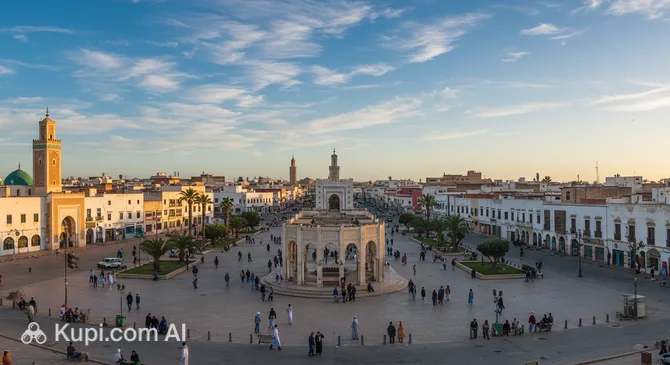
Laayoune. Source: Kupi.Binoculars

Visitors interested in the past can delve into the fascinating history of Laayoune, which traces its roots back to the Spanish colonial era in the early 20th century. This heritage is still visible in some of the city's architecture and layout, providing a distinct character that sets it apart from other desert settlements.

Among the key attractions, the St. Francis of Assisi Cathedral stands out as a significant historical landmark, showcasing Spanish colonial architecture. For those looking to experience the local atmosphere, the Place du Mechouar is a grand square where residents gather, offering a perfect spot for people-watching. Additionally, the city serves as a gateway to the stunning desert landscapes, with impressive sand dunes located just a short drive away, perfect for excursions.

With its unique blend of desert mystique, historical intrigue, and modern amenities, Laayoune invites adventurers to explore its streets and experience the warm hospitality of its inhabitants.
Weather Overview

The climate in this coastal city is characterized by its aridity and moderation, benefiting significantly from the cooling breezes of the Atlantic Ocean. Expect warm, dry summers and mild winters with occasional light showers. Unlike the interior of the desert, the temperatures here remain relatively comfortable throughout the year, making it a year-round destination for travelers.

Summer marks the warmest period, particularly in August, when daily highs average 31.3°C and the weather is consistently dry. In fact, July and August typically see almost zero precipitation. For those planning a visit, checking the current weather in Laayoune is recommended to pack appropriately for the sunny days.

Winters are cooler but far from freezing, with January seeing average temperatures around 10.9°C and nightly lows dropping to approximately 6.7°C. While heavy rain is rare, the cooler months do bring some moisture; for instance, March can experience up to 12 wet days, although the total precipitation usually remains low, often manifesting as light mist or drizzle.

Interesting Facts

Beyond the main attractions, Laayoune holds many fascinating secrets that reveal its unique position between the vast Sahara and the Atlantic Ocean. From engineering marvels to linguistic ironies, the city offers curious details that often go unnoticed by the casual observer.

  • A River of Phosphate: The region is home to the world's longest conveyor belt, which stretches over 100 kilometers across the desert. This engineering feat transports phosphate ore from the Bou Craa mines directly to the coast near Laayoune and is so massive that its outline can sometimes be seen from space.

  • Irony in the Name: The name "Laayoune" (or El Aaiún) translates from Arabic as "The Springs" or "The Water Sources." This moniker refers to the oasis that originally sustained the settlement, a stark and refreshing contrast to the arid sand dunes that surround the city.

  • A Modern Foundation: Unlike the ancient imperial cities of Morocco with their centuries-old medinas, Laayoune is a relatively young city founded in 1938 by the Spanish colonizer Antonio de Oro. This recent history gives the city a distinct grid-like urban layout that differs significantly from the winding alleyways found in Morocco's ancient medinas.

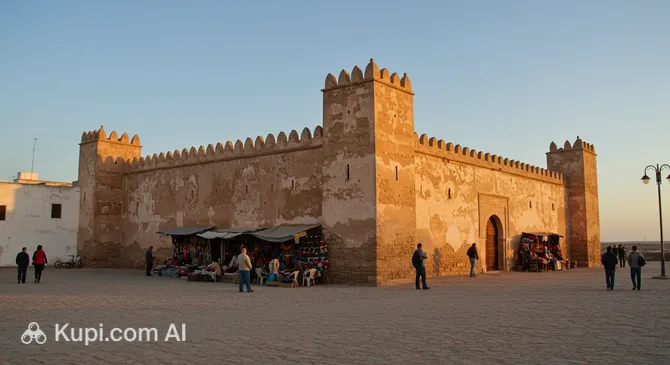
  • The Historic Quarter: Despite its modernity, the city preserves its heritage in the area known as the Laayoune Kasbah. This district reflects the early Spanish colonial architecture and serves as a testament to the city's origins as a military outpost before it grew into a bustling metropolis.

Laayoune Kasbah. Source: Kupi.Binoculars

How to Get There

Reaching this destination requires some planning due to its location, but reliable connections make the journey accessible. For detailed routes and logistics, you can consult all ways to reach the city on our dedicated page. Whether you prefer the speed of air travel or a scenic road trip along the Atlantic coast, there are viable options to suit different itineraries.

The most convenient and fastest way to arrive is by flying into Hassan I Airport (EUN). Located just a short distance from the city center, this facility serves as the primary aviation hub for the area. It offers regular direct flights from major cities such as Casablanca and Agadir, as well as connections to the Canary Islands. Upon arrival, taxis are readily available to take visitors to their accommodation.

For those who enjoy overland travel, the city is connected to the north via the National Route 1 (N1). Long-distance buses operated by various companies provide comfortable services from hubs like Marrakech, Agadir, and Tan-Tan. While the journey by bus can be long given the vast distances, it offers travelers a unique opportunity to witness the dramatic transformation of landscapes from the greener north to the arid beauty of the desert coast.

Main Attractions

Laayoune offers a fascinating mix of Saharan tradition and modern urban life, with a unique history that sets it apart from other Moroccan cities. While it may not have the ancient medinas found in the north, its attractions tell the story of a city that has grown from a Spanish outpost into a bustling desert metropolis.

One of the most vibrant spots in the city is Place du Mechouar. This expansive square is the beating heart of Laayoune, lined with palm trees and impressive architecture. In the evenings, it comes alive as families and friends gather to socialize, children play, and the cool desert breeze settles in. It is the perfect place to observe local life and admire the four magnificent monuments that guard each corner of the plaza.

For history enthusiasts, the Laayoune Kasbah is a significant site that reflects the city's colonial past. Unlike the mud-brick kasbahs of the High Atlas, this area features remnants of the Spanish era, offering a glimpse into the architectural style of the mid-20th century. Walking through this district allows visitors to trace the origins of the city back to its foundation in 1938.

A striking symbol of the city's diverse heritage is the St. Francis of Assisi Cathedral. Built during the Spanish colonial period, this church remains an active place of worship and a curious architectural landmark in a predominantly Muslim region. Its simple yet elegant design stands as a testament to the city's multicultural history and is a quiet haven amidst the busy streets.

Dominating the skyline is the Great Mosque (Mosquée Moulay Abdelaziz), a masterpiece of modern Islamic architecture. With its towering minaret and intricate tile work, it serves as the spiritual center of Laayoune. While entry is reserved for Muslims, the exterior offers a stunning backdrop for photography and an appreciation of Moroccan craftsmanship.

Just a short drive from the city center lies Foum El Oued, the city's coastal outlet. This beachside area is where the desert sands meet the Atlantic waves. It is a favorite escape for locals seeking relaxation, fresh seafood, and a break from the arid inland heat, making it an essential stop for any visitor looking to experience the region's natural beauty.

Local Cuisine

The culinary landscape of Laayoune offers a distinctive fusion of classic Moroccan flavors and the unique traditions of the Sahrawi people. Situated where the desert meets the ocean, the city's gastronomy is defined by hearty, energy-rich meals designed for life in arid climates, complemented by the fresh bounty of the Atlantic. For food enthusiasts, this is a rare opportunity to taste dishes that are less common in the northern parts of the country.

A true signature of the region is camel meat. Highly prized in Sahrawi culture, it is a must-try for adventurous eaters. The meat is known for being lean and healthy, often prepared in a slow-cooked tagine with dates and spices to enhance its tenderness, or grilled as savory kebabs (brochettes). Another staple is couscous, which is frequently served here with large cuts of camel meat or lamb, differing slightly in texture and seasoning from the versions found in Marrakech or Fes.

Thanks to the city's proximity to the coast, seafood plays a major role in the local diet. The nearby port supplies the city with a daily catch of fresh fish. Visitors can enjoy excellent platters of fried sardines, grilled sea bream, and calamari, particularly in restaurants along the road to the beach or in the city center. This abundance of seafood provides a lighter alternative to the meat-heavy dishes of the interior desert.

The most important cultural ritual in Laayoune is undoubtedly the tea ceremony. Sahrawi tea is famous for its preparation method, which involves pouring the tea from a height to create a thick, persistent foam. It is traditionally served in three rounds, said to be "bitter like life, sweet like love, and soft like death." Sharing this strong, sugary brew is an essential act of hospitality and the primary way locals socialize.

When looking for a place to eat, the options range from modern establishments to traditional eateries. The bustling streets around the Laayoune Kasbah and the central plazas are excellent spots to find local snacks and observe the evening atmosphere. While alcohol is available in specific hotel bars and licensed restaurants catering to international visitors, it is not part of the general dining culture; meals are typically enjoyed with water, fresh juices, or fermented milk (leben).

Travel Tips

Welcome to Laayoune, a fascinating destination where the golden sands of the Sahara meet the Atlantic breeze. To help you navigate this unique desert city with ease and confidence, here are some practical tips designed to make your stay as enjoyable and smooth as possible.

  1. Clothing and Gear: Due to the desert environment, temperatures can fluctuate significantly. Pack light, breathable layers for the warm days, but bring a warm jacket or windbreaker for the evenings, which can get surprisingly chilly and windy. As Laayoune is a conservative city, it is respectful to dress modestly; both men and women should avoid very short clothing and keep shoulders covered. Comfortable walking shoes are essential, especially if you plan to visit the dunes.
  2. Transportation: The most convenient way to get around the city is by using Petit Taxis (small painted cars). They are plentiful, inexpensive, and efficient for short trips. For excursions to the beach at Foum El Oued, you can hire a "Grand Taxi" or rent a car, which gives you the freedom to explore the surrounding landscapes at your own pace. There is no metro or tram system, but the city is relatively compact and easy to navigate.
  3. Finances: The local currency is the Moroccan Dirham (MAD). While some larger hotels and restaurants accept credit cards, cash is king in Laayoune, especially for taxis, small shops, and local cafes. ATMs are widely available in the city center. It is a good idea to carry small change for tips, which are customary and appreciated for service staff, parking attendants, and porters.
  4. Health and Safety: Laayoune is generally a safe city for tourists, but standard precautions should be taken with valuables. Pharmacies are easily found throughout the city (look for a green cross sign) and are well-stocked for minor ailments. The desert sun can be intense, so high-SPF sunscreen and sunglasses are mandatory. It is also highly recommended to drink bottled water rather than tap water to avoid any stomach issues.
  5. Communication: The primary languages spoken are Arabic (specifically the Hassaniya dialect) and French. Due to the city's history and proximity to the Canary Islands, Spanish is also understood by many locals, arguably more so than English. Learning a few basic phrases in Arabic, such as "Salam" (Hello) or "Shukran" (Thank you), will go a long way. For mobile data, you can easily purchase a SIM card from major providers like Maroc Telecom or Orange at the airport or in town.
  6. Local Etiquette: The culture here is deeply rooted in Sahrawi traditions of hospitality. If you are invited to drink tea, accept it graciously; the tea ceremony is a vital social ritual that can last quite a while. When greeting people, a handshake with the right hand is standard, often followed by touching your hand to your heart. Public displays of affection should be avoided out of respect for local norms.
  7. What to Avoid: Do not take photographs of people without their explicit permission, as privacy is highly valued. Additionally, avoid taking pictures of government buildings, military installations, or police checkpoints, as this is strictly prohibited. When eating from a communal plate—a common way to serve dishes like couscous—always use your right hand, as the left is considered unclean for dining.
  8. Local Rhythm: embrace the local schedule. You might find that many shops and businesses close for a few hours in the afternoon during the hottest part of the day and reopen in the late afternoon, staying open late into the evening. This is the best time to experience the city's social life, particularly around the main squares where families gather to enjoy the cooler air.

By keeping these practical tips in mind, you will be well-prepared to immerse yourself in the warm culture and distinct atmosphere of Laayoune. Enjoy your journey through this remarkable corner of the world!

Entertainment & Nightlife

Nightlife in Laayoune offers a distinct experience that differs significantly from the bustling club scenes found in European capitals or even in Marrakech. Here, the evening entertainment is centered less on loud discotheques and more on social connection, lively promenades, and relaxed gatherings. The city comes alive after sunset, especially when the desert heat dissipates, inviting locals and visitors alike to enjoy the cooler air in the streets and public squares.

The atmosphere is predominantly conservative and family-oriented. You will not find a district dedicated to nightclubs; instead, the social heart of the city beats in its cafes and open plazas. The most vibrant area is undoubtedly around Place du Mechouar. This expansive square fills up in the evening with families, children playing, and friends catching up. It is the perfect spot to immerse yourself in the local culture, enjoy a late-night snack, and watch the world go by in a safe and welcoming environment.

For those seeking a place to enjoy an alcoholic beverage, options are generally limited to the bars located within major hotels, as most local cafes serve only coffee, tea, and juices. The Hotel Al Massira is a well-known establishment where visitors can find a quiet bar to relax with a drink after a day of exploration. Similarly, the Hotel Parador offers a comfortable setting for a beer or a glass of wine, catering primarily to international travelers and expatriates. These venues typically have a laid-back style, and while there is no strict dress code, "smart casual" is the standard expectation.

Boulevard Makkah is another key artery for evening activity. Lined with shops, restaurants, and cafes, it remains bustling well into the night. Here, you can experience the traditional "paseo," where groups stroll along the avenue, stopping for the region's famous Sahrawi tea. The shops often stay open late, allowing for some night-time browsing for souvenirs or local crafts.

Regarding safety, Laayoune is generally very safe for night walks, particularly in these well-lit and populated areas. The presence of police is common, ensuring a secure environment. To get around, Petit Taxis are available throughout the night and are an affordable way to move between your hotel and the city center. It is always advisable to carry small cash denominations for fares.

While the nights are for socializing, the daylight hours offer their own diversions. Visitors can explore the historical Laayoune Kasbah, which stands as a reminder of the city's architectural heritage. Beyond historical sites, daytime entertainment often involves excursions to the nearby dunes or visits to the local markets, which provide a colorful contrast to the relaxed vibe of the evening.

Parks & Museums

While often associated with the sweeping dunes of the Sahara, the city also boasts cultural venues and natural spaces that offer a deeper understanding of the region's heritage and geography. From the banks of the Sakia El Hamra river to galleries showcasing local craftsmanship, there are several spots where visitors can connect with the artistic and natural soul of the area.

For nature enthusiasts, the Sakia El Hamra river valley is a surprising oasis of biodiversity in the midst of the desert. This wetland area is particularly famous among birdwatchers, as it frequently attracts flocks of pink flamingos and other migratory birds that gather in the shallow waters. It serves as a tranquil escape from the urban center, offering picturesque views of the water set against the backdrop of golden sands.

Another key outdoor space is Foum El Oued, located a short drive from the city center. While primarily known as a beach destination, its promenade and surrounding natural areas provide a refreshing environment for walking and enjoying the Atlantic breeze. It is a favorite spot for families and joggers who come to appreciate the unique convergence of the desert coastline and the ocean.

Immersing oneself in the local culture is best done at the Museum of Sahrawi Arts (Musée des Arts Sahariens). Located near the Place du Mechouar, this facility is dedicated to preserving the tangible heritage of the nomadic populations. Exhibits typically include traditional leatherwork, intricate jewelry, wooden tools, and the iconic "khaimas" (tents), providing valuable context on how people have thrived in this arid environment for centuries.

For a more hands-on cultural experience, the Ensemble Artisanal is a must-visit. This artisanal complex is not just a gallery but a working center where visitors can observe master craftsmen and craftswomen at work. It is the perfect place to admire and purchase authentic silver jewelry, camel leather goods, and woven carpets, ensuring that the skills of the region are passed down to new generations.

History buffs should direct their attention to the Laayoune Kasbah. This historic district represents the older core of the modern city, featuring architecture that dates back to the Spanish colonial period. Walking through its streets offers a glimpse into the city's formative years and stands in contrast to the newer developments surrounding it.

Another architectural landmark worth noting is the St. Francis of Assisi Cathedral. As a remnant of the Spanish presence, this church is a unique historical feature in the city. Its simple yet evocative design reflects the colonial era's influence and serves as a quiet reminder of the city's diverse historical layers.

Insider Tip: For a truly memorable experience, visit the Sakia El Hamra dam area at sunset. The fading light over the water, combined with the silhouettes of flamingos and the surrounding dunes, creates a photographer's dream and a moment of absolute peace.

Getting Around

The public transport system in Laayoune is relatively simple and straightforward, reflecting the city's manageable size and layout. Unlike larger metropolitan areas, there is no metro, tram, or train service within the city limits. Instead, the local transportation network relies primarily on a system of modern buses and a large fleet of taxis, which are the most popular and convenient ways for visitors to get around.

The city is served by a network of modern city buses that are generally comfortable and air-conditioned—a welcome feature given the desert climate. These buses connect the city center with major neighborhoods and outlying areas. A key route for tourists is the line connecting Laayoune to Foum El Oued, the popular beach area located about 25 kilometers away. Bus stops are marked, though schedules can sometimes be flexible, so a bit of patience is often required.

For most short trips within the city, Petit Taxis are the most efficient option. These are small cars, typically painted red and white, that can carry up to three passengers. They are omnipresent and can be easily hailed from the street. These taxis usually operate on a taximeter system. If the driver does not turn on the meter, it is advisable to agree on a fare before starting the journey, although prices for trips within the city center are generally very affordable.

If you plan to travel outside the city limits, such as to the airport or further into the desert, you will need a Grand Taxi. These are larger vehicles, often older Mercedes sedans or newer vans, capable of carrying up to six passengers. Grand Taxis operate on fixed routes between specific stations or can be hired privately for excursions. They are the standard mode of transport for inter-city travel in Morocco if you are not taking a bus.

Payment for all forms of public transport is done exclusively in cash. There are no travel cards, digital passes, or mobile apps for ticketing currently in use. When taking a bus, you purchase your ticket directly from the driver upon boarding. For taxis, it is essential to carry small denominations of the local currency (Dirhams), as drivers often do not have change for large bills. Fares are inexpensive by international standards.

Ride-hailing apps are not active in Laayoune. The traditional method of flagging down a taxi remains the norm. However, due to the city's grid-like urban planning and flat terrain, walking is a viable and pleasant alternative for exploring the central districts, especially in the evenings when the temperature drops. For those wishing to explore the surrounding dunes or coast independently, renting a car is highly recommended and provides the most freedom.

Accommodation

Accommodation in Laayoune caters primarily to a mix of business travelers, officials, and adventurous tourists passing through the region. The city offers a range of options that are generally functional and comfortable, though visitors should not expect the ultra-luxury resorts found in Marrakech or Agadir. The selection spans from budget-friendly guesthouses and modest hotels to well-appointed 4-star establishments that provide international standards of service.

The majority of hotels are concentrated in the city center, particularly around the main avenues and the Place du Mechouar. Staying in this area is highly recommended for tourists, as it places you within walking distance of restaurants, cafes, and markets. For those seeking a more scenic or relaxed environment, there are some rental apartments and accommodation options towards the coast at Foum El Oued, though staying there requires reliable transportation to commute back to the city's main attractions.

In terms of style, the hospitality scene is dominated by mid-range hotels designed to meet the needs of professionals and short-term visitors. These establishments typically offer amenities such as air conditioning, Wi-Fi, and on-site dining. Some of the city's most well-known hotels, such as the Hotel Al Massira or the Hotel Parador, feature distinctive architecture and swimming pools, serving as social hubs for the city's international community.

Booking Tips and Prices: Prices in Laayoune are generally reasonable compared to Morocco's major tourist hubs. Budget travelers can find rooms for very affordable rates, while the top-tier hotels remain accessible to most mid-range budgets. While the larger hotels can be booked via major online platforms, many smaller establishments and apartments may require direct contact or booking upon arrival. It is advisable to book in advance if your visit coincides with national holidays or major regional business events, as the best rooms can fill up quickly.

Nearby Cities

Laayoune serves as a fascinating focal point in a region defined by the dramatic meeting of the vast Sahara Desert and the Atlantic Ocean. While the city itself acts as a bustling urban hub, the immediate surroundings offer travelers a chance to experience unique landscapes, ranging from rolling sand dunes to rugged coastal stretches.

The most popular nearby destination is Foum El-Oued, located approximately 25 kilometers to the west. This coastal town serves as the city's primary beach resort, offering a refreshing escape with its expansive stretches of sand and brisk Atlantic breezes. It is a favorite spot for both locals and visitors to relax, walk along the water's edge, and observe the fishermen at work.

Inland, the scenery is dominated by the Sakia El Hamra valley, which gives the region its name. The surrounding terrain provides opportunities to witness the stark and serene beauty of the desert. Travelers can explore the golden dunes that characterize the area, offering a peaceful backdrop and a glimpse into the traditional nomadic environment that has shaped the local culture.

For those willing to travel a bit further, the vastness of the desert opens up towards the north and east, where the open horizons and unique geological formations create a striking setting for exploration and photography. The contrast between the arid interior and the humid coast makes the surroundings of Laayoune a compelling destination for nature enthusiasts.

Shopping & Souvenirs

Shopping

Shopping in Laayoune offers a distinct experience that contrasts with the bustling, labyrinthine souks of Marrakech or Fez. Here, the commercial scene is a blend of modern convenience and traditional Sahrawi culture. While you will not find high-end luxury fashion houses, you will discover a city where prices are often lower than in the north, thanks to the region's special economic status. The atmosphere is relaxed, allowing visitors to browse without the intense haggling pressure often found in other Moroccan tourist hubs.

The primary artery for retail therapy is Boulevard Makkah. This wide, palm-lined avenue serves as the city's modern high street, hosting a variety of boutiques, electronics shops, and cafes. It is the perfect place to take an evening stroll, as shops stay open late to accommodate the cooler night air. Along this strip and the surrounding streets, you can find everything from modern clothing to local handicrafts, making it the most accessible shopping district for visitors.

While Laayoune does not feature massive western-style shopping malls, it offers modern supermarkets and smaller commercial centers known as "Kissariats." These indoor galleries house multiple small vendors selling fabrics, perfumes, and shoes under one roof. For a more curated experience, the Ensemble Artisanal is the closest equivalent to a shopping center for tourists. It gathers various artisans in one location, ensuring high-quality goods and fixed prices, which is ideal for those who prefer a straightforward shopping experience.

For a taste of local life, the traditional markets are a must-visit. The Souk Ez-Zaj (often referred to as the Glass Market) and the central municipal market are vibrant hubs of activity. Here, stalls overflow with fresh produce, aromatic spices, and blocks of camel meat. These markets are also excellent places to find traditional Sahrawi attire. The explosion of colors from the fabrics on display provides a stark and beautiful contrast to the desert tones of the surrounding landscape.

When it comes to souvenirs, Laayoune offers unique items that reflect the nomadic heritage of the region. The most iconic purchase is the Melhfa, a long, colorful piece of fabric worn by Sahrawi women; it makes for a beautiful scarf or throw. Silver jewelry is another specialty, often featuring bold, geometric designs distinct from the Berber styles of the Atlas Mountains. Additionally, items related to the tea ceremony, such as intricate metal teapots and glasses, are popular keepsakes, as are leather goods made from camel hide.

Stores typically open around 9:00 or 10:00 AM, but it is important to note that many close for a long mid-day break from roughly 1:00 PM to 4:00 PM to avoid the peak heat. They reopen in the late afternoon and remain bustling until 9:00 PM or later. Cash is the primary method of payment in most small shops and markets. While larger hotels and some modern supermarkets accept credit cards, it is essential to carry Moroccan Dirhams for most of your shopping needs.

Regarding tax-free shopping, while Morocco has a VAT refund system for tourists at major international retailers, the opportunities to use this in Laayoune are limited due to the nature of local businesses. However, the region itself benefits from tax exemptions on many goods, meaning that fuel, electronics, and certain imported items are naturally cheaper here than in the rest of the country, effectively offering a "tax-free" discount at the register for everyone.

Reached the end of the page?

That means the route is fully explored