Support

Puerto del Rosario

About

Puerto del Rosario serves as the vibrant capital of Fuerteventura, offering a perfect blend of administrative importance and laid-back island charm. Unlike typical tourist resorts, this city provides an authentic glimpse into local life, functioning as the commercial and cultural heartbeat of the island. It is a place where travelers can experience the genuine rhythm of the Canaries away from the main hotel strips.

Geographically situated on the eastern coast, the city enjoys a warm, sunny climate year-round, characteristic of this region of Spain. With a population of approximately 42,000 residents, it acts as the primary transport hub for the island, yet it manages to maintain a welcoming and manageable atmosphere for visitors.

Puerto del Rosario. Source: Kupi.Binoculars

The city has evolved significantly from its humble beginnings. Originally known as Puerto de Cabras (Port of Goats), the history of Puerto del Rosario is deeply rooted in maritime trade and its strategic importance as a port. Today, it has transformed into an open-air art gallery, famously known as the City of Sculptures, with over 100 statues adorning its streets, roundabouts, and parks.

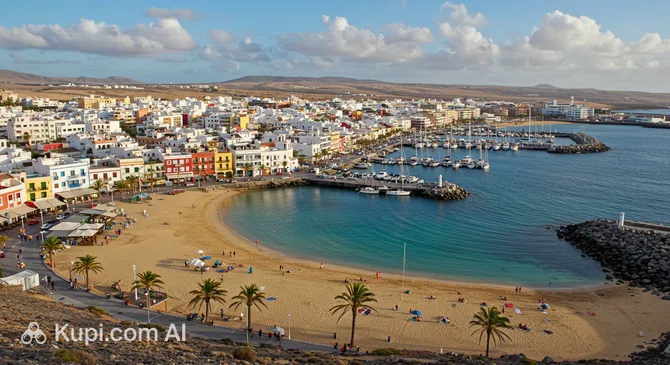
Visitors will find plenty to explore, including the beautiful waterfront promenade and the popular urban beach, Playa Chica, which boasts golden sands and calm waters. The bustling port area remains a focal point, welcoming cruise ships and hosting local fishermen, ensuring that fresh seafood is a staple in the nearby restaurants. Whether you are looking for a central base to explore Fuerteventura or a pleasant day trip, Puerto del Rosario offers a delightful mix of culture, art, and seaside relaxation.

Weather Overview

Puerto del Rosario enjoys a pleasant subtropical climate, making it an ideal destination for travelers seeking warmth at any time of the year. The city is known for its eternal spring-like atmosphere, characterized by consistent sunshine and very little rainfall, creating perfect conditions for outdoor activities and beach days.

If you are checking the weather in Puerto del Rosario before packing, you will find it remains remarkably stable. The warmest period peaks in August with average temperatures around 23.1°C, while the coolest month, January, maintains a mild average of 17.5°C. This gentle range means the city rarely experiences extreme heat or cold.

Precipitation is exceptionally scarce in this region. From May through August, wet days are practically non-existent, and even during the winter months, rain is a rarity with only about one or two wet days per month. Expect consistently mild temperatures year-round with virtually no rainfall, ensuring a dry and sunny visit regardless of the season.

Interesting Facts

Beyond its administrative facade, Puerto del Rosario hides a collection of cultural anecdotes and local traditions that define its true character. From literary history to unique festivals, there is more to this port city than meets the eye.

  • The city is famous for hosting one of the most unique carnival events in the Canary Islands known as "Los Achipencos." During this humorous regatta, participants launch extravagant, homemade rafts that must stay afloat without conventional propulsion, creating a spectacle that prioritizes creativity over speed.
  • History enthusiasts can trace the island's industrial past through the "Hornos de Cal" (lime kilns) scattered along the coastline. These preserved stone structures were once crucial for the local economy, producing lime for export to the other islands long before tourism became the main industry.
  • The renowned Spanish philosopher Miguel de Unamuno was exiled here in 1924. Although he initially dreaded the isolation of what was then a small village, he eventually fell in love with the island's austere landscape, describing it as a spiritual oasis, and his former residence has been preserved as a museum.
  • While much of the island is dedicated to rustic tourism, Puerto del Rosario serves as the modern commercial engine of Fuerteventura. It houses the island's largest retail complex, Las Rotondas Shopping Centre, which stands as a hub for fashion and entertainment in the city center.
Las Rotondas Shopping Centre. Source: Kupi.Binoculars

How to Get There

Reaching the capital of Fuerteventura is a straightforward experience for travelers, primarily due to its well-connected international transport hub. Whether you are arriving from mainland Europe or hopping over from a neighboring island, you can find all ways to reach the city and plan your journey with ease.

The most convenient entry point is undoubtedly Fuerteventura Airport (IATA: FUE), which is located directly within the municipality of Puerto del Rosario. Situated just 5.2 km from the city center, it serves as the main gateway for millions of visitors annually. Due to this close proximity, the transfer to your accommodation is very quick; a taxi ride typically takes around 10 minutes, making it an effortless trip after your flight. The airport handles a large volume of traffic, offering numerous connections and modern facilities.

Alternatively, travelers can fly into Lanzarote Airport (IATA: ACE), located in the city of Arrecife on the neighboring island of Lanzarote. This airport is approximately 55.9 km from Puerto del Rosario. While it requires an inter-island connection, usually via a ferry service, it remains a popular option for those exploring the wider Canary Islands region. Another significant hub is Gran Canaria Airport (IATA: LPA) in Las Palmas, situated about 162.3 km away, which acts as a major transit point for the archipelago.

For clarity, here is a summary of the main airports:

Airport Name City Passenger Traffic Km from City
Gran Canaria AirportLas PalmasVery Large162.3
Lanzarote AirportArrecifeLarge55.9
Fuerteventura AirportPuerto del RosarioLarge5.2
Tenerife North AirportSanta Cruz de TenerifeLarge242.7
Hassan I AirportLaayouneMedium162.3

Puerto del Rosario does not have a railway station, as there is no train network on the island of Fuerteventura. Public transport relies entirely on a comprehensive bus system, known locally as "guaguas," which connects the capital with major resort towns and villages. Taxis are also readily available and provide a convenient way to navigate the city and its surroundings.

Main Attractions

Puerto del Rosario offers a diverse array of attractions that range from cultural landmarks to modern leisure spots. While it is the administrative capital, the city has cultivated a unique charm through its artistic initiatives and vibrant culinary scene, making it a rewarding stop for visitors exploring Fuerteventura.

One of the city's most significant cultural sites is the Casa Museo Unamuno. This traditional Canarian house was the residence of the famous writer and philosopher Miguel de Unamuno during his exile in 1924. Today, it stands as a museum preserving his personal objects and furniture, offering a fascinating window into the island's history and the intellectual's life during the early 20th century. It is a must-visit for those interested in literature and local heritage.

Art lovers will appreciate the city's status as an open-air museum. The Sculpture Park is not a single enclosed space but a city-wide initiative featuring over 150 sculptures distributed throughout the streets, roundabouts, and the maritime promenade. Walking through Puerto del Rosario feels like exploring a vast gallery, where works by various local and international artists transform the urban landscape into a creative playground.

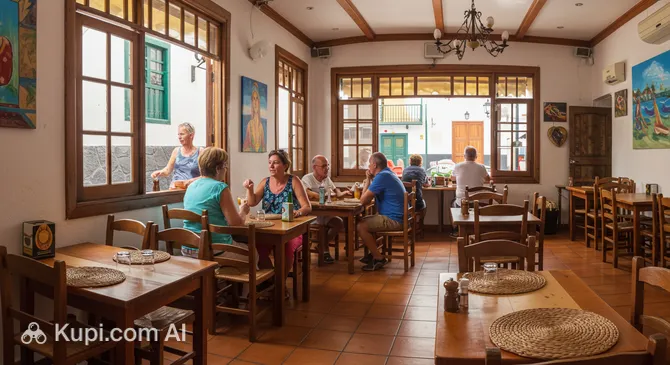
For those interested in the local gastronomy, the city offers exceptional dining experiences that highlight Canarian flavors with a modern twist. La Jaira Restaurant is a standout favorite among locals and tourists alike. Known for its "neotaberna" style, it serves creative dishes using locally sourced ingredients, such as goat meat and artisanal cheeses, in a cozy and welcoming atmosphere.

La Jaira Restaurant. Source: Kupi.Binoculars

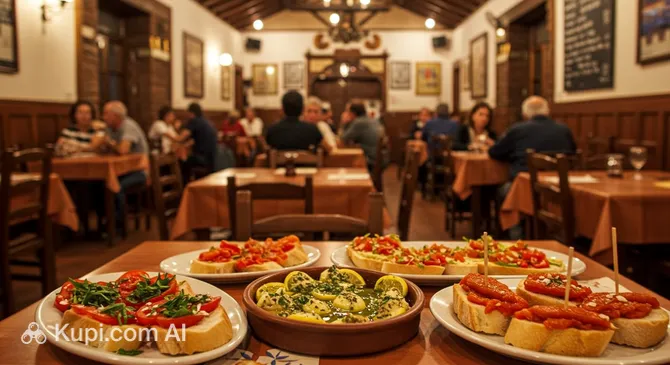
Another culinary gem is 5 Sentidos Rice and Tapas Restaurant. As the name suggests, this establishment focuses on stimulating the senses through its diverse menu of rice dishes and tapas. It is an excellent place to share plates with friends and enjoy the relaxed pace of island dining, offering a high-quality gastronomic experience in the heart of the city.

5 Sentidos Rice and Tapas Restaurant. Source: Kupi.Binoculars

Finally, for a modern leisure experience, visitors often head to Las Rotondas Shopping Centre. As the largest shopping mall on the island, it serves as a primary hub for fashion, electronics, and entertainment. It is particularly popular for tourists looking to take advantage of the lower tax rates in the Canary Islands on various goods, providing a cool and comfortable break from the beach.

Local Cuisine

The culinary scene in Puerto del Rosario offers an authentic taste of Fuerteventura, distinct from the more commercialized menus found in the island's resort towns. Here, the focus is on fresh, locally sourced ingredients, particularly those derived from the island's arid landscape and the surrounding Atlantic Ocean. The cuisine is simple yet flavorful, heavily relying on the famous "Majorero" goat cheese, which has a protected designation of origin and is served in various stages of cure, or sometimes fried with marmalade.

Seafood lovers will feel right at home in the capital. The daily catch is often served simply grilled or fried to highlight its freshness. Local favorites include "vieja" (parrotfish) and "cherne" (wreckfish), which are staples in the city's gastronomy. No meal is complete without the iconic papas arrugadas—small potatoes boiled in salt water until the skin wrinkles—served with generous helpings of mojo picón (spicy red sauce) or mojo verde (herb and coriander sauce).

For a hearty main course, visitors should try "carne de cabra" (goat meat), which is the island's signature meat dish. It is typically slow-cooked in a rich stew until tender and is a true representation of the traditional diet. To wash it all down, locals often enjoy wines from the Canary Islands, though the meal frequently ends with a shot of ron miel (honey rum) or a "barraquito," a delicious multi-layered coffee drink featuring condensed milk, liqueur, cinnamon, and lemon peel.

Dining in Puerto del Rosario is a relaxed affair, with many establishments operating as "tascas" or "neotabernas" that blend tradition with modern creativity. For instance, La Jaira Restaurant is an excellent spot to experience this evolution, offering dishes that respect local roots while embracing contemporary presentation. Similarly, those looking to share a variety of flavors can visit 5 Sentidos Rice and Tapas Restaurant, where the culture of tapas allows diners to sample multiple aspects of Spanish and Canarian cuisine in one sitting.

Travel Tips

Visiting Puerto del Rosario offers a unique opportunity to experience the authentic daily life of Fuerteventura, but knowing a few local quirks can make your trip much smoother. These practical tips will help you navigate the island's capital with the confidence of a seasoned traveler, ensuring you enjoy every moment of your stay.

  1. Clothing and Gear: The climate is pleasantly warm year-round, so pack breathable summer clothing, swimwear, and comfortable walking shoes for exploring the city's sculpture trail. However, Fuerteventura is known for its trade winds; a light windbreaker or sweater is essential for the evenings or breezy days. If you plan to visit religious sites like the local church, ensure your shoulders and knees are covered as a sign of respect.
  2. Transportation: The city center is compact and easily walkable, but to reach the surrounding beaches or other towns, the local bus service—known affectionately as "guaguas"—is reliable and affordable. Taxis are readily available and operate on a meter. If you wish to explore the wider island at your own pace, renting a car is highly recommended, as parking in the capital is generally easier than in major mainland cities.
  3. Finances: The official currency is the Euro (€). While credit and debit cards are widely accepted in most restaurants, shops, and the Las Rotondas Shopping Centre, it is wise to carry some cash for small purchases in local cafés or markets. ATMs are plentiful. Tipping is not mandatory but is appreciated; leaving a modest 5-10% for good service is standard practice.
  4. Health and Safety: Puerto del Rosario is a very safe city for tourists. Pharmacies are marked with a green cross, and there is usually one on duty 24/7 (look for the "Farmacia de Guardia" schedule posted on the door). While tap water is technically safe, it is desalinated seawater and often has a strong taste, so buying bottled water for drinking is the norm. For emergencies, dial 112, which offers assistance in multiple languages.
  5. Communication: The official language is Spanish. While staff in hotels and major tourist spots usually speak English, Puerto del Rosario is a working city, so English proficiency among locals may be lower than in resort towns like Corralejo. Learning a few basic phrases like "Hola" (Hello) and "Gracias" (Thank you) goes a long way. Free Wi-Fi is often available in public squares and cafés, and EU citizens can use their home mobile data plans without roaming charges.
  6. Local Etiquette: Canarians are known for their relaxed and friendly nature. Greetings are warm; a handshake is common, though friends often greet with a kiss on both cheeks. The pace of life is slower here than on the mainland, so patience is key—service in restaurants is not rushed, allowing you to enjoy your meal leisurely. It is polite to greet shopkeepers when entering and leaving small businesses.
  7. What to Avoid: Do not walk around the city center or enter shops and restaurants in just your swimwear; this is considered disrespectful and is strictly for the beach. Additionally, avoid ignoring the flag system at beaches—currents in the Atlantic can be strong, so never swim if a red flag is flying.
  8. Local Insight: Keep in mind the "siesta" schedule. Many smaller shops and local businesses in the capital may close for a break between 1:30 PM and 5:00 PM, reopening for the evening. Plan your shopping for the morning or late afternoon, and use the midday break to enjoy a long lunch at a local terrace just like the residents do.

By keeping these simple guidelines in mind, you will find it easy to blend in with the locals and appreciate the laid-back rhythm of Puerto del Rosario. Whether you are shopping for tax-free goods or enjoying a coffee by the port, a little preparation ensures your visit will be as relaxing and enjoyable as the island breeze.

Entertainment & Nightlife

Nightlife in Puerto del Rosario offers a distinct departure from the tourist-heavy scenes found in other parts of Fuerteventura. Here, the evening entertainment is driven by the local community, providing a more authentic Spanish experience. The atmosphere is friendly and relaxed, centering on long dinners, casual drinks on open-air terraces, and late-night dancing on weekends rather than the non-stop party vibe of major resorts.

The evening typically begins in the city center or along the maritime promenade, where the cool Atlantic breeze complements the lively chatter. Locals gather to enjoy tapas and wine as the sun sets. For a perfect start to the night, La Jaira Restaurant is a favorite choice; its "neotaberna" vibe makes it ideal for enjoying local craft beers and creative dishes in a spirited setting. Another excellent spot for an evening meal that transitions smoothly into drinks is 5 Sentidos Rice and Tapas Restaurant, where the warm ambiance invites you to linger over conversation well into the night.

For those seeking to dance until dawn, the action shifts away from the residential center. The city's late-night clubs and discos are primarily concentrated in the Risco Prieto Industrial Estate on the outskirts of town. While it may sound unusual to visitors, locating nightlife zones in commercial areas is common in Spain to keep noise away from residential streets. Here, you will find venues playing a mix of Latin music, reggaeton, and international pop, with the party often starting after 1:00 AM and lasting until sunrise.

Risco Prieto Industrial Estate. Source: Kupi.Binoculars

Practical advice for a night out involves adjusting to the local clock. Dinner rarely happens before 8:30 PM, and bars do not typically fill up until later. The dress code is generally "smart casual"—locals like to dress up a bit for the weekend, but it is not overly formal. Prices are significantly lower than in the resort towns, with beers and cocktails costing a fraction of what you might pay in major European capitals.

Safety is rarely a concern in Puerto del Rosario, as the streets are secure for walking in the main areas. However, if you are heading to or from the discos in the industrial area late at night, it is best to take a taxi. Taxis are affordable, plentiful, and can be easily hailed or called via phone, ensuring a safe return to your accommodation.

During the daylight hours, the entertainment pace shifts towards culture and leisure. Visitors can explore the city's theaters, visit local museums, or enjoy the waterfront. While the city does not have large amusement parks, the blend of shopping, art, and café culture provides plenty of daytime diversion before the sun goes down.

Parks & Museums

Puerto del Rosario offers a refreshing cultural landscape that extends far beyond its commercial port, inviting visitors to explore a city where art and history are woven into the streets themselves. While it may not have the vast botanical gardens of larger mainland cities, the capital compensates with unique open-air spaces and well-curated museums that reflect the island's identity.

The city's most prominent "green space" is actually an artistic concept known as the Sculpture Park. Rather than being confined to a gated area, this initiative transforms the entire city into an open-air museum featuring over 150 sculptures. Travelers can wander through parks, roundabouts, and the maritime promenade to admire works by local and international artists. It is a fantastic way to enjoy the outdoors while engaging with contemporary art, making a simple walk through the city a cultural discovery.

For those seeking a natural retreat by the water, the maritime avenue leads to Playa Chica. This urban beach acts as a central gathering point where the golden sand meets the calm Atlantic waters. It is the perfect spot to relax after a day of sightseeing, offering a breezy, open environment that feels like a natural park right in the city center. Nearby, you can observe the historic Lime Kilns (Hornos de Cal), which are integrated into the coastal landscape and offer a glimpse into the island's industrial past amidst the scenic views.

In terms of museums, the Casa Museo Unamuno is the cultural jewel of the city. Located in the former hotel "Fuerteventura," this museum preserves the memory of the renowned writer Miguel de Unamuno during his exile in 1924. Visitors can step back in time to see his office, bedroom, and personal effects, all maintained as they were in the 1920s. It provides a profound insight into how the island's austere beauty influenced his literary works and is essential for understanding the intellectual history of Fuerteventura.

Another key cultural venue is the Centro de Arte Juan Ismael. Situated in the El Charco neighborhood, this modern facility is the hub for contemporary art on the island. It hosts rotating exhibitions featuring Canarian and international artists, along with workshops and cultural events. For art enthusiasts, it offers a sophisticated look at the region's modern creative movements, contrasting beautifully with the traditional history found elsewhere.

Architecturally, the Iglesia de Nuestra Señora del Rosario stands as a modest yet significant landmark in the city center. Dating back to the early 19th century, its simple facade and bell tower reflect the humble origins of the town before it became the capital. It serves as a peaceful sanctuary and a reminder of the community's religious heritage.

For a truly authentic experience, look beyond the statues and seek out the large-scale murals that adorn many building facades. Exploring these colorful street paintings offers a "treasure hunt" vibe, revealing the city's vibrant urban culture that often goes unnoticed by casual tourists.

Getting Around

Public transport in Puerto del Rosario is straightforward, reliable, and primarily centered around a comprehensive bus network. As the capital of the island, the city serves as the main transportation hub, but travelers should note that there is no metro, tram, or train system available. The relatively compact size of the city makes it easy to navigate, with most public transit options radiating from the central bus station, known locally as the Estación de Guaguas.

The backbone of the local transport system is the bus service, operated by Tiadhe. Within the city limits, there are specific urban lines (Línea Urbana) that connect residential neighborhoods with the city center, the hospital, and the port area. These buses are distinct from the intercity coaches that travel to other resort towns and villages. The buses are modern, air-conditioned, and generally punctual, making them a comfortable option for getting around the municipality.

For payment, the system is quite flexible for tourists. You can purchase a single ticket directly from the driver using cash, but it is highly advisable to carry coins or small notes (usually 5 or 10 euros maximum), as drivers often cannot change large bills. If you plan to use the bus frequently or travel to other parts of the island, consider purchasing a BtF (Bono de Transporte Fuerteventura) card. This rechargeable travel card offers significant discounts compared to single fares and can be bought and topped up at the main bus station and authorized kiosks.

Taxis are a popular and convenient alternative, especially for short trips or when carrying luggage. You can easily identify them by their white color, usually featuring a stripe and the city crest. Taxis in Puerto del Rosario operate on a meter system with regulated rates, which are generally very reasonable. There are designated taxi ranks (paradas) at key locations like the port, the hospital, and major shopping centers, or you can hail one on the street if the green light on the roof is lit.

For those seeking more independence, car rental is widely available and is often the preferred choice for travelers who want to use the city as a base to explore the rest of the island. Several agencies have offices in the city center and near the port. While the city itself is walkable, having a car allows you to reach secluded beaches and remote villages at your own pace. Parking in Puerto del Rosario is generally easier than in larger capitals, though the central streets can get busy during business hours.

A few practical tips will ensure a smooth journey: the main bus station is located on Avenida de la Constitución, within walking distance of the city center. Bus schedules are typically posted at stops, but it is recommended to check the official Tiadhe website or app for the most up-to-date timetables, as frequencies may decrease on weekends and holidays. Finally, while there is no Uber or Lyft service currently operating in the traditional sense, the local taxi service is efficient and trustworthy enough to cover all your on-demand transport needs.

Accommodation

Accommodation in Puerto del Rosario differs significantly from the major tourist hubs of Fuerteventura. As the island's administrative capital, the lodging landscape is designed more for practicality and cultural immersion than for all-inclusive luxury. Visitors will primarily find mid-range city hotels, business-oriented establishments, and a growing selection of private holiday apartments and rentals. This makes the city an excellent base for independent travelers who prefer a more authentic, urban atmosphere over the typical resort experience.

The most convenient area to stay is undoubtedly the city center, particularly the streets adjacent to the maritime promenade and the port area. Staying here places you within comfortable walking distance of the main bus station, the urban beach of Playa Chica, and key shopping districts. This location is especially strategic for those without a car, as it offers easy access to public transport for exploring the rest of the island, as well as proximity to the ferry terminal for inter-island trips.

Prices in the capital are generally more affordable than in popular resort towns like Corralejo or Jandía. Travelers can expect to find excellent value for money, with options ranging from budget-friendly guesthouses to comfortable, modern hotels suitable for business and leisure alike. While the city is rarely overcrowded with tourists, it is a working hub, so it is advisable to book in advance if you plan to visit during local festivities, particularly the vibrant Carnival season in February or March.

Booking is straightforward, with most establishments listed on major online travel platforms. Since the city caters to a mix of business travelers and locals, you will often find that pricing remains consistent throughout the year, avoiding the extreme seasonal spikes seen in the purely touristic zones of the Canary Islands.

Nearby Cities

For those looking to explore the surroundings, Puerto del Rosario serves as an excellent base for day trips to several interesting nearby locations. While the city itself offers plenty to do, its status as a transport hub allows for easy connections to neighboring islands and historic towns.

One of the most accessible day trips is to Arrecife, the capital of Lanzarote, located just a short ferry ride away from the north of Fuerteventura. Visitors can explore its charming Charco de San Ginés lagoon, visit the castles guarding the harbor, and experience the unique volcanic aesthetics influenced by the artist César Manrique. It offers a distinct change of scenery with its lively port atmosphere and shopping streets.

For a more bustling urban experience, travelers can head to Las Palmas on the island of Gran Canaria. As one of the co-capitals of the Canary Islands, it boasts a rich history in its Vegueta district, famous for the Columbus House and the majestic Santa Ana Cathedral. The city also features the renowned Las Canteras beach, providing a perfect mix of city culture and seaside relaxation.

Another fascinating option, though slightly further afield, is La Laguna on Tenerife. A UNESCO World Heritage site, this university city is celebrated for its beautifully preserved colonial architecture and vibrant pedestrian streets. It offers a journey back in time and a cooler climate compared to the arid landscapes of Fuerteventura.

City Population Distance (km)
Las Palmas 378,797 160
Santa Cruz de Tenerife 208,688 234
La Laguna 158,010 240
Telde 102,769 162
Arrecife 64,497 60

These nearby destinations offer a glimpse into the diverse culture and landscapes of the region, making them well worth the journey for those wishing to broaden their Canary Islands experience.

Shopping & Souvenirs

Puerto del Rosario is the commercial heartbeat of Fuerteventura, making it the premier destination on the island for a complete shopping experience. Unlike the smaller tourist resorts, the capital offers a diverse mix of international high-street brands, charming local boutiques, and traditional markets. Visitors can also take advantage of the Canary Islands' special tax status, often finding goods such as perfumes, electronics, and tobacco at prices significantly lower than on the European mainland.

The primary open-air shopping destination is centered around the pedestrianized Calle Primero de Mayo. This vibrant street is lined with a variety of clothing stores, shoe shops, and perfumeries, interspersed with inviting cafes where you can take a relaxing break. It offers a pleasant atmosphere for a stroll, allowing you to soak in the local city vibe. Another key commercial artery is Calle León y Castillo, which is home to numerous local businesses and essential services, distinct from the pedestrian zone but equally important to the city's retail landscape.

For a modern retail experience, the city boasts the island's largest indoor mall, the Las Rotondas Shopping Centre. Conveniently located near the port, this expansive center features four floors housing well-known international fashion chains, a supermarket, and various dining options, making it the go-to spot for air-conditioned comfort. On the outskirts of the city, the Risco Prieto Industrial Estate provides a different type of shopping environment, hosting larger warehouse-style stores, furniture outlets, and wholesalers that complement the city center's offerings.

To experience the authentic flavors of the island, a visit to the Mercado de la Biosfera is essential. Held on Saturday mornings near the central bus station, this bustling farmers' market allows local producers to sell fresh fruit, vegetables, and artisanal products directly to the public. Additionally, the Municipal Market in the city center is a reliable spot for fresh fish and meat. On days when cruise ships are in port, you will often find pop-up stalls along the waterfront selling handmade crafts and souvenirs.

When searching for the perfect keepsake, focus on Fuerteventura's renowned local specialties. The island is famous for its award-winning Majorero goat cheese, which is often sold vacuum-packed for travel. Aloe Vera products are another top choice, as the plant thrives in the local climate and is used to create high-quality creams and gels. Other excellent souvenirs include jars of spicy mojo sauce, traditional pottery, and bottles of "ron miel" (honey rum).

Shopping hours generally follow the traditional Spanish schedule. Large centers like Las Rotondas stay open continuously from 10:00 AM to 10:00 PM. However, smaller independent shops and boutiques typically close for a midday break or "siesta" between 1:30 PM and 5:00 PM, reopening for the evening trade. Credit and debit cards are widely accepted throughout the city, though carrying some cash is recommended for small purchases at markets.

Travelers should note that the Canary Islands fall outside the European Union's VAT area and instead apply a local tax known as IGIC, which is generally much lower. This results in attractive prices on luxury goods, alcohol, and petrol. While there is no VAT refund system like on the mainland (since VAT is not charged), the lower shelf prices themselves offer significant savings for tourists.

Reached the end of the page?

That means the route is fully explored