Support

Arrecife

About

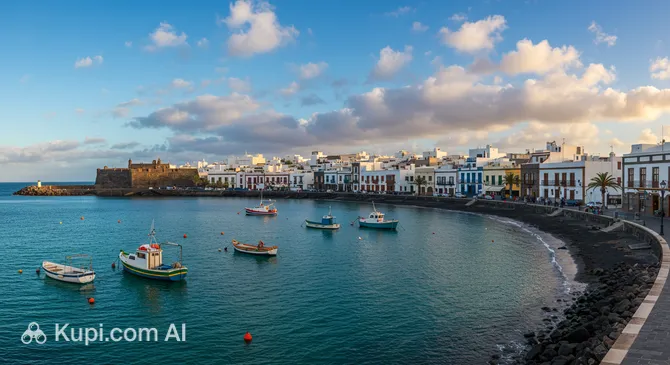
Welcome to Arrecife, the lively capital of Lanzarote and a vibrant port city that serves as the commercial and cultural heart of the island. Known for its authentic atmosphere, this coastal hub offers a perfect blend of traditional island charm and modern amenities, making it a fascinating stop for travelers exploring the Canary Islands.
Arrecife. Source: Kupi.Binoculars

Geographically situated on the eastern coast, Arrecife enjoys a warm, sunny climate year-round, which is characteristic of this region of Spain. With a population of approximately 64,000 residents, it is the most populous city on the island, bustling with activity while maintaining a relaxed, seaside pace. The city owes its name to the abundance of black volcanic reefs and islets that protect its natural harbor, a feature that has defined its existence for centuries.

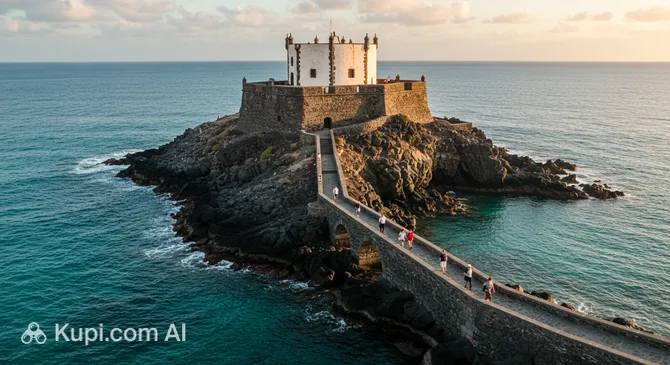
The history of Arrecife is deeply rooted in its maritime heritage, having evolved from a small fishing settlement into a fortified stronghold against pirate attacks. Visitors can witness this legacy at the Castillo de San Gabriel, a historic fortress located on a small islet connected to the mainland by the iconic Puente de las Bolas (Balls Bridge). Another cultural highlight is the International Museum of Contemporary Art, housed in the 18th-century Castillo de San José, which showcases the island's artistic spirit.

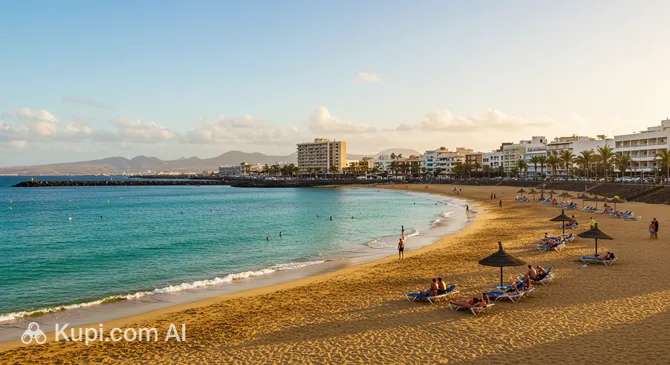
One of the most picturesque spots in the city is the Charco de San Ginés, a natural saltwater lagoon often referred to as the "Venice of the Atlantic." Surrounded by charming white fishermen's cottages and a variety of restaurants and cafes, it is the perfect place to enjoy a meal while watching small boats bob in the water. For those seeking sun and sand, the city boasts Playa del Reducto, a beautiful urban beach with calm, clear waters and golden sand.

Whether you are interested in shopping along the pedestrian streets, exploring historical fortifications, or simply enjoying fresh seafood by the waterfront, Arrecife offers a delightful experience. It is an excellent starting point for your journey, providing a genuine taste of local life before you venture out to explore the rest of Lanzarote's volcanic landscapes.
Weather Overview

Arrecife enjoys a remarkably stable and pleasant subtropical climate, making it an ideal destination for visitors throughout the year. The city is known for its eternal spring-like conditions, with consistent warmth and clear skies. For a more detailed breakdown of conditions for your specific travel dates, you can check the weather in Arrecife to help plan your activities.

Temperatures remain comfortable regardless of the season, typically ranging from an average of around 17.3°C in the cooler months of January and February to highs of approximately 22.3°C in August and September. Expect warm, sunny summers and very mild winters, ensuring that outdoor exploration is enjoyable at any time. The heat is rarely oppressive, thanks to the refreshing ocean breezes that characterize the island's coast.

Rainfall is exceptionally scarce in this region, contributing to its arid landscape. The summer months, particularly from May through September, are extremely dry with virtually zero wet days recorded. Even during the winter period from December to February, precipitation is infrequent, averaging only about 3 wet days per month, so you can generally count on dry weather for your holiday.

Interesting Facts

Beyond the main attractions, Arrecife holds many fascinating secrets and historical quirks that often go unnoticed by the casual observer. Dig a little deeper into the city's past to uncover these unique details about its architecture and local legends.
  • Arrecife is home to a striking architectural anomaly on an island known for its strict low-rise regulations. The Arrecife Gran Hotel is the only skyscraper on Lanzarote, standing as a solitary giant on the skyline. While the famous artist César Manrique successfully campaigned to keep buildings low to preserve the landscape, this hotel remains a unique exception following a reconstruction.

  • The iconic drawbridge leading to the San Gabriel Castle is locally known as the Puente de las Bolas, or "Bridge of the Balls." It gets its curious name from the two large stone spheres resting on top of its pillars, which are said to symbolize the world, although local lore often associates them with cannonballs representing the city's defense against pirates.

  • The Church of San Ginés features a stunning dark wood ceiling built in the Mudéjar style. This intricate craftsmanship is not just decorative; it was heavily influenced by local shipbuilders, and if you look closely, the structure resembles the inverted hull of a ship, paying homage to the city's maritime soul.

San Gabriel Castle. Source: Kupi.Binoculars

How to Get There

Reaching this vibrant island capital is straightforward, with excellent connections to the rest of the archipelago and mainland Europe. Most travelers arrive by air, landing directly on the island, though inter-island ferries are also a popular choice for those island-hopping. You can find more about how to get to Arrecife and the various transport options on our detailed page.

The most convenient entry point is Lanzarote Airport (ACE), also known as César Manrique-Lanzarote Airport. Located just outside the city limits, it is the primary hub for visitors. The airport serves a wide range of international and domestic flights, handling millions of passengers annually. Since it is situated only about 5.2 km from the center of Arrecife, the transfer is quick and easy. The journey takes approximately 28 minutes by taxi or bus, making it a hassle-free start to your holiday. You can view more details about Lanzarote Airport to plan your arrival.

If you are traveling from neighboring islands, you might also consider Fuerteventura Airport (FUE), located in the city of Puerto del Rosario. Although it is about 64.3 km away from Arrecife, the two islands are well-connected by ferry services. This airport is a key regional node, and while it requires a sea crossing to reach your final destination, the total travel time is approximately 116 minutes. For more information, check the page for Fuerteventura Airport.

Another significant hub in the region is Gran Canaria Airport (LPA), situated in Las Palmas, roughly 212.8 km away. As one of the busiest airports in the Canaries, it offers extensive connections. While it is further afield, requiring a longer journey of approximately 340 minutes involving a flight or ferry transfer, it serves as an important alternative gateway. You can learn more about Gran Canaria Airport here.

For clarity, here is a summary of the main airports:

Airport Name City Passenger Traffic Km from City
Gran Canaria AirportLas PalmasLarge212.8
Lanzarote AirportArrecifeLarge5.2
Fuerteventura AirportPuerto del RosarioMedium64.3
Tenerife North AirportSanta Cruz de TenerifeMedium277.4
Hassan I AirportLaayouneSmall203.7

Main Attractions

Arrecife offers a delightful mix of coastal beauty, historical depth, and modern leisure, ensuring there is something for every traveler to enjoy. From golden sands to cultural landmarks, the city's highlights are easily accessible and provide a genuine connection to the island's heritage.

Widely considered the jewel of the city's coastline, Playa del Reducto is a stunning urban beach protected by natural reefs that ensure calm, crystal-clear waters. It is an ideal spot for swimming and sunbathing, particularly for families, as the gentle waves are safe for children. The beach is bordered by a vibrant promenade lined with coconut palms, cafes, and shops, making it the perfect place to relax for a few hours without leaving the convenience of the city center.

Playa del Reducto. Source: Kupi.Binoculars

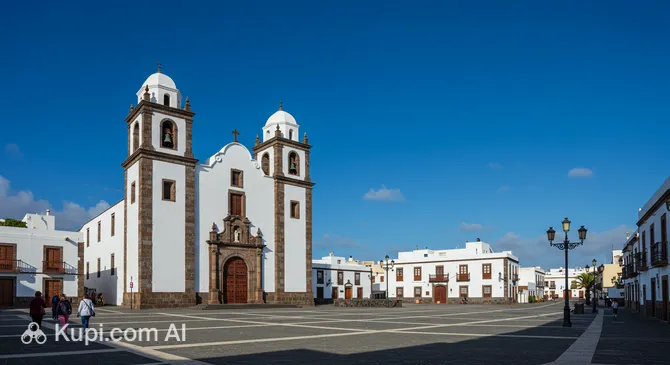
For a touch of history and local culture, the Church of San Ginés stands as a prominent landmark in the old quarter. Dedicated to the patron saint of the city, this church is famous for its gleaming white tower and beautiful Mudéjar-style wooden ceiling, which reflects the island's maritime traditions. Visitors are drawn to the surrounding plaza and narrow streets, which exude a charming, traditional atmosphere distinct from the more modern parts of the city.

Church of San Ginés. Source: Kupi.Binoculars

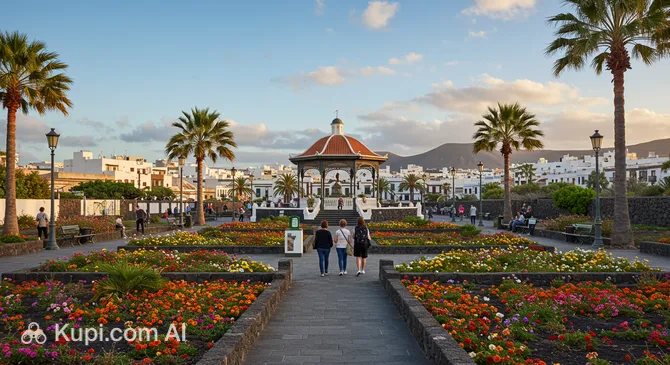
Nature lovers and those seeking a peaceful retreat will appreciate José Ramírez Cerdá Park. Located along the waterfront, this green oasis offers spectacular views of the ocean and the historic castles nearby. It serves as a scenic venue for leisurely walks, offering a refreshing breeze and a picturesque setting to watch the sunset over the Atlantic, away from the bustle of the main streets.

José Ramírez Cerdá Park. Source: Kupi.Binoculars

If you are looking for an adrenaline rush, Lanzarote Karting provides an exciting change of pace. Situated just a short distance from the main hub, this attraction features a challenging track that caters to both beginners and experienced drivers. It is a fantastic option for groups and families wanting to engage in some friendly competition and enjoy a high-speed adventure during their stay.

Lanzarote Karting. Source: Kupi.Binoculars

Local Cuisine

The gastronomy of Arrecife is a delicious reflection of Lanzarote's volcanic nature and maritime history, offering a culinary experience that is both simple and packed with flavor. As a port city, the local diet is heavily centered around fresh seafood. You can expect to find an abundance of grilled fish, such as parrotfish (vieja), cherne (wreckfish), and sea bream, often caught the same morning. For a true local delicacy, try the grilled limpets, known as lapas, served sizzling with green sauce.

No meal in Arrecife is complete without the Canary Islands' most famous side dish: papas arrugadas. These small "wrinkled potatoes" are boiled in saltwater and served with mojo sauces—typically a red spicy version (mojo picón) and a milder green one (mojo verde) made with coriander or parsley. Another staple ingredient is gofio, a toasted flour made from wheat or maize. It is incredibly versatile, eaten with fish broth as a savory dish or sweetened with honey and almonds for dessert.

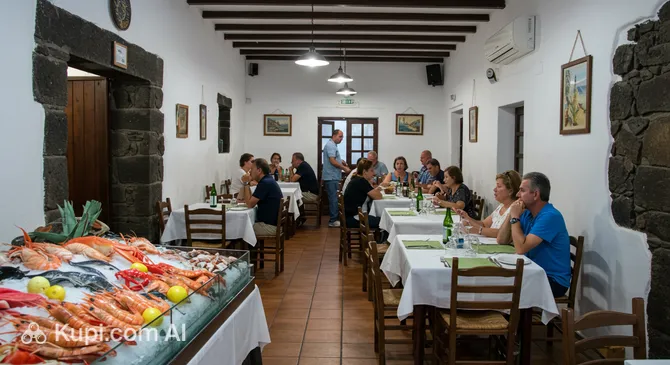
The heart of the city's dining scene beats around the picturesque Charco de San Ginés. This saltwater lagoon is lined with terraces where locals and tourists alike gather to enjoy meals with a view of the bobbing fishing boats. It is the perfect setting to visit places like La Chalana Del Charco Restaurant, where you can savor traditional recipes while soaking in the relaxed, maritime atmosphere.

La Chalana Del Charco Restaurant. Source: Kupi.Binoculars

When it comes to drinks, Lanzarote produces some exceptional wines despite its arid landscape. The vines are grown in volcanic ash in the La Geria region, resulting in unique mineral notes. Be sure to try a glass of the local Malvasía Volcánica, a crisp white wine that pairs perfectly with seafood. For a non-alcoholic treat or a post-meal pick-me-up, order a barraquito. This multi-layered coffee drink features condensed milk, espresso, frothed milk, cinnamon, lemon peel, and sometimes a splash of liqueur.

For a more casual dining experience, the city offers numerous tapas bars and cozy eateries tucked away in its streets. Bar Andalucia 1960 is a classic spot to enjoy small plates and socialize in an authentic setting. If you are looking for a welcoming environment with a variety of options, El Nido Restaurant is another excellent choice for exploring the flavors of the capital.

Travel Tips

To ensure your visit to Arrecife is as relaxing and enjoyable as possible, we have compiled a list of essential practical tips. These insights will help you navigate the local customs, manage your logistics, and make the most of your time in Lanzarote's vibrant capital.

  1. Clothing and Gear: Thanks to the eternal spring climate, lightweight summer clothing is suitable year-round, but always bring a light jacket, windbreaker, or sweater for the evenings. The trade winds, known locally as alisios, can make the air feel cooler than the thermometer suggests. Comfortable walking shoes are a must for exploring the promenades, and high-SPF sunscreen is essential, as the UV index remains high even on cloudy days.

  2. Transportation: Arrecife is a compact city that is best explored on foot, particularly the areas around the Charco de San Ginés and the marina. For longer distances, the local bus network (buses are called guaguas in the Canary Islands) is efficient and affordable. Taxis are reliable and use meters. However, if you plan to venture out of the city to explore Lanzarote's volcanic landscapes, renting a car is the most convenient option.

  3. Finances: The local currency is the Euro (€). Credit and debit cards are widely accepted in most hotels, restaurants, and shops, but it is advisable to carry some cash for small purchases in local bars, kiosks, or markets. ATMs are plentiful throughout the city. Tipping is not mandatory but is appreciated for good service; rounding up the bill or leaving 5-10% is standard practice.

  4. Health and Safety: Arrecife is generally a very safe destination for tourists. Pharmacies are marked with a green cross, and you can always find one on duty 24/7 (farmacia de guardia). A key health tip is to drink bottled water; while tap water is treated and technically safe to drink, it is desalinated seawater with a strong mineral taste that many visitors find unpleasant.

  5. Communication: The official language is Spanish. While English is spoken in most tourist-focused establishments, it may be less common in smaller, traditional shops or neighborhood cafes. Locals appreciate it if you use basic greetings like hola (hello) and gracias (thank you). Wi-Fi is widely available in public areas, and EU residents can typically use their mobile data without roaming charges.

  6. Local Etiquette: Canarians are known for their warm and relaxed hospitality. Greetings often involve a handshake or, among acquaintances, a kiss on each cheek. Be prepared for a slower pace of life; service in restaurants is not rushed, and lunch is typically taken later than in northern Europe, usually between 1:30 PM and 3:30 PM.

  7. What to Avoid: Do not walk around the city center, shops, or restaurants in swimwear or shirtless. While Arrecife is a coastal city, beach attire is considered appropriate only on the sand at Playa del Reducto or by a pool. Also, avoid getting impatient with the relaxed service speed; the "island time" is part of the culture, so it is best to just go with the flow.

  8. Siesta Hours: Keep in mind that many smaller, independent shops and businesses may close for a mid-day break (siesta), typically from around 1:30 PM to 4:30 PM or 5:00 PM. Plan your shopping excursions for the morning or late afternoon, although major supermarkets and shopping centers generally remain open throughout the day.

Armed with these practical tips, you are ready to immerse yourself in the unique charm of Arrecife without any hassles. Relax, embrace the local rhythm, and enjoy every moment of your stay in this sunny Atlantic haven.

Entertainment & Nightlife

Entertainment:

Arrecife serves as a lively hub for both locals and visitors, offering a diverse range of leisure activities that extend well beyond the beach. The city is the island’s commercial heart, making it the premier destination for shopping enthusiasts. A stroll down the pedestrianized Calle Real reveals a mix of traditional shops and modern boutiques, while the Lanzarote Open Mall offers a contemporary open-air experience with a wide selection of international brands. For even more variety, the nearby Deiland Shopping Centre features fashion stores, a cinema, and entertainment facilities suitable for the whole family.

Lanzarote Open Mall. Source: Kupi.Binoculars

As evening approaches, the city's social life gravitates towards the picturesque Charco de San Ginés. This waterfront area transforms into a vibrant gathering spot where the atmosphere is both relaxed and festive. It is the perfect place to enjoy the island's nightlife, with numerous venues lining the lagoon. Bar Andalucia 1960 is a standout location, known for its authentic character and welcoming vibe, making it an ideal spot to sip a drink and soak in the local culture.

Bar Andalucia 1960. Source: Kupi.Binoculars

For those in search of active fun, Lanzarote Karting provides an adrenaline-filled alternative to a day at the seaside. Located conveniently for visitors, it offers a challenging track for drivers of all skill levels. Alternatively, for a more laid-back experience, the José Ramírez Cerdá Park hosts various cultural events and offers a serene environment for a leisurely walk along the coast.

Parks & Museums

Arrecife seamlessly blends its maritime heritage with vibrant green spaces and cultural institutions, offering visitors a chance to explore the city's artistic soul and natural beauty. Beyond its bustling port and shopping streets, the capital preserves its history in fortified castles and manicured gardens that provide a peaceful respite from the urban pace.

For a relaxing stroll by the sea, the Parque Islas Canarias is a favorite among locals. Located near the iconic Arrecife Gran Hotel, this meticulously landscaped garden features lush lawns, palm trees, and wind-sculpted vegetation, serving as a central venue for many of the island's festivals. Just a short walk away along the waterfront is José Ramírez Cerdá Park, a scenic promenade that offers uninterrupted views of the Atlantic. It is an ideal spot for a sunset walk, where the fresh ocean breeze and the sight of local fishermen casting their lines create a truly authentic atmosphere.

Culture enthusiasts will find the city's museums particularly captivating, as they are often housed within historic fortifications. The International Museum of Contemporary Art (MIAC) is located inside the 18th-century Castillo de San José. Established by the visionary artist César Manrique, the museum displays a remarkable collection of abstract art within the castle's stone walls. After viewing the exhibits, visitors can dine at the museum's restaurant, which offers panoramic views of the harbor through its stunning glass facade.

To delve deeper into the city's past, a visit to the San Gabriel Castle is essential. Accessible via the historic Puente de las Bolas, this fortress stands on a small islet and houses the Museum of the History of Arrecife. Inside, you can explore exhibits detailing the island's aboriginal culture, the era of the conquistadors, and the city's evolution from a fishing village to a commercial hub, all while surrounded by ancient cannons and defensive walls.

Architectural highlights also abound in the city center. The Church of San Ginés remains the spiritual heart of Arrecife, with its bell tower defining the old town's skyline. Nearby, the Casa de la Cultura Agustín de la Hoz is a gem of 19th-century architecture. This beautifully restored mansion not only hosts rotating art exhibitions and cultural events but also features exquisite interior details, including a grand staircase and ornate murals, offering a glimpse into the lifestyle of the island's historical bourgeoisie.

For a lesser-known cultural experience, take a walk to the Parque Temático near the Reducto beach. This expansive promenade is dotted with sculptures by various artists and includes a skate park and wide paths for cycling. It is a quieter alternative to the main center, perfect for admiring the outdoor art installations while watching ships drift into the port.

Getting Around

Public transport in Arrecife is reliable, efficient, and relatively simple to navigate, primarily relying on a comprehensive bus network. Since the city is compact and lacks a metro, tram, or trolleybus system, buses—locally known as guaguas—serve as the backbone of transit. The network is divided into two main categories: the urban municipal buses that circulate within the city limits and the intercity coaches that connect the capital to the airport and other major towns on the island.

For getting around the city itself, the municipal bus service operates several lines (typically L1, L2, L3, and L4) that link key neighborhoods with the city center, the bus station, and the hospital. These buses are modern and comfortable. In addition to the standard public buses, visitors arriving by cruise ship or those wanting a leisurely tour can often find a dedicated tourist road train. This vehicle travels along the scenic waterfront, connecting the port area with the main shopping streets and attractions, offering a fun and effortless way to see the sights.

The payment system is straightforward for tourists. For single journeys, you can purchase tickets directly from the driver upon boarding. It is highly recommended to carry cash in small denominations (coins or bills of 5 to 10 euros), as drivers may not be able to change large notes. If you plan to use the bus frequently or travel to other parts of the island, consider purchasing a BonoBus card. This contactless smart card offers significantly reduced fares compared to single tickets and can be bought and topped up at the main bus station (Estación de Guaguas) and various authorized kiosks or shops displaying the card's logo.

Operating hours for the bus service are generally from early morning, around 6:00 AM or 7:00 AM, until late evening, typically ending between 10:00 PM and 11:00 PM. However, frequencies can vary, with buses running more often on weekdays and operating on a reduced schedule during weekends and public holidays. To validate your trip when using a travel card, simply tap it on the reader located near the driver as you board. It is always wise to check the latest timetables at the bus stops or online, as they can change seasonally.

Taxis are a popular and convenient alternative, especially for direct transfers or when carrying luggage. You can easily identify them by their white color and the local license emblem. Taxis in the city operate on a taximeter system, ensuring fair and transparent pricing. You can find taxi ranks at strategic locations such as the airport, the bus station, and the city center, or you can hail one on the street if the green light on the roof is illuminated. Ride-sharing apps are less prevalent here compared to major mainland cities, so traditional taxis remain the standard choice.

Given the city's flat terrain and scenic coastline, alternatives like cycling and walking are excellent options. The promenade along the seafront is perfect for a bike ride, and there are several rental shops offering bicycles for daily use. While there is no heavy rail or subway, the combination of walkable streets, accessible buses, and readily available taxis makes navigating Arrecife a stress-free experience for any traveler.

Accommodation

Where to Stay:

Accommodation in Arrecife caters to a variety of travelers, ranging from business professionals to holidaymakers seeking a more local experience. Unlike the sprawling all-inclusive resort towns found elsewhere on Lanzarote, the capital offers a curated selection of urban hotels, charming guesthouses, and a growing number of private vacation rentals. Visitors can choose between modern establishments with sweeping sea views and renovated apartments tucked away in the historic streets, providing a comfortable and authentic base for exploring the island.

For those who want to be in the heart of the action, the neighborhoods surrounding the Charco de San Ginés are highly recommended. Staying here places you within walking distance of the city's best dining and nightlife, offering a picturesque setting by the lagoon where the atmosphere is lively and traditional. Alternatively, the area near Playa del Reducto is ideal for beach lovers. This location offers immediate access to the golden sands and the waterfront promenade, perfectly blending the convenience of city amenities with the relaxation of a seaside holiday.

Prices in Arrecife are generally competitive compared to the major tourist hubs, with options available to suit various budgets, from economical stays to mid-range comfort. While it is possible to find last-minute deals, it is advisable to book your accommodation in advance, especially if you plan to visit during local festivals or the peak summer season. Most bookings can be easily managed through major online platforms, ensuring a smooth start to your Canary Islands adventure.

Nearby Cities

For those looking to explore the surroundings, Arrecife serves as an excellent base for day trips to several interesting nearby locations:

Situated on the neighboring island of Gran Canaria, Las Palmas offers a vibrant contrast to the calm of Lanzarote. As a bustling capital, it boasts the historic Vegueta district, renowned for its colonial architecture, and the magnificent Las Canteras beach, considered one of the best urban beaches in Europe. A short flight or ferry ride allows visitors to immerse themselves in its lively atmosphere and rich cultural scene.

Another fascinating destination is Santa Cruz de Tenerife, located on the island of Tenerife. This major port city is famous for its striking Auditorium designed by Santiago Calatrava and the lush Garcia Sanabria Park. It serves as a sophisticated hub for shopping and dining, offering a different perspective on the Canary Islands' urban lifestyle compared to the quieter nature of Arrecife.

City Population Distance (km)
Las Palmas 378797 206
Santa Cruz de Tenerife 208688 269
La Laguna 158010 275
Telde 102769 212
San Bartolomé de Tirajana 53066 229

These nearby destinations offer a glimpse into the diverse culture and landscapes of the region.

Shopping & Souvenirs

As the commercial hub of the island, Arrecife is a prime destination for retail therapy, offering distinct advantages for savvy travelers. One of the key benefits of shopping here is the Canary Islands' special tax status, which often results in lower prices on goods such as perfumes, electronics, and luxury items compared to mainland Europe. This makes the capital an attractive spot for finding high-quality brands at competitive rates.

Beyond the tax-free bargains, the city is a treasure trove for authentic local products. Visitors should explore the traditional markets, particularly the bustling Saturday market near the Charco de San Ginés. This is the ideal place to purchase handmade crafts, pottery, and unique souvenirs. Lanzarote is also famous for its aloe vera, and you will find excellent natural cosmetics made from this soothing plant. Foodies should not leave without buying a bottle of local Malvasía wine or a jar of spicy mojo sauce to recreate the flavors of the island at home.

For those seeking contemporary fashion and international chains, the city provides modern facilities that complement the local trade. While the pedestrianized Calle León y Castillo and major complexes like the Lanzarote Open Mall offer a wide variety of global brands, the Deiland Shopping Centre remains a convenient option for a comprehensive shopping trip. These locations ensure that visitors have access to everything from high-street trends to essential travel gear.

Deiland Shopping Centre. Source: Kupi.Binoculars

Reached the end of the page?

That means the route is fully explored