Support

Santa Cruz de Tenerife

About

Santa Cruz de Tenerife is the vibrant capital of the island of Tenerife and a bustling port city that perfectly blends modern sophistication with traditional island charm. Known for its friendly atmosphere, lush parks, and striking architecture, it serves as a major hub for travelers exploring the Canary Islands. Whether you are seeking cultural experiences or simply want to enjoy the pleasant subtropical climate, this city offers a welcoming environment for all visitors.

Geographically, the city is situated in the northeast quadrant of Tenerife, nestled between the steep Anaga Mountains and the Atlantic Ocean. Although it is located off the coast of Africa, it is an integral part of Spain, sharing the nation's language and currency. With a population of approximately 208,000 inhabitants, Santa Cruz de Tenerife is a lively urban center that maintains a relaxed pace of life, making it easy for tourists to navigate and enjoy.
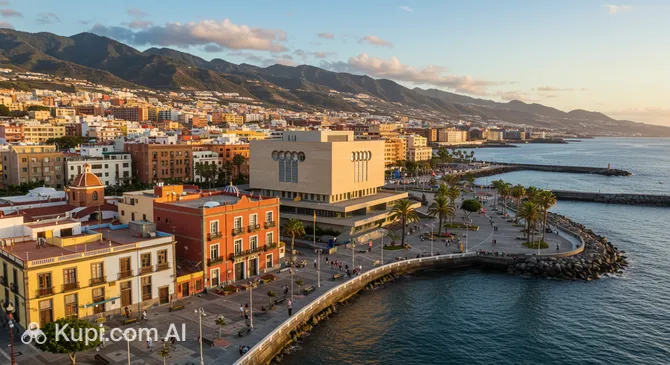
Santa Cruz de Tenerife. Source: Kupi.Binoculars

The city has transformed significantly over the centuries. Visitors interested in the past can delve into the history of Santa Cruz de Tenerife to learn how it evolved from a modest fishing village and strategic defensive port into the cosmopolitan capital it is today. This rich heritage is reflected in its colonial buildings, historic churches, and well-preserved plazas that dot the city center.

Among its most iconic attractions is the Auditorio de Tenerife, a masterpiece of modern architecture designed by Santiago Calatrava that resembles a crashing wave. Another highlight is the expansive Plaza de España, the heart of the city featuring a large artificial lake and historic monuments. Furthermore, the city is world-famous for its annual Carnival of Santa Cruz de Tenerife, considered one of the largest and most spectacular street festivals on the globe.

Santa Cruz de Tenerife invites you to stroll through its pedestrian-friendly streets, shop in its bustling markets like the Mercado de Nuestra Señora de África, and relax on the golden sands of the nearby Las Teresitas beach. It is a destination that promises memorable experiences and a true taste of Canarian culture.
Weather Overview

Santa Cruz de Tenerife is renowned for its eternal spring-like climate, offering pleasant conditions for visitors throughout the year. The weather in Santa Cruz de Tenerife is characterized by remarkable stability, avoiding the extremes of sweltering heat or freezing cold found elsewhere.

During the winter months of January and February, temperatures remain very mild, with averages around 16°C and daily highs reaching approximately 17.3°C. The summer season is warm and inviting, peaking in August with an average temperature of 21.8°C and highs around 23.3°C. Expect consistent warmth with very low precipitation volume year-round, though January is typically the wettest month with about 9 days of rain.

Interesting Facts

Beyond the main attractions and bustling plazas, Santa Cruz de Tenerife holds many fascinating secrets and historical curiosities that often escape the casual observer. From transformed landscapes to legendary naval battles, the city offers a treasure trove of stories waiting to be discovered.
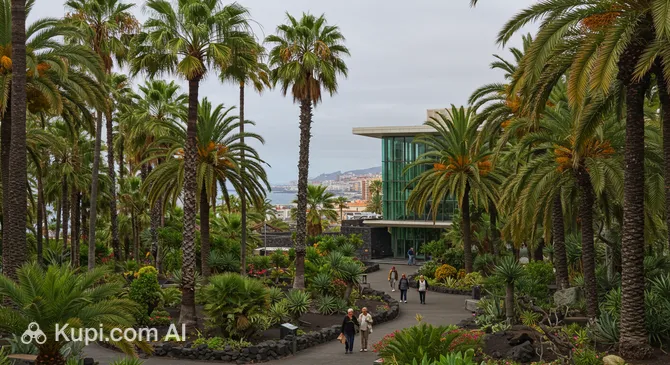
Palmetum. Source: Kupi.Binoculars
  • The lush botanical garden known as the Palmetum sits atop a rather surprising foundation. This thriving green space, which boasts the best collection of palms in Europe, was created on a former garbage landfill, successfully transforming a mountain of waste into a spectacular ecological paradise.

  • The iconic golden sands of Las Teresitas Beach are not originally from the island. In the 1970s, millions of tons of fine sand were imported from the Sahara Desert to create this stunning artificial shoreline, replacing the local black volcanic rocks and sand.

  • Santa Cruz is the site where the legendary Admiral Horatio Nelson suffered his only major defeat and lost his right arm in 1797. You can explore the remnants of the city's defensive walls and learn about this historic victory at the Castillo de San Cristóbal interpretation center.

  • The city houses some of the world's best-preserved mummies at the Museum of Nature and Archaeology. These ancient remains belong to the Guanches, the original aboriginal inhabitants of the Canary Islands, offering a unique glimpse into the archipelago's pre-Hispanic past.

  • While the main festivities take over the streets once a year, the city's world-famous carnival is celebrated year-round at the Casa del Carnaval. This dedicated space showcases the elaborate costumes and history of the event, which is widely considered the second most popular carnival in the world after Rio de Janeiro.

How to Get There

Reaching this island capital is a straightforward experience, with multiple entry points catering to both international and domestic travelers. Most visitors arrive by air, taking advantage of the island's two major airports. For a complete overview of all travel options, including ferries and local transport, you can read more about how to get to Santa Cruz de Tenerife.

The most convenient option for many travelers is Tenerife North Airport (IATA: TFN), located just 9 km from the city center. Often referred to as "Los Rodeos," this hub primarily handles domestic flights and connections between the islands. A taxi ride from here to the heart of Santa Cruz de Tenerife typically takes around 15 to 20 minutes. For international arrivals, Tenerife South Airport (IATA: TFS) is the main gateway, handling the majority of tourist traffic from Europe and beyond. Situated approximately 56 km away, the journey to the capital by taxi or shuttle bus generally takes about 45 to 60 minutes via the motorway.

Another significant option nearby is Gran Canaria Airport (IATA: LPA), located in the city of Las Palmas on the neighboring island. It is about 103 km away from Santa Cruz de Tenerife (straight line distance, requiring a ferry or flight connection). This airport is a major hub with high passenger traffic, and many travelers choose to fly here and then take a short ferry ride to Santa Cruz de Tenerife, combining two islands in one trip.

For clarity, here is a summary of the main airports serving the region:

Airport Name City Passenger Traffic Km from City
Gran Canaria Airport Las Palmas Very High 103.4
Tenerife South Airport Santa Cruz de Tenerife High 56.1
Tenerife North Airport Santa Cruz de Tenerife Medium 9.0
La Palma Airport Santa Cruz de la Palma Moderate 148.3
La Gomera Airport Low 106.0

Main Attractions

Santa Cruz de Tenerife is a city where avant-garde architecture meets volcanic nature and rich cultural heritage. While the streets and plazas themselves are a delight to explore, the city boasts several standout landmarks that define its character and offer unique experiences for visitors.

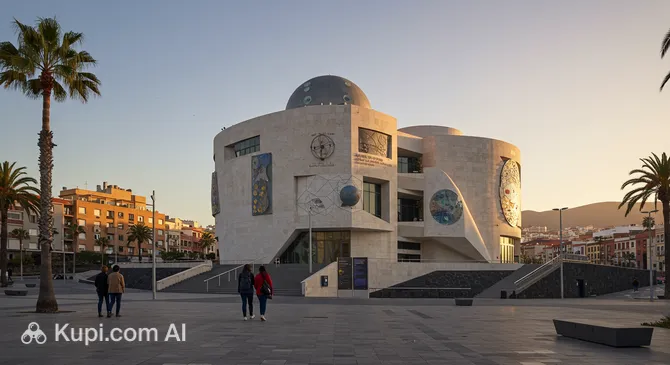
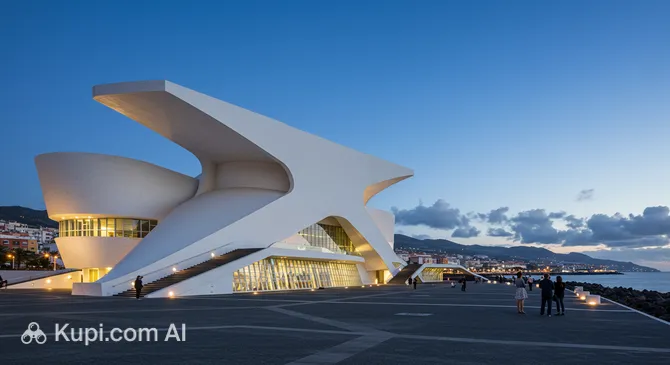
Undoubtedly the most recognizable silhouette in the city is the Auditorium of Tenerife. Designed by the renowned architect Santiago Calatrava, this majestic white structure resembles a giant wave rising from the Atlantic Ocean. It is not only a visual masterpiece perfect for photography but also the island's premier venue for music and performing arts, hosting a wide variety of concerts and cultural events throughout the year.

Auditorium of Tenerife. Source: Kupi.Binoculars

Located just a short walk from the auditorium, the César Manrique Maritime Park is a stunning leisure complex that combines volcanic nature with artistic design. Created by the famous Canarian artist César Manrique, this expansive facility features large saltwater swimming pools, waterfalls, and lush gardens. It is the perfect place to relax and enjoy the sun in a sophisticated setting that harmonizes beautifully with the coastline.

For those traveling with family or anyone with a curious mind, the Museum of Science and the Cosmos offers an engaging and interactive experience. Unlike traditional museums where "do not touch" is the rule, this institution encourages visitors to experiment with the exhibits. It seamlessly blends the wonders of astronomy with the fun of a theme park, making science accessible and entertaining for all ages.

Museum of Science and the Cosmos. Source: Kupi.Binoculars

To appreciate the breathtaking natural landscapes surrounding the metropolitan area, a visit to the Cruz del Carmen Viewpoint is essential. Situated at the gateway to the Anaga Rural Park, this lookout offers panoramic views of the lush laurel forests and the sprawling city below. It serves as a popular starting point for numerous hiking trails, inviting visitors to step away from the urban bustle and immerse themselves in ancient woodlands.

Local Cuisine

The culinary scene in Santa Cruz de Tenerife is a delightful reflection of the island's history, blending Spanish traditions with influences from Africa and Latin America. The local gastronomy relies heavily on fresh, simple ingredients that burst with flavor. No visit is complete without tasting the most iconic Canarian side dish: papas arrugadas. These small, "wrinkled" potatoes are boiled in salt water and served with mojo, a traditional sauce that comes in two main varieties: the spicy red mojo picón and the milder, cilantro-based mojo verde.

Given its coastal location, seafood is a staple of the city's diet. You will find an abundance of fresh fish, such as vieja (parrotfish), cherne (wreckfish), and sardines, often prepared simply on the grill to highlight their natural taste. Another unique element of the local diet is gofio, a toasted grain flour that dates back to the indigenous Guanche people. It is versatile and found in everything from breakfast milk to savory fish stocks and even desserts like gofio mousse.

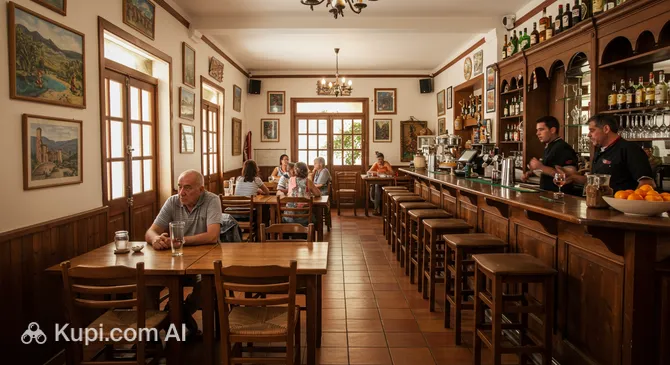
Bodegón El Puntero. Source: Kupi.Binoculars

When it comes to drinks, the local star is the barraquito. This multi-layered coffee drink is a visual and gustatory treat, typically consisting of condensed milk, Licor 43, espresso, and frothed milk, finished with a dusting of cinnamon and a strip of lemon zest. It is the perfect way to end a meal or enjoy a mid-afternoon break. Wine lovers should also explore the local vintages; Tenerife's volcanic soil produces distinctive wines that are highly regarded, particularly the whites from the nearby Tacoronte-Acentejo region.

The dining culture in Santa Cruz de Tenerife ranges from humble, family-run eateries known as tascas to sophisticated restaurants. For a truly authentic experience where locals gather for fresh seafood and traditional dishes, Bodegón El Puntero is a legendary spot near the coast that captures the essence of home-style Canarian cooking. If you are looking for high-quality ingredients and a lively atmosphere perfect for sharing plates, Taberna Ramón is widely considered one of the best places in the city for top-tier tapas.

For those seeking a more contemporary or upscale dining experience, the city offers excellent options that fuse tradition with modern techniques, such as Etéreo by Pedro Nel. Meanwhile, if you simply want to relax with a sweet treat or a coffee while exploring the historic center, Palmelita - Castillo provides a charming setting to watch the world go by.

Travel Tips

To help you make the most of your visit to this vibrant Atlantic capital, we have compiled a set of essential guidelines to ensure your trip is smooth and enjoyable. Whether you are here for the culture, the shopping, or the seaside relaxation, these practical tips will help you navigate Santa Cruz de Tenerife with the confidence of a local.

  1. Clothing and Gear: Thanks to the city's "eternal spring" climate, breathable summer clothing is suitable year-round, but it is wise to bring a light jacket or cardigan for cooler evenings. Comfortable walking shoes are a must, as the best way to explore the historic center is on foot. If you plan to visit religious sites like the Iglesia de la Concepción, remember to dress modestly, covering your shoulders and knees. Don't forget high-SPF sunscreen and sunglasses, as the sun can be strong even on cloudy days.

  2. Transportation: The city boasts an excellent public transport system. The modern tram (Tranvía) is efficient for moving between Santa Cruz and the neighboring city of La Laguna. For other areas, the local buses, known affectionately as guaguas (run by TITSA), are reliable and affordable. While renting a car is great for exploring the rest of the island, it is not strictly necessary if you are staying within the city limits, where parking can be challenging. Taxis are white, metered, and generally inexpensive.

  3. Finances: The official currency is the Euro (€). Credit and debit cards are widely accepted in most hotels, shops, and restaurants. However, it is highly recommended to carry some cash for small purchases in kiosks, local markets like the Mercado de Nuestra Señora de África, or smaller bars. ATMs are plentiful throughout the city. Tipping is not mandatory but is appreciated; leaving small change or rounding up the bill at cafes, and tipping about 5-10% at restaurants for good service, is standard practice.

  4. Health and Safety: Santa Cruz de Tenerife is a safe city for tourists, but standard precautions against pickpocketing should be taken in crowded areas or during major events like the Carnival. Pharmacies are marked with a green cross; they are well-stocked, and there is always one on duty (de guardia) 24/7 in each neighborhood. The general emergency number for police, ambulance, or fire services is 112, and operators often speak multiple languages.

  5. Communication: The official language is Spanish. While English is spoken in many hotels and tourist-oriented restaurants, it may be less common in traditional neighborhood tascas or small shops. Learning a few basic phrases like "Hola" (Hello), "Por favor" (Please), and "Gracias" (Thank you) is considered polite and is warmly received by locals. Free Wi-Fi is available in many public plazas and parks, and EU residents can typically use their mobile data without roaming charges.

  6. Local Etiquette: Canarians are known for their friendliness and relaxed attitude. Greetings are warm; a handshake is common, though friends often greet with two kisses on the cheeks. Service can be slower than in northern Europe, reflecting the laid-back island pace, so patience is key. When entering a shop or elevator, it is polite to say "Buenos días" or "Buenas tardes" to those present.

  7. What to Avoid: Do not walk around the city center or enter shops and restaurants wearing swimwear or without a shirt; this is frowned upon and is appropriate only for the beach or pool areas. Also, avoid expecting dinner at 6:00 PM; local dining times are late, with lunch typically between 1:30 PM and 3:30 PM, and dinner often starting after 8:30 PM.

  8. Shopping Hours: Keep in mind that many smaller, independent shops may close for a midday break (siesta), typically between 1:30 PM and 4:30 PM, although large department stores and shopping malls usually remain open all day. If you plan to use public transport frequently, consider buying a Ten+ card at a tram station or newsstand to save money on fares compared to single tickets.

By keeping these tips in mind, you will be well-prepared to embrace the easygoing lifestyle and warm hospitality that define Santa Cruz de Tenerife. We hope your stay in this charming port city is filled with wonderful discoveries and unforgettable moments under the Canarian sun.

Entertainment & Nightlife

Santa Cruz de Tenerife comes alive at night with a vibrant yet relaxed atmosphere that distinguishes it from the frenetic tourist resorts in the south of the island. The nightlife here is authentic and sophisticated, centered around socializing on open-air terraces and enjoying the mild subtropical climate. Rather than wild parties, you will find a scene dominated by lively conversations, excellent cocktails, and a welcoming local crowd.

The heartbeat of the city's evening entertainment is the Noria District, specifically around Calle de la Noria (officially Calle Antonio Domínguez Alfonso). This picturesque pedestrian street, lined with colorful colonial buildings and palm trees, transforms after sunset into a bustling hub of activity. It is packed with trendy bars and restaurants where locals gather to enjoy tapas and drinks under the stars. The area exudes a festive spirit, making it the perfect place to start your night and mingle with the friendly residents.

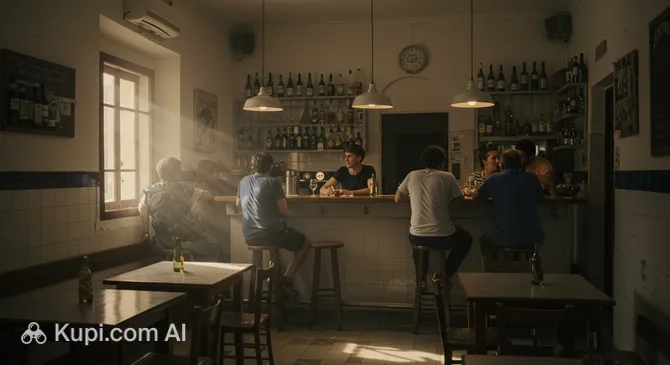
For a taste of the local bar scene, Taberna Ramón is a must-visit. While it is renowned for its culinary offerings, its lively ambiance makes it a fantastic spot to kick off the evening with a glass of local wine. If you prefer a more laid-back setting for a nightcap or a coffee, Palmelita - Castillo offers a charming environment to relax and watch the world go by in the heart of the city.

Taberna Ramón. Source: Kupi.Binoculars

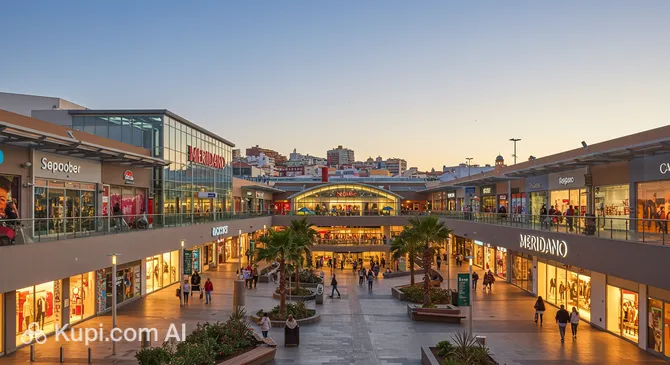
Beyond bars and dining, the city offers diverse evening leisure options. The Meridiano Shopping Centre is a popular destination for night entertainment, featuring a modern cinema complex and a wide variety of restaurants with a rooftop terrace that offers sweeping views of the urban landscape. For culture enthusiasts, the Auditorium of Tenerife is not just an architectural marvel but the premier venue for enjoying symphony concerts, operas, and dance performances after dark.

Meridiano Shopping Centre. Source: Kupi.Binoculars

When planning your night out, keep in mind that the Spanish schedule applies: dinner typically starts late, around 9:00 PM or 10:00 PM, and bars usually get busiest after 11:00 PM. The dress code is generally "smart casual"—comfortable but neat. Prices are quite reasonable, with beers and wines often costing significantly less than in major European capitals. Taxis are abundant, safe, and easy to hail on the street or at designated ranks, making them the best way to get back to your hotel.

While the nightlife is captivating, the city also boasts excellent daytime entertainment. Families and nature lovers can enjoy a peaceful stroll in La Vega Park, a green oasis perfect for relaxation. For those interested in the island's rich past, the Museum of the History of Tenerife provides a fascinating deep dive into local heritage before the sun sets.

Parks & Museums

Santa Cruz de Tenerife offers a delightful balance between urban sophistication and natural beauty, boasting a wealth of green spaces and cultural institutions. Visitors can easily transition from strolling through lush, subtropical gardens to exploring museums that hold the keys to the island's fascinating past. Whether you are a history buff or a nature lover, the city's parks and galleries provide a perfect escape from the bustling streets.

One of the city's most beloved green lungs is the García Sanabria Park, a sprawling urban oasis filled with exotic plants, fountains, and sculptures. While it is the central park of the city, those willing to venture just a short distance into the nearby Anaga mountains can experience the Path of the Senses. This unique trail invites you to connect with the ancient laurel forest through smell, touch, and sight, offering a magical immersion into nature that feels worlds away from the city center.

Path of the Senses. Source: Kupi.Binoculars

For a more relaxed atmosphere within the city limits, La Vega Park is a favorite among locals. It features spacious lawns, shaded walkways, and water features, making it an ideal spot for a quiet picnic or a leisurely afternoon walk away from the tourist crowds.

The cultural landscape of Santa Cruz is equally impressive, anchored by the renowned Museum of Nature and Archaeology (MUNA). Located in a beautifully restored neoclassical building, this world-class museum is famous for its collection of Guanche mummies and artifacts, providing deep insight into the lives of the island's aboriginal inhabitants before the Spanish conquest.

Museum of Nature and Archaeology. Source: Kupi.Binoculars

Another significant institution is the Canary Islands Military Museum. Situated within the Almeida Fortress, it chronicles the military history of the archipelago, including the famous defeat of Admiral Horatio Nelson. The exhibits include weaponry, uniforms, and detailed models that bring the strategic importance of Tenerife to life.

History enthusiasts should not miss the interpretation center at the Castillo de San Cristóbal. Located underground beneath the Plaza de España, this site preserves the ruins of the city's original defensive walls and displays the legendary "El Tigre" cannon, which is reputed to have fired the shot that wounded Nelson.

For a breathtaking perspective of the region's geography, take a short drive to the Jardina Viewpoint. It offers one of the most spectacular panoramic views of the La Laguna valley and Mount Teide, serving as a perfect introduction to the island's dramatic volcanic landscape.

Getting Around

Navigating Santa Cruz de Tenerife is remarkably easy thanks to its efficient and modern public transport network, which is fully integrated to serve both the city center and the surrounding metropolitan areas. The system primarily relies on a comprehensive bus network, locally known as guaguas, and a state-of-the-art tram system. These options are not only affordable but also offer a scenic way to see the city, connecting major points of interest, shopping districts, and historic neighborhoods with high frequency.

The tram (Tranvía de Tenerife) is a favorite among visitors for its ease of use and accessibility. Line 1 is particularly useful for tourists, as it links the Intercambiador (the main transport hub near the auditorium) with the historic city of La Laguna, a UNESCO World Heritage site. The journey takes about 30 to 40 minutes and offers pleasant views as it climbs up from the coast. The trams are bright, clean, and run frequently, making them an excellent choice for moving between the upper and lower parts of the metropolitan area.

For destinations not covered by the tram, the bright green TITSA buses provide extensive coverage. Within the city, the urban lines are frequent and reliable. The main bus station, the Intercambiador de Santa Cruz, serves as the nerve center for all transit; from here, you can catch buses to practically anywhere on the island, including the popular Las Teresitas beach (Line 910) or the northern airports. The digital displays at stops and the Google Maps integration make it simple to plan your route in real-time.

The payment system is unified across both buses and trams, revolving around the contactless Ten+ card (Tenmás). While you can pay with a contactless bank card on most buses, purchasing a Ten+ wallet card is highly recommended for flexibility and cheaper fares. You can buy these cards at the Intercambiador, tram station vending machines, and authorized tobacco shops (estancos). There is also a convenient mobile app, ten+móvil, which allows you to purchase credit and validate trips directly from your smartphone, bypassing the need for a physical card.

Using the system is straightforward. If you use the physical Ten+ card or the app, you must validate it upon entering the bus or tram. On the tram, validators are located inside the vehicle near the doors; on the bus, they are next to the driver. Fares are quite reasonable, with a standard urban trip costing significantly less when using the travel card compared to a single cash ticket. Remember that on the tram, you do not need to tap out when you exit, but on interurban bus routes, tapping out is required to calculate the correct distance-based fare.

For those who prefer a more direct mode of transport, taxis are plentiful and operate on a meter system. They are white vehicles, easily hailed on the street or found at designated ranks marked with a blue "T" sign. While ride-sharing apps are less dominant here than in other major European cities, the local taxi service is safe, professional, and relatively inexpensive for short hops around the city center. Additionally, car rentals are available but can be cumbersome due to limited street parking; however, several underground parking garages are available for those who choose to drive.

Accommodation

Santa Cruz de Tenerife offers a refreshing alternative to the all-inclusive resort model found in the south of the island. The accommodation landscape here is characterized by a mix of modern city hotels, charming boutique establishments housed in colonial buildings, and a growing number of private holiday rentals and apartments. Whether you are looking for a luxurious stay with rooftop pool views, a functional business hotel, or a budget-friendly hostel for a backpacking trip, the capital provides options to suit every traveler's style.

For those who want to be in the middle of the action, the most convenient area to stay is the "Centro" (City Center), particularly near Plaza de España and Calle del Castillo. Staying here puts you within walking distance of the main shopping streets, the port, and the historical "Noria" district, making it easy to enjoy the nightlife and dining scene without needing transport. Alternatively, if you prefer a greener and more tranquil environment, the neighborhood surrounding the García Sanabria Park offers an upscale atmosphere with easy access to the city's most beautiful botanical garden, while still being just a short stroll from the commercial hub.

Prices in Santa Cruz are generally more competitive than in the major tourist resort areas of southern Tenerife. You can typically find excellent value for money, with mid-range hotels offering high standards of comfort at reasonable rates. However, there is one major exception: the Carnival season. During this world-famous event, typically held in February or March, the city fills to capacity, prices can spike significantly, and rooms often sell out months in advance. Therefore, if you plan to experience the festivities, booking your accommodation as early as possible is a critical tip. For the rest of the year, standard online booking platforms are the most convenient way to secure your stay.

Nearby Cities

For those looking to explore the surroundings, Santa Cruz de Tenerife serves as an excellent base for day trips to several interesting nearby locations:

San Cristóbal de La Laguna, often simply called La Laguna, is the nearest and perhaps most culturally significant destination. Located just a short tram ride away, this university city is a UNESCO World Heritage site known for its beautifully preserved colonial architecture and vibrant pedestrian streets. It offers a cooler climate and a charming historic center filled with courtyards, churches, and lively cafes.

Adeje, situated on the southwestern coast, stands in stark contrast to the capital. It is the gateway to some of the island's most luxurious resorts and the famous Costa Adeje. Visitors flock here for the pristine beaches, high-end shopping, and world-class entertainment, including Siam Park, which is consistently rated as one of the best water parks in the world.

Las Palmas de Gran Canaria offers a unique opportunity for an inter-island adventure. As the co-capital of the Canary Islands located on the neighboring island of Gran Canaria, it is accessible via a fast ferry. It boasts the magnificent Las Canteras urban beach and the historic Vegueta district, making it a bustling metropolis worth the journey for those wanting to experience the other major city of the archipelago.

City Population Distance (km)
Las Palmas 378,797 88
La Laguna 158,010 7
Arona 82,982 58
Granadilla de Abona 52,447 50
Adeje 49,270 61

These nearby destinations offer a glimpse into the diverse culture and landscapes of the region, ranging from historic mountain towns to sunny coastal retreats.

Shopping & Souvenirs

Shopping:

Santa Cruz de Tenerife is a fantastic destination for retail therapy, offering a delightful mix of modern commercial hubs, historic shopping streets, and vibrant local markets. Thanks to the Canary Islands' special tax status, the city often features lower prices on luxury goods, perfumes, electronics, and tobacco compared to mainland Europe. Whether you are looking for high-end fashion, unique local crafts, or just a window-shopping stroll under the palm trees, the capital has something to satisfy every shopper's taste.

The heart of the city's shopping scene beats along Calle del Castillo. This bustling pedestrian street stretches from the Plaza de España up to Plaza Weyler and is lined with a wide array of international fashion chains, shoe stores, and perfumeries. As you explore the side streets branching off this main artery, such as Calle del Pilar, you will discover smaller boutiques offering exclusive brands and high-quality accessories. The area is lively and pleasant, often animated by street musicians, making it the perfect place to combine a walk with some serious shopping.

For those who prefer the convenience of having everything under one roof, the city boasts excellent shopping malls. The Meridiano Shopping Centre is a favorite among locals and tourists alike. Located within the city center, it features a comprehensive selection of fashion retailers, a large hypermarket, and a leisure area with cinemas and restaurants. A bit further from the center, the Añaza Shopping Center offers a relaxed shopping environment with a wide variety of stores and easy parking, serving as a practical stop for those exploring the metropolitan area.

Añaza Shopping Center. Source: Kupi.Binoculars

No shopping trip to Santa Cruz is complete without visiting the iconic Mercado de Nuestra Señora de África. This architectural gem, with its Moorish-style archways and clock tower, is much more than just a market; it is a sensory experience. Here, you can find the freshest local produce, including exotic fruits, cheeses, and flowers. On Sunday mornings, the area around the market transforms into a bustling flea market known as "El Rastro," where you can hunt for antiques, second-hand bargains, and artisan crafts amidst a lively atmosphere.

When searching for the perfect souvenir to take home, look for authentic Canarian products. Mojo sauces (red and green) are a culinary staple that travel well, often sold in gift packs. The island is also famous for its award-winning wines and locally produced honey. For skincare enthusiasts, products made from locally grown Aloe Vera are renowned for their quality. Additionally, traditional handicrafts such as intricate embroidery (calado) and pottery make for meaningful and lasting keepsakes.

Understanding local business hours is key to a successful shopping spree. Large shopping malls and major department stores typically stay open all day from 10:00 AM to 10:00 PM. However, smaller independent shops and boutiques often follow the traditional split schedule, opening around 10:00 AM, closing for a "siesta" break between 1:30 PM and 4:30 PM, and reopening until 8:00 PM or 8:30 PM. Most shops are closed on Sundays, except during the cruise ship season or in designated tourist zones. Credit and debit cards are widely accepted, even for small amounts.

One of the major advantages of shopping in the Canary Islands is the tax regime. The islands use IGIC (Impuesto General Indirecto Canario) instead of VAT, which is significantly lower (typically around 7%). While prices already reflect this benefit, non-EU residents can also take advantage of tax-free shopping refunds on eligible purchases. Look for stores displaying the "Tax Free" sign and ask for a refund form at the checkout to reclaim the tax at the airport upon departure.

Reached the end of the page?

That means the route is fully explored