Support

Santa Cruz de la Palma

About

Santa Cruz de la Palma is a captivating coastal city located on the eastern side of the island of La Palma. As the capital of the island, this charming destination in Spain offers a unique blend of maritime heritage and a relaxed island atmosphere. Despite its modest size, with a population of approximately 15,000 residents, it serves as a vital cultural and commercial hub, welcoming visitors with its picturesque streets and friendly local community.
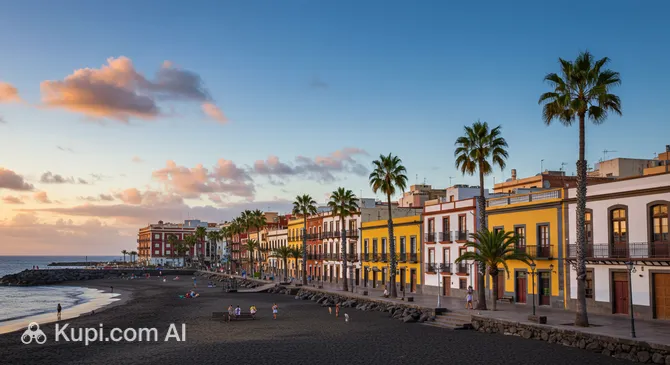
Santa Cruz de la Palma. Source: Kupi.Binoculars

The city is renowned for its stunning geographical setting, nestled between the vast Atlantic Ocean and a backdrop of lush volcanic hills. Visitors are often drawn to the history of Santa Cruz de la Palma, which is reflected in its exceptionally well-preserved colonial architecture. Founded in the late 15th century, the city played a crucial role as a major trading port on the route to the Americas, a legacy that is still visible in its grand mansions and historic churches.

One of the most iconic sights in the city is the collection of traditional wooden balconies along the Avenida Marítima. These colorful, flower-adorned structures are a symbol of the island's unique craftsmanship. A stroll down the main thoroughfare, Calle Real (officially Calle O'Daly), reveals cobblestone paths lined with Renaissance-style buildings, quaint shops, and lively cafes. The Plaza de España is another must-see landmark, often cited as the best ensemble of Renaissance architecture in the archipelago.

Whether you are exploring its architectural treasures or simply enjoying the pleasant subtropical climate, Santa Cruz de la Palma promises an unforgettable experience. It stands as an ideal starting point for discovering the rest of the "Beautiful Island" and offers a peaceful yet enriching getaway for travelers seeking authenticity.

Weather Overview

Santa Cruz de la Palma benefits from a mild and stable climate, making it an attractive destination at any time of the year. Travelers checking the weather in Santa Cruz de la Palma will discover a location known for its "eternal spring," where extreme temperatures are virtually unknown. The maritime influence helps maintain a comfortable atmosphere, shielding the city from the intense heat often found on the mainland.

The warmest period occurs in late summer, with August and September seeing average temperatures peak at around 21.4°C. These months are ideal for enjoying the outdoors, as rainfall is practically non-existent; July, for example, typically records 0 wet days. The transition into autumn is gentle, retaining much of the summer's warmth well into October.

Winters are exceptionally moderate, with average temperatures in January and February hovering around 16°C and rarely dropping below 15°C. While this season is slightly damper, precipitation remains low overall. November is historically the wettest month, yet it only averages about 7 wet days. Expect pleasant, temperate conditions year-round with minimal rainfall, ensuring that outdoor activities can be enjoyed in every season.

Interesting Facts

Beyond the main attractions, Santa Cruz de la Palma holds many fascinating secrets that surprise even seasoned travelers. This small capital is not only historically significant but also boasts achievements that once placed it ahead of major global metropolises.
  • A Global Pioneer in Electricity: Remarkably, Santa Cruz de la Palma was the first city in the Canary Islands and the sixth in the world to introduce electric street lighting. In 1893, the local hydroelectric plant, El Electrón, began powering the city streets, a technological feat that occurred here before it reached many larger European capitals.

  • The Ship on Dry Land: The Naval Museum - Ship of the Virgin is housed inside a faithful full-scale replica of Christopher Columbus's flagship, the Santa Maria. Unlike a typical vessel, this ship has never touched the water; it was constructed entirely on concrete in the Plaza de la Alameda to honor the island's rich maritime history.

  • Rear Facades Turned Icons: The famous Balconies of Avenida Marítima, now the city's most photographed feature, were originally the humble rear facades of merchants' homes. Historically, these intricate wooden structures were used for ventilation and as latrines, rather than as the main entrance, which faced the parallel Calle Real.

  • A Pirate's Legacy: The city has a dramatic history of pirate attacks, most notably by the French corsair François Le Clerc, known as "Peg Leg," who sacked and burned the town in 1553. This devastating event spurred the construction of key fortifications, such as the Castle of the Virgin, to protect the harbor from future raids.

Naval Museum - Ship of the Virgin. Source: Kupi.Binoculars

How to Get There

Travelers planning their journey can find more about how to get to Santa Cruz de la Palma by exploring the various air and sea connections available. Located on the island of La Palma, the city is primarily accessible via its local airport, though many visitors also arrive through major hubs on neighboring islands within the Canary archipelago.

The most direct route is through La Palma Airport (SPC), which is conveniently situated just 6.4 km from the city center. As the island's main gateway, it handles a significant number of passengers annually and offers connections to mainland Europe and other islands. The commute from the airport to Santa Cruz de la Palma is very short, taking approximately 30 minutes by taxi or bus, allowing you to start your vacation almost immediately upon arrival.

Alternatively, international travelers often choose to fly into Tenerife South Airport (TFS), located in the city of Santa Cruz de Tenerife. Although it is about 137 km away from Santa Cruz de la Palma, this major international hub offers a wider range of flight options. Since it is located on a different island, arriving here requires a subsequent transfer via a short domestic flight or a ferry crossing to reach La Palma.

For clarity, here is a summary of the main airports:

Airport Name City Passenger Traffic Km from City
Tenerife South Airport Santa Cruz de Tenerife Large 136.7
Tenerife North Airport Santa Cruz de Tenerife Large 141.0
La Palma Airport Santa Cruz de la Palma Medium 6.4
Hierro Airport Valverde Small 97.1
La Gomera Airport Small 90.3

Main Attractions

While the city is famous for its maritime history and colonial architecture, it also boasts a variety of other fascinating sites that cater to culture enthusiasts, nature lovers, and those simply seeking relaxation. From spiritual landmarks nestled in the hills to vibrant recreational spaces by the sea, the area offers diverse experiences for every traveler.

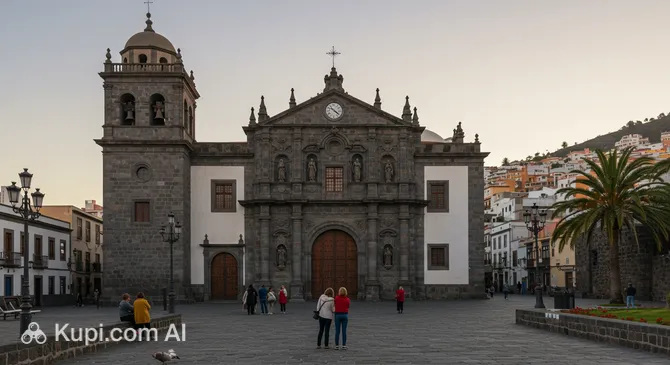
A short distance from the city center lies the Royal Sanctuary of Our Lady of the Snows, one of the most spiritually significant sites on the island. This historic church houses the terracotta statue of the Virgen de las Nieves, the patron saint of La Palma. Visitors are drawn here not only for the religious importance but also to admire the beautiful Flemish artwork and the serene atmosphere of the surrounding courtyard. It serves as the focal point for the island's most important festival, the Bajada de la Virgen, which takes place every five years.

Royal Sanctuary of Our Lady of the Snows. Source: Kupi.Binoculars

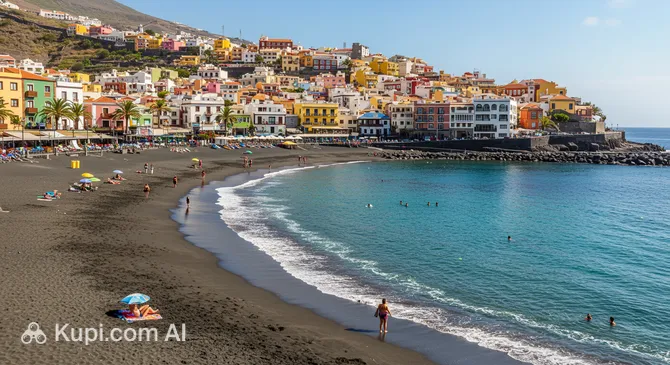
For those who want to combine urban exploration with a refreshing dip in the ocean, the Santa Cruz de La Palma Beach is a perfect stop. Inaugurated in 2017, this artificial beach features fine black volcanic sand and brings the coastline right to the city's doorstep. It is an excellent place to relax after a day of sightseeing, offering calm waters protected by breakwaters and convenient access to the nearby promenade's cafes and restaurants.

To truly appreciate the geography of the capital, a trip to La Concepción Viewpoint is essential. Perched high on the edge of a volcanic crater known as La Caldereta, this lookout offers breathtaking panoramic views of the city, the bustling port, and the vast Atlantic Ocean. It is arguably the best spot for photography lovers to capture the contrast between the white-washed buildings and the dark volcanic landscape.

Families and nature enthusiasts will find the Maroparque Exotic Animal Rescue Center to be a unique attraction. Unlike a traditional zoo, this center is dedicated to the conservation and rescue of exotic animals, including monkeys, birds, and reptiles. What makes it particularly interesting is its vertical layout; the park is built into the side of a cliff in Breña Alta, just outside the city limits, offering lush botanical gardens and winding paths that provide a distinct and immersive experience.

Local Cuisine

The gastronomy of Santa Cruz de la Palma is a delightful reflection of the island's volcanic soil and maritime tradition. The cuisine relies heavily on fresh, locally sourced ingredients, resulting in simple yet flavorful dishes. No meal is complete without the famous papas arrugadas (wrinkled potatoes), small potatoes boiled in salt water and served with traditional mojo sauces—typically a spicy red version (mojo picón) and a mild green one made with coriander or parsley.

Given its coastal location, fresh seafood is a staple on many menus. Diners can enjoy the catch of the day, such as vieja (parrotfish) or alfonsino, often prepared simply to highlight their natural taste. For a true taste of the island, visitors should try queso asado, a grilled goat cheese often drizzled with palm honey or mojo. Those with a sweet tooth must not miss Príncipe Alberto, a rich chocolate and almond mousse that is a signature dessert of La Palma, originating right here in the city.

To accompany these meals, the local wines are an excellent choice. The island has a long winemaking history, and the unique Vino de Tea is particularly notable; it is aged in barrels made from the heartwood of the Canarian pine, giving it a distinctive resinous flavor. For a post-meal treat, a barraquito—a layered coffee drink with condensed milk, cinnamon, lemon peel, and sometimes a splash of liqueur—is a local favorite found in most cafes.

The city offers a variety of dining settings, from bustling market stalls at the central market to cozy family-run taverns. For a memorable dining experience in a historic setting, Casa Osmunda is a renowned establishment located in an old colonial house, known for its creative take on traditional recipes and high-quality ingredients.

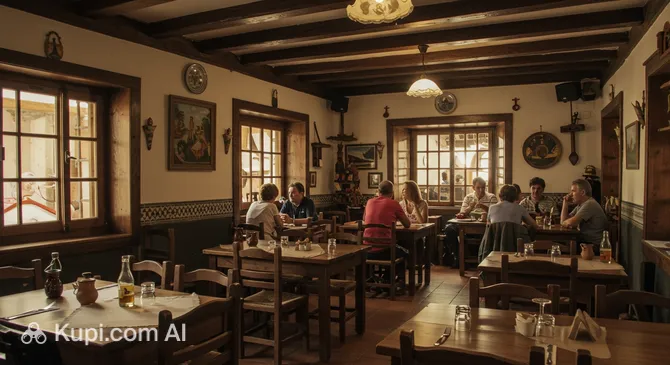
Casa Osmunda. Source: Kupi.Binoculars

Alternatively, for a more casual atmosphere right in the heart of the city, Tasca Luis offers a friendly vibe where locals gather to enjoy excellent tapas and wine. Exploring the culinary scene here is not just about eating; it is about slowing down and savoring the authentic flavors of the "Beautiful Island" in a relaxed, welcoming environment.

Travel Tips

Welcome to Santa Cruz de la Palma! To help you make the most of your visit to this charming island capital, we have compiled a set of practical tips designed to ensure your journey is as smooth and enjoyable as possible.

  1. Clothing and Gear: While the city enjoys a mild "eternal spring" climate, the weather can change quickly depending on your altitude. Dress in layers so you can adapt easily; a light jacket is recommended for cooler evenings or breezy days by the coast. Since the historic center features charming but uneven cobblestone streets, bring comfortable walking shoes or sneakers rather than high heels. Don't forget your swimwear for the city beach and a European-style power adapter (Type C or F) for your electronics.
  2. Transportation: The best way to explore Santa Cruz de la Palma itself is on foot, as the main attractions are concentrated within a walkable historic core. For trips outside the city or to the airport, the local bus service, known locally as guaguas, is reliable and affordable. If you plan to explore the rest of La Palma, renting a car is highly recommended, though parking in the city center can be scarce; look for parking areas near the port or on the outskirts.
  3. Finances: The official currency is the Euro (€). Credit and debit cards are widely accepted in most hotels, restaurants, and shops, but it is wise to carry some cash for small purchases in local cafés or at markets. ATMs are readily available throughout the city. Tipping is not mandatory but is appreciated for good service; rounding up the bill or leaving 5-10% is customary in restaurants.
  4. Health and Safety: Santa Cruz de la Palma is a very safe destination for tourists. Pharmacies are easily engaging by a flashing green cross sign; they rotate "on-duty" schedules (farmacia de guardia) for after-hours needs. The emergency number for police, ambulance, or fire services is 112. While tap water is generally safe to drink, many visitors and locals prefer bottled water due to the high mineral content and taste.
  5. Communication: The official language is Spanish. While staff in major hotels and tourist-focused restaurants generally speak English, it is less common in smaller local businesses. Learning a few basic phrases like hola (hello), por favor (please), and gracias (thank you) will go a long way with the friendly locals. Free Wi-Fi is often available in public plazas and cafes, and prepaid SIM cards can be purchased at various shops in the city center.
  6. Local Etiquette: The atmosphere here is relaxed and polite. It is polite to greet shopkeepers with a "Buenos días" or "Buenas tardes" when entering a store. Service in restaurants may be slower than what you are used to in big cities; this is part of the laid-back island lifestyle, so sit back and enjoy the moment rather than rushing the staff.
  7. What to Avoid: Avoid expecting shops to be open all day. Many smaller businesses close for a few hours in the afternoon (typically between 1:30 PM and 4:30 PM) for a break and are closed on Sundays. Plan your shopping excursions for the morning or late afternoon to avoid disappointment.
  8. Additional Tip: If you are visiting in February or March, check the dates for Los Indianos, a unique carnival celebration where the entire city dresses in white and throws talcum powder in the streets. It is one of the most famous festivals in the Canary Islands and requires booking accommodation well in advance!

Armed with these practical tips, you are all set to embrace the laid-back rhythm and historic beauty of Santa Cruz de la Palma. We hope you have a wonderful time exploring every corner of this delightful Atlantic gem!

Entertainment & Nightlife

Santa Cruz de la Palma offers a nightlife scene that mirrors its general character: relaxed, welcoming, and steeped in tradition. You will not find sprawling mega-clubs here; instead, the evening entertainment revolves around lively conversation, excellent local wine, and the enjoyment of the mild Atlantic breeze. The nightlife is concentrated primarily along the Avenida Marítima and the historic Calle O'Daly (Calle Real), where locals and visitors gather on terraces to unwind after sunset.

For a quintessential start to the evening, Tasca Luis is a beloved local institution. Located near the marina, it offers a bustling atmosphere where you can enjoy tapas and a glass of wine while mingling with the friendly residents. It represents the authentic tavern culture of the island, perfect for those looking to immerse themselves in the local vibe without the noise of a heavy beat.

Tasca Luis. Source: Kupi.Binoculars

If you prefer a more prolonged and sophisticated dining experience that stretches into the night, Casa Osmunda provides an elegant setting. Although primarily a restaurant, its ambiance makes it a prime spot for a relaxed evening of high-quality gastronomy and conversation. For drinks later in the night, the area around Plaza de la Alameda and the marina often hosts bars with music, ranging from Latin rhythms to pop, though the vibe remains casual and accessible.

Practical advice for enjoying the night includes starting late; dinner typically begins around 9:00 PM. The dress code is generally "smart casual"—comfortable but neat. Prices are quite reasonable compared to mainland Europe, with a glass of wine or beer costing just a few euros. The city is incredibly safe for night walks, even in the late hours. If you need to return to accommodation outside the center, taxi ranks are located near the port and main plazas, or you can easily call one by phone.

When the sun is up, the city transforms into a hub of cultural and leisure activities. Daytime entertainment is rich with history; you can explore the unique Naval Museum - Ship of the Virgin, a fascinating replica ship that delights both adults and children. For a mix of nature and fun, the Maroparque Exotic Animal Rescue Center offers a wonderful excursion just outside the city center. Simply strolling past the iconic Balconies of Avenida Marítima is an entertainment in itself, offering perfect photo opportunities against the backdrop of the sea.

Parks & Museums

Santa Cruz de la Palma offers a fascinating mix of cultural heritage and natural beauty, making it a delightful destination for exploration. The city's compact size allows visitors to easily navigate between its historic maritime landmarks and its unique conservation areas, providing a well-rounded experience of the island's character.

A standout cultural attraction is the Naval Museum - Ship of the Virgin. This museum is housed within a full-scale replica of Christopher Columbus's Santa Maria, permanently "docked" in the Plaza de la Alameda. Inside, history enthusiasts can examine a rich collection of naval artifacts, including maps, model ships, and navigational instruments that chronicle the island's significant role in trans-Atlantic trade routes.

Just a few steps from the naval ship stands the Castle of the Virgin. Dating back to the 17th century, this fortification was essential in defending the city against pirate attacks. Today, it serves as a historic monument where visitors can walk along the walls, admire the ancient cannons, and enjoy sweeping views of the coastline and the city below.

[IMAGE attraction id=162392]

For those interested in wildlife and nature, the Maroparque Exotic Animal Rescue Center is a must-visit. Located just outside the city center in Breña Alta, this park is built vertically into the side of a cliff, offering a distinct layout surrounded by lush vegetation. It functions as a sanctuary for rescued exotic animals, including primates and birds, allowing guests to observe them in a caring and botanical environment.

[IMAGE attraction id=152929]

The city streets themselves often feel like an open-air museum, particularly along the waterfront. The famous Balconies of Avenida Marítima are a testament to traditional Canarian craftsmanship. These double-tiered wooden balconies, overflowing with colorful flowers, were originally the rear facades of merchants' houses but have become one of the most photographed and admired architectural features on the island.

[IMAGE attraction id=144903]

Getting Around

Navigating Santa Cruz de la Palma is remarkably straightforward, primarily because the city is compact and pedestrian-friendly. For most visitors exploring the historic center, the best mode of transport is simply walking. The main attractions, shops, and restaurants along Calle Real and the Avenida Marítima are all within comfortable walking distance of each other. However, for reaching the outskirts or exploring the rest of the island, the public transport system is reliable and efficient.

The backbone of the local transportation network is the bus service, known locally as guaguas. There is no metro, tram, or train system on the island. The buses are operated by Transportes Insulares La Palma (TILP) and connect the capital with major towns and key points of interest. The central bus station is conveniently located near the port entrance, serving as the main hub for routes heading to the airport, the hospital, and the western side of the island.

For payment, travelers have two main options. You can purchase a single ticket directly from the driver using cash; however, it is highly advisable to carry small bills or coins, as drivers may not have change for large notes. Prices for single tickets are quite affordable, typically starting around €1.50 for short urban trips. For those planning to use the bus frequently, purchasing a Bonobús card is a smart choice. This contactless card offers significantly reduced fares compared to single tickets.

Tourists can buy and recharge Bonobús cards at the main bus station or at authorized merchants, often indicated by a TILP sticker. To use the card, simply tap it on the reader next to the driver when boarding; you must tell the driver your destination first so they can set the correct fare before you tap. Bus schedules are generally reliable, with the popular Line 500 running frequently between the city and the airport, taking about 30 minutes.

Taxis are a widely available alternative and are easily recognizable by their white color and the green light on the roof indicating availability. They operate on a meter system, and rates are regulated, making them a safe and fair option for short trips or when carrying heavy luggage. There are designated taxi ranks at the port and near the Plaza de la Constitución, or they can be ordered by phone.

While public transport is sufficient for the city and main routes, many visitors choose to rent a car to explore the island's mountainous terrain at their own pace. Car rental agencies are plentiful at the airport and the port. However, within Santa Cruz de la Palma itself, parking can be limited, so using the large public parking areas near the harbor is recommended if you choose to drive.

Accommodation

Accommodation in Santa Cruz de la Palma mirrors the city's intimate and historic character. Unlike the sprawling resort towns found on other Canary Islands, the capital of La Palma focuses on smaller, more personal lodging options. Visitors will primarily find charming mid-range hotels, family-run guesthouses (often called pensiones), and a growing number of holiday apartments. Many of these are housed in beautifully restored colonial buildings, offering a unique opportunity to stay within the architectural heritage of the island.

For travelers who value convenience and atmosphere, the Historic Quarter is the most popular area to stay. Being based near the main artery, Calle Real, places you within walking distance of the city's best restaurants, museums, and shops. Staying here means stepping out of your door directly onto cobblestone streets lined with Renaissance facades, immersing yourself instantly in the local culture.

Another sought-after location is along the Avenida Marítima. Accommodations here often provide stunning views of the Atlantic Ocean and are just a stone's throw from the city's black sand beach. Waking up to the sunrise over the ocean is a highlight for many visitors. For those who prefer a quieter setting with panoramic vistas, there are options located in the upper parts of the city or on the surrounding hillsides, offering breathtaking perspectives of the port and the coastline.

Santa Cruz de La Palma Beach. Source: Kupi.Binoculars

The price range for accommodation is generally moderate and offers excellent value for money compared to mainland Europe. Budget travelers can find affordable guesthouses and hostels, while mid-range travelers have a good selection of boutique hotels and well-equipped apartments. Luxury options are limited but high quality. Booking is typically done through major online platforms, though many smaller establishments also welcome direct inquiries.

Booking Tip: While finding a room is usually straightforward, it is highly recommended to book well in advance if you plan to visit during key events. The most critical time is during the carnival season in February or March, specifically for Los Indianos, when the city is packed to capacity. Similarly, accommodation fills up quickly during the Bajada de la Virgen festival, which occurs every five years, so planning months ahead is essential for these dates.

Nearby Cities

For those looking to explore the surroundings, Santa Cruz de la Palma serves as an excellent base for day trips to several interesting nearby locations:

Just a short drive across the island to the west, Los Llanos de Aridane is the island's economic capital and a vibrant counterpart to Santa Cruz. Visitors are drawn to its lively Plaza de España, shaded by ancient laurel trees, and the charming streets of the Argual district, which hosts a popular Sunday market. It also serves as the main gateway to the spectacular Caldera de Taburiente National Park, making it an essential stop for nature lovers.

To the northeast lies the picturesque village of San Andrés, one of the oldest settlements on La Palma. It is renowned for its well-preserved cobblestone streets, traditional architecture, and the historic Church of San Andrés. A stone's throw away is Charco Azul, a set of natural saltwater pools formed by volcanic rock. These pools offer a safe and refreshing swimming experience protected from the open ocean, perfect for a relaxing afternoon by the sea.

City Population Distance (km)
La Laguna 158010 143
Arona 82982 124
Granadilla de Abona 52447 132
Adeje 49270 119
La Orotava 42434 126

These nearby destinations offer a glimpse into the diverse culture and landscapes of the region.

Shopping & Souvenirs

Shopping in Santa Cruz de la Palma is a delightful experience that contrasts sharply with the frantic pace of large commercial centers. Instead of sprawling modern malls, the city offers a charming open-air shopping environment set against a backdrop of historic architecture. Visitors can enjoy a leisurely stroll while browsing through a variety of local boutiques, traditional craft shops, and family-owned businesses, all within a compact and walkable area.

The heart of the city's commercial life is undoubtedly Calle Real (officially Calle O'Daly) and its extension, Calle Anselmo Pérez de Brito. This pedestrianized thoroughfare runs parallel to the seafront and is lined with beautiful colonial buildings. Here, you will find everything from international fashion brands and perfumeries to small stores selling books, electronics, and accessories. The atmosphere is vibrant yet relaxed, inviting you to stop for a coffee between purchases while admiring the historic facades.

Travelers should not expect large shopping malls in Santa Cruz de la Palma. The city prides itself on its traditional high street commerce. While there are no massive shopping complexes, the entire historic center functions as a cohesive "Open Commercial Area" where variety and quality are easily accessible. This setup allows for a more personal interaction with shopkeepers and a shopping experience that feels integrated into the daily life of the city.

For an authentic taste of local life, a visit to the Mercado de La Recova (Municipal Market) is essential. Housed in a lovely building with a wooden interior, this market is the best place to find fresh produce, including tropical fruits like bananas and avocados, as well as fresh fish and artisanal cheeses. It is not just a place to buy food; it is a cultural hub where you can mingle with residents and discover the fresh ingredients that define the island's gastronomy.

When looking for gifts to take home, the island offers several unique products. La Palma is famous for its high-quality cigars, hand-rolled using traditional methods brought back from Cuba generations ago. Food lovers should look for almond sweets like rapaduras (cone-shaped sugar treats) or a bottle of local Malvasia wine. Additionally, the island is renowned for its intricate silk embroidery, a craft that has been preserved for centuries and makes for a precious souvenir.

Store hours typically follow the traditional Spanish schedule. Most shops open around 9:30 AM or 10:00 AM, close for a midday break (siesta) between 1:30 PM and 4:30 PM, and then reopen until 8:00 PM. On Saturdays, shops usually close in the afternoon, and Sunday is a quiet day with almost everything closed except for some souvenir shops or cafes. Credit and debit cards are widely accepted, though carrying some cash is useful for small purchases at the market.

The Canary Islands operate under a unique tax regime known as IGIC, which generally results in lower prices on consumer goods compared to mainland Europe. Tourists residing outside the European Union may be eligible for tax refunds on certain purchases. It is advisable to look for stores displaying the "Tax Free" sign and ask for the necessary documentation at the time of purchase to take advantage of this benefit.

Reached the end of the page?

That means the route is fully explored