Support

Valverde

About

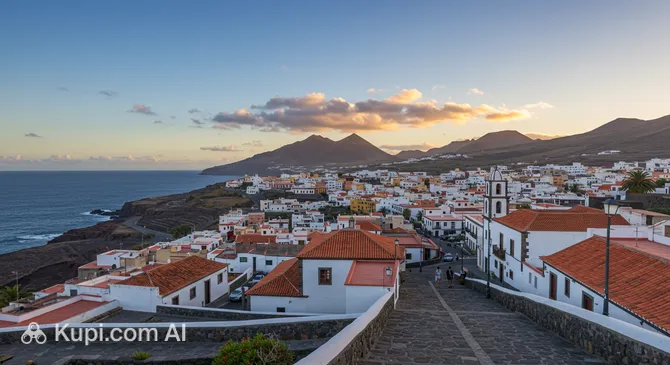
Valverde is a captivating destination that stands out for its unique character and tranquil atmosphere. As the capital of the island of El Hierro in the Canary Islands, it holds the distinction of being the only insular capital in the archipelago not located on the coast. This charming town in Spain offers visitors a genuine glimpse into local life, far removed from the bustling mass tourism found elsewhere.

Valverde. Source: Kupi.Binoculars

Perched on a hillside at an altitude of roughly 600 to 700 meters, Valverde enjoys a mild, refreshing climate that is often influenced by the trade winds, which can bring a mystical mist to the streets. Despite its status as a capital, it retains the cozy feel of a village, with a population of approximately 5,000 residents. The city is divided into three main neighborhoods—Tesine, La Calle, and El Cabo—each offering lovely corners to explore and views of the Atlantic Ocean in the distance.

Travelers who wish to delve into the history of Valverde will discover a settlement with deep roots dating back to the late 15th century. Walking through its steep, winding streets reveals traditional Canarian architecture featuring white-washed walls and tiled roofs. A major highlight is the Church of Santa María de la Concepción, an 18th-century stone church that serves as the spiritual heart of the community and houses beautiful religious sculptures.

Whether you are visiting to enjoy the peace and quiet, taste the local quesadilla (a traditional cheesecake), or use the town as a base to explore the rest of the UNESCO Biosphere Reserve of El Hierro, Valverde promises a memorable experience. It is an inviting destination for those seeking authenticity, nature, and a slower pace of life.

Weather Overview

Valverde enjoys a remarkably consistent and mild climate throughout the year, making it a comfortable destination to visit in any season. Due to its unique location, the town avoids extreme temperature fluctuations, offering a spring-like atmosphere almost every month. Visitors can generally expect pleasant days with average temperatures ranging from 18°C in the cooler months to around 23°C during the warmest part of the year.

Precipitation is quite rare, with the summer months from May through August typically seeing zero wet days. The chance of rain increases slightly towards the end of the year, with December experiencing about 4 wet days, though the overall rainfall remains very low. For a more detailed forecast to help you plan your activities, you can check the current weather in Valverde before your trip.

Interesting Facts

Beyond the main attractions, Valverde holds many fascinating secrets that reveal the deep connection between its people and the unique landscape. Here are some intriguing details that give this capital its distinct personality.
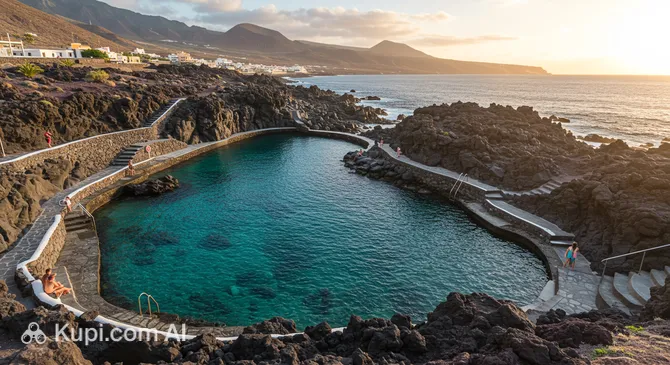
  • Although the city center sits high in the mountains, the municipality extends down to the sea, encompassing popular coastal spots like El Tamaduste. This natural harbor is famous for its tranquil, pool-like waters, creating a stark contrast to the misty highlands of the capital.

  • Valverde is deeply connected to the legend of the Garoé, or Sacred Tree. Located nearby, this tree was historically vital to the indigenous Bimbache people because its leaves condensed water from the trade winds, providing a miraculous water source in an area with no natural springs.

  • The city is the endpoint of the "Bajada de la Virgen de los Reyes," the island's most important festival held every four years. During this event, thousands of people accompany the island's patron saint on a trek of nearly 30 kilometers from the western coast to the capital, celebrating with traditional music and dance.

  • Unlike most bustling capitals, Valverde is known for its incredible silence and slow pace. It is one of the few capitals where the rural atmosphere is so preserved that you can often hear roosters crowing in the morning, right in the administrative heart of the island.

El Tamaduste. Source: Kupi.Binoculars

How to Get There

Reaching the capital of El Hierro is a journey that usually involves connecting through other major hubs in the Canary Islands, as the island is secluded and peaceful. For a detailed breakdown of routes and transport options, you can read more about how to get to Valverde. The experience of arriving is part of the charm, offering stunning aerial views of the archipelago or a scenic ferry ride.

The most direct way to arrive is via Hierro Airport (IATA: VDE), which is conveniently located within the municipality of Valverde itself, just 2.8 km from the city center. This small, regional airport is the primary gateway for air travelers landing directly on the island. Due to its close proximity, the journey from the terminal to the town center is very quick; a taxi or bus ride typically takes only about 5 to 10 minutes. While it is a smaller facility compared to others in the Canaries, it handles the essential inter-island traffic that connects locals and visitors to the rest of the world.

Since direct international flights to El Hierro are rare, most travelers first fly into Tenerife South Airport (IATA: TFS) in the city of Santa Cruz de Tenerife (on the island of Tenerife). Located approximately 135 km from Valverde, this is a major international hub with high passenger traffic. From here, visitors typically transfer to a connecting flight or take a ferry to reach El Hierro. Similarly, Tenerife North Airport (IATA: TFN), situated about 172 km away on the same neighboring island, serves as a key connecting point, especially for inter-island flights that can bring you to Valverde.

For clarity, here is a summary of the main airports:

Airport Name City Passenger Traffic Km from City
Tenerife South Airport Santa Cruz de Tenerife Large 134.7
Tenerife North Airport Santa Cruz de Tenerife Large 171.6
La Palma Airport Santa Cruz de la Palma Medium 91.9
Hierro Airport Valverde Small 2.8
La Gomera Airport Small 73.1

Valverde, being located on a small volcanic island, does not have a railway system. The rugged terrain and the size of El Hierro make train travel impractical. Visitors rely on the island's road network to get around. Once you arrive at the airport or the port, the best ways to reach the city center and explore the surrounding areas are by renting a car, using the local taxi service, or taking the "guaguas" (local buses), which offer a reliable and authentic way to navigate the island's winding roads.

Main Attractions

While Valverde serves as the administrative heart of El Hierro, the municipality encompasses diverse landscapes ranging from the misty highlands to the sparkling coast. Beyond the quiet streets of the capital, the surrounding area offers visitors a variety of points of interest, from refreshing natural swimming spots to welcoming establishments where you can savor the local lifestyle.

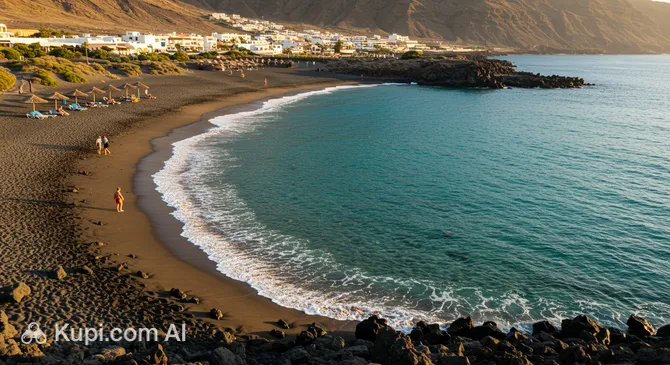
For those seeking a relaxing escape by the ocean, La Caleta Beach is a must-visit location on the northeastern coast. This area is famous for its inviting saltwater pools and small coves, which are perfect for a refreshing dip away from the open waves. The site is a favorite among locals, especially during the summer months, offering a friendly atmosphere and well-maintained facilities that allow you to enjoy the rugged beauty of the shoreline in comfort.

La Caleta Beach. Source: Kupi.Binoculars

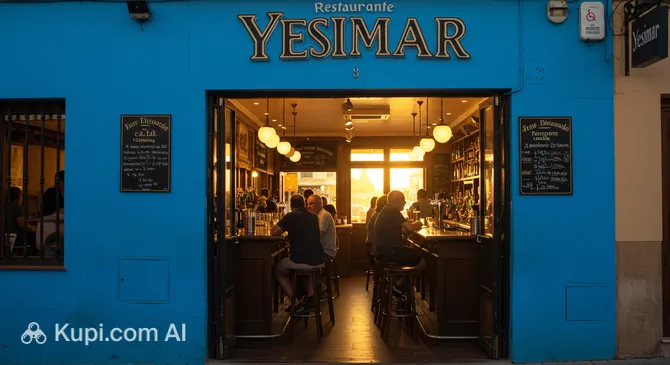
To truly experience the daily rhythm of the island, a stop at Restaurante Yesimar is highly recommended. Situated within the municipality, this establishment is a popular meeting point for residents and visitors alike. It offers a laid-back environment where you can enjoy a casual meal or a drink, providing a perfect opportunity to unwind and soak up the authentic local vibe after a day of touring the island's scenic routes.

Restaurante Yesimar. Source: Kupi.Binoculars

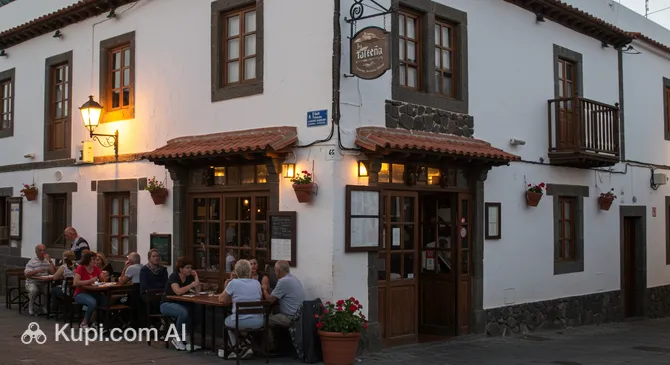
Exploring the local gastronomy is an essential part of any trip to Valverde, and dining at a traditional spot like La Tafeña Restaurant offers a delicious insight into the island's culture. This venue is known for serving authentic Herreño cuisine, often featuring fresh, locally sourced ingredients. Whether it is savory meats, fresh fish, or the island's famous cheese, enjoying a meal here allows travelers to connect with the culinary heritage of El Hierro in a cozy, welcoming setting.

La Tafeña Restaurant. Source: Kupi.Binoculars

Local Cuisine

The culinary landscape of Valverde reflects the soul of El Hierro: humble, authentic, and deeply connected to the volcanic land. The cuisine here is defined by the "zero kilometer" philosophy, relying heavily on fresh, locally sourced ingredients. While the town is situated inland, its gastronomy is a delightful blend of mountain heartiness and fresh bounties from the nearby Atlantic Ocean, offering visitors a taste of pure, unprocessed flavors.

The undisputed star of the local table is the cheese, known as Queso Herreño. Made primarily from goat's milk, sheep's milk, or a blend, it is often smoked with fig wood or prickly pear cactus trunks, giving it a distinctive aroma. You must try the Caldo de Queso, a comforting soup made with this cheese, potatoes, onions, and herbs—a dish that perfectly warms you up on a misty Valverde day. Another savory staple is Champurrio, a thick stew typically prepared with wheat or corn and meat.

Despite being the capital, the town's proximity to the coast ensures a steady supply of fresh seafood. The parrotfish, known locally as vieja, is a favorite, usually served boiled or fried. Like elsewhere in the Canaries, these main courses are almost always accompanied by papas arrugadas (wrinkled potatoes) served with the iconic mojo sauces—the red mojo picón for a spicy kick or the green mojo verde with coriander for a milder taste.

For those with a sweet tooth, Valverde is the perfect place to indulge in the island's most famous dessert: the Quesadilla Herreña. Unlike the Mexican dish of the same name, this is a flower-shaped cheesecake made with fresh cheese, eggs, flour, sugar, and aniseed. It pairs wonderfully with a glass of local wine. The island has its own Denomination of Origin (D.O. El Hierro), producing excellent whites from the Verijadiego grape that are crisp, aromatic, and volcanic in character.

The dining culture in Valverde is relaxed and unpretentious, with most locals eating in family-run establishments known as casas de comidas or small bars. For a genuine taste of traditional recipes, you can visit La Tafeña Restaurant, where the focus is on high-quality local produce. If you prefer a more casual atmosphere to enjoy a drink and some tapas, Restaurante Yesimar is a great spot to mingle with residents and experience the slow-paced lifestyle of this unique capital.

Travel Tips

Welcome to Valverde, a capital city that feels more like a tranquil village perched amidst the clouds. To help you make the most of your visit to this unique corner of El Hierro, here are some practical tips designed to ensure a smooth and enjoyable journey.

  1. Clothing for Microclimates: Unlike the coastal resorts, Valverde sits at a high altitude and is often shrouded in the famous trade wind mist. Even in summer, bring layers and a light waterproof jacket, as evenings can be cool and damp. Comfortable, non-slip walking shoes are essential for navigating the town's steep and often cobbled streets.
  2. Getting Around: While the local bus service, known as guaguas, connects the capital to other main towns, schedules can be infrequent. The most practical way to explore the island is by renting a car. Taxis are available in the town center, but having your own vehicle gives you the freedom to reach remote viewpoints and hidden coves.
  3. Money Matters: The local currency is the Euro (€). Major credit and debit cards are widely accepted in Valverde's supermarkets and restaurants. However, it is advisable to carry some cash for small purchases in local bars, bakeries, or when visiting smaller villages nearby where card machines might be unavailable.
  4. Health and Safety: Valverde is an extremely safe destination with very low crime rates. The island's main hospital, Hospital Insular Nuestra Señora de los Reyes, is located within the municipality. Pharmacies are easily identifiable by a green cross; check their schedules as they may rotate weekend shifts.
  5. Language and Communication: Spanish is the primary language spoken. While you may find English speakers in hotels and tourist offices, it is less common in traditional shops and cafes. Learning a few basic phrases like "Buenos días" (Good morning) and "Gracias" (Thank you) is highly appreciated and helps break the ice.
  6. Local Etiquette: The lifestyle in Valverde is slow and relaxed. It is polite to greet shopkeepers and locals when entering a room or passing on the street. Patience is key; service is rarely rushed, reflecting the calm, stress-free atmosphere of the island.
  7. What to Avoid: Do not assume the weather in the capital represents the rest of the island. It is a common mistake to dress for the beach while in Valverde and freeze, or conversely, to dress too warmly for the coast based on the capital's mist. Always check the forecast for your specific destination on the island.
  8. Siesta Time: Be aware of the traditional split schedule. Many smaller shops and local businesses close for a midday break, typically between 1:30 PM and 4:30 PM. Plan your shopping and errands for the morning or late afternoon to avoid finding closed doors.

By keeping these simple tips in mind, you will be well-prepared to embrace the authentic charm and serenity of Valverde. Enjoy the misty mornings, the warm hospitality, and the unforgettable experience of discovering the quiet heart of El Hierro.

Entertainment & Nightlife

Entertainment and nightlife in Valverde reflect the island's overall character: peaceful, authentic, and intimate. Travelers looking for high-energy nightclubs, flashing neon lights, or bustling party districts will not find them here. Instead, the evening scene in the capital of El Hierro revolves around socializing, enjoying good food, and relaxed conversations on terraces. The nightlife is concentrated in the heart of the town, particularly along the main thoroughfares like Calle San Francisco and the areas surrounding the Plaza Virrey de Manila, where locals gather to unwind after work.

The atmosphere is distinctly casual and welcoming. There is no strict dress code; comfortable attire is the norm, though bringing a light jacket is always recommended due to the cool evening mist that often rolls into the city. Venues typically operate with a laid-back schedule. While some bars may stay open until around midnight or 1:00 AM on weekends, most activity winds down relatively early compared to the bustling resorts of the larger Canary Islands. The crowd is a mix of residents and visitors, creating a friendly environment where it is easy to strike up a conversation.

For a taste of the local evening vibe, Restaurante Yesimar is a solid choice. Operating as a bar and restaurant, it serves as a social hub where you can enjoy a glass of local wine or a beer accompanied by tapas. It is the kind of place where the transition from dinner to evening drinks happens naturally. Another excellent option for a night out is La Tafeña Restaurant. While primarily a dining establishment, its cozy atmosphere makes it perfect for a lingering evening meal that stretches into the night, allowing you to savor the slow pace of island life.

From a practical standpoint, enjoying an evening in Valverde is very affordable. Prices for drinks and tapas are generally lower than in mainland Spain or the more tourist-heavy islands. Getting around at night is simple since the center is compact and walkable. However, if you are staying outside the immediate town center, be aware that public transport stops running in the evening. Taxis are available, but it is advisable to have a number for the local taxi service on hand, as you cannot always hail one on the street late at night.

Safety is one of Valverde's strongest points. The streets are exceptionally safe for night walks, even for solo travelers. The low crime rate contributes to a sense of security that allows you to explore the quiet, dimly lit cobblestone streets without worry. It is a unique experience to walk through a capital city at night and hear nothing but the wind and the distant sounds of nature.

During the daylight hours, entertainment shifts towards cultural and natural exploration. While the town does not have large amusement parks, it offers enriching experiences such as visiting the ethnographic center at Casa de Las Quinteras or exploring local art exhibitions. The town serves as a cultural anchor where you can visit small museums or attend local theater productions that occasionally take place, offering a glimpse into the island's rich history and traditions before the sun goes down.

Parks & Museums

Valverde offers a distinct blend of cultural heritage and natural beauty, where the "green spaces" are often the lush, mist-covered landscapes surrounding the town rather than manicured urban gardens. Visitors to this quiet capital can explore fascinating museums that preserve the island's rural traditions and enjoy easy access to some of El Hierro's most stunning natural swimming areas and coastal parks.

While the town center itself is compact, the municipality extends to the coast, encompassing incredible natural areas that serve as the locals' favorite playgrounds. One of the most beloved spots is El Tamaduste, a unique natural harbor formed by a volcanic estuary. The calm, turquoise waters here resemble a swimming pool, making it a perfect place for a relaxing swim surrounded by dramatic volcanic rock. It is also a great spot for a seaside stroll along the promenade, enjoying the contrast between the dark lava and the blue ocean.

Another highlight for nature lovers is La Caleta Beach. Located just a short drive from the capital, this coastal area features refurbished natural saltwater pools and sunbathing terraces. It is an excellent example of how the island integrates leisure spaces with the rugged environment. The area is equipped with picnic zones and basic amenities, making it ideal for families or travelers looking to spend a day connecting with the Atlantic in a safe and scenic setting.

For those interested in the cultural roots of El Hierro, the Casa de Las Quinteras Ethnographic Center is an essential stop. Housed in a beautifully restored traditional building, this museum offers a deep dive into the island's past. Exhibits showcase the self-sufficient lifestyle of the Herreños, featuring displays on traditional blacksmithing, textile weaving, and pottery. The center also includes a shop where you can purchase authentic local handicrafts, supporting the artisans who keep these skills alive.

History enthusiasts will appreciate the architectural heritage visible in the town's streets. The most significant landmark is the Church of Santa María de la Concepción. Built in the 18th century, this stone church is a fine example of Canarian baroque architecture. Inside, visitors can admire an impressive Mudejar-style wooden ceiling and a figure of the Cristo de la Columna, a sculpture of great artistic and religious value. The square in front of the church serves as a peaceful gathering spot, offering views over the rooftops towards the ocean.

For a truly authentic experience, take a short excursion to the nearby hamlet of Tiñor. Located just a few kilometers from Valverde, it is the smallest village on the island and feels frozen in time. Walking through its silent streets, lined with traditional houses built from black volcanic stone and white lime, offers an intimate look at the rural architecture and the peaceful way of life that defines this UNESCO Biosphere Reserve.

Getting Around

The public transport system in Valverde is straightforward and modest, reflecting the small size and relaxed pace of the island of El Hierro. Unlike large metropolitan areas, there is no metro, tram, or train network here. The city and the entire island rely exclusively on road transport. For visitors, this means getting around involves using the local bus service, taking taxis, or, most commonly, renting a vehicle to explore at their own leisure.

The backbone of the public transportation network is the bus service, locally known as "guaguas." These buses are operated by the cooperative Transhierro and connect Valverde with the island's other main villages, the airport, and the port of La Estaca. The central bus station is located in the heart of Valverde, serving as the main hub where most routes originate or terminate. While the buses are modern, comfortable, and reliable, the frequency of service is limited compared to mainland standards, with some routes running only a few times a day and reduced schedules on weekends and holidays.

Paying for your journey is simple and user-friendly. You can purchase a single ticket directly from the driver when you board the bus; payment is made in cash, so it is highly advisable to carry small change or bills of low value (5 or 10 euros). For those planning to use the bus frequently, there is a travel card option known as the "Bono Viajero." This rechargeable card offers a discount on fares compared to single tickets and can be purchased and topped up at the main bus station in Valverde or sometimes directly on board, depending on availability.

For tourists relying on the bus, practical planning is essential. Since routes are not continuous throughout the day, you should check the latest timetables, which are posted at the bus station and available online via the operator's website. It is important to arrive at the bus stop a few minutes early, as drivers adhere strictly to the schedule. If you are traveling to the airport or the ferry port, confirm that your bus connection aligns with your departure time, as there may be gaps in service during the middle of the day.

Taxis are a reliable alternative for getting around Valverde or reaching specific destinations that the buses might not cover. You can easily identify them as white vehicles with a green light on the roof indicating availability. There is a designated taxi rank in the center of town, but given the small number of taxis, it is often more effective to call the local dispatch service to book a ride, especially if you need an early morning transfer to the airport or a late-night ride back to your accommodation.

While public transport covers the essentials, many visitors find that renting a car is the most practical solution for exploring beyond the city limits. Car rental agencies are available at the airport, the port, and within Valverde itself. Having a car provides the freedom to navigate the steep geography and reach remote natural pools and viewpoints that are inaccessible by bus. Within the town center, however, walking is the best way to get around, though you should be prepared for steep streets and slopes.

Accommodation

Where to Stay:

Valverde offers a distinct accommodation scene that mirrors its peaceful and authentic character. Unlike the major tourist hubs of the Canary Islands, you will not find sprawling all-inclusive resorts or high-rise hotel chains here. Instead, the city specializes in small, family-run establishments, cozy guesthouses, and apartments that offer a more intimate connection with the local lifestyle. The options are generally modest but comfortable, focusing on hospitality and tranquility rather than luxury amenities.

For most travelers, staying in the town center is the most convenient option. Being in the heart of the capital places you within walking distance of essential services, including the main bus station, supermarkets, and local dining spots. It serves as an excellent base for those planning to explore the island by public transport. However, visitors should keep in mind that the capital is located at a higher altitude, so the evenings can be cooler and mistier compared to the coast.

Since the municipality of Valverde extends to the ocean, some tourists choose to stay in the nearby coastal villages such as El Tamaduste or near La Caleta Beach. These areas offer holiday rentals and apartments with warmer weather and direct access to the sea, all while being just a short drive or bus ride away from the administrative center. This allows visitors to enjoy the "sun and beach" experience while remaining close to the capital's amenities.

Booking Tip: Due to the limited number of beds on the island and the small size of the capital, accommodation can fill up quickly. It is highly recommended to book your stay well in advance, especially if you plan to visit during the summer months or during major local festivities.

The cost of staying in Valverde is generally quite reasonable and fits within a budget to mid-range category. You can expect to find affordable rates for pensions and hostels, as well as moderate prices for private apartments and boutique-style rural hotels. While some establishments can be booked through major online travel platforms, many smaller local houses may require direct contact or booking through specialized rural tourism websites.

Nearby Cities

For those looking to explore the surroundings, Valverde serves as an excellent base for day trips to several interesting nearby locations. Since El Hierro is a relatively small island, visitors can easily reach other municipalities and distinct landscapes within a short drive, experiencing the diversity of the "Meridian Island" in a single day.

One of the most popular excursions is to La Frontera, located in the majestic El Golfo valley. Separated from Valverde by the central mountain ridge, this area is famous for its warmer climate, extensive vineyards, and the stunning natural swimming pools of La Maceta. It offers a dramatic contrast to the capital, with towering cliffs backing the coastline and a relaxed, agricultural atmosphere perfect for tasting local wines and pineapples.

Heading south, the fishing village of La Restinga is another must-visit destination. Situated at the southernmost tip of Spain, it acts as the gateway to the Mar de las Calmas Marine Reserve. This spot is a haven for scuba diving enthusiasts and those looking to enjoy fresh seafood by the harbor. The drive there takes you through the lush pine forests of El Pinar, showcasing the island's rapid changes in vegetation.

While the towns mentioned above are located directly on El Hierro, the following table lists major cities situated on the neighboring island of Tenerife. These urban centers are accessible via inter-island flights or ferries and often serve as key transit points for travelers visiting the archipelago.

City Population Distance (km)
La Laguna 158010 174
Arona 82982 126
Granadilla de Abona 52447 136
Adeje 49270 121
La Orotava 42434 151

These nearby destinations offer a glimpse into the diverse culture and landscapes of the wider Canary Islands region.

Shopping & Souvenirs

Shopping in Valverde offers a distinct departure from the commercialized experience found in larger tourist hubs. Instead of sprawling shopping malls and international luxury chains, the city provides a more intimate and authentic atmosphere where small, family-run businesses dominate. Visitors will find that commerce here revolves around essential goods and, most importantly, high-quality local produce. It is the perfect place to discover the flavors and traditions of El Hierro, with a focus on artisanal food products and handcrafted items that reflect the island's heritage.

The commercial heart of the city is concentrated along its main thoroughfares, particularly Calle San Francisco and Calle Doctor Quintero. These pedestrian-friendly streets serve as the open-air "shopping center" of the capital. Here, you can stroll past a variety of establishments ranging from pharmacies and banks to small clothing boutiques, bookstores, and hardware stores. The vibe is relaxed and friendly, with shop owners often taking the time to chat with customers, adding a personal touch to every transaction.

Travelers looking for large shopping complexes will not find them in Valverde. The city does not have department stores or major shopping malls. Retail therapy here is about exploring standalone shops tucked away in traditional buildings. This absence of mass-market commercialization helps preserve the town's village-like charm and ensures that the products you find are often unique to the island or essential for local living.

For those interested in fresh, local ingredients, the Municipal Market (Mercado Municipal) is a key stop. Located in the town center, it is the best place to find fresh fruits and vegetables grown in the fertile valley of El Golfo, as well as locally caught fish. While it is smaller than markets on other islands, it offers a genuine slice of daily life in El Hierro. It is an excellent spot to purchase provisions if you are staying in self-catering accommodation or simply want to taste the island's tropical fruits.

When it comes to souvenirs, Valverde is the ideal place to buy the island's gastronomic treasures. The most famous item to bring back is the Quesadilla Herreña, a traditional flower-shaped cheesecake made with fresh cheese, eggs, and aniseed. Several bakeries and factories in and around the city sell them fresh daily. Another must-buy is the smoked Queso Herreño (local cheese) and bottles of white wine from the El Hierro Denomination of Origin. For non-food souvenirs, look for traditional handicrafts such as basketry, pottery, and wool items, which can often be found in small artisan shops or the shop at the ethnographic center.

Business hours in Valverde follow the traditional Spanish schedule, which includes a midday break. Most shops open around 9:00 AM or 10:00 AM, close for "siesta" between 1:30 PM and 4:30 PM, and then reopen until roughly 8:00 PM. On Saturdays, shops typically close in the afternoon, and almost everything is closed on Sundays, except for a few bakeries or essential services. Credit and debit cards are widely accepted in most established businesses, but it is always wise to carry some cash for smaller purchases in markets or tiny kiosks.

While the Canary Islands are not part of the EU VAT area, they have their own tax system known as IGIC (Impuesto General Indirecto Canario), which generally has lower rates than mainland Spain. This can make certain goods like perfumes, tobacco, and alcohol cheaper. However, given Valverde's limited retail selection, the main benefit for tourists is simply the overall lower cost of local products and dining rather than high-end tax-free luxury shopping.
Reached the end of the page?

That means the route is fully explored