Support

San Sebastian de la Gomera

About

San Sebastian de la Gomera is the vibrant capital and primary gateway to the enchanting island of La Gomera. As a key destination in the Canary Islands archipelago of Spain, this coastal town offers a perfect blend of historical significance and laid-back island charm. It serves as the main port for ferries arriving from neighboring islands, welcoming visitors with its colorful architecture and relaxed atmosphere.
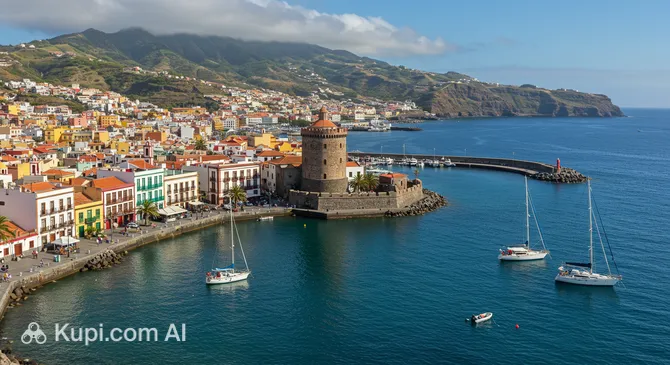
Nestled on the eastern coast, the city is home to a modest population of approximately 9,300 residents, creating a cozy and intimate community feel. Its geographical setting provides stunning ocean views, and travelers can enjoy a pleasantly mild subtropical climate that makes exploration comfortable throughout the year.

The town serves as the historic heart of La Gomera, often referred to as La Isla Colombina (The Columbian Island) due to its pivotal role in the voyages of Christopher Columbus. The explorer stopped at this port to restock supplies before his journey to the Americas in 1492. You can delve deeper into this fascinating era and the history of San Sebastian de la Gomera by visiting its well-preserved landmarks. Notable sites include the Torre del Conde, a medieval fortress set in a lush park, and the Iglesia de la Asunción, a beautiful church featuring a mix of Mudéjar, Gothic, and Baroque styles.

Whether you are passing through or planning a longer stay, San Sebastian de la Gomera is an excellent base for your adventures. With its inviting plazas, authentic local cuisine, and proximity to the island's natural wonders, it promises a memorable experience for every traveler.

Weather Overview

San Sebastian de la Gomera is blessed with a mild and stable climate, often described as an "eternal spring," which makes it an ideal destination at any time of the year. The weather in San Sebastian de la Gomera is consistently pleasant, characterized by moderate warmth and very little variation between seasons.

During the summer months, the heat is comfortable rather than oppressive, with temperatures peaking in August at an average of 23.1°C. The winter season remains incredibly gentle; even in the coolest months of January and February, average temperatures stay around 17.6°C to 17.8°C, ensuring that it rarely feels truly cold.

Expect consistent temperatures ranging from 17°C to 24°C and very dry conditions year-round. Rainfall is negligible, with the summer months from May to August seeing virtually zero precipitation. Even in the slightly wetter periods like November and March, rain is sparse, typically limited to just 3 wet days per month.

Interesting Facts

Beyond the main attractions and the bustling port, San Sebastian de la Gomera holds many fascinating secrets rooted in the Age of Exploration and local tradition. The city's history is woven with legends of navigators, indigenous rebellions, and unique cultural festivities that continue to this day.
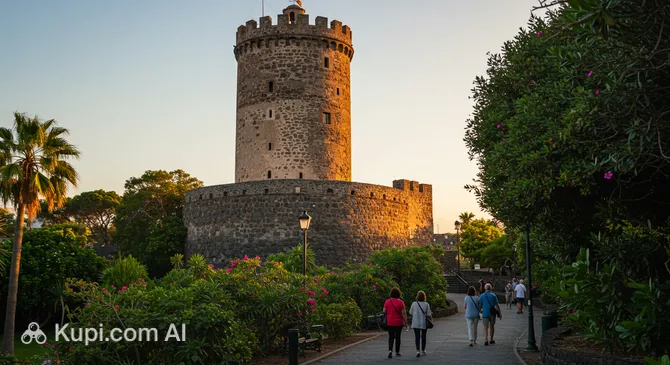
Torre del Conde. Source: Kupi.Binoculars
  • The Baptism of America: A local legend claims that Christopher Columbus took water from a well in the Casa de la Aguada before setting sail for the New World. A plaque at the site commemorates this belief with the phrase, "with this water, America was baptized," marking the city's symbolic link to the continent's history.

  • A Fortress Against Locals: Unlike many coastal fortifications designed to repel pirate attacks, the Torre del Conde was originally built to protect the Spanish nobility from the island's own indigenous population. It remains the only medieval tower of its kind preserved in the Canary Islands.

  • A Seaborne Pilgrimage: The city's most significant religious event, the Bajada of the Virgin of Guadalupe, occurs only once every five years. During this grand celebration, the patron saint is transported by boat from her sanctuary in Puntallana to the main beach of San Sebastian, greeted by thousands of pilgrims and fishermen.

How to Get There

Reaching this island destination involves a mix of air and sea travel, adding a sense of adventure to the journey. While the island has its own airport, many visitors choose to fly into neighboring Tenerife and take a short ferry ride across the water. You can find all ways to reach the city and detailed logistics on our dedicated page.

The most convenient entry point directly on the island is La Gomera Airport (GMZ). It is located approximately 12.5 km from San Sebastian de la Gomera. Since the terrain is mountainous, a taxi or bus ride from the airport to the city center typically takes around 40 minutes. This is a small regional airport (traffic approx. 113,000 passengers annually) that mainly handles inter-island flights from Tenerife North and Gran Canaria.

Because the local airport has limited connections, international travelers often fly into Tenerife South Airport (TFS) in the city of Santa Cruz de Tenerife. Although it is about 53 km away from San Sebastian de la Gomera, it is separated by the ocean. From this large international hub, you must travel to the nearby port of Los Cristianos to catch a ferry that brings you directly to the port of San Sebastian. Another option is Tenerife North Airport (TFN), located about 87 km away in Santa Cruz de Tenerife, which also requires a transfer to the ferry port.

For clarity, here is a summary of the main airports:

Airport Name City Passenger Traffic Km from City
Tenerife South AirportSanta Cruz de TenerifeLarge53.1
Tenerife North AirportSanta Cruz de TenerifeLarge86.8
La Palma AirportSanta Cruz de la PalmaMedium86.6
Hierro AirportValverdeSmall82.5
La Gomera AirportSmall12.5

San Sebastian de la Gomera does not have a railway station, as there are no trains on the island. The primary method of arriving from other islands is by ferry, which docks directly in the city's port. Once on land, the local bus network and taxis provide reliable transport to explore the rest of the island.

Main Attractions

San Sebastian de la Gomera is a city where history and nature intertwine effortlessly. While small in size, it boasts significant landmarks that tell the story of the island's past, particularly its connection to the voyages of Christopher Columbus. Visitors can explore ancient fortifications, relax in lush green spaces, and enjoy architecture that perfectly complements the dramatic island landscape.

One of the most iconic sites in the Canary Islands is the Torre del Conde. This 15th-century military fortress is the most important example of military architecture in the archipelago. Standing as a silent witness to history, it was originally built to defend against internal rebellions rather than pirate attacks. Today, it serves as a fascinating museum where you can learn about the island's strategic importance during the Age of Exploration.

Surrounding the historic tower is the beautiful Torre del Conde Park. This extensive green space acts as the lungs of the city, offering a peaceful retreat for both locals and tourists. It is filled with exotic plants and mature trees, providing plenty of shade for a leisurely stroll. The park creates a striking contrast between the ancient stone of the tower and the vibrant tropical vegetation, making it a perfect spot for photography and relaxation.

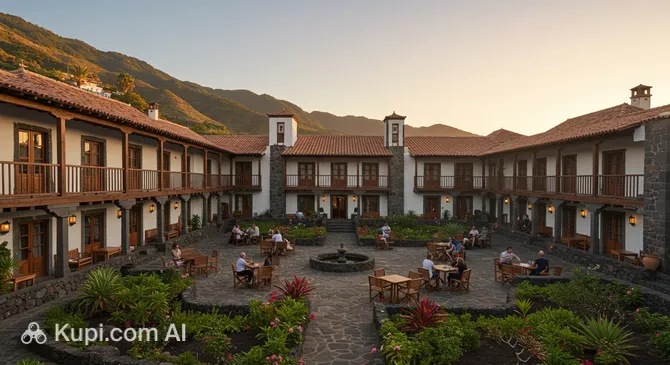
Parador de La Gomera. Source: Kupi.Binoculars

For a taste of traditional Canarian architecture mixed with breathtaking views, a visit to the Parador de La Gomera is essential. Perched on a hill overlooking the ocean, this establishment is more than just a hotel and restaurant; it is a landmark in its own right. Visitors are drawn to its beautiful wooden balconies, lush interior courtyards, and sub-tropical gardens. On clear days, the terrace offers one of the best vantage points to see the majestic Mount Teide on the neighboring island of Tenerife rising above the sea.

Local Cuisine

The culinary scene in San Sebastian de la Gomera is a delightful reflection of the island's agricultural traditions and its isolation, which has helped preserve unique flavors found nowhere else in Spain. The local gastronomy relies heavily on fresh, zero-kilometer ingredients, ranging from tropical fruits and goat cheese to freshly caught fish from the Atlantic. Dining here is unpretentious but deeply satisfying, offering a genuine taste of Canarian culture.

No visit to the city is complete without trying Almogrote, perhaps the most iconic specialty of La Gomera. This intense, pâté-like paste is made from cured hard goat cheese, peppers, olive oil, and garlic. It is typically served as a starter spread over toasted bread or crackers. Another staple dish is Potaje de Berros, a hearty watercress stew often enriched with pork ribs, corn, and beans. Locals traditionally eat it with a side of gofio (toasted grain flour) and local cheese, making it a comforting meal, especially on cooler days.

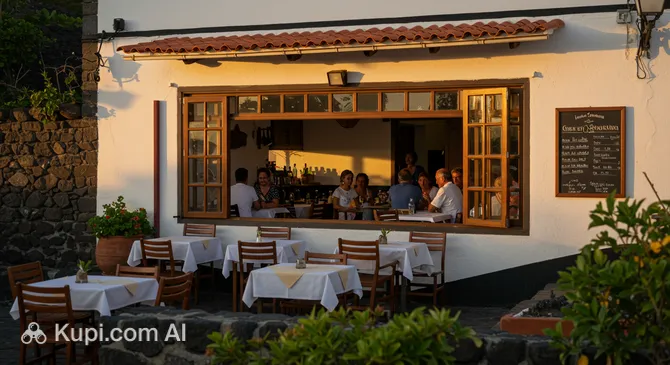
Inta Restaurant. Source: Kupi.Binoculars

Sweet lovers will appreciate the island's "liquid gold," known as Miel de Palma (palm syrup). Extracted from the sap of Canary Island date palms, this dark, molasses-like syrup is drizzled over desserts, cheeses, and even used in savory dishes. For a sweet treat to take home, look for galletas gomeras, traditional artisan cookies that are perfect with coffee.

When it comes to drinks, the signature local beverage is Gomerón, a potent mix of palm syrup and local grapevine brandy (parra). It has a strong, sweet kick and is often enjoyed as a digestif. Wine enthusiasts should also explore the local vintages made from the Forastera Gomera grape, a variety unique to the island that produces distinct, high-quality white wines grown on steep, terraced vineyards.

The dining atmosphere in San Sebastian de la Gomera is relaxed and welcoming. You can find excellent local food at places like the Inta Restaurant, which offers a casual setting to enjoy traditional dishes. For a drink or a light bite in a friendly environment, the Ambigú Bar Café is a popular spot among residents. If you prefer a dining experience surrounded by history and lush gardens, the restaurant at the Parador de La Gomera serves refined versions of island classics with spectacular ocean views.

Travel Tips

Welcome to San Sebastian de la Gomera, the relaxed and historic gateway to the Canary Islands' hidden gem. To help you make the most of your visit to this charming port city, here are some practical tips that will ensure your trip is smooth, comfortable, and full of authentic experiences.

  1. Clothing and Gear: Thanks to the island's "eternal spring," heavy winter coats are rarely needed. Pack breathable layers, such as t-shirts and light sweaters, to adapt to the mild days and cooler evenings. Since the city features cobblestone streets and the island's terrain is steep, bring sturdy, comfortable walking shoes. Don't forget your swimsuit for the city beaches and a European power adapter (Type F) for your electronics.
  2. Transportation: San Sebastian itself is compact and best explored on foot. However, if you plan to venture beyond the city limits to the Garajonay National Park, renting a car is highly recommended as it offers the most freedom on the winding mountain roads. Public buses, known locally as guaguas, are reliable but run on a limited schedule that may not fit a tight itinerary. Taxis are available at the port and main plazas.
  3. Finances: The currency is the Euro (€). While most hotels and restaurants in San Sebastian accept credit and debit cards, it is wise to carry some cash for small purchases in cafés, local markets, or for bus fares. ATMs are readily available around the Plaza de las Américas and the main commercial streets. Tipping is not mandatory but is appreciated; rounding up the bill or leaving a few coins is standard practice.
  4. Health and Safety: San Sebastian de la Gomera is a very safe destination with low crime rates. Pharmacies (marked with a green cross) are easy to find in the town center, and the local hospital provides medical assistance if needed. If you are prone to motion sickness, be sure to pack medication, as the ferry ride from Tenerife and the island's twisting roads can be challenging for sensitive stomachs.
  5. Communication: The official language is Spanish. While staff in the hospitality sector often speak English, it is less common in smaller local shops and traditional bars. Learning a few basic phrases like "Hola" (Hello) and "Gracias" (Thank you) goes a long way. Wi-Fi is widely available in hotels and cafes, and EU citizens can use their mobile data without roaming charges; others can easily buy a local SIM card near the port.
  6. Local Etiquette: Life here moves at a slower, more relaxed pace known as "island time." Service in restaurants may be leisurely, so sit back and enjoy the atmosphere rather than rushing the staff. When entering the historic Iglesia de la Asunción, dress modestly out of respect. It is also polite to greet shopkeepers and locals with a friendly "Buenos días" or "Buenas tardes" when entering an establishment.
  7. What to Avoid: Avoid planning shopping trips during the mid-day siesta hours (roughly 1:30 PM to 4:30 PM), as many smaller businesses close for a break. Also, try not to rely solely on ride-hailing apps like Uber, as they generally do not operate on La Gomera; stick to official white taxis or rental cars.
  8. Local Insight: Keep an ear out for Silbo Gomero, the island's unique whistling language used to communicate across deep ravines. While it is an island-wide tradition, you might catch a demonstration in local restaurants or cultural centers in the city. It is a UNESCO Intangible Cultural Heritage treasure you won't find anywhere else.

By keeping these practicalities in mind, you will be well-prepared to embrace the laid-back rhythm and rich culture of San Sebastian de la Gomera. Enjoy your journey through this historic port and the breathtaking landscapes that lie just beyond it!

Entertainment & Nightlife

Entertainment and nightlife in San Sebastian de la Gomera reflect the island's overall character: relaxed, welcoming, and deeply connected to the outdoors. You will not find sprawling nightclubs, thumping techno beats, or neon-lit strips here. Instead, the nightlife scene revolves around "terrace culture," where locals and visitors gather in open-air plazas to enjoy good conversation, local wine, and the mild Atlantic breeze well into the night.

The heart of the evening action is undoubtedly the area around Plaza de las Américas and Plaza de la Constitución. These bustling squares are lined with kiosks, cafés, and bars that transform from breakfast spots into lively social hubs as the sun sets. The atmosphere is casual and family-friendly, with children playing in the pedestrian zones while adults enjoy their drinks nearby. Dress codes are virtually non-existent; smart-casual or comfortable hiking attire is perfectly acceptable almost everywhere.

Ambigú Bar Café. Source: Kupi.Binoculars

For a quintessential local experience, grab a table at the Ambigú Bar Café. Located right in the pedestrian center, it is a favorite meeting point for residents. It is the perfect spot to sip a Gomerón (the local palm honey liqueur) or a cold beer while watching the world go by. The vibe here is unpretentious and vibrant, offering a genuine slice of island life without the tourist traps found in larger resorts.

If you prefer a quieter, more romantic setting, the historic Parador de La Gomera offers a sophisticated alternative. Its bar and terrace provide stunning views over the harbor and the ocean, often with the silhouette of Tenerife's Mount Teide in the distance. It is an ideal venue for a refined evening cocktail in a serene garden atmosphere, surrounded by Castilian-style architecture and history.

Nightlife in San Sebastian is generally affordable, with prices for drinks and tapas being lower than on the main Spanish mainland or the more tourist-heavy Canary Islands. The city is compact and incredibly safe, meaning you can easily walk between venues without worry. Taxis are available at the main ranks near the port if you need to travel further afield, but within the town center, your feet are the best mode of transport.

Before the sun goes down, the city offers plenty of daytime entertainment focused on culture and nature. You can take a peaceful stroll through the Torre del Conde Park, visit the fascinating archaeological museum, or relax on the black volcanic sands of the city beaches. For history buffs, following the footsteps of Columbus at the Casa de Colón is a must-do activity before the evening relaxation begins.

Parks & Museums

San Sebastian de la Gomera is a city where culture and nature coexist harmoniously, offering visitors a delightful mix of lush green spaces and deep-rooted heritage. The town's layout allows travelers to easily transition from exploring centuries-old history to relaxing in tropical gardens or by the sea, creating a balanced and leisurely experience.

The crown jewel of the city's green spaces is the Torre del Conde Park. Located in the heart of the town, this expansive park acts as a green lung, filled with mature laurel trees, palms, and exotic flora. It creates a serene atmosphere perfect for a family picnic or a quiet walk. The park frames the historic tower, offering a picturesque contrast between medieval stone and vibrant tropical vegetation that is ideal for photography.

Torre del Conde Park. Source: Kupi.Binoculars

For those who prefer the ocean breeze, the city's natural areas extend to its coastline. Playa de San Sebastián and Playa de la Cueva are urban beaches with dark volcanic sand, offering a raw and natural beauty typical of the archipelago. These areas are not just for swimming; they serve as gathering spots where you can admire the dramatic cliffs and, on clear days, the imposing silhouette of Mount Teide across the water.

To understand the island's deep roots, a visit to the Archaeological Museum of La Gomera is essential. Housed in a beautifully restored traditional building, this museum provides a fascinating insight into the lives of the ancient Gomeros, the island's indigenous people. Exhibits showcase aboriginal pottery, tools, and burial practices, helping tourists appreciate the unique culture that existed long before European arrival.

The city is also famous for its Columbian heritage. The Casa de Colón is a small but significant museum dedicated to Christopher Columbus, who stayed in San Sebastian before his voyages to the Americas. The museum displays maps, navigational instruments, and historical documents that detail the admiral's connection to the island. Nearby, the Casa de la Aguada offers further historical context, featuring the well from which legend says Columbus drew water for his fleet.

Standing within the park is the Torre del Conde itself. While it is a fortification, it functions as a historical venue where visitors can step inside to see the military architecture of the 15th century. It is a tangible piece of history that explains the strategic importance of La Gomera in the Spanish expansion and offers a glimpse into the defensive challenges of the era.

For a lesser-known cultural experience, seek out the Ermita de San Sebastián. This small, historic chapel dates back to around 1535 and houses the image of the city's patron saint. It is often quieter than the main church, offering a peaceful moment of reflection and a glimpse into the local religious devotion away from the main tourist trail.

Getting Around

The public transport system in San Sebastian de la Gomera is straightforward, reliable, and perfectly scaled to the size of this compact island capital. Unlike bustling metropolises, you will not find metro lines, trams, or trains here. Instead, the city serves as the central hub for the island's bus network, making it the primary starting point for exploring the rest of La Gomera.

The most common form of public transportation is the bus, known locally as the guagua. The service is operated by the company GuaguaGomera, connecting San Sebastian to major towns like Valle Gran Rey, Hermigua, and Vallehermoso, as well as the airport. The central bus station, or Estación de Guaguas, is conveniently located on Avenida del Quinto Centenario, within walking distance of the port and the city center.

For payment, the system is user-friendly for tourists. You can purchase single tickets directly from the driver when boarding; it is highly recommended to carry cash in small denominations (euros), as drivers may not always have change for large bills. If you plan to use the bus frequently to explore the island, consider purchasing a Bono Viajero. This rechargeable travel card offers significant discounts on fares compared to single tickets and can be bought at the bus station or designated local shops.

Taxis are another convenient alternative, especially for short trips within the city or transfers to the Parador hotel on the hill. Official taxis are white, clearly marked, and operate with a taximeter. You can easily find them at designated ranks, with the most popular spots being near the ferry port and the Plaza de las Américas. They are generally affordable and offer a comfortable way to navigate the steeper parts of the town if you prefer not to walk.

Given the city's small size, the best way to get around San Sebastian de la Gomera itself is simply by walking. The historic center is pedestrian-friendly, and most major attractions, restaurants, and shops are clustered close together. You can walk from the ferry terminal to the main plaza in under ten minutes, enjoying the seaside views along the way.

For travelers seeking total freedom to explore the island's mountainous terrain, renting a car is a very popular option. While not "public" transport, it is the most common choice for visitors because bus frequencies can be limited, particularly on weekends and holidays. Several rental agencies have offices directly at the port, allowing you to pick up a vehicle immediately upon arrival.

A practical tip for using the bus system is to always check the schedule in advance. Routes often have specific timetables that change between weekdays, Saturdays, and Sundays/holidays. The "guaguas" generally run on time, but frequencies on some lines can be low, sometimes with only a few departures per day. Planning your return trip ahead of time is essential to avoid being stranded in a remote village until the next day.

Accommodation

San Sebastian de la Gomera offers a welcoming selection of accommodations that reflect the island's laid-back atmosphere. Unlike the large all-inclusive resorts found on some of the neighboring Canary Islands, the capital of La Gomera focuses on smaller, more intimate lodging options. Visitors can choose from historic hotels, cozy guesthouses, and modern apartments, most of which are conveniently located within walking distance of the port and the city center.

The most renowned place to stay is the Parador de La Gomera. Perched on a cliff overlooking the harbor, this establishment is a destination in itself, celebrated for its traditional Canarian architecture and lush tropical gardens. Guests here enjoy a unique blend of history and comfort, with interiors decorated in a classic Castilian style and outdoor spaces that offer panoramic views of the ocean and the distant Mount Teide.

For travelers seeking a more independent stay or a budget-friendly alternative, the city features numerous holiday apartments and small family-run hotels. These are often situated near the Plaza de las Américas or along the quiet pedestrian streets, placing you right in the heart of local life. Staying in the town center provides easy access to restaurants, shops, and the ferry terminal, making it an excellent choice for hikers and those planning to explore the rest of the island by bus.

Due to the city's hillside topography, some accommodations may be located on steep streets. While this often guarantees spectacular views of the bay, it is advisable to check the specific location if you have mobility concerns or are carrying heavy luggage. Booking in advance is highly recommended, especially during the peak winter season or local festivities, as the limited number of rooms in this charming town can fill up quickly.

Nearby Cities

For those looking to explore the surroundings, San Sebastian de la Gomera serves as an excellent base for day trips to several interesting nearby locations.

Since San Sebastian is the main port of La Gomera, the most exciting day trips often involve a short ferry ride to the neighboring island of Tenerife. Santa Cruz de Tenerife, the provincial capital, is a bustling city where visitors can admire the futuristic Auditorio de Tenerife, explore the lush Palmetum botanical garden, or enjoy extensive shopping opportunities. It offers a lively urban contrast to the quiet charm of La Gomera.

Another cultural gem nearby is San Cristóbal de La Laguna. This university city is a UNESCO World Heritage site, celebrated for its beautifully preserved colonial architecture and grid layout, which served as a model for many cities in the Americas. Walking through its historic pedestrian streets offers a journey back in time filled with vibrant colors and history.

For those seeking sun and entertainment, Adeje on the southern coast of Tenerife is a top destination. Known for the Costa Adeje resort area, it boasts magnificent beaches, luxury amenities, and world-class attractions like Siam Park. It is easily accessible via the ferry connection to the nearby port of Los Cristianos in the municipality of Arona.

City Population Distance (km)
Santa Cruz de Tenerife20868894
La Laguna15801089
Arona8298242
Granadilla de Abona5244752
Adeje4927037

These nearby destinations offer a glimpse into the diverse culture and landscapes of the region.

Shopping & Souvenirs

Shopping in San Sebastian de la Gomera is a relaxed and authentic experience that mirrors the slow pace of island life. You will not find sprawling shopping malls, international chain stores, or aggressive sales tactics here. Instead, the city offers a charming selection of small, family-run boutiques and specialty shops where the focus is on local craftsmanship, traditional food products, and friendly service. It is the perfect place to find unique gifts that truly represent the culture of the Canary Islands.

The main commercial activity is concentrated in the historic center, particularly along Calle Real (also known as Calle del Medio) and Calle Ruiz de Padrón. These pedestrian-friendly streets run parallel to each other and are lined with colorful buildings housing clothing boutiques, souvenir shops, and pharmacies. Strolling down these avenues is a pleasant activity in itself, allowing you to window shop while admiring the traditional Canarian architecture and stopping for a coffee in one of the nearby plazas.

Travelers accustomed to large commercial centers should adjust their expectations, as San Sebastian de la Gomera does not have large shopping malls or department stores. The retail landscape is defined by independent businesses. This absence of big-box retail preserves the town's character and ensures that the money you spend often goes directly to local families and artisans.

For a taste of local life, visit the Mercado Municipal (Municipal Market). While small, it is the best place to see the island's agricultural bounty. Here, you can find stalls selling fresh tropical fruits like mangoes and papayas, as well as locally caught fish and regional cheeses. On days when cruise ships dock, you may also find pop-up stalls near the port or in the main square selling handmade jewelry and crafts, though these are more seasonal.

When it comes to souvenirs, food is the undisputed highlight. The island is famous for its gastronomic treasures, and San Sebastian is the best place to stock up before leaving. Top of the list is Miel de Palma (palm syrup), a delicious natural sweetener unique to La Gomera. Another must-buy is Almogrote, a savory cheese paste that makes for an excellent gift. You can also look for traditional pottery, which is unglazed and reddish-brown, or bags of gofio, the toasted flour that is a staple of the Canarian diet.

Store hours in San Sebastian generally follow the traditional Spanish schedule. Most shops open around 9:30 AM or 10:00 AM and close for a midday break (siesta) between 1:30 PM and 4:30 PM or 5:00 PM. They then reopen until roughly 8:00 PM. On Sundays, nearly all shops are closed, except for a few souvenir stores near the port if a cruise ship is in. Credit and debit cards are widely accepted, even for small amounts, though carrying some cash is useful for the market.

The Canary Islands enjoy a special tax regime with a local consumer tax (IGIC) that is lower than the VAT found on mainland Europe. While this often results in lower prices for goods like perfumes and electronics, the real value here lies in the artisanal products. Non-EU residents may be eligible for VAT refunds on significant purchases at participating stores, though this is less common in the small artisan shops typical of La Gomera.

Reached the end of the page?

That means the route is fully explored