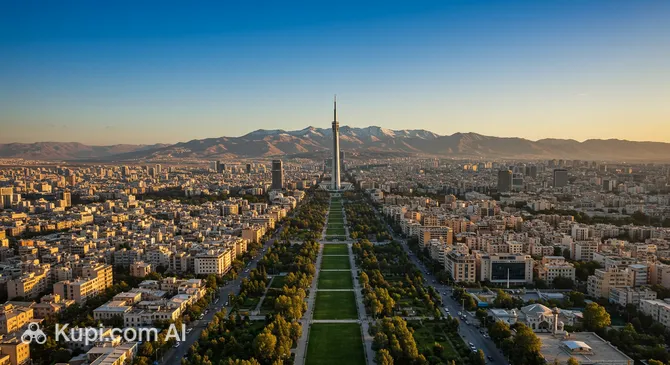
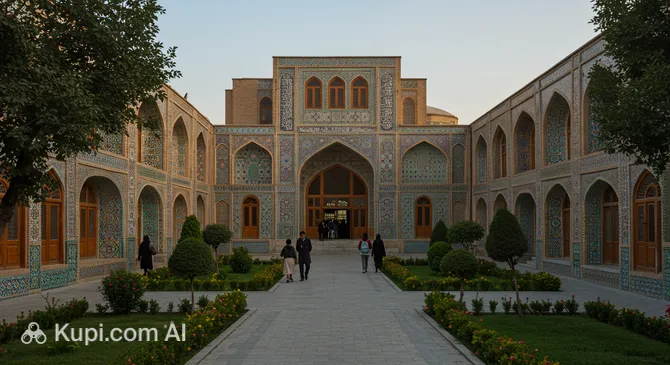
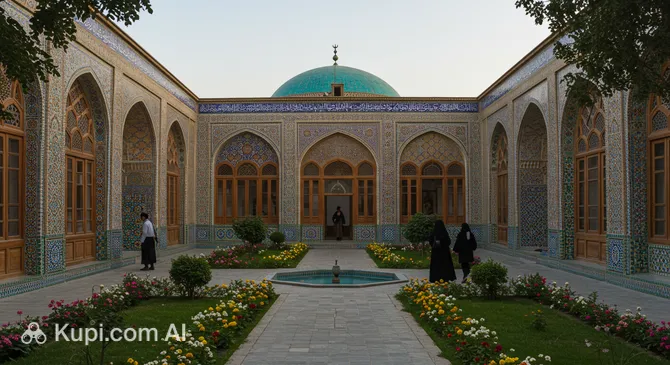
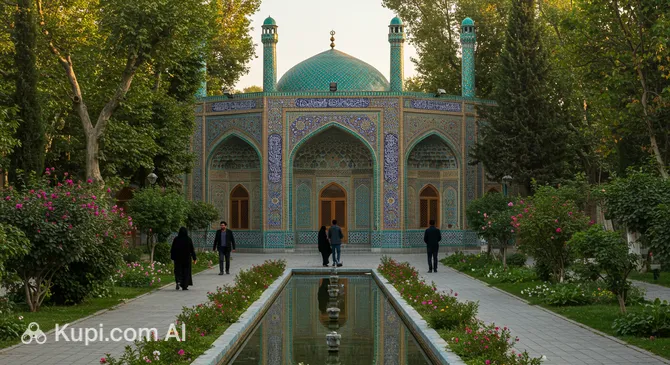
Welcome to Tehran, the vibrant capital that serves as the cultural and economic heartbeat of Iran. This sprawling metropolis is a fascinating study in contrasts, where ancient traditions blend seamlessly with modern urban life. Nestled against the dramatic backdrop of the Alborz Mountains, the city offers a unique atmosphere that is both energetic and deeply historical.
Tehran. Illustration.
Source: Kupi.com AI
With a population exceeding 14 million people, Tehran is one of the most populous cities in Western Asia. The city's geography provides a stunning setting, with the northern districts climbing the slopes of the mountains, offering cooler climates and breathtaking views. While it is a bustling modern hub, the history of Tehran reveals a rich past, transforming from a small settlement into the magnificent capital it is today.
Travelers are drawn to the city's incredible array of attractions. You can explore the opulent Golestan Palace, a UNESCO World Heritage site that showcases the artistic excellence of the Qajar era, or lose yourself in the maze-like alleys of the Grand Bazaar, where the scents of spices and the sounds of commerce create an unforgettable sensory experience. For a panoramic view of the city, the iconic Milad Tower stands tall as a symbol of modern Tehran.
Whether you are an art enthusiast, a history buff, or a lover of nature looking to hike the nearby trails, Tehran promises a dynamic and rewarding journey. We invite you to discover the warmth of its people and the hidden gems of this extraordinary capital.
Weather Overview
Tehran features a semi-arid climate defined by four distinct seasons, offering a diverse experience depending on when you visit. For a comprehensive breakdown of what to expect during your stay, you can consult the guide to the weather in Tehran.
Winters are generally cold and crisp. January is typically the coldest month, with an average temperature of -0.2°C and lows dropping to -5.3°C. This season, extending into early spring, sees the most frequent precipitation, with March experiencing up to 10 wet days. As the city transitions into April and May, the weather becomes much milder, with average temperatures rising to between 12.7°C and 18.1°C.
In contrast, summers are hot and extremely dry. July is the warmest month, featuring an average temperature of 28.0°C and highs often reaching 33.8°C. Rainfall is virtually non-existent during this period, with almost 0 wet days recorded from June through September. Expect warm summers with clear skies and cold winters with occasional precipitation.
Average monthly temperature
Average monthly precipitation
Interesting Facts
Beyond the bustling bazaars and grand palaces, Tehran holds many fascinating secrets that reveal its unique character. Here are a few surprising facts about the Iranian capital that might change how you see this metropolis.
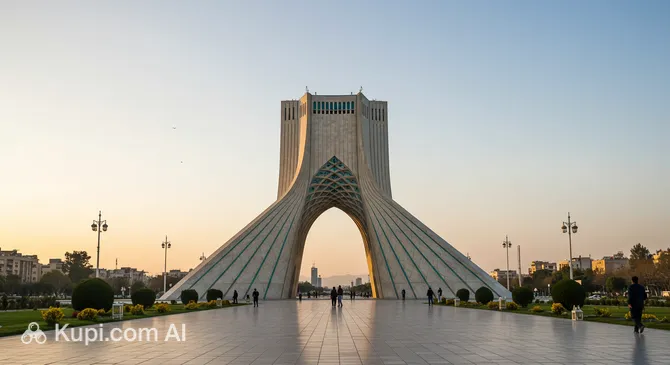
Azadi Tower. Illustration.
Source: Kupi.com AI
Traveler photos:
The iconic Azadi Tower is a marvel of engineering and design, constructed using exactly 8,000 blocks of white marble sourced from the Isfahan region, with each block cut to a specific shape to fit the complex structure.
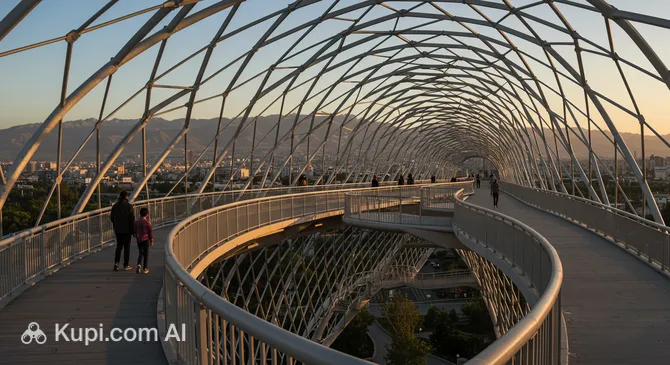
Tehran is home to the award-winning Tabiat Bridge, the largest pedestrian overpass in the country, which was famously designed by a 26-year-old architecture student to connect two public parks rather than just serve as a transit point.
The city boasts one of the longest streets in the Middle East, Valiasr Street, which stretches for approximately 18 kilometers from the railway station in the south to the northern foothills, lined with thousands of historic plane trees.
Despite being a major urban hub, Tehran is one of the few capital cities in the world where you can travel from the city center to a ski resort in under an hour, thanks to the massive gondola lift leading up to Mount Tochal.
How to Get There
Reaching the Iranian capital is a straightforward process for travelers, with air travel being the most convenient and common option. Whether you are arriving from abroad or traveling from another part of the country, you can find detailed information on how to get to Tehran to help plan your journey effectively.
The city is primarily served by two major aviation hubs. Imam Khomeini International Airport (IKA) is the most significant gateway for international visitors. Located in Tehran, approximately 38 km from the city center, it handles a large volume of passenger traffic. A trip by taxi or bus from this airport to downtown typically takes about 1 hour and 20 minutes. For domestic connections and some regional flights, travelers often use Mehrabad International Airport (THR). Situated just 4 km from the center, it is incredibly convenient, with a travel time of around 25 to 30 minutes by car. Both airports are vital to the city's infrastructure, connecting it to the rest of the world.
For clarity, here is a summary of the main airports:
Tehran is a city of endless discovery, where centuries of history coexist with modern architectural marvels. Exploring the capital offers a unique opportunity to witness the grandeur of Persian heritage alongside the pulse of contemporary life. Below are some of the most compelling sights that every visitor should include in their itinerary.
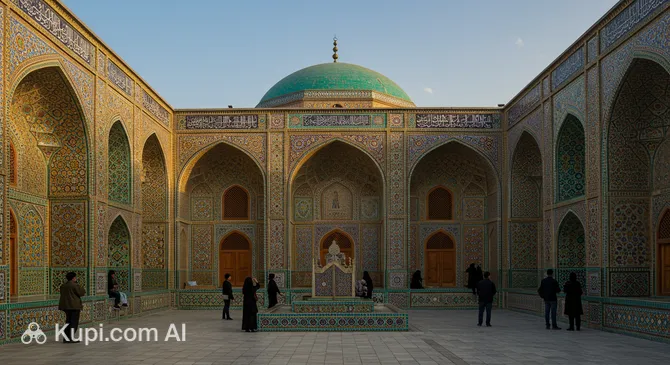
A shining example of Qajar-era artistry is the Golestan Palace. Located in the heart of the city, this UNESCO World Heritage site is one of the oldest historic monuments in Tehran. It is a stunning complex of royal buildings featuring intricate tile work, mirrored halls, and lush gardens. Tourists are captivated by the Marble Throne and the brilliant fusion of Persian craftsmanship with Western architectural influences, making it a photographer's paradise.
Golestan Palace. Illustration.
Source: Kupi.com AI
Traveler photos:
Dominating the skyline is the Milad Tower, the sixth-tallest telecommunications tower in the world. Standing at 435 meters, it serves as a symbol of modern Tehran. Visitors flock here for the observation deck, which offers breathtaking panoramic views of the sprawling metropolis and the surrounding mountains, especially at sunset. The complex also hosts a revolving restaurant and various cultural exhibitions, making it a versatile destination for an evening out.
For a retreat into nature and royal history, the Sa'dabad Cultural and Historical Complex is unmatched. Nestled in the cooler northern foothills of Darband, this expansive estate was once the summer residence of the Qajar and Pahlavi monarchs. Today, it houses several museums set within 110 hectares of magnificent forests and gardens. The White Palace and the Green Palace are particularly famous for their opulent interiors and historical significance.
Sa'dabad Cultural and Historical Complex. Illustration.
Source: Kupi.com AI
Traveler photos:
For a peaceful escape filled with art and history, the Negarestan Garden Museum is a hidden gem. Built during the Qajar dynasty, this beautiful garden served as a summer retreat for royalty. Visitors can admire the serene atmosphere, towering trees, and a fascinating collection of historical paintings and frescoes, including a famous mural depicting the royal court. It offers a quiet respite from the city's bustle and a deep dive into 19th-century Iranian art.
Negarestan Garden Museum. Illustration.
Source: Kupi.com AI
Traveler photos:
Finally, art lovers should not miss the Niavaran Palace Complex. Located in the affluent Shemiran area, this site offers a more intimate look at the lives of the last Shah and his family. The main palace is renowned for its simple yet elegant design, featuring a movable roof and a rich collection of modern art, carpets, and royal attire, providing a fascinating glimpse into the recent past.
Local Cuisine
The culinary landscape of Tehran is a feast for the senses, offering a delicious blend of ancient Persian recipes and modern dining experiences. The city's food scene is characterized by the generous use of aromatic herbs, saffron, dried limes, and nuts, creating flavors that are distinct and memorable. For any visitor, sharing a meal here is not just about eating; it is a deep dive into the warm hospitality that defines Iranian culture.
No trip to the capital is complete without trying Chelo Kabab, the national dish consisting of aromatic saffron-buttered rice served with various types of grilled meat. Another staple is Ghormeh Sabzi, a rich and savory herb stew made with kidney beans, dried limes, and lamb. For a truly traditional experience, look for Dizi (also known as Abgoosht), a hearty mutton and chickpea soup cooked in stone pots, which is mashed at the table and eaten with flatbread and pickles.
Moslem Restaurant. Illustration.
Source: Kupi.com AI
Traveler photos:
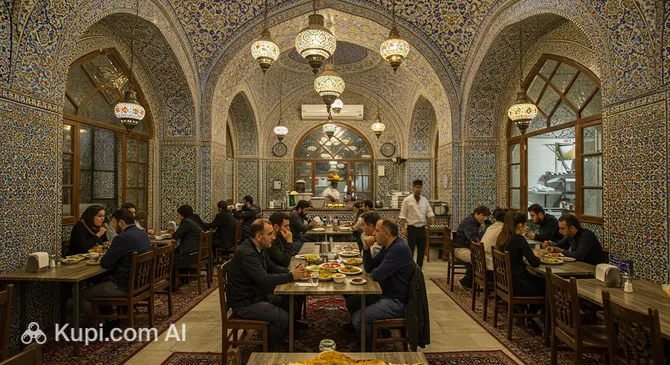
For those exploring the historic center, a visit to Moslem Restaurant near the Grand Bazaar is almost a rite of passage. Famous for its bustling atmosphere and long lines that move surprisingly fast, this establishment is legendary for its Tahchin—a crispy, golden saffron rice cake layered with chicken and yogurt. It is the perfect place to witness the energetic food culture of the locals firsthand.
When it comes to beverages, tea (Chai) is the undisputed king, served hot and fresh at every social gathering and often accompanied by rock candy or dates. With meals, locals typically drink Doogh, a refreshing savory yogurt drink often flavored with dried mint. Since alcohol is prohibited in Iran, you will find a wide variety of non-alcoholic malt beverages and traditional fruit syrups, known as Sharbat, which are especially popular during the warmer months.
The dining options in the city range from casual street food stalls serving Ash Reshteh (noodle and bean soup) to upscale establishments in the northern districts. For a premium grilling experience, Shandiz Restaurant is a top choice among residents and tourists alike. Known for its high-quality Shishlik (lamb chops), it offers a more refined setting to enjoy the rich textures and flavors of authentic Iranian barbecue.
Travel Tips
Visiting Tehran is an exciting adventure into a bustling metropolis where ancient heritage meets modern complexity, but it does require some specific preparation to navigate smoothly. To help you embrace the local culture and avoid common pitfalls, here are some essential practical tips for your journey.
Clothing and Dress Code: Adhering to local dress norms is essential. Women must wear a headscarf (hijab) and loose-fitting clothing that covers the arms and hips (such as a tunic or manteau) in all public places. Men should wear long trousers; shorts are not acceptable in public. Since the city has four distinct seasons, pack accordingly: breathable fabrics for the hot summers and warm layers for the cold, snowy winters. Comfortable walking shoes are a must for exploring the uneven pavements.
Transportation: The Tehran Metro is the fastest and most efficient way to escape the city's notorious traffic; it is clean, cheap, and easy to navigate, with signs in English. For car travel, download local ride-hailing apps like Snapp or Tapsi, as they are affordable and eliminate the need to negotiate fares. If you use regular taxis, be aware that "shared" taxis are common; for a private ride, ask for "darbast."
Finances and Currency: This is arguably the most critical tip: International credit and debit cards do not work in Iran due to banking restrictions. You must bring enough cash (USD or EUR) for your entire trip. Exchange your money at licensed exchange shops (Sarafi) rather than banks for a better rate. Also, learn the difference between Rial (official currency) and Toman (everyday usage). Locals almost always quote prices in Toman (1 Toman = 10 Rials), so always clarify which unit is being used.
Health and Safety: The city is generally very safe for tourists regarding street crime, but the biggest hazard is traffic. Crossing the street can be daunting; follow the locals and walk confidently but cautiously. Pharmacies (Daru-khaneh) are widespread and well-stocked. Tap water is safe to drink, though many travelers prefer bottled water to adjust to the local mineral content.
Communication and Internet: The official language is Persian (Farsi). While many young people speak reasonable English, it is helpful to learn basic phrases like "Salam" (Hello) and "Mamnoon" (Thank you). Purchase a local SIM card (e.g., Irancell or MCI) at the airport upon arrival to stay connected. Be aware that many global social media apps and websites may be restricted, so plan your digital communication accordingly.
Local Etiquette (Taarof): You will encounter a cultural concept called Taarof, a system of excessive politeness. If a taxi driver or shopkeeper refuses your payment initially, saying it is "unworthy of you," do not take it literally. It is a gesture of respect. You must insist on paying 2 or 3 times until they accept. Also, always remove your shoes before entering a private home or the carpeted areas of a mosque.
What to Avoid: Public displays of affection between couples should be kept to a minimum to respect local norms. Strictly avoid photographing government buildings, military installations, police stations, or sensitive infrastructure, as this is prohibited and can lead to serious misunderstandings.
Weekend Timing: Remember that the weekend falls on Thursday and Friday. Friday is the main day of rest, meaning the Grand Bazaar, banks, and many government offices will be closed. Plan your shopping and administrative tasks for Saturday through Wednesday to ensure everything is open.
By keeping these practicalities in mind, you will find it much easier to connect with the warm and hospitable people of Tehran. Enjoy the chaotic charm of the city, savor the delicious food, and let the rich history of the Iranian capital unfold before you.
Entertainment & Nightlife
Nightlife in Tehran is a vibrant and unique experience that revolves around socializing, dining, and exploring the city's illuminated landscapes rather than the typical clubbing scene found in the West. As alcohol is prohibited in Iran, the evening culture focuses on lively tea houses, chic cafes, traditional restaurants, and bustling public parks where locals gather to relax and enjoy the cool night air.
One of the most spectacular places to witness the city's modern energy is the Tabiat Bridge. This multi-level pedestrian overpass comes alive at night with stunning lighting and offers panoramic views of the skyline and highways below. It connects two major green spaces, including Ab-o-Atash Park (Water and Fire Park), which is a favorite destination for families and young people. Here, you can enjoy food courts, watch skating performances, and soak in the lively atmosphere well past midnight.
Tabiat Bridge. Illustration.
Source: Kupi.com AI
Traveler photos:
For those seeking a trendy and upscale dining experience, the city offers numerous modern lounges. The Monsoon Lounge in the northern Gandhi Shopping Center is a prime example, offering a sophisticated setting with Asian fusion cuisine and high-quality non-alcoholic mocktails. It is a popular spot for the city's fashionable crowd and requires a smart-casual dress code. Another hub for nightlife is the mountainous district of Darband in the north. The hiking trail here is lined with traditional restaurants filled with rugs and hookahs, where you can dine by the rushing river while enjoying the cool mountain breeze.
Street food enthusiasts should head to 30 Tir Street (Si-e Tir) near the National Museum. At night, this cobblestone street transforms into a bustling gastronomic corridor lined with food trucks and stalls serving everything from traditional kebabs and Ash (soup) to falafel and burgers. It is a fantastic place to mingle with locals and enjoy an affordable, delicious meal in a historic setting.
When planning your evening, keep in mind that Thursday and Friday nights are the busiest, as they constitute the Iranian weekend. Most restaurants and cafes remain open until midnight or 1:00 AM. The city is generally safe for night walks, especially in busy areas like Darband or the parks, but it is always wise to stay in well-lit zones. To get around, use ride-hailing apps like Snapp or Tapsi, which are reliable and safe for tourists.
While the nights are for socializing, the days offer their own excitement. Families and thrill-seekers can visit Eram Park, the largest amusement park in the country, featuring a variety of rides and a zoo. Whether you are exploring a museum by day or sipping tea on a mountain slope by night, the capital ensures a dynamic schedule for every traveler.
Parks & Museums
Tehran is a city that often surprises visitors with its abundance of greenery and the depth of its cultural institutions. Beyond the bustling avenues and modern skyscrapers, the capital is dotted with expansive parks that offer a breath of fresh air, while its museums house treasures ranging from ancient architectural wonders to the rich history of Iranian cinema.
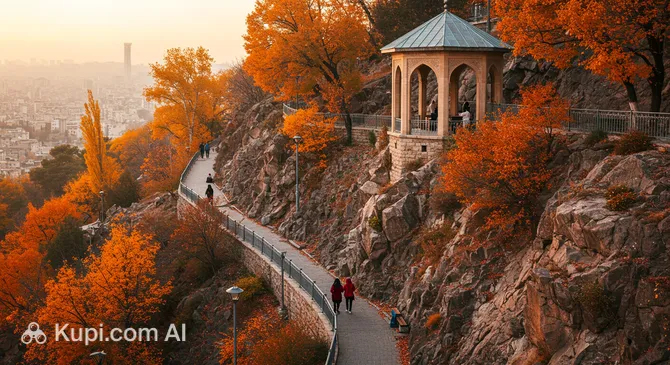
One of the most picturesque natural escapes in the city is Jamshidieh Park (Stone Garden). Located at the foot of the Kolakchal mountain in the northern district, this park is unique for its rugged design, incorporating natural rocks, paved stone paths, and cascading waterfalls. It is a favorite spot for hikers starting their trek up the mountain and for those seeking a peaceful atmosphere with panoramic views of the city below.
Jamshidieh Park. Illustration.
Source: Kupi.com AI
Traveler photos:
For a more central recreational experience, Mellat Park stands as one of the largest and most popular green spaces in Tehran. Known for its manicured lawns, tall plane trees, and a small artificial lake, it serves as a perfect urban retreat for picnics and leisurely walks. The park also features statues of famous Iranian figures and a musical fountain, making it a lively destination for families and tourists alike.
When it comes to museums, the capital offers gems that reflect its artistic soul. The Moghadam Museum House is a must-visit for architecture enthusiasts. Once the residence of a university professor and his archaeologist wife, this Qajar-era house is often cited as one of the most valuable houses in the world due to its eclectic collection of tiles, stones, and textiles gathered from across the country. The beautifully restored courtyard and the harmonious blend of traditional Persian and European design elements create a mesmerizing environment.
Moghadam Museum House. Illustration.
Source: Kupi.com AI
Traveler photos:
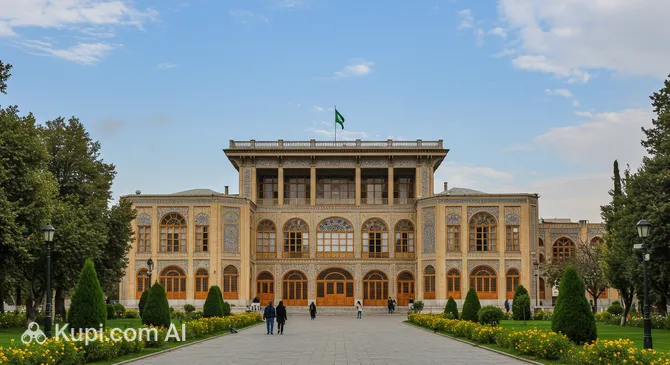
Another cultural highlight is Ferdows Garden, a historical complex located in the Shemiran area. At its heart stands a magnificent Qajar mansion that now houses the Cinema Museum of Iran. Visitors can explore the history of Iranian film, admire vintage equipment and awards, and then relax in the surrounding garden, which is lined with shops and cafes, offering a perfect blend of art and leisure.
Ferdows Garden. Illustration.
Source: Kupi.com AI
Traveler photos:
For those interested in history, the city offers significant landmarks beyond the royal palaces. The Bagh Melli Gate is a grand brick structure that once served as the entrance to the national parade grounds. With its intricate tile work and imposing presence, it is a fine example of early 20th-century architecture. Further south in the city of Rey (now part of Greater Tehran), the Toghrol Tower stands as a 12th-century monument from the Seljuk era. This brick tower, which historically served as a solar clock to determine the time, is a fascinating site for archaeology buffs.
For a truly authentic experience away from the crowded tourist spots, consider visiting the Mahak Overlook in the northeastern heights. While many flock to the famous "Roof of Tehran" (Bam-e Tehran), this quieter vantage point offers equally stunning views of the sprawling metropolis, especially at night when the city lights shimmer against the dark silhouette of the mountains.
Getting Around
Navigating Tehran is an adventure in itself, supported by a vast and surprisingly efficient public transport network. For a city known for its heavy traffic, the public transportation system offers a reliable lifeline for locals and tourists alike. The backbone of this network is the Tehran Metro, which is widely considered one of the cleanest and most modern subway systems in the region. With seven active lines crisscrossing the city, it provides a fast, air-conditioned, and incredibly affordable way to reach major attractions, including the Grand Bazaar and various museums, while completely bypassing the street-level congestion.
Complementing the metro is the extensive Bus Rapid Transit (BRT) system. These bright red buses run on dedicated lanes, allowing them to cut through traffic much faster than regular vehicles. The BRT lines are particularly useful for long north-south or east-west commutes across the city where the metro might not yet reach. In addition to the BRT, there are standard local buses, though these are slower and often more difficult for tourists to navigate due to a lack of English signage. For a more direct route, shared taxis (known as khatte) follow set routes between major squares and are a staple of local life, though they require knowing your destination's name in the local language.
To use the metro and buses, you will need a rechargeable electronic ticket card (often referred to as the EZPay or Tehran Transport Card). You can purchase these cards at any metro station ticket booth or at specific bus terminals. The cost of travel is exceptionally low by international standards, often amounting to just a few cents per trip. While single-journey paper tickets (QR codes) are available for the metro, getting a rechargeable card is far more convenient for multiple trips. Simply tap your card on the turnstile readers when entering and exiting the metro, or on the readers inside the buses.
For tourists, the most convenient alternative to public transport is the use of ride-hailing apps like Snapp or Tapsi. These function similarly to Uber and are incredibly popular. They offer the distinct advantage of fixed pricing, eliminating the need to haggle, and allow you to set your destination on a map, bridging the language gap. Traditional yellow or green taxis are also abundant; you can hail them for a private ride (ask for "Darbast") or hop in for a shared ride, but be prepared to negotiate the fare beforehand if the meter is not used.
A unique and important feature of the public transport system in Tehran is gender segregation. In the metro, the first and last carriages are reserved exclusively for women, although women are free to travel in the mixed carriages if they choose. similarly, on buses, there is a strict separation: usually, men sit in the front half and women in the back (or vice versa on some BRT lines). Paying attention to these signs is crucial for respecting local customs.
The transport system generally operates from around 05:30 AM to 10:30 PM, though times can vary slightly by line and day of the week. The metro can get extremely crowded during peak rush hours (07:00–09:00 and 17:00–19:00), so if you prefer a more comfortable journey, try to plan your travel outside these windows. With a little patience and a transport card in hand, getting around this sprawling metropolis is both an economical and authentic experience.
Accommodation
Finding the right place to stay in Tehran is an essential part of planning your trip, as the city offers a diverse range of accommodation options to suit every travel style. From charming traditional guesthouses tucked away in historic alleyways to modern high-rise hotels with panoramic views of the mountains, the capital caters to backpackers and luxury travelers alike. The choice of location often depends on whether you prioritize easy access to historical sites or a quieter, more upscale environment.
For those who wish to be in the heart of the action, the central districts—particularly around Ferdowsi Square and the Grand Bazaar—are the most convenient. staying here places you within walking distance of major museums, the metro network, and the bustling city life. However, travelers seeking a more relaxed atmosphere often prefer the northern neighborhoods such as Tajrish, Elahiyeh, and Jordan. These areas are known for their cooler climate, cleaner air, and proximity to the Alborz mountains, hosting many of the city's premium hotels and modern amenities.
Booking Tips: It is important to remember that due to banking restrictions, most major international booking platforms do not list properties in Iran. Travelers typically secure their accommodation through specialized travel agencies or by contacting hotels directly via email or messaging apps. If you plan to visit during the Iranian New Year (Nowruz) in late March, be sure to book weeks or even months in advance, as domestic tourism peaks during this holiday.
In terms of pricing, Tehran is generally very affordable for international visitors. Budget travelers can find excellent value in hostels and traditional houses, while mid-range and luxury hotels offer high standards of service at rates often lower than in Western capitals. Since international credit cards (Visa/Mastercard) do not work in the country, you should be prepared to pay for your stay in cash (Euros or US Dollars) upon arrival, unless you have made a prepayment through a specialized agency.
Nearby Cities
For those looking to explore the surroundings, Tehran serves as an excellent base for day trips to several interesting nearby locations. Just a short drive away, the region offers a mix of natural beauty and historical intrigue that provides a refreshing contrast to the capital's busy streets.
One of the most prominent destinations is Karaj, located at the foothills of the Alborz Mountains. Often referred to as "Little Iran" due to its diverse population, it is a gateway to stunning natural landscapes. Visitors frequently pass through here to access the scenic Chalus Road, one of the most beautiful mountain drives in the Middle East. Karaj itself is home to historical sites such as the Safavid-era Shah Abbasi Caravanserai and offers easy access to the picturesque Amir Kabir Dam (Karaj Dam), a popular spot for picnicking and enjoying water views.
Another delightful option is Shahriar, situated to the west of the capital. This city is renowned for its pleasant climate, lush gardens, and extensive fruit orchards, earning it a reputation as a green retreat. It is an ideal destination for those seeking fresh air and a slower pace of life, with numerous garden restaurants offering a relaxing environment to enjoy local cuisine amidst nature.
These nearby destinations offer a glimpse into the diverse culture and landscapes of the region, making them perfect for short excursions.
Shopping & Souvenirs
Shopping in Tehran is a vibrant experience that perfectly mirrors the city's blend of ancient tradition and modern luxury. Visitors can wander through centuries-old bazaars filled with the aroma of spices and the sound of copper hammering, or explore massive, futuristic shopping centers that rank among the largest in the world. Whether you are looking for high-end fashion, traditional handicrafts, or everyday items, the capital offers a diverse retail landscape to suit every taste and budget.
For a truly authentic Persian shopping experience, the markets are the place to be. The Grand Bazaar in the city center is the historic economic heart of the capital, a labyrinth of covered alleys where you can find everything from carpets and gold to spices and housewares. In the northern district of Tajrish, the Tajrish Bazaar offers a more compact and colorful atmosphere. It is famous for its fresh produce market and traditional goods, and it is conveniently located right next to the beautiful Imamzadeh Saleh shrine, making it a perfect spot to combine cultural sightseeing with retail therapy.
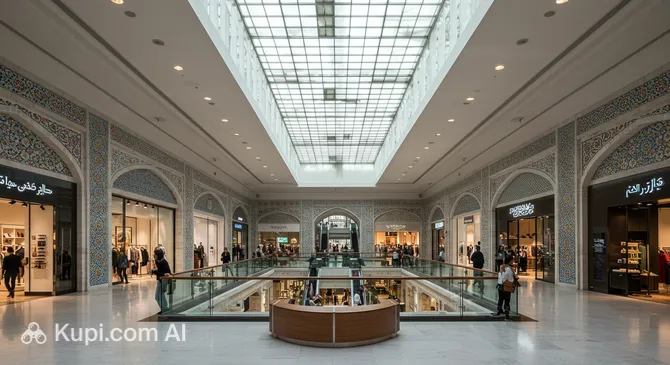
If you prefer modern amenities and luxury brands, Tehran boasts incredible shopping malls. The Iran Mall is a destination in itself; as one of the largest shopping centers globally, it features not only hundreds of stores but also a traditional bazaar, a mirror hall, a massive library, and musical fountains. Another notable spot is Charsou Mall, located in the majestic downtown area. It is the primary hub for digital goods and electronics, known for its sleek architecture and a modern cinema complex on the upper floors.
Iran Mall. Illustration.
Source: Kupi.com AI
Traveler photos:
When it comes to souvenirs, Tehran offers an array of exquisite local products. Saffron (red gold) and premium pistachios are the most popular edible gifts to bring home. For lovers of art and craftsmanship, Persian carpets and rugs are the ultimate treasure. Other unique handicrafts include Minakari (enameling on copper), Khatamkari (intricate wooden inlay work), and turquoise jewelry, all of which showcase the country's rich artistic heritage.
Understanding the opening hours is helpful for planning your spree. Traditional bazaars typically operate from Saturday to Wednesday, roughly from 09:00 AM to 05:00 PM, and close by noon on Thursdays. In contrast, modern shopping malls usually remain open daily from 10:00 AM until 10:00 PM or even later. Remember that Friday is the weekend in Iran, so while malls remain open, the historic bazaars and many independent street shops will be closed.
A crucial practical note for tourists concerns payment. Due to international banking restrictions, foreign credit cards (Visa, Mastercard) do not work in stores. You must carry sufficient cash (Rials/Tomans) or purchase a local tourist debit card upon arrival. Additionally, there is no tax-free or VAT refund system available for international tourists, so the price you see is the final price, though bargaining is common and expected in the traditional bazaars.