Support

Sari

About

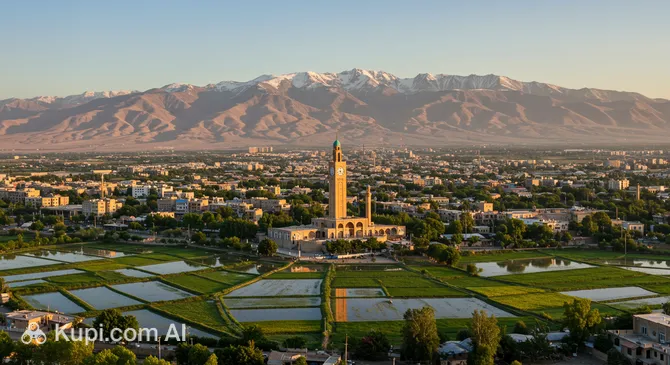
Sari, the vibrant capital of Mazandaran Province, offers a refreshing contrast to the desert landscapes often associated with the region. As a bustling hub in northern Iran, this city serves as a gateway to the lush Hyrcanian forests and the scenic coast of the Caspian Sea, making it a unique destination for travelers seeking greenery and culture.
Sari. Source: Kupi.Binoculars

Geographically, the city is nestled between the majestic Alborz Mountains and the sea, gifting it with a mild, humid climate and fertile surroundings known for fragrant orange blossoms. With a population of approximately 320,000 residents, Sari balances the energy of a developing urban center with the relaxed atmosphere of a coastal region.

The city boasts deep roots, having served as a regional capital for centuries. Visitors interested in the past can delve into the fascinating history of Sari, which includes heritage dating back to the Safavid dynasty and earlier eras, reflecting its enduring strategic importance along ancient trade routes.

Among its most iconic features is the Clock Tower (Meydan-e Sa'at), which stands as a central landmark and a popular meeting point for locals. Nature enthusiasts often use the city as a base to explore the breathtaking Badab-e Surt springs, famous for their stepped travertine terraces, or to enjoy the nearby Dasht-e Naz Wildlife Refuge.

Whether you are seeking cultural immersion or an escape into nature, Sari welcomes travelers with its warm hospitality and scenic beauty. It is a truly delightful stop for anyone exploring the northern provinces.
Weather Overview

Travelers planning a visit to this region can expect a climate that changes distinctly with the seasons, offering a variety of experiences depending on the time of year. To get a detailed forecast for your specific travel dates, you can check the current weather in Sari, which generally features warm summers and cool, damper winters.

The summer months of July and August are typically the warmest, with average temperatures hovering around 27°C and daily highs reaching approximately 31°C. In contrast, the winter season brings cooler air, particularly in January and February, when average temperatures dip to roughly 8°C to 9°C, and nights can be chilly with lows around 3°C.

Precipitation is a regular occurrence throughout most of the year, contributing to the region's lush greenery. While June is generally the driest month with only about 3 wet days, the rest of the year sees frequent rainfall, particularly in October and March, which can have up to 10 or 11 wet days per month. Visitors should pack accordingly, expecting mild to warm days mixed with occasional rain showers.

Interesting Facts

Beyond the main attractions, Sari holds many fascinating secrets and historical layers that go back thousands of years. Here are some intriguing facts about this resilient city in northern Iran:
  • Historians often identify Sari with the ancient city of Zadracarta, which served as the capital of Hyrcania and was reportedly visited by Alexander the Great and his forces during their campaigns in Persia.

  • The city is a testament to survival, having been nearly destroyed multiple times throughout history by Mongol invasions, the armies of Tamerlane, and severe plagues, yet it was consistently rebuilt to reclaim its status as a provincial capital.

  • Modern leisure meets nature at Melal Park, which is uniquely situated on an island formed by the Tajan River, offering visitors the chance to cross bridges to reach its recreational areas.

  • Sari is widely celebrated as a city of orange blossoms; during the spring, the air is thick with the fragrance of citrus trees, which are planted so abundantly that they line many of the public streets and boulevards.

Melal Park. Source: Kupi.Binoculars

How to Get There

Planning a trip to the capital of Mazandaran Province involves choosing the best route for your itinerary. Whether you prefer a direct flight or a scenic drive from the capital, there are several options available. You can find more details about all ways to reach the city to help you prepare for your journey.

The most convenient entry point for air travelers is Dashte Naz Airport (SRY), which serves as the primary aviation hub for the region. Located approximately 14 km from the city center, it offers a quick connection to the heart of Sari, with a taxi ride taking about 40 minutes. This airport handles a moderate volume of passengers and connects the province with major domestic destinations.

For international visitors or those arriving from further afield, the major airports in Tehran are the most common gateways. The city of Sari does not have its own international hub, so you can fly into Imam Khomeini International Airport (IKA) in Tehran, which is about 214 km away. The journey from there to Sari by road takes approximately 5 hours and 40 minutes. Alternatively, Mehrabad International Airport (THR), also in Tehran, is located about 185 km from Sari, with a transfer time of roughly 5 hours. These airports handle millions of passengers annually and offer extensive transport links.

For clarity, here is a summary of the main airports:

Airport Name City Passenger Traffic Km from City
Mehrabad International Airport Tehran Large 184.8
Imam Khomeini International Airport Tehran Large 214.1
Dashte Naz Airport Sari Medium 14.4
Gorgan Airport Gorgan Medium 125.8

Beyond air travel, Sari is well-connected by road and rail. The city is a key stop on the Trans-Iranian Railway, offering a famously scenic train journey through the Alborz Mountains from Tehran. Buses and private taxis are also frequently used to navigate the distance between the capital and the lush landscapes of Mazandaran.

Main Attractions

Top Attractions:

Sari is a city where natural beauty and culinary excellence come together, offering visitors a delightful mix of leisure and flavor. From riverside promenades to world-famous dining experiences, the city’s main attractions reflect the relaxed and hospitable spirit of the Mazandaran region.

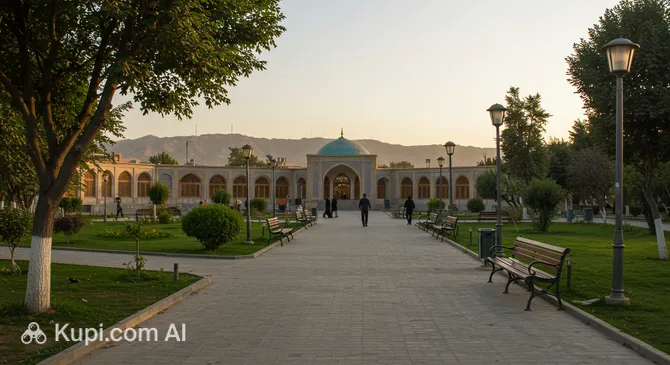
One of the most popular recreational spots in the city is Melal Park. Situated along the banks of the Tajan River, this sprawling complex is a favorite among locals and tourists alike for its serene atmosphere and modern amenities. The park features a unique island formation connected by a suspension bridge, offering scenic views and a perfect setting for evening walks. Visitors can enjoy boating on the river, cycling along the dedicated paths, or simply relaxing in the green spaces that provide a refreshing escape from the urban bustle.

Melal Park. Source: Kupi.Binoculars

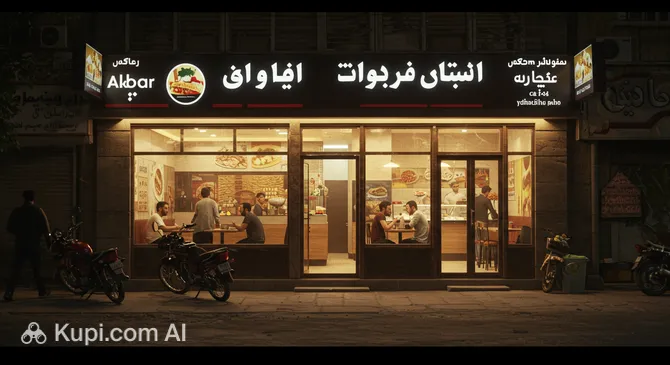
No trip to Mazandaran is complete without diving into its legendary food culture, and Akbar Joojeh is a culinary landmark in its own right. Originating in this region, the restaurant chain is famous for its distinct style of fried chicken, marinated in lemon and saffron and served with a signature pomegranate molasses sauce. It is not just a meal but a cultural experience, attracting food enthusiasts from all over Iran who come to taste the authentic version of this beloved dish in its home province.

Akbar Joojeh. Source: Kupi.Binoculars

For those looking to explore a broader range of northern Iranian cuisine, Gilaneh Restaurant offers a fantastic dining atmosphere. Known for its high-quality ingredients and traditional recipes, this establishment serves an array of local specialties, such as Mirza Ghasemi (smoked eggplant dip) and Baghali Ghatogh (dill and fava bean stew). The restaurant’s inviting ambiance and authentic flavors make it an excellent place to discover the rich gastronomic heritage of the Caspian coast.

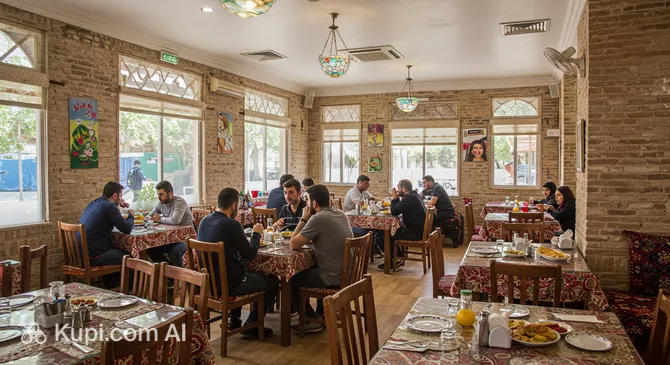
Gilaneh Restaurant. Source: Kupi.Binoculars

Local Cuisine

The cuisine of Sari is a delightful reflection of its geography, blending the fresh bounty of the Caspian Sea with the rich herbs and produce of the surrounding forests. Food here is known for its distinct flavor profile, often characterized by the use of sour oranges, pomegranates, walnuts, and generous amounts of garlic. Rice is the staple of every meal, typically cooked in the kateh style, where it remains moist and sticky, serving as the perfect base for the region's flavorful stews and kebabs.

One of the most famous dishes you must try is Kebab Torsh, a succulent grilled meat dish marinated in a mixture of crushed walnuts, pomegranate paste, and local herbs. Seafood lovers will appreciate Malavij, a whitefish often stuffed with a similar aromatic filling and grilled to perfection. For a truly iconic local experience, visit Akbar Joojeh. This establishment is renowned for its signature dish of the same name—young chicken fried in butter and served with a side of tangy pomegranate molasses, a combination that has become legendary across the country.

When it comes to beverages, the local culture focuses on refreshing, non-alcoholic drinks that complement the rich food. Doogh, a savory yogurt-based drink often flavored with dried mint or rose petals, is the standard accompaniment to lunch and dinner. You will also find a variety of fruit syrups and fresh juices, particularly those made from the region's abundant citrus fruits. Tea remains the universal sign of hospitality, served hot and fresh throughout the day.

The dining culture in Sari is deeply rooted in family and social gatherings. While many locals enjoy picnicking in the lush parks, the city's restaurants offer a welcoming atmosphere for tourists to sample authentic Mazandarani flavors. Places like Gilaneh Restaurant provide a traditional setting where you can enjoy a wide array of regional specialties, from smoked eggplant dips like Mirza Ghasemi to hearty bean stews, ensuring a memorable gastronomic journey.

Travel Tips

Visiting Sari offers a unique glimpse into the lush, green heart of northern Iran, distinct from the country's arid central regions. To ensure your journey through the capital of Mazandaran is as smooth and enjoyable as possible, here are some practical tips to keep in mind before you arrive.

  1. Clothing and Gear: Due to the humid and often rainy climate of the Caspian region, a lightweight raincoat or umbrella is essential, especially in spring and autumn. Respect local dress codes: women must wear a headscarf and loose-fitting clothing that covers the hips (manteau), while men should wear long trousers, as shorts are not acceptable in public. Breathable fabrics like cotton are best for the humidity.
  2. Transportation: The most convenient way to get around Sari is by using ride-hailing apps like Snapp or Tap30, which function similarly to Uber and offer fixed prices. Yellow or green taxis are also plentiful and can be hailed on the street; just agree on a fare before starting the trip if there is no meter. Public buses are available but can be confusing for non-Persian speakers.
  3. Finances: International credit and debit cards (Visa, Mastercard) do not work in Iran. You must bring sufficient cash (USD or EUR) and exchange it at authorized exchange offices (Sarrafi). Be aware of the currency confusion: the official currency is the Rial, but locals almost always quote prices in Toman (1 Toman = 10 Rials). Always clarify which unit is being used to avoid overpaying.
  4. Health and Safety: Sari is a safe city for tourists, but traffic can be chaotic, so be extremely cautious when crossing streets. Pharmacies (marked as Daru-khaneh) are widely available, and some offer 24-hour services. While tap water is treated, travelers with sensitive stomachs are advised to stick to bottled water, which is cheap and readily available.
  5. Communication: The primary language is Persian (Farsi), and many locals also speak the Mazandarani dialect. English is not widely spoken outside of major hotels, so downloading an offline translation app or learning basic phrases is highly recommended. You can purchase a tourist SIM card (Irancell or MCI) at the airport upon arrival to ensure you have mobile data for maps and communication.
  6. Local Etiquette: Iranians are famous for Taarof, a system of politeness where people may initially refuse payment or offer things they don't mean to give. If a driver or shopkeeper refuses money, insist on paying; it is a gesture of respect, not a free offer. Also, always remove your shoes before entering a private home or carpeted prayer areas in mosques.
  7. What to Avoid: Public displays of affection (PDA), such as kissing or hugging between opposite genders, are frowned upon and should be avoided. Additionally, do not take photographs of government buildings, military sites, or police stations, as this is strictly prohibited and can lead to serious trouble.
  8. Seasonal Insight: Sari is known as the city of orange blossoms (Bahar Narenj). If you visit in late April or May, the air is filled with their scent. Look for local shops selling "Bahar Narenj" syrup or jam—it makes for a delicious and authentic souvenir specific to this region.

By keeping these practicalities in mind, you can focus on the stunning nature and warm hospitality that make Sari such a memorable destination. The locals are generally very welcoming to foreign visitors and will often go out of their way to help you navigate their beautiful city.

Entertainment & Nightlife

Nightlife in Sari offers a unique and culturally immersive experience that differs significantly from Western concepts of evening entertainment. Due to local laws, you will not find nightclubs, bars, or discos here. Instead, the city's nightlife revolves around social dining, lively tea houses, and late-night gatherings in public parks. The atmosphere is warm, safe, and heavily focused on family and community, with locals staying out late to enjoy the cooler evening air, particularly during the summer.

The epicenter of evening activity is undoubtedly Melal Park. As the sun sets, this riverside complex transforms into a bustling social hub. The suspension bridge and promenades are beautifully illuminated, drawing crowds of families and young people who come to picnic on the grass, enjoy boating on the Tajan River, or simply stroll along the water. It is the best place to mingle with locals and experience the vibrant, friendly energy of the city at night.

Dining out is a major part of the evening culture. Restaurants typically remain open until around 11:00 PM or midnight. For a relaxed dinner with a traditional ambiance, Gilaneh Restaurant is a fantastic choice, offering a cozy setting to enjoy Northern Iranian delicacies. Alternatively, for a more fast-paced and iconic experience, you can visit Akbar Joojeh. This famous establishment is often buzzing with activity in the evenings, serving its signature fried chicken to eager crowds.

For a casual night out, the streets surrounding the central Clock Tower (Meydan-e Sa'at) are lively and safe for walking. This area is packed with juice bars, ice cream parlors, and cafes. A popular local pastime is to grab a fresh fruit juice or a traditional saffron ice cream and people-watch in the square. The shops here also tend to stay open late, allowing for some evening window shopping.

When it comes to daytime entertainment, Sari offers a mix of culture and leisure. Visitors can explore local cinemas or visit cultural centers like the Salman Harati Culture Hall for theater and art exhibitions. However, most travelers prefer to spend their days exploring the surrounding nature reserves and forests, returning to the city center in the evening to unwind.

Practical Nightlife Tips:

  • Best Time: The city is most alive between 8:00 PM and 11:00 PM.
  • Getting Around: Ride-hailing apps like Snapp are the most convenient and affordable way to travel between venues at night. Yellow taxis are also easy to find.
  • Safety: Sari is very safe for night walks, especially in popular areas like Melal Park and the city center. However, it is always wise to stay in well-lit, populated areas.
  • Dress Code: The standard public dress code applies in the evening as well. Ensure you are dressed modestly when visiting restaurants or parks.

Parks & Museums

Sari seamlessly blends its rich historical heritage with the breathtaking natural beauty of Mazandaran, offering visitors a mix of lush green spaces and fascinating cultural venues. The city serves as a perfect starting point for exploring the region's famous forests while providing its own urban sanctuaries and museums that tell the story of its past.

For those seeking relaxation within the city limits, Melal Park is the premier destination. Located along the Tajan River, this expansive recreational area is famous for its river island, which is accessible via a suspension bridge. It is a lively spot where families gather for picnics, boating, and evening strolls, offering a refreshing escape with well-maintained walking paths and green lawns. The park is particularly enchanting at night when the bridge and surrounding areas are illuminated.

Just a short drive east of the city lies the magnificent Zare Forest Park, a must-visit for nature lovers. This protected area offers a glimpse into the ancient Hyrcanian forests, featuring towering oak and ironwood trees. It is equipped with camping facilities and pavilions, making it an ideal location for a day trip to immerse yourself in the dense, verdant woodlands that characterize northern Iran.

To dive into the local culture and history, the Kalbadi House (Khaneh-ye Kalbadi) is an architectural gem turned museum. Dating back to the Qajar era, this historic mansion showcases traditional northern Iranian architecture with its beautiful sash windows, stained glass, and timber-framed roof. Inside, visitors can explore exhibits displaying regional handicrafts, anthropological artifacts, and historical documents that offer insight into the lifestyle of Mazandaran's past inhabitants.

Adjacent to the Kalbadi House is the Vaziri Bathhouse, another significant cultural site. This traditional bathhouse has been restored to highlight the intricate engineering and social importance of public baths in Persian history. Walking through its domed halls and corridors provides a tangible connection to the daily lives of the people who lived here centuries ago.

Among the city's historical landmarks, the Imamzadeh Yahya stands out with its distinctive tower structure. This religious shrine is not only a place of pilgrimage but also a fine example of local tower tomb architecture, dating back several centuries. Its brickwork and serene atmosphere attract those interested in the spiritual and architectural history of the region.

For a truly authentic experience, take a walk through the Old Bazaar of Sari. While not a museum, the bustling alleys lined with vendors selling sour oranges, fresh fish, and local pickles serve as a living gallery of Mazandarani culture. It is the best place to observe the daily rhythm of the city and discover ingredients that define the local cuisine.

Getting Around

The public transport system in Sari is primarily road-based, consisting of buses and a comprehensive network of taxis. Unlike the capital, Sari does not have a metro or tram system. For tourists, navigating the city is relatively straightforward, though it relies heavily on understanding how the local taxi culture works, as this is the most efficient way to move around.

Shared Taxis (Savari) are the backbone of local transportation. These are typically yellow or green cars that drive along fixed routes throughout the city. They function like informal buses; you stand on the side of the road, shout your destination to the driver as they slow down, and if it matches their route, you hop in. You will share the ride with up to three other passengers. This is the fastest and most popular way for locals to travel. Payment is always in cash, and the fares are very affordable.

For a more comfortable and private experience, ride-hailing apps are highly recommended for visitors. The most popular app is Snapp, which functions similarly to Uber. It allows you to select your pickup and drop-off points on a map, fixing the price beforehand and eliminating the need to negotiate fares or overcome language barriers. Drivers are plentiful, and it is generally the safest and most convenient option for tourists.

Public Buses operate on major avenues and connect the city center with suburban areas. While they are the cheapest mode of transport, they can be slower due to traffic and frequent stops. Bus stops are not always clearly marked with English signage, making them slightly more challenging for non-Persian speakers to navigate. Fares are usually paid in cash directly to the driver or via a local transport card, though cash is more common for short-term visitors.

Regarding payment, it is essential to carry cash in small denominations. While ride-hailing apps may offer online payment, this requires a local bank card, so tourists typically select the "cash payment" option within the app. When using shared taxis or buses, drivers may not always have change for large bills, so keeping a supply of smaller notes is practical advice.

Walking is a viable alternative for exploring the immediate city center, particularly around the Clock Tower and the bazaar area, where distances are short. However, traffic in Sari can be heavy and chaotic, so pedestrians should remain vigilant when crossing streets. While there are no bike-sharing schemes currently available, the compact nature of the downtown area makes walking combined with short taxi rides an effective strategy.

Finally, while not for intra-city transport, the Sari Railway Station is a significant transport hub worth mentioning. Located near the city center, it connects Sari to the national rail network. It is not used for getting around the city itself, but it serves as a historic and convenient entry or exit point for travelers heading towards Tehran or Gorgan.

Accommodation

Where to Stay:

Accommodation in Sari is diverse and primarily catered to domestic tourists who flock to the region for its natural beauty. The city offers a range of options, from standard city hotels and apartment hotels (known locally as "hotel-apartments") to private villas and eco-lodges located in the surrounding forests and coastal areas. While you may not find ultra-luxury international hotel chains, there are plenty of clean, comfortable, and mid-range establishments suitable for families and travelers.

When choosing where to stay, location is key. Visitors interested in history and local culture often prefer the city center, which provides easy access to the bazaar, the Clock Tower, and local restaurants. However, many tourists opt for accommodations along the Khazar Abad Road (Farah Abad), which leads to the Caspian Sea. This area is lined with holiday complexes and private villas, making it a popular choice for those who want to be closer to the beach while still being within driving distance of the city.

For a more immersive experience, you might consider staying in an eco-lodge or a traditional guesthouse in the nearby villages. These options are becoming increasingly popular and offer a chance to stay in peaceful, green surroundings, often serving home-cooked local meals. They are perfect for travelers looking to escape the urban hustle and enjoy the famous Mazandarani hospitality.

Booking Tips: It is highly recommended to book your accommodation in advance, especially if you plan to visit during the Persian New Year (Nowruz) in late March or during the summer holidays, when the region is busiest. Since international credit cards do not work in Iran, most bookings for foreign travelers are best handled through a local travel agency or by paying in cash (Rials or Euros/Dollars) upon arrival, though securing a reservation beforehand is safer.

Prices in Sari are generally reasonable compared to the capital, Tehran. Most options fall into the budget to mid-range category. Private villas along the coast can vary significantly in price depending on the season and amenities. Regardless of where you choose to stay, carrying sufficient cash is essential, as direct online payments via international systems are not possible.

Nearby Cities

For those looking to explore the surroundings, Sari serves as an excellent base for day trips to several interesting nearby locations:

One of the most rewarding short trips is to Behshahr, located to the east. This city is historically significant and is home to the magnificent Abbas Abad Historical Garden, a UNESCO World Heritage site. Visitors can wander through Safavid-era gardens, admire the lake, and explore the remains of royal retreats nestled in the thick forest. It offers a perfect blend of history and nature, making it a favorite spot for picnics and sightseeing.

Just a short drive away lies Babol, often referred to as the "City of Orange Blossoms" (Bahar Narenj). As the most populous city in the province after the capital, it is a bustling commercial hub with a vibrant bazaar and a lively atmosphere. Babol is known for its high concentration of universities and medical centers, giving it a youthful energy. It is an excellent place to experience the urban pulse of Mazandaran and try local street food.

For those interested in ancient history and mountain scenery, Amol is another fantastic destination. Situated near the Haraz River, it serves as a gateway to the Alborz mountain range and is one of the oldest settlements in the region. The city is famous for its historical bridges, shrines, and proximity to the majestic Mount Damavand, offering a scenic backdrop for travelers exploring the western part of the province.

City Population Distance (km)
Babol 250,217 34
Qaem Shahr 247,953 21
Amol 238,528 65
Semnan 185,129 114
Behshahr 94,702 46

These nearby destinations offer a glimpse into the diverse culture and landscapes of the region.

Shopping & Souvenirs

Shopping in Sari offers a delightful mix of traditional culture and modern convenience, reflecting the city's role as a bustling provincial capital. While it may not be a global fashion hub, the city is an excellent place to discover authentic local products, particularly food items and handicrafts that are unique to the Mazandaran region. Visitors can expect a vibrant atmosphere, especially in the older districts where commerce has thrived for centuries.

The commercial heart of the city beats around the iconic Clock Square (Meydan-e Sa'at) and the streets radiating from it, such as Enghelab Street and Qarani Street. These areas are lined with a variety of shops selling clothing, shoes, electronics, and jewelry. Walking through these busy thoroughfares provides a great opportunity to window shop and observe the daily life of the locals.

For a more modern retail experience, travelers can visit the city's shopping arcades and malls. The Elahieh Shopping Center is one of the well-known complexes in Sari, offering several floors of boutiques, accessory stores, and cafes. It is a popular spot for younger locals and a good place to find standard consumer goods in a comfortable, air-conditioned environment.

However, the true soul of shopping in Sari lies in its traditional markets. The Old Bazaar (Bazar-e Nargesi) is a must-visit destination for anyone wanting to experience the local culture. Here, the air is filled with the scent of fresh herbs, sour oranges, and spices. It is the best place to find fresh produce, including the region's famous olives and pickles. Additionally, the Fish Market is a fascinating stop where you can see the fresh catch from the Caspian Sea, although buying fresh fish might be impractical for most tourists.

When it comes to souvenirs, Sari is famous for its culinary delights. The most iconic gift to bring back is anything related to Bahar Narenj (orange blossom), such as jams, syrups, or dried petals, which are abundant in the spring. Other popular items include wood handicrafts, traditional felt products known as Namad, and delicious local cookies. Jars of Torshi (pickled vegetables) and pomegranate molasses are also excellent, flavorful keepsakes.

Shops in Sari typically open around 9:00 AM or 10:00 AM and stay open until late in the evening, often closing around 10:00 PM. It is common for smaller independent stores to close for a few hours in the afternoon, between 1:00 PM and 4:00 PM, for a midday break. On Fridays, which is the weekend in Iran, most shops and bazaars are closed or have very limited hours, though some modern malls may remain open in the afternoon.

Payment is almost exclusively done in cash for tourists. International credit cards like Visa or Mastercard are not accepted in stores. You will need to pay in Iranian Rials, though prices are often quoted in Tomans (1 Toman = 10 Rials). Always clarify the currency unit before making a purchase to avoid confusion. Regarding tax-free shopping, there is currently no functioning VAT refund system for tourists in Iran, so the price you see is the final price.

Reached the end of the page?

That means the route is fully explored