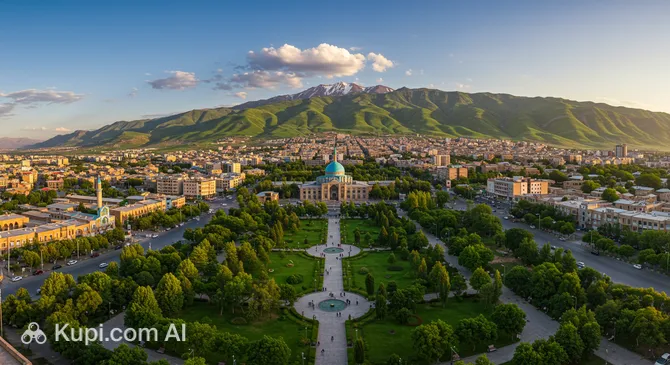
Gorgan is widely recognized as a sanctuary of greenery and culture, earning its reputation through a seamless blend of ancient history and breathtaking natural landscapes. While the city is famous for its surrounding forests, its urban fabric is also woven with well-maintained parks, historical gardens, and museums that preserve the rich heritage of the region. Visitors will find that the city offers diverse spaces to relax and learn, ranging from panoramic viewpoints to restored mansions housing local treasures.
One of the most spectacular natural areas overlooking the city is Hezarpich Hill. Often referred to as the "Roof of Gorgan," this elevated park offers unrivaled panoramic views of the city sprawl against the backdrop of the vast Turkmen plains. It is a favorite spot for locals to watch the sunset and enjoy a picnic. Unlike the dense deciduous forests of the south, Hezarpich features unique vegetation, including cypress and pine trees, and provides a winding scenic drive that leads to the summit, making it easily accessible for tourists seeking a fresh perspective on the landscape.
For those interested in the region's diverse ecosystem, a trip to the Alagol, Almagol, and Ajigol Wetlands is highly recommended. Located to the north of Gorgan near the border, these international wetlands are a paradise for birdwatchers and nature photographers. They serve as a habitat for migratory birds, including flamingos and swans, particularly during the cooler months. The contrast between the arid plains and these shimmering bodies of water offers a completely different natural experience compared to the mountain forests.
In terms of cultural preservation, the Gorgan Crafts Museum, housed within the historic Amir Latifi House, is a standout destination. This beautifully restored Qajar-era mansion is an attraction in itself, featuring traditional wind towers, stained glass windows, and a central courtyard. Inside, the museum displays a fascinating collection of local handicrafts, including traditional clothing, copperware, and weaving tools, offering a deep dive into the daily lives and artistic traditions of the people of Golestan.
Another significant venue is the Gorgan Archaeological Museum. While often overshadowed by the Royal Palace, this site holds critical artifacts that trace the long history of the Hyrcanian region. Exhibits typically include pottery, coins, and stone tools dating back to the Islamic and pre-Islamic eras. It provides context to the ancient mounds and defensive walls found in the province, making it an essential stop for history buffs wanting to understand the strategic importance of this area throughout the centuries.
Among the city's historical and architectural landmarks, the Jameh Mosque of Gorgan commands attention. Located near the old bazaar, this structure dates back to the Seljuk period and features a distinctive minaret and intricate brickwork that reflect the architectural style of northern Iran. Nearby stands the Imamzadeh Noor, a brick tower monument from the 14th century notable for its geometric patterns and spiritual significance, standing as a testament to the city's religious heritage.
For a truly authentic experience, take a walk through the Baft-e Ghadim (Old Texture) of the city. Unlike the modern boulevards, these narrow, winding alleys are lined with houses featuring red-tiled roofs and wooden balconies, characteristic of the humid Caspian climate. Exploring this area on foot reveals hidden courtyards and traditional bakeries that most tourists miss, offering a quiet glimpse into the Gorgan of the past.