Support

Bojnurd

About

Welcome to Bojnurd, the captivating capital of North Khorasan Province in Iran. Situated in the northeast of the country, this city serves as a refreshing stop for travelers, offering a unique blend of lush natural landscapes and rich cultural traditions. Unlike the arid regions often associated with the area, Bojnurd enjoys a greener environment nestled among the Aladagh Mountains.
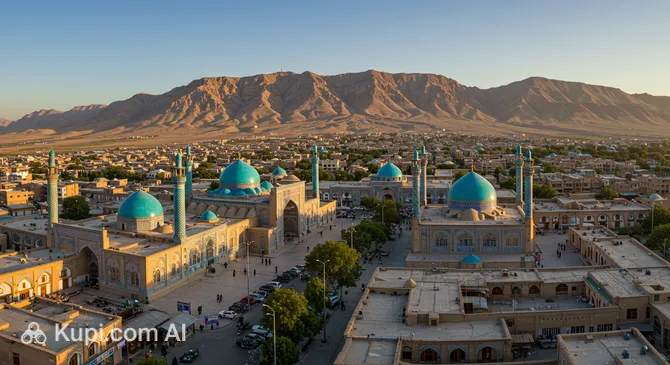
Bojnurd. Source: Kupi.Binoculars

With a population of approximately 229,000 residents, the city is a bustling hub that maintains a welcoming and friendly atmosphere. The local climate is generally temperate, making it a pleasant destination, particularly during the spring and summer months when the surrounding nature is in full bloom. The city's strategic location has played a significant role in shaping the history of Bojnurd, as it has long been a crossroads for various ethnic groups, including Kurds, Turkmen, and Persians, creating a vibrant cultural mosaic.

Visitors are often drawn to the city's remarkable natural and historical sites. The Besh Qardash (Five Brothers) and Baba Aman parks are favorite spots for both locals and tourists, featuring ancient trees, refreshing springs, and pools perfect for relaxation. For those interested in architecture, the Mofakham Mirror House stands as a stunning example of Qajar-era artistry, adorned with intricate tile work and mirrors that reflect the region's artistic heritage.

Whether you are passing through on a journey across the province or planning a dedicated visit, Bojnurd promises a memorable experience filled with scenic beauty and warm hospitality. It is a destination that truly invites you to explore the hidden gems of northeastern Iran.

Weather Overview

The climate in this region is marked by distinct seasonal variations, offering travelers a mix of sunny days and cooler, crisp air depending on the time of year. Generally, you can expect warm, dry summers and cold winters with frequent damp days. For a more detailed look at what to expect during your specific travel dates, checking the weather in Bojnurd is highly recommended.

Summer is the warmest and most stable season for visiting. From June to August, average temperatures range between 22°C and 24.5°C, with daytime highs often reaching up to 31.4°C in July. This period is notably dry, with virtually no precipitation and very few wet days, making it excellent for outdoor activities. Spring, conversely, sees a gradual warming trend from 7.2°C in March to 16.3°C in May, but it is also the time when wet days are most frequent, occurring up to 11 times a month.

As autumn arrives, the weather cools significantly, dropping from an average of 19.5°C in September to just 7.1°C by November. Winter brings the coldest conditions, particularly in January, when the average temperature hovers around 1.0°C and minimums can fall to -4.1°C. Although total rainfall volume remains low throughout the year, the winter months still experience regular wet days, so packing warm clothing is essential.

Interesting Facts

Beyond its lush gardens and historical sites, Bojnurd holds fascinating stories and traditions that offer a deeper glimpse into its local identity. Here are a few unique aspects of the city that travelers might not immediately notice.

  • The Legend of the Five Brothers: The famous Besh Qardash spring is steeped in local folklore. Its name translates to "Five Brothers," originating from a legend about five siblings who, while fleeing a tyrant, miraculously vanished into the mountain rocks. It is said that the refreshing spring water flows from the very spot where they disappeared.

  • A City of Sweets: Bojnurd is widely renowned for its traditional confectionery, particularly a type of candy known as "Abnabaat." This boiled sweet is a staple of local tea culture, often used in place of sugar cubes. Visitors can find it in a variety of flavors, including cardamom, cinnamon, and pistachio, making it the city's most iconic souvenir.

  • Home of the Turkmen Horse: The region surrounding the city is a significant hub for breeding purebred Turkmen horses. These elegant and enduring animals are a source of great pride and are deeply woven into the cultural fabric of the area, often celebrated in local festivals and equestrian traditions.

How to Get There

Reaching Bojnurd typically involves a combination of air and road travel, as the city is nestled in a mountainous region of North Khorasan. To plan your journey in detail and explore all available options, you can read more about how to get to Bojnurd.

The city of Bojnurd does not have its own major international airport, so most visitors arrive via neighboring hubs. The most significant and convenient gateway is Mashhad International Airport (MHD) in the city of Mashhad, which is approximately 248 km away. It is a large transport hub with frequent connections. The drive from Mashhad to Bojnurd typically takes around 3 to 4 hours by car. Alternatively, Ashgabat Airport (ASB) in Ashgabat is geographically closer, located about 108 km away. However, since this airport is in Turkmenistan, utilizing this route requires crossing an international border, which involves visa procedures and additional time for processing. Another regional option is Gorgan Airport (GBT) in Gorgan, situated roughly 267 km from the city.

For clarity, here is a summary of the main airports:

Airport Name City Passenger Traffic Km from City
Mashhad International Airport Mashhad Large 248.3
Ashgabat Airport Ashgabat Medium 107.7
Gorgan Airport Gorgan Small 266.9

The city of Bojnurd does not have a railway station, and direct train access is limited in the immediate vicinity. The closest station found in the region is Gyzylarbat in the city of Serdar, located about 190 km away. Similar to the airport in Ashgabat, this station is in Turkmenistan, meaning travelers would need to navigate international border crossings and visa requirements to reach Bojnurd from there. Consequently, most travelers prefer using the extensive bus network or private taxis connecting Bojnurd to major Iranian cities like Mashhad or Tehran.

Here is the available information on nearby railway stations:

Station City Passenger Traffic Km to Center
Gyzylarbat Serdar 190.1

Main Attractions

Bojnurd offers a delightful mix of natural wonders and historical treasures, making it a unique destination in northeastern Iran. The city is renowned for its lush parks and Qajar-era architecture, providing visitors with opportunities for both relaxation and cultural exploration. Here are some of the most interesting places to visit during your stay.

Baba Aman Park is arguably the most famous recreational site in the region, located approximately 10 kilometers from the city center. This expansive park is celebrated for its ancient plane trees and natural springs that feed into large, refreshing pools. It is a favorite stop for travelers and locals alike, offering a serene environment for picnics, camping, and enjoying the cool, fresh air. The park also features dining facilities, making it an ideal place to take a break and soak in the natural beauty of North Khorasan.

Another significant attraction is Besh Qardash, situated about 7 kilometers from the city. Steeped in local legend, its name translates to "Five Brothers," referring to a mythical story of siblings who disappeared into the mountain to escape a tyrant. Today, the site features a historical mausoleum from the Qajar and Safavid periods, alongside a famous mineral spring believed to have therapeutic properties for digestion. The combination of history and nature makes it a compelling spot for a leisurely afternoon walk.

For those interested in architecture and history, the Mofakham Mirror House (Ayeneh Khaneh) is a must-see. Built during the Qajar dynasty, this stunning building once served as the administrative office of the local governor. The interior is a masterpiece of Iranian craftsmanship, adorned with intricate mirror work and colorful tiles that create a dazzling visual effect. It currently operates as a museum, allowing visitors to admire the artistic heritage of the era up close.

Adjacent to the Mirror House stands the Mofakham Mansion, the largest historical structure in the province. This imposing edifice now houses the Bojnurd Anthropology Museum. Inside, tourists can explore exhibits dedicated to the diverse ethnic groups of the region, including Kurds, Turks, and Turkmen. The displays of traditional costumes, household tools, and crafts provide a deep insight into the rich cultural tapestry that defines this part of the country.

Local Cuisine

The cuisine of Bojnurd is a delightful reflection of North Khorasan’s diverse cultural tapestry, blending Kurdish, Turkmen, and Persian influences into hearty and flavorful meals. The region is known for its reliance on fresh, local ingredients, particularly dairy products and wild herbs gathered from the surrounding mountains. For visitors, the food scene here offers a chance to taste dishes that are distinct from the standard menu found elsewhere in Iran.

One of the most authentic local dishes to try is Ash-e Yarmeh, a traditional pottage that defines the taste of the city. It is typically prepared with "yarmeh" (a local variety of cracked wheat), chickpeas, and buttermilk, all simmered together with fragrant wild herbs native to the region. This combination creates a sour and savory flavor profile perfect for the cooler climate. Another must-try specialty is Qorut (or Gharotu), a rich dish made from locally produced curd (kashk), walnuts, and aromatic spices, usually served as a thick sauce to be enjoyed with pieces of traditional bread.

When it comes to beverages, black tea is the undisputed staple of social life, always brewed strong and fresh. It is almost invariably accompanied by Abnabaat, the city's signature hard candy. While these sweets are a popular souvenir, their primary role is to balance the bitterness of the tea during daily breaks. For a refreshing cold option with meals, try the local doogh, a savory yogurt-based drink often flavored with dried mint or rose petals, which pairs exceptionally well with the region's rich meat dishes.

The food culture in Bojnurd is deeply connected to nature. While there are traditional restaurants serving excellent Shishlik (grilled lamb chops) and kebabs, the true local experience involves dining outdoors. Residents frequently head to scenic spots like Baba Aman or Besh Qardash parks for family picnics. Here, you will often see locals grilling meat on charcoal barbecues and sharing large platters of food under the shade of ancient trees, creating a warm and communal atmosphere.

Travel Tips

Visiting Bojnurd offers a wonderful opportunity to experience the authentic culture and hospitality of North Khorasan, but like any destination in Iran, it requires a bit of practical preparation. To ensure your trip is as smooth and enjoyable as possible, here are some essential tips to help you navigate local customs and logistics with ease.

  1. Respect the Dress Code: Adhering to local dress codes is essential in public spaces. For women, this involves wearing a headscarf (hijab) and loose-fitting clothing that covers the arms and legs, such as a manteau or long tunic. Men should wear long trousers and avoid shorts or sleeveless shirts. Since the city is situated in a mountainous region, evenings can get chilly even in spring, so packing layers is a smart move.

  2. Getting Around: While there is a local bus system, it can be challenging to navigate without knowledge of the language. The most convenient way to move around the city is by using shared taxis (savari) or private agencies (ajans). Ride-hailing apps are also widely used in the country and may be available in Bojnurd; installing them beforehand can save time and help overcome language barriers when giving directions.

  3. Cash is King: International credit and debit cards (such as Visa or MasterCard) do not work here due to the lack of connection to global banking networks. You must bring sufficient cash in major currencies like Euros or US Dollars and exchange it at official exchange offices, known as Sarafi. It is advisable to carry a mix of denominations and always have some local currency on hand for small purchases like taxi fares or snacks.

  4. Stay Connected: English is not widely spoken outside of major hotels or among the younger generation. Buying a local SIM card upon arrival is crucial for accessing maps and translation apps. Having an offline translator on your phone can be incredibly helpful when communicating with shopkeepers or drivers.

  5. Health and Water: Pharmacies (marked as Daru-khaneh) are common and usually well-stocked, but if you require specific prescription medication, it is best to bring it with you. While tap water is generally treated, tourists often prefer bottled mineral water to avoid any adjustment issues. In summer, the dry heat requires you to stay well-hydrated, especially if you are hiking in nearby parks.

  6. Understanding "Taarof": You will likely encounter the cultural concept of Taarof, a system of politeness where locals may initially refuse payment or offer things they do not genuinely mean to give away. If a driver or shopkeeper refuses your money, it is polite to insist on paying. If they refuse three times, the offer might be genuine, but in commercial transactions, you should always pay.

  7. Social Etiquette: When entering a private home, a mosque, or even some traditional teahouses, remember to remove your shoes. Greetings are important; a simple "Salam" (Hello) is appreciated. Public displays of affection should be avoided to respect local norms.

  8. Tea Time Treat: Do not leave the city without partaking in the local tea ritual. In Bojnurd, tea is rarely drunk with sugar cubes; instead, it is accompanied by Abnabaat, the city's famous flavored hard candy. Trying different flavors like pistachio or cardamom is a delicious way to connect with the local culture.

By keeping these practical points in mind, you will be well-equipped to relax and focus on the stunning scenery and warmhearted people of Bojnurd. Safe travels and enjoy every moment of your exploration in this unique corner of the region!

Entertainment & Nightlife

Nightlife in Bojnurd offers a distinct and culturally rich experience that differs significantly from Western concepts of evening entertainment. Due to national laws, you will not find nightclubs, bars, or discos serving alcohol here. Instead, the city comes alive after sunset with a vibrant culture of socializing, dining, and outdoor leisure. The "nightlife" centers around tea houses, traditional restaurants, and lively public parks where families and friends gather to enjoy the cool evening air, often staying out late into the night.

The true heart of evening activity in Bojnurd beats in its expansive parks, which function as the city's primary social hubs. Baba Aman Park is particularly spectacular at night, when the pathways are illuminated and the atmosphere is buzzing with locals enjoying picnics and barbecues. It is common to see people playing badminton, chatting by the pools, or simply strolling under the ancient trees well past midnight. Similarly, Besh Qardash Park offers a serene yet active environment for night walks, with its historical monuments beautifully lit against the dark backdrop of the mountains.

For a taste of local flavor, the city’s traditional tea houses, known as Chaykhaneh, are the perfect alternative to bars. These venues offer a cozy setting where you can sip on strong black tea, enjoy Ghelyoon (water pipe), and listen to traditional music. The streets around the central bazaar and Taleghani Street are also bustling in the evenings. Here, you can find numerous juice bars and ice cream shops serving "Majoun"—a rich shake made with nuts, bananas, and honey—which is a popular late-night treat for residents.

When planning your evening, keep in mind that the peak time for dinner and socializing is typically between 8:00 PM and 11:00 PM. The atmosphere is relaxed and family-friendly, and there is no strict dress code beyond the standard public attire requirements in Iran. Bojnurd is generally very safe for night walks, especially in the popular park areas and busy city center. To get around, it is best to use yellow taxis or ride-hailing apps, as public buses may stop running early. Taxis are affordable and readily available near major squares.

While the evenings are for socializing, daytime in Bojnurd offers its own array of cultural activities. Visitors can explore the region's history at the Mofakham Mirror House, which serves as a stunning example of Qajar architecture, or visit the Anthropological Museum to learn about the diverse Kurdish and Turkmen heritage. For nature lovers, the daylight hours are best spent hiking in the surrounding Aladagh Mountains before returning to the city to unwind as the sun sets.

Parks & Museums

While Bojnurd is famous for its manicured city gardens like Baba Aman, the region surrounding the city offers a different kind of natural beauty found in its rugged protected areas. For travelers willing to venture beyond the immediate city limits, the province of North Khorasan presents incredible opportunities to explore untouched wilderness and ancient historical sites that lie just a short drive away.

Sari Gol National Park is a premier destination for wildlife enthusiasts and eco-tourists. Located southeast of Bojnurd, near the town of Esfarayen, this protected area is renowned for its rich biodiversity. The park features a dramatic landscape of rolling hills and deep valleys, serving as a sanctuary for the Persian leopard, wild sheep (urial), and ibex. It is an excellent spot for birdwatching and photography, offering a quiet escape into nature that contrasts sharply with the busy recreational atmosphere of the city's urban parks.

Another significant natural reserve in the vicinity is Salouk National Park. Situated to the northwest of Esfarayen, this area is characterized by its mountainous terrain and dense vegetation. Apart from its ecological value, the park is home to the ruins of the historical Salouk Fortress, which sits atop a cliff and dates back to the pre-Islamic eras, later used by the Ismailis. The combination of trekking routes and historical exploration makes Salouk a compelling day-trip option for adventurous visitors staying in Bojnurd.

For those interested in history and archaeology, the Spakhu Fire Temple offers a fascinating glimpse into the region's ancient past. Located west of Bojnurd on the road toward Gorgan, this stone structure is one of the oldest and best-preserved monuments in the province, dating back to the Sassanid period. Its unique architecture, featuring a high arch and dome, stands as a solitary reminder of pre-Islamic Iran amidst the modern landscape. It is a must-visit for history buffs looking to understand the deep historical roots of this corner of the country.

In addition to these major sites, the countryside around Bojnurd is dotted with smaller historical gems and scenic villages. Exploring these areas allows travelers to witness the traditional rural lifestyle of North Khorasan, where ancient customs and architecture are often better preserved than in the developing urban centers. Whether hiking in the national parks or visiting the silent stone halls of Spakhu, these excursions provide a deeper and more rugged perspective on the region's heritage.

Getting Around

The public transport system in Bojnurd is relatively simple and straightforward, relying primarily on a network of buses and an extensive fleet of taxis. Unlike the larger metropolises in the region, the city does not have a metro or tram system. For visitors, this means that getting around involves navigating surface streets, which allows for a good view of the city but requires some familiarity with local traffic customs.

Municipal buses are the most economical way to travel across the city. They typically operate on fixed routes connecting the main squares, the bazaar, and residential neighborhoods. While they are cost-effective, using them can be slightly challenging for tourists who do not read Persian, as route signs are rarely in English. It is important to note that buses in the city follow the standard practice of gender segregation found throughout the region: men generally sit in the front section, while women occupy the rear. If you choose this mode of transport, paying close attention to where locals sit is a helpful guide.

Taxis are the most popular and convenient form of transport for both locals and tourists. There are two main types: shared taxis, known locally as "Savari," and private taxis, or "Darbast." Shared taxis follow set routes along major streets and pick up multiple passengers until the car is full. They are faster than buses and very affordable. You can hail one by standing on the roadside and shouting your destination; if the driver is going that way, they will stop. If you prefer privacy or need to go to a specific location off the main roads, you can hire a "Darbast," which essentially means you are renting the entire vehicle for that trip.

Regarding payment, cash is the undisputed king of transactions in Bojnurd's transport sector. While some larger cities have moved to electronic smart cards for buses, it is highly advisable for tourists here to carry plenty of small cash denominations. Drivers of shared taxis and buses expect exact change or close to it. For private taxis, the fare should be negotiated and agreed upon before you get into the car to avoid any misunderstandings at the end of the journey.

For a more modern and hassle-free alternative, ride-hailing apps have become increasingly popular and are a great tool for travelers. Applications like Snapp (the local equivalent of Uber) operate in the city and offer fixed prices, map-based destination setting, and the ability to pay via the app or in cash. This eliminates the language barrier and the need for bargaining, making it an excellent choice for those unfamiliar with local fares.

Public transport operating hours are generally from early morning, around 6:00 AM, until the evening. Buses tend to stop running between 8:00 PM and 9:00 PM, while shared taxis continue to operate later into the night. However, if you are out very late, finding a shared taxi might be difficult, and using a ride-hailing app or calling a private taxi agency (known as "Ajans") becomes the most reliable option to return to your accommodation safely.

Accommodation

Finding accommodation in Bojnurd is relatively straightforward, though the options are generally more functional than luxurious, reflecting the city's status as a transit hub and provincial capital. The range of places to stay primarily consists of budget to mid-range hotels, traditional guesthouses known as Mosaferkhaneh, and apartment suites. While you will not find high-end international hotel chains, the local establishments are known for their cleanliness and warm hospitality, offering a comfortable base for exploring North Khorasan.

The most convenient area to stay is the city center, particularly around the main squares and the bazaar. staying here places you within walking distance of shops, restaurants, and taxi stands, making it easy to navigate the city without your own vehicle. For travelers who prefer a more scenic experience, the areas near the city's famous parks offer a different vibe. It is worth noting that camping is a very popular accommodation style in this region; during the warmer months, many visitors and locals pitch tents in designated areas within Baba Aman Park, taking advantage of the facilities and the beautiful natural setting.

When it comes to booking, it is important to remember that international booking platforms often do not list properties in this region. Reservations are typically made through local Iranian travel websites or by calling the hotel directly. If you are traveling during peak seasons, such as the Persian New Year (Nowruz) in late March or summer holidays, it is highly advisable to book your accommodation well in advance, as the limited number of rooms can fill up quickly with domestic tourists.

Prices in Bojnurd are generally very affordable compared to the capital or major tourist cities like Isfahan. Most hotels fall into the budget to mid-range price bracket. Payment is almost exclusively in cash (Rials) or via local debit cards, as international credit cards are not accepted. Be prepared to pay for your stay upon arrival, and always carry enough local currency to cover your accommodation costs.

Nearby Cities

For those looking to explore the surroundings, Bojnurd serves as an excellent base for day trips to several interesting nearby locations:

One of the most culturally significant destinations within reach is Nishapur. Known historically as a major center of science and art along the Silk Road, it is famously the resting place of the great poet and mathematician Omar Khayyam, as well as the mystic poet Attar. Visitors can explore their beautiful garden tombs and browse the local bazaars for the city's world-famous turquoise stone, which has been mined in the nearby mountains for centuries.

For architecture enthusiasts, a trip to Gonbad-e Kavus is highly recommended. The city is home to the UNESCO World Heritage-listed Gonbad-e Qabus tower, a striking 11th-century brick monument that stands as the tallest pure-brick tower in the world. Its unique geometry and historical significance make it a compelling landmark for anyone interested in the region's ancient heritage.

If you prefer a shorter journey closer to Bojnurd, Shirvan offers a mix of history and nature. Located just a short drive away, it features the ancient Naderi Hill (Arg-e Naderi), an archaeological site that dates back thousands of years. The surrounding area is also known for its scenic landscapes, including the protected regions of Galool and Sarani, which are perfect for nature walks and enjoying the fresh mountain air.

City Population Distance (km)
Sabzevar 243700 143
Nishapur 221700 192
Gonbad-e Kavus 151910 193
Quchan 145531 113
Shirvan 82790 54

These nearby destinations offer a glimpse into the diverse culture and landscapes of the region.

Shopping & Souvenirs

Shopping in Bojnurd offers a delightful immersion into the local culture of North Khorasan, characterized more by traditional bazaars and specialty shops than by massive modern shopping malls. Visitors will find that the retail experience here is authentic and intimate, focusing heavily on regional handicrafts, fresh produce, and the city's famous culinary treats. It is an excellent place to find unique items that reflect the diverse Kurdish and Turkmen heritage of the province.

The commercial heartbeat of the city is centered around a few key thoroughfares. Taleghani Street and 17 Shahrivar Street are the primary shopping arteries where locals go for their daily needs. Walking along these bustling roads, you will find a wide array of stores selling everything from clothing and shoes to jewelry and household goods. These streets are particularly lively in the evenings when residents come out to shop and socialize.

While Bojnurd does not boast the gigantic luxury malls found in capital cities, it features several modern commercial arcades and passages known as "Pasaj." These multi-story buildings are scattered along the main streets and are the best places to look for apparel, electronics, and gold. The Gold Bazaar (Bazar-e Tala), located within the central district, is worth a visit even just to admire the intricate designs of the jewelry, which often features traditional Turkmen motifs.

For a truly traditional experience, the Old Bazaar of Bojnurd is a must-visit destination. This historic market is a sensory maze of aromas and colors, where vendors sell mounds of aromatic spices, dried fruits, and local dairy products. It is the perfect spot to observe the daily life of the city's residents and to bargain for fresh goods. The vivid displays of textiles and the friendly banter of the shopkeepers create an atmosphere that feels unchanged by time.

When it comes to souvenirs, Bojnurd is most famous for Abnabaat, a type of traditional hard candy that is inseparable from the local tea culture. It comes in various flavors like cardamom, cinnamon, and pistachio, and is arguably the most popular gift to take home. Additionally, the region is renowned for its handicrafts, particularly Charogh (traditional leather shoes with pointed toes) and exquisite Turkmen rugs and kilims. These handwoven items are not only beautiful but also represent the deep artistic history of the local tribes.

Store hours in Bojnurd generally follow the traditional Iranian schedule. Shops typically open around 9:00 AM and remain open until roughly 1:00 PM or 2:00 PM. After a mid-day break for lunch and rest, they reopen around 4:00 PM or 5:00 PM and stay active until late in the evening, often closing between 9:00 PM and 10:00 PM. It is important to note that payment is almost exclusively made in cash (Iranian Rials) or via local debit cards. International credit cards are not accepted, so tourists should ensure they have sufficient local currency before heading out to shop.

Tourists should be aware that tax-free shopping or VAT refund schemes for visitors are not available in Bojnurd. The prices you see are final, although bargaining is acceptable and expected in the traditional bazaar and smaller independent shops, particularly when purchasing handicrafts or souvenirs.

Reached the end of the page?

That means the route is fully explored