Support

Ashgabat

About

Welcome to Ashgabat, the gleaming capital city that stands as a testament to modern architectural ambition and cultural pride. Known for its pristine streets and grand monuments, this city offers a truly unique atmosphere that sets it apart from any other destination in Central Asia. As the administrative and cultural heart of Turkmenistan, Ashgabat invites travelers to explore its fascinating blend of traditional heritage and futuristic vision.

Geographically, the city is strikingly situated between the vast sands of the Karakum Desert and the rugged, majestic peaks of the Kopet Dag mountain range. This location provides a dramatic natural backdrop to the city's glistening skyline. With a population of approximately 828,100 residents, it serves as a bustling urban hub while maintaining a distinct sense of spaciousness and order. The climate is continental, often characterized by hot summers, making the milder seasons of spring and autumn perfect for sightseeing.
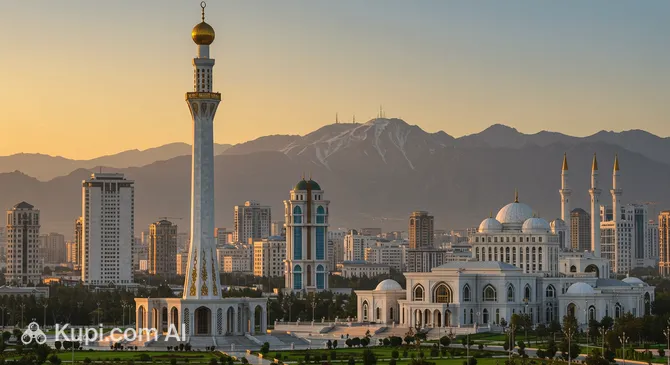
Ashgabat. Source: Kupi.Binoculars

The history of Ashgabat is a compelling story of resilience and total transformation. While the region has deep historical roots, the modern city was largely rebuilt following a major earthquake in 1948, rising from the rubble to become a showcase of modern planning. Today, it is famous worldwide for holding the Guinness World Record for the highest density of white marble-clad buildings, giving the metropolis a brilliant, shimmering appearance under the sun.

Visitors are often captivated by the sheer scale and grandeur of the local landmarks. Key attractions include the imposing Independence Monument and the soaring Arch of Neutrality, which offers panoramic views of the city. The capital is also home to numerous fountain complexes and vast parks that provide refreshing oases amidst the arid landscape. Whether you are admiring the golden domes of its mosques or wandering through its expansive squares, Ashgabat promises a visually stunning and unforgettable experience.
Weather Overview

Understanding the local climate is essential for planning a comfortable trip to this desert capital. The city experiences distinct seasonal changes, shifting from chilly winters to intensely hot summers. For a more detailed breakdown of current conditions and forecasts, you can consult the dedicated page for the weather in Ashgabat.

Summer in the city is characterized by high heat and arid conditions. From June to August, rainfall is virtually non-existent, with precipitation levels at 0mm. July is typically the hottest month, where the average temperature hovers around 29.8°C and daily maximums can soar to 35.5°C. Travelers visiting during this time should prepare for bright sun and very few wet days.

Winters provide a sharp contrast, bringing much cooler temperatures. January is usually the coldest month, with an average temperature of 3.7°C and minimums dropping to -1.2°C. While winter sees fewer rainy days than spring, the air is crisp and cold. Springtime, particularly March, April, and May, is the wettest period in terms of frequency, with up to 12 wet days per month, though temperatures rise pleasantly from 10.8°C to 21.2°C. Expect scorching, dry summers and cool winters, with the highest chance of rain occurring during the mild spring months.

Interesting Facts

Beyond its gleaming facade and grand monuments, Ashgabat holds a collection of fascinating records and cultural treasures that often surprise visitors. This city is not just an administrative center but a place where unique architectural feats and deep-rooted traditions come together in unexpected ways.

  • The city is home to a truly unique record-holder: the world's largest indoor Ferris wheel. Located inside the Alem Cultural and Entertainment Center, this massive structure allows guests to enjoy panoramic views while shielded from the desert heat, enclosed within a stunning glass and steel casing.

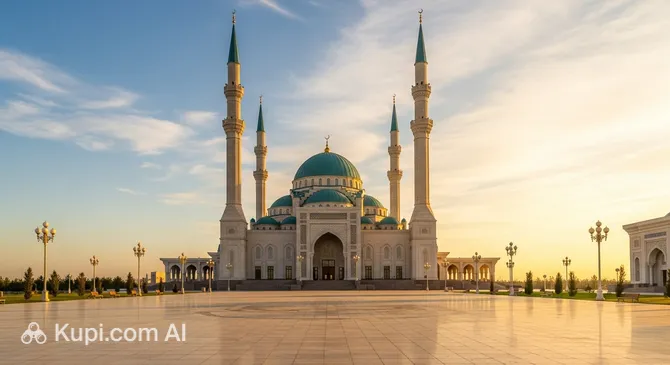
  • Architecture enthusiasts often notice a striking familiarity when visiting the Ertugrul Gazi Mosque. This beautiful religious site was built to honor the shared heritage between Turkmenistan and Turkey and was designed to visibly resemble the iconic Blue Mosque in Istanbul.

  • Ashgabat takes its carpet-weaving heritage very seriously, housing the Turkmen Carpet Museum. It is here that you can find the largest hand-woven carpet in the world, a gigantic masterpiece that weighs several tons and required the dedicated work of dozens of weavers to complete.

  • The name of the city itself carries a poetic meaning rooted in history. "Ashgabat" is derived from Persian words that translate to "City of Love" or "City of Devotion," reflecting a romanticized vision of this oasis settlement long before it became a modern metropolis.

Ertugrul Gazi Mosque. Source: Kupi.Binoculars

How to Get There

Planning a trip to the capital of Turkmenistan involves choosing the right mode of transport to suit your itinerary. Whether you prefer flying directly into the heart of the country or traveling overland through the region, there are several options available. For a detailed overview of all routes and travel tips, you can read more about how to get to Ashgabat.

The most direct way to reach the city is via Ashgabat Airport (IATA: ASB). This international hub is conveniently located just 4.3 km from the city center. It handles a significant volume of passengers annually, serving as the primary gateway for international and domestic travelers. Upon arrival, a taxi or bus ride to the downtown area is very quick, taking approximately 26 minutes.

Another option for travelers in the wider region is Mashhad International Airport (IATA: MHD). Located in the city of Mashhad, roughly 224 km from Ashgabat, this is a large airport with heavy passenger traffic. If you choose to land here, be prepared for a longer onward journey; the transfer by road to Ashgabat typically takes around 356 minutes.

For clarity, here is a summary of the main airports:

Airport Name City Passenger Traffic Km from City
Ashgabat Airport Ashgabat Medium 4.3
Mashhad International Airport Mashhad Large 224.3

For those considering rail travel, the available data highlights the Gyzylarbat station. It is situated in the city of Serdar, which is approximately 211 km away from Ashgabat. From this station, you can arrange a taxi or bus transfer to the capital, a journey that takes about 337 minutes.

Here is the information regarding the railway station:

Station City Passenger Traffic Km to Center
Gyzylarbat Serdar 211.4

Main Attractions

Ashgabat is a city of visual marvels, where the skyline is defined by gleaming white marble and grandiose monuments. The capital's approach to urban design is unique, blending futuristic vision with traditional motifs. Visitors can spend days exploring the vast squares, manicured parks, and imposing government structures that give the city its distinctive, pristine appearance. It is a destination where architecture itself is the main exhibit, offering photo opportunities at every turn.

One of the most significant landmarks to visit is the Ertugrul Gazi Mosque. This magnificent religious complex is a striking example of Islamic architecture, designed to accommodate up to 5,000 worshippers at once. The interior is breathtaking, adorned with intricate stained glass windows, elaborate calligraphy, and rich geometric patterns that create a serene and spiritual atmosphere. Stepping inside offers a peaceful retreat and a chance to admire the incredible craftsmanship detailed throughout the prayer hall.

Ertugrul Gazi Mosque. Source: Kupi.Binoculars

Beyond the mosques, the city is home to numerous other impressive sites. The National Museum of Turkmenistan offers a deep dive into the region's rich history, housing ancient artifacts and cultural treasures. For those who appreciate modern eccentricity, the Wedding Palace stands out with its unusual geometric design and a massive globe structure. As you wander through the city, the numerous fountain complexes and statues, such as the Monument to the Constitution, further highlight the scale and ambition of Ashgabat's development.

Local Cuisine

Ashgabat offers a culinary experience that is deeply rooted in the nomadic traditions of the Turkmen people, characterized by hearty, meat-centric meals and simple yet robust flavors. The local cuisine is a fascinating blend of Central Asian staples and unique regional specialties. Visitors will find that lamb and mutton are the predominant ingredients, often prepared with fresh vegetables and baked dough to create filling dishes that provide sustenance in the desert climate.

One of the most distinctive dishes you must try is Dograma. This traditional meal has a special place in Turkmen culture and is often prepared for communal gatherings and holidays, though it is readily available in local restaurants. It consists of crumbled pieces of fresh flatbread (chorek) mixed with boiled mutton and raw onions, then soaked in a rich meat broth. Another staple is Turkmen Plov, a savory rice pilaf cooked with chunks of meat, carrots, and onions. Unlike versions found in neighboring countries, the local plov is often noted for its specific balance of flavors, highlighting the natural sweetness of the carrots and the tenderness of the meat.

When it comes to beverages, tea culture is paramount. Green tea (gok chai) is the drink of choice for locals, consumed throughout the day to stay cool and hydrated. It is typically served in small bowls rather than cups and accompanies almost every meal. For a truly authentic and somewhat adventurous experience, tourists should try Chal, a sparkling, fermented camel's milk. It has a sour, refreshing taste and is believed to have numerous health benefits. While it is a Muslim country, alcoholic beverages, including vodka and local cognac, are also available in many restaurants and hotel bars.

Dining in the capital ranges from grand, marble-clad restaurants serving international and national cuisine to bustling local markets. For the freshest local produce and a taste of everyday life, a visit to a bazaar is essential. Here, you can sample street food favorites like Somsa (meat-filled pastries) and taste the legendary Turkmen melons, which are renowned globally for their incredible sweetness and aroma. Whether enjoying a formal dinner or a quick snack at a market, the food scene in Ashgabat is welcoming and satisfying.

Travel Tips

Preparing for a trip to Ashgabat requires a bit more foresight than the average destination due to its unique local regulations and distinct desert climate. These practical tips will help you navigate the "White City" smoothly, ensuring you can focus on enjoying its architectural marvels and warm hospitality without any logistical hassles.

  1. Clothing and Gear: The climate is extreme, so pack accordingly. In summer, bring loose, breathable fabrics like linen and cotton to handle the intense heat, along with a high-quality hat and sunglasses. Winters can be surprisingly biting, so a warm coat is necessary. Regardless of the season, dress conservatively; shorts and sleeveless tops are generally frowned upon. For visiting religious sites like the Ertugrul Gazi Mosque, women should bring a headscarf, and everyone should wear clothing that covers arms and legs.
  2. Transportation: Getting around is relatively easy. Official taxis are the most convenient option for tourists; they are affordable and readily available. You can also hail private cars, but be sure to agree on the fare before getting in. The city has a modern and very cheap bus network, which is a great way to experience local life, though routes can be confusing for non-locals. Car rental is generally not recommended unless you hire a car with a local driver, which saves you the stress of navigating.
  3. Finances: The local currency is the Turkmen Manat (TMT). Turkmenistan is very much a cash-based society. International credit cards (Visa/Mastercard) are rarely accepted outside of five-star hotels and the airport. It is crucial to bring enough cash in US Dollars for your entire trip. Note that dollar bills must be in pristine condition—no tears, ink marks, or folds—or exchange bureaus and banks may refuse them.
  4. Health and Safety: Ashgabat is one of the safest cities in the world regarding street crime, but you should still stay alert. Tap water is not safe to drink; always stick to sealed bottled water. Pharmacies are widely available, but it is highly advisable to bring a supply of any prescription medications you need, along with a basic first-aid kit, as specific brands may not be stocked.
  5. Communication: The official language is Turkmen, but Russian is widely spoken and understood. English is not commonly spoken by the general public, though hotel staff and younger people may know basics. Internet access is significantly restricted and slow compared to global standards; many social media sites and messaging apps are blocked. Download offline maps and translation apps before you arrive, as relying on mobile data is often frustrating.
  6. Local Etiquette: Turkmen culture places a high value on respect and hospitality. When greeting locals, a handshake is common among men, often using two hands as a sign of respect. It is polite to acknowledge elders first. Public displays of affection are culturally inappropriate and should be avoided. If you are invited to a local's home, it is customary to take off your shoes at the entrance.
  7. What to Avoid: Be extremely cautious with photography. Never take photos of government buildings, military personnel, police officers, or the airport, as this is strictly prohibited and can lead to serious trouble with authorities. If you are unsure whether a building is "sensitive," it is safer to keep your camera away.
  8. Smoking Regulations: Be aware that Turkmenistan has some of the strictest anti-smoking laws in the world. Smoking in public places—including streets, parks, and outdoor cafes—is illegal and can result in fines. Only smoke in designated indoor areas, usually found in hotels or specific restaurants.

By keeping these practicalities in mind, you will be well-equipped to explore the fascinating blend of tradition and futurism that Ashgabat offers. Respecting the local customs and rules will not only keep you safe but also open doors to genuine interactions with the welcoming local people.

Entertainment & Nightlife

Entertainment and Nightlife:

Nightlife in Ashgabat offers a distinct experience that differs significantly from the bustling party capitals of the world. Rather than chaotic streets filled with pubs, the city's evening entertainment is sophisticated, orderly, and largely concentrated within high-end hotels and modern entertainment centers. As the sun sets, the "White City" transforms into a spectacular light show, with its marble buildings and monuments illuminated in vibrant colors, making a simple drive or walk through the city center an entertainment event in itself.

For those seeking a drink and a social atmosphere, the best venues are typically found inside the city's major luxury hotels. These establishments offer a safe and upscale environment where international tourists and locals mingle. The Panorama Bar located at the top of the Yyldyz Hotel is a must-visit. It offers not only a selection of fine drinks but also the most breathtaking view of the illuminated city skyline, making it perfect for a relaxed evening. Another popular spot is the British Pub situated in the Ak Altyn Hotel, which provides a more casual, European-style atmosphere with draft beers and comfort food.

If you are looking for something more energetic, there are a few discos and clubs, though they operate with stricter hours than in many other countries. Zip Bar is known among locals and expatriates for its lively music and dance floor. The crowd in these venues tends to be well-dressed, adhering to a "smart casual" or formal dress code. It is important to note that nightlife here winds down relatively early, with many places closing around 11:00 PM or midnight, so it is best to start your evening early.

When planning a night out, safety is rarely a concern. Ashgabat is exceptionally safe for tourists, and you can feel comfortable walking in lit areas or taking taxis. However, it is advisable to use official taxis or have your hotel arrange transport, as hailing random cars late at night can be less reliable for non-Russian/Turkmen speakers. Prices in high-end hotel bars are comparable to international standards, and you should always carry cash (Manat) as credit cards are often not accepted.

Beyond the nightlife, the city offers diverse daytime and evening cultural entertainment. The State Circus of Turkmenistan puts on impressive shows featuring the renowned Akhal-Teke horses, a source of immense national pride. For theater lovers, the Main Drama Theatre hosts various performances, though mostly in the local language. Families and thrill-seekers can visit the World of Turkmenbashi Tales, a large amusement park often referred to as the local Disneyland, which offers rides and attractions suitable for all ages.

Parks & Museums

Ashgabat is often referred to as a garden city, where the gleaming white marble architecture is balanced by vast expanses of manicured greenery and impressive cultural institutions. The city's urban planning places a strong emphasis on public spaces, resulting in numerous parks and squares that serve as refreshing retreats from the desert climate, while its museums offer a comprehensive look into the rich history and traditions of the Turkmen people.

One of the most prominent green spaces is Independence Park (Garaşsyzlyk Parky), a sprawling area that perfectly embodies the grandeur of the capital. Covering roughly 140 hectares, this park is a favorite among locals for its elaborate fountains and gold-plated statues depicting historical Turkmen figures. It is an ideal place for a leisurely walk, offering paths lined with conifers and flower beds that lead to the towering Independence Monument. Another unique green space is Inspiration Park (Ylham Park), which functions as an open-air art gallery. This beautifully landscaped corridor is dotted with sculptures of poets, thinkers, and scientists who have shaped the region's history, making it a culturally enriching spot for an evening stroll.

For those interested in the nation's heritage, the National Museum of Turkmenistan is an essential stop. This massive complex comprises several halls dedicated to history, ethnography, and nature. Its collection includes hundreds of thousands of exhibits, ranging from ancient artifacts excavated at the nearby UNESCO site of Nisa to exquisite examples of traditional jewelry and weaponry. It provides a deep narrative of the civilization that has flourished in this region for millennia.

No visit to Ashgabat would be complete without exploring the Turkmen Carpet Museum. Carpets are central to the national identity, and this museum houses some of the finest examples in the world. Visitors can admire the largest hand-woven carpet ever made, a colossal masterpiece that holds a Guinness World Record. The museum not only displays these woven treasures but also explains the complex symbolism and techniques behind the different tribal patterns.

In terms of historical and architectural significance, the Halk Hakydasy Memorial Complex stands out. Located on a hill in the southwestern part of the city, this site commemorates the victims of the 1948 earthquake, World War II, and the Battle of Gökdepe. The monuments here are powerful and imposing, and the location offers sweeping panoramic views of the white city below, making it a poignant and visually striking destination.

For a more authentic and quiet experience, consider visiting the Ashgabat Botanical Garden. It is one of the oldest green sites in the city, offering a dense, shaded environment that feels worlds away from the marble avenues. Walking here provides a glimpse into the diverse flora of the region and is a peaceful escape often overlooked by standard tour itineraries.

Getting Around

Navigating Ashgabat is a unique experience, much like the city itself. The public transport system is clean, orderly, and predominantly relies on a comprehensive network of buses. Unlike many other capitals, there is no underground metro system here; instead, the city utilizes a fleet of modern, air-conditioned buses that connect the city center with residential districts and major landmarks. These buses are typically white or yellow and are kept in immaculate condition, reflecting the city's overall aesthetic standards.

For payment, the system has transitioned largely to electronic travel cards. Cash payments directly to the driver are becoming less common and are often discouraged, though sometimes still accepted for single trips if you do not have a card. Visitors can purchase rechargeable transport cards at designated kiosks found at major bus stops or terminals. The cost of travel is exceptionally low by international standards, often amounting to just a few cents per ride, making it one of the most affordable public transport systems in the world.

A distinctive feature of Ashgabat's transport infrastructure is its bus stops. They are not merely signposts but fully enclosed, glass-walled pavilions equipped with air conditioning and seating. In the scorching summer heat, these stops provide a welcome sanctuary for passengers waiting for their ride. Some are even equipped with television screens and convenience stores. Buses generally operate from early morning, around 6:00 AM, until approximately 11:00 PM, though frequency decreases significantly later in the evening.

While buses are efficient, most tourists find taxis to be the most convenient alternative. Official taxis are easily recognizable by their color and signage, and they operate on a meter system or fixed rates. Hailing a taxi on the street is common, but you may also encounter private drivers offering rides. If you choose a private car, it is essential to negotiate the fare before entering to avoid misunderstandings. Ride-sharing apps popular in other parts of the world are generally not available or reliable here, so asking your hotel to arrange a taxi is often the safest and easiest method.

For a scenic journey rather than a practical commute, visitors should experience the cable carway that ascends into the foothills of the Kopet Dag mountains. While not part of the daily urban transit network, it offers a spectacular aerial view of the city and its surrounding landscape. Additionally, the city features a monorail system within the Olympic Complex, primarily designed to transport visitors between sports venues during events, serving as a futuristic addition to the city's transport profile.

Accommodation

Where to Stay:

Accommodation in Ashgabat is quite different from what travelers might expect in other capital cities. The hospitality sector here is dominated by grand, state-run luxury hotels that reflect the city's white-marble aesthetic. Options for budget travelers, such as backpacker hostels or guesthouses, are virtually non-existent. Instead, visitors will mostly find four- and five-star establishments that resemble palaces, offering spacious rooms, swimming pools, and opulent lobbies adorned with gold and marble.

The most popular area for tourists to stay is the Berzengi district, located in the southern part of the city near the foothills of the Kopet Dag mountains. This area is home to a cluster of high-rise hotels along Archabil Avenue, offering spectacular views of the city skyline and easy access to major monuments like the Constitution Monument and the Alem Center. Alternatively, staying in the city center places you closer to parks, museums, and government buildings, making it convenient for those who prefer to explore on foot, although distances between buildings can still be significant.

When it comes to booking, the process is inextricably linked to your visa application. Independent travel is rare in Turkmenistan, and you will typically need a confirmed hotel reservation to obtain a Letter of Invitation (LOI). It is highly recommended to book your accommodation well in advance, usually through a registered tour operator who can handle the paperwork. Unlike other destinations where you might find last-minute deals online, "winging it" is not a viable strategy here.

Price-wise, accommodation generally falls into the mid-range to luxury category. Prices for foreigners are often fixed and can be significantly higher than rates for locals. While some international booking platforms may list properties, they often do not reflect real-time availability or allow for instant confirmation. The most reliable method is to book directly or via your travel agency. Be prepared to pay for your room in cash (US Dollars) upon arrival, as credit card terminals can be unreliable or non-existent in some hotels.

Nearby Cities

For those looking to explore the surroundings, Ashgabat serves as an excellent base for day trips to several interesting nearby locations:

City Population Distance (km)
Dashoguz 288,000 453
Mary 208,682 314
Balkanabat 89,785 388
Serdar 89,582 208
Bayramaly 88,486 340

One of the most historically significant destinations in the region is Mary. Located approximately 314 km east of the capital, it is an essential stop for history buffs. Mary serves as the gateway to the UNESCO World Heritage Site of Ancient Merv, which was once one of the greatest cities on the Silk Road. While the drive is substantial, the opportunity to walk among the ruins of millennia-old fortresses and mausoleums makes it a rewarding journey for a long day trip or an overnight stay.

Closer to the capital lies the city of Serdar, situated about 208 km to the northwest. Formerly known as Gyzylarbat, this city sits near the foothills of the Kopet Dag mountains. It offers a glimpse into the more provincial life of Turkmenistan, away from the white marble grandeur of Ashgabat. It is also a key stop on the Trans-Caspian railway, making it accessible for those interested in the country's transport heritage.

Another interesting location is Bayramaly, which is located near Mary. This town is famous not only for its proximity to the ancient ruins of Merv but also for its climatic health resort, which is well-known in the region for treating kidney diseases. Its unique microclimate and relaxed atmosphere provide a different perspective on local life compared to the bustling administrative center of Ashgabat.

These nearby destinations offer a glimpse into the diverse culture and landscapes of the region.

Shopping & Souvenirs

Shopping in Ashgabat offers a fascinating contrast between the ultra-modern and the deeply traditional. The city is not defined by crowded high streets lined with international chains, but rather by gleaming, marble-clad shopping centers and sprawling, vibrant bazaars. For tourists, the experience is less about hunting for global luxury brands and more about discovering unique local craftsmanship. The country is renowned for its high-quality textiles and legendary carpet weaving, making these the primary focus for any visitor looking to take a piece of Turkmenistan home.

Unlike many European cities, Ashgabat does not have a single pedestrian shopping street. Instead, retail activity is concentrated in specific districts and large complexes. The area surrounding the Russian Bazaar (Gulistan) in the city center acts as a bustling commercial hub where locals go for daily necessities and visitors can find a variety of smaller shops. Walking around this district provides a more grounded experience of the city, with numerous outlets selling clothing, electronics, and local snacks.

For a modern retail experience, the Berkarar Shopping Mall is the undisputed highlight. Located near the intersection of 10 Yyl Abadanchylyk Avenue, this massive complex is an architectural spectacle in itself. It houses a wide array of stores ranging from international fashion labels to local boutiques, along with a large food court, a cinema, and a supermarket. It is the perfect place to escape the desert heat and enjoy a contemporary shopping environment that rivals malls in any major capital.

However, the true soul of shopping in Ashgabat lies in its markets. The most famous is the Altyn Asyr Oriental Bazaar, commonly known as Tolkuchka. Located on the outskirts of the city, it is one of the largest open-air markets in Central Asia. Here, you can find absolutely everything, from camels and livestock to spices and handicrafts. Closer to the center, the Gulistan Bazaar (Russian Bazaar) is a covered market that is excellent for buying fresh fruits, caviar, smoked fish, and traditional breads, offering a sensory delight of smells and tastes.

When it comes to souvenirs, the Turkmen carpet is the ultimate prize. These hand-woven masterpieces are world-renowned for their quality and intricate designs. If you plan to buy one, remember that you will need an official export certificate to take it out of the country. Other popular items include Telpek (the traditional wool sheepskin hats), intricate silver jewelry with carnelian stones, and locally produced cotton goods, such as jeans and bed linens, which are of exceptional quality and very affordable.

Store hours in Ashgabat generally run from 09:00 AM to 08:00 PM, though large malls like Berkarar stay open until 10:00 PM or later. Bazaars operate differently; Tolkuchka is most active on weekends and starts very early in the morning, often winding down by early afternoon. Regarding payment, cash is the absolute rule. While some high-end shops in malls might accept local cards, international credit cards are rarely accepted. It is essential to carry sufficient Turkmen Manat in cash for all your shopping needs.

Tax-free shopping or VAT refund schemes for tourists are not currently a standard feature in Turkmenistan. Visitors should not expect to claim back taxes at the airport upon departure. The prices you see in stores and markets are final, although bargaining is expected and encouraged in bazaars, where negotiating the price is part of the cultural experience.

Nearby cities

Reached the end of the page?

That means the route is fully explored