Support

Dashoguz

About

Welcome to Dashoguz, a vibrant city located in the northern part of Turkmenistan. With a population of approximately 288,000 residents, it serves as the administrative center of the Dashoguz Province. Situated near the border with Uzbekistan, the city acts as a cultural and economic hub for the region, offering travelers a unique glimpse into local life away from the capital.

The city has undergone significant changes over the decades. Originally known as Tashauz, it developed from a fortress and a resting point for caravans traversing the desert. Exploring the history of Dashoguz reveals its enduring role as a crucial stopover in the region's trade networks. Today, it blends Soviet-era urban planning with modern Turkmen architecture, creating a distinct atmosphere that intrigues visitors.

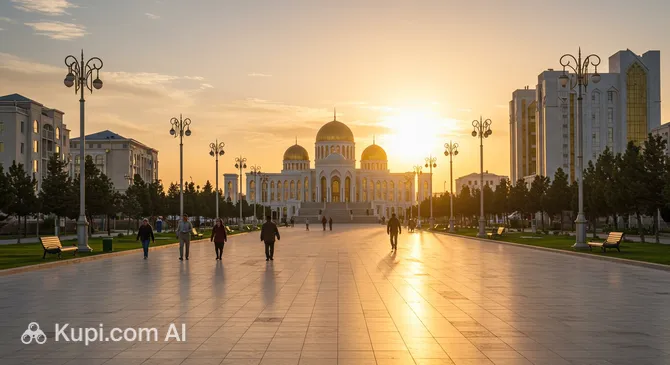
Dashoguz. Source: Kupi.Binoculars

For tourists, Dashoguz is primarily known as the main gateway to the ancient city of Konye-Urgench, a UNESCO World Heritage site located nearby. This archaeological treasure features stunning mausoleums and minarets that date back to the Khorezm Empire. Within Dashoguz itself, visitors can explore bustling local markets like the Bai Bazaar, where the colors and scents of fresh produce and traditional crafts offer a lively sensory experience.

Whether you are passing through on a Silk Road adventure or looking to explore the northern reaches of the country, Dashoguz provides a welcoming base. Its mix of historical significance and modern local culture makes it a worthwhile destination for any traveler.

Weather Overview

Dashoguz experiences a sharp continental climate, characterized by significant contrasts between the seasons. Visitors can generally expect hot, dry summers and cold winters, with very little precipitation throughout the year. For a more comprehensive breakdown of conditions for your specific travel dates, you can consult the detailed weather in Dashoguz page.

The summer months are intense, particularly in July, when the average temperature reaches 30.3°C and daily highs frequently peak around 37.2°C. This period is exceptionally dry, with virtually zero rainfall recorded from June through September. In contrast, the winter season brings a chill to the air; January sees average temperatures drop to -0.6°C, while December nights can get as cold as -5.0°C. Spring and autumn offer the most moderate weather, with May and September providing comfortable averages between 20°C and 23°C.

Interesting Facts

Beyond its role as a transit hub, Dashoguz conceals fascinating details that surprise many visitors, ranging from ancient legends to cosmic events.

  • The Legend of the Stone Pool: The city was historically known as Tashauz, a name derived from the words "Tash" (stone) and "Hauz" (pool). According to local folklore, the settlement was founded around a magical spring carved into solid rock, which served as a vital, life-saving oasis for caravans traveling along the Great Silk Road.

  • A Celestial Visitor: The region was the site of a significant astronomical event in 1998 when a massive meteorite crashed nearby. Weighing over 800 kilograms, it is one of the largest stony meteorites ever recovered in the Commonwealth of Independent States, and fragments of this "visitor" are now held in the national museum.

  • Home of a Medieval Genius: Just a short distance from the modern city lie the ruins of Izmukshir, the birthplace of the renowned 11th-century scholar Al-Zamakhshari. Known as the "Pride of Khorezm," he wrote seminal works on Arabic grammar and theology, and the fortress remains, with its deep moat and crumbling walls, are a testament to the area's deep intellectual history.

How to Get There

Reaching Dashoguz requires some logistical planning, as the city is located in the far north of Turkmenistan, immediately adjacent to the border. For a detailed guide on all available transport options and specific routes, you can read more about how to get to Dashoguz.

For international travelers, the most convenient entry points are often situated across the border in Uzbekistan. Urgench Airport (IATA: UGC) is a significant hub located in Urgench, approximately 62.9 km from Dashoguz. The transfer by road generally takes about 1.5 to 2 hours, though you must factor in variable time for border crossing procedures at the checkpoint. Another viable option is Nukus Airport (IATA: NCU), located in Nukus, roughly 76.6 km away. The journey from this airport typically takes over 2 hours, in addition to the time required to clear customs and immigration at the border.

For clarity, here is a summary of the closest airports:

Airport Name City Passenger Traffic Km from City
Urgench AirportUrgenchMedium62.9
Nukus AirportNukusMedium76.6

If you prefer traveling by train, there are several railway stations in neighboring Uzbekistan that facilitate access to the region. Shovot Railway Station is the closest option, located in the town of Shovot just 29.5 km from Dashoguz. While the physical distance is short, the transfer involves crossing the international border. Alternatively, you can arrive at Urgench Railway Station, which is 64.8 km away. Using these stations is a common strategy for travelers exploring the Silk Road, but always ensure you have the necessary travel documents for crossing between Uzbekistan and Turkmenistan.

Below is a list of the closest railway stations:

Station City Passenger Traffic Km to Center
Khiva Railway StationKhivaHigh61.5
Urgench Railway StationUrgenchMedium64.8
Nukus Railway StationNukusMedium71.9
Khodjeyli Railway StationKhodjeyliSmall76.7
Shovot Railway StationShovot29.5

Main Attractions

While Dashoguz is often viewed as a transit point, the city and its surroundings offer a compelling mix of historical depth and local culture. The attractions here range from bustling modern markets to the silent, majestic ruins of ancient empires, providing a comprehensive picture of the region's significance along the Silk Road.

Konye-Urgench is undoubtedly the premier attraction for anyone visiting the province. Although located about 100 kilometers from Dashoguz, the city serves as the primary base for exploring this UNESCO World Heritage site. Once the glorious capital of the Khorezm Empire, it is home to architectural masterpieces such as the towering Kutlug Timur Minaret and the intricate Turabek Khanum Mausoleum. Tourists are drawn here to walk among the remnants of a civilization that was once a center of Islamic learning and culture, offering a profound sense of history that is rare to find.

For those staying within the city limits, the Dashoguz Regional Local History Museum offers a fascinating dive into the area's heritage. The museum houses a diverse collection of artifacts, ranging from archaeological finds unearthed at nearby fortresses to ethnographic displays showcasing traditional Turkmen clothing, carpets, and jewelry. It is particularly interesting for its exhibits on local flora and fauna, as well as the history of the ancient city of Kunya-Urgench, giving visitors context before they visit the actual site.

To experience the vibrant daily life of the locals, a visit to Bai Bazaar is essential. This sprawling market is the economic heart of the city, where the colors, sounds, and scents of Turkmenistan come alive. It is an excellent place to observe local customs and purchase traditional handicrafts. Food lovers will find it especially appealing during the melon season, as the region is famous for growing some of the sweetest melons in Central Asia, particularly the renowned "gulyabi" variety.

Just a short drive south of the city lies the ancient fortress of Izmukshir, also known as Zamakhshar. These impressive ruins feature crumbling mud-brick walls and a deep moat that have survived for centuries. The site is historically significant as the birthplace of the great medieval scholar Al-Zamakhshari. For travelers, it offers a quieter, more atmospheric alternative to the larger tourist sites, allowing for a peaceful exploration of the region's ancient defensive architecture.

Local Cuisine

The local cuisine in Dashoguz is a flavorful reflection of its location near the Uzbek border, blending traditional Turkmen staples with distinct Khorezmian influences. Food here is hearty and meat-centric, designed to sustain locals through the region's sharp continental climate. The culinary experience is characterized by rich aromas, the generous use of cotton or sesame oil, and a deep respect for bread and tea culture.

No visit to Dashoguz is complete without trying the local variation of plov (pilaf). While popular throughout the country, the northern version is often prepared with a higher ratio of carrots and tender chunks of mutton or beef, sometimes cooked in sesame oil for a nutty undertone. Another "must-try" is ichlekli, a savory shepherd's pie filled with minced meat and onions, traditionally baked in hot sand or a clay oven. For a lighter but equally satisfying meal, look for manti, steamed dumplings served with sour cream or a spicy tomato sauce.

One of the city's biggest gastronomic claims to fame is its melons. Dashoguz Province is renowned across Central Asia for growing some of the sweetest and most aromatic melons in the world, particularly the Gulyabi variety. If you are visiting during the harvest season in late summer or autumn, tasting these "queens of melons" is an essential experience. They are often served as a refreshing dessert or dried for winter consumption, offering a taste of sunshine even in the colder months.

Bread, or chorekh, holds a sacred place on the Turkmen table. In Dashoguz, you will see round, golden loaves baked in traditional clay ovens called tamdyrs. It is customary to break bread with your hands rather than cutting it with a knife. To accompany your meal, green tea (gok chai) is the beverage of choice, consumed hot from small bowls (pialas) at any time of year. It is considered the best way to cool down in summer and warm up in winter. While alcohol is available in restaurants, the tea culture remains the dominant social ritual.

When it comes to dining out, the atmosphere is generally casual and welcoming. Tourists and locals alike often frequent chaikhanas (tea houses), where you can sit on elevated platforms covered with carpets and cushions. For the freshest ingredients and authentic street food, the bustling markets are the place to be. Here, you can find vendors selling somsa (meat pastries), fresh fruits, and hot bread straight from the oven, offering a true taste of the city's vibrant food scene.

Travel Tips

Visiting Dashoguz offers a unique adventure into the heart of Central Asia, but it is a destination that requires a bit more preparation than the average tourist spot. To help you navigate the local customs and logistics smoothly, here are some essential practical tips for your journey to Northern Turkmenistan.

  1. Dress for the Climate and Culture: The weather here is extreme; summers are scorching hot, so bring lightweight, breathable cotton clothing, a sun hat, and sunglasses. Winters are biting cold, requiring thermal layers and a heavy coat. regardless of the season, conservative dress is expected. Both men and women should cover their shoulders and knees, especially when visiting the holy sites at Konye-Urgench. Comfortable, closed-toe walking shoes are a must for exploring dusty archaeological ruins.

  2. Getting Around: Taxis are the most convenient way to navigate the city. There are no ride-hailing apps like Uber, so you will likely flag down a car on the street. It is standard practice to negotiate the fare before getting in. For trips outside the city, such as to the ancient ruins, "shared taxis" gathering at local transport hubs are the most common and economical option.

  3. Cash is King: Do not rely on credit cards or ATMs in Dashoguz, as international cards are rarely accepted and ATMs are often out of service or empty. You must bring sufficient cash in US Dollars (USD). Ensure your bills are crisp, clean, and printed after 2009, as banks and exchange offices may refuse worn or older notes. Exchange your dollars for Turkmen Manat (TMT) at official exchange points or hotels.

  4. Health and Hygiene: Avoid drinking tap water; always purchase bottled water for drinking and brushing your teeth. Pharmacies are recognizable by the green cross and the sign "Dermanhana," but it is highly recommended to bring a full supply of any personal prescription medications you need, as specific brands may not be available.

  5. Communication and Internet: The official language is Turkmen, but Russian is widely understood and serves as a lingua franca. English is not commonly spoken, so learning a few basic phrases in Russian or Turkmen can be very helpful. Be aware that internet access is heavily restricted, and many global social media apps and websites are blocked. Download offline maps and translation apps before you arrive in the country.

  6. Local Etiquette: Turkmens are known for their hospitality. A common greeting involves a handshake (for men) or a slight bow with the right hand placed over the heart. Bread is considered sacred in local culture; never place a loaf upside down on the table or leave it on the ground. If you are invited to a local home, take off your shoes at the entrance.

  7. Photography Rules: Be extremely cautious with your camera. It is strictly forbidden to take photos of government buildings, military installations, police officers, or airports. Doing so can lead to serious trouble with the authorities. Always ask for permission before taking portraits of locals, particularly in the bazaar.

  8. Tobacco Restrictions: Turkmenistan has some of the strictest anti-smoking laws in the world. Smoking is prohibited in most public spaces, including streets, parks, and outdoor squares. Only smoke in designated areas to avoid hefty fines.

By keeping these practicalities in mind, you can focus on the incredible history and culture that Dashoguz has to offer. Respect the local laws, stay hydrated, and enjoy the warm hospitality of this fascinating corner of the Silk Road.

Entertainment & Nightlife

Entertainment and nightlife in Dashoguz are characterized by a relaxed and hospitable atmosphere rather than a high-energy club scene. The city does not feature a dedicated nightlife district with rowdy bars or discos; instead, the evening culture revolves heavily around social dining, tea houses, and hotel restaurants. For tourists, this offers a chance to unwind in a quieter setting, enjoying hearty local food and conversation after a day of exploring the arid landscapes of the north.

The most popular venues for an evening out are typically located within the city's major accommodation hubs. Hotel Uzboy is a well-known establishment where visitors can find a bar and restaurant serving both local and European dishes, often accompanied by live music performances that feature traditional Turkmen melodies or regional pop. Another prominent spot is the Dashoguz Hotel, which offers a modern and comfortable setting for a late dinner or drinks. These venues attract a mix of local residents and international travelers, providing a safe and welcoming environment to experience local hospitality.

The atmosphere in these establishments is generally conservative yet friendly. The dress code is smart-casual; while there are no strict requirements, dressing neatly is appreciated by the locals. Most venues close relatively early compared to Western standards, often winding down around 11:00 PM or midnight. It is highly advisable to carry sufficient cash in Turkmen Manat, as credit cards are rarely accepted in bars or restaurants. Taxis are the most convenient way to get around at night; they are affordable and easy to flag down, though you should always agree on the price before starting your trip.

Regarding safety, Dashoguz is generally secure for tourists, even during the evening hours. The central streets are well-lit and calm, making them suitable for post-dinner strolls. However, it is prudent to stay in populated areas and avoid unlit backstreets or outskirts late at night. If you need to return to your accommodation from a restaurant, asking the staff to call a taxi for you is a reliable and safe option.

For daytime entertainment, the city offers cultural experiences that provide insight into the region's artistic heritage. The Nurmuhammet Andalib Music and Drama Theater is a key cultural landmark, hosting performances that showcase Turkmen musical traditions, folklore, and theatrical plays. Additionally, the city's parks offer pleasant green spaces for leisurely walks, serving as popular gathering spots where families and friends meet to socialize during the cooler afternoon hours.

Parks & Museums

Despite its location on the edge of the Karakum Desert in Turkmenistan, Dashoguz surprises visitors with its commitment to urban greenery. The city's planning integrates wide, tree-lined avenues and carefully maintained gardens that act as a shield against the arid climate. These green spaces are not just decorative; they are essential social hubs where locals gather to escape the heat, particularly in the evenings when the fountains are active and the air cools down.

Parks and Green Spaces

The most prominent example of the city's landscape architecture can be found around the Ruhyiet Palace. While the palace serves as a venue for official state events, its surrounding grounds are a public showcase of precision gardening. The area features pristine lawns, geometric flower beds, and ornamental shrubs that contrast sharply with the white marble buildings. It is a favorite spot for photography and quiet walks, offering a sense of order and tranquility in the heart of the city.

Throughout the city center, numerous fountains play a crucial role in the local microclimate. These water features are often the focal points of small parks and squares, providing a refreshing mist that lowers the temperature during the scorching summer months. Walking paths shaded by conifers and deciduous trees connect these spaces, creating a pleasant network for pedestrians who wish to explore the urban core on foot.

Museums

For those seeking to delve deeper into the region's heritage, the Dashoguz Regional Local History Museum stands as the city's primary cultural institution. As a dedicated repository for the province's treasures, it preserves a vast array of artifacts that might be missed during a casual tour. The museum offers a structured narrative of the area's development, housing collections that serve as an essential educational resource for understanding the depth of local history before exploring the ruins themselves.

Beyond the city limits, the concept of a museum expands into the landscape at the Konye-Urgench State Historical and Cultural Reserve. Functioning as a massive open-air museum, this UNESCO-listed territory protects the architectural legacy of the Khorezm Empire. Unlike a traditional gallery, this reserve allows visitors to walk among standing history, viewing the monuments in their original geographic context, preserved as a testament to medieval engineering and artistry.

Getting Around

The public transport system in Dashoguz is straightforward and functional, relying primarily on a network of state-run buses and fixed-route minibuses known as marshrutkas. Unlike larger capital cities, there is no metro, tram, or trolleybus network here. The city's bus fleet consists mostly of modern white or green vehicles that connect the residential districts with key locations such as the central markets, the railway station, and administrative buildings. For most tourists, these buses offer a reliable and authentic way to move around the main avenues.

When it comes to paying for your ride, simplicity is key. There are no complex digital travel passes, mobile apps, or contactless smart cards currently in use for visitors. Payment is made exclusively in cash, directly to the driver or a conductor if one is present. The fares are incredibly low by international standards, costing just a fraction of the local currency unit. It is essential to carry small denominations of the Turkmen Manat, as drivers may not always have change for large bills.

For a smooth experience, tourists should be aware that the public transport schedule is geared towards the daily rhythm of the locals. Buses typically start running around 6:00 AM and frequency drops significantly after 8:00 PM or 9:00 PM. Stops are marked, but in practice, minibuses may stop anywhere along their route if you signal them. When using a bus, it is customary to pay upon exiting. If you are unsure of the route, simply saying the name of a major landmark, like "Bai Bazaar," to the driver will usually get you a nod of confirmation or a gesture in the right direction.

Taxis serve as the most popular alternative to the bus system and are widely available throughout the city. You will find both official yellow taxis and private cars operating as informal cabs. Since there are no ride-hailing apps like Uber or Bolt, you simply flag a car down on the street. It is standard practice to negotiate and agree on the fare before getting into the vehicle. Taxis are an affordable and convenient option, especially if you are traveling with luggage or heading to the outskirts where bus service is less frequent.

While the city lacks exotic transport features like cable cars or funiculars, the "shared taxi" system is a unique characteristic of regional travel here. At major transport hubs, you will often find drivers waiting to fill their cars with passengers heading to the same destination, such as the ancient site of Konye-Urgench. This is a cost-effective way to travel longer distances while engaging with local residents, offering a communal travel experience that is distinct to the region.

Accommodation

Finding a place to stay in Dashoguz is a straightforward affair, though the options are more limited compared to the capital. The city's accommodation scene consists mainly of mid-range hotels that blend Soviet-era functionalism with modern Turkmen aesthetics. You will not find international luxury chains or typical backpacker hostels here; instead, the focus is on providing comfortable, standard lodging for tourists visiting the nearby UNESCO sites and business travelers passing through the region.

The most convenient area to stay is the city center. Choosing a hotel in this district places you within easy reach of local amenities like the Bai Bazaar, the regional museum, and the main dining spots. Staying centrally also makes it significantly easier to arrange transport, whether you are looking for a taxi to the airport or hiring a driver for a day trip to the ancient ruins of Konye-Urgench.

Among the specific options available, Hotel Uzboy is frequently cited as a popular choice for international tourists. It is distinct for its architecture, which pays homage to the Silk Road heritage with brickwork and design elements reminiscent of a traditional caravansarai. Another notable establishment is the Dashoguz Hotel, a prominent white-marble building typical of modern construction in the country. It offers spacious rooms and is often preferred for its relative modernity and reliability regarding basic amenities like hot water and air conditioning.

When it comes to booking, it is important to plan well in advance. Major global online booking platforms often do not list these hotels, or the availability shown may be inaccurate. The most reliable method is to book through a certified tour operator or travel agency as part of your overall travel package. In terms of pricing, accommodations generally fall into the mid-range category. Be prepared to pay for your stay in cash, as credit card terminals at front desks are often unavailable or out of service.

Nearby Cities

For those looking to explore the surroundings, Dashoguz serves as an excellent base for day trips to several interesting nearby locations:

City Population Distance (km)
Ashgabat 828100 453
Turkmenabat 408906 439
Mary 208682 497
Balkanabat 89785 541
Serdar 89582 444

While the vast distances of the Karakum Desert separate Dashoguz from other major urban centers, domestic flights make it possible to undertake short visits to some of the country's most significant cities. Ashgabat, the capital of Turkmenistan, is a striking destination known for holding the Guinness World Record for the highest density of white marble-clad buildings. A short flight allows travelers to witness its grand monuments, golden statues, and manicured parks, offering a sharp contrast to the historical architecture of the north.

Another compelling option for a cultural excursion is Mary. Located near the ancient oasis of Merv, this city serves as the gateway to one of the most important archaeological sites on the Silk Road. Visitors can explore the remnants of a city that was once among the largest in the world, wandering through the ruins of fortresses and mausoleums that date back millennia. The modern city of Mary also offers interesting museums and a glimpse into the industrial life of the country.

Turkmenabat, situated on the banks of the Amu Darya river, offers a different atmosphere. As the second-largest city in the country and a major hub near the Uzbek border, it has a lively trading spirit. It serves as a connecting point for those interested in the river's ecology and the agricultural heartland of the region, providing a greener, river-side contrast to the arid surroundings of Dashoguz.

These nearby destinations offer a glimpse into the diverse culture and landscapes of the region.

Shopping & Souvenirs

Shopping in Dashoguz is less about browsing high-end designer boutiques and more about immersing yourself in the authentic atmosphere of a Central Asian trading hub. The city serves as a commercial center for the northern region, where the shopping experience is defined by vibrant open-air markets and smaller, specialized stores. Visitors will find that the local commerce focuses heavily on fresh produce, traditional textiles, and household goods, offering a genuine glimpse into the daily lives of the Turkmen people.

The main shopping activity is concentrated around the central thoroughfares and the areas surrounding the major bazaars. The streets radiating from the city center are lined with small private shops selling everything from clothing and shoes to electronics and stationery. A stroll down these avenues allows tourists to find essential items and observe the local retail culture, which is often a mix of modern storefronts and traditional vendors displaying their wares on the sidewalk.

While Dashoguz does not feature massive, Western-style mega-malls, it has seen the development of modern "Trading Centers" (known locally as Söwda Merkezi). These indoor complexes offer a more contemporary shopping environment with air conditioning and a variety of departments under one roof. Here, you can find imported goods, cosmetics, and apparel in a comfortable setting, providing a contrast to the bustling energy of the outdoor markets.

The true heart of the city's shopping scene is undoubtedly Bai Bazaar. This sprawling market is the most interesting destination for tourists, serving as a sensory explosion of sights, sounds, and smells. It is divided into various sections, ranging from fresh fruits and vegetables to clothing and carpets. The food section is particularly famous for its incredible variety of melons, which are a regional pride. It is the perfect place to interact with friendly locals and practice your bargaining skills.

When looking for souvenirs to take home, the region's unique agricultural heritage offers a distinct option: dried melon. Dashoguz is renowned for its sweet melons, and the dried version is a popular, portable treat that captures the flavor of the sun. Other excellent keepsakes include traditional Turkmen handicrafts such as colorful wool socks, embroidered skullcaps (tahya), and silk fabrics known as keteni. If you are interested in purchasing a Turkmen carpet, be aware that this requires specific export certificates and receipts.

Opening Hours and Payment

Most shops and markets in Dashoguz generally operate from around 9:00 AM to 7:00 PM, though the bazaars are liveliest in the morning. Sunday is typically the busiest market day. It is crucial to know that cash is the only reliable payment method. Credit cards are virtually useless in local shops and markets. You will need to pay in Turkmen Manat, so ensure you have exchanged enough currency before heading out to shop.

Tax-Free

There is no tax-free or VAT refund system available for tourists in Dashoguz. All prices are final, and the concept of tax refunds for purchases does not apply in the local retail sector.
Nearby cities

Reached the end of the page?

That means the route is fully explored