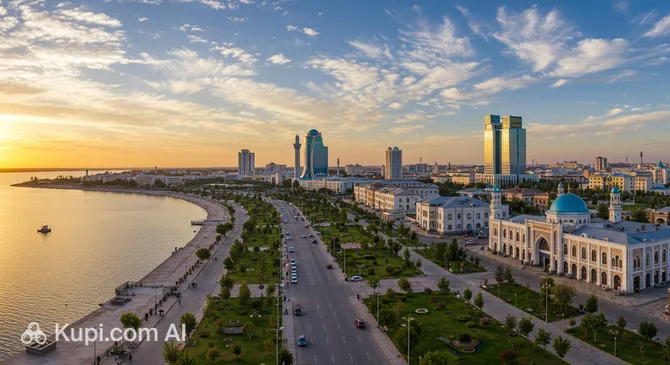
General Overview: Shopping in Turkmenabat offers a distinctively authentic experience that contrasts sharply with the polished, commercialized malls found in global capitals. Here, commerce is deeply rooted in tradition, revolving around bustling bazaars and local specialty stores rather than international chain retailers. The city is most famous for its agricultural bounty, particularly its world-renowned melons, which influence the local trade significantly. Visitors will find that shopping here is less about high fashion and more about discovering local craftsmanship, fresh produce, and the vibrant daily life of the Lebap region.
Main Shopping Areas: The city's retail activity is concentrated along its major thoroughfares, with Bitaraplyk Shayoly (Neutrality Avenue) serving as a primary artery. Walking along this wide, tree-lined street, tourists can find a variety of small shops selling clothing, electronics, and household goods. The area buzzes with activity during the day and offers a convenient way to browse for necessities while observing the local architecture. Another key area is the vicinity of the railway station, where smaller vendors and kiosks cater to travelers with snacks and travel essentials.
Shopping Malls: While traditional markets dominate, Turkmenabat has seen the emergence of modern retail spaces. The Lebap Shopping Center (Lebap Söwda Merkezi) is one of the most prominent modern complexes in the city. It provides a more climate-controlled environment compared to the open-air markets, housing various boutiques that sell textiles, shoes, and gifts. Although it may not rival the massive malls of Ashgabat in size, it serves as a key spot for locals to purchase imported goods and modern apparel.
Markets: The heart and soul of shopping in the city is undoubtedly the Dunya Bazaar (World Bazaar). As one of the largest markets in eastern Turkmenistan, it is a sprawling labyrinth of sights and smells. This is the best place to experience the "Melon Capital" reputation of the city; in late summer and autumn, entire sections are dedicated to piles of sweet melons and watermelons. Beyond fruit, the bazaar features sections for spices, dried fruits, colorful fabrics, and livestock, making it a photographer’s delight and a cultural immersion point.
Souvenirs: When looking for keepsakes, the most iconic item to bring back is dried melon (known locally as kak). It is a delicious, chewy treat that travels well and is unique to this region. For more lasting souvenirs, look for traditional Turkmen carpets and rugs, which are often sold in specialized sections of the bazaar or state shops. The Lebap region has its own distinct carpet patterns. Other excellent options include colorful wool scarves, traditional skullcaps (tahya), and hand-embroidered items that showcase local artistry.
Opening Hours and Payment: Business hours in Turkmenabat can vary. The large bazaars typically open very early, often around 6:00 AM, and remain active until sunset, though some stalls may close earlier in the afternoon. Formal shops and shopping centers usually operate from 9:00 AM to 8:00 PM. Cash is king in Turkmenabat. Credit cards are virtually useless in markets and most small shops, so it is essential to carry enough Turkmen Manat. Bargaining is standard practice in the bazaars and can be a friendly way to interact with locals, whereas prices in modern shops and state-run stores are generally fixed.
Tax-Free: Tourists should be aware that there is no tax-free or VAT refund system available for foreign visitors in Turkmenabat. The price you see or negotiate is the final price you pay. It is advisable to keep receipts for any significant purchases, especially carpets, as you may need to show them and a special export certificate when leaving the country.