Support

Kerki

About

Welcome to Kerki, a historically significant city situated in the eastern part of Turkmenistan. Nestled in the Lebap Region on the left bank of the mighty Amu Darya river, this city serves as a fascinating gateway to the region's cultural heritage. With a population of approximately 38,000 residents, it offers a quieter, more authentic atmosphere compared to the bustling capital, allowing travelers to experience the local rhythm of life.

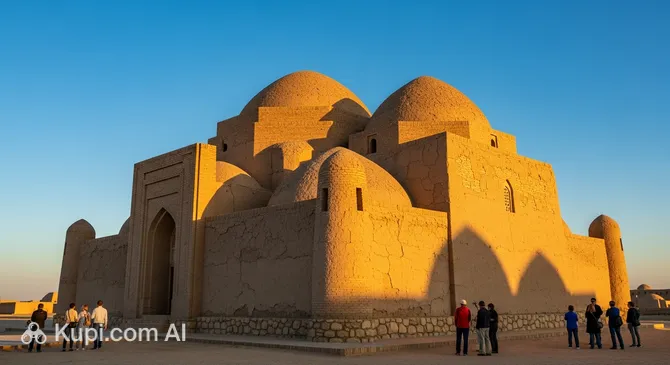
Kerki. Source: Kupi.Binoculars

The region is known for its deep historical roots and architectural treasures. Visitors interested in the past will find the history of Kerki captivating, as the city has long been a strategic point on ancient trade routes. One of the most prominent landmarks nearby is the Astana-Baba Mausoleum, a unique architectural complex that acts as a significant pilgrimage site. Another gem is the Allamberdar Mausoleum, which stands as a fine example of 11th-century Seljuk architecture.

Beyond its historical monuments, Kerki offers a distinct desert climate and the scenic beauty of the river valley. Whether you are exploring ancient tombs or simply enjoying the warm local hospitality, the city provides a memorable stop for anyone traversing this part of Central Asia. We invite you to discover the hidden gems of Kerki and immerse yourself in its timeless charm.

Weather Overview

Kerki features a distinct continental climate, characterized by scorching, dry summers and cool winters. To help plan your activities, it is useful to review the detailed weather in Kerki before your trip. Generally, you can expect intense heat with no rainfall mid-year, shifting to much cooler temperatures with occasional damp days during the winter months.

The summer season, spanning from June to August, is defined by high temperatures and aridity. Average daily temperatures hover between 30°C and 34°C, with maximums frequently reaching a sweltering 41°C in July. Rain is practically non-existent during this time, with zero wet days recorded, making hydration and sun protection essential for visitors.

In contrast, the winter period brings a refreshing chill to the region. January is typically the coldest month, with an average temperature of 5.3°C and lows dipping to around 0.4°C. While actual rainfall volume remains negligible at about 1mm, the winter and early spring months are relatively damper, with February seeing about 7 wet days compared to the completely dry summer.

Interesting Facts

Beyond the scenic river views and historical architecture, Kerki holds fascinating secrets that few travelers know about. From ancient mysteries buried beneath the soil to curious architectural anomalies, the city’s past is filled with intriguing stories.

  • The Mystery of the Empty Tomb: The 11th-century Allamberdar Mausoleum is a masterpiece of Seljuk architecture, but it hides a surprising secret: it contains no body. While local tradition claims it honors a standard-bearer of the Caliph Ali, archaeological excavations revealed that the crypt is empty. Historians believe it may have been built as a memorial cenotaph for the last Samanid ruler, who was never actually buried there.

  • The Legend of Mecca’s Clay: According to local lore, the famous Astana-Baba Mausoleum was almost never completed. Legend has it that the walls collapsed three times during construction until a grieving ruler, advised by a wise elder, mixed soil and water brought all the way from Mecca into the mortar. Only then did the structure stand firm, surviving centuries as a testament to this mystical engineering.

  • Ancient Zamm: Before it was Kerki, this settlement was known in antiquity as Zamm. It served as one of the most critical crossing points on the Amu Darya river for Silk Road caravans. Excavations at the local "Old Fortress" have uncovered layers dating back to the Achaemenid Empire, suggesting the city has been continuously inhabited for over 2,500 years.

  • The "Deaf Mountain" Etymology: The name "Kerki" itself is a subject of linguistic debate. Many scholars believe it is a Turkified version of the Persian phrase Karkuh, which translates to "Deaf Mountain." This likely referred to the city's original fortress, standing silent and imposing on the landscape.

  • A City of Two Names: Modern maps might confuse you, as the city was renamed Atamyrat in 1999 to honor the father of the first president of Turkmenistan. However, in 2017, the government officially restored its historic name, returning it to Kerki.

How to Get There

Reaching this historic city in the Lebap Region requires some planning, as it is situated away from the country's main international hubs. You can read more about how to get to Kerki in our detailed guide, but here is an overview of the nearest major transport connections available in the wider region.

For travelers arriving by air, the most relevant domestic option is Turkmenabad (CRZ). This airport is located in the city of Turkmenabat, approximately 198 km from Kerki. It handles a medium volume of passenger traffic and serves as a key gateway to eastern Turkmenistan. The journey by taxi or bus from Turkmenabat to Kerki typically takes about 5 hours and 20 minutes. Another geographically close option is Karshi Airport (KSQ), situated in Karshi, roughly 121 km away. While closer, it is located across the border, so travel time—estimated at around 3.5 hours—may vary depending on crossing procedures.

For clarity, here is a summary of the main airports in the vicinity:

Airport Name City Passenger Traffic Km from City
Bukhara AirportBukharaMedium226.1
TurkmenabadTurkmenabatMedium198.1
Mazar-I-Sharif AirportMazar-i-SharifMedium216.1
Termez AirportTermezSmall194.9
Karshi AirportKarshiSmall120.9

If you prefer traveling by rail, there are several stations in the surrounding region that can serve as transit points. You can arrive at the Karshi Railway Station in the city of Karshi, which is about 123 km from Kerki. From there, you can get a taxi or bus, which takes about 3.5 hours. Alternatively, the Termez Railway Station in Termez is located approximately 194 km away, offering another route for those navigating the broader Central Asian network.

Below is a list of the nearest railway stations:

Station City Passenger Traffic Km to Center
Karshi Railway StationKarshiLarge123.0
Boysun Railway StationBoysunSmall178.4
Darband StationBoysunSmall166.0
Termez Railway StationTermez194.4
Dehkanabad StationDehkanabad123.5

Main Attractions

A visit to Kerki is incomplete without exploring the Astana-Baba Mausoleum, located just a short drive from the city center. This revered architectural complex is not merely a historical monument but a living center of pilgrimage that has drawn visitors for centuries. The site is a fascinating ensemble of mosques and tombs constructed over different periods, creating a unique "museum" of styles. Travelers are often captivated by the spiritual atmosphere and the local legends surrounding the site, including stories of the miraculous healing powers attributed to the shrine.

For admirers of ancient architecture, the Allamberdar Mausoleum serves as a stunning example of 11th-century Seljuk design. Standing in solitary grandeur within the desert landscape, this structure is celebrated for its intricate decorative brickwork and monumental proportions. It represents the largest surviving building from the pre-Mongol era in northern Turkmenistan. The play of light and shadow on its textured facade provides excellent opportunities for photography, especially during the golden hours of sunrise or sunset.

Nature lovers will appreciate a stroll along the banks of the Amu Darya River. As the lifeblood of the region, the river offers a refreshing contrast to the arid surroundings of the Karakum Desert. The riverside area is a peaceful spot to watch the water flow and observe local fishermen at work. In the evenings, the setting sun reflects off the wide waters, creating a picturesque scene that highlights the natural beauty of the Lebap Region.

To truly immerse yourself in the local culture, a trip to the Kerki Bazaar is essential. This bustling market is the heartbeat of the city, where the vibrant colors and scents of the East come alive. Here, you can wander through rows of stalls displaying the region's famous sweet melons, dried fruits, and traditional handicrafts. It is the perfect place to interact with friendly locals, taste authentic Turkmen snacks, and find unique souvenirs to take home.

Local Cuisine

The culinary landscape of Kerki reflects the hearty traditions of Turkmenistan, enriched by the bounty of the Amu Darya river. Unlike many other parts of the country where meat dominates exclusively, this riverside city offers excellent freshwater fish dishes. Visitors should definitely try the local fried or grilled fish, typically carp or catfish, which is often served fresh and crisp, seasoned simply to highlight its natural flavor.

Meat, particularly mutton, remains a staple of the diet. The most iconic dish to try is plov (pilaf), a savory mixture of rice, carrots, onions, and tender chunks of meat cooked in large iron cauldrons. Another favorite is manti, large steamed dumplings filled with spiced minced meat and onions, usually enjoyed with a side of sour cream. For a quick and filling snack, look for somsa, a flaky pastry baked in a clay oven and stuffed with meat or pumpkin.

The Lebap Region is famous throughout Central Asia for its sweet, aromatic melons. If you are visiting during the harvest season, tasting a Guliaabi melon is an absolute must; its honey-like sweetness is a source of local pride. No meal is complete without chorek, the traditional round flatbread. Baked in a tamdyr (clay oven), this bread is considered sacred and is always broken by hand rather than cut with a knife.

Tea culture is central to social life in Kerki. Green tea (gok chai) is the beverage of choice, consumed hot from small bowls (pialas) before, during, and after meals, even in the summer heat. For a truly authentic local experience, adventurous travelers should try chal, a fermented camel milk drink. It has a unique sour taste and a slight fizz, known for being incredibly refreshing and healthy in the desert climate.

Dining in Kerki is a relaxed affair, often centered around the traditional choyhana (teahouse). These establishments are more than just places to eat; they are social hubs where locals gather on raised wooden platforms called tapchans to relax and converse. For a more bustling atmosphere, the local markets offer various street food options where you can eat shoulder-to-shoulder with residents, enjoying the authentic flavors of the region at very affordable prices.

Travel Tips

Preparing for a trip to Kerki requires a bit of foresight, especially given the unique characteristics of travel in the Lebap Region. These practical tips will help you navigate local customs and logistics, ensuring a smooth and enjoyable visit to this historic city.

  1. Clothing and Gear: Since the summers are intensely hot, lightweight, breathable cotton clothing and a wide-brimmed hat are essential for sun protection. In winter, you will need a warm coat and layers, as temperatures drop significantly. If you plan to visit religious sites like the Astana-Baba Mausoleum, remember to dress modestly; women should bring a headscarf, and both men and women should wear clothing that covers their shoulders and knees.
  2. Transportation: Kerki is a relatively small city, and the center is compact enough to explore on foot. For longer distances or trips to the mausoleums on the outskirts, shared taxis and private cabs are the most common and convenient options. There is no metro or tram system, and ride-hailing apps are not widely used here, so it is best to flag down a taxi and agree on the fare before starting your journey.
  3. Finances: Turkmenistan is largely a cash-based economy, and this is especially true in smaller cities like Kerki. The local currency is the Manat (TMT). International credit cards are rarely accepted outside of major hotels in the capital, so you must carry sufficient cash. Bring pristine, uncreased US dollars to exchange at official bank branches, as damaged notes are often rejected.
  4. Health and Safety: The city is generally very safe for tourists, with low crime rates. However, it is strictly advised to drink only bottled water to avoid stomach issues. Pharmacies (aptekas) are available in the city center, but they may not be open 24/7, so bring a supply of any prescription medications or basic first-aid supplies you might need.
  5. Communication: The primary language is Turkmen, and Russian is widely understood and used for inter-ethnic communication. English is not commonly spoken by the general public. It is highly recommended to download an offline translation app or carry a phrasebook. Buying a local SIM card (usually TM Cell) requires your passport and registration, and internet speeds can be slow, so plan for limited connectivity.
  6. Local Etiquette: Hospitality is a core value here. When greeting locals, a firm handshake is standard between men, often with the left hand placed over the heart as a sign of respect. It is polite to remove your shoes before entering a home or a mosque. If you are offered tea or bread, accept it graciously, as refusing food can be seen as impolite.
  7. What to Avoid: Be very cautious about photography. Strictly avoid taking photos of police officers, military personnel, government buildings, or airports, as this is prohibited and can lead to serious trouble. Also, avoid discussing sensitive political topics or criticizing the government in public conversations.
  8. Market Wisdom: If you visit the local bazaar, try to go early in the morning when the produce is freshest and the temperature is cooler. Bargaining is a normal part of the shopping experience for souvenirs or clothes, but it is less common for small food items.

By keeping these simple guidelines in mind, you can focus on the rich history and warm culture that Kerki has to offer. With a little preparation, your journey to the banks of the Amu Darya will be a comfortable and memorable adventure.

Entertainment & Nightlife

Nightlife in Kerki is a reflection of the city’s overall character: calm, traditional, and centered around social connection rather than high-energy partying. Unlike the bustling capital or larger tourist hubs, this riverside city does not feature a scene of loud nightclubs, discos, or 24-hour bars. Instead, the evening entertainment here is defined by relaxed dining, tea culture, and leisurely strolls under the starry desert sky. For travelers, this offers a unique opportunity to slow down and experience the authentic hospitality of the Lebap Region.

The heart of social activity after dark can typically be found in the city center and along the banks of the Amu Darya River. As the heat of the day subsides, locals flock to open-air spaces to enjoy the cooler evening air. The atmosphere is family-friendly and conservative; you will see groups of friends and families gathering for long dinners or tea sessions. There is no strict dress code, but given the traditional nature of the region, modest attire is respectful and recommended for both men and women when going out at night.

If you are looking for a place to spend your evening, the Kerki Central Bazaar area often remains lively into the twilight hours. While the main trade slows down, the surrounding eateries and snack stalls become hubs of activity where you can grab a quick bite. Another key spot is the Amu Darya Riverside Park, a favorite location for evening promenades. Here, you can find small seasonal cafes or "tapchans" (raised wooden platforms) where you can recline, sip green tea, and watch the moon reflect over the water.

For a more formal dining experience that might include music or a selection of beverages, the restaurant at the Hotel Kerki is one of the few established venues in town catering to visitors. It serves as a reliable spot for a sit-down meal featuring local Turkmen dishes and offers a comfortable environment for travelers to unwind. While it is not a "nightclub" in the Western sense, it is the closest you will find to a dedicated evening venue where you can enjoy a drink and conversation in a regulated setting.

Practical advice for enjoying your night out in Kerki revolves around timing and transportation. The best time to venture out is after sunset, around 8:00 PM, when the temperature becomes pleasant. Prices for food and entertainment are generally very affordable compared to larger cities. Getting around is best done by official taxi; you can usually flag one down on the main streets or ask your hotel reception to arrange a ride. Walking is safe in well-lit central areas, but it is always wise to stay on main routes and avoid unlit backstreets late at night.

Safety in Kerki is generally high, and the city is welcoming to tourists. However, it is important to respect local customs regarding alcohol; drinking is typically done in private homes or designated restaurants, not on the streets. If you need to return to your accommodation late, ensure you have the address written in Turkmen or Russian to show the driver.

While the nights are quiet, daytime entertainment in Kerki offers its own charm. Visitors can explore the local History Museum to learn about the region's past or visit the nearby architectural monuments. The city also features several small parks and green zones where you can relax during the cooler morning hours before the midday heat sets in.

Parks & Museums

While Kerki is primarily defined by its desert surroundings and historical architecture rather than lush botanical gardens, the city offers unique spaces where visitors can connect with nature and culture. The local approach to leisure combines the raw beauty of the river landscape with a deep appreciation for the region's storied past, evident in its museums and heritage sites.

The most significant natural asset of the city is undoubtedly the Amu Darya Riverbank. Serving as a lifeline in an arid region, the river's edge acts as a natural park where locals and visitors alike come to escape the heat. It is an excellent spot for birdwatching, as the water attracts various migratory species, or simply for enjoying a quiet walk along the water. The contrast between the wide, flowing river and the endless sands of the Karakum Desert creates a dramatic and memorable landscape that serves as the city's main outdoor recreation area.

Within the city limits, the Central City Park provides a green oasis amidst the urban environment. Typical of cities in Turkmenistan, this park features shaded pathways, fountains, and monuments dedicated to historical figures and World War II heroes. It is a popular gathering place for families in the evenings, offering a glimpse into the everyday social life of the residents in a relaxed, leafy setting.

For those looking to delve into the cultural narrative of the region, the Kerki History and Local Lore Museum is the primary institution to visit. This museum houses a modest but fascinating collection of artifacts that trace the city's evolution from the ancient settlement of Zamm to the modern day. Exhibits typically include archaeological finds from nearby fortresses, traditional Turkmen jewelry, carpets, and ethnographic displays that explain the customs and lifestyle of the Lebap people.

Although not a traditional museum building, the Astana-Baba Mausoleum functions as a vital open-air cultural complex. Located just outside the city, this site is a living museum of Islamic architecture and spirituality. It comprises a cluster of tombs and mosques dating back several centuries. Visitors can explore the intricate brickwork and domed structures while observing the traditions of pilgrims who travel here, offering a profound insight into the spiritual heritage of the area.

Another key historical landmark is the Allamberdar Mausoleum, a splendid example of 11th-century Seljuk architecture. Standing in isolation in the desert, this monumental structure is often treated as an architectural gallery by historians and art lovers. Its massive proportions and decorative brick facade highlight the engineering prowess of the pre-Mongol era, making it an essential stop for anyone interested in the history of the Silk Road.

For a truly authentic experience, try to visit the ruins of the Old Kerki Fortress. While much of it has eroded over time, the remaining earthworks offer a tangible connection to the city's strategic military past. Exploring these mounds provides a raw, unfiltered look at history that contrasts with the restored monuments, giving adventurous travelers a sense of discovery.

Getting Around

Public transport in Kerki is straightforward and functional, reflecting the compact nature of this riverside city. Unlike larger metropolises, there is no metro, tram, or trolleybus system here. Instead, the city relies entirely on a road-based network consisting primarily of state-run buses and fixed-route minibuses, known locally as marshrutkas. These vehicles serve as the backbone of urban mobility, connecting residential neighborhoods with key hubs such as the central bazaar, the railway station, and the hospital.

The buses are typically modern and air-conditioned, running on established routes with designated stops. However, the marshrutkas offer a more flexible and faster alternative. These minivans follow specific corridors but can often be flagged down anywhere along their route by simply waving your hand. They are popular among residents for their frequency and speed, although they can get quite crowded during peak morning and evening hours.

Payment for all forms of public transit is exclusively in cash. There are no electronic travel cards, mobile apps, or ticket vending machines in the city. Fares are incredibly affordable, usually costing just a few Manats. You simply pay the driver directly upon entering the bus or when exiting a minibus. It is highly convenient to carry small denominations of the local currency, as drivers may not always have change for large banknotes.

For tourists, navigating the system is relatively easy, but operating hours are limited. Public transport generally runs from early morning, around 6:00 AM, until sunset. After dark, the frequency of buses drops significantly, and finding a marshrutka becomes difficult. If you plan to be out late, you should arrange alternative transport in advance. Stops are not always clearly marked with signs or maps, so asking locals for the nearest boarding point is a practical strategy; residents are usually very helpful in pointing visitors in the right direction.

Given the limitations of the bus schedule, taxis are a widely used and inexpensive alternative. In Kerki, you will find both private taxis and shared taxis. Shared taxis are a common local practice where the driver picks up multiple passengers heading in the same general direction, splitting the cost. This is often the most efficient way to get around if you are in a hurry. Official taxis can be identified by their color, but many locals also operate informal taxi services. Always agree on the fare before getting into the car to avoid any misunderstandings.

Finally, due to the city's small size, walking is often the most pleasant option for exploring the center. Many of the main attractions, markets, and parks are located within a reasonable distance of each other. For excursions outside the city limits, such as visiting the mausoleums in the surrounding desert, hiring a private driver or negotiating a round-trip fare with a taxi driver is the standard and most reliable approach.
Accommodation

Accommodation options in Kerki are relatively limited, reflecting its status as a smaller provincial city rather than a major tourist hub. Travelers should manage their expectations, as the hospitality sector here is primarily geared towards local business travelers and pilgrims visiting the nearby mausoleums. You will not find international luxury chains or sprawling resorts; instead, the city offers a few functional state-run hotels and simpler guesthouses that provide basic but comfortable amenities for a short stay.

The most convenient area to stay is undoubtedly the city center. Choosing accommodation near the central bazaar or the main administrative buildings ensures that you are within walking distance of dining options, shops, and public transport connections. Staying centrally also makes it easier to catch a taxi or marshrutka for excursions to the historical sites on the outskirts, such as the Astana-Baba Mausoleum.

For those planning a visit, it is important to note that the booking process in Kerki differs significantly from global standards. Most local establishments are not listed on major international booking platforms. Therefore, the most reliable way to secure a room is through a registered travel agency in Turkmenistan or by contacting the hotel directly via phone. If you are traveling as part of a guided tour, your operator will typically arrange your stay in the best available facility, which is often the most stress-free option.

In terms of cost, accommodation in Kerki is generally very affordable. Prices typically fall into the budget to lower mid-range category. Payment is almost exclusively accepted in cash (Manat), so it is essential to have sufficient local currency on hand before you arrive, as credit card facilities are virtually non-existent in provincial hotels. Be prepared for a modest experience where hospitality is warm, but facilities are simple and traditional.

Nearby Cities

For those looking to explore the surroundings, Kerki serves as an excellent base for day trips to several interesting nearby locations:

The most compelling destination for nature lovers is Koytendag, located approximately 79 kilometers east of Kerki. This area is renowned for its spectacular landscapes, including the majestic Koytendag Nature Reserve, which houses the country's highest mountain peak. A true highlight here is the "Dinosaur Plateau," a world-famous site featuring hundreds of preserved prehistoric dinosaur footprints, making it a fascinating spot for adventurers and families alike.

For a change of pace, a visit to Turkmenabat offers a glimpse into the bustling life of the regional capital. Situated about 195 kilometers away along the banks of the Amu Darya, it is the second-largest city in Turkmenistan. Known for its vibrant markets and riverside promenades, Turkmenabat serves as a major cultural and transport hub where travelers can experience the modern rhythm of the Lebap Region.

Although it requires a longer journey, the city of Mary is a significant attraction for history enthusiasts. Located roughly 295 kilometers from Kerki, it is the gateway to the ancient city of Merv, a UNESCO World Heritage site. As one of the most important stops on the historic Silk Road, the vast ruins and mausoleums of Merv offer an unparalleled journey into the past.

City Population Distance (km)
Ashgabat828100605
Turkmenabat408906195
Dashoguz288000633
Mary208682295
Koytendag9847779

These nearby destinations offer a glimpse into the diverse culture and landscapes of the region.

Shopping & Souvenirs

Shopping in Kerki is an authentic experience that revolves around traditional trade rather than modern retail therapy. Visitors should not expect sprawling luxury malls or international designer boutiques here. Instead, the city offers a genuine glimpse into local life, where commerce is conducted in bustling markets and small, family-run shops. The shopping scene is functional and vibrant, catering primarily to the daily needs of the residents while offering travelers a chance to purchase fresh local produce and unique regional goods.

The main commercial activity is concentrated in the city center, particularly the streets surrounding the central market area. This district serves as the primary open-air shopping zone where you can find a variety of standalone stores selling everything from clothing and shoes to household electronics and mobile phones. A stroll through these streets allows you to observe the local fashion and trade culture up close, with goods often displayed on sidewalks to attract passersby.

While there are no Western-style mega-malls, Kerki does feature several smaller indoor shopping complexes known locally as "Savda Merkezi" (Trade Centers). These are typically two or three-story buildings housing a collection of independent boutiques and counters. They offer a more comfortable, air-conditioned environment compared to the outdoor stalls and are the best places to look for imported textiles, cosmetics, and general consumer goods.

The undisputed highlight of the city's shopping landscape is the Kerki Bazaar. This lively market is the soul of the community and a feast for the senses. Here, rows of stalls are piled high with the region's agricultural bounty. Travelers can browse through colorful sections dedicated to spices, nuts, and fresh vegetables. It is not just a place to buy food; it is a social hub where bargaining is expected, and friendly interaction with sellers is part of the transaction.

When it comes to souvenirs, the best items to bring back from Kerki are often edible. The Lebap Region is legendary for its sweet melons, and you can purchase excellent dried melon (kak), which makes for a delicious and portable gift. Other worthwhile purchases include locally grown almonds, dried apricots, and traditional Turkmen flatbreads (chorek), which are durable enough to survive a short journey. For non-food items, look for the traditional embroidered skullcaps (tahya) or simple local handicrafts often found in the bazaar's dry goods section.

Practicality is key when planning a shopping trip here. Most stores and market stalls operate from early morning, around 8:00 AM, and close by sunset or shortly after, typically around 7:00 PM. Sunday is often the busiest market day.

Payment is almost exclusively made in cash. Credit cards are rarely accepted outside of perhaps a few state-run institutions, so it is essential to carry enough local currency (Manat) in small denominations. Tax-free shopping or VAT refund schemes for tourists are not available in Kerki, so the price you negotiate or see on the tag is the final price.

Reached the end of the page?

That means the route is fully explored