Support

Samarkand

About

Samarkand is a city steeped in legend, often evoked as the glittering jewel of the ancient Silk Road. Renowned for its breathtaking Islamic architecture and scholarly heritage, it stands as one of the oldest continuously inhabited cities in Central Asia. Located in the valley of the Zarafshan River, this majestic city is the second-largest in Uzbekistan, serving as the capital of the Samarqand Region. With a population of approximately 546,000 people, it balances its historical grandeur with the vibrancy of a modern urban center.
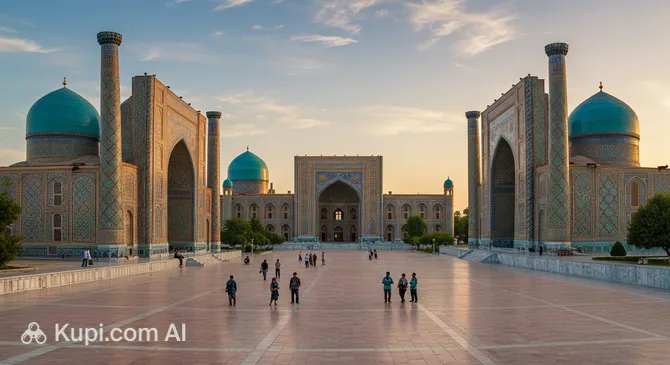
Samarkand. Source: Kupi.Binoculars

The city's atmosphere is a unique blend of ancient mystique and contemporary life. Exploring the history of Samarkand reveals a timeline that stretches back over 2,700 years, marked by the influence of diverse cultures and empires, including the reign of the great conqueror Timur (Tamerlane). The climate here is generally continental, offering distinct seasons that transform the cityscape, from blooming springs to crisp, golden autumns, making it a year-round destination for travelers seeking cultural immersion.

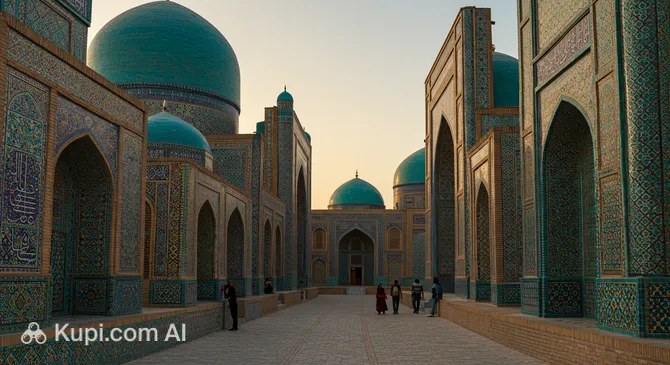
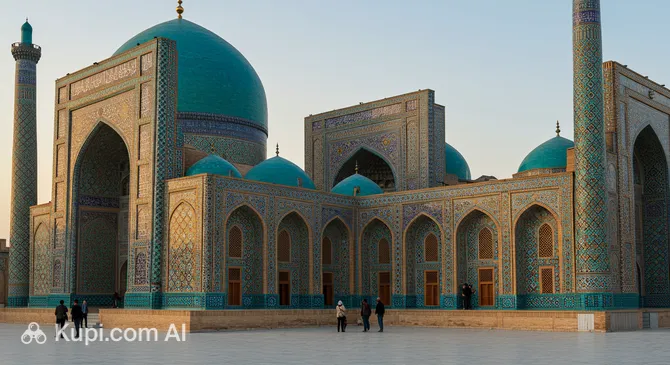
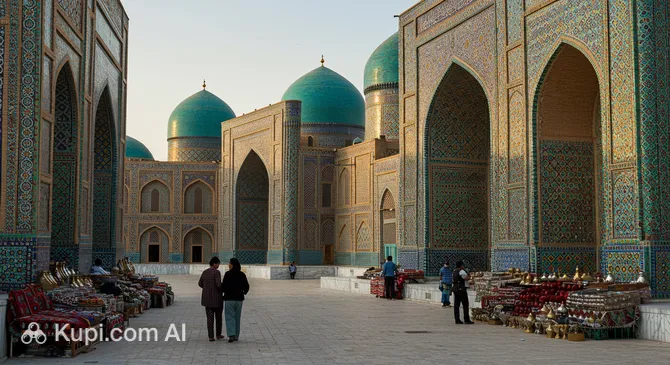
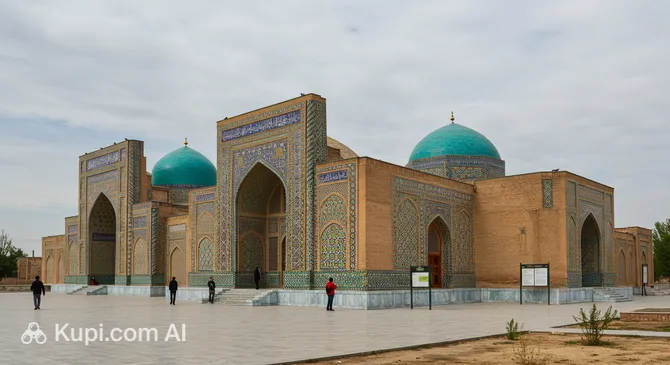
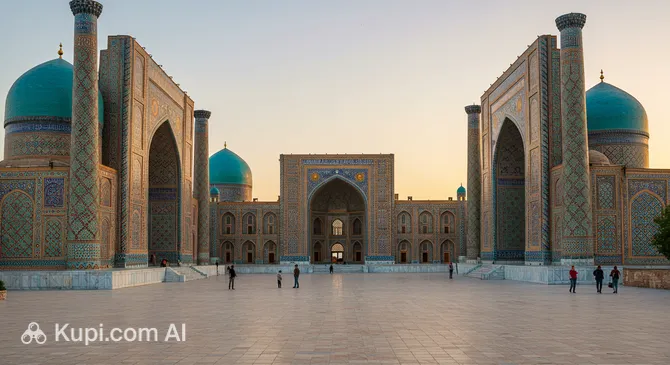
Visitors are inevitably drawn to the iconic Registan Square, a masterpiece of medieval architecture framed by three madrasas adorned with intricate tile work. The brilliant turquoise domes of the Gur-e-Amir Mausoleum and the stunning avenue of mausoleums at Shah-i-Zinda are other essential stops that showcase the artistic zenith of the region. Whether you are wandering through its bustling bazaars or gazing at its monumental structures, Samarkand promises an unforgettable journey into the heart of the East.
Weather Overview

The city experiences a distinct continental climate, characterized by significant differences between the seasons. Generally, visitors can expect hot, dry summers and cold winters, with milder, variable conditions during the spring and autumn months. To choose the best time for your journey, it is helpful to consult the detailed guide to the weather in Samarkand.

Summer is the peak of heat and sunshine, particularly from June to August. July is typically the hottest month, with an average temperature of 27.0°C and daily highs often reaching 34.2°C. Rainfall is virtually non-existent during this period, with months like July and August recording 0mm of precipitation and usually just a single wet day, ensuring clear blue skies for sightseeing.

Winter brings a sharp contrast, with temperatures dropping significantly between December and February. January is generally the coldest month, averaging 2.3°C, with lows dipping to -2.8°C. While not heavily snowy, the city does see more moisture during the cooler half of the year; March, for instance, is the wettest month with approximately 13 wet days. For a comfortable balance, late spring and early autumn are ideal, with May offering a pleasant average of 18.8°C and October providing crisp conditions around 13.7°C.

Interesting Facts

Beyond the majestic blue domes and bustling avenues, Samarkand holds fascinating secrets that often escape the casual observer. From ancient scientific marvels to enduring local legends, the city offers stories as intricate as its famous mosaics.
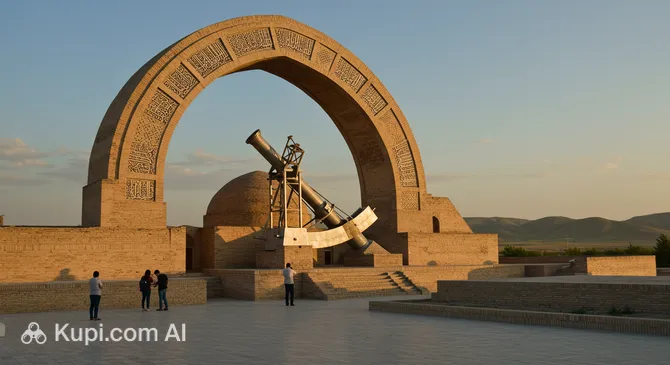
Ulugh Beg Observatory. Source: Kupi.Binoculars
  • The Growing Saint: The Khoja Daniyar Mausoleum houses a sarcophagus that is approximately 18 meters long. According to a popular local legend, the saint's body continues to grow even after death, requiring the tomb to be periodically extended over the centuries.

  • Astronomy Before Telescopes: In the 15th century, the Ulugh Beg Observatory was the center of the astronomical world. Without the aid of optical lenses, scholars here calculated the length of the sidereal year to be 365 days, 6 hours, 10 minutes, and 8 seconds—a figure that differs from modern electronic calculations by less than a minute.

  • The Legend of Samarkand Bread: The city is famous for its dense, round bread known as "non," which is said to possess unique properties due to the local air and water. It is widely believed that this bread, often sold fresh at the Siyob Bazaar, can remain edible for years without spoiling if stored correctly, a feat that bakers elsewhere have failed to replicate.

  • Birthplace of Paper in the Islamic World: Samarkand was the first city outside of China to manufacture paper. After acquiring the technology in the mid-8th century, the city became a major hub for paper production, eventually transmitting this revolutionary knowledge to the rest of the Islamic world and Europe.

How to Get There

Planning a trip to this historic city is the first step toward an unforgettable adventure. To help you organize your journey, you can read more about how to get to Samarkand and choose the route that suits you best. The city is well-connected by both air and rail, making it accessible for international and domestic travelers alike.

The most convenient entry point is the local Samarkand Airport (IATA: SKD), located just 5.7 km from the city center. As a major international hub with substantial passenger traffic, it welcomes flights from various destinations. The short distance to the downtown area means a taxi or bus ride typically takes around 29 minutes, allowing you to start your exploration almost immediately upon arrival.

Alternatively, you might consider flying into Karshi Airport (IATA: KSQ), situated in the city of Karshi. Although it is a regional airport, it serves as a viable option if direct flights to Samarkand are unavailable. It is located approximately 139.5 km from Samarkand. The journey by taxi from Karshi to Samarkand generally takes about 3 hours and 50 minutes, offering a scenic drive through the region.

For clarity, here is a summary of the main airports:

Airport Name City Passenger Traffic Km from City
Dushanbe AirportDushanbeLarge202.5
Samarkand AirportSamarkandLarge5.7
Karshi AirportKarshiMedium139.5
Navoi AirportNavoiMedium162.0
Zaamin AirportZominSmall139.7

Traveling by train is another popular and scenic way to reach the city. You can arrive directly at the Samarkand Railway Station, which is conveniently located just 5.0 km from the heart of the city. This station is a key node in the country's railway network. A taxi or bus from the station to the main tourist areas takes approximately 28 minutes.

If tickets to Samarkand are sold out, you might consider the Kattakurgan Passenger Railway Station in the city of Kattakurgan. It is about 68.9 km away from Samarkand. From there, you can catch a taxi or a bus to reach your final destination, a trip that usually takes around 2 hours.

Below is a list of the nearest railway stations:

Station City Passenger Traffic Km to Center
Jizzakh Railway StationJizzakhLarge90.0
Jizzakh Railway StationZominLarge90.9
Kattakurgan Passenger Railway StationKattakurganMedium68.9
Shakhrisabz Railway StationShakhrisabzMedium63.2
Samarkand Railway StationSamarkand5.0

Main Attractions

Samarkand is a treasure trove of architectural wonders, where every street corner seems to whisper tales of the Silk Road. The city's monuments are not merely ancient ruins but vibrant centers of history and culture that continue to captivate visitors from around the globe. Below are the essential sites that define the skyline of this majestic city.

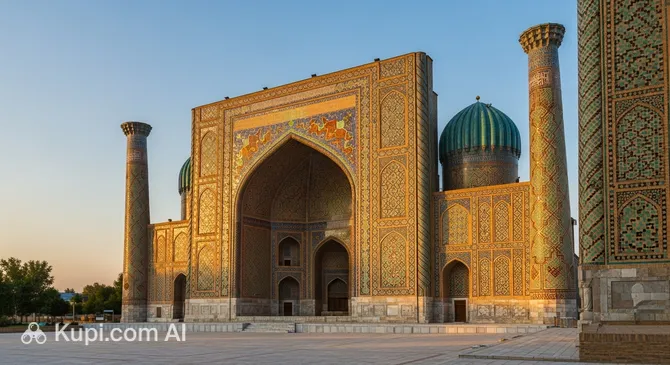
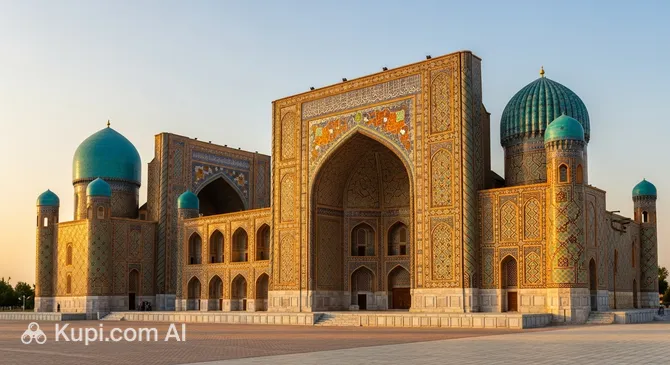
Undoubtedly the most famous landmark is Registan Square, the heart of the ancient city. This UNESCO World Heritage site is framed by three monumental madrasas: Ulugh Beg, Sherdor, and Tilya-Kori. Visitors are left in awe of the sheer scale of the structures and the intricate geometric patterns of the mosaic tiles. It is a perfect place to witness the grandeur of Timurid architecture and imagine the bustling trade and scholarship that once thrived here.

Registan Square. Source: Kupi.Binoculars

For a journey into the spiritual past, the Shah-i-Zinda ensemble is an absolute must-visit. Often referred to as the "Street of Mausoleums," this necropolis features a stunning avenue of tombs adorned with some of the finest glazed tilework in the Islamic world. The name translates to "The Living King," and the site offers a serene, photogenic walk through centuries of architectural evolution, with shades of turquoise and deep blue covering every surface.

Shah-i-Zinda. Source: Kupi.Binoculars

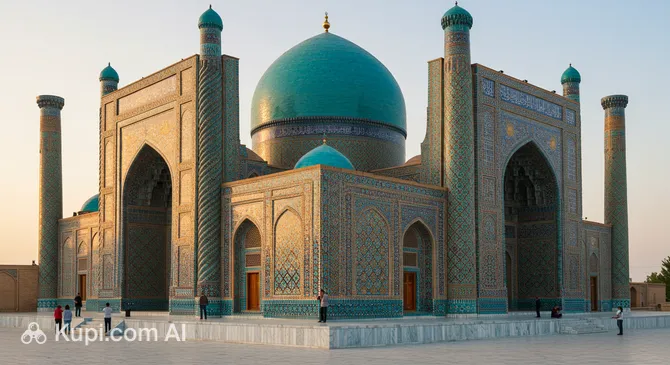
Another colossal masterpiece is the Bibi-Khanym Mosque. Built by Timur for his favorite wife, it was once one of the largest mosques in the Islamic world, designed to be a structure without parallel in the East. Although it sustained damage from earthquakes over the centuries, its massive blue dome and soaring entrance portal have been lovingly restored, allowing tourists to appreciate the ambitious engineering and romantic history behind its creation.

Bibi-Khanym Mosque. Source: Kupi.Binoculars

Finally, the Gur-e-Amir Mausoleum serves as the final resting place of the conqueror Amir Timur and his descendants. This architectural gem is renowned for its ribbed azure dome and an interior lavishly decorated with gold leaf and jade. Its design is said to have influenced later masterpieces, including the Taj Mahal, making it a site of immense historical and artistic significance.

Local Cuisine

The culinary landscape of Samarkand is as rich and layered as its history, offering a distinct variation of Uzbek cuisine that attracts food lovers from all over the world. At the heart of any meal is the legendary Samarkand Plov (Osh). Unlike versions found elsewhere in the country, this signature pilaf is cooked in distinct layers of meat, yellow carrots, and rice, which are typically mixed only upon serving. It is known for its light color and fragrant aroma, usually served with a side of fresh tomato and onion salad, known as achichuk, to balance the richness of the dish.

Another staple that defines the local table is the famous Samarkand Non. These round, dense loaves of bread are heavier and thicker than standard flatbreads, featuring a glossy, golden crust often sprinkled with sesame or nigella seeds. It is a symbol of the city and is so revered that locals believe it can remain edible for extended periods without spoiling. For a savory treat, visitors should try samsa, flaky pastries filled with minced lamb, onions, and spices, traditionally baked to perfection in a clay oven called a tandoor.

When it comes to beverages, tea is the lifeblood of social interaction here. Green tea, or ko'k choy, is the standard drink, served hot in handleless porcelain bowls called pialas alongside almost every meal. It is traditionally enjoyed in chaikhanas (teahouses), where friends gather to relax on raised wooden platforms known as tapchans. For those interested in alcoholic options, Samarkand has a long history of winemaking. Local wines, produced from the sun-drenched vineyards of the region, are well worth trying, alongside the widely available vodka.

Siyob Bazaar. Source: Kupi.Binoculars

To truly experience the vibrancy of the city's food culture, a visit to the Siyob Bazaar is essential. This bustling market is a sensory overload of colors and scents, offering mountains of dried fruits, nuts, spices, and oriental sweets like navat (crystal sugar) and halva. It is the best place to mingle with locals and taste fresh produce straight from the farmers. Whether you are grabbing a quick skewer of shashlik (grilled meat) from a street vendor or dining in a courtyard restaurant, the flavors of Samarkand promise an unforgettable gastronomic journey.

Travel Tips

Embarking on a journey to Samarkand is a step into a world of architectural grandeur and rich history, but a little preparation goes a long way in ensuring your trip is as smooth as it is mesmerizing. To help you navigate the nuances of local culture and logistics, here are some essential practical tips for your visit.

  1. Clothing and Gear: The climate in Samarkand is continental, meaning summers are intensely hot and winters can be quite cold. In summer, bring lightweight, breathable fabrics like cotton or linen, along with a hat and sunglasses. However, remember that Uzbekistan is a conservative country; when visiting religious sites like mosques and mausoleums, both men and women must cover their shoulders and knees. Comfortable walking shoes are a must, as you will cover significant distances on foot while exploring the vast monument complexes.
  2. Transportation: Getting around the city is affordable and convenient. While there is a network of buses and trams, the easiest option for tourists is to use taxis. Ride-hailing apps like Yandex Go are widely available, reliable, and eliminate the language barrier when negotiating fares. If you prefer to hail a taxi on the street, agree on the price before getting in. Car rental is generally not recommended due to local driving habits and road conditions.
  3. Finances: The local currency is the Uzbek Som (UZS). While credit cards (Visa and Mastercard) are increasingly accepted in major hotels and tourist-oriented restaurants, cash is still king in bazaars, smaller shops, and for transport. It is crucial to bring US dollars or Euros to exchange, but ensure your banknotes are crisp, clean, and free of any marks or tears, as banks and exchange offices often refuse damaged bills. ATMs are available but can occasionally run out of cash, so carrying a backup reserve is wise.
  4. Health and Safety: Samarkand is generally a very safe city for tourists, with a visible police presence in tourist areas. However, standard precautions against pickpocketing should be taken in crowded bazaars. In terms of health, do not drink tap water; always opt for bottled water, which is cheap and readily available. Pharmacies (marked as Dorixona) are common, but it is advisable to bring a basic first-aid kit and any specific prescription medications you need.
  5. Communication: The official language is Uzbek, but Russian is still widely spoken and understood, acting as a lingua franca. English is spoken by younger people and those in the tourism industry, but it is not universal. Downloading an offline translation app (like Google Translate or Yandex Translate) is incredibly helpful. You can easily purchase a local SIM card (from providers like Ucell or Beeline) at the airport or in the city center with your passport to stay connected.
  6. Local Etiquette: Uzbek people are incredibly hospitable. A common greeting involves placing your right hand over your heart and bowing slightly while saying "Assalomu Alaykum" (Peace be upon you). This gesture shows deep respect. If you are invited into a local home or enter a mosque, always remove your shoes. When sitting on the floor or a tapchan (raised platform), avoid pointing the soles of your feet at others or towards food.
  7. What to Avoid: Avoid taking photographs of military installations, airports, or security checkpoints, although rules have relaxed significantly in recent years. Be mindful of public displays of affection, which are generally frowned upon in conservative society. Also, avoid blowing your nose loudly in public, especially at the dinner table, as it is considered impolite.
  8. Shopping Insight: When visiting the famous Siyob Bazaar, bargaining is not just expected; it is part of the social interaction. Do not accept the first price offered for souvenirs, spices, or dried fruits. Negotiate with a smile and a friendly attitude—it is often seen as a conversation rather than a conflict.

By keeping these practicalities in mind, you will be free to fully immerse yourself in the magic of Samarkand without the stress of minor logistical hiccups. The city’s warm hospitality and stunning beauty await you, promising an adventure that is both comfortable and culturally enriching.

Entertainment & Nightlife

While Samarkand is revered for its ancient monuments, the city also offers a variety of leisure activities that allow visitors to unwind and experience modern Uzbek life. From exploring fascinating museums to enjoying the local dining scene, there are plenty of ways to fill your evenings and spare moments between sightseeing tours.

For those interested in delving deeper into the region's rich past, a visit to the Afrasiyab Museum is a culturally rewarding experience. Located near the ancient settlement, this museum houses a remarkable collection of archeological finds, including the famous 7th-century frescoes depicting the reception of foreign ambassadors. It provides a captivating narrative of the city's history before the Mongol conquest, offering a scholarly break from the outdoor heat.

Afrasiyab Museum. Source: Kupi.Binoculars

Just next to the museum lies the archaeological site of Ancient Afrasiab (Maracanda). Wandering through these hilly ruins offers a unique perspective on the city's origins. It is a quiet, atmospheric place perfect for a contemplative walk, where you can imagine the bustling life of the Sogdian capital that once stood here. The panoramic views from the hills, especially at sunset, provide a stunning backdrop of the modern city and its turquoise domes.

Shopping is another form of entertainment in Samarkand, with the bustling Siyob Bazaar being the center of action. Beyond its food stalls, the market is an excellent place to hunt for souvenirs, including traditional ceramics, embroidered textiles (suzani), and local handicrafts. Bargaining here is a friendly game and a great way to interact with local merchants.

When the sun sets, the city's dining scene comes alive, offering both traditional and international flavors. For a taste of authentic local dishes in a pleasant atmosphere, Shokhrukh Nur is a popular choice among locals and tourists alike, known for its hearty portions and hospitality. Alternatively, if you are looking for a change from Uzbek cuisine, Arirang offers excellent Korean dishes, reflecting the culinary diversity introduced by the Koryo-saram community in Uzbekistan.

Parks & Museums

Beyond its monumental architecture, Samarkand offers verdant retreats and insightful museums that provide a deeper understanding of its layered history. The city's urban planning, characterized by leafy avenues and carefully maintained gardens, creates a pleasant contrast to the desert heat, while its museums safeguard the scientific and artistic achievements of the Timurid era.

One of the city's most cherished green spaces is University Boulevard. This long, shaded promenade is lined with towering ancient plane trees (chinars) that form a natural green tunnel, offering a cool respite during the hot summer months. It is a favorite spot for students and locals to stroll, separating the old Russian quarter from the ancient Timurid city. Nearby, the Alisher Navoi Central Park serves as the main recreational hub, featuring walking paths, fountains, and leisure attractions for families.

For a unique blend of nature and spirituality, the area around the Khoja Daniyar Mausoleum is a must-visit. Located on the banks of the Siab River, this site is nestled among lush greenery and ancient pistachio trees. A natural spring at the foot of the hill is believed to have healing properties, and the sound of flowing water combined with the tranquil garden setting makes it one of the most peaceful places in Samarkand.

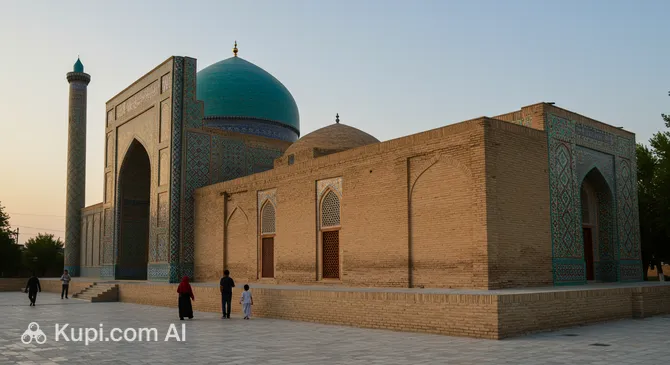
Khoja Daniyar Mausoleum. Source: Kupi.Binoculars

When it comes to museums, the Ulugh Beg Observatory stands out as a testament to medieval scientific brilliance. While the main attraction is the preserved underground section of the giant sextant, the complex includes a dedicated museum. Here, visitors can explore exhibits detailing the astronomical charts, instruments, and manuscripts produced by Ulugh Beg and his scholars, illustrating how they mapped the stars with astonishing accuracy long before the invention of the telescope.

Another fascinating cultural venue is the Tilya-Kori Madrasah, located within the Registan ensemble. While it functions as part of the historic square, its interior houses a museum that often surprises visitors. The name "Tilya-Kori" means "Gilded," and the main hall is a breathtaking display of gold-leaf decoration. The madrasa cells have been converted into exhibition spaces showcasing restoration efforts, old photographs of the city, and traditional craftsmanship, allowing you to step back in time and see the intricate details of 17th-century artistry.

Tilya-Kori Madrasah. Source: Kupi.Binoculars

For a panoramic view combined with history, the Hazrat Khizr Mosque offers a gallery-like experience. Perched on a hill opposite the Siab Bazaar, it features a beautiful terrace with intricate wooden columns and painted ceilings. It is not a traditional museum, but its architecture and the vantage point it provides over the ancient city make it a significant cultural landmark for anyone appreciating photography and design.

Getting Around

Navigating Samarkand is relatively straightforward and affordable, offering visitors a few reliable options to move between the historic sights and the modern parts of the city. While the city does not have a metro system like the capital, it boasts a functional network of buses, trams, and minibuses (known as marshrutkas). For most tourists, the public transport system is a convenient way to travel from the railway station to the main tourist hubs, such as the ancient bazaars and architectural complexes.

A unique feature of the city's transport infrastructure is its tram network. Reintroduced in 2017, the electric trams provide a smooth and scenic ride through key thoroughfares. There are currently two main lines: Line 1 connects the Railway Station to the Siyob Bazaar (near Registan Square), and Line 2 runs from the Railway Station to the Siyob Bazaar via a different route or towards other residential districts. Riding the tram is not only practical but also offers a charming way to see the city's daily life unfold through large windows.

Buses and marshrutkas cover a much wider area, reaching corners of the city that the tram lines do not serve. Buses are generally larger and slower, while the yellow or white minibuses are faster and stop on demand. Stops are usually marked, but in practice, you can often flag down a marshrutka by waving your hand along the route. Inside, these vehicles can get quite crowded during peak hours, so be prepared for a lively, authentic local experience.

The payment system is predominantly cash-based. You typically pay the driver or a conductor directly; for buses and trams, this often happens upon entering or while seated if a conductor approaches you, whereas in marshrutkas, payment is usually made to the driver upon exiting. Fares are extremely low, typically costing just a few thousand local currency units (sums). While some modern payment card systems are being tested, it is highly recommended to carry small denominations of cash (coins or small notes) to avoid issues with change.

Public transport generally operates from early morning, around 6:00 AM, until approximately 9:00 PM or 10:00 PM. After these hours, services become infrequent, and you will likely need to rely on alternative methods. There are no strict timetables displayed at every stop, but intervals between vehicles are usually short during the day, rarely exceeding 10 to 15 minutes for popular routes.

For those seeking more comfort or traveling late at night, taxis are the most popular alternative. Ride-hailing apps like Yandex Go operate efficiently in the city, offering fixed prices and eliminating the need to haggle or overcome language barriers. If you choose to hail a taxi from the street, always agree on the fare before getting into the car. The city center is also quite walkable, and many of the major historical monuments are located within a reasonable distance of each other, making walking a pleasant option in good weather.

Accommodation

Where to Stay:

Samarkand offers a diverse array of accommodation options that cater to every type of traveler, blending traditional Uzbek hospitality with modern comfort. The city’s lodging landscape has expanded significantly in recent years, ranging from charming family-run guesthouses tucked away in the narrow alleys of the Old City to larger, contemporary hotels that provide international standards of service. Whether you are a backpacker seeking a budget-friendly hostel or a luxury traveler looking for a boutique experience, you will find a place that suits your needs.

For those who wish to be in the thick of the action, the most popular area to stay is within walking distance of the historic monuments. Accommodation located near the iconic Registan Square or the Gur-e-Amir Mausoleum allows you to explore the major sights on foot and soak up the magical atmosphere of the ancient streets, especially in the evening when the domes are illuminated. Many of these properties are traditional B&Bs featuring beautiful inner courtyards, carved wooden columns, and breakfast spreads that include fresh local fruits and breads.

Gur-e-Amir Mausoleum. Source: Kupi.Binoculars

Alternatively, the "European" or Russian part of the city, centered around University Boulevard, offers a different vibe. This area is characterized by wide, tree-lined avenues and parks, providing a quieter and greener environment. It is an excellent choice for travelers who prefer modern infrastructure and easy access to restaurants and shops, while still being just a short taxi ride away from the main tourist attractions.

In terms of pricing, Samarkand is generally very affordable compared to Western destinations. Budget travelers can find beds in hostels or simple rooms in guesthouses for approximately $15 to $30 per night. Mid-range options, which often include boutique hotels with traditional decor and modern amenities, typically range from $40 to $80. Luxury or high-end hotels are available but fewer in number, with prices usually starting above $100 per night.

Booking Tip: Samarkand is a major tourist hub on the Silk Road, and the best properties fill up quickly, particularly during the peak seasons of spring (April-May) and autumn (September-October). It is highly recommended to book your accommodation at least a few weeks in advance to secure your preferred location. While major online booking platforms are widely used and reliable, some smaller family-run guesthouses also accept direct bookings or walk-ins, though availability cannot be guaranteed.

Nearby Cities

For those looking to explore the surroundings, Samarkand serves as an excellent base for day trips to several interesting nearby locations. The region offers a mix of historical significance and natural beauty that complements the grandeur of the city itself.

One of the most popular destinations is Shakhrisabz, located south of Samarkand across a scenic mountain pass. Known as the birthplace of Amir Timur, this UNESCO World Heritage city is home to the ruins of the colossal Ak-Saray Palace, which was once intended to be the grandest of all Timurid constructions. It offers a quieter, greener atmosphere compared to Samarkand, allowing visitors to explore its mausoleums and mosques at a relaxed pace.

For a taste of local life and nature, Urgut is a fantastic option situated at the foot of the Zeravshan Mountains. It is famous for its sprawling bazaar, often cited as one of the best places to buy traditional suzani textiles and handicrafts. Additionally, the town is known for the mystical Chor-Chinor garden, a serene grove of ancient sycamore trees that are centuries old, some of which are hollow enough to step inside.

Another interesting stop is Jizzakh, a regional hub that serves as a gateway to the beautiful Zaamin National Park. While the city itself is modern, it is legendary across Uzbekistan for its "Jizzakh Samsa"—enormous, meat-filled pastries that are a culinary must-try for any food enthusiast traveling through the area.

City Population Distance (km)
Jizzakh 163,200 94
Shakhrisabz 100,300 67
Urgut 99,675 35
Kattakurgan 86,745 65
Oktosh 41,600 91

These nearby destinations offer a glimpse into the diverse culture and landscapes of the region, making them perfect for short excursions to enrich your travel experience.

Shopping & Souvenirs

Shopping in Samarkand is an experience that transports you back to the days of the Silk Road. The city is not defined by modern shopping malls, but rather by its vibrant bazaars and the exquisite craftsmanship of its artisans. The epicenter of local trade is undoubtedly the Siyob Bazaar, located adjacent to the Bibi-Khanym Mosque. It is the oldest and largest market in the city, offering a sensory overload of colors, sounds, and scents.

At the bazaar, you can purchase the famous Samarkand non (bread), which is renowned for its dense texture and ability to stay fresh for a long time. The market is also the best place to find high-quality dried fruits, apricots, almonds, and oriental sweets like navat (crystalized sugar) and halva. Be prepared to bargain, as it is a customary part of the buying process and often leads to friendly exchanges with the sellers.

Beyond culinary delights, the city is famous for its traditional handicrafts. One of the most sought-after souvenirs is suzani, a decorative embroidered textile traditionally used as a wall hanging or bed cover. Each piece features intricate patterns of pomegranates, flowers, and vines, symbolizing fertility and life. You can also find beautiful gold embroidery and leather goods, crafts that have been perfected in the region for centuries.

One unique feature of Samarkand is that many souvenir shops are located directly inside the historical monuments. As you explore Registan Square, you will find that the former student cells of the madrasas have been converted into small artisan workshops. The Sherdor Madrasah, for instance, hosts numerous craftsmen offering musical instruments, miniatures, and painted ceramics, allowing you to buy directly from the artists.

Sherdor Madrasah. Source: Kupi.Binoculars

For a truly unique memento, look for Samarkand silk paper. Reviving an 8th-century technology, local masters produce this durable, glossy paper from mulberry bark. It is used to create stationery, masks, and dolls, making for a lightweight and historically significant gift. Additionally, the city is known for its hand-knotted silk carpets, which are prized for their quality and can be found in specialized galleries throughout the old city.

Finally, do not miss the opportunity to explore the local wine culture. Samarkand has a long history of viticulture, and you can find local wines and cognacs in specialized shops. The Bagizagan winery is particularly well-known, and a bottle of their local vintage makes for an excellent gift to take home.

Reached the end of the page?

That means the route is fully explored