Support

Tashkent

About

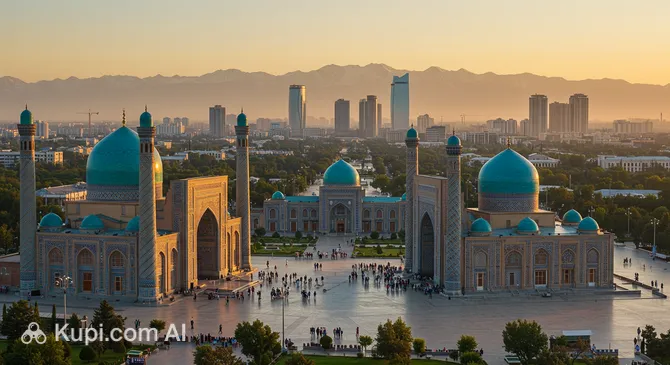
Welcome to Tashkent, the sun-drenched capital that serves as the economic and cultural heart of Uzbekistan. As the largest city in Central Asia, with a population of over 2.5 million people, it is a bustling metropolis that perfectly balances the charm of ancient traditions with the energy of a modern urban center. The city is known for its broad avenues, abundant greenery, and a unique architectural mix of Soviet-era structures and modern glass buildings.

Tashkent. Source: Kupi.Binoculars

The history of Tashkent stretches back over 2,000 years, evolving from a vital stop on the Great Silk Road into the sophisticated hub it is today. While the city has transformed significantly over the centuries, particularly after the 1966 earthquake, it retains a deep connection to its past. Visitors can still experience this heritage at the Khast Imam Complex, the spiritual center of the city which houses one of the oldest Qurans in the world.

One of the city's most vibrant attractions is the Chorsu Bazaar, a massive market under a distinct blue dome where the air is filled with the aroma of freshly baked bread and exotic spices. Travelers also marvel at the Tashkent Metro, famous for being one of the most beautiful subway systems globally, with stations resembling underground palaces adorned with marble and chandeliers. Whether you are strolling through its peaceful parks or enjoying a plate of traditional plov, Tashkent offers a warm and inviting start to your Central Asian adventure.

Weather Overview

Tashkent experiences a continental climate characterized by distinct seasons, ranging from scorching summers to chilly winters. The city enjoys plenty of sunshine throughout the year, but the temperature fluctuates significantly between the seasons. To plan your trip effectively, it is helpful to check the weather in Tashkent before you pack.

Summers are typically hot and dry, with July being the warmest month, featuring an average temperature of 28.6°C and daily highs reaching up to 36.3°C. Rainfall is virtually non-existent during the peak summer months of July, August, and September. In contrast, winters are much cooler, with January seeing average lows of -3.6°C. Spring is generally mild but wetter, particularly in March, which usually has the highest number of wet days.

Overall, you can expect hot, dry summers perfect for exploring the city's parks, and cold winters that may require a warm coat. The transitional seasons of spring and autumn offer pleasant temperatures, though spring travelers should be prepared for occasional showers.

Interesting Facts

Beyond the main attractions and historical sites, Tashkent holds many fascinating secrets and unique features that often surprise visitors. From record-breaking architecture to culinary feats, the city offers a layer of depth that goes beyond the typical guidebook descriptions.
Tashkent Television Tower. Source: Kupi.Binoculars
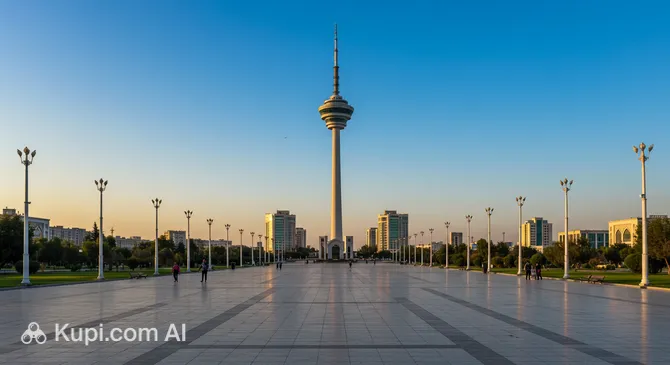
  • The city skyline is dominated by the Tashkent Television Tower, which holds the title of the tallest structure in Central Asia. Standing 375 meters high, it is designed to withstand severe earthquakes and features a revolving restaurant where diners can enjoy a 360-degree view of the metropolis while the floor completes a full rotation every hour.

  • Tashkent is home to a unique culinary landmark known as Besh Qozon, or the Central Asian Plov Center. Here, the national dish is prepared in gigantic cast-iron cauldrons (kazans) capable of feeding thousands of people at once, offering a spectacular view of the cooking process that begins early in the morning.

  • Despite being located in an arid region, the city is an oasis of water features. Tashkent boasts an extensive network of fountains and small irrigation canals known as "aryks" running along the streets. This system acts as a natural air conditioner, significantly lowering the ambient temperature during the scorching summer months.

  • The name "Tashkent" literally translates to "Stone City" (from "Tosh" meaning stone and "Kent" meaning city). This moniker, adopted around the 11th century, symbolized the city's resilience and strength as a fortified trading hub on the Silk Road, even though much of its historical architecture was originally constructed from clay and mudbrick.

How to Get There

Reaching the capital of Uzbekistan is relatively straightforward, as it serves as the primary transport hub for the entire country. Whether arriving by air from international destinations or by train from neighboring regions, visitors have several convenient options. For detailed planning, you can read more about how to get to Tashkent and choose the route that best suits your itinerary.

The most convenient gateway for international travelers is Yuzhny Airport (IATA: TAS), located directly in Tashkent, just 5.8 km from the city center. As the country's main aviation hub with high passenger traffic, it connects the capital to major cities worldwide. The journey to the center is quick, taking approximately 30 minutes by taxi or bus. Another option for regional travelers is Shymkent Airport (IATA: CIT). However, please note that this airport is located in the city of Shymkent (Kazakhstan), about 120 km away from Tashkent. Traveling from there involves a longer ground transfer, taking around 3 hours and 20 minutes.

For clarity, here is a summary of the main airports in the vicinity:

Airport Name City Passenger Traffic Km from City
Yuzhny Airport Tashkent High 5.8
Shymkent Airport Shymkent Medium 119.9
Khujand Airport Khujand Medium 126.4
Kokand Kokand Small 175.2
Zaamin Airport Zomin Small 159.0

Tashkent is also a major railway junction in Central Asia, making train travel a popular choice for those already in the region. The city is served by Tashkent Central Passenger Station, located just 4.1 km from the heart of the city. This station handles a massive volume of passengers and is a key stop for high-speed trains. Another significant terminal is Tashkent South Station, situated 4.6 km from the center. Both stations are well-connected to the city's public transport network, ensuring a smooth transfer to your accommodation in about 25 to 30 minutes.

Below is a list of the nearest railway stations serving the area:

Station City Passenger Traffic Km to Center
Tashkent Central Passenger Station Tashkent Very High 4.1
Tashkent South Station Tashkent High 4.6
Saryagash Railway Station Keles Medium 20.1
Angren Station Angren Medium 78.2
Darbaza Station Keles Medium 32.4

Main Attractions

Tashkent is a city where centuries of history blend seamlessly with modern life, offering travelers a diverse range of sights to explore. From bustling ancient markets to serene religious complexes and grand squares, the city's landmarks tell the story of its evolution along the Silk Road. Below are some of the most captivating places you should not miss during your visit.

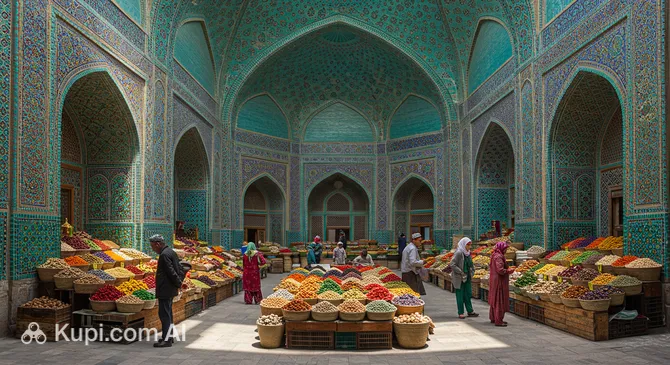
No visit to the capital is complete without experiencing the vibrant atmosphere of Chorsu Bazaar. Located in the heart of the Old City, this traditional market is recognizable by its massive turquoise dome. Underneath, you will find a labyrinth of stalls overflowing with aromatic spices, dried fruits, nuts, and fresh produce. It is an excellent place for tourists to taste local delicacies, purchase authentic souvenirs, and observe the lively daily life of the locals.

Chorsu Bazaar. Source: Kupi.Binoculars

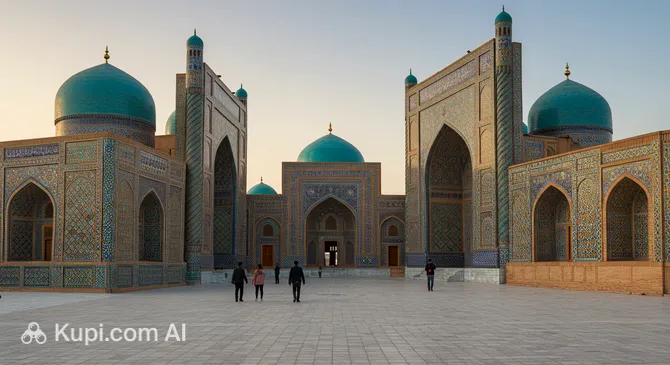
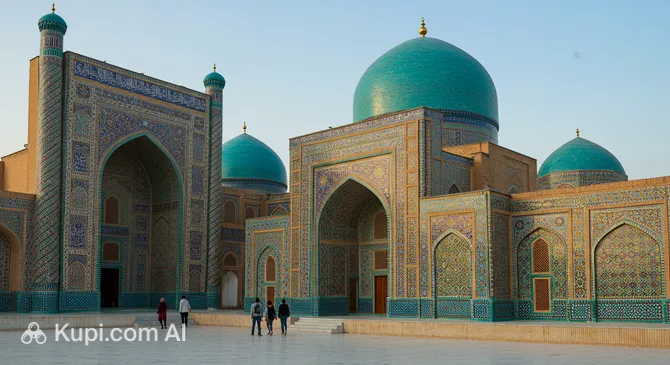
For a deep dive into the region's spiritual and architectural heritage, the Hazrati Imam Complex is a must-see. This grand ensemble includes several madrasahs and mosques, but its most famous treasure is the library housing the Uthman Quran, considered one of the oldest surviving manuscripts of the Quran in the world. The complex, with its beautifully tiled facades and peaceful courtyards, offers a profound sense of history and tranquility.

Hazrati Imam Complex. Source: Kupi.Binoculars

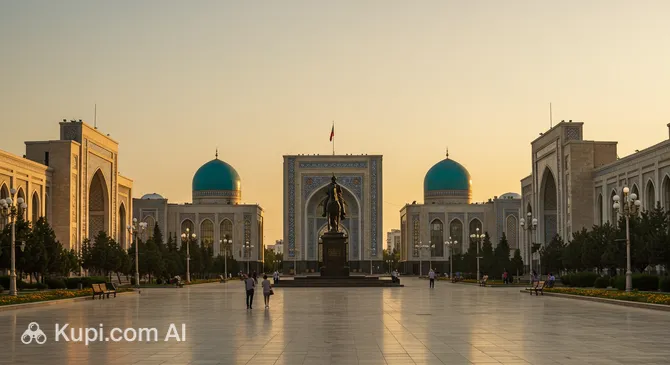
At the center of the modern city lies Amir Timur Square, a green oasis dominated by a majestic statue of the famous conqueror Amir Timur. Surrounded by significant buildings like the Hotel Uzbekistan and the Forums Palace, the square serves as a perfect starting point for a walking tour. It is a popular spot for both locals and tourists to stroll, enjoy the manicured gardens, and appreciate the scale of Tashkent's urban planning.

Amir Timur Square. Source: Kupi.Binoculars

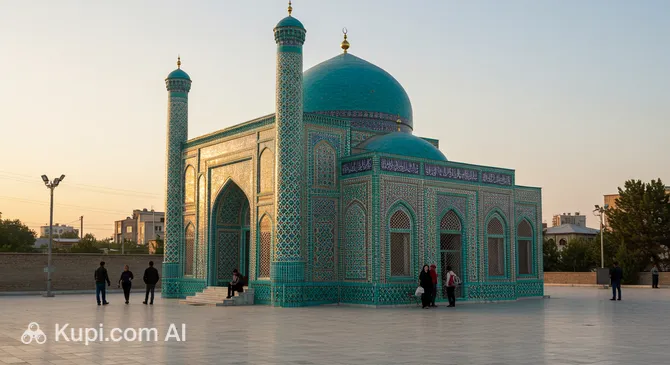
One of the newer but most visually striking additions to the city's skyline is the Minor Mosque. Often referred to as the "White Mosque" due to its dazzling white marble finish, it stands on the banks of the Ankhor Canal. Built in a traditional style with a modern touch, its pristine appearance and turquoise dome make it a favorite location for photography and a serene place for reflection.

Minor Mosque. Source: Kupi.Binoculars

Local Cuisine

The local cuisine in Tashkent is a gastronomic adventure that reflects the richness of Uzbek culture and its position on the ancient Silk Road. Food here is hearty, flavorful, and typically centered around high-quality meat, particularly mutton and beef, accompanied by vegetables, spices, and grains. For tourists, dining in the capital is not just about eating; it is a ritual of hospitality that often involves generous portions and communal sharing.

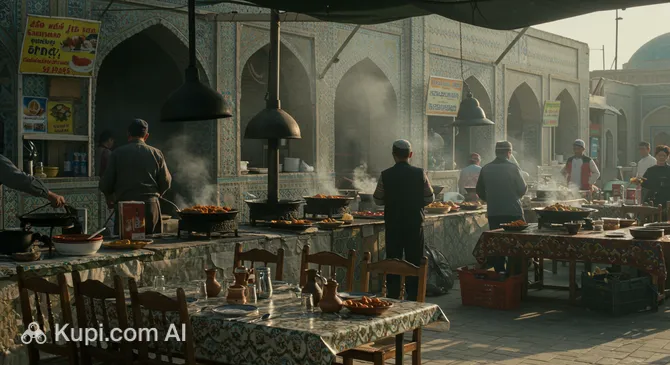
The undisputed king of the table is Plov (pilaf), a savory dish made with rice, carrots, meat, and a blend of spices like cumin and coriander. While every region in Uzbekistan has its own variation, the Tashkent style is particularly famous for its rich flavor and golden color. To witness the scale of this culinary obsession, you must visit Besh Qozon, also known as the Central Asian Plov Center. Here, you can watch master chefs prepare the dish in massive cauldrons that feed thousands of people daily, making it a unique cultural experience as well as a delicious meal.

Besh Qozon. Source: Kupi.Binoculars

Beyond plov, the city's streets are filled with the aroma of Samsa, a savory pastry baked in a clay oven (tandoor) and filled with minced meat, onions, or pumpkin. Another staple is Shashlik, succulent skewers of marinated meat grilled over hot coals, often served with sliced onions and vinegar. For noodle lovers, Lagman serves as a comforting choice, available either as a rich soup or a stir-fried dish with peppers and tomatoes.

Bread, or Non, holds a sacred place in the local diet and is present at every meal. The round, golden discs are stamped with decorative patterns and are best enjoyed fresh from the tandoor. For the ultimate street food experience, travelers often head to the food rows at Chorsu Bazaar. This is the perfect spot to try authentic local snacks, such as Naryn (cold noodles with horse meat) or fresh seasonal fruits, amidst the buzzing atmosphere of the market.

No meal in Tashkent is complete without hot tea, the primary beverage of the region. Green tea (kuk choy) is the standard drink, served in small bowls called pialas, though black tea (qora choy) is also widely available. Tea houses, or Choyhonas, are traditional gathering spots where locals relax and socialize for hours. While tea is the dominant drink, you can also find refreshing yogurt-based drinks like Ayran, and the city offers a growing selection of modern cafes and bars for other preferences.

Travel Tips

To ensure your journey through the "Stone City" is as smooth as the silk it once traded, we have compiled a set of essential guidelines for your visit. These practical tips will help you navigate local customs, logistics, and daily life in Tashkent with confidence and ease.

  1. Clothing and Gear: Tashkent features a sharp continental climate, so pack lightweight, breathable fabrics for the scorching summer and warm, insulated layers for the chilly winter. While the city is modern and relatively secular, modesty is essential when visiting religious sites like the Hazrati Imam Complex; ensure your shoulders and knees are covered. Comfortable walking shoes are a must for exploring the expansive parks and navigating the vast Chorsu Bazaar.
  2. Transportation: The Tashkent Metro is not only the fastest way to get around but also a sightseeing experience in itself; you can easily pay using contactless bank cards or QR-code tickets at the turnstiles. For door-to-door convenience, ride-hailing apps like Yandex Go are widely used, affordable, and often easier than hailing a street taxi where price negotiation is required.
  3. Finances: The local currency is the Uzbek Som (UZS). While international cards (Visa and Mastercard) are increasingly accepted in supermarkets, hotels, and upscale restaurants, cash remains king at bazaars, small shops, and tea houses. It is advisable to carry cash for daily expenses, and ATMs are readily available throughout the city for withdrawals.
  4. Health and Safety: Tashkent is generally very safe for tourists, with a visible police presence and low crime rates. However, avoid drinking tap water; stick to bottled water which is cheap and widely available everywhere. Pharmacies, marked as "Dorixona," are plentiful, and many operate 24/7, but carrying a basic first-aid kit and your specific prescription medications is always a good idea.
  5. Communication: Uzbek is the official language, and Russian is widely spoken and understood by almost everyone in the city. English proficiency is growing among the younger generation and in tourist hubs, but learning a few phrases like "Salom" (Hello) and "Rahmat" (Thank you) will go a long way. For reliable internet, purchase a local SIM card (providers like Ucell or Beeline) at the airport or official stores in the city center.
  6. Local Etiquette: Uzbek hospitality is legendary, and you may be invited for tea or a meal; accept graciously, as refusing can be seen as impolite. When greeting, men typically shake hands, often placing their left hand over their heart as a sign of sincere respect. Always remove your shoes when entering a private home or the interior of a mosque.
  7. What to Avoid: Refrain from taking photographs of military installations, government checkpoints, or security personnel, as this is strictly prohibited. Additionally, avoid public displays of aggression or loud arguments, as local culture places a high value on politeness and public decorum.
  8. Registration Requirement: A unique aspect of traveling here is the mandatory registration system. Your hotel or hostel will provide a small registration slip for every night of your stay. Do not lose these slips; keep them safe until you leave the country, as border control officers may ask to see them upon your departure.

Armed with this local knowledge, you are ready to dive into the vibrant culture and history of the Uzbek capital without worry. Tashkent is a welcoming metropolis that rewards curious and respectful travelers with unforgettable experiences and warm hospitality.

Entertainment & Nightlife

As the sun sets and the daytime heat dissipates, Tashkent transforms into a glittering metropolis with a vibrant and rapidly developing nightlife scene. The city offers a diverse mix of entertainment, ranging from sophisticated rooftop lounges and energetic nightclubs to peaceful evening strolls in beautifully illuminated parks. The modern district known as Tashkent City and the central streets around Amir Timur Square are the primary hubs where the nightlife is most bustling, offering plenty of options for every type of traveler.

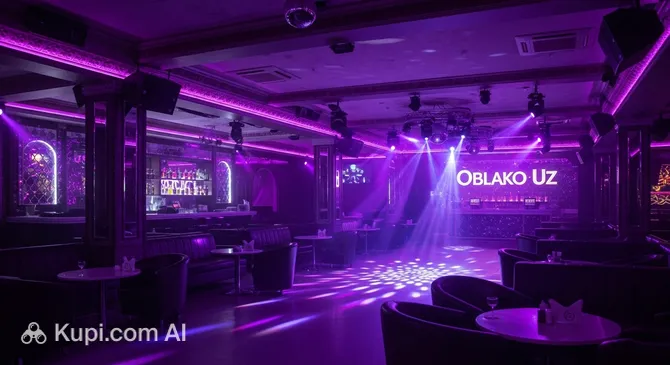
For those seeking a trendy atmosphere with panoramic views of the skyline, Oblako Uz is a standout destination. Located in a high-rise, this venue combines the vibe of a chic restaurant with a lively lounge, making it perfect for enjoying cocktails and music while overlooking the city lights. The crowd here is generally stylish, and the music ranges from deep house to popular hits, creating an energetic yet upscale environment.

Oblako Uz. Source: Kupi.Binoculars

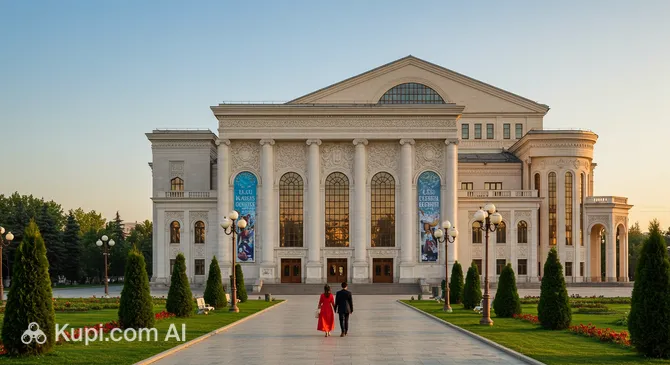
If you prefer a more cultural evening, a visit to the Alisher Navoi State Academic Bolshoi Theatre is an unforgettable experience. As one of the leading centers for performing arts in Central Asia, it hosts world-class opera and ballet performances in a stunning building designed by the famous architect Alexey Shchusev. The square in front of the theater, with its musical fountain, is also a popular gathering spot for locals in the evening.

Alisher Navoi State Academic Bolshoi Theatre. Source: Kupi.Binoculars

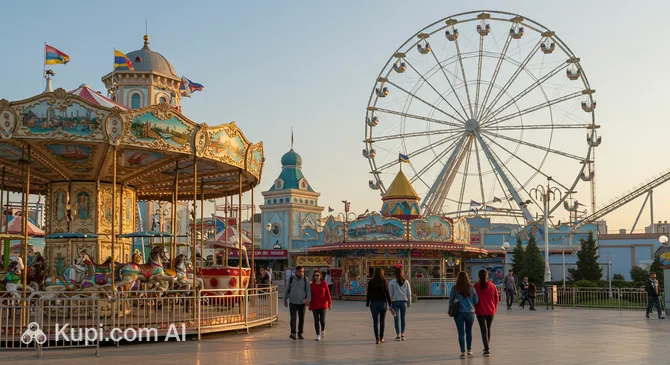
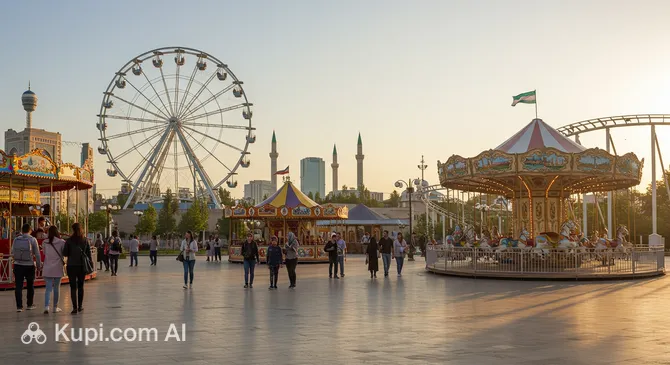
Another favorite spot for evening entertainment is Magic City Park. While it is an amusement park by day, it truly comes alive at night with dazzling light shows, a musical fountain, and a replica of European streets that make for fantastic photo opportunities. It is a safe and lively place to walk around, grab a bite to eat, and enjoy the festive atmosphere without the intensity of a nightclub.

Magic City Park. Source: Kupi.Binoculars

Practical Advice for Nightlife:

  • Timing and Prices: Bars and lounges typically stay open until 1:00 or 2:00 AM, while nightclubs may operate until dawn on weekends. Prices are generally moderate compared to Western capitals; a cocktail might cost between $5 and $10.
  • Dress Code: Uzbeks tend to dress up for a night out. A "smart casual" look is the safest bet for most bars and clubs. High-end venues often have face control, so avoid beachwear or overly sporty attire.
  • Safety and Transport: Tashkent is known for being very safe at night, and walking in central, well-lit areas is comfortable. For getting around, it is best to use ride-hailing apps like Yandex Go rather than hailing taxis off the street, as this ensures a fixed price and safety.

While the nights are exciting, the city also boasts plenty of daytime entertainment. Visitors can explore the rich collections at the State Museum of History of Uzbekistan, enjoy family fun at the Tashkent Zoo, or wander through the shaded paths of the Tashkent Botanical Garden. Whether you are interested in history, nature, or modern leisure, the capital ensures your itinerary is full from morning until late at night.

Parks & Museums

Tashkent is a city that surprisingly balances its urban energy with a profound dedication to nature and culture. Known as one of the greenest cities in Central Asia, it invites travelers to escape the bustle in its sprawling parks and then dive deep into history within its world-class museums. Whether you are seeking the tranquility of ancient trees or the intricate beauty of traditional craftsmanship, the capital offers a diverse array of experiences.

For nature lovers, the Tashkent Botanical Garden is an absolute treasure. As the largest of its kind in the region, this massive green sanctuary is home to thousands of plant species from around the globe. It is the perfect spot for a quiet morning walk, offering a refreshing retreat where the noise of the city fades away amidst dense groves and peaceful paths.

Tashkent Botanical Garden. Source: Kupi.Binoculars

If you are looking for a more modern and vibrant atmosphere, Ashkhabad Park offers a delightful experience, especially in the evenings. Built as a symbol of friendship between Uzbekistan and Turkmenistan, the park is famous for its grand amphitheater and unique fountain shaped like the eight-pointed star of Oguz Khan. Families will appreciate the manicured lawns and walking paths, which are beautifully illuminated at night, creating a festive environment.

Ashkhabad Park. Source: Kupi.Binoculars

To understand the rich historical tapestry of the region, a visit to the State Museum of the Temurids is essential. Located near Amir Timur Square, the building itself is a masterpiece, capped with a stunning blue dome that mimics the style of ancient Samarkand. Inside, exhibits detail the legacy of Amir Timur and his dynasty, showcasing manuscripts, weapons, and coins that paint a vivid picture of the empire's grandeur.

State Museum of the Temurids. Source: Kupi.Binoculars

For those interested in the artistic soul of the country, the Museum of Applied Arts is a hidden gem. Housed in the former residence of a Russian diplomat, the building is an architectural marvel featuring exquisite wood carvings and colorful ganch (plaster) work. The collection displays the finest examples of Uzbek craftsmanship, including vibrant suzani embroideries, ceramics, and jewelry, making it a visually inspiring stop for any tourist.

Museum of Applied Arts. Source: Kupi.Binoculars

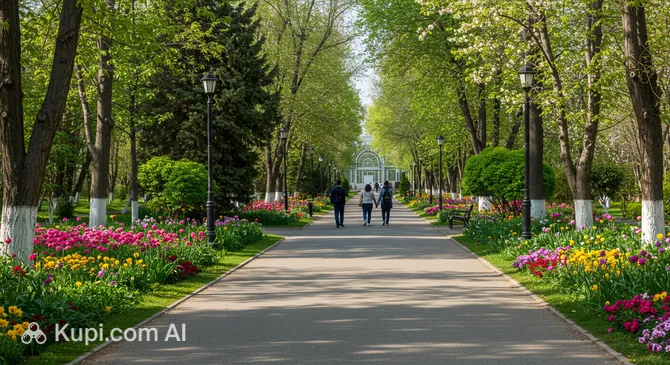
Beyond these major sites, the city offers other engaging venues such as the Tashkent Zoo, which is a popular destination for families with children. For a truly authentic experience, try visiting the parks in the late afternoon when the heat subsides; this is when locals come out to socialize, play chess on park benches, and enjoy the cooling breeze, giving you a glimpse into the genuine rhythm of Tashkent life.

Getting Around

Navigating Tashkent is both convenient and affordable, thanks to a well-developed public transport system that connects the city center with residential districts and major landmarks. The backbone of the network is the Tashkent Metro, which is renowned not only for its efficiency but also for its stunning architecture. It currently consists of four lines—Chilonzor (Red), Uzbekistan (Blue), Yunusabad (Green), and the newer Circle Line—covering most key tourist areas. Trains run frequently, making it the fastest way to escape the city's traffic jams.

Complementing the subway is an extensive network of buses and minibuses (marshrutkas). Large, modern buses serve major routes and are increasingly equipped with air conditioning, which is a relief during the hot summer months. Marshrutkas, typically white vans, fill the gaps in the network, reaching smaller streets and suburbs where larger buses do not go. Unlike buses, which have designated stops, marshrutkas can often be flagged down along their route and will stop on demand to let passengers off. Please note that while trams were once a staple of the city, they no longer operate in the capital.

The payment system has been modernized significantly in recent years. The most convenient option for tourists is to use a contactless Visa or Mastercard directly at the turnstiles in the metro and on card readers in newer buses. Alternatively, you can purchase a unified transport card called ATTO at kiosks near metro stations; this card can be topped up and used across all modes of public transport. Single-use QR-code tickets are also available for purchase at metro ticket offices. Fares are incredibly low by international standards, typically costing around 1,700 UZS (less than $0.20) per ride.

For practical planning, keep in mind that the metro operates from approximately 05:00 to 00:00 (midnight). Buses generally run from 06:00 until around 22:00 or 23:00, though frequency drops significantly late in the evening. If you are using marshrutkas, payment is usually made in cash directly to the driver upon exiting, so it is wise to carry small denominations of local currency.

If you prefer a more direct route, taxis are a very popular and affordable alternative. Ride-hailing apps like Yandex Go and MyTaxi are widely used and recommended over hailing cabs from the street, as they offer fixed pricing and eliminate the language barrier. For short distances within parks or the city center, electric scooter rentals have become a trendy option, with several apps allowing you to pick up and drop off scooters at various locations.

A special mention must be made of the Tashkent Metro stations themselves, which are considered a "must-see" attraction. Built during the Soviet era and expanded recently, many stations resemble underground palaces adorned with marble, granite, chandeliers, and intricate mosaics reflecting Uzbek history and culture. Stations like Kosmonavtlar, dedicated to space exploration, and Alisher Navoi, featuring domed ceilings and Islamic motifs, turn a simple commute into a fascinating cultural tour.
Accommodation

Accommodation in Tashkent has evolved significantly in recent years, offering a wide spectrum of options that cater to every budget and travel style. Whether you are looking for the opulence of international luxury chains, the charm of boutique hotels adorned with traditional Uzbek motifs, or the social atmosphere of a budget hostel, the capital has something to suit your needs. Prices are generally very reasonable compared to Western standards, allowing visitors to enjoy high-quality stays at affordable rates.

The most popular area for tourists is the City Center, specifically the neighborhoods surrounding Amir Timur Square. Staying here places you within walking distance of major museums, the pedestrian Broadway street, and key metro stations. This area is home to iconic Soviet-era landmarks like the Hotel Uzbekistan, as well as modern luxury establishments. It is the perfect base for first-time visitors who want to be in the thick of the action with easy access to transport.

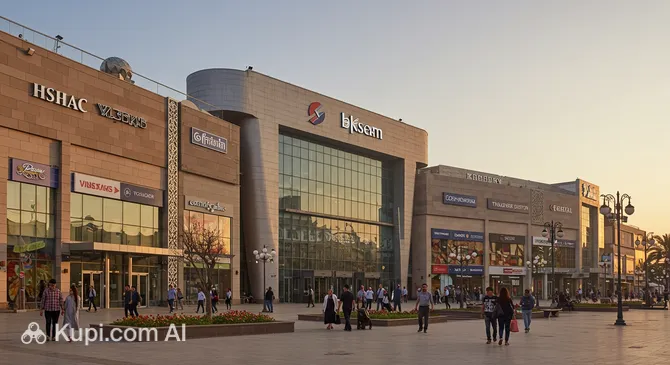
For those seeking a modern, upscale experience, the newly developed Tashkent City district is an excellent choice. This area represents the future of the capital, featuring glass skyscrapers, manicured parks, and high-end hotels. It is a hub for business travelers and those who appreciate contemporary amenities, shopping at the Tashkent City Mall, and dining right at their doorstep.

Tashkent City Mall. Source: Kupi.Binoculars

If you prefer a more authentic and atmospheric stay, consider looking for guesthouses near the Old City and Chorsu Bazaar. This part of town offers a glimpse into traditional mahalla (neighborhood) life. Many family-run B&Bs here feature inner courtyards and serve delicious homemade breakfasts, providing a warmer, more personal connection to Uzbek culture than a standard hotel.

Booking Tips:

  • Advance Planning: While you can often find a room last minute, it is highly recommended to book in advance if you are visiting during the peak seasons of spring (April-May) and autumn (September-October), as the best mid-range options fill up quickly.
  • Registration Slips: As mentioned in the travel tips, registration is mandatory in Uzbekistan. All licensed hotels and hostels will automatically provide you with a registration slip for your stay. Be cautious with unregistered rentals, as they may not be able to provide this essential document.
  • Payment: Most established hotels accept credit cards, but smaller guesthouses may prefer cash (Uzbek Soms or sometimes US Dollars). It is always wise to confirm payment methods before arrival.

Overall, Tashkent's hospitality sector is welcoming and rapidly improving. Online booking platforms work well for securing reservations, ensuring a hassle-free start to your Uzbek adventure.

Nearby Cities

For those looking to explore the surroundings, Tashkent serves as an excellent base for day trips to several interesting nearby locations:

One of the most intriguing destinations is Parkent, located just a short drive from the capital. It is renowned for its picturesque vineyards and fresh mountain air, offering a refreshing escape from the city heat. Parkent is also famous for housing the Physics-Sun Institute, which features one of the largest solar furnaces in the world—a unique engineering marvel that attracts curious travelers and science enthusiasts alike.

Another key location is Chirchiq, situated along the river of the same name. While it is primarily known as an industrial center, it serves as the vital gateway to the Ugam-Chatkal National Park. Travelers often pass through or stop here on their way to the stunning Charvak Reservoir and the ski slopes of Chimgan, making it an important waypoint for outdoor enthusiasts seeking hiking, swimming, or winter sports in the nearby mountains.

City Population Distance (km)
Iskandar 195,633 48
Chirchiq 159,400 32
Olmaliq 112,078 58
Yangiyul 61,700 25
Parkent 60,200 37

These nearby destinations offer a glimpse into the diverse culture and landscapes of the region.

Shopping & Souvenirs

Shopping in Tashkent offers a delightful contrast between the ancient and the ultra-modern, reflecting the city's position as a bridge between East and West. Visitors can spend their morning bargaining for spices under the turquoise domes of a centuries-old bazaar and their afternoon browsing luxury international brands in a gleaming glass shopping complex. From vibrant textiles and intricate ceramics to high-end fashion, the Uzbek capital provides a diverse retail experience that caters to every taste and budget.

For those seeking a contemporary shopping environment, the city is home to several impressive malls that serve as entertainment hubs for the whole family. The Tashkent City Mall is a prime example of this modern development. Located in the heart of the new business district, it features a vast array of global fashion retailers, a cinema, and extensive dining options, making it a popular destination for both locals and tourists looking for comfort and variety.

Another favorite spot for shoppers is NEXT Mall, which is well-known for its family-friendly atmosphere. Beyond its wide selection of clothing and electronics stores, the mall is famous for housing an ice rink and the Jurassic World scientific lab, offering a fun diversion from retail therapy. It is an excellent place to find casual wear and enjoy a relaxed afternoon in a climate-controlled environment.

NEXT Mall. Source: Kupi.Binoculars

However, to truly experience the local culture, a visit to the traditional markets is essential. The legendary Chorsu Bazaar is the beating heart of the city's trade. Here, amidst the loud and lively atmosphere, you can find everything from fresh produce and mounds of aromatic spices to traditional handicrafts. It is the best place to buy dried fruits, nuts (such as almonds and pistachios), and oriental sweets, which are often vacuum-packed for travel upon request.

When it comes to souvenirs, Tashkent is a treasure trove of artisanal goods. Look for Suzani, the exquisite hand-embroidered textiles that are unique to Uzbekistan, or vibrant Ikat (Adras) fabrics used for clothing and home decor. Traditional Rishtan ceramics, characterized by their intricate blue and white patterns, make for beautiful gifts. finely carved wooden boxes and miniature paintings are also popular keepsakes that showcase the region's rich artistic heritage.

Most shopping malls in the city typically operate from 10:00 AM to 10:00 PM daily. In contrast, bazaars start their day early, often around 8:00 AM, and begin to wind down by sunset, so it is best to visit them in the morning. While modern malls and supermarkets widely accept Visa and Mastercard, cash (Uzbek Som) is still the preferred method of payment at bazaars and smaller souvenir shops. A Tax-Free system has recently been introduced for foreign tourists at international airports for specific goods, allowing for a VAT refund upon departure, provided you have the necessary receipts and registration.

Reached the end of the page?

That means the route is fully explored