Support

Kokand

About

Kokand is a city that breathes history, standing as one of the most significant cultural centers in the Fergana Valley. Located in eastern Uzbekistan, this ancient city serves as a bridge between the past and the present, offering visitors a glimpse into the grandeur of the Silk Road era. With a population of approximately 350,000 people, it is a bustling hub that maintains a distinctively traditional atmosphere, often feeling more authentic and relaxed than the larger metropolitan areas.

Geographically, the city is situated in the southwestern part of the fertile Fergana Region, surrounded by mountains and rich agricultural lands. The climate here is continental, characterized by hot, dry summers and cool winters, making spring and autumn the ideal times for exploration. As a major crossroads of ancient trade routes, the city has long been a melting pot of cultures, artisans, and merchants.
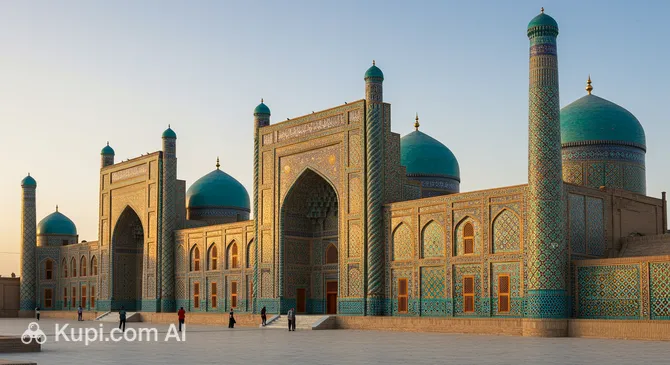
Kokand. Source: Kupi.Binoculars

The history of Kokand is particularly fascinating, as it was once the powerful capital of the Kokand Khanate, influencing a vast territory in Central Asia. This royal legacy is best preserved in its stunning architecture. The magnificent Palace of Khudayar Khan, often called the "Pearl of Kokand," is a must-visit masterpiece featuring dazzling facade tiles and intricate interior designs. Visitors are also drawn to the imposing Jami Mosque, famous for its 98 beautifully carved wooden columns.

Beyond its monumental landmarks, the city is renowned for its exquisite handicrafts, particularly wood carving and jewelry making. A visit to Kokand offers a unique opportunity to experience deep-rooted traditions and warm local hospitality. It is a destination that truly rewards the curious traveler with its architectural beauty and vibrant cultural heritage.

Weather Overview

The city experiences a continental climate characterized by distinct seasonal changes, offering travelers hot summers and cool winters. During the peak of summer in July, conditions are typically sweltering and dry, with average temperatures around 30.6°C and daily highs often reaching 37.3°C. Conversely, the winter months bring a noticeable chill; January is usually the coldest time of year, with average temperatures dropping to 2.9°C and nighttime lows occasionally dipping below freezing.

Rainfall is generally sparse throughout the year, though the spring season sees a slight increase in moisture, particularly in March which averages about 9 wet days. The summer and early autumn months are exceptionally dry, often recording almost zero precipitation. For a more comprehensive breakdown of seasonal trends and what to pack, you can view the detailed report on the weather in Kokand.

Interesting Facts

Beyond the main attractions and historical monuments, Kokand holds many fascinating secrets that reveal its depth as a cultural and pioneering hub. From sporting firsts to royal intrigues, the city's past is filled with unique stories that often go unnoticed by the casual observer.

  • The Cradle of Uzbek Football: Few travelers realize that Kokand is the birthplace of football in Uzbekistan. The very first local team was formed here in 1912, long before the sport became a national passion. These early pioneers played historic matches against Russian garrison troops, marking the beginning of Central Asia's love affair with the "beautiful game."

  • A World Craft City: The city has been officially designated as a World Craft City for Wood Carving by the World Crafts Council. The skill of local artisans is legendary; they create intricate geometric patterns and complex lattice designs, known as panjara, often without using a single nail or drop of glue.

  • The "City of Winds": The etymology of the name "Kokand" is a subject of debate, but a popular interpretation is "City of Winds." This nickname reflects the strong breezes that frequently sweep through this part of the Fergana Valley. Another theory suggests it comes from "Khu-kand," meaning "Good City" or "City of the Boar."

  • The Poetess Queen: The city's cultural golden age was significantly shaped by a woman. Nodira, the wife of Khan Umar Khan, was not only a ruler but also a celebrated poetess. She actively sponsored the construction of madrasahs, libraries, and caravanserais, turning the court into a vibrant center for literature and art.

  • The Vanished Rooms: The magnificent Palace of Khudayar Khan, while impressive today, is only a shadow of its original grandeur. When it was built, the "Pearl of Kokand" boasted 113 opulent rooms and seven courtyards. Today, only 19 rooms and four courtyards remain, yet they are enough to convey the immense wealth of the Khanate.

How to Get There

Reaching this historic city in the Fergana Valley is relatively straightforward, with several transport options available depending on your starting point. For a detailed breakdown of routes, schedules, and tips, you can read more about how to get to Kokand on our dedicated page. While the city is well-connected by road and rail, air travel remains a popular choice for those coming from further afield.

The city is served by its own local airport, Kokand (OQN), which is conveniently located just over 10 km from the center. A taxi ride from here typically takes about 35 to 40 minutes. However, for a broader selection of flights, many visitors opt for Namangan Airport (NMA) in Namangan or Fergana Airport (FEG) in Fergana. Both are situated approximately 72 km away. The journey from these regional hubs usually takes around 2 hours by car, offering a scenic drive through the valley.

For clarity, here is a summary of the main airports:

Airport Name City Passenger Traffic Km from City
Namangan AirportNamanganHigh72.8
Khujand AirportKhujandMedium110.8
Fergana AirportFerganaMedium71.8
Andijan AirportAndijanMedium117.3
KokandKokandLow10.8

Traveling by train is another excellent and authentic way to arrive. The city's main railway hub is Kokand-1 Station, located just 1.7 km from the city center. It is a major stop on the railway network, handling a significant volume of passengers and connecting the city with Tashkent and other major urban centers. If direct tickets are unavailable, you might also consider arriving at the Margilan Railway Station in Yangi Margilan, though it is located about 68 km away, requiring a subsequent transfer by taxi or bus.

Below is a list of the nearest railway stations:

Station City Passenger Traffic Km to Center
Kokand-1 StationKokandHigh1.7
Margilan Railway StationYangi MargilanMedium67.9
Pap Railway StationPapMedium40.3
Altyaryk StationOltiariq50.5
Chust Railway StationPap46.8

Main Attractions

Kokand was once the capital of a powerful khanate, and this royal legacy has left the city with a treasure trove of architectural marvels. Visitors can explore a variety of well-preserved monuments that showcase the distinct style of Fergana Valley craftsmanship, differing slightly from the more famous sites in Samarkand or Bukhara.

The undisputed jewel of the city is the Palace of Khudayar Khan, also known as the Urda. While the "About" section touches on its grandeur, a visit here offers a deeper dive into the lifestyle of the Kokand rulers. Built in 1871, the palace is a dazzling display of yellow and green tiled facades. Inside, the building houses a local history museum, where you can walk through the opulent throne room, admire the intricate ganch (carved plaster) walls, and view exhibits ranging from ancient ceramics to royal weaponry.

Another spiritual and architectural highlight is the Jami Mosque, located in the heart of the city at Chorsu Square. Completed in 1812, this mosque is impressive not for towering blue domes, but for its magnificent iwan (open porch). The roof is supported by 98 unique columns made from stone pine (karagach), a wood so hard it is often compared to stone. In the center of the courtyard stands a 22-meter minaret, from which the call to prayer once echoed across the entire city.

For those interested in the educational history of the region, the Narbutabey Madrasah is a must-see. Constructed in the late 18th century, it is distinct because of its lack of colorful glazed tiles. Instead, its beauty lies in the rigorous perfection of its brickwork and its harmonious geometric proportions. For many years, it served as the largest religious school in Kokand and remains a significant site for understanding the city's scholarly past.

A short distance away lies the Dakhma-i-Shokhon, or the "Grave of Kings," the family necropolis of the Kokand Khans. This architectural ensemble includes several tombs and a prayer mosque, enclosed by a fence with an intricately carved entrance portal. Adjacent to it is the Modari Khan Mausoleum, built in memory of the Khan's mother. This site is closely linked to the celebrated poetess Nodira, who commissioned its construction, adding a layer of literary history to the beautiful turquoise domes and floral patterns found here.

Local Cuisine

The cuisine of Kokand is a highlight of any trip to the Fergana Valley, offering a distinct culinary experience that differs slightly from other parts of Uzbekistan. The region is famous for its rich, hearty flavors and exceptional ingredients, particularly the local produce grown in the fertile valley soil. Food here is not just sustenance; it is a ritual of hospitality and tradition.

The undisputed king of the table is Fergana Plov. Unlike the lighter versions found elsewhere, the local plov is typically darker and richer, often prepared with the famous reddish-brown Devzira rice which is grown nearby. It is cooked with generous amounts of lamb, yellow carrots, garlic, and chili peppers, giving it a robust and spicy aroma. Another must-try is the Kokand Patir, a flatbread that is denser and more buttery than the standard Uzbek non. It is famous for its ability to stay fresh for a long time, making it a popular edible souvenir for travelers.

For those with a sweet tooth, the city is legendary for its confectionery. Kokand Halva is a signature delicacy known throughout the country. Unlike the dry, crumbly sesame versions found elsewhere, this halva is soft, creamy, and made from milk, butter, sugar, and nuts like pistachios or almonds. It is sold in almost every market and shop, often in blocks or distinct round shapes.

The beverage culture is centered almost entirely around green tea (ko'k choy). It is served with every meal and is the primary tool for socializing. Locals drink it from traditional bowl-like cups called pialas. While Uzbekistan is a secular country and vodka or beer is available in restaurants and stores, the traditional dining experience in Kokand is best accompanied by hot tea, which aids in digesting the rich, oily foods.

To truly experience the local food culture, visitors should head to a Choykhana (tea house). These are the social hearts of the city, where men traditionally gather to talk and eat while sitting on tapchans (raised wooden platforms covered with rugs and cushions). For a more fast-paced experience, the local bazaars offer excellent street food, including steaming skewers of shashlik (kebab) and fresh samsas baked in clay ovens.

Travel Tips

Visiting Kokand offers a genuine immersion into the traditional lifestyle of the Fergana Valley, but this authenticity requires a bit of preparation to navigate smoothly. To ensure your trip is comfortable and culturally respectful, here are some essential practicalities to keep in mind before you arrive.

  1. Clothing and Gear: As Kokand is more conservative than the capital, it is best to dress modestly. Both men and women should avoid shorts and sleeveless tops; long pants or skirts that cover the knees are the standard. Since you will likely visit religious sites like the Jami Mosque, women should carry a light scarf to cover their heads if requested. Comfortable, slip-on shoes are a must, as you will frequently need to remove them when entering mosques or private homes.
  2. Transportation: The city center is compact enough to explore on foot, which is the best way to admire the architecture. For longer distances, taxis are the most convenient option and are very affordable; you can hail them on the street or use ride-hailing apps like Yandex Go if available. Shared minivans, often called Damas, are a popular local mode of transport, though they can be crowded and confusing for first-time visitors.
  3. Finances: Cash is king in Kokand. While some larger hotels may accept Visa or Mastercard, most restaurants, bazaars, and small shops operate solely with the Uzbek Som (UZS). ATMs are available near banks and the city center, but they can occasionally run out of cash or reject international cards, so it is wise to carry enough cash for your daily needs. US Dollars are the easiest foreign currency to exchange at local banks.
  4. Health and Safety: The city is generally very safe for tourists, even at night. However, stick to drinking bottled water rather than tap water to avoid stomach issues. Pharmacies, marked as Dorixona (often with a green cross), are plentiful and stock most basic medications, though carrying your own prescription supplies is always recommended.
  5. Communication: The primary language is Uzbek. Russian is widely understood, especially by the older generation, but English speakers are relatively rare outside of major tourist sites. It is highly recommended to download an offline translation app and an offline map. Learning a few basic phrases like Rahmat (Thank you) will go a long way in earning smiles from the locals.
  6. Local Etiquette: The standard greeting is placing your right hand over your heart and slightly bowing while saying "Assalomu Alaykum." This gesture shows deep respect. If you are invited to a local home or a tea house (Choykhana), always remove your shoes at the entrance. When sitting on a tapchan (raised platform), take care not to point the soles of your feet at anyone, as this is considered impolite.
  7. What to Avoid: Public displays of affection, such as kissing or prolonged hugging, are frowned upon in this traditional society and should be avoided. Additionally, be cautious about photographing people, especially women, without asking for permission first; a simple gesture or smile to ask is usually enough to gauge if it is okay.
  8. Additional Tip: Embrace the art of bargaining at the bazaars. Kokand is a trade hub, and negotiating prices for handicrafts, spices, or the famous local halva is expected and treated as a social interaction. Start by offering about 60-70% of the asking price and work your way up with a smile; it is part of the fun and helps you connect with the vendors.

By keeping these simple tips in mind, you will find that the doors of Kokand open wide to welcome you. The locals are known for their warmth and hospitality, and a little cultural awareness will ensure your memories of this ancient city are nothing short of wonderful.

Entertainment & Nightlife

While Kokand is deeply rooted in tradition and does not offer the raucous nightclub scene found in larger capitals, its nightlife has a unique, welcoming charm centered around socializing, dining, and evening promenades. As the sun sets and the desert heat subsides, the city comes alive in a different way. The streets fill with families, youth, and visitors enjoying the cool evening air, creating a vibrant yet relaxed atmosphere that is perfect for those who appreciate culture over chaos.

The epicenter of evening activity is undoubtedly Istiklol Street. This pedestrian-friendly artery serves as the city's modern heart, lined with brightly lit shops, ice cream parlors, and cafes that stay open late. It is a fantastic place for a night walk (promenade), where you can observe the local lifestyle, do some late-night shopping, or simply soak in the energetic buzz of the crowd. The atmosphere here is safe and family-oriented, making it comfortable for travelers of all ages.

For a classic night out in Kokand, the experience revolves around exceptional food and conversation. Benazir is a standout venue, though not for a heavy dinner or live concerts; it is a famous confectionery and cafe that serves as a paradise for those with a sweet tooth. It is the perfect place to relax with a pot of hot tea and sample the legendary Kokand halva or an array of fresh pastries. Another popular spot is Payitaht 1453, which offers a mix of Turkish and local cuisine in a modern setting. It attracts a stylish local crowd and provides a lively dining atmosphere that often feels like the social highlight of the evening.

If you are looking for entertainment that bridges the gap between a park and a social club, head to the Mukimi Park (Kokand City Park). Far from being just a green space, this park transforms at night into a bustling fairground with illuminated rides, tea houses, and snack stalls selling cotton candy and popcorn. It is where the city comes to relax, and it remains lively well until midnight during the warmer months.

For those specifically seeking a lounge environment, options are more limited but do exist. Venues like Marakesh offer a place to unwind in a more contemporary setting, distinct from the traditional tea houses. While you generally won't find sprawling Western-style nightclubs, these smaller lounge bars provide a comfortable space to grab a drink and socialize. The dress code in most places is "smart casual"—while you won't need a tuxedo, avoiding beachwear is respectful of the local culture.

Practical Nightlife Tips:

  • Getting Around: Taxis are the safest and most convenient way to move between venues at night. They are inexpensive, but it is advisable to agree on a price before getting in or use a ride-hailing app if available.
  • Safety: The central areas, especially around the Palace and Istiklol Street, are well-lit and very safe for walking. However, stick to main roads after dark and avoid unlit backstreets.
  • Best Time: The city is most active between 8:00 PM and 11:00 PM. Most venues begin to wind down around midnight, though some tea houses may linger longer.

Before the sun goes down, Kokand offers plenty of daytime diversions to fill your schedule. History buffs should not miss the Kokand Regional Studies Museum located inside the Khan's palace, while the Jami Mosque offers a serene architectural retreat. For a glimpse into local life, a visit to the bustling Yangi Chorsu Bazaar is essential, where the colors and smells of spices and textiles provide a sensory feast that rivals any evening entertainment.

Parks & Museums

While Kokand is primarily celebrated for its stunning Islamic architecture, the city also offers peaceful green retreats and insightful museums that allow visitors to look beyond the facades of its monuments. Exploring these spaces provides a well-rounded perspective on the region's lifestyle, from the leisure habits of local families to the deep intellectual roots of the Fergana Valley.

For a breath of fresh air, Mukimi Park stands out as the city's premier recreational area. Named after the renowned local poet Muhammad Aminhuja Mukimi, this park is a favorite gathering spot for residents seeking respite from the summer heat. The grounds are shaded by towering plane trees and feature walking paths that come alive in the evenings. It is more than just a green space; it is a social hub where you can observe the daily rhythm of Kokand life, enjoy a quiet picnic, or simply watch the world go by near the cooling fountains.

Another significant outdoor area is the Garden of the Palace of Khudayar Khan. While the palace itself is the main attraction, the surrounding grounds are meticulously landscaped, featuring vibrant rose gardens and manicured lawns that offer a stark, beautiful contrast to the intricate blue and yellow tiles of the building. It is an ideal spot for a leisurely stroll, offering some of the best angles for photography and a moment of tranquility amidst the city's most visited landmark.

To truly understand the history of the Khanate, a visit to the Kokand Regional Studies Museum is essential. Conveniently located inside the Palace of Khudayar Khan, this museum transforms a tour of the royal residence into an educational journey. The exhibits are spread across the palace's remaining rooms and include a vast collection of artifacts, such as royal clothing, ancient manuscripts, jewelry, and weaponry. Walking through the throne room while viewing these historical items helps bring the stories of the Khans to life in a way that architecture alone cannot.

For those interested in the region's intellectual heritage, the Museum of Great Thinkers is a fascinating stop. Often housed within historical madrasah complexes, this museum is dedicated to the scholars, poets, and scientists who hailed from the Fergana Valley and contributed to the golden age of Islamic culture. The exhibits typically feature rare books, astronomical instruments, and calligraphy, highlighting Kokand's role as a center of learning and enlightenment on the Silk Road.

Literature enthusiasts will find the House Museum of Hamza Hakimzade Niyazi particularly interesting. Dedicated to the Soviet-Uzbek poet and playwright, the museum is located in the house where he lived and worked. Beyond the biographical exhibits, the house itself is a well-preserved example of traditional residential architecture in Kokand, featuring a classic courtyard and wooden verandas. It offers an intimate glimpse into the domestic life of the early 20th century, distinct from the grandeur of the royal courts.

Insider Tip: If you have an appreciation for "living museums," take the time to visit a local woodcarving workshop, often found in the craftsman quarters or near the main monuments. These are not official museums, but watching master artisans carve complex panjara patterns from walnut wood offers a real-time look at a centuries-old tradition that is still very much alive today.

Getting Around

Public transport in Kokand is straightforward, functional, and entirely road-based. Unlike the capital, there is no metro system, tram network, or trolleybus lines here. Instead, the city relies on a comprehensive network of buses and, most notably, a fleet of small white minivans known locally as Damas. These vehicles serve as the backbone of urban mobility, connecting the city center with residential districts and bustling bazaars.

The Damas vans function similarly to "marshrutkas" found elsewhere in the region but are smaller and more agile. They run on fixed routes, which are usually displayed on a card in the front window. While they are incredibly frequent and efficient, they can get quite crowded. Standard mid-sized buses (often green Isuzu models) also operate on major avenues, offering a slightly more spacious, albeit slower, alternative for getting around the main parts of the city.

The payment system is refreshingly simple but strictly analog: cash is king. There are no travel cards, electronic passes, or mobile payment apps for public transit in Kokand. You simply pay the driver directly. It is customary to pay when you exit the vehicle in minivans, though on larger buses, a conductor might collect the fare during the ride. Fares are very affordable, typically costing just a few thousand currency units, so it is essential to carry small denominations of cash with you.

For tourists, the most convenient alternative to public transit is a taxi. Taxis in Kokand are plentiful and inexpensive compared to Western standards. While you can easily flag one down on the street, ride-hailing apps like Yandex Go are becoming increasingly popular and reliable, offering the benefit of fixed prices and overcoming language barriers. If you hail a taxi on the street, be prepared to agree on the fare before starting the journey.

Public transport generally operates from early morning, around 6:00 AM, until approximately 9:00 PM or 10:00 PM. After dark, the frequency of buses and Damas vans drops significantly, and by late evening, they may stop running entirely. If you plan to be out late dining or exploring the night markets, plan to take a taxi back to your accommodation.

Navigating the system is relatively easy, even without knowing the local language. Stops are not always marked with signage, but locals are generally very helpful; simply stating the name of a landmark (like "Jami" or "Bazaar") to a driver will usually get you a nod of confirmation or a gesture in the right direction. Since the city center is quite compact, many of the main attractions are also easily accessible on foot, allowing you to bypass transport altogether for short distances.

Accommodation

Finding a place to stay in Kokand is generally a straightforward experience, offering a range of options that reflect the city's growing status as a tourist destination. While you will not find the ultra-luxury international chains present in the capital, the city provides a decent selection of comfortable mid-range hotels, modernizing Soviet-era establishments, and charming family-run guesthouses. These smaller B&Bs are particularly popular for travelers seeking a more authentic experience of Uzbek hospitality.

The most convenient area for tourists to base themselves is the city center, particularly in the vicinity of the Palace of Khudayar Khan and along Istiklol Street. Staying in this district places you within easy walking distance of the main historical monuments, museums, and the best local restaurants. There are also a few accommodation options near the train station, which can be practical for those with early departures, though this area is slightly removed from the main sightseeing hub.

For those planning a trip, a useful booking tip is to secure your accommodation in advance if you are traveling during the peak seasons of spring (April-May) and autumn (September-October). During these months, the best-rated guesthouses fill up quickly with tour groups and independent travelers exploring the Fergana Valley.

In terms of cost, Kokand is generally very affordable compared to Samarkand or Tashkent. Prices typically fall into the budget to mid-range categories. While major online booking platforms are increasingly used by local hotels, some smaller guesthouses may still operate primarily through direct contact or local travel agencies. It is also worth noting that while larger hotels accept credit cards, many smaller establishments prefer payment in cash (Uzbek Som).

Nearby Cities

For those looking to explore the surroundings, Kokand serves as an excellent base for day trips to several interesting nearby locations:

One of the most popular excursions is to Margilan, the silk capital of the country. Located less than an hour away, it is famous for the Yodgorlik Silk Factory, where visitors can watch the entire traditional process of making silk and ikat fabrics by hand. It offers a fascinating look into a craft that has sustained the Fergana Valley for centuries.

For a change of pace and scenery, Fergana offers a distinct contrast to the ancient architecture of Kokand. As a relatively young city established in the 19th century, it is known for its tree-lined avenues, Russian colonial-style houses, and parks. It feels like a garden city and is a pleasant place to enjoy a more modern, relaxed atmosphere.

Travelers interested in traditional craftsmanship should consider a trip to Chust. This town is legendary throughout Central Asia for its knife-making heritage. Visitors can purchase high-quality, handmade knives (pichok) directly from the masters and explore the workshops where the famous Chust skullcaps (tyubeteikas) are embroidered.

City Population Distance (km)
Namangan 626,120 80
Fergana 288,850 76
Margilan 215,400 68
Angren 126,962 89
Chust 100,200 58

These nearby destinations offer a glimpse into the diverse culture and landscapes of the region.

Shopping & Souvenirs

Shopping in Kokand offers a vibrant journey into the heart of the Fergana Valley's trading traditions. Unlike the modern, brand-focused retail experiences found in Tashkent, the scene here is dominated by bustling bazaars, artisan workshops, and independent local stores. The city is historically renowned as a center for craftsmanship, making it one of the best places in Uzbekistan to purchase authentic handmade goods directly from the masters who create them.

The primary artery for modern retail therapy is Istiklol Street. This lively pedestrian-friendly avenue is lined with a variety of shops selling everything from clothing and shoes to electronics and books. It serves as the city's commercial spine, where locals go for their evening promenade and shopping. Walking down this street provides a mix of contemporary local fashion and traditional items, interspersed with ice cream parlors and cafes for a quick break.

While the city does not host the colossal shopping malls found in larger capitals, it does have several modern trade centers that cater to daily needs. The Qo'qon Savdo Markazi (Kokand Trade Center) is one of the notable multi-story complexes where you can find apparel, accessories, and household goods under one roof. These centers are functional and convenient, offering a more climate-controlled environment compared to the open-air markets.

The true soul of shopping in Kokand, however, lies in its markets. The Yangi Chorsu Bazaar is the most important commercial hub, a place teeming with colors, aromas, and sounds. Here, visitors can navigate through rows of fresh produce, dried fruits, and aromatic spices. It is not just a place to buy food; it is a cultural experience where you can observe the daily rhythm of local life and practice the art of bargaining.

When it comes to souvenirs, Kokand is famous for specific local treasures that are hard to find elsewhere. The most iconic purchase is Kokand Halva, a soft, creamy sweet that is distinct from other varieties and makes for a perfect edible gift. Additionally, the city is a UNESCO-recognized hub for woodcarving. Look for a Lauh, a complex, foldable bookstand carved from a single piece of wood without any nails or hinges—a true masterpiece of engineering and art. You can also find high-quality ceramics from nearby Rishtan and handmade knives from Chust in the local artisan shops.

Store hours in Kokand typically run from 9:00 AM to 6:00 PM, though the bazaars start much early, often buzzing with activity by 7:00 AM. Many shops on Istiklol Street may stay open until late evening, especially in summer. Payment is predominantly cash-based. While some larger supermarkets and hotels may accept Visa or Mastercard, the vast majority of vendors at the bazaar and artisan workshops deal exclusively in Uzbek Som (UZS). It is highly recommended to carry sufficient cash in small denominations.

Regarding tax refunds, the Tax-Free system is still in its developing stages in the country and is generally restricted to a few certified retail outlets in major international airports or select luxury stores in the capital. In Kokand, especially in bazaars and handicraft workshops, Tax-Free shopping is not available. Prices are often negotiable, however, so the discount you gain from bargaining will likely exceed any potential tax refund.

Reached the end of the page?

That means the route is fully explored