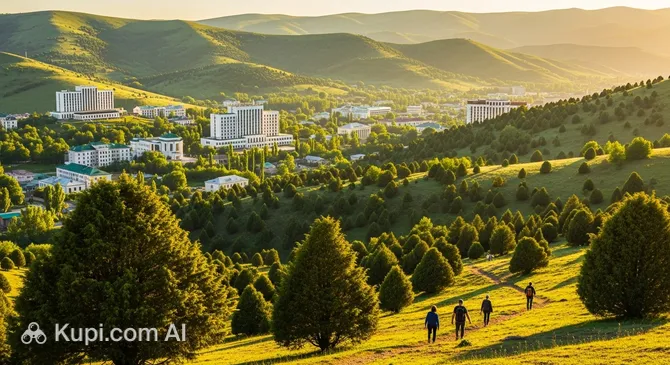
Zomin is primarily a destination for outdoor enthusiasts, where the lines between manicured parks and wild nature often blur. While the town itself is modest in size and lacks a dense concentration of traditional museums, its cultural and natural heritage is proudly displayed through its spectacular reserves, living monuments, and educational centers dedicated to the region's unique ecosystem.
Zaamin National Park is the crown jewel of the area and serves as the region's most significant "green space." Far more than just a park, this vast protected area covers thousands of hectares of the Turkestan Range. It is famous for its dense forests of mountain juniper (archa), which purify the air and create a stunning contrast against the red soil and rocky peaks. For tourists, this is the ultimate playground for hiking, birdwatching, and photography, offering a chance to see nature in its most pristine state.
For a more relaxed, water-side experience, the Zaamin Reservoir acts as a serene recreational area. Surrounded by rolling hills, this spot is perfect for those who want to enjoy the outdoors without the strenuous trekking required in the high mountains. It is a favorite local spot for picnics and fishing, offering calm blue waters that reflect the dramatic skyline, making it an excellent location for a quiet afternoon break.
In the center of the town, you can find the Zomin Culture and Recreation Park. Unlike the wild national reserve, this is a typical urban park designed for community leisure. It features walking paths, shaded benches, and simple attractions for children. It is an interesting stop for tourists wishing to observe local life, as families gather here in the evenings to socialize and enjoy the cooler air away from the traffic.
Regarding cultural institutions, the Museum of the Zaamin State Reserve is the most prominent facility in the area. Located near the park's administration, this museum offers a deep dive into the flora and fauna of the region. Visitors can view taxidermy exhibits of local wildlife, including the Turkestan lynx, bears, and snow leopards, as well as collections of insects and plants. It provides essential context for anyone planning to hike the trails, helping you identify the rare species you might encounter.
While not a building, the Siypantosh Rock Paintings serve as an invaluable open-air gallery reflecting the ancient culture of the region. Located in the surrounding valleys, these petroglyphs date back to the Bronze Age and depict scenes of hunting and wild animals. They offer a fascinating glimpse into the prehistoric life of the area's inhabitants, effectively functioning as a historical museum carved directly into the landscape.
Among the historical landmarks, the Boboyongoq (Grandfather Walnut) tree stands as a living monument to the region's history. Estimated to be around 700 years old, this massive tree is located in the village of Pishagar. It is not only a natural wonder but also a site of pilgrimage and local folklore, representing the endurance and spirit of the Zomin people. Nearby, you may also find remnants of ancient fortresses like the ruins of the Myk Fortress, which guard the secrets of the old mining and trade routes.
For a truly authentic experience, try to visit the Zomin Bazaar on a Sunday. While not a museum, it is a living exhibition of local culture, culinary traditions, and craftsmanship. Here, you can taste the famous local honey, see traditional breads being baked, and interact with the friendly residents in an atmosphere that has remained largely unchanged for decades.