Support

Namangan

About

Welcome to Namangan, a vibrant and blossoming city located in the fertile Fergana Valley. As one of the largest cities in Uzbekistan, it serves as a significant cultural and economic hub in the eastern part of the country. Known affectionately as the "City of Flowers," Namangan offers a unique blend of urban energy and traditional charm, making it a fascinating destination for travelers seeking an authentic Central Asian experience.

Geographically, the city is situated near the northern edge of the valley, close to the confluence of the Naryn and Kara Darya rivers. With a population of over 620,000 people, it is a bustling metropolis that enjoys a continental climate, characterized by warm, sunny summers and relatively mild winters. The region is renowned for its horticulture, and the local atmosphere is often filled with the scent of blooming gardens and fruit orchards.
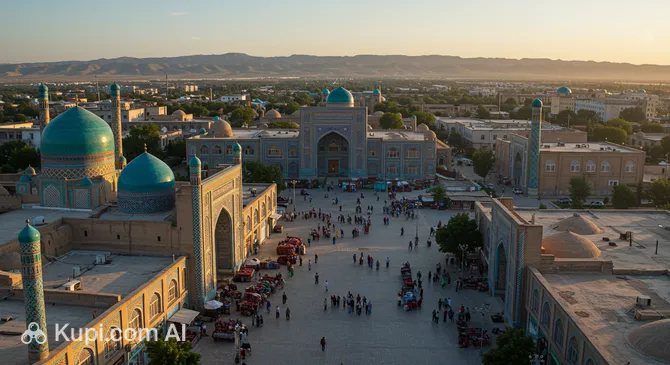
Namangan. Source: Kupi.Binoculars

The history of Namangan is rich and deeply rooted in the traditions of the Silk Road era. While exploring the city, visitors can admire architectural gems such as the Mullah Kyrgyz Madrassah, a testament to the region's educational and religious heritage built in the early 20th century. Another highlight is the magnificent Babur Park, a favorite recreational spot for locals and tourists alike, offering lush greenery and a peaceful environment.

One of the city's most famous features is its annual Flower Festival, typically held in late spring. During this time, the streets and parks transform into a colorful kaleidoscope of floral displays, attracting guests from all over the region. Whether you are interested in exploring ancient architecture, wandering through vibrant bazaars, or simply enjoying the warm hospitality of the local people, Namangan invites you to discover its many treasures.
Weather Overview

The climate in this region is continental, meaning visitors will experience distinct seasons with significant temperature variations. Summers are typically hot and dry, while winters can be quite cold. For those looking to time their visit perfectly, checking the detailed weather in Namangan is highly recommended before booking your trip.

During the peak of summer, particularly in July, the weather is hottest with average temperatures reaching 27.6°C and daily highs often climbing to 34.5°C. Rainfall is incredibly scarce during this season, with July and August seeing as few as 3 wet days per month. This makes it an excellent time for outdoor exploration, provided you are prepared for the heat.

In contrast, winter brings a sharp drop in temperature. January is generally the coldest month, with average temperatures hovering around 0.4°C and lows dipping to -4.2°C. Spring acts as a transition period and is often the wettest time of the year; March, for instance, records the highest frequency of precipitation with approximately 14 wet days. Travelers should expect hot, arid summers and chilly winters with occasional rain or snow during the colder months.

Interesting Facts

Beyond its reputation as a garden city, Namangan holds several fascinating secrets that reveal its historical depth and modern transformation.

  • Just a short distance from the modern city center lies the ancient settlement of Aksikent. This archaeological site was once the thriving capital of the Fergana Valley and a strategic point on the Silk Road, standing strong until it was largely destroyed by a catastrophic earthquake in 1620.

  • The city has recently redefined its skyline with the "Valley of Legends" (Afsona), a massive theme park complex. It stands as a symbol of modern Namangan, featuring one of the largest musical fountains in Central Asia, an amphitheater, and an aquapark, replacing the old city park with a contemporary marvel.

  • Namangan is culturally immortalized in the Uzbek music world through the famous folk song "Namangan Apples" (Namanganning Olmalari). The song celebrates the region's rich agricultural heritage, making the city synonymous with bountiful fruit orchards in the minds of people across the country.

  • While the Mughal Emperor Babur is often associated with nearby Andijan, this city also deeply honors his legacy as a poet and ruler. This reverence is embodied in Bobur Park, which serves not only as a green retreat but also as a cultural tribute to the famous historical figure born in this valley.

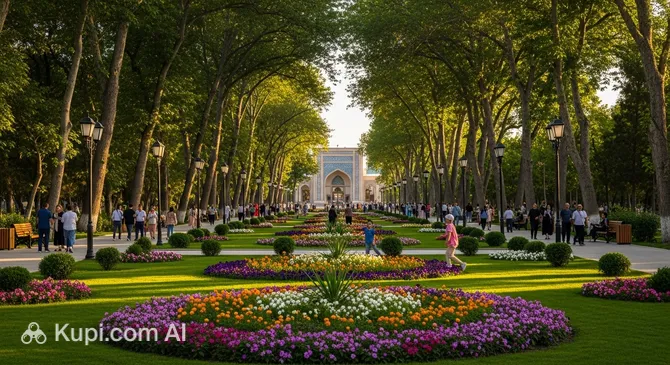
Bobur Park. Source: Kupi.Binoculars

How to Get There

Reaching this part of the Fergana Valley is relatively straightforward, thanks to well-connected transport hubs in and around the city. Whether you prefer flying or taking the train, there are several convenient options available. For a complete guide on all routes and transport modes, you can read more about how to get to Namangan.

The most direct way to arrive is via Namangan Airport (IATA: NMA), which is located just 7.7 km from the city center. As the primary air gateway, it serves a significant number of passengers annually. A taxi or shuttle from here typically takes about 30 minutes to reach the downtown area. Alternatively, travelers can fly into Fergana Airport (IATA: FEG), situated in the neighboring city of Fergana, approximately 72.4 km away. The journey from Fergana to Namangan by car usually takes around 2 hours. For those coming from the Kyrgyz side of the valley, Osh Airport (IATA: OSS) in the city of Osh is another major hub, located about 106.5 km away, though crossing the border will add time to the transfer.

For clarity, here is a summary of the main airports serving the region:

Airport Name City Passenger Traffic Km from City
Osh AirportOshVery High106.5
Namangan AirportNamanganHigh7.7
Fergana AirportFerganaMedium72.4
Andijan AirportAndijanMedium62.9
KokandKokandLow83.1

Traveling by train is another scenic and popular option. The city is served by the Namangan Railway Station, which is conveniently located just 0.7 km from the center, making it incredibly easy to access local hotels and attractions immediately upon arrival. Another significant rail hub nearby is the Pap Railway Station in the city of Pap, roughly 44.8 km from Namangan. This station is a key stop on the railway line connecting the Fergana Valley to Tashkent through the mountain pass. A transfer from Pap to Namangan generally takes about 1.5 hours by taxi.

Below is a list of railway stations that facilitate travel to the area:

Station City Passenger Traffic Km to Center
Namangan Railway StationNamanganHigh0.7
Pap Railway StationPapMedium44.8
Chartak Railway StationChartakUnknown16.8
Chust Railway StationPapUnknown36.5
TurtkulPaytugUnknown48.0

Main Attractions

Namangan is a city where history meets modernity, offering visitors a mix of ancient architectural monuments, lush green spaces, and contemporary entertainment complexes. Exploring the city allows travelers to dive deep into the cultural heritage of the Fergana Valley while enjoying the comforts of modern urban planning.

One of the most beloved spots for both locals and tourists is Bobur Park. Dedicated to Zahir-ud-din Muhammad Babur, the famous poet and founder of the Mughal Empire who was born in this region, the park serves as a serene green oasis in the city center. It is an ideal place for a leisurely stroll, featuring beautiful landscaping, shaded alleys, and a tranquil atmosphere that contrasts with the bustling streets nearby. The park is not just a recreational area but a tribute to the city's deep historical roots.

For those interested in the architectural heritage of Namangan, the Mullah Kyrgyz Madrassah is a must-visit destination. Built in the early 20th century, this educational institution is a striking example of local craftsmanship. Its design is unique due to its irregular polyhedral shape, adapted to fit the terrain it was built on. Visitors can admire the intricate brickwork, the majestic portal, and the traditional design elements that reflect the rich Islamic architectural traditions of the Fergana Valley.

A symbol of the city's modern transformation is the spectacular Valley of Legends (Afsona). This massive theme park complex is one of the largest of its kind in Central Asia. It features a sprawling aquapark, a modern amphitheater, and a stunning musical fountain that lights up the night sky. It is a perfect destination for families and anyone looking to experience the vibrant, contemporary side of Uzbek leisure culture.

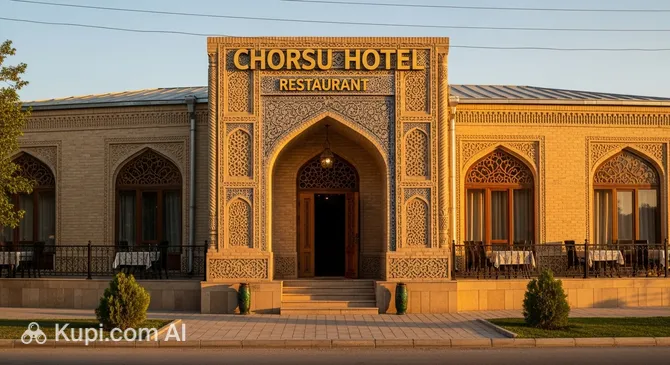
Chorsu Hotel. Source: Kupi.Binoculars

In the heart of the city, you can find the Chorsu Hotel. While serving as a hospitality establishment, it is situated in a historically significant area often associated with the bustling trade and social life of old Namangan. Visiting this location offers a chance to experience the local atmosphere and enjoy traditional Uzbek cuisine in a setting that bridges the gap between the city's past and present.

Another historical gem is the Khoja Amin Mausoleum, an 18th-century monument that showcases the intricate artistic skills of past eras. The facade, decorated with terracotta tiles and carved geometric patterns, has survived the test of time, offering a glimpse into the spiritual and artistic life of the region centuries ago. It stands as a quiet reminder of Namangan's enduring legacy on the Silk Road.

Local Cuisine

The cuisine of Namangan is a celebration of the Fergana Valley's agricultural abundance, offering travelers a rich tapestry of flavors that are both hearty and aromatic. As a major city in one of Uzbekistan's most fertile regions, the local food scene is defined by fresh ingredients, including sun-ripened vegetables, succulent fruits, and high-quality meats. Dining here is not just about sustenance; it is a deep dive into centuries-old culinary traditions that have been perfected over generations.

The undisputed king of the local table is Namangan Plov. While plov is the national dish of Uzbekistan, the version prepared here has its own distinct character. It is typically cooked using devzira rice, a local variety with a reddish-brown hue that absorbs flavors exceptionally well. This hearty dish is often prepared with generous amounts of garlic, chili peppers, and lamb, resulting in a darker, richer, and slightly spicier profile compared to the plov found in Tashkent or Samarkand.

Beyond the main course, visitors must try the local samsa, a flaky pastry filled with minced meat, onions, and spices, baked to perfection in a clay oven (tandir). The bread here, particularly the large, golden discs of obi non, is revered and is an essential accompaniment to every meal. In the warmer months, the city is also flooded with fresh fruits, including the famous Namangan apples, juicy peaches, and sweet grapes, which are often served as dessert.

Tea culture is the backbone of social life in the city. Green tea (kok choy) is the beverage of choice, consumed throughout the day to aid digestion and cool down in the heat. It is traditionally served in ceramic bowls (pialas) in tea houses known as choykhonas. For those seeking something refreshing in the summer, chilled yogurt-based drinks like ayran are widely available. While alcohol is available in restaurants, the traditional dining experience centers heavily around tea.

Travelers can explore these flavors in a variety of settings, from bustling open-air bazaars filled with the smoke of grilling shashlik to quiet, shaded courtyards. For a more formal dining experience where you can sample traditional dishes in comfort, the Chorsu Hotel offers a restaurant that serves authentic local cuisine. Whether you are eating street food or dining in a restaurant, the hospitality in Namangan ensures that no guest ever leaves hungry.

Travel Tips

To ensure your visit to the "City of Flowers" is as enjoyable and smooth as possible, it is helpful to know a few local nuances before you arrive. These practical tips will help you navigate Namangan with confidence, respecting local customs while making the most of your travel experience.

  1. Clothing and Gear: Since Namangan has a continental climate, pack lightweight, breathable fabrics for the scorching summer months and warm, layered clothing for the chilly winters. As this is a more traditional and conservative region of Uzbekistan, it is respectful to dress modestly. Avoid shorts and sleeveless tops; instead, opt for clothes that cover your shoulders and knees, especially when visiting religious sites like the Mullah Kyrgyz Madrassah.

  2. Transportation: While there are minibuses (marshrutkas) that serve as public transport, they can be crowded and confusing for first-time visitors. The most convenient way to get around is by taxi. Ride-hailing apps like Yandex Go generally work in the city and offer transparent pricing. If you hail a taxi on the street, be sure to negotiate and agree on the fare before starting your journey.

  3. Finances: The local currency is the Uzbek Som (UZS). While modern hotels and some large supermarkets may accept Visa or Mastercard, cash is king in Namangan. You will definitely need cash for bazaars, small shops, and taxis. It is best to exchange money at banks or official exchange offices, and ATMs are available in the city center for withdrawing local currency.

  4. Health and Safety: Namangan is generally a very safe city for tourists. Pharmacies are widely available and are marked with the green cross sign or the word "Dorixona"; many are open late or 24/7. As a general precaution, avoid drinking tap water; always opt for bottled water, which is cheap and readily available everywhere.

  5. Communication: The primary language is Uzbek. Russian is also widely understood, especially by the older generation, but English speakers are harder to find outside of major hotels. It is highly recommended to download an offline translation app or learn a few basic phrases like "Rahmat" (Thank you). Purchasing a local SIM card (e.g., Ucell or Beeline) is easy and ensures you have reliable internet access for maps and translation.

  6. Local Etiquette: Uzbek hospitality is legendary, and greetings are important. When meeting someone, it is polite to place your right hand over your heart and say "Assalomu Alaykum". If you are invited into a local home or are entering a mosque, always remove your shoes at the entrance. Respect for elders is paramount; always give up your seat on public transport to older people.

  7. What to Avoid: Public displays of affection, such as kissing or prolonged hugging, are frowned upon in this conservative society and should be avoided. Additionally, bread is considered sacred in Uzbek culture; never place a piece of flatbread (non) upside down on the table or throw it in the trash, as this is seen as highly disrespectful.

  8. Market Wisdom: If you visit the local bazaars, do not be afraid to bargain. It is part of the culture and a friendly social interaction rather than a conflict. Also, try to visit the markets early in the morning to get the freshest fruits and the famous hot Namangan non straight from the clay oven.

By keeping these simple tips in mind, you will find that the people of Namangan are incredibly warm and welcoming to guests who show an interest in their culture. Embrace the local pace of life, enjoy the fragrant gardens, and have a wonderful journey through the heart of the Fergana Valley!

Entertainment & Nightlife

Nightlife in Namangan offers a distinct and charming experience that differs significantly from the high-energy clubbing scenes found in many Western capitals. Instead of rowdy parties, the city's evening entertainment focuses on vibrant public spaces, lively dining experiences, and the warm hospitality of the Fergana Valley. The atmosphere is generally relaxed, family-friendly, and centered around socializing over good food and tea.

The undisputed hub of evening activity is the spectacular Valley of Legends (Afsonalar Vodiysi). As the sun sets, this massive theme park complex transforms into a dazzling display of lights and energy, drawing locals and visitors alike. It is the perfect place to witness the city's modern pulse, with its famous musical fountain offering a captivating show of water and light synchronized to music. The park is bustling with families, couples, and groups of friends enjoying the cool evening air, making it an essential stop for anyone wanting to see how Namangan enjoys its nights.

For a more traditional flavor of local nightlife, the choyxona (teahouse) culture reigns supreme. In Namangan, the evening meal is often the main event, and many teahouses and restaurants feature open-air seating on raised platforms known as tapchans. Here, groups gather to enjoy long conversations, sip green tea, and dine on shashlik under the stars. It is also very common for restaurants to host live music performances, ranging from traditional Uzbek melodies to modern pop, turning a simple dinner into a festive concert-like experience.

A great place to experience this blend of comfort and cuisine is the Chorsu Hotel. Its restaurant offers a refined setting where you can enjoy traditional dishes while soaking in the local ambiance. It is a popular choice for a relaxed evening out, allowing visitors to unwind in a setting that reflects the city's hospitality standards.

For a quieter and more romantic experience, a night walk through Bobur Park is highly recommended. Illuminated pathways and the gentle rustle of trees create a serene atmosphere, perfect for a stroll or a peaceful end to a busy day. The park remains a favorite gathering spot for locals who enjoy simple promenades away from the noise of the city center.

When planning your night out, keep in mind a few practical tips. The best time to head out is around 8:00 PM when the heat of the day has dissipated. Prices in Namangan are very reasonable; a hearty dinner with drinks can cost significantly less here than in the capital. Getting around is easy and safe; ride-hailing apps are reliable, or you can hail a taxi on the street. While the city is modernizing, it is still respectful to dress modestly, even at night.

Parks & Museums

Namangan is rightfully known as the "City of Flowers," a title that reflects its deep appreciation for nature and beauty. The city’s cultural landscape is defined by its well-maintained green spaces and institutions that preserve the rich history of the Fergana Valley. Visitors will find a delightful mix of serene gardens perfect for relaxation and museums that offer a window into the region's ancient past.

Parks and Green Spaces

The heart of the city's green life is undoubtedly Bobur Park. Named after the founder of the Mughal Empire and a native son of the valley, Zahir-ud-din Muhammad Babur, this park is a favorite recreational spot for locals. It features wide, tree-lined avenues, colorful flower beds, and quiet corners for reading or reflection. It serves not only as a leisure destination but also as a place of remembrance, connecting the modern city with its illustrious historical figure.

Another spectacular area is the Valley of Legends (Afsonalar Vodiysi). While it functions as a large-scale entertainment complex, its grounds include extensive landscaped gardens and walking paths. It is a modern interpretation of a public park, combining lush greenery with water features, including a massive musical fountain. The park is particularly pleasant in the evenings when the air cools down, making it an excellent spot for families to enjoy the outdoors.

Museums and Galleries

To understand the depth of the region's heritage, a visit to the Namangan Regional History Museum is essential. The museum houses thousands of exhibits that trace the history of the Fergana Valley from the Stone Age to the present day. Visitors can explore archaeological finds from ancient settlements like Aksikent, ethnographic displays showcasing traditional clothing and jewelry, and collections dedicated to the flora and fauna of the region.

While primarily a historical monument, the Mullah Kyrgyz Madrassah often serves a cultural role similar to a museum. Built in the early 20th century, this architectural gem allows tourists to step back in time and appreciate the scholarly traditions of Namangan. The building itself is an exhibit, featuring a unique asymmetrical design and intricate brickwork that highlights the skill of local master builders.

Historical and Architectural Sites

Beyond the museums, the city streets reveal history at every turn. The Mavlon-Buva Complex is a significant site dedicated to a local poet, functioning as a shrine and a place of pilgrimage. Its architecture is modest yet elegant, featuring a portal and a dome that are characteristic of the Fergana style. Another notable landmark is the Hoja Amin Mausoleum, an 18th-century structure known for its detailed terracotta ornamentation, offering a quiet glimpse into the spiritual history of the area.

Authentic Experiences

For a truly local experience, try to visit during the annual Flower Festival in late spring, when the entire city effectively transforms into one giant open-air gallery. If you miss the festival, simply visiting a neighborhood choyxona (teahouse) set within a garden offers a similar vibe; sipping tea surrounded by fruit trees and singing birds is the most authentic way to enjoy Namangan's natural beauty.

Getting Around

Navigating Namangan is a straightforward and authentic experience, as the public transport system relies entirely on road-based vehicles. Unlike the capital, there is no metro or tram network here. Instead, the city is connected by a dense web of bus routes and, most notably, a vast fleet of minibuses that zip through the streets, ensuring that even the most remote neighborhoods are accessible.

The most iconic and ubiquitous mode of transport is the Damas—small, white vans that function as marshrutkas (fixed-route taxis). These vehicles are the backbone of local mobility, offering a fast and frequent service along numbered routes. While they can be a bit cramped, they provide a genuine glimpse into local life. Larger Isuzu buses also operate on major avenues, offering a more spacious but slightly slower alternative. Both options display their route numbers and key destination names in the front window.

When it comes to payment, cash is the absolute standard. There are no complex zone systems, ticket machines, or travel cards to worry about. You simply pay the driver directly, usually upon exiting the vehicle. The fares are incredibly affordable, costing just a nominal amount of local currency. It is highly recommended to carry small bills and coins, as drivers may not always have change for large denominations.

For tourists seeking more comfort or privacy, taxis are an excellent and inexpensive alternative. Ride-hailing apps like Yandex Go operate in the city, offering the convenience of fixed prices and card payments via the app. If you prefer to hail a taxi on the street, which is very easy to do, be sure to negotiate and agree on the fare before getting in, as meters are rarely used for street-hailed rides. Shared taxis are also common for traveling between districts or to nearby towns.

Public transport typically operates from early morning, around 6:00 AM, until approximately 9:00 PM or 10:00 PM. After this time, buses and Damas vans become scarce, and a taxi becomes the only reliable option. Stops are generally marked, but in practice, Damas drivers are often flexible and may stop on demand along their route if it is safe to do so. For visitors, using a navigation app to track your location is helpful, as stops are not always announced.

Accommodation

Accommodation in Namangan is evolving to meet the needs of a growing number of visitors. While the city does not yet have the extensive array of international luxury chains found in the capital, it offers a decent selection of comfortable and affordable options. The hospitality landscape is dominated by mid-range modern hotels, charming local guest houses, and a few Soviet-era establishments that have been renovated. Travelers can expect a warm welcome and personalized service, particularly in smaller, family-run lodgings.

For the most convenient stay, it is best to look for accommodation in the city center. Staying near the central administrative district or close to Bobur Park places you within walking distance of major attractions, parks, and dining spots. This area is well-connected and lively, making it easy to explore the city on foot or find a taxi. There are also several decent options located near the airport for those on a short layover, though the city center offers a much richer experience of local life.

Booking your stay requires a bit of planning, depending on the time of year. During the annual Flower Festival in late spring, the city sees a massive influx of domestic and international tourists. If you plan to visit during this vibrant period, it is highly recommended to book your room several weeks in advance, as the best spots fill up quickly.

In terms of cost, Namangan is a very budget-friendly destination. Most hotels fall into the budget to mid-range price categories, offering excellent value for money. While larger, modern hotels can often be booked via major online travel platforms and may accept credit cards, smaller guest houses and B&Bs often prefer direct contact and cash payments in the local currency. Always check the payment methods beforehand to ensure a smooth check-in experience.

Nearby Cities

For those looking to explore the surroundings, Namangan serves as an excellent base for day trips to several interesting nearby locations:

City Population Distance (km)
Andijan441,70058
Margilan215,40059
Chust100,20035
Shakhrikhan71,40048
Uchkurgan40,00040

One of the most popular destinations for a short excursion is Chust, located just a quick drive from the city. This ancient town is renowned throughout Central Asia for its master craftsmanship, particularly its traditional knives (pichok) and distinctive black-and-white embroidered skullcaps (duppi). A visit here offers a unique opportunity to watch local artisans at work and purchase authentic souvenirs directly from the source.

For history enthusiasts, Andijan is a must-visit. As one of the oldest cities in the Fergana Valley and the birthplace of Babur, it is steeped in heritage. Travelers can explore the impressive Jami Complex, which includes a mosque, minaret, and madrassah, or wander through its vibrant bazaars that have been centers of trade for centuries.

If you are interested in traditional textiles, a trip to Margilan is highly recommended. Known as the silk capital of Uzbekistan, it is famous for its "ikat" weaving techniques. Visitors can tour the Yodgorlik Silk Factory to see the entire silk-making process, from cocoon to finished fabric, utilizing methods that have remained unchanged for generations.

These nearby destinations offer a glimpse into the diverse culture and landscapes of the region.

Shopping & Souvenirs

Shopping in Namangan is an immersive experience that centers heavily on traditional trade, reflecting the city's historical role as a commercial hub in the Fergana Valley. Unlike modern capitals dominated by glass-fronted malls, the retail soul of this city lies in its bustling bazaars and specialized craft shops. Visitors will find that buying goods here is not just a transaction but a social interaction filled with hospitality, negotiation, and local color.

The epicenter of local trade is the central bazaar, often referred to as Chorsu (not to be confused with the hotel of the same name). Located in the heart of the city, this market is a sensory overload of colors, smells, and sounds. It is the best place to witness daily life, where locals come to purchase everything from fresh produce to household goods. The stalls are piled high with seasonal vegetables, aromatic spices like cumin and coriander, and mountain herbs, offering a true taste of the valley's agricultural bounty.

Namangan is famous across Uzbekistan for its horticulture, making fruit a top purchase for any visitor. The region is legendary for its apples, celebrated in folk songs for their crispness and flavor. In late summer and autumn, the markets are flooded with juicy peaches, grapes, and pomegranates. Dried fruits and nuts, such as apricots and almonds, are also of excellent quality here and make for delicious, easy-to-pack souvenirs.

Beyond food, the city is a major center for textiles and craftsmanship. Namangan is renowned for its light industry, particularly men's suits and clothing manufacturing, often available at prices significantly lower than in Tashkent. For more traditional souvenirs, look for the Namangan doppi (skullcap), which features distinct white embroidery on a black background, unique to this area. Additionally, while the nearby town of Chust is the production center, authentic Chust knives—famous for their curved tips and sharp blades—are widely available in Namangan's metalwork shops.

When visiting the markets, keep in mind a few practical tips. Cash is king; credit cards are rarely accepted in bazaars and smaller shops, so be sure to have enough local currency. Bargaining is an essential part of the culture; vendors expect it and often enjoy the friendly banter. Start by offering a lower price than asked, but always maintain a polite and smiling demeanor. Merchants are often eager to have visitors sample their goods, especially fruits and nuts, before buying.

Reached the end of the page?

That means the route is fully explored