Support

Taraz

About

Welcome to Taraz, a city that stands as a living testament to the passage of time and the richness of Central Asian culture. Often referred to as one of the oldest cities in the country, Taraz offers a unique atmosphere where ancient legends blend seamlessly with the rhythm of modern life. It is a place where travelers can walk through centuries of heritage, feeling the echoes of the caravans that once traversed the Great Silk Road.

Located in the southern part of Kazakhstan, near the border with Kyrgyzstan, the city serves as the administrative center of the Jambyl Region. Situated in the valley of the Talas River, Taraz enjoys a strategic geographical position that has historically made it a vital trade hub. With a population of approximately 350,000 people, it is a bustling urban center that retains a welcoming, community-focused spirit.
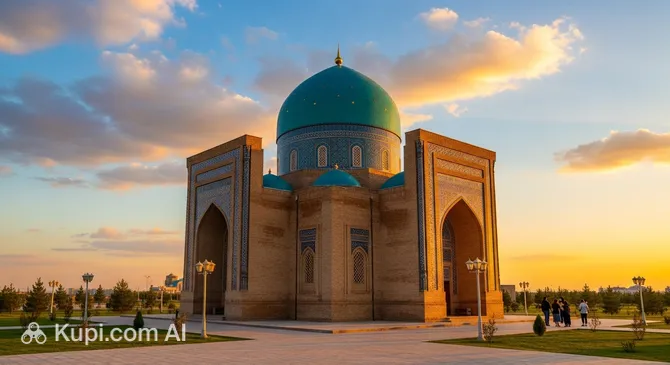
Taraz. Source: Kupi.Binoculars

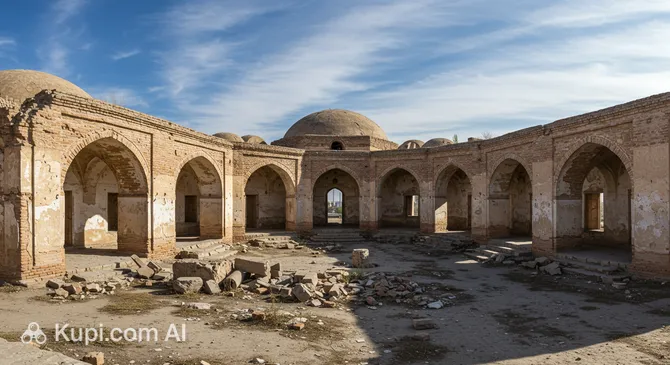
The history of Taraz is incredibly deep, spanning over 2,000 years. In ancient times, it was a flourishing commercial capital where merchants from East and West exchanged goods, ideas, and cultures. Today, this legacy is preserved in the city's architecture and archaeological sites. Visitors are often captivated by the Aisha-Bibi Mausoleum, a masterpiece of medieval architecture known for its intricate terracotta patterns, and the majestic Karakhan Mausoleum, which dominates the city center.

Beyond its historical monuments, Taraz offers scenic beauty and vibrant local markets. The Tekturmas complex, perched on a hill overlooking the Talas River, provides panoramic views of the city and is a spiritual destination for many pilgrims. Whether you are a history buff or simply seeking a destination off the beaten path, Taraz invites you to explore its ancient streets and experience the warm hospitality of its people.
Weather Overview

Taraz exhibits a continental climate with distinct seasonal variations, offering travelers a mix of hot summers and colder winters. The summer months are characterized by heat and clear skies; July is typically the warmest time of the year, with an average temperature of 26.4°C and daily highs often reaching 34.1°C. Rainfall is scarce during this period, particularly in August and September, ensuring plenty of sunny days for outdoor exploration.

In contrast, the winter season brings a significant drop in temperature. January is usually the coldest month, with averages hovering around -3.3°C and lows dipping to -8.0°C. While total precipitation remains relatively low throughout the year, spring tends to see more frequent moisture; March, for instance, records the highest frequency of precipitation with approximately 14 wet days.

Overall, visitors can expect hot, dry summers and cool, crisp winters with occasional light precipitation. To help plan your activities and packing list, it is helpful to check the detailed weather in Taraz before your journey.

Interesting Facts

Beyond the main attractions and historical mausoleums, Taraz holds many fascinating secrets that reveal its pivotal role in global history and culture. Here are some intriguing details about this ancient city that often surprise visitors.

Zhenis Park. Source: Kupi.Binoculars
  • The Secret of Paper: The region near Taraz was the site of the famous Battle of Talas in 751 AD, fought between the Abbasid Caliphate and the Tang Dynasty. This historical event is widely credited with facilitating the transmission of paper-making technology from China to the Islamic world and eventually to Europe, changing the course of human communication.

  • A City of Many Names: Over the last century, the city has undergone several identity changes, officially being known as Aulie-Ata, Mirzoyan, and Jambyl. It was not until 1997 that the city reclaimed its ancient historical name, Taraz, restoring its link to the Silk Road era.

  • Meaning of the Name: The name "Taraz" is believed to be derived from an ancient word meaning "scales" or "balance." This etymology perfectly reflects the city's historical status as a major commercial hub where merchants from East and West met to weigh and trade their goods.

  • A Park of Victory: Among the local favorites is Zhenis Park, whose name translates to "Victory." It serves not only as a lush green space for relaxation but also as a poignant reminder of the city's resilience and community spirit, offering a peaceful contrast to the bustling markets.

How to Get There

Reaching this historic city is relatively straightforward, with options ranging from air travel to rail. For a detailed breakdown of routes and tips, you can read more about how to get to Taraz. Whether you prefer the speed of a flight or the scenic rhythm of a train journey, the region is well-connected to major transport hubs.

The most convenient entry point for air travelers is Jambyl Airport (DMB), located just 9 km from the city center. It serves as the primary local hub, and the transfer to downtown takes approximately 35 minutes by taxi. For more international connections, many visitors choose Shymkent Airport (CIT) in the city of Shymkent, situated about 168 km away. From there, a taxi or bus ride takes around 4.5 hours. Another significant option is Manas International Airport (FRU) in Bishkek, which is approximately 252 km from Taraz; the journey by road from this major hub typically takes about 6.5 hours.

For clarity, here is a summary of the main airports:

Airport Name City Passenger Traffic Km from City
Manas International AirportBishkekHigh251.8
Shymkent AirportShymkentMedium168.2
Namangan AirportNamanganMedium212.9
Hazret SultanTurkistanMedium236.6
Jambyl AirportTarazSmall9.2

Traveling by train is another popular and reliable method to reach the city. The area is served by Taraz Railway Station, which is conveniently located within the city limits, just 4 km from the center. This station connects the city to the broader railway network of the region. Additionally, the Turksib Station in Lugovoy serves as a significant junction in the area, although it is located about 111 km away, requiring a transfer of roughly 3 hours by road.

Below is an overview of the railway stations serving the area:

Station City Passenger Traffic Km to Center
Turksib StationLugovoyMedium111.5
Taraz Railway StationTaraz4.0
Tyulkubas StationTole Bi101.9
Borandy StationBauyrzhan Momyshuly60.0
Sas-Tobe StationSayram121.0

Main Attractions

While Taraz is renowned for its ancient history, the city also offers a variety of modern leisure spots, scenic parks, and vibrant gathering places where visitors can relax and soak in the local atmosphere. From refreshing lakes to bustling shopping centers, here are some of the key places to visit during your stay.

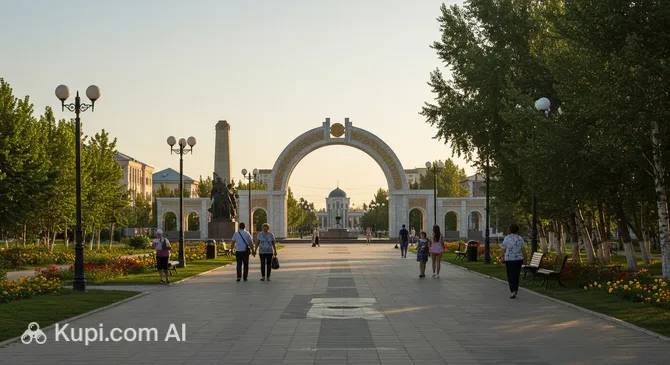
One of the most beloved green spaces in the city is Zhenis Park. This expansive park is a favorite destination for both locals and tourists seeking a peaceful retreat from the urban bustle. With its well-maintained walking paths, shaded alleys, and comfortable benches, it provides a perfect setting for a leisurely afternoon stroll. Families often visit for the recreational facilities, making it a lively yet relaxing spot to experience the community spirit of Taraz.

Zhenis Park. Source: Kupi.Binoculars

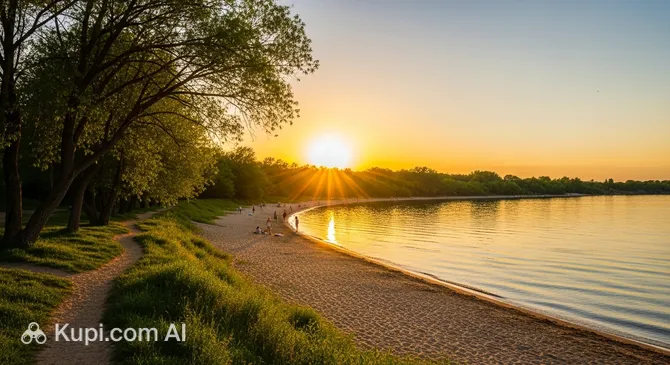
For those looking to enjoy nature near the water, Komsomol Lake offers a refreshing escape, especially during the warm summer months. Historically a popular recreational zone, the lake area attracts visitors with its opportunities for sunbathing and swimming. It is a scenic location where you can enjoy the cool breeze, watch the sunset, or simply have a picnic by the shore, adding a touch of nature to your travel itinerary.

Komsomol Lake. Source: Kupi.Binoculars

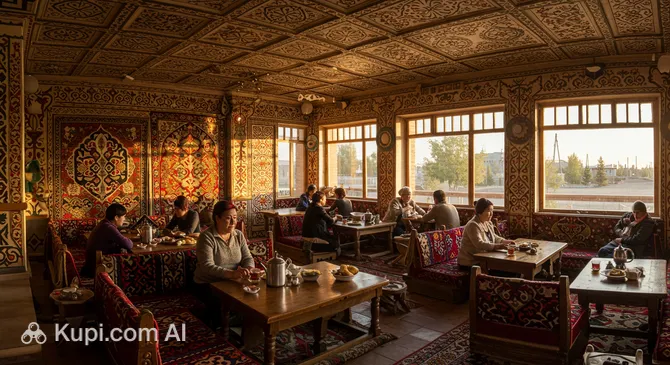
To experience the authentic flavors of the region, a visit to Kishmish Chaikhana is highly recommended. This establishment captures the essence of Central Asian hospitality, offering a menu filled with traditional dishes in a warm and inviting atmosphere. It is more than just a place to eat; it is a cultural experience where you can enjoy hearty meals and aromatic tea, much like the travelers of the Silk Road did centuries ago.

Kishmish Chaikhana. Source: Kupi.Binoculars

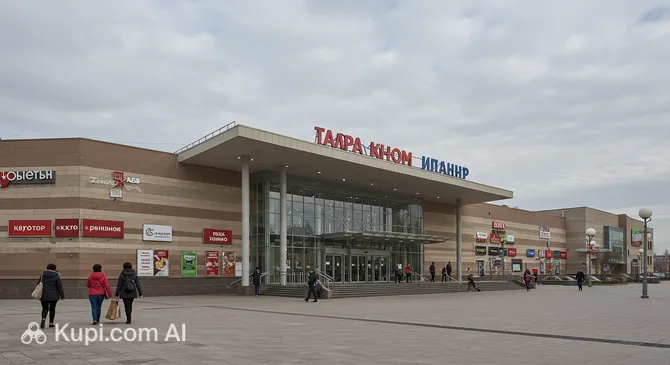
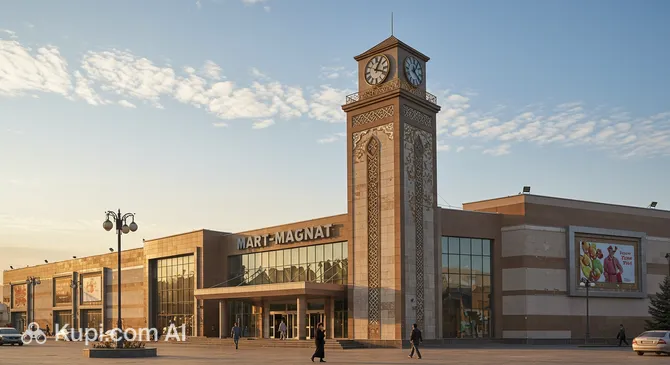
If you are in the mood for modern entertainment and retail therapy, the Mart shopping mall is the city's contemporary hub. As a modern complex, it features a wide range of international and local brands, a food court, and entertainment options. It serves as a convenient stop for travelers needing to pick up supplies or simply wanting to see the modern side of daily life in Taraz.

Mart. Source: Kupi.Binoculars

Local Cuisine

The culinary scene in Taraz is a vibrant reflection of its location on the ancient Silk Road, blending traditional nomadic recipes with the diverse flavors of Central Asia. Food here is hearty, aromatic, and deeply rooted in hospitality. The local cuisine is dominated by meat dishes, particularly mutton, beef, and horse meat, often accompanied by dough and savory broths. For tourists, dining in Taraz is not just about sustenance; it is an exploration of the region's rich cultural tapestry.

No visit to the south of Kazakhstan is complete without trying Beshbarmak, the national dish consisting of boiled meat served over thin pasta sheets. In Taraz, you will also find exceptional Lagman, a dish of pulled noodles with meat and vegetables that highlights the strong influence of Uighur and Dungan cuisines in the area. For a quick and delicious snack while exploring the city, look for Samsa, flaky pastries filled with minced meat and onions, often baked in traditional clay ovens known as tandyrs. Shashlik, or skewered meat grilled over charcoal, is another local favorite, renowned for its tenderness and marinade.

When it comes to beverages, tea is the cornerstone of every meal. Locals typically drink black tea with milk, served in small bowls called pialas. For a taste of traditional nomadic culture, adventurous travelers should try Kumis (fermented mare's milk) or Shubat (fermented camel's milk). These drinks are slightly sour and fizzy, prized for their health benefits and refreshing qualities, especially during the hot summer months.

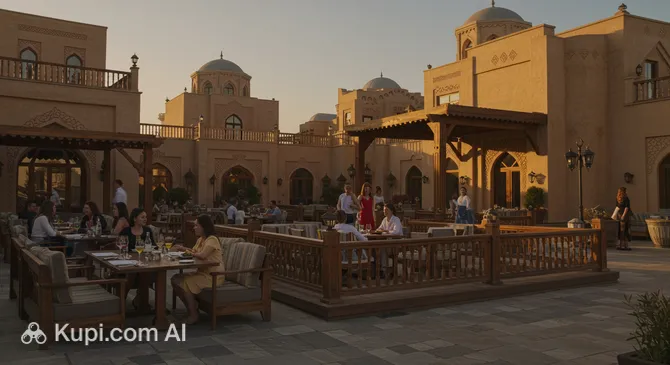
The city offers a variety of dining environments, from bustling bazaars where you can watch food being prepared to comfortable restaurants suitable for a relaxing evening. A notable spot to experience local hospitality and a diverse menu is the Grand Shirin Complex. establishments like this often serve large portions suitable for sharing, reflecting the communal nature of Kazakh dining.

Grand Shirin Complex. Source: Kupi.Binoculars

For those looking to unwind in a more modern setting with a lively atmosphere, Chechil Taraz is a popular choice. It represents the contemporary side of the city's food culture, where locals gather to enjoy snacks, drinks, and conversation. Whether you are sitting in a traditional chaikhana (tea house) or a modern bar, the warmth of the service in Taraz is sure to make your meal memorable.

Travel Tips

Visiting Taraz is an opportunity to step into a world where ancient history meets modern Kazakh hospitality. To help you navigate the "City of Merchants" with ease and make the most of your journey along this segment of the Silk Road, here is a collection of practical advice designed to ensure a smooth and enjoyable experience.

  1. Clothing and Gear: Since Taraz has a continental climate, your packing list should depend heavily on the season. For the hot summers, bring light, breathable fabrics, sunglasses, and a hat to protect against the strong sun. In winter, a heavy coat, gloves, and sturdy boots are essential as temperatures drop below freezing. If you plan to visit religious sites like the Aisha-Bibi or Karakhan Mausoleums, remember to dress modestly; women should have a scarf to cover their heads, and everyone should cover their shoulders and knees.
  2. Transportation: The city is compact enough to explore the central areas on foot, but for longer distances, taxis are the most convenient and affordable option. Ride-hailing apps like Yandex Go work well here and save you the hassle of negotiating prices. Public buses and minibuses (marshrutkas) are available and very cheap, though they can be crowded and signage is often only in Cyrillic. Car rental is generally not necessary unless you plan to explore the wider Jambyl Region independently.
  3. Finances: The local currency is the Kazakh Tenge (KZT). While credit cards (Visa and Mastercard) are widely accepted in shopping malls like Mart, hotels, and larger restaurants, cash is still king in local bazaars, small shops, and for public transport. ATMs are plentiful throughout the city. Tipping is becoming more common; if a service charge isn't included in the bill, leaving around 10% is a polite gesture for good service.
  4. Health and Safety: Taraz is generally a safe city for tourists, but standard precautions apply—keep an eye on your belongings in crowded markets. It is advisable to drink bottled or filtered water rather than tap water. Pharmacies (often marked as "Darykhana") are easy to find, and many operate 24/7. In case of any emergency, dial 102 for police or 103 for an ambulance.
  5. Communication: The main languages spoken are Kazakh and Russian. English is not widely spoken outside of major hotels and tourist agencies, so having a translation app or an offline map on your phone is highly recommended. Learning a few basic words like "Salem" (Hello) or "Rakhmet" (Thank you) will go a long way with locals. You can easily purchase a local SIM card (Beeline, Kcell, or Tele2) at the airport or mobile shops in the city center for reliable internet access.
  6. Local Etiquette: Hospitality is central to the culture here. If you are invited into a local home, you must remove your shoes at the door. Greeting people is important; men typically exchange handshakes, while a polite nod is common for women. Showing respect to elders is a strict social norm—always give up your seat on public transport to older passengers.
  7. What to Avoid: Avoid entering a mosque or a private home with your shoes on, as this is considered highly disrespectful. Additionally, try not to refuse an offer of tea or food too bluntly if you are a guest; sharing a meal is a sign of friendship, and a small taste is better than a flat refusal.
  8. Market Insight: For an authentic experience, visit the central bazaar early in the morning. This is when the produce is freshest, and the market is buzzing with energy. It is also the best place to buy local dried fruits and nuts at a fraction of the supermarket price, but be prepared to bargain politely.

By keeping these tips in mind, you will be well-prepared to embrace the unique rhythm of life in Taraz. Whether you are haggling for spices in the bazaar or admiring the intricate tilework of a medieval mausoleum, a little local knowledge will help you connect more deeply with this fascinating city and its welcoming people.

Entertainment & Nightlife

While Taraz is steeped in ancient history, its nightlife scene offers a surprisingly modern and energetic contrast. As the sun sets, the city shifts gears from a quiet historical hub to a lively center of evening entertainment. The nightlife here is characterized by a relaxed yet festive atmosphere, focusing primarily on lounge bars, karaoke clubs, and restaurants that transition into dance venues late into the night. It is a place where locals gather to unwind, socialize, and enjoy live music, making it easy for visitors to mingle and experience the friendly local culture.

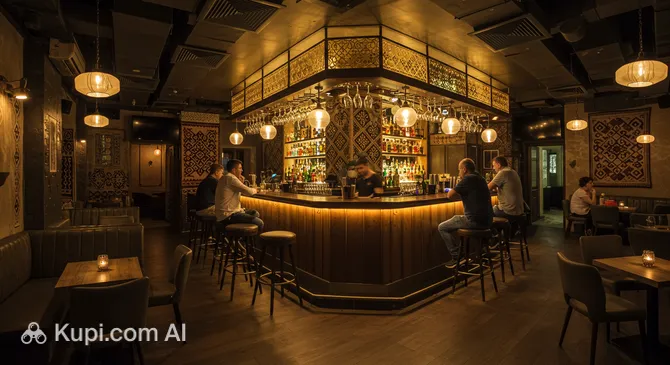
The heart of the city's evening activity is often found in the central districts, particularly along the main avenues like Tole Bi Street and near the central parks. Here, you will find a concentration of venues ranging from quiet hooka lounges to bustling pubs. One of the popular spots for a fun night out is BQ Bar. This venue is well-regarded for its vibrant atmosphere, offering a mix of good music, a wide selection of drinks, and a stylish interior that attracts a trendy crowd.

BQ Bar. Source: Kupi.Binoculars

Another favorite among both locals and visitors is Chechil Taraz. Famous for its energetic vibe, this bar often features live bands and a lively dance floor, making it an excellent choice for those looking to experience the more dynamic side of Taraz's nightlife. The dress code in most of these places is casual to smart-casual; while you don't need formal evening wear, looking neat is appreciated. Venues typically stay open until 2:00 AM or 3:00 AM on weekends.

Chechil Taraz. Source: Kupi.Binoculars

For those interested in a different kind of evening leisure, the Mart-Magnat Shopping Center and its surroundings offer a more family-friendly environment with cinema options and late-night cafes. It serves as a good starting point for an evening walk before heading to more spirited venues.

Practical Advice for Night Owls:

  • Transport: Public transport stops running relatively early, around 9:00 PM. The best way to get around at night is by taxi. Apps like Yandex Go are widely used, reliable, and affordable, ensuring you don't have to haggle over prices on the street.
  • Safety: Taraz is generally safe for tourists, especially in the well-lit central areas. However, as in any city, it is advisable to avoid unlit outskirts late at night and to stick to main streets. Solo travelers should feel comfortable, but taking a taxi door-to-door is always the safest option after midnight.
  • Prices: Nightlife in Taraz is quite affordable compared to larger cities like Almaty or Astana. Cover charges are rare unless there is a special concert, and drink prices are reasonable.

Before the sun goes down, the city offers plenty of daytime entertainment to fill your itinerary. Culture enthusiasts can visit the Zhambyl Regional Drama Theatre for local productions or explore the Regional History Museum to dive deeper into the Silk Road heritage. For a lighthearted afternoon, the city's amusement parks and the central squares provide a pleasant backdrop for walking and people-watching.

Parks & Museums

As one of the oldest cities in Kazakhstan, Taraz offers a fascinating blend of lush urban greenery and deep-rooted history. The city's parks are not just places for relaxation but are often intertwined with archaeological sites, allowing visitors to enjoy nature while walking through layers of the past.

Among the most prominent green spaces is Zhenis Park, located near the Talas River. Dedicated to the victory in World War II, this park is a favorite among locals for its shady alleys, well-maintained flower beds, and the eternal flame memorial. It provides a serene atmosphere for a morning jog or a quiet evening stroll. For those seeking a more natural environment, Komsomol Lake is a beloved recreational area. In the summer, it transforms into a vibrant spot where residents escape the heat, enjoy water activities, or simply relax by the shore with a view of the surrounding landscape.

For culture enthusiasts, the Zhambyl Regional History and Local Lore Museum is an essential stop. It houses a vast collection of over 60,000 exhibits, ranging from archaeological finds of the Saka period to ethnographic items of the Kazakh people. The museum is particularly famous for its collection of balbals—ancient stone statues that stand as silent guardians of the steppe's history. Another significant cultural venue is the Ancient Taraz Archaeological Park. This open-air museum complex is built over the excavated ruins of the ancient citadel. Visitors can walk along wooden pathways above the old city walls, visit the modern museum building that displays ceramics and coins found on-site, and climb the observation tower for a panoramic view of the entire complex.

Beyond the central museums, the city is dotted with architectural gems like the Karakhan Mausoleum and the nearby Aisha-Bibi Mausoleum, which are masterpieces of medieval Islamic architecture. These sites serve as open-air galleries of intricate terracotta work and engineering, reflecting the city's status as a jewel of the Silk Road.

For a truly authentic experience, take a short trip to the Tekturmas Ethnohistorical Complex. Perched on a hill overlooking the winding Talas River, this site offers not only a spiritual journey to the mausoleum of a local saint but also one of the best vantage points in the city. Watching the sunset from here, with the city spread out below and the mountains in the distance, is a magical moment that captures the timeless spirit of Taraz.

Getting Around

The public transport system in Taraz is straightforward and relies primarily on a network of buses and minibuses, locally known as marshrutkas. There is no metro, tram, or trolleybus system in the city, so road-based transport is the standard way to get around. The bus network covers the majority of the city, connecting the central districts with residential areas, markets, and the railway station. While the buses are larger and follow strict stops, the minibuses are smaller, faster, and often more flexible, though they can get quite crowded during peak hours.

Modernization has reached the payment system here, making it easier for visitors to travel without fumbling for loose change. The city uses a differential tariff system where paying electronically is significantly cheaper than paying with cash. You can pay using a specialized transport card, which can be purchased at various kiosks throughout the city. Additionally, payment via QR codes using local mobile banking apps or via SMS is widely accepted and very popular among locals. If you choose to pay with cash, you will hand the fare directly to the driver or conductor, but expect to pay a higher rate compared to the digital options.

Operating hours for public transport typically run from 6:00 AM to roughly 9:00 PM or 9:30 PM. It is important to note that buses become very scarce after dark, so you should not rely on them for late-night travel. For navigation, it is highly advisable to download a local map or navigation app that functions offline, as bus stop signage is often only in Cyrillic and routes can be confusing for first-time visitors. Validating your trip is done upon entry by tapping your card on the validator or scanning the QR code sticker placed inside the vehicle.

Given that public transport stops relatively early, taxis are the most popular alternative and are considered an essential part of getting around Taraz comfortably. Ride-hailing apps are widely used and offer a safe, transparent way to book a car without having to negotiate prices in a foreign language. This is particularly useful for trips to the airport or for dining out in the evening. While car-sharing and bike rentals are not yet standard features of the city's transport landscape, the affordability of taxis makes them a practical substitute for independent travel.

Accommodation

Finding a place to stay in Taraz is relatively straightforward, offering a range of options that reflect the city's developing tourism sector. The accommodation landscape primarily consists of mid-range hotels and affordable guesthouses. While the city does not yet host major international luxury chains, visitors can expect to find renovated Soviet-era hotels that offer a sense of nostalgia alongside modern boutique establishments providing comfort and contemporary amenities. For budget-conscious travelers, there are several hostels and smaller B&Bs that offer a warm, home-like atmosphere.

The most convenient area for tourists to base themselves is the city center. Staying here places you within walking distance of major historical sites, such as the ancient mausoleums and the bustling central market. Locations near Zhenis Park are particularly popular, as they offer a pleasant, green environment while keeping you close to the main transport arteries and a variety of dining options. This central location ensures that you can easily access taxis or buses to explore further afield.

In terms of pricing, Taraz is generally very affordable compared to Kazakhstan's larger cities like Almaty or Astana. Most hotels fall into the budget to mid-range category, making it an economical destination for travelers. Booking methods are becoming increasingly digital; while many established hotels are listed on major international booking platforms, some smaller local guesthouses may still prefer direct contact or payment in cash upon arrival.

Booking Tip: Although availability is usually good throughout the year, it is smart to book your room in advance if you plan to visit during the warmer months or around major national holidays like Nauryz in March. During these peak times, the best-value rooms in the city center tend to fill up quickly.

Nearby Cities

For those looking to explore the surroundings, Taraz serves as an excellent base for day trips to several interesting nearby locations. The region is rich in history and natural beauty, offering travelers the chance to experience the diversity of southern Kazakhstan within a relatively short distance.

One of the most popular destinations is Shymkent, a vibrant metropolis known for its lively bazaars, exceptional cuisine, and warm southern hospitality. As the third-largest city in the country, it offers a more bustling urban atmosphere compared to Taraz. Visitors can explore its lush parks, such as Abay Park, or dive into the local gastronomy, which is famous for having some of the best shashlik and samsa in the region.

For a journey into the spiritual heart of the country, a trip to Turkistan is highly recommended. Although it is a bit further away, it is home to the magnificent Mausoleum of Khoja Ahmed Yasawi, a UNESCO World Heritage site and a masterpiece of medieval architecture. This city serves as a significant pilgrimage site and offers a profound insight into the history of the Silk Road and Sufism in Central Asia.

City Population Distance (km)
Shymkent 1,028,673 162
Turkistan 164,899 257
Kentau 81,484 245
Shu 42,439 208
Arys 40,707 218

These nearby destinations offer a glimpse into the diverse culture and landscapes of the region.

Shopping & Souvenirs

Shopping in Taraz offers a unique blend of modern convenience and traditional Central Asian charm. As a city with deep roots in the Silk Road trade, commerce is embedded in its culture. While it may not be a global fashion capital, the city provides an authentic experience where visitors can explore everything from contemporary shopping centers to bustling bazaars filled with the aromas of spices and fresh produce.

For those who enjoy strolling and window shopping, the city center is the best place to start. Tole Bi Avenue serves as one of the main commercial arteries, lined with a variety of small boutiques, pharmacies, banks, and clothing stores. Walking along this street allows tourists to observe the local pace of life while having easy access to essential goods and services.

If you prefer a modern retail environment, the city has several noteworthy malls. Mart is a popular destination for both locals and tourists, offering a wide range of international and local brands, a food court, and entertainment facilities. It is a convenient stop for clothing, electronics, and accessories. Another key location is the Mart-Magnat Shopping Center, which provides a comfortable atmosphere for family shopping and leisure.

Mart-Magnat Shopping Center. Source: Kupi.Binoculars

However, to truly understand the spirit of Taraz, a visit to the Central Market (Bazaar) is essential. This is the vibrant heart of the city's trade, where the legacy of the Silk Road feels most alive. Here, you can wander through rows of stalls selling fresh fruits, vegetables, dried nuts, and aromatic spices. It is also the best place to find inexpensive clothing and household goods, all while engaging in the local tradition of polite bargaining.

When searching for souvenirs, look for items that reflect Kazakh culture and the region's history. Felt products, such as slippers or small rugs (shyrdaks), are popular for their craftsmanship and warmth. Traditional silver jewelry with intricate nomadic designs makes for a beautiful and lasting gift. Additionally, edible souvenirs like high-quality dried fruits, nuts, and kurt (dried fermented milk balls) are excellent choices to bring a taste of Taraz back home.

Store hours in Taraz are generally standard for Kazakhstan. Major shopping malls typically operate from 10:00 AM to 10:00 PM daily. Street shops and bazaars usually open earlier, around 8:00 AM or 9:00 AM, and begin to close by 6:00 PM or 7:00 PM. In terms of payment, credit cards are widely accepted in malls, supermarkets, and larger stores. However, cash is essential for bazaars, small kiosks, and public transport, so it is advisable to carry some Kazakh Tenge (KZT) with you.

Regarding tax refunds, the Tax-Free system is not widely established in Taraz. While Kazakhstan has introduced tax-free shopping for tourists in major hubs like Almaty and Astana, it is not currently a standard service in regional cities. Visitors should generally expect the listed price to be final, without the option for a VAT refund at the airport.

Reached the end of the page?

That means the route is fully explored