Support

Turkistan

About

Welcome to Turkistan, a city that resonates with deep spiritual significance and architectural grandeur. Often referred to as the spiritual capital of the Turkic world, this ancient settlement offers a unique blend of sacred heritage and modern revitalization. Located in the southern part of Kazakhstan, within the Turkistan Region, it serves as a bridge between the nomadic steppe and the settled civilizations of Central Asia.

Turkistan. Source: Kupi.Binoculars

The city is home to a population of approximately 165,000 people and enjoys a dry, continental climate with hot summers that are perfect for exploring its sun-drenched monuments. The rich history of Turkistan spans over 1,500 years, transforming it from a small settlement into a major trade hub on the Silk Road and a center of Islamic learning.

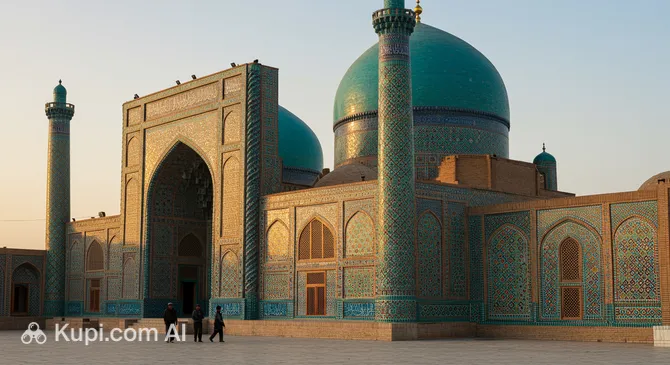
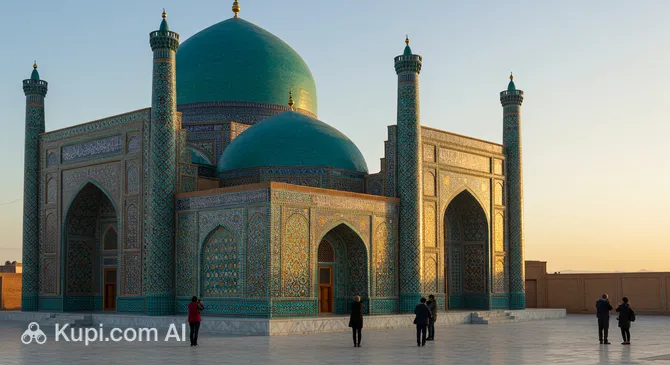
The crown jewel of the city is undoubtedly the Mausoleum of Khoja Ahmed Yasawi, a UNESCO World Heritage site commissioned by Tamerlane. Its turquoise domes and monumental size leave visitors in awe. Beyond the ancient walls, travelers can explore the vibrant Karavansaray complex, a "Venice of the sands" that offers entertainment, shopping, and a glimpse into the region's cultural renaissance.

Whether you are a pilgrim seeking spiritual solace or a traveler eager to witness the architectural marvels of the Silk Road, Turkistan welcomes you with open arms. It is a destination where the past and future meet, promising an unforgettable journey into the heart of Central Asian culture.

Weather Overview

The climate in this region is distinctively continental, characterized by significant temperature variations between the seasons. Generally, visitors can expect sweltering, dry summers and chilly winters with occasional precipitation. To ensure you pack correctly for your trip, it is helpful to review the detailed weather in Turkistan before you travel.

Summer is the hottest time of the year, particularly from June to August, when rainfall is virtually non-existent. July is typically the peak of the heat, with average maximum temperatures reaching 36.4°C. In contrast, the winter months bring a stark change; January is usually the coldest month, with average minimum temperatures dipping to -5.3°C. Spring serves as a transitional period and is slightly wetter, with March seeing about 10 wet days on average, offering a fresh contrast to the arid summer months.

Interesting Facts

Beyond its famous blue domes, Turkistan holds many fascinating secrets and legends that have shaped its identity over centuries.
Mausoleum of Khoja Ahmed Yasawi. Source: Kupi.Binoculars
  • The magnificent Mausoleum of Khoja Ahmed Yasawi is actually an incomplete structure. Following the death of the conqueror Tamerlane in 1405, construction halted abruptly, leaving the main entrance portal without the intricate tile work found on the rest of the building, a detail that remains visible to this day.

  • Inside the sanctuary sits the Taykazan, a massive bronze cauldron weighing two tons and cast from seven different metals. Historically, it was filled with sweetened water to be shared among pilgrims after Friday prayers, serving as a powerful symbol of unity and hospitality for the nomadic tribes.

  • The revered Sufi poet Khoja Ahmed Yasawi spent the final years of his life in an underground cell known as the Hilvet. Legend says that upon reaching the age of 63, the age at which the Prophet Muhammad passed away, he chose to live below ground to avoid seeing the sun more than the Prophet did.

  • Despite being located in an arid region, the modern Caravanserai complex features a unique man-made canal system. This architectural feat allows visitors to enjoy boat rides through the heart of the complex, earning it the nickname "Venice of the Steppe."

How to Get There

Reaching Turkistan has become significantly easier in recent years, thanks to the development of modern transport infrastructure. Whether you prefer the speed of air travel or the scenic route by train, there are several convenient options to suit your itinerary. For a detailed guide on planning your journey, you can read more about how to get to Turkistan and choose the best route for your trip.

The most direct way to arrive is by flying into Hazret Sultan (IATA: HSA), the city's own international airport. Opened recently to boost tourism, it is located approximately 21 km from the city center. A taxi or bus ride from here typically takes about 20 to 30 minutes. Alternatively, many travelers choose to fly into Shymkent Airport (IATA: CIT) in the neighboring city of Shymkent. As a larger regional hub, it often offers a wider range of flight connections. Shymkent is situated about 143 km from Turkistan, and the transfer by road usually takes around 2 hours.

For clarity, here is a summary of the main airports:

Airport Name City Passenger Traffic Km from City
Yuzhny Airport Tashkent Very High 241.7
Shymkent Airport Shymkent High 142.7
Hazret Sultan Turkistan Medium 20.9
Kyzylorda Airport Kyzylorda Medium 266.8
Jambyl Airport Taraz Low 250.4

Traveling by rail is another excellent option, allowing you to experience the vast landscapes of the region. You can arrive directly at Turkistan Railway Station, which is conveniently located just 6.7 km from the city center, making the final leg of your journey very short. This station is well-connected to major cities across the country. For those traveling from other directions, the Shymkent Railway Station in Shymkent is another major hub, located approximately 155 km away, offering frequent connections to various parts of Central Asia.

Here is an overview of the nearby railway stations:

Station City Passenger Traffic Km to Center
Arys-1 Station Arys High 106.7
Shymkent Railway Station Shymkent High 155.5
Arys-2 Station Arys High 105.0
Turkistan Railway Station Turkistan Medium 6.7
Shieli Railway Station Shieli Low 157.9

Main Attractions

Turkistan is a city where history breathes through every stone, offering visitors a profound journey into the past. The city's architecture and cultural centers provide a unique window into the spiritual and social life of the Great Silk Road. Here are the must-visit locations that define the character of this ancient hub.

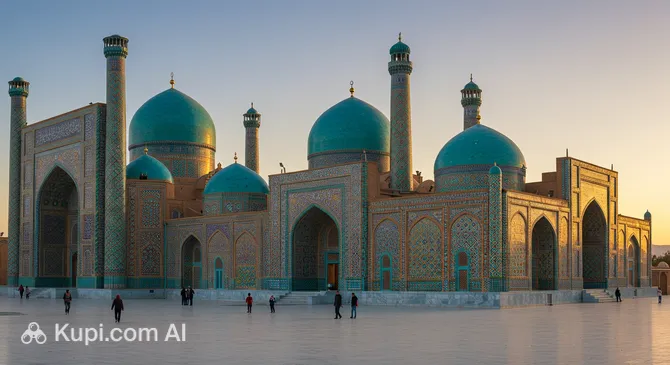
Standing as the undisputed symbol of the city is the Mausoleum of Khoja Ahmed Yasawi. This UNESCO World Heritage site is a masterpiece of medieval architecture, commissioned by the great conqueror Tamerlane in the late 14th century. Visitors are captivated by its massive turquoise domes and the intricate geometric patterns adorning its facade. It is not merely a monument but a sacred pilgrimage site that houses the tomb of the revered Sufi poet, attracting thousands of travelers seeking spiritual connection and historical insight.

Mausoleum of Khoja Ahmed Yasawi. Source: Kupi.Binoculars

A striking contrast to the ancient stones is the modern Caravanserai complex. Known as the "Venice of the Steppe," this vibrant tourist center brings the legends of the Silk Road to life with a contemporary twist. Tourists can enjoy boat rides along its azure canals, watch immersive equestrian shows, or explore the "Flying Theatre" for a bird's-eye view of Kazakh history. It is the perfect place to unwind, shop for local crafts, and experience the city's dynamic revitalization.

Caravanserai. Source: Kupi.Binoculars

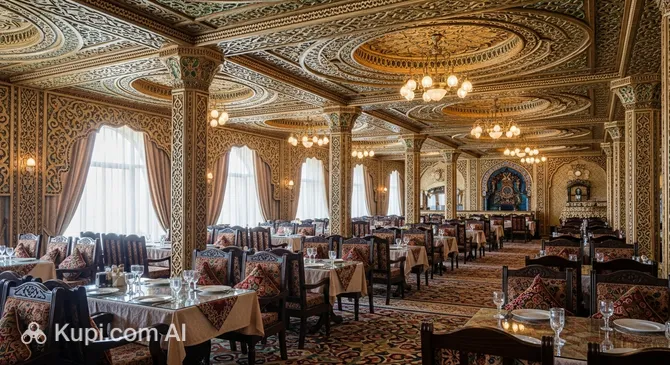
For those wishing to experience the region's culture through its flavors, the Sandyq Restaurant serves as a true gastronomic center. Far more than just a place to eat, it offers a deep dive into authentic Kazakh traditions. The interior is designed like a museum, showcasing national ornaments and artifacts, while the menu features forgotten recipes of the nomads prepared with organic local ingredients. It is an essential stop for anyone wanting to understand the hospitality that defines Central Asia.

Sandyq Restaurant. Source: Kupi.Binoculars

Local Cuisine

The culinary landscape of Turkistan is a delightful reflection of its location on the ancient Silk Road, blending traditional Kazakh nomadic recipes with the savory influences of settled Central Asian cultures. The food here is hearty, generous, and deeply rooted in the region's agricultural and pastoral heritage, with a strong emphasis on high-quality meat and dairy products.

No visit to the city is complete without trying Beshbarmak, the national dish of Kazakhstan. Translating to "five fingers" because it was traditionally eaten by hand, this meal consists of boiled meat (usually horse meat, mutton, or beef) served over wide pasta sheets and topped with a savory onion sauce called tuzdyk. Another absolute must-try in this region is the famous Turkistan Samsa. These savory pastries are baked in clay tandoors and are renowned for their large size, crispy dough, and juicy filling of minced meat and onions.

Due to its southern location, the city also excels in preparing Plov (pilaf). Often cooked in massive cauldrons (kazans) for large gatherings, this rice dish is rich with carrots, tender meat, and aromatic spices like cumin, reflecting the close cultural ties with neighboring Uzbekistan. For a quick and satisfying snack, street vendors often sell fresh tandoor bread (lepeshka), which pairs perfectly with local meals.

When it comes to beverages, the region is famous for Shubat, a fermented camel milk drink. It is thicker and richer than the mare's milk drink Kymyz, and locals prize it for its cooling properties during the hot summers. Tea culture is also fundamental here; meals typically begin and end with hot black tea, often served with milk in traditional bowl-shaped cups called pialas.

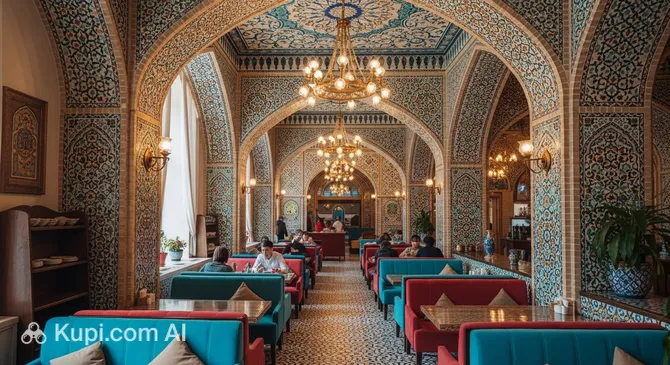
The food culture in Turkistan ranges from bustling bazaars and traditional tea houses (chaikhanas) to modern dining establishments. For travelers looking to enjoy a meal in a comfortable setting, Nursat Cafe is a popular choice. It offers a welcoming atmosphere where you can taste a variety of local and regional dishes, making it a great spot to relax after a day of sightseeing.

Nursat Cafe. Source: Kupi.Binoculars

Travel Tips

To ensure your journey to the spiritual heart of Central Asia is as smooth and enjoyable as possible, we have compiled a list of essential practical advice. These tips will help you navigate the local customs, climate, and logistics of Turkistan, allowing you to focus fully on the city's magnificent heritage.

  1. Clothing and Preparation: The climate in Turkistan is continental, meaning summers can be intensely hot while winters are quite cold. For summer visits, bring light, breathable fabrics, sunglasses, and a hat to protect against the strong sun. However, as this is a significant religious center, modesty is crucial. When visiting the Mausoleum of Khoja Ahmed Yasawi and other sacred sites, women should cover their heads with a scarf and wear clothes that cover shoulders and knees. Men should also avoid shorts and sleeveless shirts in these areas. Comfortable slip-on shoes are recommended, as you will frequently need to remove them when entering mosques and shrines.

  2. Transportation: The city center is relatively compact and walkable, especially around the main tourist complex. For longer distances, ride-hailing apps like Yandex Go are the most convenient and affordable way to get around; they spare you the hassle of negotiating prices. Public buses are available but can be crowded and difficult to navigate without knowledge of the local language. Car rental is generally not necessary within the city limits unless you plan to explore the remote surrounding steppe.

  3. Finances: The local currency is the Kazakh Tenge (KZT). While credit cards (Visa and Mastercard) are widely accepted in the modern Karavansaray complex, hotels, and larger supermarkets, cash is king in traditional bazaars, small shops, and some taxis. It is advisable to carry some cash in smaller denominations for tips and minor purchases. ATMs are plentiful throughout the city, and currency exchange offices can be found near markets and banks.

  4. Health and Safety: Turkistan is generally a safe city for tourists, but standard precautions against petty theft should be taken in crowded areas like the bazaar. Pharmacies, often marked with a green cross, are easy to find, and some operate 24/7. Regarding water, it is highly recommended to drink bottled water rather than tap water to avoid any stomach issues. In summer, staying hydrated is vital due to the dry heat.

  5. Communication: The primary languages are Kazakh and Russian. English is spoken by staff in major hotels and the tourist center, but less so by taxi drivers or local vendors. Learning a few basic phrases like "Salem" (Hello) and "Rakhmet" (Thank you) will be warmly received. For navigation and local business listings, download the 2GIS app, which is extremely popular and accurate in Kazakhstan. Buying a local SIM card (Beeline, Tele2, or Kcell) is easy at the airport or city shops with your passport.

  6. Local Etiquette: Hospitality is a cornerstone of local culture. If you are invited into a home, it is polite to accept a cup of tea. When greeting, men typically shake hands, while a polite nod is common for women. Always use your right hand for eating or passing objects. Respect for elders is paramount; giving up your seat on public transport or letting an older person pass first is expected behavior.

  7. What to Avoid: Avoid loud or disruptive behavior near religious sites, as these are active places of worship/pilgrimage. Public displays of affection should be kept to a minimum, as the region is more conservative than the capital. refrain from taking photographs of locals, especially women, without asking for permission first.

  8. Local Insight: While the Mausoleum is stunning by day, try to visit the surrounding park area after sunset. The monument is beautifully illuminated, and the heat of the day dissipates, making for a magical and comfortable evening stroll. Additionally, the fountain show at the Karavansaray offers a delightful modern contrast to the ancient history next door.

By keeping these tips in mind, you will be well-prepared to embrace the unique atmosphere of Turkistan. Respecting local traditions and being prepared for the climate will open doors to genuine interactions and a deeper appreciation of this ancient city's timeless charm.

Entertainment & Nightlife

While Turkistan is primarily known as a spiritual and historical destination, it has rapidly developed a vibrant entertainment scene that blends modern leisure with traditional culture. The city offers a range of activities, from immersive theatrical shows to bustling markets, ensuring that visitors have plenty to do after exploring the ancient monuments.

The epicenter of modern entertainment is the Caravanserai complex. By day, it is a picturesque place for a stroll, but by night, it transforms into a dazzling spectacle. Visitors can witness the breathtaking "Kyz Zhibek and Tolegen" boat show, a theatrical performance on the water that narrates a legendary Kazakh love story. Additionally, the complex often hosts equestrian shows that celebrate the horsemanship of the nomads, offering a dynamic glimpse into the region's heritage.

For a unique technological experience, the "Golden Egg" structure within the complex houses the Samruk Flying Theater. This 8D cinema takes viewers on a simulated flight across the landscapes and history of the mythical bird Samruk, accompanied by wind, mist, and motion effects. It is a favorite attraction for families and provides an exciting contrast to the city's ancient architecture.

Shopping enthusiasts will find two distinct worlds in Turkistan. The modern boutiques of the Caravanserai offer high-end souvenirs, fashion, and local crafts in a refined setting. In contrast, the bustling local bazaars provide an authentic Central Asian shopping experience. Here, you can bargain for dried fruits, nuts, traditional felt products, and silver jewelry, immersing yourself in the lively atmosphere of the Silk Road trade.

Evenings in the city are perfect for leisurely walks. The area surrounding the Mausoleum of Khoja Ahmed Yasawi is beautifully illuminated, creating a serene environment for a night promenade. The landscaped gardens and pedestrian zones offer a peaceful retreat where locals and tourists alike gather to enjoy the cooler evening air and the magical views of the lit-up domes.

Parks & Museums

Turkistan is rapidly transforming into a cultural oasis where ancient heritage meets modern urban planning. While the city is surrounded by the arid beauty of the steppe, recent developments have introduced lush green spaces and world-class museums that offer deep insights into the history of the Great Silk Road and the nomadic way of life.

Key Parks and Green Spaces

One of the city's most beloved green areas is Victory Park (Zhenis Park). As one of the older parks in Turkistan, it provides a welcome canopy of mature trees that offer shade during the hot summer months. It is a quiet place for reflection, featuring monuments dedicated to World War II heroes and paved paths perfect for a leisurely evening stroll away from the bustling tourist centers.

Surrounding the city's main historical sites is the expansive Cultural and Spiritual Center Park. This modern landscaped area connects the major monuments with fountains, flower beds, and manicured lawns. It serves as a refreshing buffer zone where visitors can rest on benches and admire the architectural skyline. The park is particularly enchanting at sunset when the heat subsides and the monuments are illuminated.

Museums and Galleries

The cultural heart of the city is the Azret Sultan State Historical and Cultural Reserve-Museum. This massive complex manages several significant sites, but its centerpiece is the Mausoleum of Khoja Ahmed Yasawi. Functioning as both a shrine and a museum, it houses a wealth of artifacts, including the original bronze lamps, ancient doors with intricate carvings, and the flags of Kazakh khans, offering a tangible connection to the spiritual history of the region.

For a cutting-edge museum experience, the Uly Dala Eli (Center of the Great Steppe) is a must-visit. Located near the mausoleum, this modern facility uses advanced digital technology and interactive exhibits to tell the story of the Turkic world. From the history of the Saka warriors to the development of the Kazakh Khanate, the museum provides a comprehensive and engaging narrative that appeals to both adults and children.

Historical and Architectural Sites

Beyond the museums, the city itself is an architectural exhibit. The Caravanserai complex is a stunning example of modern architecture paying homage to the past. Designed to resemble the ancient trading posts of the Silk Road, its streets, canals, and buildings create an immersive historical atmosphere. Additionally, the nearby Hilvet Underground Mosque offers a stark and humble contrast, preserving the subterranean cells where Sufi mystics once prayed in isolation.

Authentic Experiences

For a glimpse into the archaeological roots of the city, take a walk to the Kultobe Settlement, an open-air archaeological park currently under development. Here, you can see the excavated layers of the ancient city of Yasi, dating back centuries. It is a quieter spot that offers a raw look at the civilizations that have thrived here long before the modern city emerged.
Getting Around

The public transport system in Turkistan is relatively simple and compact, reflecting the city's size and layout. Unlike the larger metropolises of the region, there is no metro, tram, or trolleybus network here. Instead, the city relies entirely on a system of buses and minibuses (known locally as marshrutkas), which cover most residential areas and key tourist sites. For the majority of visitors, however, the central part of the city is pedestrian-friendly, and many of the main attractions can be easily explored on foot.

For those needing to travel further afield, buses are an affordable option. The payment system is currently in a transition phase, moving towards digital solutions. While local residents typically use electronic cards or pay via SMS and QR codes using local mobile apps, cash remains the most convenient option for tourists. You can pay the driver directly upon entering or exiting the vehicle. It is highly recommended to carry small denominations of the local currency, as drivers may not always have change for large banknotes. A single journey is very inexpensive, typically costing around 80 to 100 KZT.

Navigation can be a challenge without knowledge of the local routes, as bus stops often lack detailed maps in English. To make getting around easier, it is advisable to download the 2GIS app. This application is widely used across the region and provides accurate, up-to-date information on bus routes, stops, and schedules, functioning well even offline if you download the city map beforehand.

Public transport operates primarily during daylight hours, starting around 6:00 AM and winding down relatively early in the evening. Most bus routes stop running by 8:00 PM or 9:00 PM. If you are planning to stay out late to see the city's illuminations or enjoy a dinner, you will need to arrange alternative transport for your return journey.

Given the low cost and convenience, taxis are often the preferred choice for tourists. Ride-hailing apps like Yandex Go are fully operational in Turkistan and offer a safe, transparent way to book a car without the need to haggle over prices. This is particularly useful for trips to and from the Hazret Sultan Airport or the railway station, especially when carrying luggage. While you may see private cars acting as informal taxis, sticking to official apps is recommended for safety and reliability.

Cycling is also becoming a pleasant alternative for exploring the renovated city center. Several rental points can be found near the major parks and the Karavansaray complex. The flat terrain of the city makes it ideal for a leisurely bike ride, allowing you to move between the ancient mausoleums and modern attractions at your own pace.

Accommodation

As Turkistan transforms into a major tourist destination, its accommodation sector is developing rapidly to meet the needs of diverse travelers. The city now offers a wide range of options, from high-end international hotels to modest guesthouses, catering to everyone from luxury seekers to pilgrims visiting the holy sites.

For those looking for premium comfort and proximity to the main attractions, the area surrounding the Caravanserai complex is the best choice. This district features modern hotels that blend contemporary amenities with oriental architectural styles. Staying here places you within walking distance of the city's entertainment venues, restaurants, and the stunning light shows that take place in the evenings.

Travelers interested in a more authentic or budget-friendly experience will find numerous guesthouses and small boutique hotels scattered throughout the city center. Many of these establishments are family-run and offer a warm, hospitable atmosphere that reflects the local culture. They are particularly popular among pilgrims and those who wish to stay close to the spiritual sites without the price tag of luxury chains.

If you are visiting during the peak summer months or during major religious holidays, it is highly advisable to book your accommodation in advance. The influx of visitors can be significant, and the most popular hotels fill up quickly. Regardless of where you choose to stay, the city's compact nature means you are never too far from the historical heart of Turkistan.

Nearby Cities

For those looking to explore the surroundings, Turkistan serves as an excellent base for day trips to several interesting nearby locations:

Located just a short drive away is Kentau, situated at the foot of the Karatau Mountains. Unlike the ancient history of Turkistan, Kentau is a relatively young city known for its Soviet-era architecture, abundant greenery, and planned urban layout. It offers a quiet, nostalgic atmosphere and is perfect for a quick visit to see a different side of the region's development.

For a more bustling experience, Shymkent is a major metropolis and the third-largest city in the country. Renowned for its vibrant bazaars, lively parks, and exceptional cuisine, it is often called the gastronomic capital of the south. It is an ideal destination for those wanting to experience the dynamic urban culture and famous southern hospitality of Kazakhstan.

Another notable stop is Arys, a historic railway junction that has played a vital role in the transport network of Central Asia. While smaller, it offers a glimpse into the everyday life of the region and serves as a connecting point for travelers moving through the southern provinces.

City Population Distance (km)
Shymkent 1,028,673 152
Taraz 357,795 257
Kyzylorda 300,000 283
Kentau 81,484 29
Arys 40,707 106

These nearby destinations offer a glimpse into the diverse culture and landscapes of the region, ranging from industrial history to vibrant urban life.

Shopping & Souvenirs

Shopping in Turkistan is a journey that bridges two eras, offering visitors a choice between the ancient atmosphere of oriental bazaars and the comfort of modern retail complexes. The city is not a massive shopping metropolis like Almaty, but it provides a unique selection of goods that reflect the rich cultural heritage of the Silk Road. Visitors can find everything from authentic handicrafts and traditional clothing to contemporary fashion and electronics.

The primary destination for a modern shopping experience is the Caravanserai complex. While it is known for its entertainment and architecture, it also serves as the city's main open-air mall. The streets here are lined with boutiques selling international brands, sportswear, and high-quality souvenirs. It is a pleasant place to browse for gifts while enjoying the beautiful surroundings, especially in the evening when the weather cools down.

For a more authentic taste of Central Asian trade, the local bazaars are an essential stop. The central market is a bustling hive of activity where farmers and artisans gather to sell their wares. Here, the air is filled with the aroma of spices and fresh bread. It is the best place to buy dried fruits, nuts, and local sweets like kurt (dried yogurt balls) and irimshik (sweet cheese), which make for delicious and transportable gifts.

When looking for souvenirs, prioritize items that showcase Kazakh craftsmanship. Felt products, such as shyrdaks (carpets) or slippers, are popular for their durability and intricate patterns. Silver jewelry in traditional nomadic styles, often featuring carnelian stones, is another prized purchase. Additionally, miniature musical instruments like the dombra and wooden carvings are widely available and serve as beautiful reminders of your trip.

Opening hours vary depending on the venue. The shops in the Caravanserai and other modern centers typically operate from 10:00 AM to 10:00 PM. In contrast, the bazaars start their day early, often around 7:00 AM or 8:00 AM, and begin to close by 6:00 PM. Regarding payment, credit cards are widely accepted in malls, supermarkets, and hotels. However, if you plan to visit the markets or smaller souvenir stalls, carrying cash in Kazakh Tenge is necessary, as electronic payments may not be available.

Regarding tax refunds, the Tax-Free system is not yet widely implemented in Turkistan's retail sector. Tourists should generally expect to pay the listed price including VAT, without the option for a refund at the airport. It is best to focus on the unique value and quality of the local goods rather than potential tax savings.

Reached the end of the page?

That means the route is fully explored