Support

Bishkek

About

Welcome to Bishkek, the dynamic and leafy capital of Kyrgyzstan. This vibrant city serves as the cultural, political, and economic heart of the country, offering travelers a fascinating blend of wide, tree-lined boulevards, Soviet-era architecture, and modern developments. Known for its relaxed atmosphere and hospitality, Bishkek is often the starting point for adventures into the breathtaking Tian Shan mountains, yet it possesses a unique charm that makes it a destination in its own right.

Geographically, the city is situated in the Chuy Valley at an elevation of about 800 meters, dramatically framed by the snow-capped peaks of the Kyrgyz Ala-Too range. With a population of over one million people, it is the largest city in the country, bustling with activity while maintaining plenty of green spaces. The climate here is continental, characterized by hot, dry summers and cold, snowy winters, making every season distinct and beautiful in its own way.
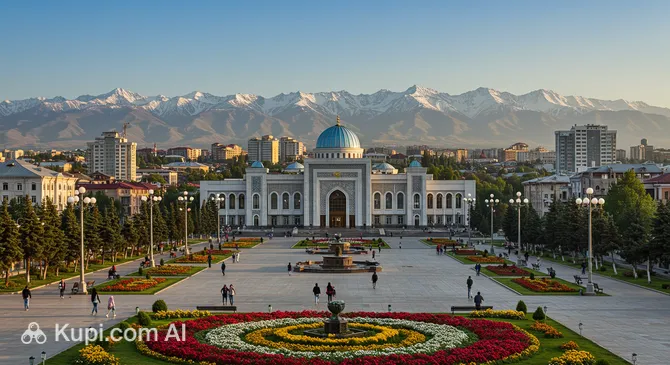
Bishkek. Source: Kupi.Binoculars

While the city feels youthful and energetic, visitors can delve into the history of Bishkek to understand its transformation from a modest clay fortress on the Silk Road into a major metropolis. Today, the city's heritage is visible in its monuments and museums, which stand alongside trendy cafes and bustling markets.

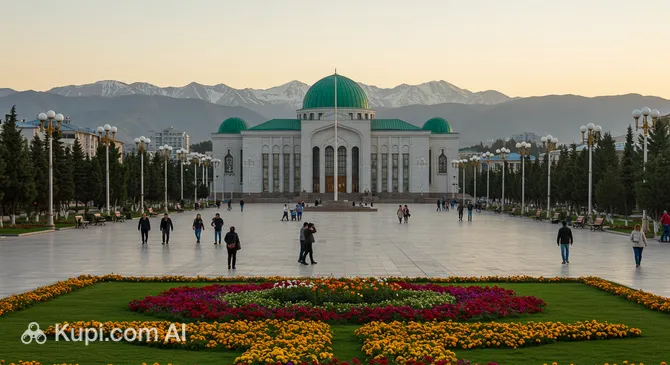
Explorers should not miss Ala-Too Square, the central hub where the changing of the guard ceremony takes place, or the lively Osh Bazaar, where the sights and smells of spices, dried fruits, and local snacks offer a true taste of Central Asia. For nature lovers, the proximity to Ala-Archa National Park means that pristine alpine scenery is just a short drive away.

Whether you are strolling through Oak Park, admiring the open-air art gallery, or enjoying the local cuisine, Bishkek promises a memorable experience. It is a city that invites you to slow down, explore its hidden corners, and enjoy the warmth of Kyrgyz culture.
Weather Overview

Bishkek experiences a distinct continental climate, offering travelers four well-defined seasons. To help you prepare for your visit, it is useful to review the detailed forecast for the weather in Bishkek before packing. Generally, the city enjoys hot summers with average maximum temperatures reaching 30.5°C in July, while winters are cold, with January seeing average minimums dip to -7.6°C.

Precipitation is distributed throughout the year, with spring and early summer often bringing the most frequent rainfall. March and June, for instance, typically experience around 16 wet days each. Despite the frequency of wet days, the overall precipitation volume remains relatively low. Expect warm summers with occasional rain and cold winters that often cover the city in snow.

Interesting Facts

Beyond the main avenues and parks, Bishkek holds fascinating stories that reveal its unique identity. From its curious etymology to its distinctive urban planning, here are a few insights into the capital of Kyrgyzstan that often surprise visitors.

  • The name "Bishkek" is widely believed to refer to a churn used to make koumiss (fermented mare's milk), which is the national drink of Kyrgyzstan. Local legends suggest the city was named after a hero or simply because a churn was left behind in the area, symbolizing the region's deep connection to nomadic traditions and hospitality.

  • Unlike many post-Soviet cities that completely removed their communist monuments, Bishkek took a more pragmatic approach with its massive statue of Vladimir Lenin. Originally standing prominently in the center of Ala-Too Square, the statue was not destroyed but simply moved to a quieter location behind the State History Museum, where it remains today.

  • Bishkek is famous for being one of the greenest cities in Central Asia, thanks largely to a unique irrigation system. A network of small, open canals known as aryks runs along almost every street, directing mountain water to the thousands of trees that provide essential shade during the hot summer months.

  • The city was designed with a specific grid layout to take advantage of its geography. The broad, straight streets are oriented to allow fresh breezes from the nearby mountains to flow through the city, acting as a natural ventilation system that helps clear the air and cool the urban environment.

Ala-Too Square. Source: Kupi.Binoculars

How to Get There

Reaching the capital of Kyrgyzstan is relatively straightforward, with air travel being the most popular method for international visitors. However, overland routes from neighboring countries are also common. For a complete guide on logistics, routes, and tips, you can read more about how to get to Bishkek.

The primary gateway to the city is Manas International Airport (FRU), located approximately 22 km from the city center. It is the main hub for the country, handling a significant volume of international and domestic flights. A journey from the airport to downtown Bishkek typically takes around 50 minutes by taxi or shuttle bus. Another option for travelers is flying into Almaty Airport (ALA) in the city of Almaty, Kazakhstan. Although it is about 208 km away from Bishkek, it serves as a major regional hub with numerous international connections. From Almaty, you can reach Bishkek by road, a trip that generally takes about 5 to 6 hours, depending on border crossing times.

For clarity, here is a summary of the main airports:

Airport Name City Passenger Traffic Km from City
Almaty Airport Almaty Very Large 208.0
Osh Airport Osh Large 291.8
Manas International Airport Bishkek Large 22.1
Jambyl Airport Taraz Medium 266.9
Issyk-Kul International Airport Tamchy Small 178.3

For those preferring rail travel, the city is served by the Bishkek-2 Railway Station, which is conveniently located just 3.2 km from the city center. It connects the capital with other regions of Kyrgyzstan and offers international routes, primarily to and from Russia. Travelers coming from Kazakhstan might also consider the Shu Railway Station in the city of Shu. Located about 104 km from Bishkek, it is a significant railway junction where one can transfer to road transport to complete the journey to the Kyrgyz capital.

Below is a list of the nearest railway stations:

Station City Passenger Traffic Km to Center
Shu Railway Station Shu High 104.1
Bishkek-2 Railway Station Bishkek Medium 3.2
Otar Railway Station Otar Unknown 90.5
Merke Railway Station Oytal Unknown 109.5
Kara-Balta Railway Station Kara-Balta Unknown 58.4

Main Attractions

Bishkek offers a delightful mix of cultural heritage, Soviet-era grandeur, and modern developments. The city’s attractions are often set against the backdrop of the mountains and are easily accessible, making sightseeing a pleasant experience. Here are some of the top places to visit during your stay.

One of the most significant cultural landmarks is the State History Museum. Located centrally, this institution provides a comprehensive journey through the ages of Kyrgyzstan. Visitors can explore extensive collections that range from ancient stone inscriptions and traditional nomadic jewelry to exhibits detailing the Soviet period. It is an essential stop for travelers looking to understand the deep roots and evolving identity of the Kyrgyz people.

For a relaxing break in the heart of the city, Panfilov Park is a favorite destination for locals and tourists alike. This star-shaped park is famous for its dense greenery and its charming collection of retro amusement rides. It offers a unique atmosphere where you can enjoy a quiet stroll under the trees or take a ride on the Ferris wheel to see the city from above, making it a perfect spot for families and leisure seekers.

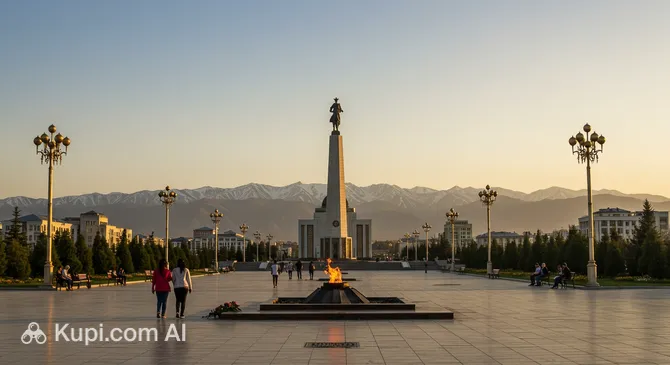
Victory Square. Source: Kupi.Binoculars

A striking example of symbolic architecture is Victory Square. The centerpiece of this vast plaza is a monument built to commemorate the end of World War II. The structure is designed to resemble the tunduk (the circular crown) of a traditional yurt, with three curved ribs forming a silhouette of a tent. An eternal flame burns beneath the granite arches, creating a solemn and impressive site that honors history while celebrating the concept of home and peace.

Those interested in religious architecture should visit the Central Mosque, one of the largest of its kind in Central Asia. Opened recently, it showcases stunning Ottoman-style design with towering minarets and a massive dome that dominates the skyline. The interior is equally breathtaking, featuring intricate calligraphy and spacious prayer halls, offering a serene environment for reflection and admiration of Islamic art.

Finally, art lovers will appreciate the Gapar Aitiev National Museum of Fine Arts. This museum houses a rich collection of Kyrgyz folk art, including beautiful felt carpets known as shyrdaks, as well as paintings and sculptures from the Soviet era. It provides a colorful window into the artistic soul of the region, highlighting the blend of traditional craftsmanship and academic fine arts.

Local Cuisine

The culinary landscape of Bishkek is a delicious reflection of its multicultural history and nomadic roots. Food here is hearty, flavorful, and deeply connected to the land, with meat playing a central role in almost every meal. For travelers, dining in the capital is an opportunity to experience legendary Kyrgyz hospitality, where portions are generous and tea is always flowing.

No visit to Bishkek is complete without trying Beshbarmak, the most iconic Kyrgyz dish. The name translates to "five fingers," as it was traditionally eaten by hand. It consists of boiled meat (usually horse meat or mutton) served over homemade noodles with an onion sauce called chyk. Another favorite is Lagman, a dish of Dungan origin featuring hand-pulled noodles served in a savory broth with meat and vegetables, or fried as Boso Lagman. For a quick and satisfying snack, look for Samsa, savory pastries baked in a clay oven and filled with minced meat, onions, and spices.

The beverage culture in Bishkek is just as unique as the food. Green and black tea are staples of daily life, often served in small bowls with sweets and dried fruits. In the warmer months, you will see vendors on street corners selling Maksym and Chalap, traditional fermented grain and dairy drinks that are incredibly refreshing. For the adventurous, trying Koumiss (fermented mare's milk) is a must, offering a slightly sour and fizzy taste that locals cherish. The city also produces excellent local cognac and vodka, which are often enjoyed during celebrations.

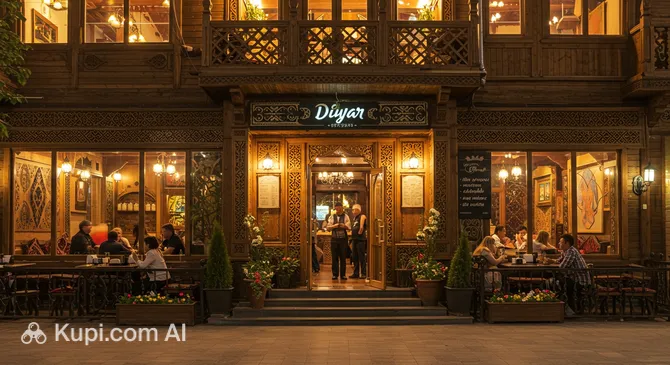
Diyar. Source: Kupi.Binoculars

The food scene in Bishkek ranges from bustling bazaars and traditional tea houses, known as chaikhanas, to modern international restaurants. For an authentic experience, you can visit places like Diyar, which offers a welcoming atmosphere and a wide selection of local specialties. If you are looking for something more contemporary, the city has a growing number of trendy spots such as Chicken Star, a popular venue that blends delicious food with an artsy, creative vibe.

Whether you are grabbing a steaming samsa from a street vendor or sitting down for a feast at a restaurant like ANT'S, the flavors of Bishkek are sure to leave a lasting impression. The combination of fresh, locally sourced ingredients and centuries-old recipes makes the capital a true destination for food lovers.

Travel Tips

Traveling to Bishkek is an adventure into the heart of Central Asia, where nomadic traditions seamlessly blend with modern city life. To help you navigate the capital with ease and confidence, we have compiled a set of essential practical tips that will ensure your journey is smooth and enjoyable.

  1. Clothing and Gear: The weather in Bishkek can be quite variable, so dressing in layers is the best strategy. Summers are hot, requiring light, breathable fabrics, while winters can be snowy and cold, necessitating a heavy coat and boots. Comfortable walking shoes are a must, as sidewalks can be uneven. If you plan to visit religious sites like the Central Mosque, remember to dress modestly: women should cover their heads and wear long skirts or pants, while men should avoid shorts.

  2. Transportation: The city does not have a metro system, but it has an extensive network of buses, trolleybuses, and ubiquitous minibuses known as marshrutkas. While marshrutkas are cheap, they can be crowded and confusing for first-time visitors. The most convenient option for tourists is using ride-hailing apps like Yandex Go, which are reliable, affordable, and overcome language barriers since you input your destination directly in the app.

  3. Finances: The local currency is the Kyrgyz Som (KGS). While credit cards are accepted in major supermarkets, malls, and trendy restaurants, cash is absolute king in bazaars, small shops, and for public transport. It is advisable to carry smaller denominations for daily purchases. ATMs are widely available throughout the city, and exchange offices (obmen valyut) offer competitive rates for major currencies like US Dollars and Euros.

  4. Health and Safety: Bishkek is generally safe for tourists, but standard precautions apply, especially in crowded places like Osh Bazaar where pickpocketing can occur. Pharmacies, marked as Darykana, are plentiful, and many operate 24/7. It is recommended to drink bottled or filtered water rather than tap water to avoid stomach issues. In summer, the sun can be intense, so stay hydrated and use sunscreen.

  5. Communication: The official languages are Kyrgyz and Russian, with Russian being the primary language of interethnic communication in the capital. English is not widely spoken outside of the tourism and hospitality sectors. Learning a few basic phrases in Russian or Kyrgyz, such as "Rakhmat" (Thank you), goes a long way. We highly recommend buying a local SIM card (operators like O!, MegaCom, or Beeline) upon arrival for reliable internet access.

  6. Local Etiquette: Hospitality is a cornerstone of Kyrgyz culture. If you are invited into a local home, you should always take off your shoes at the door. It is polite to bring a small gift, such as sweets or fruit. Respect for elders is paramount; always give up your seat on public transport to older people, pregnant women, or those with small children.

  7. What to Avoid: Be careful not to treat bread disrespectfully. In local culture, bread is sacred; never place it upside down on the table, throw it in the trash (place it aside separately), or put it on the ground. Additionally, avoid whistling indoors, as there is a common superstition that it brings bad financial luck or drives money away from the house.

  8. Useful App Tip: Instead of relying solely on global map apps, download 2GIS. This offline map application is incredibly popular and accurate in Bishkek. It provides detailed information on public transport routes, precise building entrances, and business operating hours, making it an indispensable tool for navigating the city like a local.

By keeping these practical tips in mind, you will be well-prepared to embrace the warmth and unique rhythm of Bishkek. Enjoy the delicious food, the stunning mountain views, and the incredible hospitality that makes this city such a rewarding destination.

Entertainment & Nightlife

As the sun sets over the Chuy Valley, Bishkek transforms from a laid-back administrative center into a city with a vibrant and surprisingly diverse nightlife. While it may not have the frenetic pace of some global metropolises, the Kyrgyz capital offers a warm and welcoming evening scene that caters to all tastes, from quiet conversations over craft cocktails to energetic dance floors. The nightlife here is concentrated primarily in the city center, making it easy to hop between venues without long commutes.

For those starting their evening with entertainment that bridges the gap between day and night, the city offers several modern leisure centers. Cosmopark is a favorite local hub, featuring a large cinema complex, a bowling alley, and various arcade games. It is a perfect spot to unwind and have fun before heading out for a late dinner or drinks. Additionally, the city has a rich cultural life during the day, with theaters and museums providing a dose of history and art before the evening festivities begin.

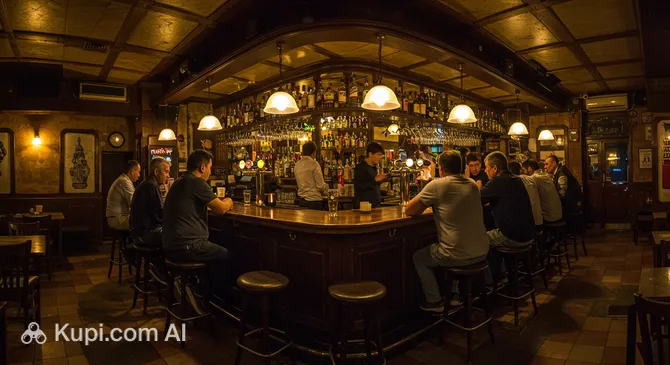
When it comes to bars and pubs, the local culture is rapidly evolving. You will find a mix of expat-friendly pubs, trendy wine bars, and hidden gems. One of the most intriguing spots is No Name Bar. Known for its speakeasy vibe and expert mixologists, it offers an intimate atmosphere where you can enjoy creative cocktails and good music. It attracts a stylish crowd and is ideal for travelers looking to mingle with locals in a sophisticated yet relaxed setting.

No Name Bar. Source: Kupi.Binoculars

If you are in the mood for something more energetic, karaoke and clubbing are significant parts of the Bishkek night. LiveBar Rooms is a popular destination that combines the excitement of a nightclub with private karaoke rooms. It is a place where the party often goes on until the early hours of the morning, fueled by a lively crowd and a playlist of international and local hits.

Practical Tips for Night Owls:

  • Timing and Prices: The nightlife usually kicks off around 9:00 PM or 10:00 PM, peaking on Fridays and Saturdays. Prices are generally very affordable compared to Western standards; a beer might cost around $2–$3, while a high-end cocktail is usually between $5 and $8.
  • Dress Code: While most bars are casual, nightclubs often enforce "face control" and a dress code. It is best to avoid sportswear and opt for smart-casual attire to ensure smooth entry.
  • Getting Around: Public transport stops running late in the evening, so taxis are the best way to get around at night. The most reliable and safe method is to use a ride-hailing app like Yandex Go. It is cheap, tracks your ride, and eliminates the need to negotiate prices.
  • Safety: The city center is generally safe for night walks, especially on well-lit main streets like Chuy Avenue. However, it is advisable to avoid unlit parks or the outskirts of the city late at night. As in any capital city, keep an eye on your belongings in crowded places.

Parks & Museums

Bishkek is widely celebrated as one of the greenest cities in Central Asia, where the urban landscape is softened by a canopy of ancient trees and numerous public gardens. The city’s cultural scene is equally inviting, with a variety of museums and monuments that narrate the complex and fascinating history of the Kyrgyz people, from their nomadic roots to the Soviet era and modern independence.

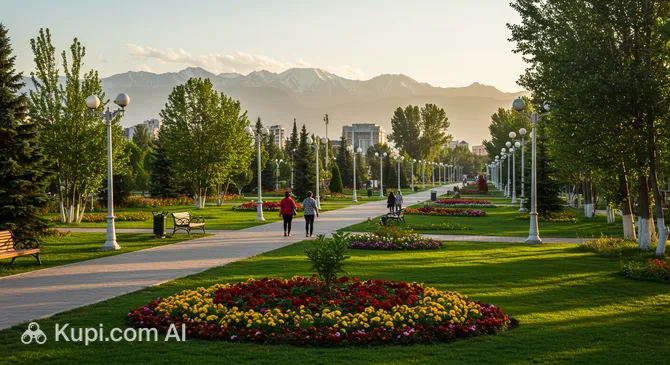
For a peaceful escape in the city center, Oak Park is the capital's oldest and most beloved green space. True to its name, the park is shaded by massive oak trees, some of which are over a century old, creating a cool refuge during the hot summer months. It is not just a place for nature walks but also a cultural hub, housing an impressive Open-Air Sculpture Museum. Here, visitors can wander among dozens of stone and metal statues scattered across the lawns, blending art seamlessly with the natural environment.

Oak Park. Source: Kupi.Binoculars

Nature enthusiasts looking for a more rugged experience should explore the Botanical Garden. It is the largest of its kind in the region and serves as a scientific research center. Unlike the manicured lawns of downtown parks, the Botanical Garden has a wilder, more overgrown charm that makes it feel like a true forest within the city. It offers stunning views of the mountains and is a favorite spot for locals to cycle, jog, or simply enjoy the quiet solitude among diverse plant species.

When it comes to museums, the city offers unique insights beyond the major national institutions. A must-visit for history buffs is the Mikhail Frunze Museum. Dedicated to the Bolshevik leader who was born in Bishkek (formerly known as Pishpek), the museum is architecturally fascinating because a massive concrete structure was built around Frunze's original humble thatched-roof cottage, preserving it intact inside. It provides a distinct look at the pre-Soviet and early Soviet life in the region.

The city's streets and squares are also dotted with significant monuments that reflect its identity. Dominating the central area is the majestic Manas Statue, dedicated to the legendary hero of the Kyrgyz epic poem. Standing tall with his sword drawn, Manas symbolizes the spirit and freedom of the nation. Nearby, you can find the powerful Monument to the Fighters of the Revolution. This striking copper statue depicts a woman holding a flame, honoring those who fought for the establishment of Soviet power, and remains an important piece of the city's historical narrative.

Insider Tip: For a truly local experience, take a leisurely evening stroll down Erkindik Boulevard. This pedestrian-friendly avenue is lined with tall poplars and is the perfect place to grab an ice cream, watch locals playing table tennis, and soak up the relaxed, friendly atmosphere that defines Bishkek.

Getting Around

Navigating Bishkek is an adventure in itself, as the city relies on a dense network of road-based public transport rather than a metro system. The most common and recognizable mode of travel is the marshrutka (minibus). These ubiquitous white vans dash across the city, covering almost every street and corner. They are the fastest way to get around using public transit, though they can be quite crowded during peak hours. Marshrutkas operate on fixed routes with specific numbers displayed in the front window, but they offer flexibility in stopping; while they generally adhere to designated bus stops, drivers may sometimes stop on demand if signaled along the route.

For a more spacious and relaxed journey, travelers should look for the city's large buses and trolleybuses. Bishkek has an extensive trolleybus network that is both eco-friendly and reliable, connecting major districts with the city center. These vehicles only stop at official designated bus stops, making them slightly slower than minibuses but far more comfortable. In recent years, the fleet has been modernized with new, gas-powered blue buses that are air-conditioned and wheelchair accessible, offering a significant upgrade in passenger comfort.

The payment system differs depending on the type of transport you choose. For municipal buses and trolleybuses, the city has transitioned to a cashless system. You cannot pay the driver with cash; instead, you must use a Tulpar card (the local transport card), a contactless bank card (Visa or Mastercard), or scan a QR code via local banking apps. Tulpar cards can be purchased at mobile network offices, post offices, and blue kiosks around the city. In contrast, marshrutkas still operate primarily on cash. You pay the driver directly upon entering, and it is appreciated if you have small change ready to speed up the process.

Fares are incredibly affordable by international standards. A ride on a bus or trolleybus costs significantly less than a dollar, with marshrutkas charging slightly more for their speed and convenience. Public transport typically operates from around 6:00 AM to 10:00 PM. While municipal routes may wind down earlier in the evening, marshrutkas often run later, though their frequency drops significantly after dark. For route planning, the offline map app 2GIS is an absolute essential; it provides precise information on which bus numbers to take, where stops are located, and estimated travel times.

If you prefer more privacy or are traveling late at night, taxis are a popular and inexpensive alternative. Ride-hailing apps are the standard way to book a car, ensuring a fixed price and safety without the need to negotiate. Additionally, the city has seen a surge in micromobility options. several electric scooter rental services operate in the central areas, allowing you to zip through the wide boulevards and parks via mobile apps, which is a fun way to explore the leafy streets of the capital during warmer months.

Accommodation

Bishkek offers a welcoming variety of accommodation options that cater to all preferences and budgets. The city has seen a significant development in its hospitality sector, ranging from friendly backpacker hostels and cozy guesthouses to modern mid-range hotels and high-end luxury establishments. For those seeking a more independent stay, the rental market for private apartments is well-established, providing fully furnished flats that are perfect for families or travelers planning a longer visit.

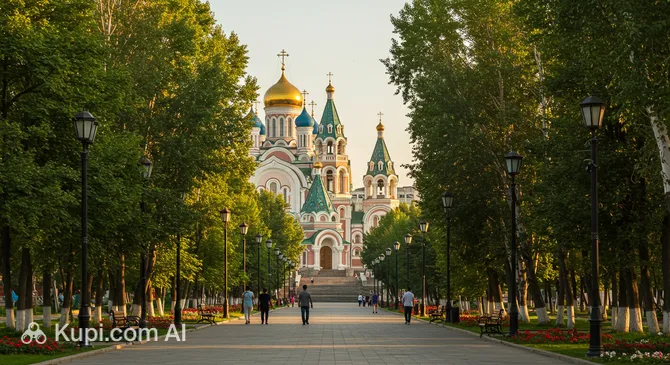
For the most convenient experience, staying in the city center is highly recommended. The area surrounding the main Chuy Avenue puts you within walking distance of the city's vibrant heart. Accommodation located near Ala-Too Square or the leafy Panfilov Park offers easy access to major museums, restaurants, and transport links, allowing you to explore the capital with ease while enjoying the green surroundings.

Panfilov Park. Source: Kupi.Binoculars

Travelers will generally find accommodation in Bishkek to be very affordable compared to Western capitals. Budget options and hostels are extremely wallet-friendly, while even 4-star and 5-star hotels offer rates that are often lower than international averages. While cash is widely used in smaller guesthouses, most established hotels and apartment owners accept bookings through major online travel platforms, which is the most secure and convenient way to reserve your spot.

Booking Tip: Although there is usually plenty of availability, the summer season (from May to September) attracts the highest number of tourists. It is advisable to book your accommodation in advance during these months to secure the best locations and rates, as popular spots can fill up quickly.

Nearby Cities

For those looking to explore the surroundings, Bishkek serves as an excellent base for day trips to several interesting nearby locations. The Chuy Valley is dotted with towns that offer a glimpse into the slower pace of Kyrgyz life and serve as gateways to historical and natural sites.

One of the most popular destinations is Tokmok. Located to the east of the capital, it is historically significant as a former military outpost and a key stop on the Silk Road. Today, it is best known as the jumping-off point for visiting the ancient Burana Tower, a solitary minaret that stands as a testament to the medieval city of Balasagun. To the west lies Kara-Balta, a major industrial center situated at the foot of the mountains. It is a common transit point for travelers heading towards the breathtaking Too-Ashuu Pass and the southern regions of the country. Closer to Bishkek, the town of Kant offers a quiet atmosphere and is known locally for its airbase and historical connection to the sugar industry.

City Population Distance (km)
Kara-Balta 74,133 59
Tokmok 53,231 59
Sokuluk 30,540 23
Novopokrovka 21,619 14
Kant 21,589 23

These nearby destinations offer a glimpse into the diverse culture and landscapes of the region, making them well worth a short visit for those wishing to see more of Kyrgyzstan beyond the capital.

Shopping & Souvenirs

Shopping in Bishkek is a fascinating experience that perfectly illustrates the city's blend of traditional Central Asian culture and modern development. Visitors can choose between wandering through chaotic, colorful bazaars that have been the heartbeat of trade for centuries, or browsing international brands in contemporary shopping centers. Whether you are looking for authentic handicrafts, fresh local produce, or high-end fashion, the capital offers diverse options to suit every budget.

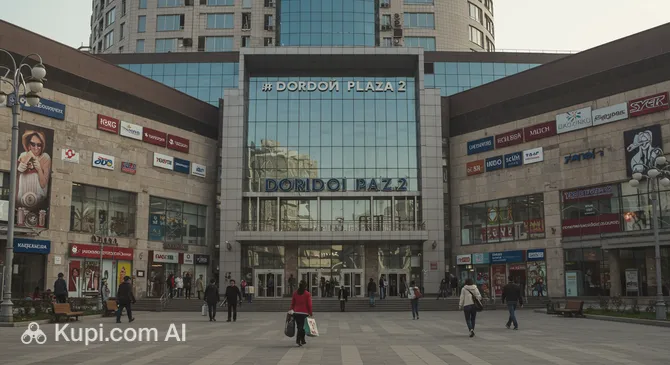
For those who prefer a modern retail experience, the city boasts several large shopping complexes that meet international standards. Dordoi Plaza 2 is widely considered the most upscale mall in the city. Located centrally, it features a wide range of global fashion brands, a high-quality supermarket, and a comfortable food court, making it a popular destination for both locals and tourists seeking a relaxed shopping environment.

Dordoi Plaza 2. Source: Kupi.Binoculars

Another prominent destination is Asia Mall, a massive complex with a distinctive architectural design. It houses numerous shops, a cinema, and entertainment zones for children. These malls are not just places to buy clothes; they are social hubs where people gather to eat, watch movies, and escape the summer heat or winter cold. In these modern centers, you will find familiar Western brands alongside Turkish and Russian retailers.

However, to truly understand the soul of trade in Kyrgyzstan, a visit to the markets is essential. The most famous is Osh Bazaar, located near the city center. It is a sensory overload of sights, smells, and sounds, where you can buy everything from spices and dried fruits to traditional Kyrgyz clothing and tools. For a different scale of commerce, the Dordoi Bazaar on the outskirts of the city is one of the largest wholesale markets in Central Asia. It is a sprawling city of shipping containers selling affordable clothing and goods that are distributed across the entire region.

When it comes to souvenirs, Bishkek is an excellent place to purchase authentic Kyrgyz crafts. The most popular items include felt products such as shyrdaks (colorful carpets) and warm slippers, which are both practical and beautiful. The traditional men's hat, the kalpak, is a classic gift. Visitors also frequently buy local honey, high-quality cognac, and dried fruits. For unique handicrafts, look for specialized artisan shops in the center or the souvenir rows at Osh Bazaar.

Practical Information:

Most shopping malls and supermarkets are open daily from 10:00 AM to 10:00 PM. Bazaars operate on a different schedule, typically opening early in the morning (around 8:00 AM or 9:00 AM) and winding down by 5:00 PM or 6:00 PM; note that Monday is often a cleaning day for markets, so many stalls may be closed. Regarding payment, cash is king at bazaars and small souvenir shops, so always carry Kyrgyz Soms in smaller denominations. In contrast, shopping malls, supermarkets, and brand stores widely accept credit cards (Visa and Mastercard).

Tax-Free Shopping:

Currently, Kyrgyzstan does not have a widely implemented VAT refund (Tax-Free) system for tourists similar to those found in Europe. Visitors should expect to pay the shelf price, which includes all applicable taxes. Bargaining is not common in malls or supermarkets, but it is an expected and enjoyable part of the experience when shopping at bazaars.

Reached the end of the page?

That means the route is fully explored