Support

Osh

About

Osh is frequently referred to as the "Southern Capital" and holds a special place in the heart of Central Asia. As the second-largest city in Kyrgyzstan, it offers a captivating blend of ancient tradition and modern life. The city buzzes with activity, welcoming travelers with its famous hospitality and a rich tapestry of cultures that have thrived here for millennia.

Geographically, the city is nestled in the southeastern part of the fertile Fergana Valley, surrounded by low foothills that eventually give way to the majestic Alay Mountains. With a population of over 320,000 residents, it acts as a bustling administrative and economic hub. The climate is generally continental, characterized by warm, sunny summers and mild winters, making it a pleasant destination for most of the year.
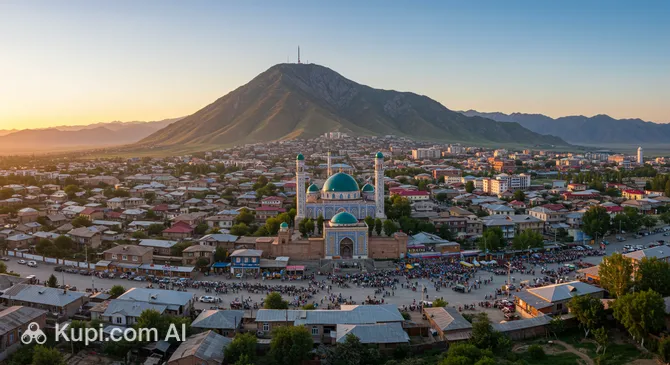
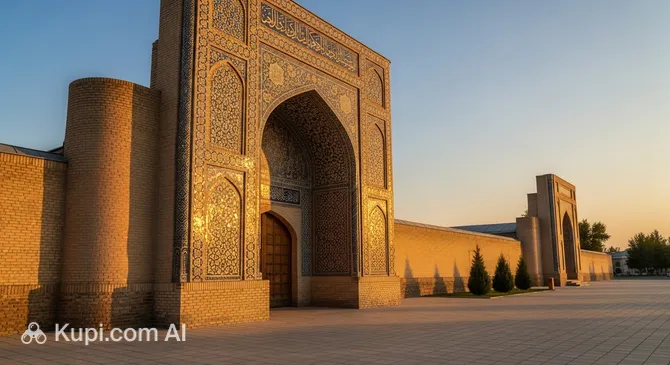
Osh. Source: Kupi.Binoculars

Legends regarding the city's foundation often mention King Solomon or Alexander the Great, highlighting its status as one of the oldest settlements in the region. For centuries, it served as a vital crossroads on the Great Silk Road, facilitating trade and cultural exchange between the East and West. You can discover more about its fascinating evolution and ancient roots by exploring the history of Osh.

Today, the city is renowned for the Sulaiman-Too Sacred Mountain, a UNESCO World Heritage site that rises dramatically from the city center. It offers panoramic views and has been a place of pilgrimage for centuries. Another unmissable highlight is the vibrant Jayma Bazaar, one of the largest and oldest open-air markets in Central Asia. Here, visitors can wander through endless rows of spices, fruits, and traditional crafts, experiencing the true flavor of the region.

Whether you are a history enthusiast, a nature lover, or a foodie looking to taste the most famous plov in the country, this city has something unique to offer. A visit to Osh promises an unforgettable journey into the soulful heritage of the region.
Weather Overview

The city experiences a continental climate characterized by distinct seasonal contrasts, ranging from hot, dry summers to cold winters. The warmest period typically spans from June to August, where July temperatures often peak around 31.8°C, creating a hot environment perfect for those who enjoy the sun. Conversely, the winter months bring a significant drop in temperature, with January seeing average lows dip to -6.2°C, so warm clothing is essential for travel during this time.

Precipitation patterns vary throughout the year, with spring being the most active season in terms of rainfall frequency. March is particularly notable, featuring up to 15 wet days, although the rain is often light. To help you plan your trip around these conditions, you can consult the detailed guide to the weather in Osh. By late summer, especially in August, the climate becomes much drier with only about 3 wet days, offering clear skies for outdoor exploration.

Interesting Facts

Beyond the main attractions, Osh holds many fascinating secrets that reveal layers of its deep history and unique character. Here are some intriguing details that make this ancient city truly special.
Sulaiman-Too Museum. Source: Kupi.Binoculars
  • The city is home to a truly unusual architectural marvel: the Sulaiman-Too Museum is not a typical building but is actually carved into a natural cavern within the sacred mountain. It is one of the largest cave museums in the country, housing thousands of historical artifacts deep within the rock.

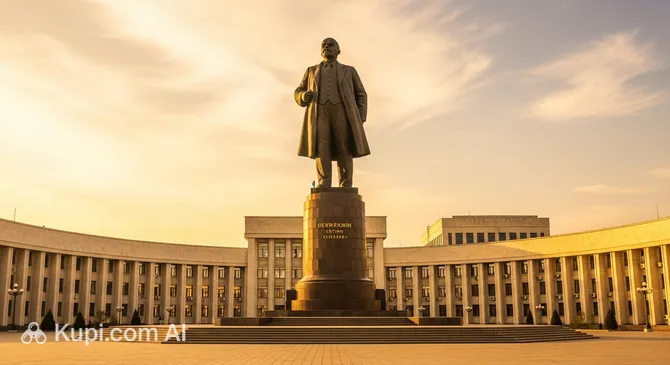
  • While many cities have removed Soviet-era monuments, Osh retains a colossal Lenin Statue standing prominently in the city center. It is considered one of the largest remaining statues of its kind in Central Asia, offering a stark visual reminder of the 20th century.

  • Near the foot of the sacred mountain, visitors can find a unique three-story yurt, a rare permanent structure built in the shape of a traditional nomadic dwelling. This distinctive landmark is part of the complex dedicated to the Monument to Alymbek Datka, a famous 19th-century stateswoman.

  • Due to the spiritual significance of the mountain looming over the city, Osh has historically been regarded as a "Second Mecca" for Muslims in Central Asia. Pilgrims have traveled here for centuries, believing that a visit to the holy sites on the rock brings healing and blessings.

How to Get There

Reaching this vibrant city is quite convenient, as it serves as a major transportation hub for the southern part of the country. Whether you are arriving by air or traveling overland through the Fergana Valley, there are several options to suit your itinerary. For a detailed breakdown of routes and logistics, you can read more about how to get to Osh.

The most direct way to arrive is via the local air hub. Osh Airport (OSS) is located just 10 km from the city center. It is a busy international airport facilitating numerous daily flights from abroad and the capital. The journey to the city center is quick, taking approximately 35 minutes by taxi or shuttle. With its significant passenger traffic, it is well-equipped to welcome travelers.

Travelers may also consider airports in neighboring cities, though this involves additional travel time. Andijan Airport (AZN) is located in the city of Andijan, about 49 km from Osh. The trip from there takes roughly 1 hour and 35 minutes by car. Another viable option is Fergana Airport (FEG) in Fergana, situated approximately 91.5 km away, with a travel time of around 2 hours and 40 minutes. These alternative hubs can be useful for those exploring the wider region.

For clarity, here is a summary of the main airports:

Airport Name City Passenger Traffic Km from City
Osh AirportOshLarge10.3
Namangan AirportNamanganLarge117.4
Fergana AirportFerganaMedium91.5
Andijan AirportAndijanMedium49.1
KokandKokandSmall154.1

For those considering rail travel, the closest major stations listed are located in neighboring cities, which can serve as transit points. You can arrive at the Andijan-1 Station in the city of Andijan, which is about 47 km from Osh. From there, you can get a taxi or bus, which takes about 1 hour and 30 minutes. Another option is the Margilan Railway Station in Yangi Margilan, located approximately 92 km away, with a transfer time of around 2 hours and 40 minutes.

Below is a list of the nearest railway stations:

Station City Passenger Traffic Km to Center
Margilan Railway StationYangi MargilanMedium92.0
Andijan-1 StationAndijan47.1
Quva Railway StationQuva61.9
TurtkulPaytug66.0
Chartak Railway StationChartak103.3

Main Attractions

Osh is a city where ancient history and modern life intertwine, offering travelers a wealth of unique sites to explore. From sacred mountains to vibrant recreational areas, the city's landmarks provide a glimpse into its rich cultural tapestry and the daily life of its residents.

One of the most significant sites is the Sulaiman-Too Museum. Carved directly into the side of the sacred mountain, this museum is a marvel of both nature and architecture. It houses a vast collection of artifacts that trace the history of the region, from ancient petroglyphs to medieval ceramics, offering visitors a deep dive into the cultural heritage of the Silk Road.

For those interested in monuments that tell a story, the Kyrgyz Kochu Ark is a striking landmark worth visiting. This architectural structure symbolizes the historic migration of the Kyrgyz people and serves as a tribute to their nomadic roots. The intricate details and grand scale of the arch make it a popular spot for photography and for reflecting on the nation's enduring spirit.

Kyrgyz Kochu Ark. Source: Kupi.Binoculars

To experience the local pace of life, a visit to the Ak-Buura Recreation Center is highly recommended. Located along the banks of the rushing Ak-Buura River, this area provides a refreshing escape from the city heat. It is a favorite place for both locals and tourists to enjoy riverside walks, relax in the shade, and soak up the lively atmosphere that defines the city.

Ak-Buura Recreation Center. Source: Kupi.Binoculars

Another charming spot for a leisurely stroll is Love Park. Designed as a recreational space for couples and families, the park features whimsical sculptures and well-kept paths. It is a pleasant location to unwind after a day of sightseeing, offering a quiet green space within the bustling urban environment.

Love Park. Source: Kupi.Binoculars

Local Cuisine

Osh is widely regarded as the gastronomic capital of Kyrgyzstan, boasting a culinary tradition that is distinct from the rest of the country. The city's location in the fertile Fergana Valley has created a rich food culture that blends nomadic traditions with settled agricultural influences. For any traveler, exploring the local flavors is as essential as visiting the historical sites.

The undisputed king of the local table is Osh Plov. Unlike the versions found in the north, this pilaf is typically made with a special local red rice called devzira, which is grown in the nearby paddies. It is cooked in massive cauldrons (kazans) with lamb, carrots, onions, and spices, resulting in a fragrant and hearty dish that locals claim is the best in Central Asia. Another must-try is Samsa, a savory pastry baked in a clay oven (tandoor). In Osh, they are often larger and filled with juicy minced meat and onions, serving as a popular street food snack.

The city is also famous for its shashlik (skewered meat grilled over charcoal). The marinade and quality of meat here are legendary, often served with vinegar-soaked onions and flatbread. For a more sit-down experience to enjoy these hearty meals, you might visit the Eldorado Grand Restaurant, which offers a variety of dishes in a comfortable setting.

Eldorado Grand Restaurant. Source: Kupi.Binoculars

Tea culture is deeply ingrained in the daily life of the city. Unlike the northern regions where black tea is common, the people of Osh predominantly drink green tea. It is usually served in small bowls called pialas and is the standard accompaniment to every meal. During the warmer months, you can also try traditional fermented drinks like kymyz (mare's milk) or maksym (a grain-based beverage), which are refreshing and believed to have health benefits.

Dining in Osh is often a communal affair centered around the chaikhana or tea house. These establishments are traditionally located near rivers or under the shade of trees, featuring raised platforms (tapchans) where guests sit cross-legged around a low table. It is the perfect way to relax and socialize. For those seeking a modern atmosphere or a place to enjoy coffee and lighter bites, the Arabica Lounge Bar provides a cozy environment. Alternatively, visitors looking for a blend of dining and accommodation services often find the restaurant at the Classic Hotel to be a convenient option.

Whether you are navigating the bustling rows of the bazaar sampling fresh fruits and hot bread, or enjoying a quiet evening in a cafe, the food scene here is welcoming and abundant. The generosity of the portions and the depth of flavor reflect the warm hospitality for which the "Southern Capital" is known.

Travel Tips

Welcome to Osh! To ensure your journey through the "Southern Capital" is as smooth as it is memorable, we have compiled a set of practical travel tips. These suggestions will help you navigate local customs and logistics, allowing you to focus on the rich history and culture of this ancient city.

  1. Clothing and Gear: The climate is continental, meaning summers are hot and dry while winters can be quite cold. Pack light, breathable fabrics for the summer months (June to August), but bring warm layers and a jacket if you visit in winter. Comfortable walking shoes are essential, especially for climbing the sacred mountain or exploring the large markets. For religious sites, dress modestly; covering shoulders and knees is respectful, and women may need a scarf for head covering.
  2. Transportation: The most popular local transport is the marshrutka (minibus), which is very affordable and covers most routes, though it can be crowded. Taxis are plentiful and cheap; using ride-hailing apps like Yandex Go is recommended to avoid language barriers and price negotiation. If you prefer to explore the surrounding mountains, hiring a car with a local driver is often safer and more relaxing than driving yourself.
  3. Finances: The official currency is the Kyrgyz Som (KGS). While modern cafes and hotels in the center may accept cards (Visa is more common than Mastercard), cash is absolute king here. You will need cash for the bazaar, taxis, and smaller shops. ATMs are widely available in the city center. Tipping is not mandatory, but leaving 5-10% in restaurants is a nice gesture appreciated by staff.
  4. Health and Safety: Osh is generally a safe city for tourists, but it is wise to keep a close watch on your wallet and phone in crowded places like the bazaar. Pharmacies are easy to locate, often marked with a green cross. As a precaution, avoid drinking tap water; stick to bottled or boiled water to prevent stomach upsets.
  5. Communication: The main languages spoken are Kyrgyz and Russian. English is not widely spoken by the general public, though younger people and tourism workers may know the basics. It is highly useful to download an offline translator app or map. Buying a local SIM card (operators like O!, Beeline, or MegaCom) is cheap and easy, ensuring you have internet access throughout your trip.
  6. Local Etiquette: Hospitality is central to the culture. If a local invites you for tea, it is polite to accept even for a short time. When entering a home or a mosque, you must remove your shoes. Greetings are important; men usually shake hands with other men, while a hand placed over the heart with a slight bow is a respectful greeting for everyone.
  7. What to Avoid: Avoid taking photographs of people, especially the elderly, without asking for permission first. It is also best to avoid public displays of affection, as the culture is traditional. When shopping, do not accept the first price offered at the market—bargaining is expected and is part of the experience.
  8. Market Insight: For the best experience at the Jayma Bazaar, try to arrive early in the morning. This is when the produce is freshest, the bread is hot from the oven, and the market is at its most vibrant. It is also a great time to see the city wake up before the midday heat sets in.

With these practical tips in mind, you are well-prepared to embrace the warmth and vibrancy of Osh. Enjoy the delicious cuisine, the stunning views, and the incredible hospitality that make this city a true highlight of Central Asia!

Entertainment & Nightlife

Entertainment and Nightlife:

The nightlife in Osh is distinct from the high-energy clubbing scenes found in larger capitals. Here, the evening culture revolves around socializing in relaxed settings, such as open-air cafes, tea houses, and lounge bars. The atmosphere is generally laid-back and welcoming, with locals preferring long dinners and conversations over loud music. Most activity is concentrated in the city center, particularly along Lenin Street and the areas surrounding the main parks, where the city comes alive with lights and music after sunset.

For those looking to enjoy a drink and a lively atmosphere, Blonder Cafe is a popular choice. It functions as a pub-style venue where you can find a good selection of beverages and hearty snacks. It attracts a mix of locals and expats, offering a friendly environment to unwind after a day of exploring. The dress code here, as in most places in the city, is casual, but neat attire is appreciated.

Blonder Cafe. Source: Kupi.Binoculars

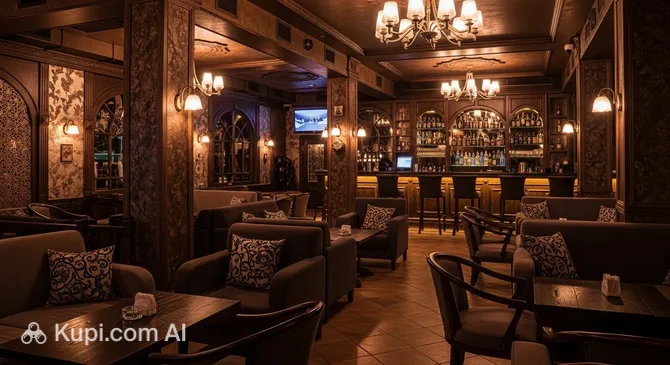
If you prefer a more modern and stylish setting, the Arabica Lounge Bar is an excellent spot for the evening. While it serves coffee during the day, at night it transforms into a trendy lounge often featuring hookahs and background music. It is a great place to experience the modern side of the city's youth culture and enjoy a comfortable evening with friends.

Arabica Lounge Bar. Source: Kupi.Binoculars

Beyond bars and restaurants, evening walks are a favorite pastime for residents. Meerim Park is a delightful place to visit when the sun goes down. The park becomes a hub of activity with families and couples strolling along the paths. In the warmer months, you might find small attractions and vendors selling snacks, creating a festive and safe environment for a night walk.

Meerim Park. Source: Kupi.Binoculars

When planning a night out, keep in mind that many venues close earlier than in western cities, often around 11:00 PM or midnight. Prices are generally very affordable compared to international standards. For transportation, it is best to use a taxi app like Yandex Go or call a reputable taxi service rather than hailing cars off the street at night. The city is safe for tourists, but sticking to well-lit central areas and taking a taxi back to your accommodation is always the wisest choice.

During the daylight hours, the entertainment options shift towards cultural and family activities. The city offers several theaters for those interested in local performances, as well as museums that delve into the region's history. Amusement parks located within the city's green spaces provide fun rides and games, making them perfect for travelers with children or anyone young at heart.

Parks & Museums

Osh offers a delightful mix of lush green spaces and deep-rooted cultural heritage, making it a city where nature and history seamlessly intertwine. Visitors can easily transition from a relaxing stroll under the shade of ancient trees to an immersive journey through the region's past in its unique museums. The city's layout encourages exploration, with many key recreational and cultural sites located within walking distance of the center.

One of the most beloved green spaces in the city is Navoi Park. Situated along the rushing waters of the Ak-Buura River, this park serves as the main recreational hub for locals and tourists alike. It is filled with towering trees that provide welcome relief from the summer heat, and it features a variety of amusements, from Ferris wheels to cafes. It is the perfect place to observe local life, enjoy a riverside picnic, or simply take a leisurely walk across the bridges that span the river.

For a more thematic experience, travelers often visit Love Park. This charming area is designed with couples and photographers in mind, featuring whimsical sculptures and heart-shaped installations. It offers a quieter atmosphere compared to the bustling central parks, making it a nice spot for a peaceful afternoon break. Another excellent option for families is Meerim Park, which provides well-maintained paths and plenty of benches for relaxation, serving as a green oasis in the urban landscape.

When it comes to museums, Osh boasts one of the most distinctive venues in Central Asia: the Sulaiman-Too Museum. While its location inside a mountain cave is its most famous attribute, the collection inside is equally impressive. The museum holds over 30,000 artifacts, including ancient petroglyphs, medieval ceramics, and coins that tell the story of the Silk Road. It provides a fascinating look at the spiritual and historical evolution of the Fergana Valley.

Another significant cultural landmark is the complex dedicated to the Monument to Alymbek Datka. This site features a striking three-story yurt, a permanent structure that serves as a museum celebrating the life of the "Tsarina of Alay," Kurmanjan Datka, and her husband Alymbek. Inside, visitors can view traditional Kyrgyz textiles, household items, and historical displays that offer insight into the nomadic lifestyle and the region's 19th-century history.

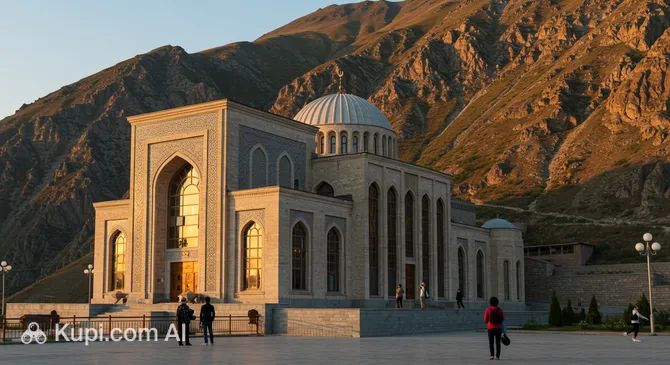
Monument to Alymbek Datka. Source: Kupi.Binoculars

In terms of historical monuments, the city center is dominated by a massive Lenin Statue. Standing opposite the city administration building, this towering figure is one of the few remaining monuments of its size in the region. It serves as a prominent architectural landmark and a tangible connection to the city's Soviet past, attracting history buffs and photographers interested in Soviet-era modernism.

Lenin Statue. Source: Kupi.Binoculars

For an authentic insider experience, consider hiking the trails on the back side of Sulaiman-Too mountain just before sunset. While the main museum path is popular, the lesser-used trails offer quiet spots to watch the city glow in the golden hour. It is a magical way to connect with the sacred nature of the site away from the main crowds.

Getting Around

Navigating Osh is a straightforward and authentic experience, with the public transport system acting as the lifeline of the city. The network is extensive, covering every neighborhood and connecting major landmarks, markets, and residential areas. For tourists, getting around is not only affordable but also offers a unique glimpse into the daily rhythm of local life.

The most popular and ubiquitous form of transport is the marshrutka (minibus). These white vans, marked with route numbers on their windshields, dominate the streets and offer the fastest way to travel between points. They stop at designated bus stops, but drivers will often pull over if you wave them down or ask to get off. While they can get crowded during peak hours, they provide an efficient service that keeps the city moving.

For a slower, more spacious journey, you can opt for the city's trolleybuses and large municipal buses. These operate on major avenues and are a good option if you have luggage or prefer a smoother ride. They are less frequent than marshrutkas but are slightly cheaper. This mode of transport is particularly nostalgic for many visitors, offering a classic way to view the city streets from a large window.

The payment system in Osh is traditional and cash-based. There are no complex ticket machines or travel zones to worry about. You simply pay the driver directly, usually upon exiting the vehicle. It is essential to carry small change (coins or small banknotes) as drivers may not always have change for large bills. Fares are fixed and extremely low, making public transport a budget-friendly choice for any traveler.

If you prefer more comfort or are traveling late at night, taxis are an excellent alternative. They are plentiful and inexpensive compared to Western standards. The most convenient way to hail a ride is through mobile apps like Yandex Go, which allow you to see the price upfront and avoid language barriers. Traditional taxis can also be hailed on the street, but be prepared to agree on a fare before starting your journey.

Public transport typically operates from early morning, around 6:00 AM, until approximately 9:00 PM or 10:00 PM. After these hours, marshrutkas become scarce, and switching to a taxi is highly recommended. To plan your route, it is helpful to use local navigation apps like 2GIS, which are widely used in the region and provide accurate route maps and stop locations even without an active internet connection.

While not a mode of commuter transport, a special feature worth mentioning is the cable car (ropeway) that ascends Sulaiman-Too Sacred Mountain. Located near the Ak-Buura River, this short ride offers a scenic shortcut to the top of the main attraction, saving you a steep hike and providing panoramic views of the entire city layout from above.

Accommodation

Finding accommodation in Osh is generally a straightforward and affordable experience, with options that cater to a variety of travel styles. The city’s hospitality sector has grown significantly in recent years, shifting from primarily Soviet-era establishments to a diverse mix of modern hotels, charming guesthouses, and budget-friendly hostels. While you will not find ultra-luxury international resort chains here, there are plenty of comfortable mid-range hotels that offer excellent amenities, including Wi-Fi, breakfast, and air conditioning, which is essential during the hot summer months.

For travelers seeking a more authentic cultural experience, the city is famous for its community-based tourism (CBT) guesthouses. These are often family-run homes that have been converted to welcome guests, offering a unique opportunity to experience traditional Kyrgyz hospitality firsthand. Staying in a guesthouse often means enjoying home-cooked breakfasts and gaining local insights from your hosts, making it a popular choice for backpackers and cultural enthusiasts.

When choosing a location, the most convenient area to stay is the city center, particularly along Lenin Street or near the City Hall. Staying here places you within walking distance of the main parks, the Jayma Bazaar, and a variety of cafes. Another popular area is the district surrounding the Sulaiman-Too Sacred Mountain. Accommodation here often offers spectacular views of the rock and provides easy access to the museum and hiking trails, though it can be a bit further from the main dining spots.

Booking and Prices: Accommodation in Osh is generally very reasonably priced compared to Western standards. Budget travelers can find hostel beds or simple guesthouse rooms for a very low cost, while mid-range hotels remain affordable for most visitors. It is highly recommended to book in advance if you are traveling during the peak season (June to August), as the best-rated guesthouses fill up quickly with trekkers and tourists. While major booking platforms work well for hotels, some smaller guesthouses may prefer direct contact or payment in cash (Kyrgyz Som) upon arrival.

Nearby Cities

For those looking to explore the surroundings, Osh serves as an excellent base for day trips to several interesting nearby locations:

One of the most historically significant destinations is Uzgen. Located just over an hour's drive away, this ancient town was once a capital of the Karakhanid Khanate. Visitors flock here to admire the 11th-century Uzgen Minaret and the adjacent mausoleums, which display intricate brickwork and serve as a testament to medieval Islamic architecture. The town is also famous for its bustling rice market, where the renowned red rice used in local plov is sold.

Another popular option is Jalal-Abad, known for its mineral springs and health resorts. The city offers a more relaxed pace and is often visited for its famous spa complex located on a hill overlooking the town. It is a great spot to enjoy a walk in the parks, taste the local mineral water, and experience a different side of urban life in southern Kyrgyzstan.

Closer to the city, Aravan attracts history enthusiasts and nature lovers. It is renowned for the "Celestial Horses of Aravan," a series of ancient petroglyphs carved into a rock face that date back to the 1st century BC. The area is also a gateway to the spectacular Chil-Ustun Cave, making it an exciting short trip for those interested in archaeology and geology.

City Population Distance (km)
Jalal-Abad8900448
Kyzyl-Kiya5130064
Uzgen4941051
Bazar-Korgon4101157
Aravan3291726

These nearby destinations offer a glimpse into the diverse culture and landscapes of the region.

Shopping & Souvenirs

Shopping:

Shopping in Osh is a vibrant experience that connects travelers directly to the city's ancient roots as a Silk Road trading hub. Unlike destinations dominated by sterile high-end boutiques, commerce here is lively, colorful, and deeply personal. The city offers a fascinating mix of modern retail centers and sprawling traditional markets where bargaining is an art form. Visitors can find everything from authentic handicrafts and textiles to the freshest local produce, making it a paradise for those who love to explore local culture through trade.

The primary shopping activity is concentrated in the city center, particularly along the main arteries like Lenin Street and Masalieva Avenue. These streets are lined with a variety of small shops, pharmacies, and clothing stores. However, the true commercial heart of the city beats in the areas surrounding the central market. Here, the streets are often bustling with vendors and pedestrians, creating a dynamic atmosphere where you can find household goods, fabrics, and local fashion all in one place.

For those seeking a more modern shopping environment with air conditioning and fixed prices, the city has several developing retail complexes. One of the most prominent is the Ramazan Shopping Mall. It offers a contemporary experience with a selection of clothing brands, electronics, and a food court, providing a comfortable contrast to the outdoor markets. It is a good place to pick up travel essentials or simply enjoy a break from the weather while browsing.

Ramazan Shopping Mall. Source: Kupi.Binoculars

No shopping trip to Osh is complete without spending hours at the legendary Jayma Bazaar. As one of the largest and oldest open-air markets in Central Asia, it stretches along the riverbank and occupies a massive area. This is not just a place to buy goods; it is a cultural immersion. You can wander through sections dedicated to specific items, such as the aromatic spice rows, the colorful fabric lanes, and the bustling produce stalls piled high with melons and dried fruits. It is the best place to observe local life and interact with friendly merchants.

When looking for souvenirs, the city offers unique items that reflect Kyrgyz heritage. Felt products are a top choice, including traditional shyrdaks (carpets) and the iconic kalpak (men's felt hat). The region is also famous for its knives (pichak), often featuring handles made of horn or bone, though travelers should be mindful of luggage restrictions. For edible gifts, packets of local spices specifically mixed for plov, along with bags of dried apricots and walnuts from the nearby forests, are popular and easy to pack.

Opening hours for most shops are typically from 9:00 AM to 8:00 PM, though the bazaar starts much earlier, often at sunrise, and begins to wind down by late afternoon around 5:00 PM. While modern malls and larger supermarkets accept credit cards (Visa is widely recognized), cash is essential for the markets and smaller street vendors. ATMs are available throughout the city center to withdraw the local currency, the Kyrgyz Som.

Regarding taxes, a tax-free refund system for tourists is not widely established or operational in the country. The price you see is generally the final price, although in the bazaar, the "final" price is always subject to a friendly negotiation.

Reached the end of the page?

That means the route is fully explored