Support

Kashgar

About

Stepping into Kashgar feels like embarking on a journey through time to the golden age of the Silk Road. Located in the far western reaches of China, within the Xinjiang Uyghur Autonomous Region, this oasis city has served as a vital trading post and cultural crossroads for over two millennia. With a population of approximately 920,000 people, it remains a bustling hub where ancient traditions seamlessly blend with modern life against the backdrop of the stunning Pamir Mountains and the vast Taklamakan Desert.

The city's unique atmosphere is defined by its vibrant streets, distinct architecture, and the enduring spirit of trade. To truly understand the depth of its heritage, visitors are encouraged to explore the rich history of Kashgar, which reveals its pivotal role in connecting East and West. The preservation of traditional mud-brick houses and labyrinthine alleyways in the Old City offers a rare glimpse into the region's architectural past, making it a photographer's paradise.
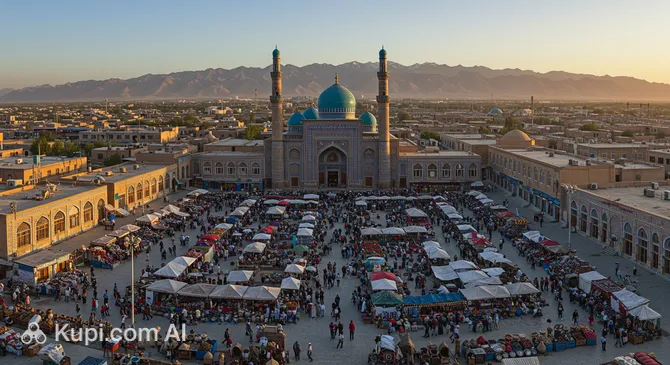
Kashgar. Source: Kupi.Binoculars

Travelers are drawn to Kashgar for its remarkable landmarks and lively markets. The Id Kah Mosque, one of the largest in the country, stands as a magnificent example of Islamic architecture and a center of local community life. Another unmissable experience is the famous Sunday Livestock Market, where traders gather from near and far in a spectacle that has changed little over the centuries. Additionally, the intricate Abakh Hoja Tomb showcases beautiful tile work and design, reflecting the artistic legacy of the area.

Whether you are navigating the winding streets of the Old City, sampling delicious local cuisine, or simply soaking in the desert sunsets, Kashgar offers an unforgettable travel experience. It is a destination that promises adventure and a profound connection to the ancient world, welcoming all who wish to discover its secrets.

Weather Overview

The climate in this region is defined by its arid nature and distinct seasons, typical of a desert environment. Summers in Kashgar are warm to hot, with July averages hovering around 26.4°C and daily highs often exceeding 32°C. In contrast, winters bring a sharp chill, as average temperatures in January dip to -5.3°C, with nights frequently falling below -10°C.

Rainfall is exceptionally rare here, with most months recording negligible precipitation. Even in August, which sees about 5 wet days, the actual rainfall amount remains minimal. Visitors should generally expect clear skies and dry conditions year-round. For a more detailed breakdown of what to expect during your visit, you can view the full report on the weather in Kashgar.

Interesting Facts

Beyond its bustling bazaars and ancient architecture, Kashgar holds several intriguing secrets that surprise many visitors. Here are some lesser-known facts about this historic oasis that reveal its unique position at the crossroads of cultures and geography.

  • The "Two Time Zones" Phenomenon: Although officially running on Beijing Time like the rest of China, the city geographically aligns much closer to a different time zone. Locals and travelers often operate on "Xinjiang Time," which is two hours behind the official clock. This means lunch is typically served around 2:00 PM, and in the summer, the sun can set as late as 10:00 PM, creating unusually long evenings.

  • A Hollywood Stand-in: The winding alleys and traditional mud-brick houses of the Old City are so historically authentic that they served as the primary filming location for the movie The Kite Runner. The city was chosen to depict pre-war Kabul, Afghanistan, as it preserved a specific architectural atmosphere that had largely vanished from the actual location.

  • Furthest from the Sea: Kashgar is located remarkably close to the Eurasian Pole of Inaccessibility, the point on land furthest from any ocean. This geographical distinction makes it one of the most inland cities on the planet, emphasizing its historical importance as a vital refuge and trading post deep within the heart of the continent.

  • A Colossal Landmark: People's Square in the city center hosts one of the largest remaining statues of Mao Zedong in the country. Standing at 18 meters tall, this imposing monument is a distinct visual landmark and a popular meeting point for locals, offering a striking contrast to the ancient Islamic architecture found nearby.

How to Get There

Reaching this historic Silk Road hub is an adventure in itself, offering travelers a chance to witness the changing landscapes of western China. For a complete overview of all travel options, routes, and tips, you can read our detailed guide on how to get to Kashgar. While the journey can be long, the modern transport network has made the city much more accessible than in the days of ancient caravans.

The most convenient entry point for most visitors is Kashi Airport (KHG), which serves as the primary aviation hub for the region. Located just 8.6 km from the city center, it offers frequent connections to Urumqi and other major cities. Due to its proximity, a taxi ride to the downtown area is quick and efficient, typically taking about 20-30 minutes. The airport handles a large volume of passengers annually, ensuring good facilities and transport availability upon arrival.

Travelers exploring the wider prefecture might also consider regional airports, though they are situated at a significant distance from Kashgar itself. The Shache (Yeerqiang) (QSZ) airport is located in Kuiyibagecun, approximately 162 km away. Another option is the Tashikuergan Hongqilafu Airport (HQL) in Taxkorgan, roughly 210 km from Kashgar. These airports are smaller and generally serve as gateways to their specific localities rather than direct entry points to Kashgar city, as the transfer by road would take several hours.

For clarity, here is a summary of the main airports in the vicinity:

Airport Name City Passenger Traffic Km from City
Kashi Airport Kashgar High 8.6
Shache (Yeerqiang) Kuiyibagecun Medium 161.7
Tashikuergan Hongqilafu Airport Taxkorgan Small 209.5

Besides flying, the railway remains a popular and scenic way to arrive. Trains from Urumqi traverse the vast desert landscapes, offering a unique travel experience. While the journey is long, modern sleeper trains provide a comfortable alternative for those who wish to see the changing terrain of the Xinjiang region up close.

Main Attractions

The heart and soul of the city is undoubtedly the Kashgar Old City. This mesmerizing labyrinth of narrow, winding alleys and earthen buildings offers a rare glimpse into the traditional way of life that has thrived here for centuries. As you wander through the streets, you will encounter skilled craftsmen fashioning copperware, musical instruments, and pottery right outside their workshops. It is a living museum where the vibrant culture of the Silk Road is palpable in every corner, making it an absolute must-visit for history enthusiasts and photographers alike.

Standing gracefully at the center of the city is the Id Kah Mosque, a stunning architectural landmark and a focal point for the local community. With its distinctive yellow-tiled façade and towering minarets, it is one of the largest mosques in China. Beyond its impressive exterior, the complex houses a peaceful courtyard lined with trees, offering a serene escape from the bustling bazaar outside. Visitors are drawn here to admire the intricate details of the design and to witness the daily rhythm of life in the square that fronts this historic structure.

For a truly immersive experience, the Grand Sunday Livestock Market is an attraction like no other. Located on the outskirts of the city, this vast trading ground comes alive with the chaotic energy of thousands of farmers and traders buying and selling sheep, cattle, horses, and camels. The sensory overload of sights, sounds, and dust creates an atmosphere that feels unchanged since the days of ancient caravans. It provides a fascinating look at the region's rural economy and is a prime spot for observing local customs in their most authentic form.

Another architectural gem is the Abakh Hoja Tomb, often considered the finest example of Islamic architecture in the region. This 17th-century mausoleum is the resting place of a prominent religious family and is renowned for its magnificent dome covered in green and blue glazed tiles. The complex includes serene gardens and prayer halls, telling stories of power, faith, and legend, including the tale of the "Fragrant Concubine." The exquisite craftsmanship and tranquil setting make it a highlight for anyone interested in art and history.

Local Cuisine

The culinary landscape of Kashgar is a vibrant reflection of its historic position as a major Silk Road trading hub. Unlike the rice-based diet found in much of eastern China, the local cuisine here is dominated by wheat, mutton, and a rich array of spices. Food is central to social life, and walking through the city's streets offers an aromatic journey filled with the scents of cumin, chili, and freshly baked bread.

One of the most iconic dishes to try is Laghman, a hearty meal consisting of hand-pulled noodles topped with a stir-fry of meat, peppers, tomatoes, and onions. It is a staple for locals and is renowned for the chewy texture of the noodles. Another favorite is Polov (or Polo), a savory pilaf cooked in huge cauldrons with rice, tender mutton, carrots, and onions, often served at gatherings as a symbol of hospitality.

Street food enthusiasts will find themselves in paradise, particularly when exploring the bustling markets. Kawap, or lamb skewers, are grilled over charcoal and heavily seasoned with cumin and chili powder, offering a smoky and spicy treat. These are often accompanied by Naan, the ubiquitous flatbread that comes in various shapes and sizes, from large, flat discs to smaller, bagel-like rings, usually baked in a traditional clay oven called a tandyr.

To round off a meal, locals typically enjoy cups of hot tea, sometimes infused with spices, milk, or rose flowers. The dining experience in Kashgar is communal and hearty, providing travelers with a delicious way to connect with the region's deep-rooted traditions and warm hospitality.

Travel Tips

Visiting Kashgar is an adventure into the heart of the Silk Road, but its unique location and customs require some specific preparation. These practical tips will help you navigate the city with confidence and respect for local traditions.

  1. Clothing and Gear: The desert climate means temperatures can fluctuate significantly, so dressing in layers is essential. In summer, light, breathable fabrics are best, while winters require heavy coats and thermal wear. Since Kashgar is a culturally conservative area, it is respectful to dress modestly; avoid shorts and sleeveless tops, especially when visiting religious sites like the Id Kah Mosque. Comfortable walking shoes are a must for exploring the uneven cobblestones of the Old City.
  2. Transportation: The most convenient way to get around is by taxi, which is generally inexpensive and plentiful. Public buses are available but can be crowded and difficult to navigate without knowing the language. Ride-hailing apps used elsewhere in China may work, but flagging down a taxi is often faster. Always have your destination written in Chinese characters to show the driver.
  3. Finances: The local currency is the Chinese Yuan (CNY). While digital payments like Alipay and WeChat Pay are ubiquitous, cash is king in the traditional bazaars and smaller shops. International credit cards are rarely accepted outside of high-end hotels, so it is wise to withdraw sufficient cash from ATMs at major branches like the Bank of China. Tipping is not part of the local culture and is not expected.
  4. Health and Safety: Kashgar is generally very safe for tourists, with a visible security presence. However, you must carry your passport with you at all times, as security checks at markets, hotels, and transport hubs are standard procedure. Pharmacies are marked with a green cross, but bring your own prescription medications. Due to the extremely dry climate, stay hydrated and carry lip balm and moisturizer.
  5. Communication: Mandarin Chinese is the official language, but the local Uyghur language is widely spoken on the streets. English proficiency is very limited, even in tourist areas. It is highly recommended to download an offline translation app and a map app like Amap (Gaode) before you arrive. Buying a SIM card as a foreigner can sometimes be a lengthy process requiring a visit to a main business hall, so consider organizing roaming or an eSIM in advance.
  6. Local Etiquette: The culture here is warm and hospitable. When greeting locals, a slight nod or a hand over the heart is a respectful gesture. If you are invited into a local home, always remove your shoes before entering. Public displays of affection should be kept to a minimum to respect local conservative norms.
  7. What to Avoid: Strictly avoid taking photographs of police officers, checkpoints, or government buildings, as this is prohibited and can lead to serious misunderstandings. Additionally, do not photograph local residents, especially women, without asking for their explicit permission first.
  8. Local Time Awareness: Although the city officially operates on Beijing Time, daily life runs on "Xinjiang Time," which is two hours behind. This means shops and restaurants often do not open until 10:00 AM or later (Beijing Time), and dinner is typically eaten around 8:00 PM or 9:00 PM. Plan your schedule accordingly to avoid arriving at closed doors.

By keeping these practicalities in mind, you can focus on the incredible sights and sounds this historic oasis has to offer. A little preparation goes a long way in ensuring your trip to Kashgar is both smooth and culturally enriching.

Entertainment & Nightlife

Entertainment in Kashgar offers a unique blend of ancient culture and lively social gatherings, distinct from the high-energy clubbing scenes found in China's eastern coastal cities. Here, the nightlife is centered less on loud discotheques and more on vibrant night markets, atmospheric tea houses, and leisurely strolls through the illuminated streets of the Old City. The evening atmosphere is warm and communal, inviting travelers to immerse themselves in local customs under the desert sky.

The absolute highlight of the city after dark is the bustling Kashgar Night Market (often referred to as the Hanbazar Night Market), located near the Id Kah Mosque. As the sun sets—which can be quite late, often after 10:00 PM Beijing time in summer—this area transforms into a sensory wonderland. Clouds of aromatic smoke rise from charcoal grills, and the air is filled with the sounds of vendors shouting their wares and locals chatting. It is the perfect place to try local specialties like grilled lamb, spicy noodles, and the famous hand-churned ice cream, all while soaking in the energetic vibe.

For a more relaxed evening, the Century-old Tea House in the Old City is an iconic venue that often stays open into the evening. While primarily a daytime spot, its balcony offers a perfect vantage point to watch the street life below while sipping hot tea spiced with saffron or rose. It is a hub for local elders and musicians, and you might be lucky enough to hear traditional Uyghur string music being played live. The atmosphere here is timeless, offering a stark contrast to modern entertainment venues.

If you are looking for a place to enjoy a drink, the nightlife scene is gradually modernizing. You can find several bars and music venues scattered around the newer parts of the city or near the major hotels. These spots typically offer a range of beverages, including the popular local Wusu beer, and attract a mix of locals and tourists. The dress code is generally casual, and the ambiance is friendly and laid-back.

Walking through the Kashgar Old City at night is an entertainment experience in itself. The government has invested in illuminating the traditional earthen architecture with warm, golden lights, creating a magical backdrop for photography. The streets are safe for night walks, and the cooler evening temperatures make it the most pleasant time to explore the winding alleys. The area around the ancient city walls is particularly picturesque and lively with families enjoying the evening breeze.

Regarding practicalities, remember that nightlife starts late due to the "Xinjiang Time" difference. Dinner crowds peak around 9:00 PM or 10:00 PM Beijing time. Prices are generally affordable, especially at the night markets. Taxis are plentiful and easy to flag down at night, making it simple to return to your hotel safely. The city is very safe for tourists, with well-lit main streets and a visible police presence ensuring a secure environment.

While the nights are magical, daytime entertainment in Kashgar also has much to offer. Visitors can explore the Kashgar Museum to deepen their understanding of the Silk Road's history or enjoy a peaceful afternoon in the People's Park. For families, the city offers various public squares and green spaces that come alive with kite flying and local dancing during the day.

Parks & Museums

While Kashgar is famous for its desert surroundings and ancient architecture, the city also offers refreshing green spaces and cultural institutions that provide a deeper understanding of its heritage. Beyond the bustling bazaars, visitors can find tranquil parks and informative museums that showcase the region's unique role as a crossroads of civilizations on the Silk Road.

For a break from the arid climate, East Lake Park (Donghu Park) is a favorite local retreat. This expansive area features a large artificial lake that creates a stunning contrast against the backdrop of the city and the distant mountains. It is a perfect spot for a leisurely afternoon stroll or a boat ride on the water. In the evenings, the park transforms as buildings around the lake are illuminated, casting colorful reflections on the water, making it a popular location for photographers and families enjoying the cooler night air.

Another central green space is People’s Park, located in the heart of the city. It serves as a vibrant social hub where locals gather to practice Tai Chi, play traditional instruments, or simply relax under the shade of mature trees. The park offers a glimpse into the daily life of the residents and provides a peaceful atmosphere amidst the urban energy. It is an excellent place to observe the harmonious blend of modern leisure and traditional customs.

To truly grasp the historical significance of the region, a visit to the Kashgar Museum is essential. This modern facility houses a comprehensive collection of artifacts that trace the area's history from the Stone Age through the height of the Silk Road trade. Highlights include ancient pottery, bronze ware, and textiles that demonstrate the cultural exchange between East and West. The museum also features exhibits on local folk customs, offering context to the traditions you see on the streets today.

In terms of historical architecture, the Gaotai Ancient Homes offer a striking visual of Kashgar's past. Perched on a high loess bluff, this cluster of traditional mud-brick houses showcases the ingenuity of Uyghur architecture. While access to the interior can be limited due to preservation efforts, the view of these earthen structures stacked upon one another is a testament to the city's endurance and distinctive aesthetic. It stands as a living monument to the generations of craftsmen who built this oasis city.

For those interested in ancient history beyond the Islamic period, the Mor Pagoda located just outside the city is a fascinating site. This ancient Buddhist stupa dates back over a millennium and serves as a reminder of the diverse religious history of the region before it became a center of Islamic culture. Standing amidst the desert landscape, the ruins offer a quiet and evocative connection to the early days of the Silk Road travelers.

An insider tip for culture lovers is to explore the small, family-run workshops within the Old City that function as living galleries. Unlike formal museums, these spaces allow you to watch master craftsmen at work, creating intricate copperware, wood carvings, and musical instruments. engaging with these artisans provides a personal connection to the city's artistic heritage that you cannot find in a display case.

Getting Around

The public transport system in Kashgar is primarily reliant on a comprehensive network of buses, as the city does not currently operate a metro or tram service. The bus lines are extensive, covering all major districts, including the historic Old City, commercial centers, and key transport hubs like the railway station. The fleet is generally modern and air-conditioned, which is a welcome feature during the warm summer months. For visitors, taking the bus provides an authentic and inexpensive way to traverse the city, although routes can sometimes be crowded during peak commuting times.

Payment for public transport is straightforward and exceptionally affordable. The standard fare for most bus routes is typically 1 RMB, regardless of the distance traveled within the city limits. Passengers are expected to drop the exact fare into a collection box upon boarding at the front door, so carrying small denomination notes or coins is essential. While locals frequently use mobile payment apps like WeChat Pay or Alipay to scan QR codes, international tourists may find cash to be the most reliable option to avoid technical difficulties with foreign accounts.

For those seeking a more direct and faster mode of travel, taxis are the most popular alternative. They are abundant throughout the city and can be easily hailed on the street, usually recognized by their green or blue coloring. Taxis operate on a taximeter system with a very low starting rate, making them an economical choice even for budget-conscious travelers. While ride-hailing apps are available, the high density of taxis on the roads often makes flagging one down quicker than waiting for a digital booking.

A unique feature of the local transport landscape is found within the Old City. Due to the narrow, winding nature of the ancient alleyways, standard vehicles are often restricted. Instead, electric sightseeing carts shuttle visitors between the main entrance gates and key attractions. These open-air vehicles are perfect for navigating the expansive historic zone without walking long distances in the heat, offering a convenient "hop-on, hop-off" style service for tourists.

Travelers should note that bus stop signs and route information are predominantly displayed in Chinese and Uyghur. To navigate successfully, it is highly advisable to have your destination written in Chinese characters to show to drivers or to match with station names on a map app. Public transport generally operates from early morning until late at night, adjusting to the local custom of late evenings. While bike sharing is not as ubiquitous as in other major cities, some hotels offer bicycle rentals for those who prefer to explore the flat terrain at their own pace.

Accommodation

Finding the right place to stay in Kashgar is an essential part of the travel experience, with options ranging from atmospheric traditional guesthouses to modern high-rise hotels. The city caters well to a diverse mix of visitors, offering everything from budget-friendly youth hostels that serve as social hubs for Silk Road backpackers to mid-range and luxury establishments providing full amenities. Whether you are looking for local charm or contemporary comfort, the accommodation landscape here is surprisingly varied and generally offers excellent value for money.

For many travelers, the most desirable area to stay is within or immediately surrounding the Old City. Staying here allows you to immerse yourself in the local culture, with the vibrant night markets and historic architecture right on your doorstep. Some accommodations in this area are converted traditional homes, featuring beautiful courtyards and Uyghur-style decorations that enhance the sense of place. Alternatively, the modern city center, particularly around People's Square and the main commercial districts, offers larger hotels with standard international facilities, which can be more convenient for transport connections and business travelers.

When planning your stay, it is important to note that accommodation prices in Kashgar are generally lower than in China's major eastern cities like Beijing or Shanghai. Budget travelers can find very affordable dorm beds or simple rooms, while luxury stays are competitively priced. Booking is best done through major international or Chinese online travel platforms to ensure reliability.

A crucial tip for international visitors is to verify that your chosen hotel is licensed to accept foreign guests. Not all properties in the region have this authorization, so it is highly recommended to confirm this detail before arrival to avoid any inconvenience. Additionally, during the peak travel season from July to October, rooms can fill up quickly, so booking in advance is a wise strategy to secure your preferred location.

Nearby Cities

Kashgar serves as a magnificent gateway to the wider Xinjiang region, a vast land of deserts, mountains, and oases that defined the ancient Silk Road. While the distances in this part of China are immense, the modern transport network of highways and railways connects Kashgar to several other historic cities. Exploring these destinations allows travelers to trace the caravans' path along the edges of the Taklamakan Desert and discover distinct cultures, landscapes, and culinary traditions.

The closest major city is Shache (also known historically as Yarkand), located approximately 160 km to the southeast. It was once the seat of an ancient kingdom and remains a vibrant center of Uyghur culture, famous for its music and traditional architecture. Further south lies Hotan, renowned for its jade, silk, and carpets. Traveling north-eastward brings you to Aksu and Kuqa, key stops on the route towards Urumqi that offer access to ancient Buddhist caves and spectacular canyons. For those willing to venture much further, Yining in the Ili Valley offers a completely different landscape of lavender fields and grasslands near the border.

Here is an overview of the major regional cities accessible from Kashgar:

City Name Distance from Kashgar Population
Shache 160 km 851,374
Aksu 409 km 535,657
Hotan 431 km 322,300
Kuqa 640 km 462,588
Yining 680 km 542,507

Travel between these cities is best undertaken by train or long-distance bus. The railway offers a comfortable and scenic way to cross the desert expanses, with sleeper options available for the longer legs of the journey, such as to Kuqa or Yining. Each of these destinations adds a unique chapter to the story of the region, from the jade markets of Hotan to the lush greenery of the Ili River valley.

Shopping & Souvenirs

Shopping in Kashgar is an immersion into the living history of the Silk Road. For millennia, this city has been a commercial hub where merchants from East and West exchanged goods. Today, it remains a vibrant center of trade, offering an exotic array of local handicrafts, textiles, and foods that are difficult to find anywhere else. The experience is as much about the atmosphere—the bargaining, the smells of spices, and the sounds of hammering copper—as it is about the items you buy.

The most atmospheric shopping experience is found within the winding streets of the Old City. Specifically, the famous Handicraft Street is lined with hundreds of workshops where artisans manufacture goods right before your eyes. Here, you can wander past blacksmiths, woodcarvers, and potters, purchasing items directly from the creators. For a more modern retail experience, the commercial district around People's Square and Jiefang Road hosts department stores, supermarkets, and fashion boutiques selling contemporary brands.

While traditional bazaars dominate the scene, the city does have large indoor shopping complexes. The most significant for visitors is the Central West Asia International Grand Bazaar. This sprawling complex is one of the largest in Central Asia, housing thousands of stalls. It is divided into specific sections for fabrics, hardware, dried fruits, and electronics. Unlike a sterile modern mall, it retains the chaotic energy of a traditional market but within a structured environment.

Beyond the Grand Bazaar, the Sunday Livestock Market is a world-famous trading event. While you might not be in the market for a sheep or a camel, the periphery of this market sells traditional tools, ropes, and simple country wares, offering a fascinating look at rural commerce. For foodies, the night markets are the place to buy packaged spices, teas, and local snacks to take home, amidst the clouds of smoke from the barbecue grills.

Kashgar is a treasure trove for unique souvenirs. Musical instruments like the rawap (a plucked lute) and dutar are beautifully crafted and make for stunning display pieces. Copperware, including intricate teapots and basins, is a signature local craft. The region is also famous for Yengisar knives, known for their sharp blades and decorated handles; however, be aware that these cannot be carried on planes or trains and must be mailed home via specific courier services. Other popular items include colorful Atlas silk, handmade wool carpets, and high-quality dried fruits such as walnuts, raisins, and red dates.

Due to the local custom of operating on "Xinjiang Time," stores in Kashgar open later than in other parts of the country. Most shops do not open their doors until 10:00 AM or 11:00 AM (Beijing Time) and stay open well past 9:00 PM. Payment is heavily digital, with mobile payment apps being the standard method for everything from expensive carpets to street food. Cash is accepted but less common; ensure you have small denominations if you plan to use it.

Kashgar is not typically a destination for tax-free shopping in the same way as international duty-free ports. Tourists should not expect VAT refund schemes at local bazaars or independent handicraft shops. Prices are generally fixed in department stores but negotiable in the markets, where bargaining is an essential and expected part of the shopping culture.

Nearby cities

Reached the end of the page?

That means the route is fully explored